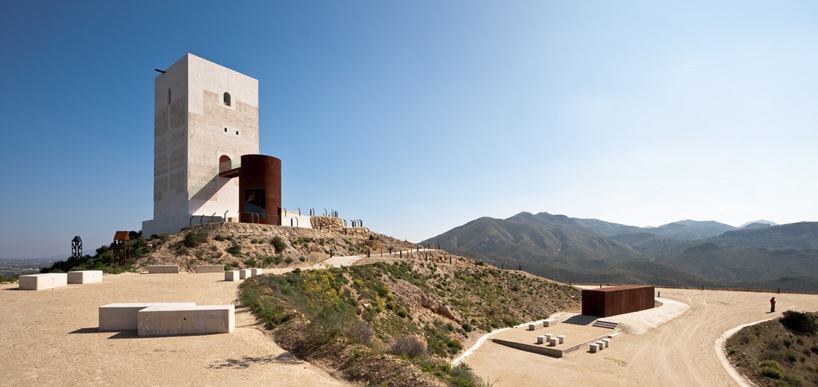
castillo miras arquitectos: nazari tower restoration in huercal overa
foreign installations and existing restorations bring an ancient tower from a historical civilization back to life in almost its original form.
[FEATURED]
‘tower restoration in huercal-overa’ by castillo-miras arquitectos, huercal-overa, spainimage © fernando aldaall images courtesy of castillo-miras arquitectos
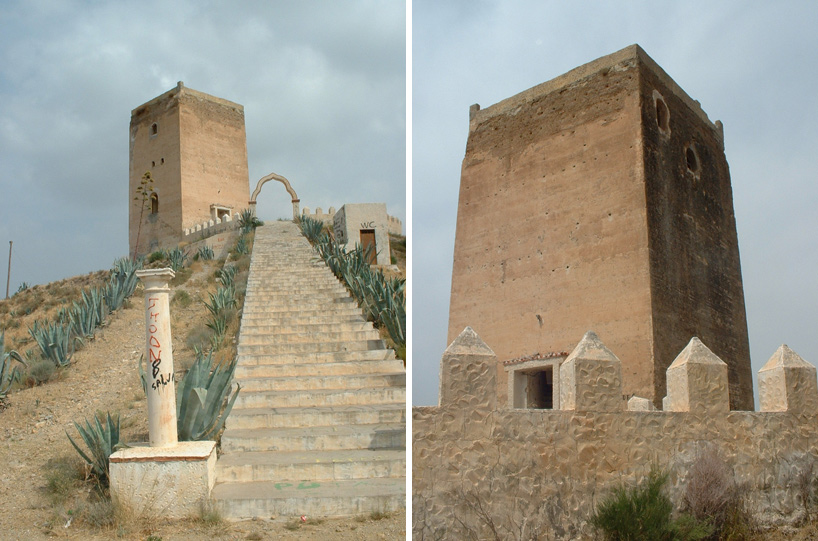
the world is dotted with ancient artifacts and historic structures that throughout the years have passed from owner to owner and undergone varioustransformations to suit contemporary needs. in the mountainous landscape of almeria, spain, in a small town called huercal-over, a military defensetower on a raised enclave remains standing since the 13th century. it was originally built by the arab kingdom of nazari during their rule in spain when their territories were being reduced to the southern andalusia region. the construct was part of a larger fortress that has long since been destroyed, but the tower remains as a memory of its past, surrounded by hidden relics that date back to the bronze age. during the spanish civil war it was takenover by military forces and repurposed as a bunker; new openings were made for machine gun access. a private owner then bought the property andmade basic alterations to indulge in their own needs during the following 50 years until the municipality acquired the land and commissioned spanish practice castillo-miras arquitectos to carry out a renovation that would respect the historical significance and character of the dilapidated edifice.
the intervention aimed at restoring the construct to its original design, using known documentation and similar tower typologies of ancient arab architecture to ensure morphological accuracy. it was decided to create a clear distinction between the new and old, to allow the added elements tostand obviously separate from the existing and to let this dichotomy in turn present the relic as an observable, inhabitable artifact. the new componentshave a temporary nature with no permanent foundations in the ground, they are designed as foreign objects contrasting the earth-tone tower. the parking area was created relatively off-site, on an existing plateau. a path guides visitors to the information kiosk, a corten steel box whose shipping container-like appearance emphasizes its relative transience. the path continues winding along the natural contours and topographical featuresof the site peppered with stone block benches that seem to grow out of the ground, creating places to sit, rest and enjoy the landscape. as the originalentry is four meters off the ground, a corten steel circular staircase structure was placed – also without permanent foundations – next to the square tower,allowing its materiality and form to contradict the language dictated by the earthen building. perforations in the stair envelope allow visitors periodic views of the landscape and immediate site to help gain an understanding from a new perspective, until reaching the top where the front door is locatedacross from a view stretching miles over mountainous terrain into the horizon.
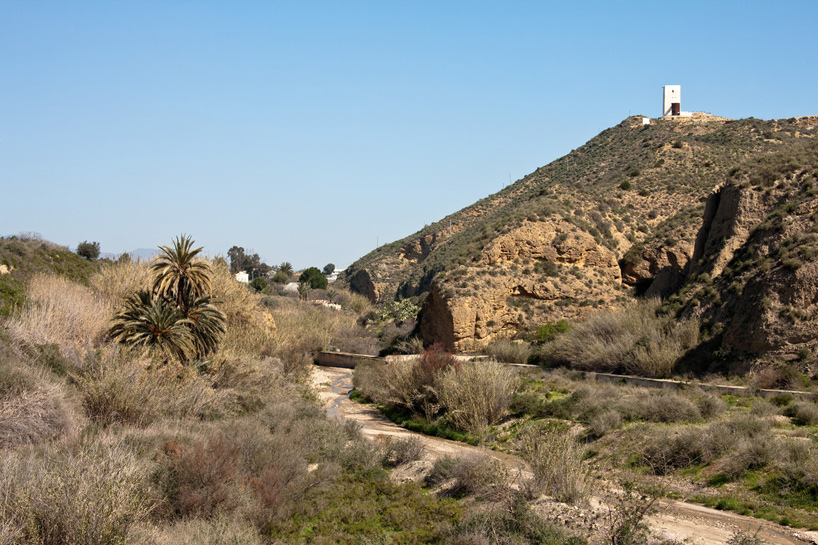 view from below the enclaveimage © fernando alda
the restoration of the interior relied not so much on alien intervention but rather on the rejuvenation of the original design. the exterior mud walls were cleaned off to unveil their true color; where the walls became too damaged they were reconstructed with a limestone mortar that fits into the contextwhile subtly exposing its difference from the existing material. interior additions were removed, newly punctured openings in the recent past were re-closed; the inserted 20th-century floor tiles were removed and replaced with a floating wooden floor independent of the walls; the new plaster coatingon the interior partitions was eliminated to bring out the brick structure. the tower exists as it did over 800 years ago, recalling its powerful presencein an ancient landscape, bringing to life an architecture designed and built by anonymous people, preserved for many years to come.
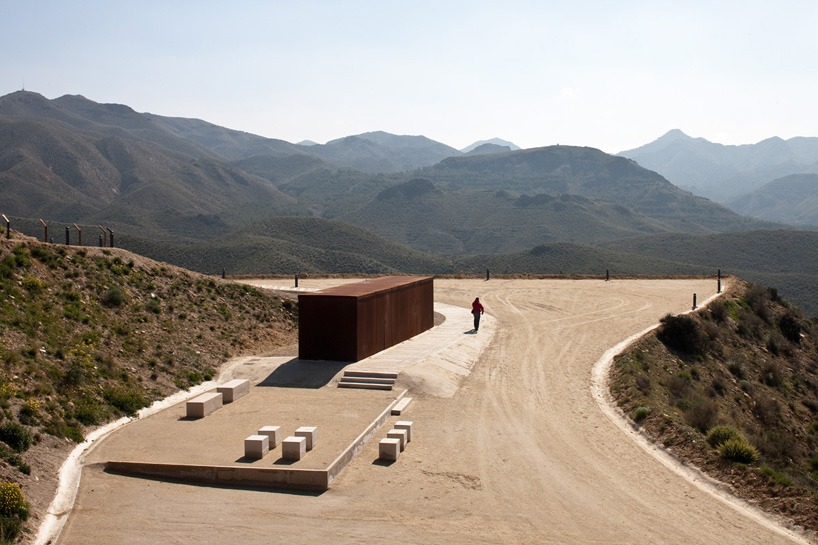 information kiosk of corten steelimage © fernando alda
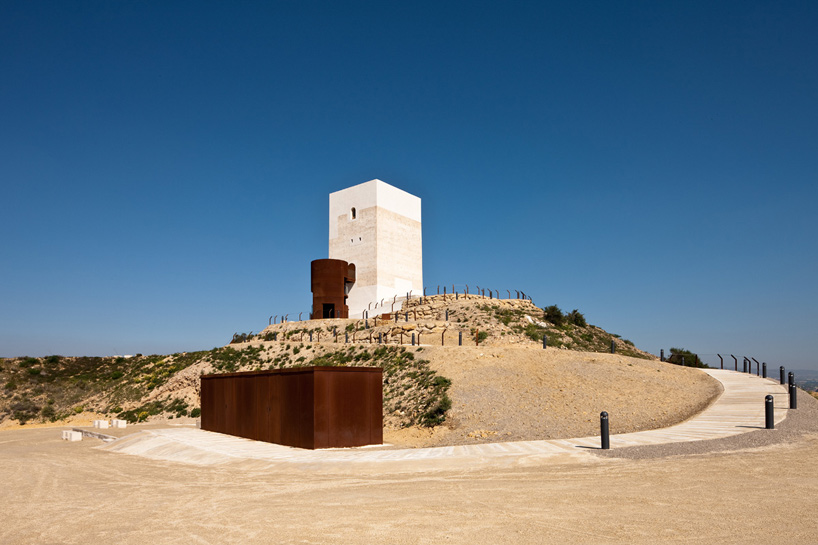 path to the towerimage © fernando alda
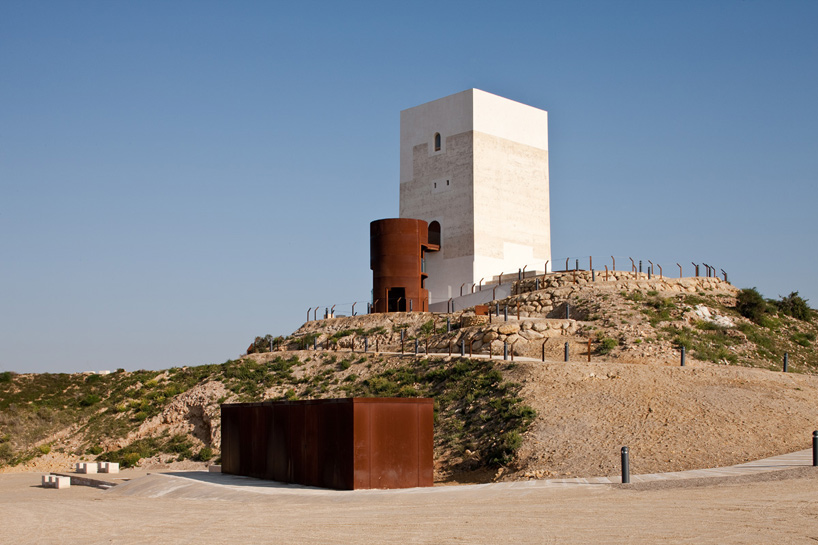 image © fernando alda
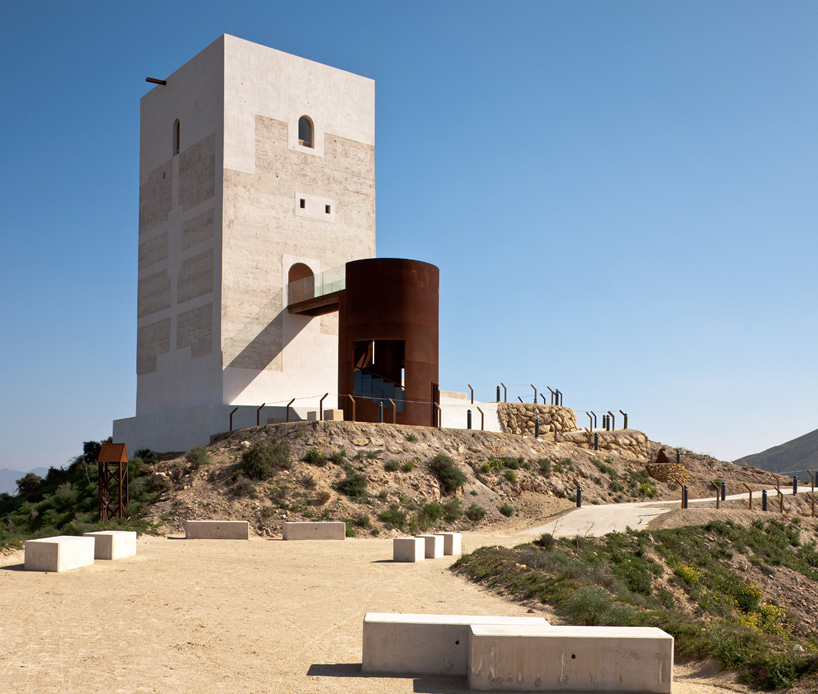 approach around a winding trailimage © fernando alda
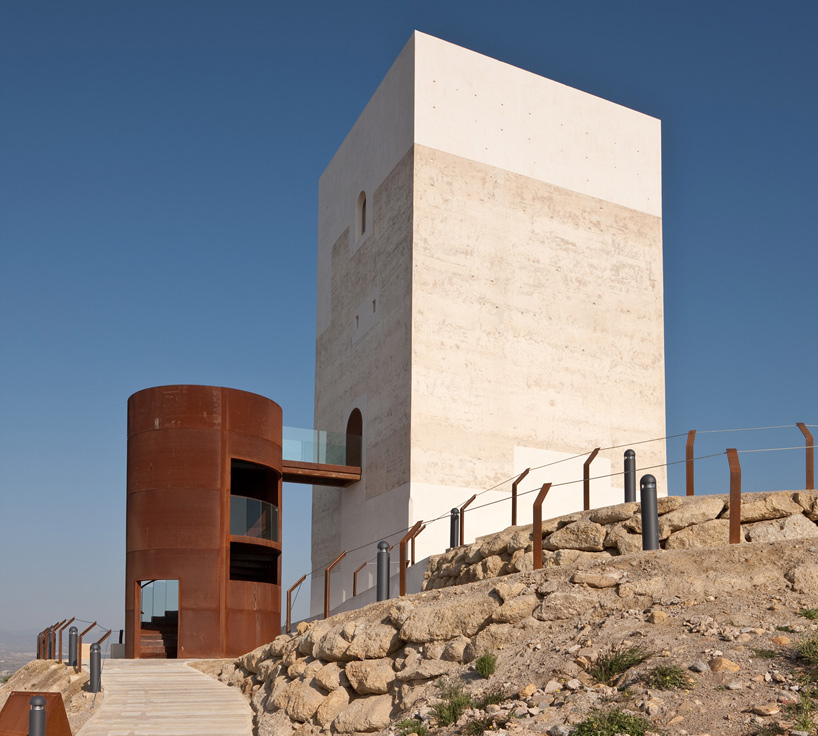 corten circular structure housing the stairsimage © fernando alda
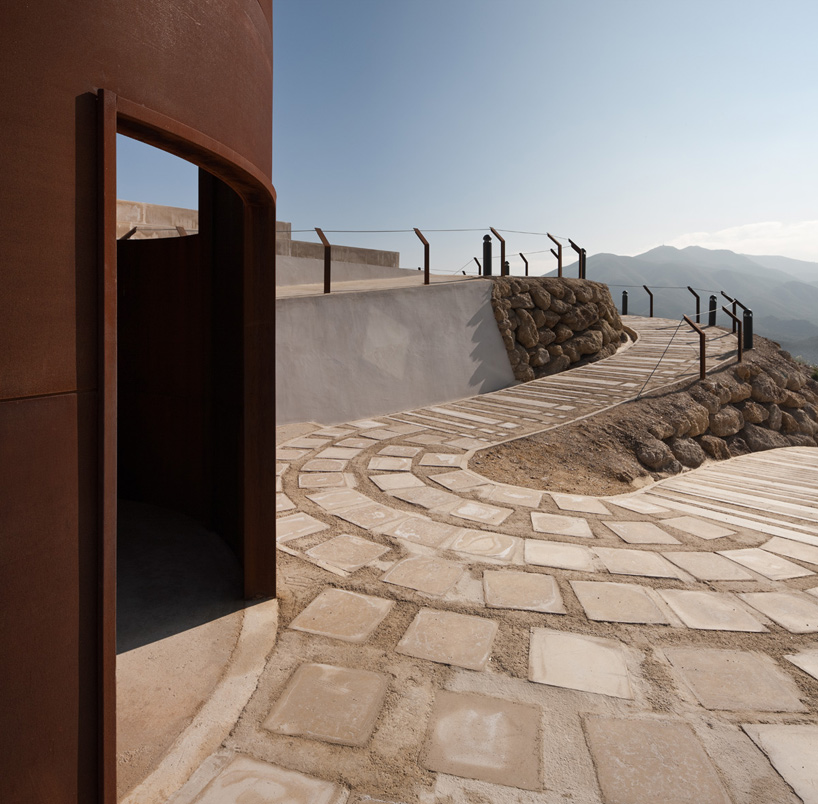 entry to stair elementimage © fernando alda
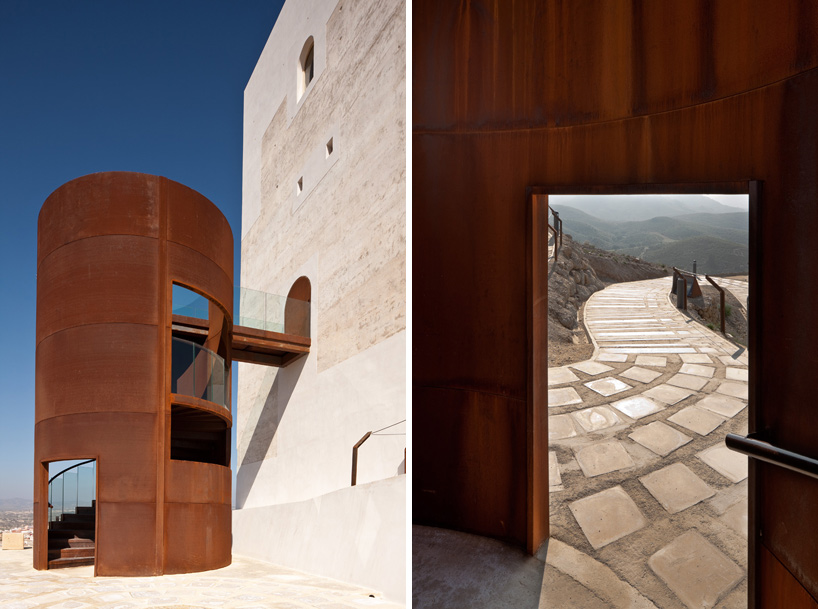 image © fernando alda
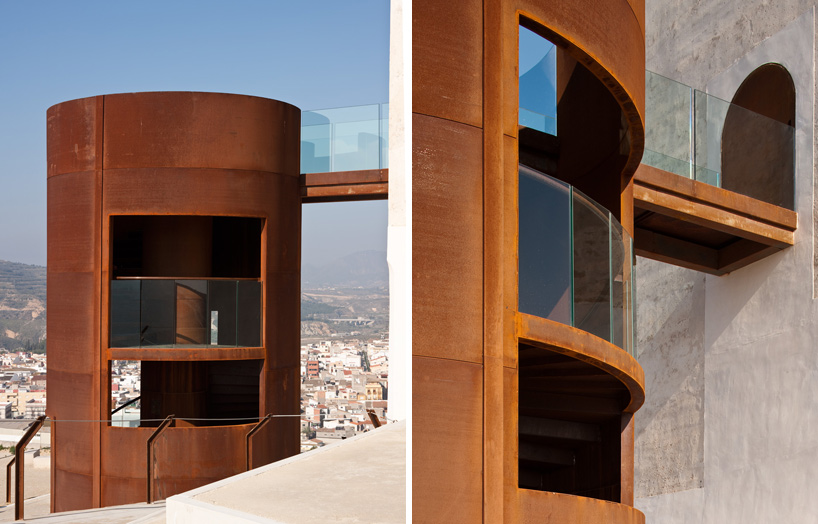 punctures in the structure allow various views image © fernando alda
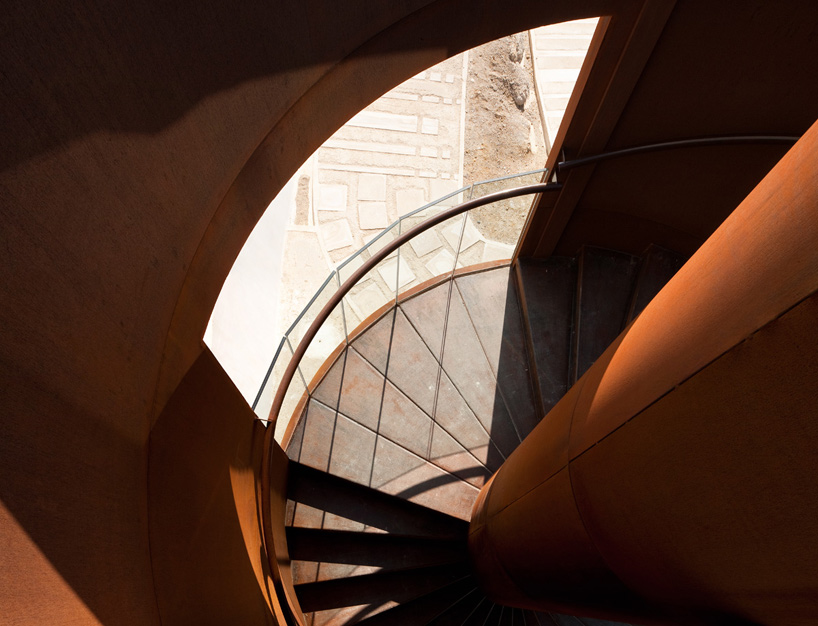 interior of stairsimage © fernando alda
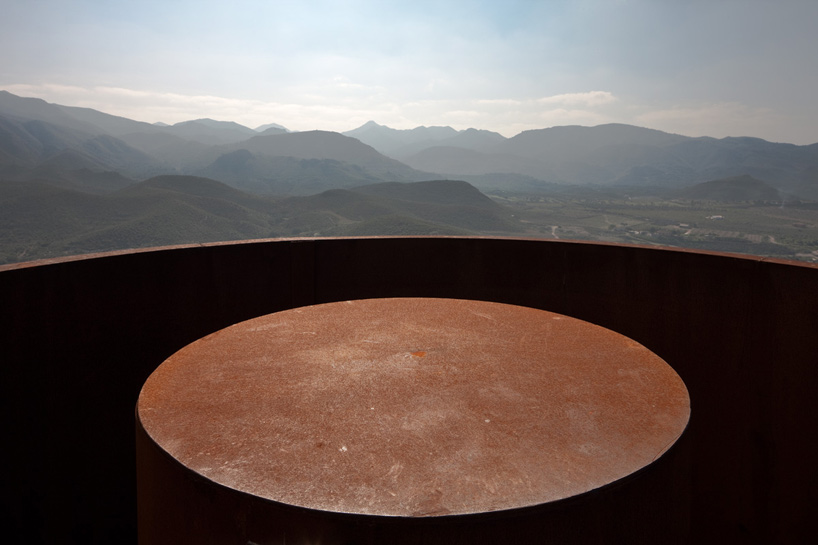 view from the topimage © fernando alda
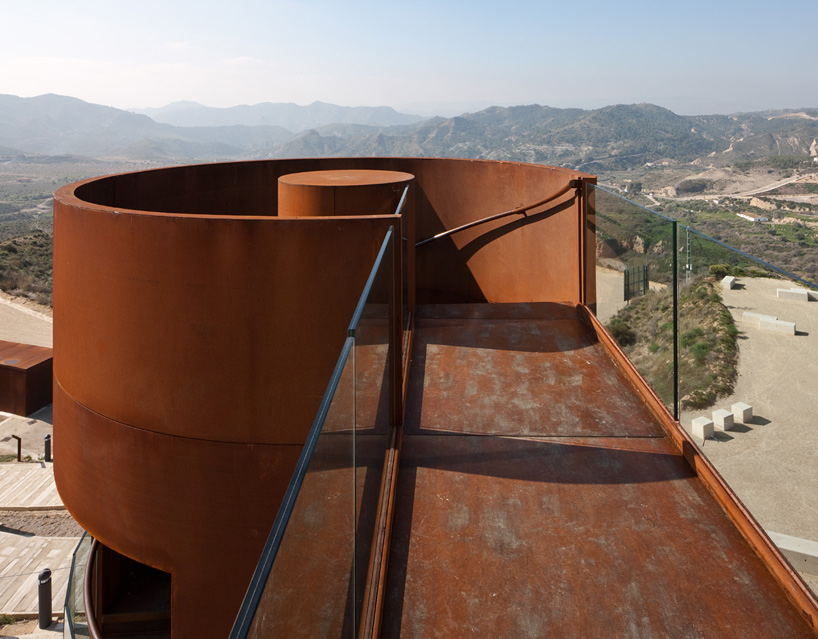 steel bridge from the stairs to the original doorimage © fernando alda
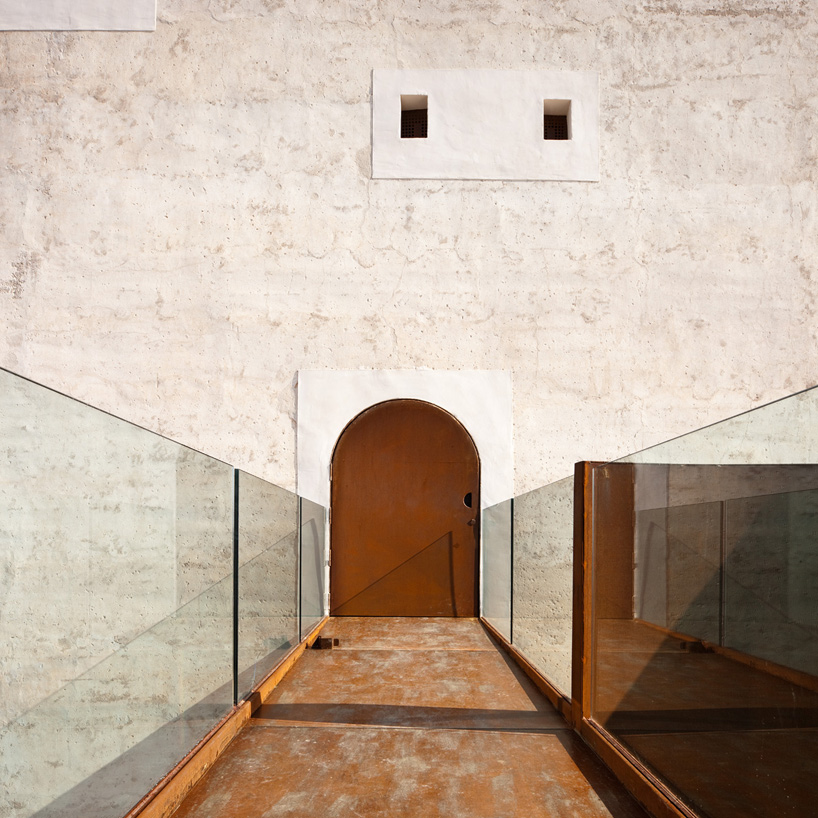 doorway to the tower four meters off the groundimage © fernando alda
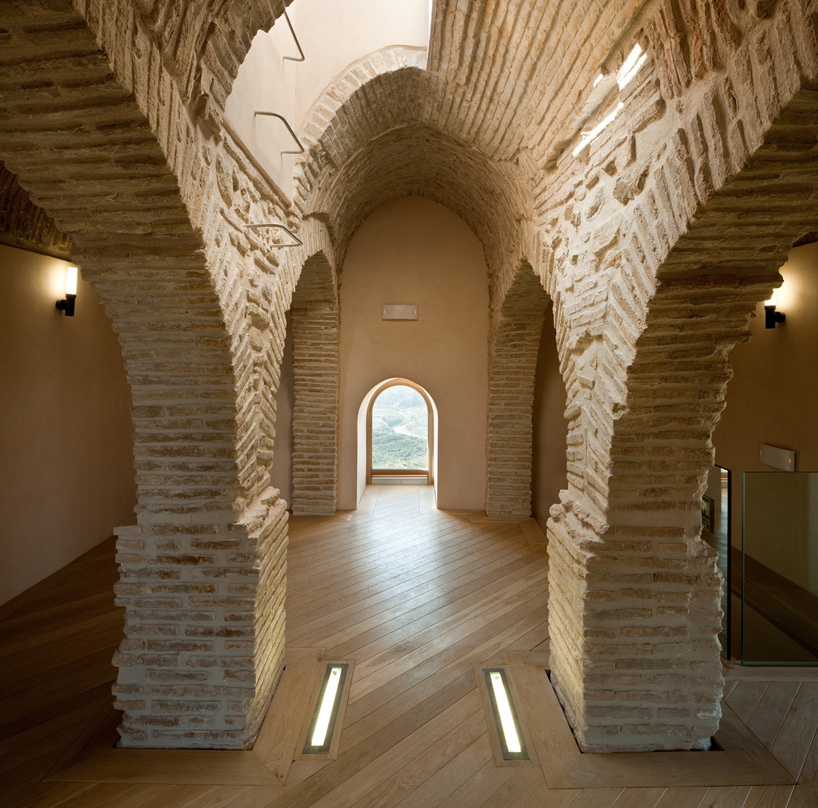 renovated interior with original brick and inserted wooden floorimage © fernando alda
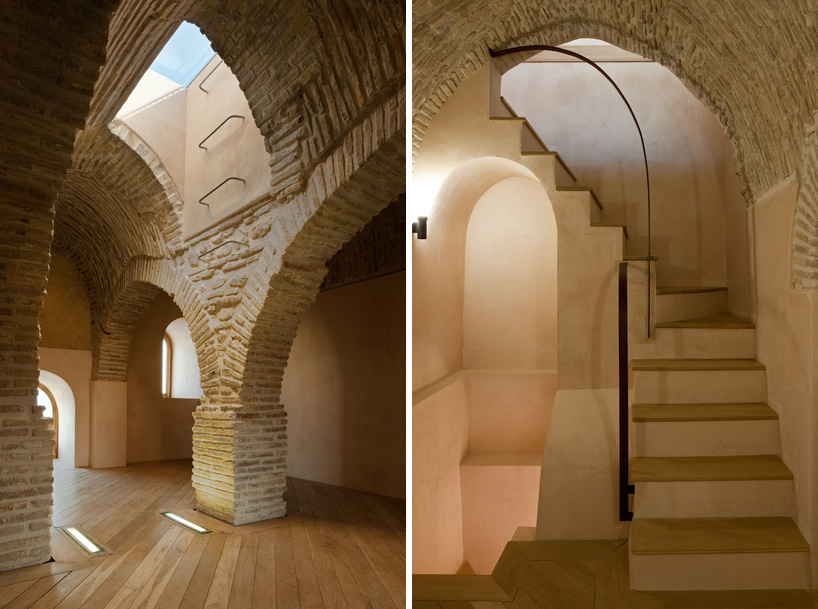 reconstructed interior stairs based on similar tower typologiesimage © fernando alda
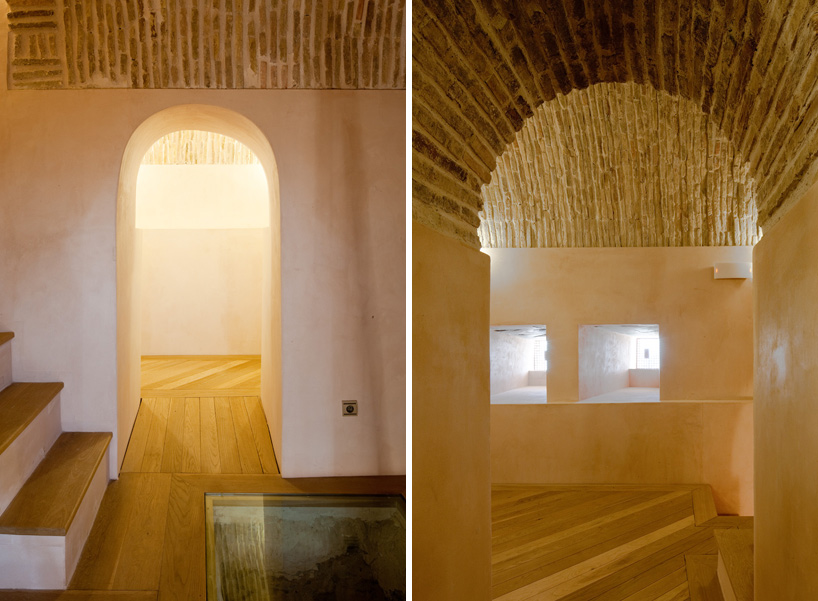 original vaulted ceilings exposedimage © fernando alda
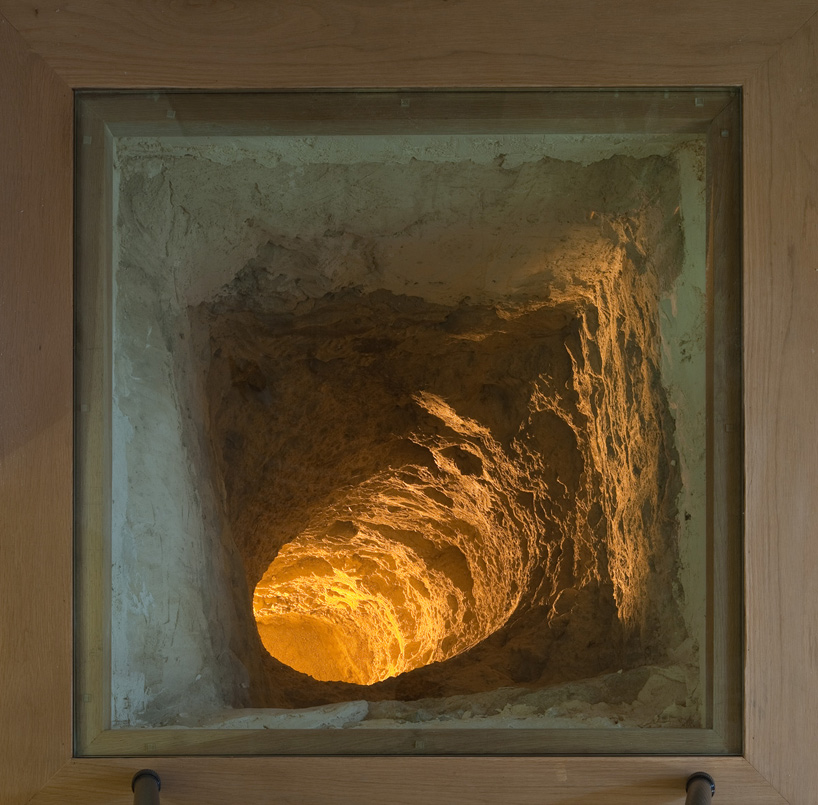 a preserved aperture recalling its more recent historyimage © fernando alda

 the original structure contained a staircase penetrating the hillsideimage © fernando alda
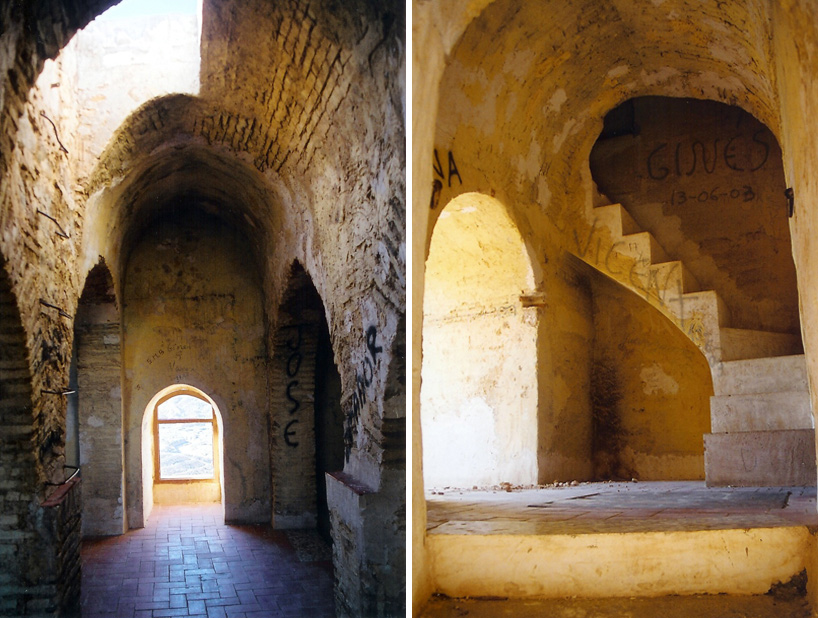 original interior when it was taken over by the stateimage © fernando alda
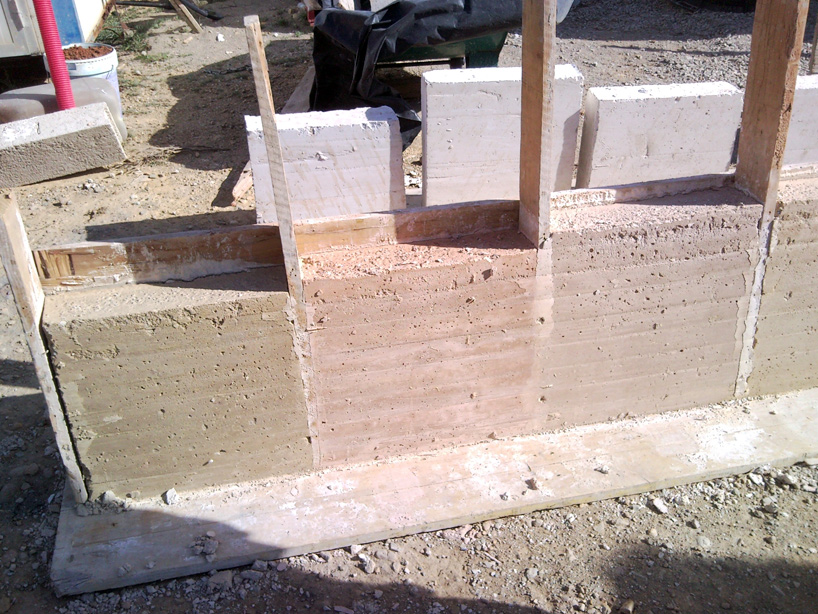 testing limestone mortars for color accuracyimage © fernando alda
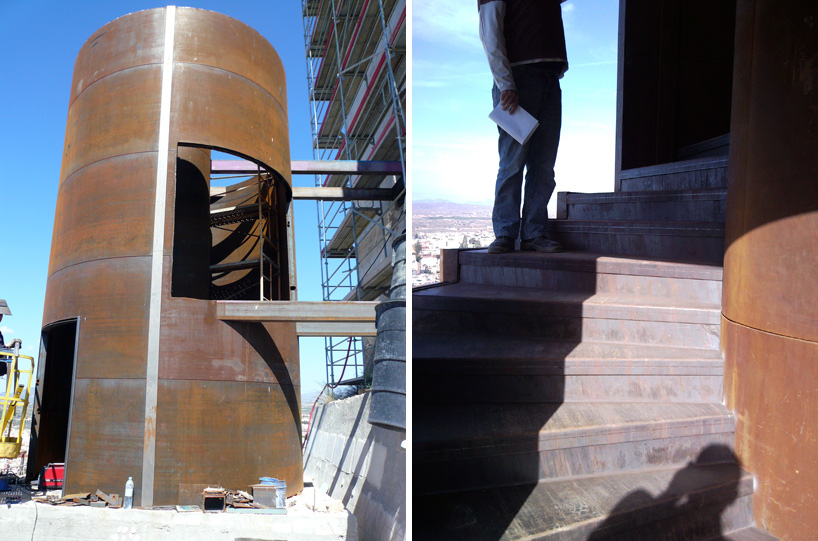 installation of the staircaseimage © fernando alda
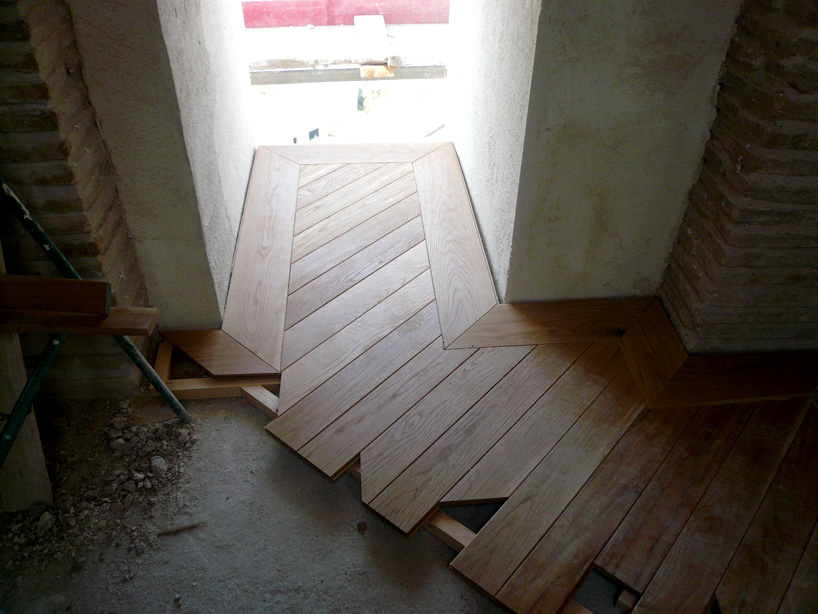 wooden floor assembly is structural independent of the wallsimage © fernando alda
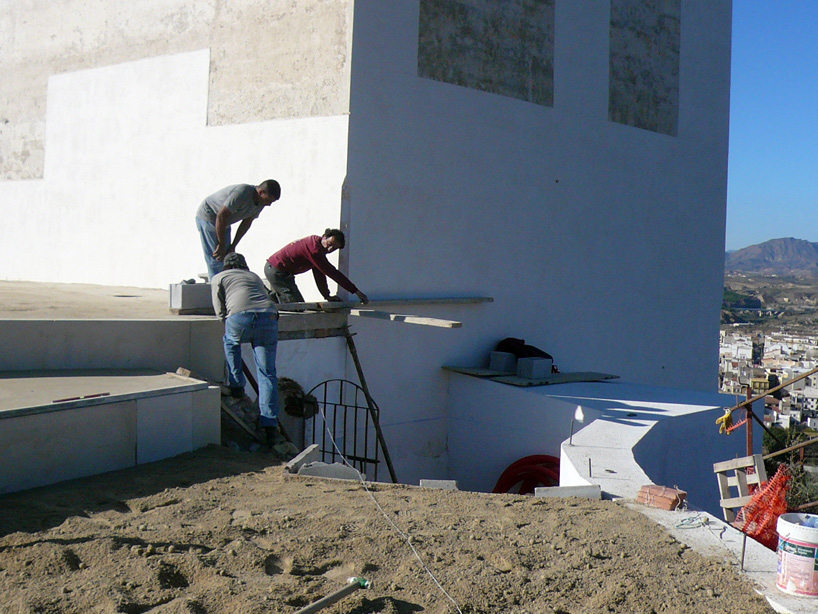 repairing dilapidated wallsimage © fernando alda

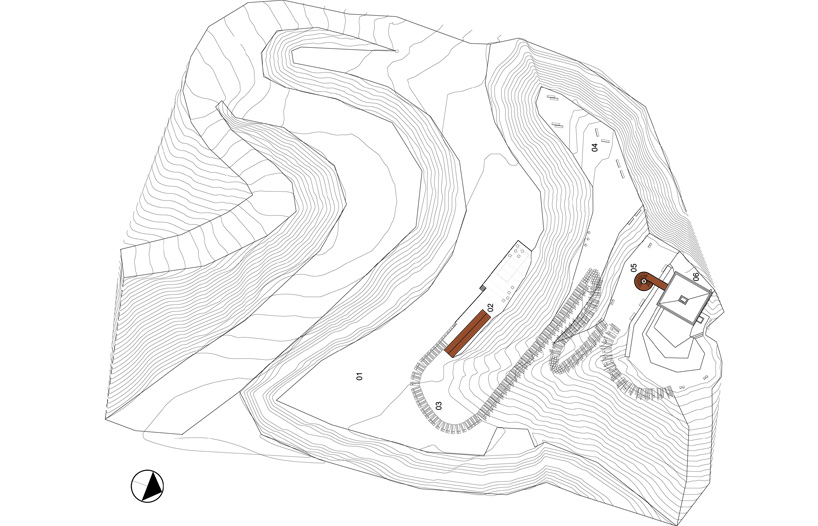 site plan
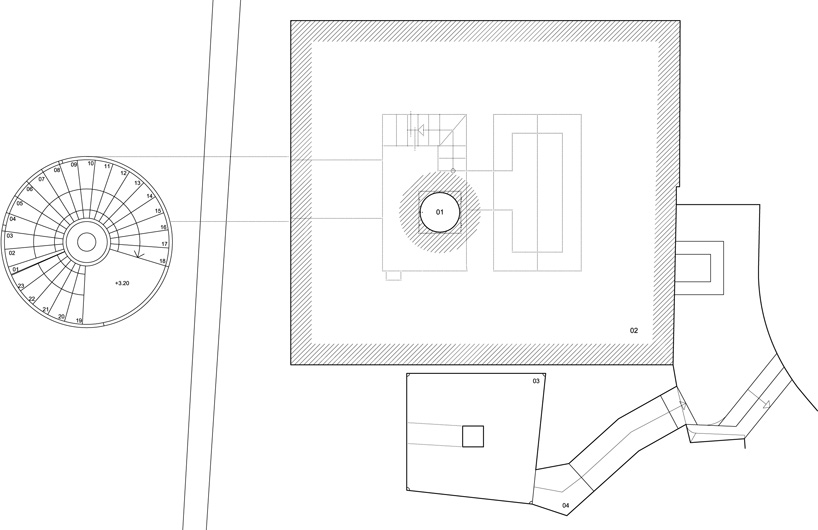 floor plan / level 0
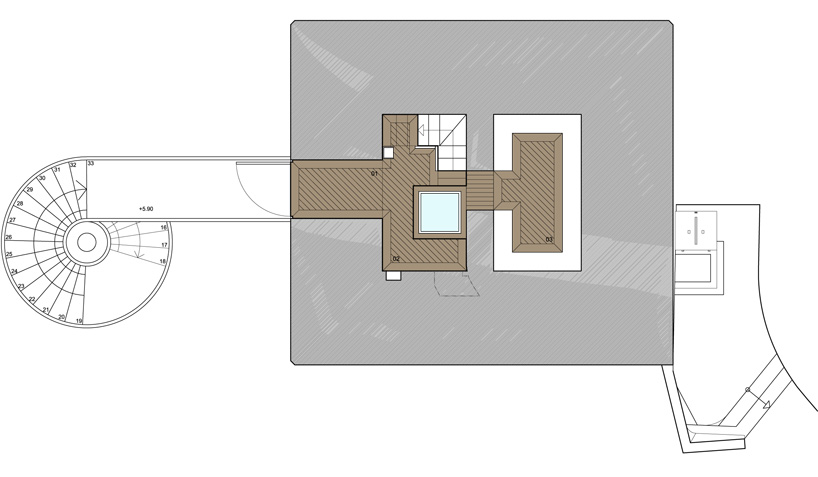 floor plan / level 1
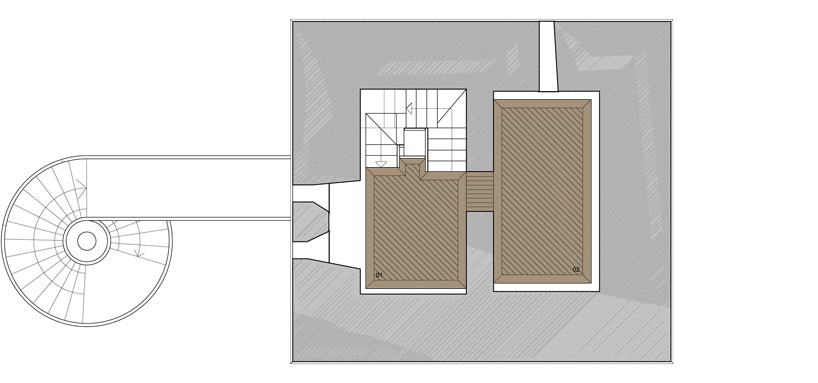 floor plan / level 2
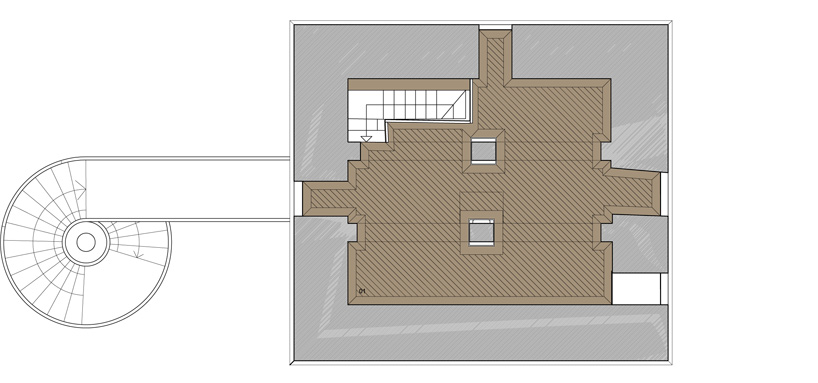 floor plan / level 3
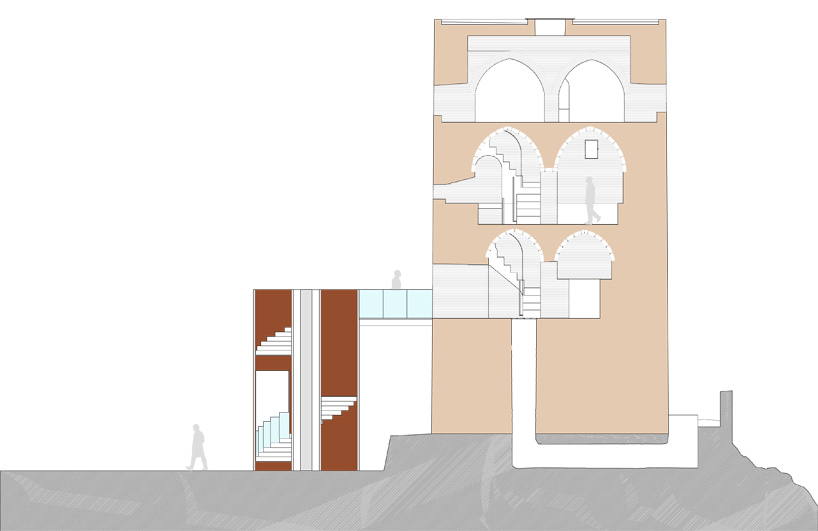 section
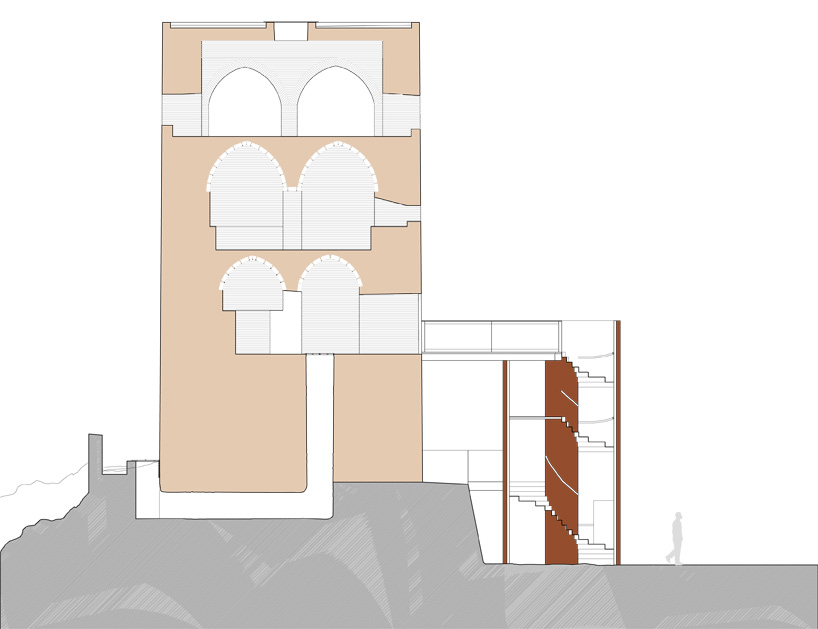 section
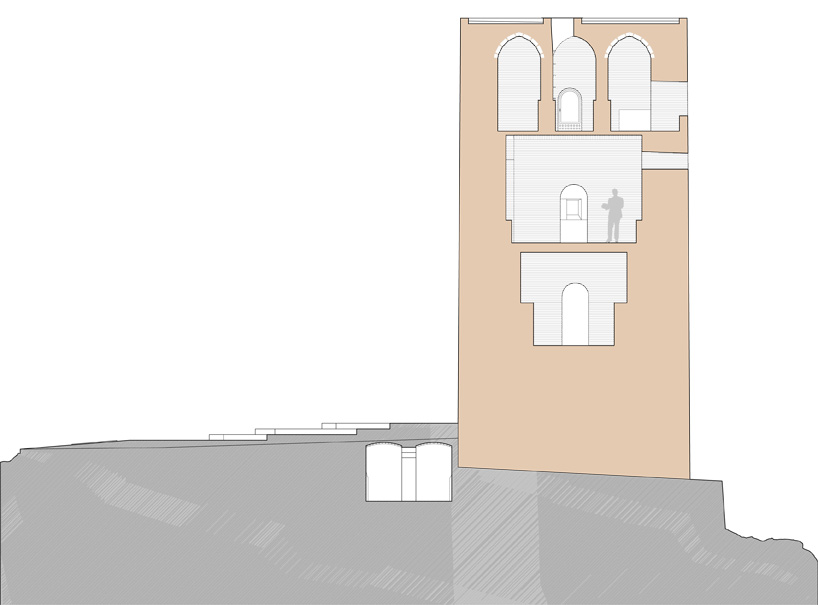 section
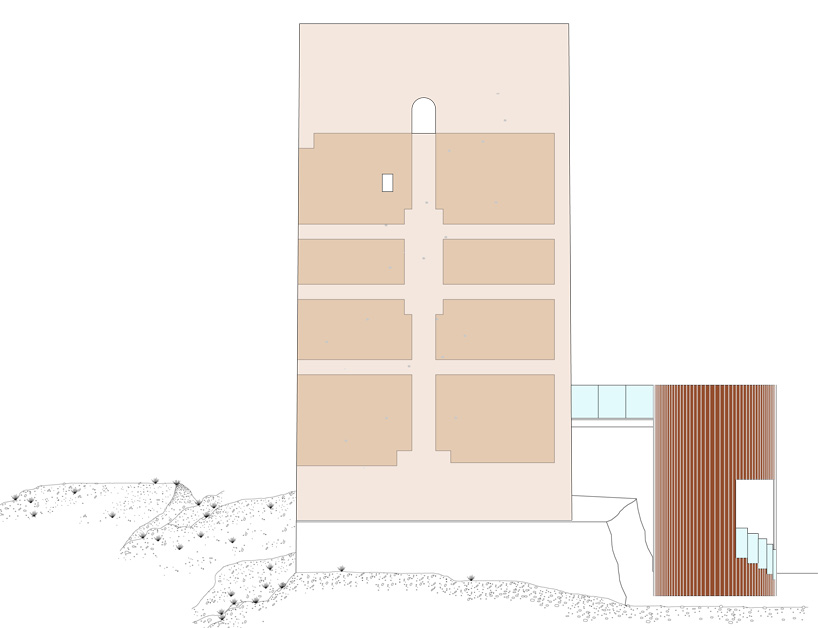 elevation
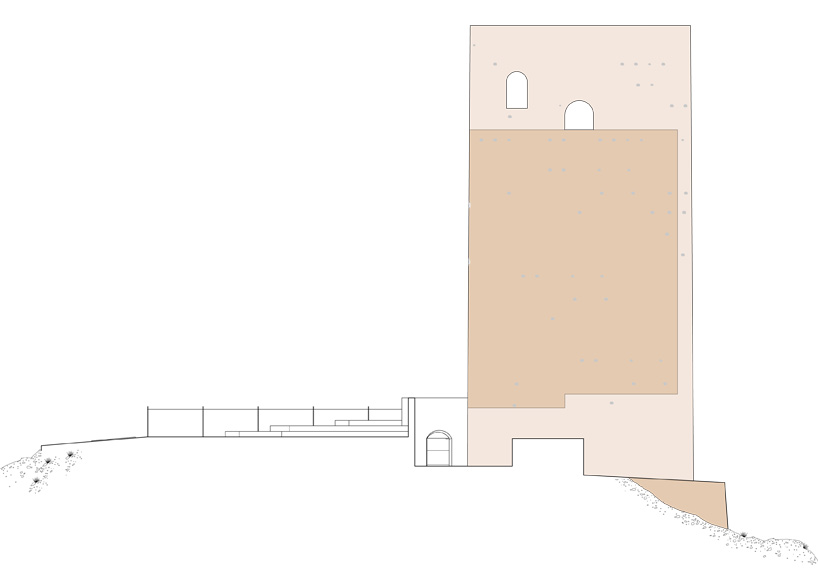 elevation
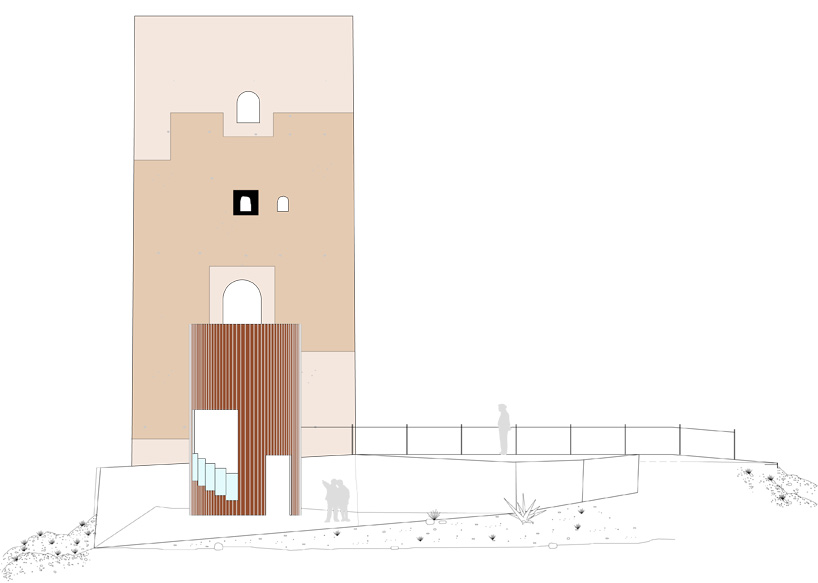 elevation
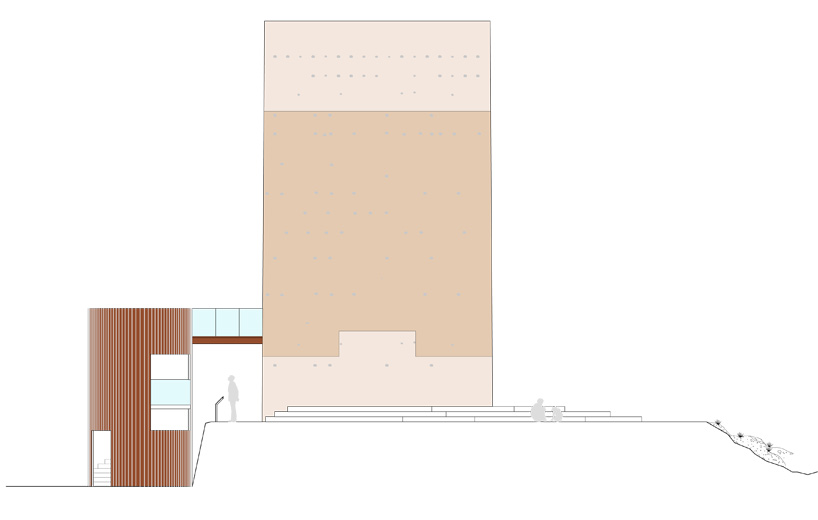 elevation
project info:
project: tower restoration in huercal-overa architects: castillo-miras arquitectos (mercedes miras varela. luis castillo villegas). www.castillomiras.esclient: consejeria de cultura de la junta de andalucia (andalusian regional government. department of cultural affairs).location: huercal overa. almeria. spain.project team: daniel lopez martinez. luis hervas lopez.quantity surveyor: luis hervas lopez.structural engineer: satec ingenieros s.l.lighting consultant: lledo s.l.archaeologist: entorno y vegetacion s.a.contractor: costrucciones j.lorenzo s.l.photos: fernando alda.area of the whole intervention: 3483,47 m2.costs: 639.239,74 €
shop
your own online design shop — no sales commission collected