
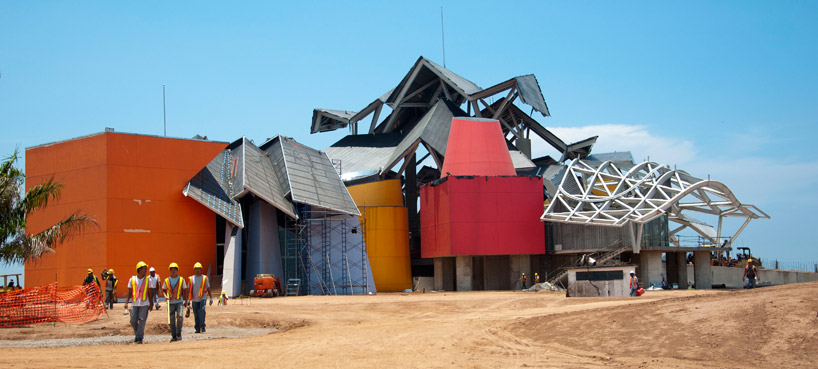
marking his first project in latin america, the ‘biomuseum’ (biomuseo) by canadian-born architect frank gehry aims to provide a scientific center to document and display the rich cultures of ocean and land species that originated in the panamanian isthmus, that consequently had a large impact on global biodiversity. funded by the amador foundation, backed by the government, with scientific support by the smithsonian institute and the university of panama, the project carries a great social importance for the country and region.
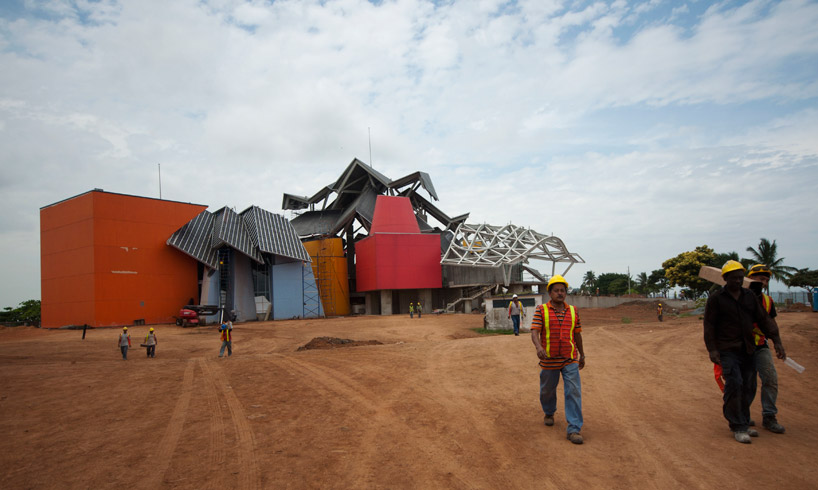
image courtesy of biomuseo
image © victoria murillo (also main image)
the 4,000 square meter footprint will contain eight permanent galleries designed by bruce mau, a public atrium, temporary exhibition spaces, a store, cafeteria, exterior exhibits and a botanical garden designed by edwina von gal. many of the structural elements will also become educational points, with a semi-interior colonnade of 16 pilars that will describe mankind’s effect on the panamanian ecosystem, two large aquariums that host the different aquatic species in the caribbean and pacific oceans. the panamarama, a three-storey space covered in 14 screens will create an audiovisual experience for the visitor, placing them directly into a digital history environment. the structure is based around thick concrete column trees with angular metal branches that hold up various metal-plated canopies resembling an array of colored curved and folded geometries, enveloped in large curtain walls.
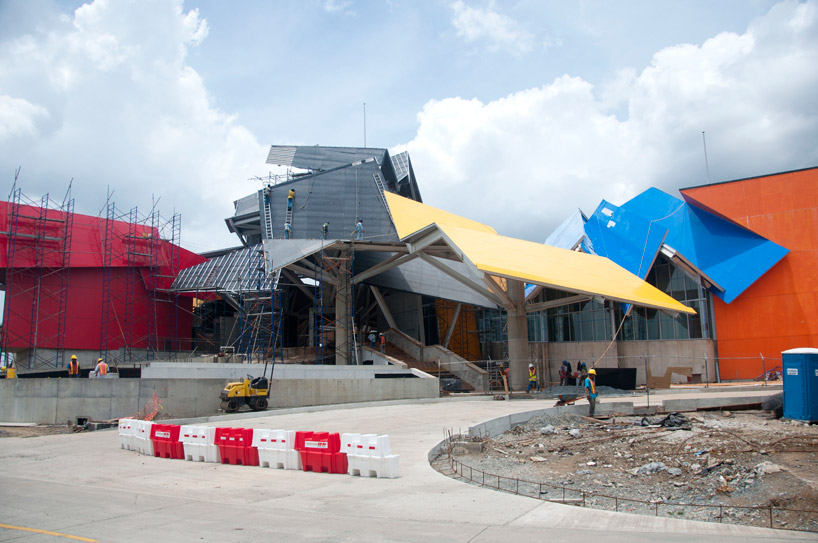
image courtesy of biomuseo
image © victoria murillo
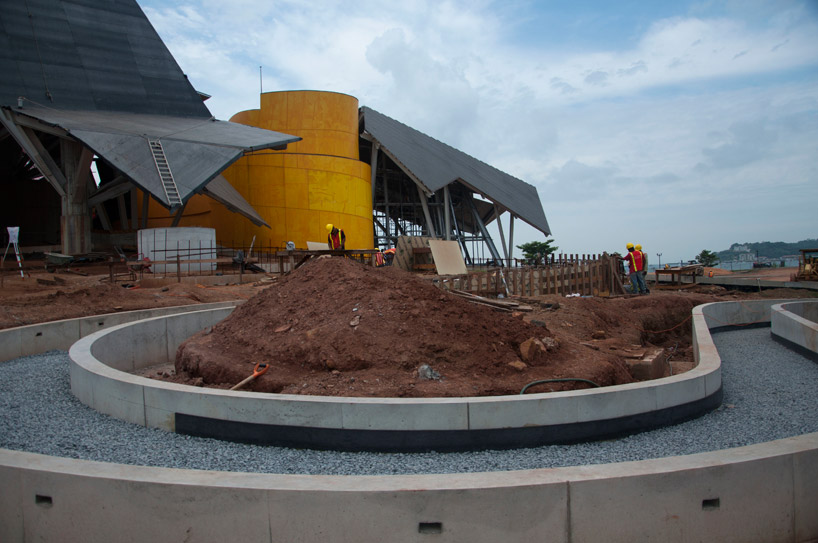
image © victoria murillo
image courtesy of biomuseo
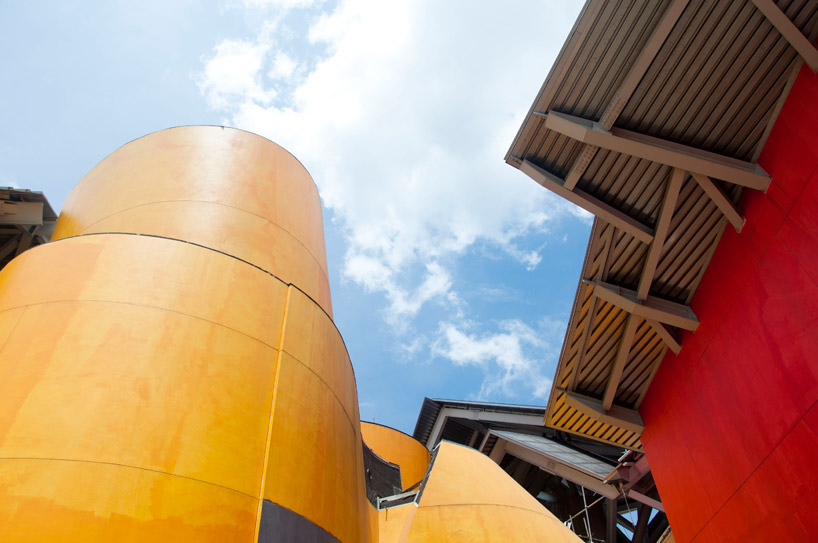
image courtesy of biomuseo
image © victoria murillo
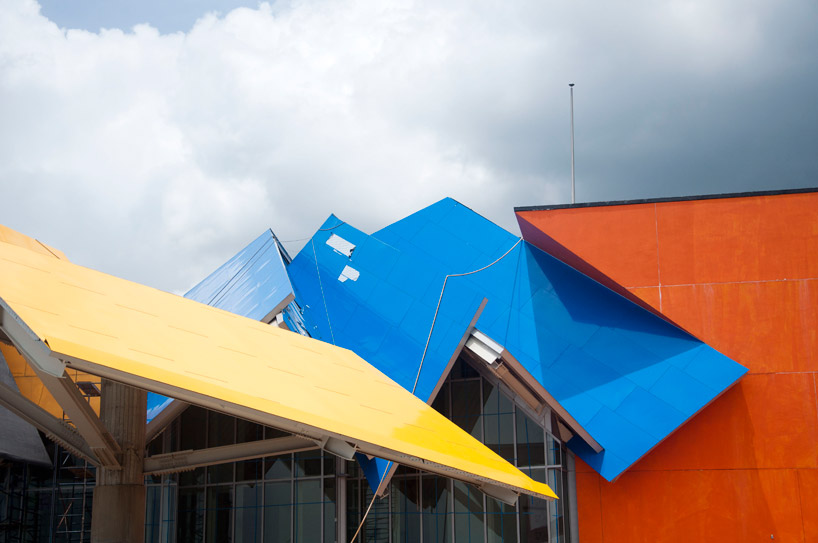
image courtesy of biomuseo
image © victoria murillo
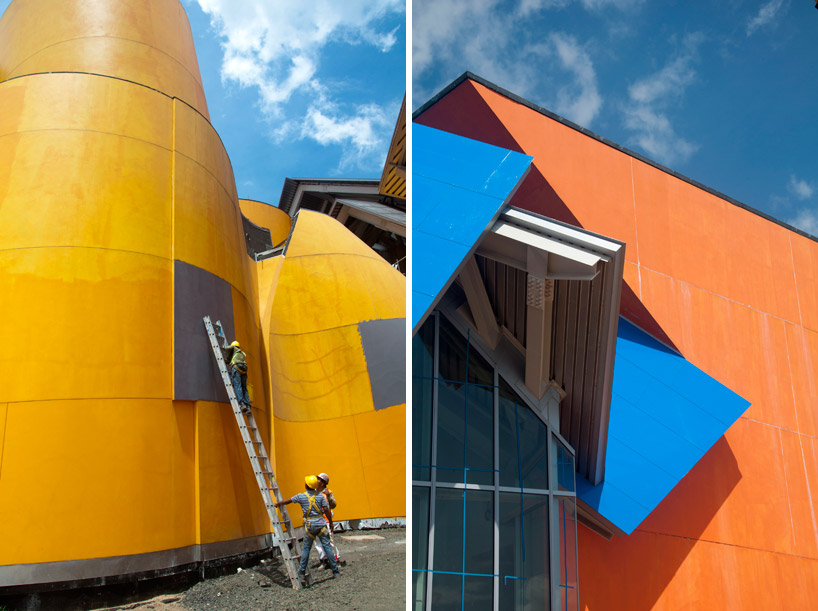
image courtesy of biomuseo
image © victoria murillo
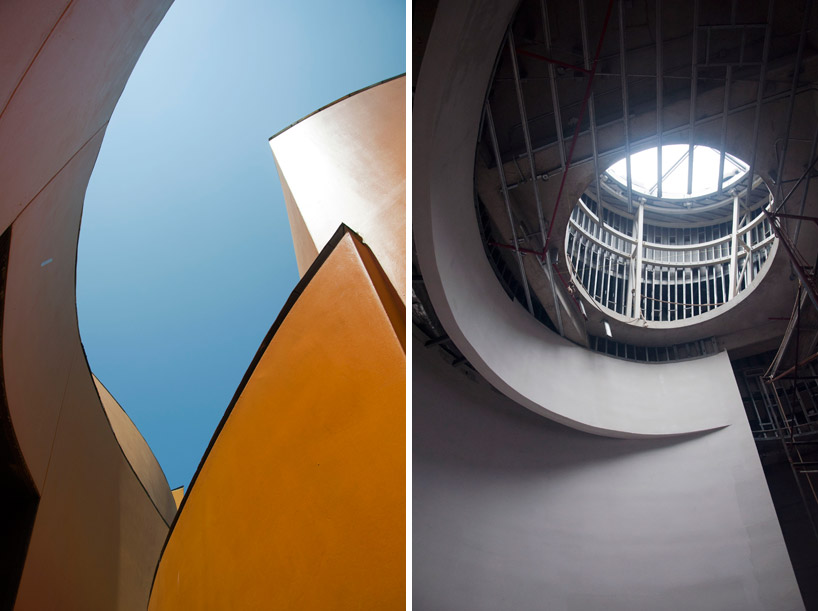
image courtesy of biomuseo
image © victoria murillo
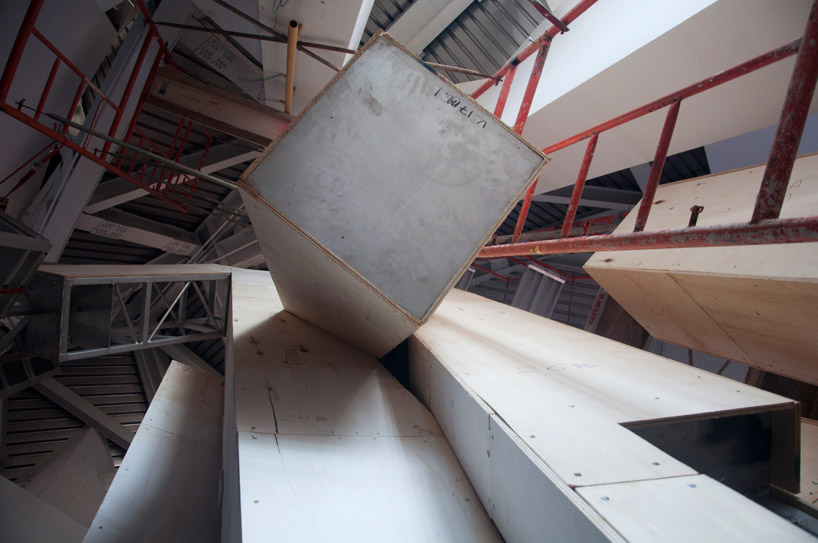
image courtesy of biomuseo
image © victoria murillo
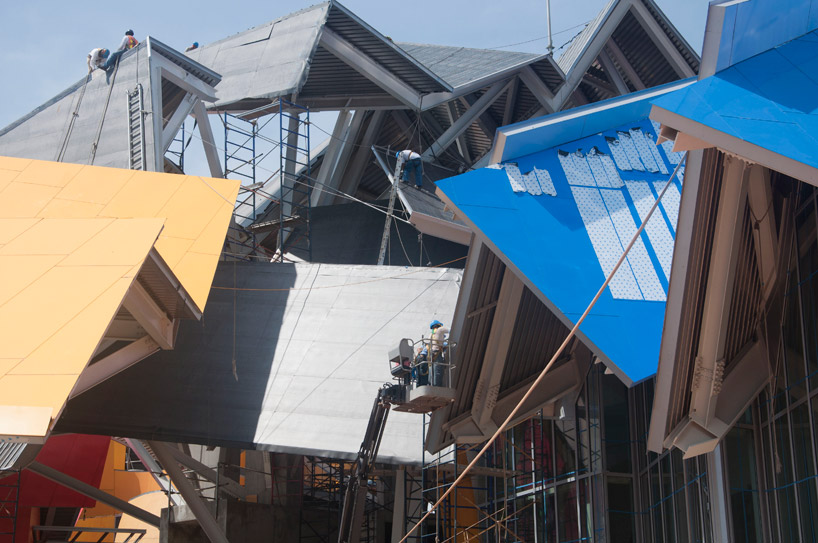
roof construction
image © victoria murillo
image courtesy of biomuseo
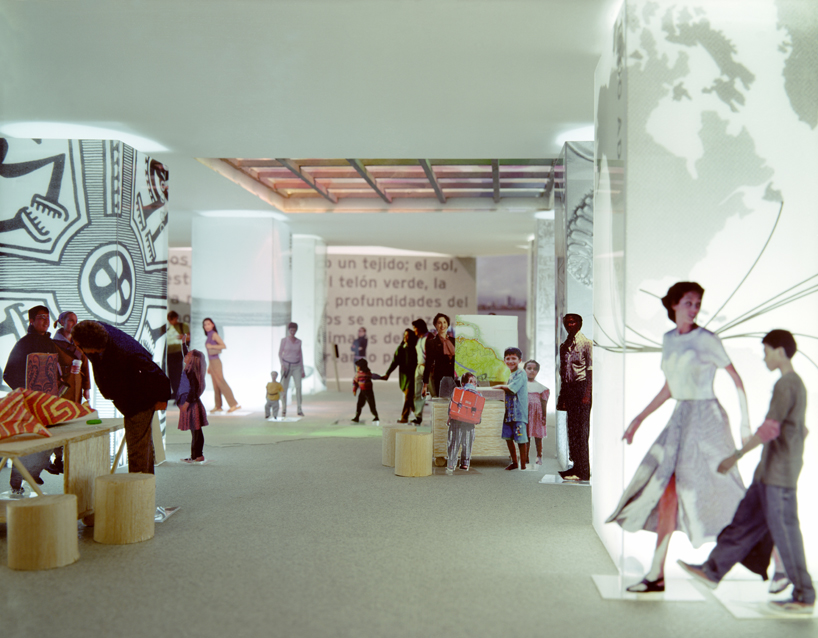
la huella humana
image courtesy of biomuseo
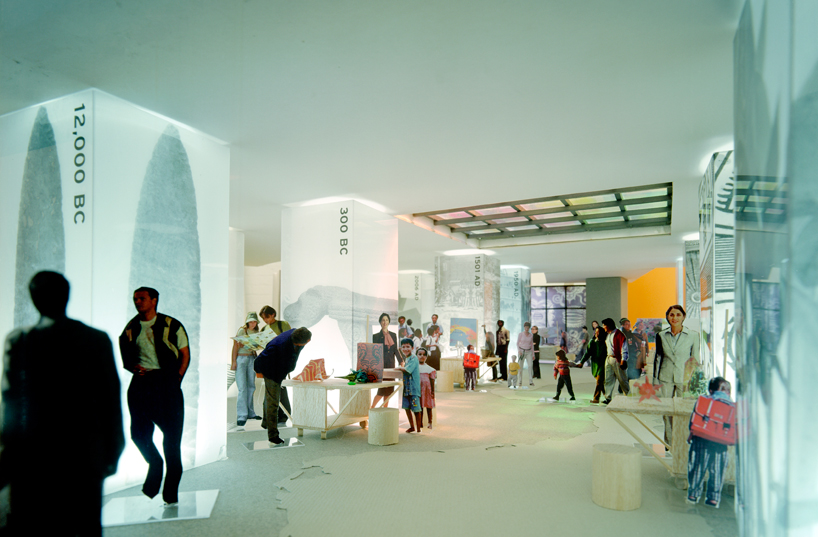
la huella humana
image courtesy of biomuseo
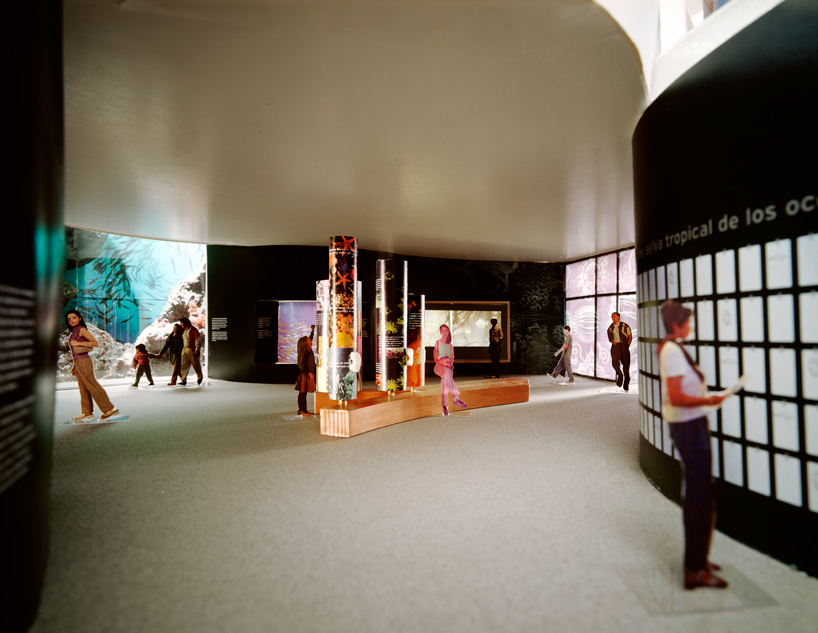
oceanos divididos
image courtesy of biomuseo
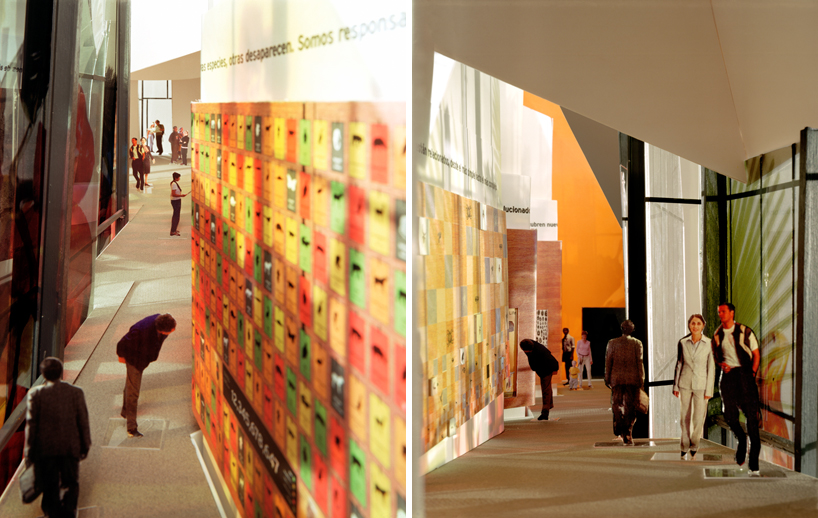
biodiversity gallery
image courtesy of biomuseo
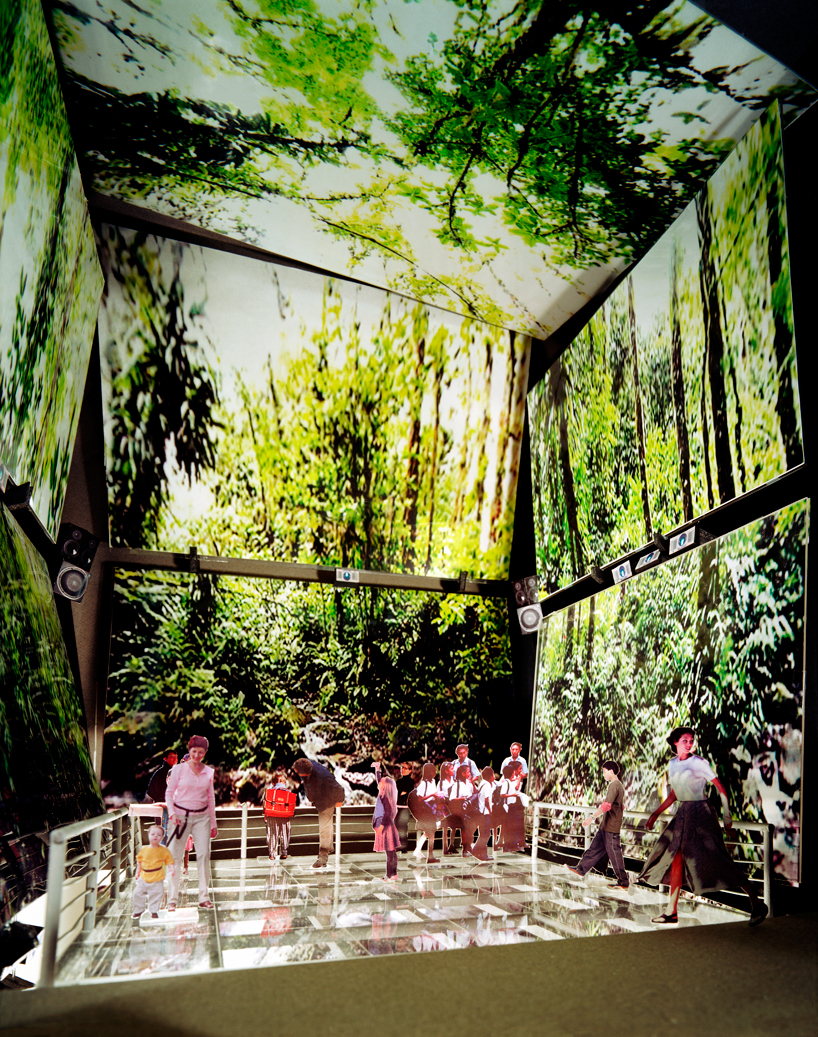
panamarama
image courtesy of biomuseo
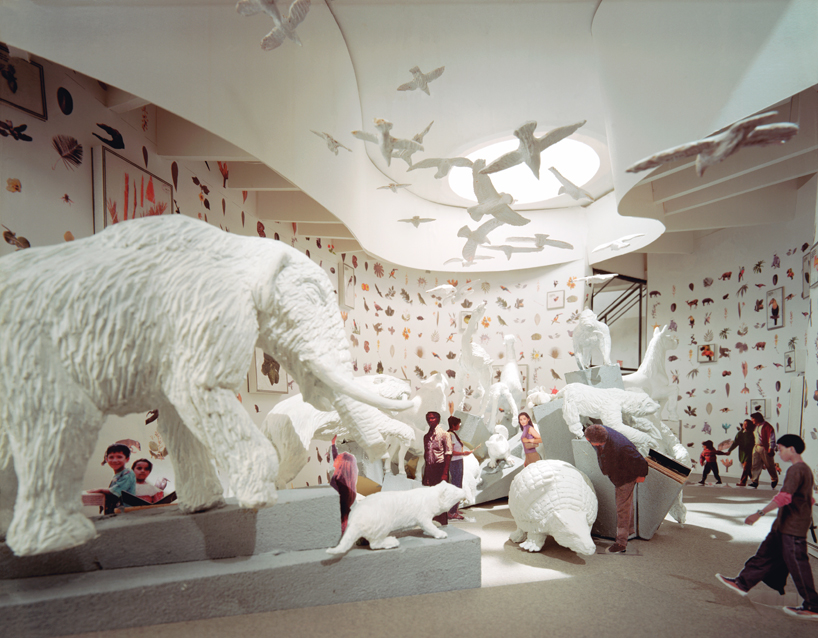
the grand exchange
image courtesy of biomuseo
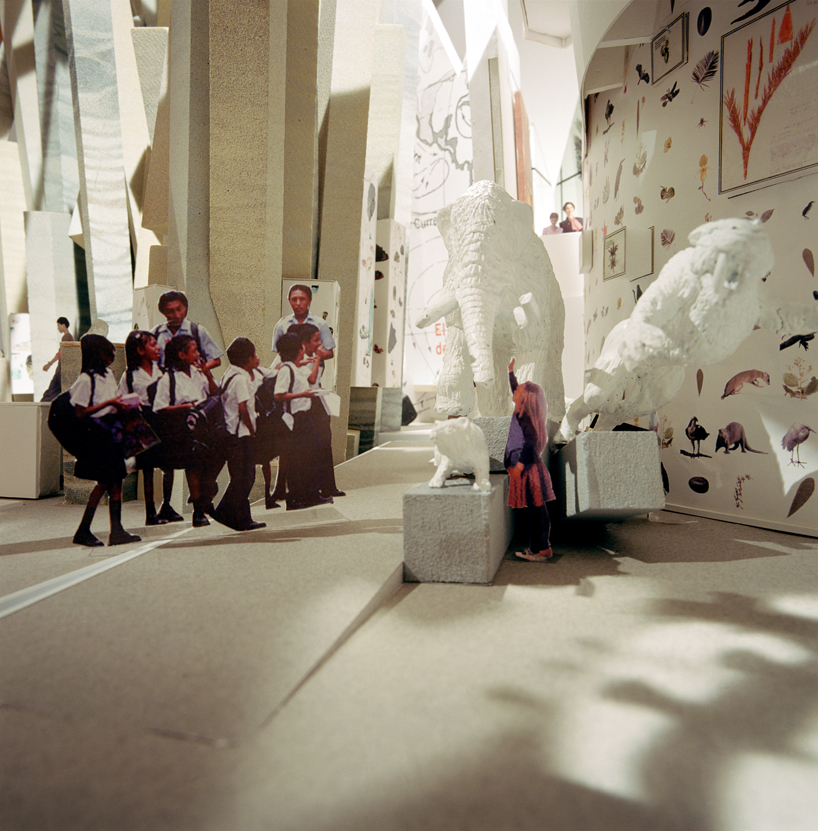
the grand exchange
image courtesy of biomuseo
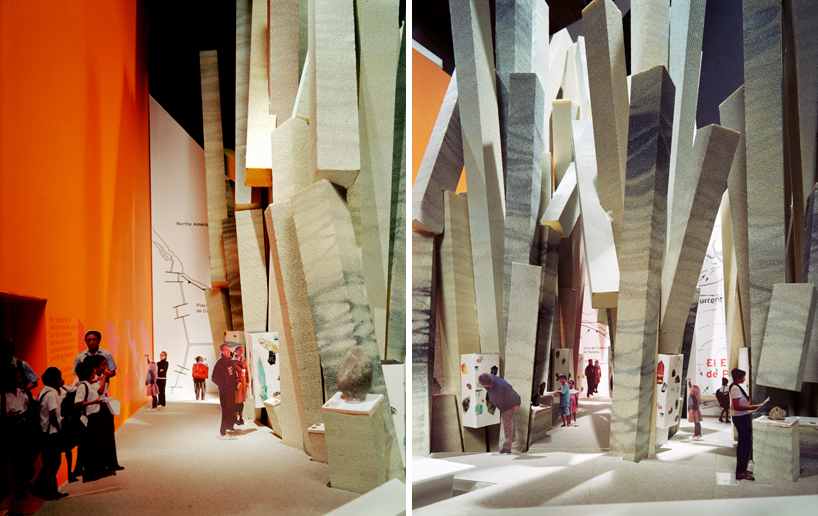
the bridge arises
image courtesy of biomuseo
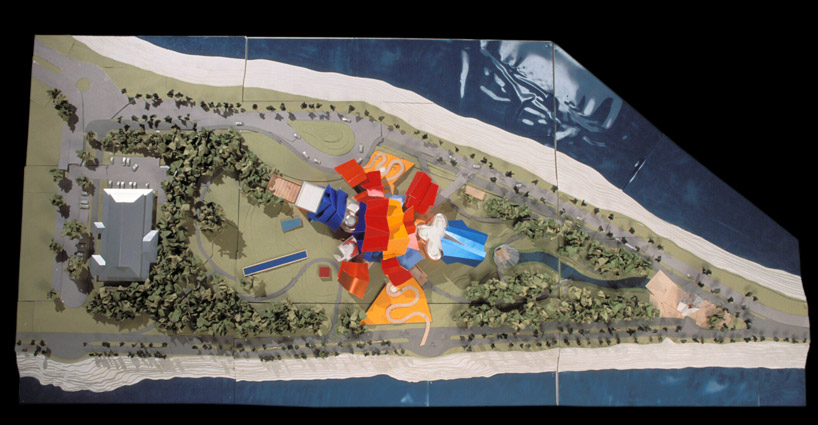
model
image courtesy of biomuseo
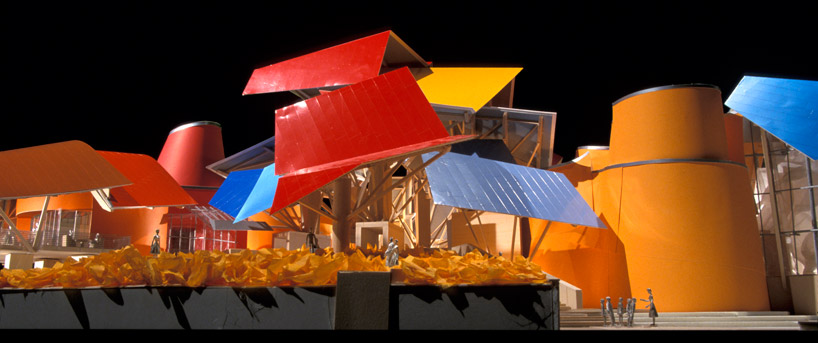
model
image courtesy of biomuseo
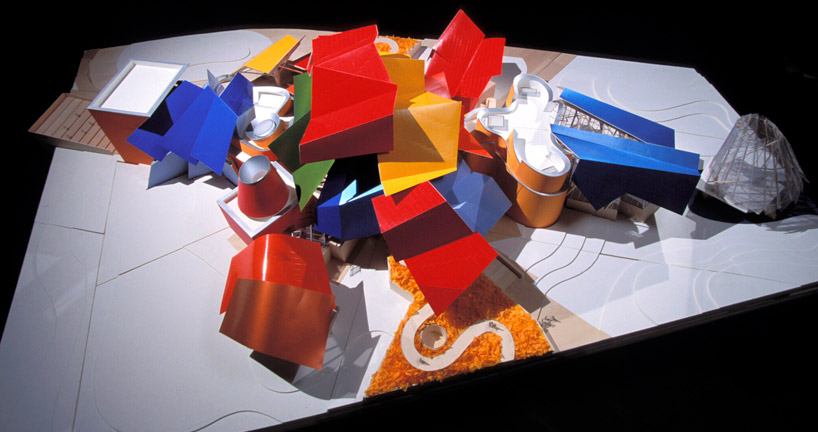
model
image courtesy of biomuseo
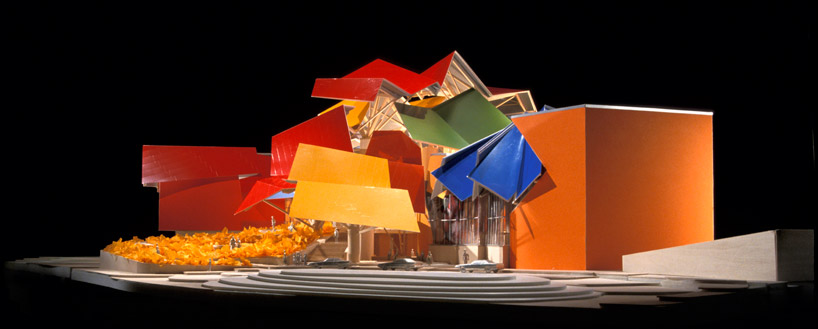
model
image courtesy of biomuseo
architecture in panama (9)
 Aug 09, 2022
 Dec 29, 2019
 Apr 24, 2019
 Apr 09, 2018
 May 18, 2017
frank gehry (91)
 Apr 08, 2024
 Mar 14, 2024
 Feb 21, 2024
 Dec 06, 2023
 Apr 14, 2023
museums and galleries (653)
 Apr 24, 2024
 Apr 19, 2024
 Apr 14, 2024
 Apr 10, 2024
 Apr 09, 2024
PRODUCT LIBRARY
 Apr 27, 2024
 Apr 02, 2024
 Mar 31, 2024
 Mar 21, 2024