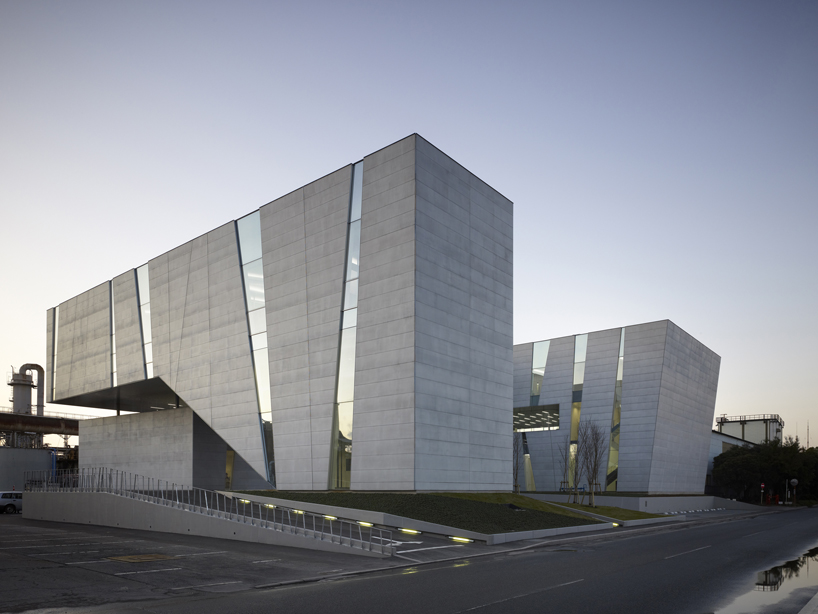
‘spiralab’ by KINO architects, chiba, japanimage © hiroyuki hirai, daici anoall images courtesy of KINO architects
japanese practice KINO architects has just completed the new ‘spiralab’ chemical research laboratory in chiba, japan. based on four basic principles set by the material development corporation, the project was to communicate research efficiency, high-security, comfort, and symbolism. in response, the architects arranged the laboratories, offices, meeting rooms, auditorium and reception area in a linear fashion with a shared corridor running through the entire structure to service all the program, ending at the public entrances on either end.
to fulfill the symbolic requirement of ‘spiralab’, the linear organization was then bent into a spiral, using its horizontal and vertical layering as a way for the architecture to not only visually represent the company, but allow it to improve the work done inside.three structural cores contain the public and private stair wells and services that feed the different functions on each floor.
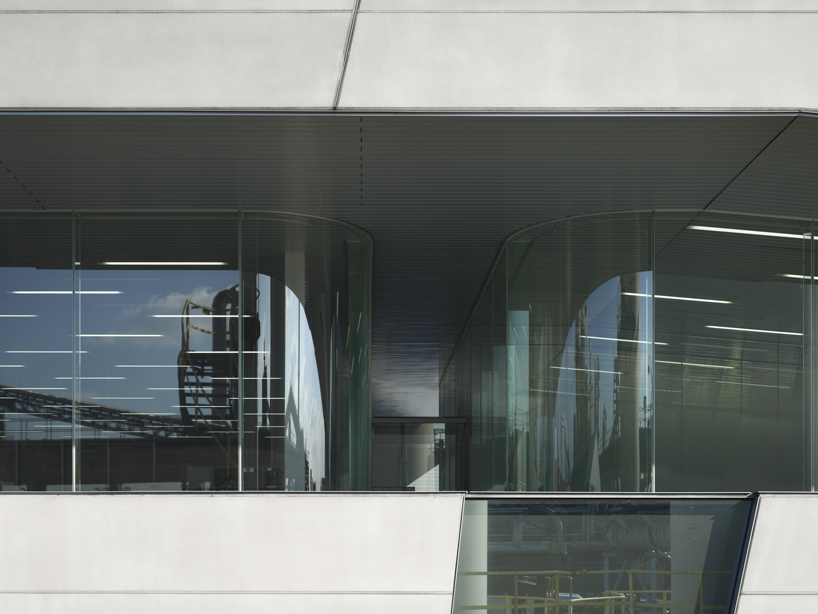
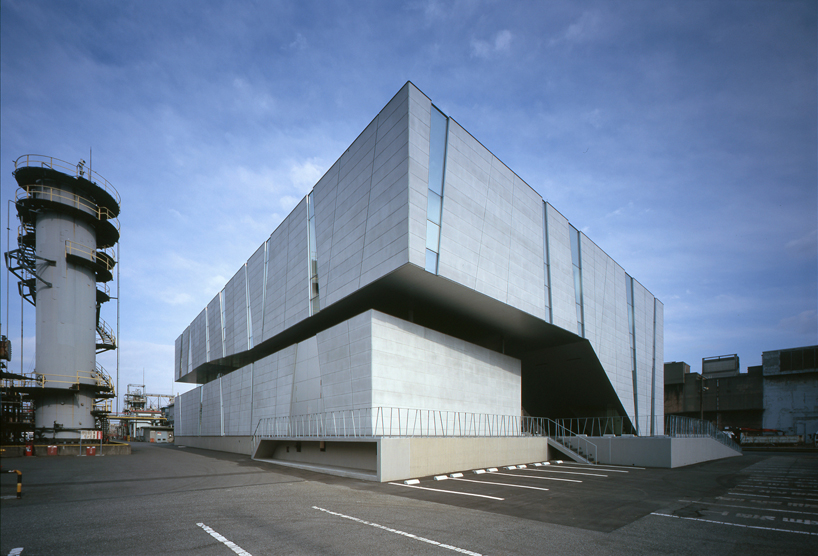 second and third floors supported above the first leaving a small airspace for ventilation into the experiment roomsimage © hiroyuki hirai, daici ano
the offices and meeting rooms require a higher level of confidentiality so they are located on the second floor with their own entrance, physically separated from the guest areas and exhibition, and the research labs on the third floor. break areas are inserted into widened sections of the main hallway to create large light-filled social areas for researches to relax, overlooking a central courtyard.
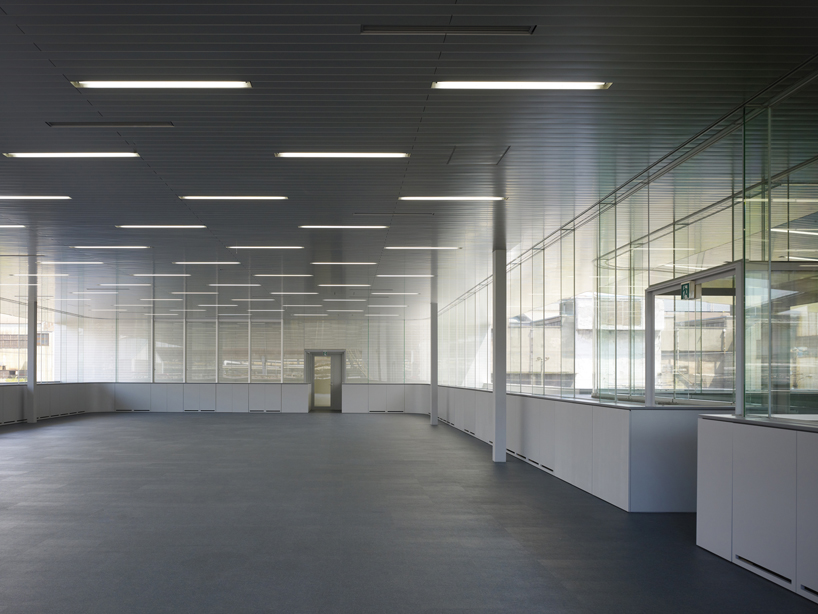
the experiment rooms on the entry level and third storey are set up on a modular grid to allow the scientists to organize the interior partitions based on their specific needs. the circular layering of spaces also means that the first level contains a small open mezzanine space which was used for air and ventilation inlets and natural light for the labs. the skin is made up of a vertical lattice structure with angled members at 3º, 6º and 12º that support the curtain wall sections and concrete panels.
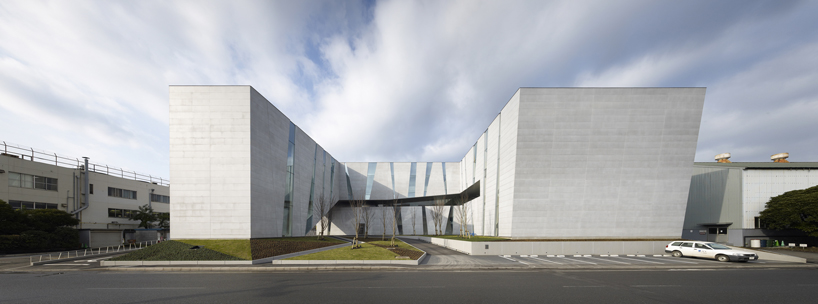 street-side elevationimage © hiroyuki hirai, daici ano
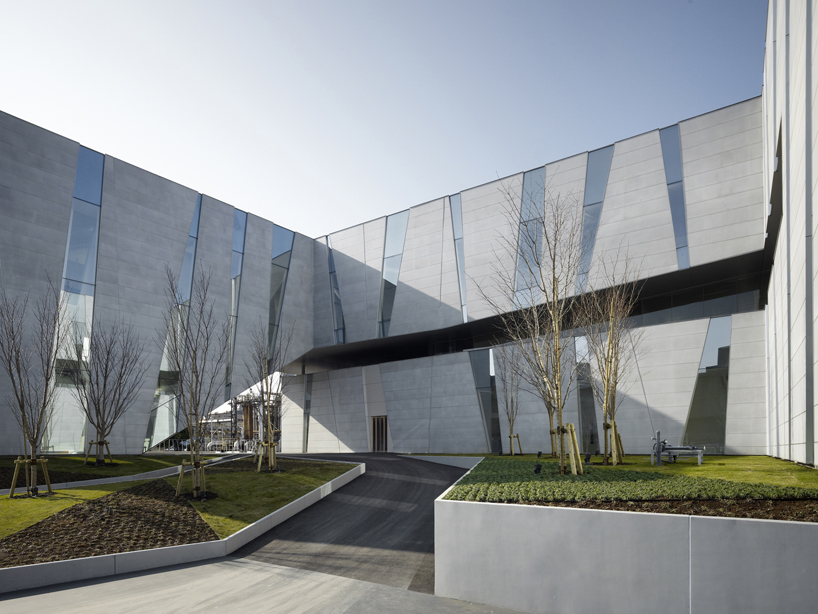 central courtyard provides light to all functionsimage © hiroyuki hirai, daici ano
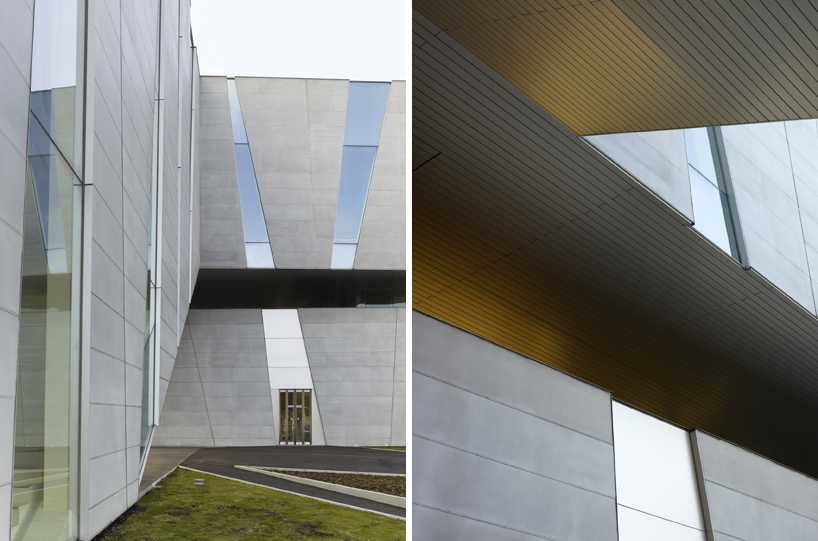 (left) visitor entrance where the structure touches the ground(right) air gap between the first and second floorsimages © hiroyuki hirai, daici ano
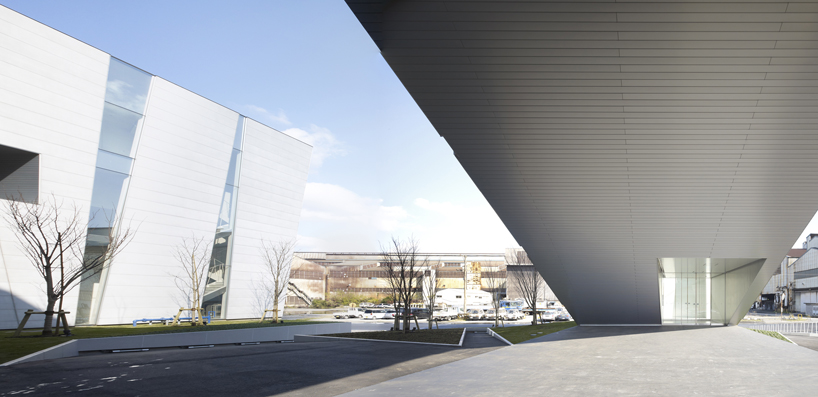 guest entrance under the overhangimage © hiroyuki hirai, daici ano
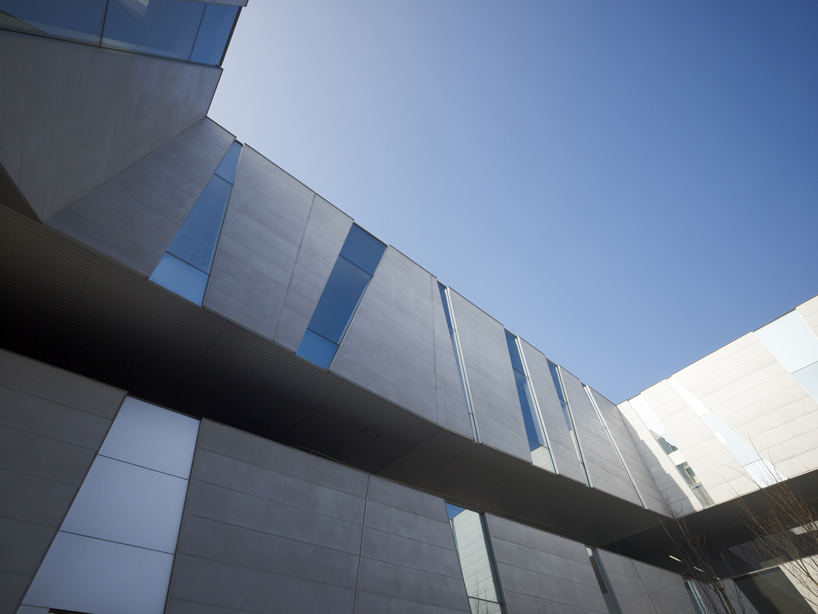 angled vertical structural latticeimage © hiroyuki hirai, daici ano
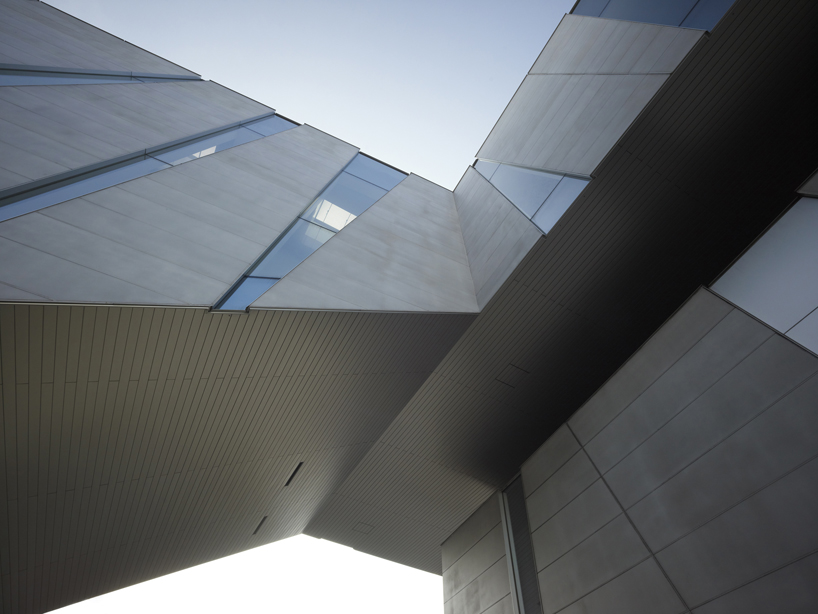 image © hiroyuki hirai, daici ano
 offices and meeting roomsimage © hiroyuki hirai, daici ano
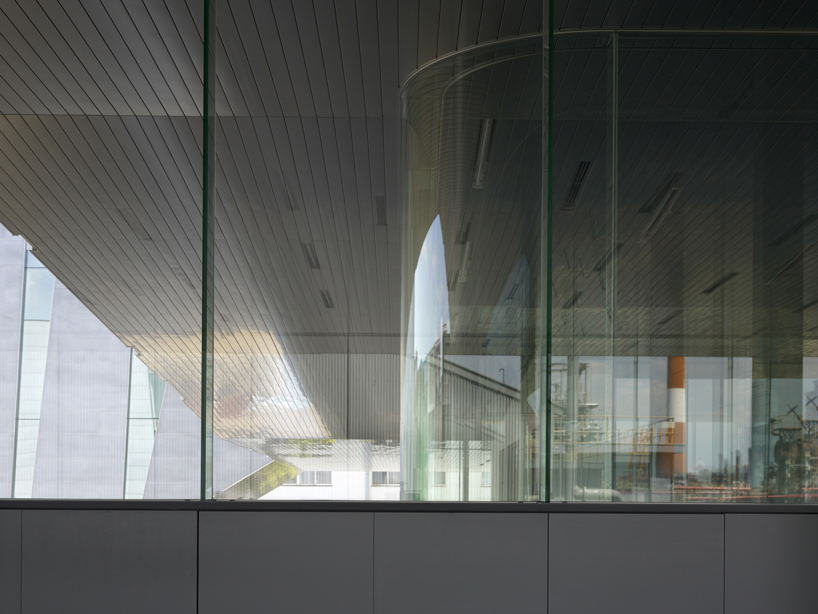 image © hiroyuki hirai, daici ano
 office areaimage © hiroyuki hirai, daici ano
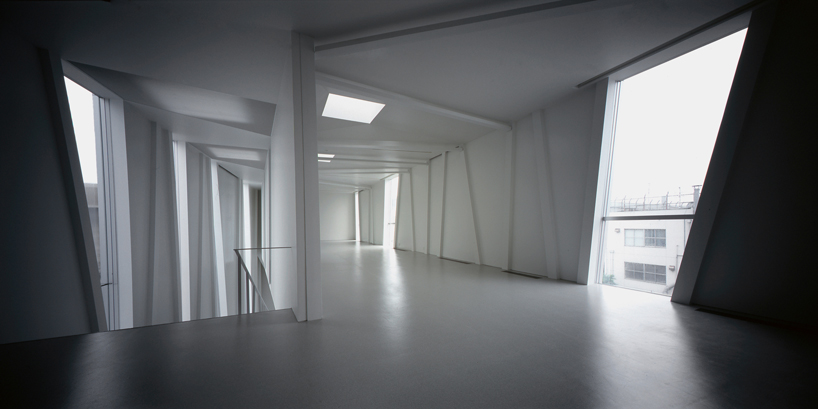 exhibition space from visitor entranceimage © hiroyuki hirai, daici ano
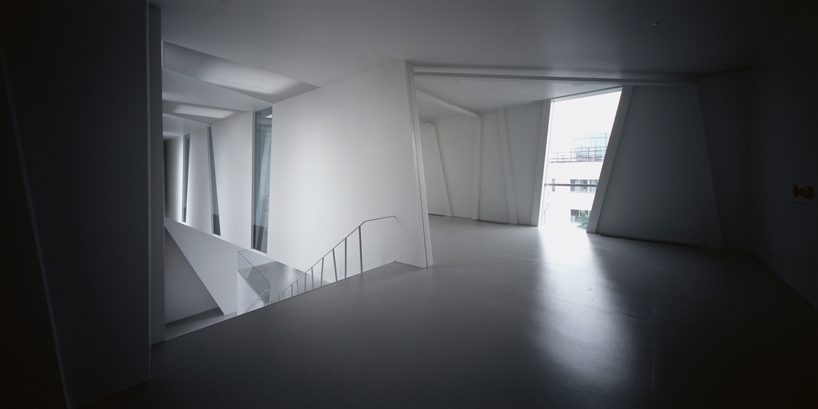 image © hiroyuki hirai, daici ano
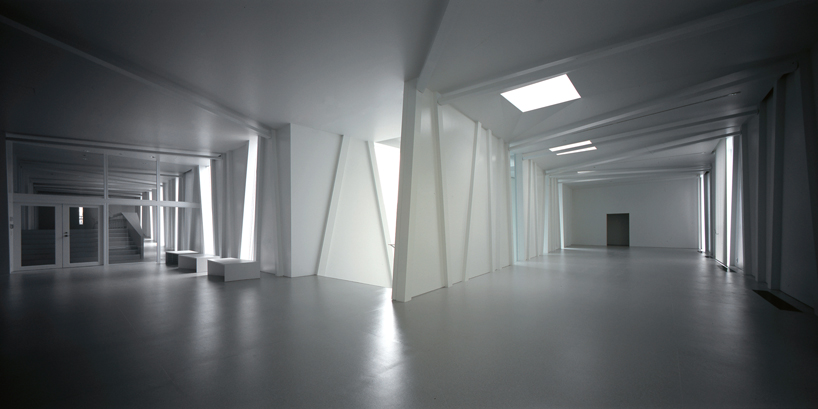 break area and security door (to the left)image © hiroyuki hirai, daici ano
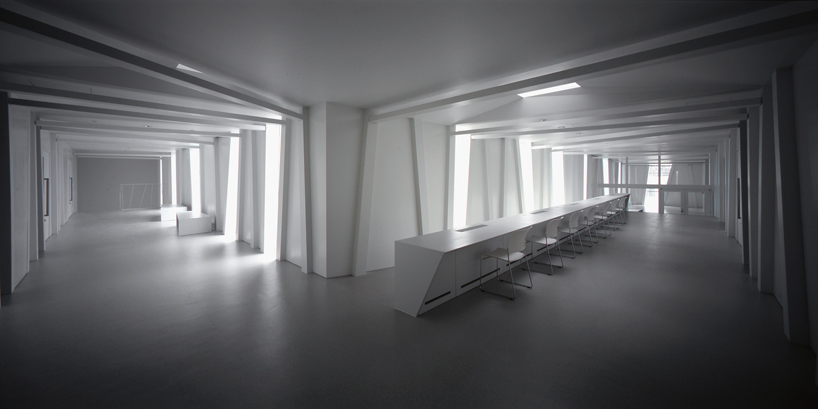 break area and corridorimage © hiroyuki hirai, daici ano
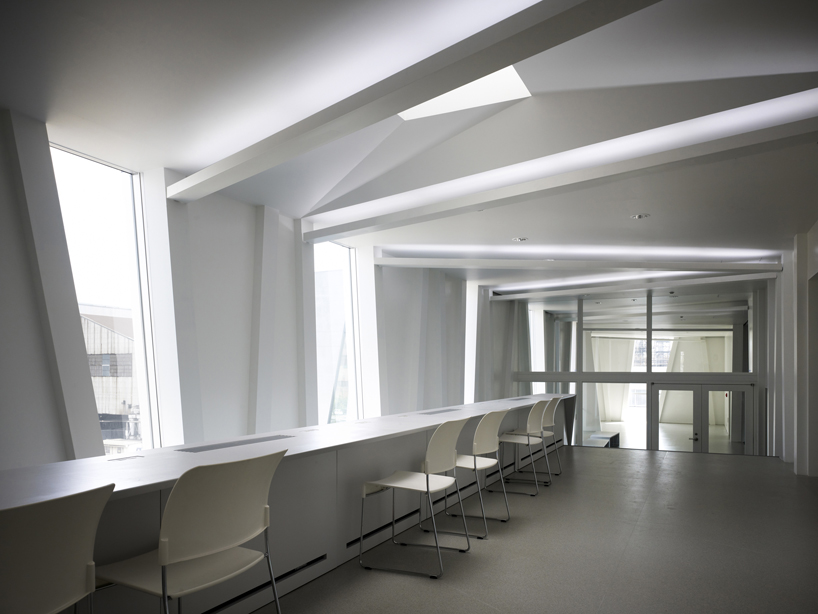 image © hiroyuki hirai, daici ano
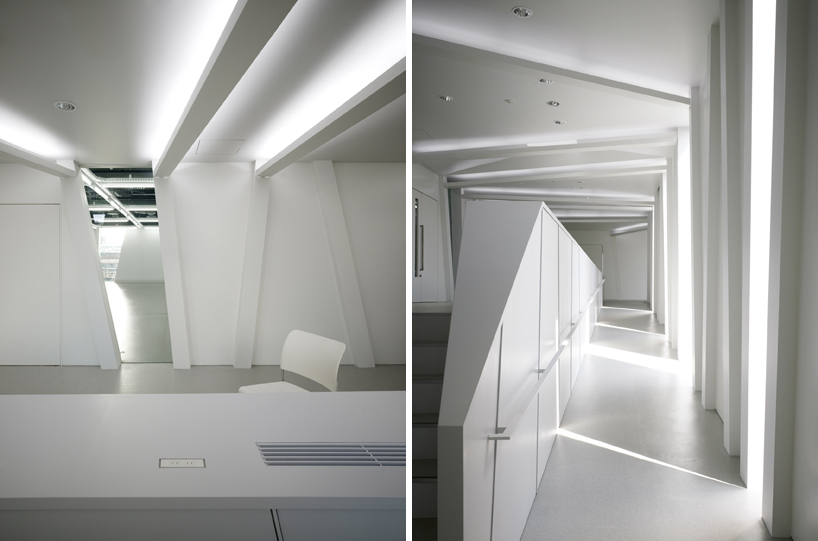 images © hiroyuki hirai, daici ano
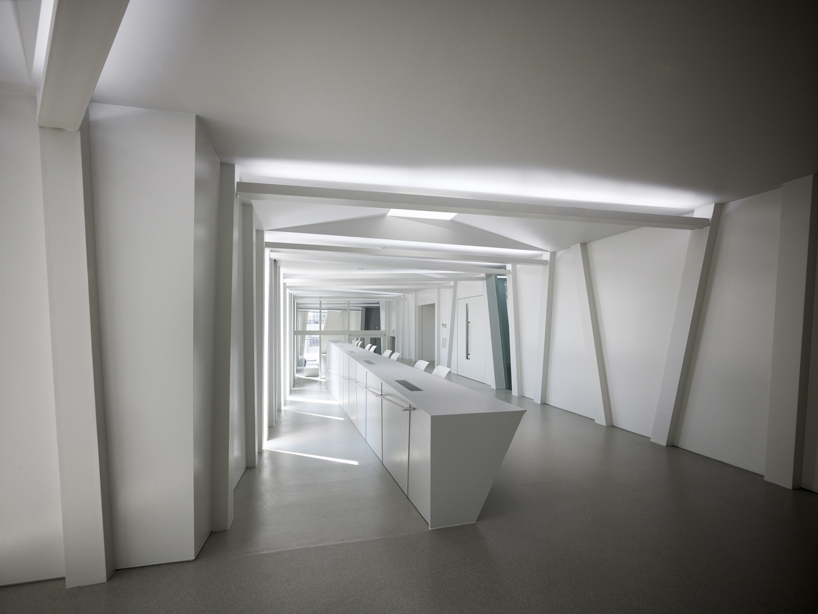 image © hiroyuki hirai, daici ano
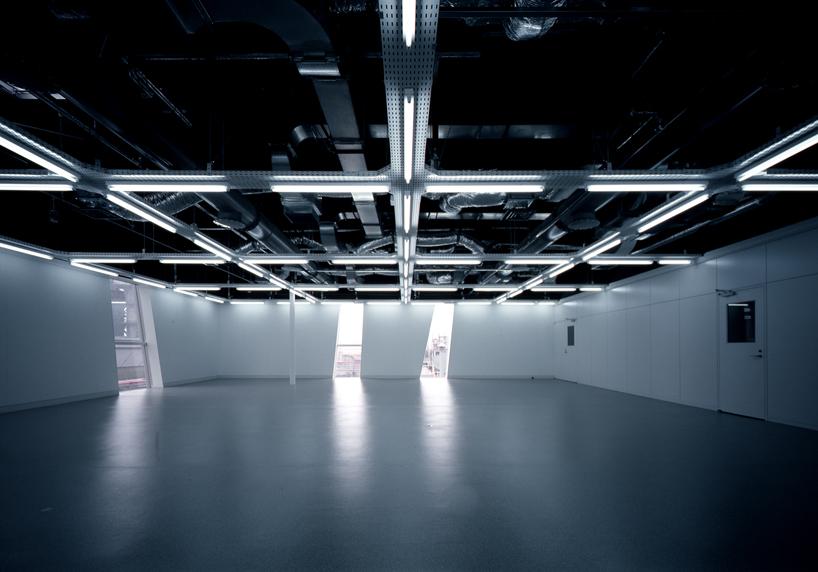 experimental area set up on a simple gridimage © hiroyuki hirai, daici ano
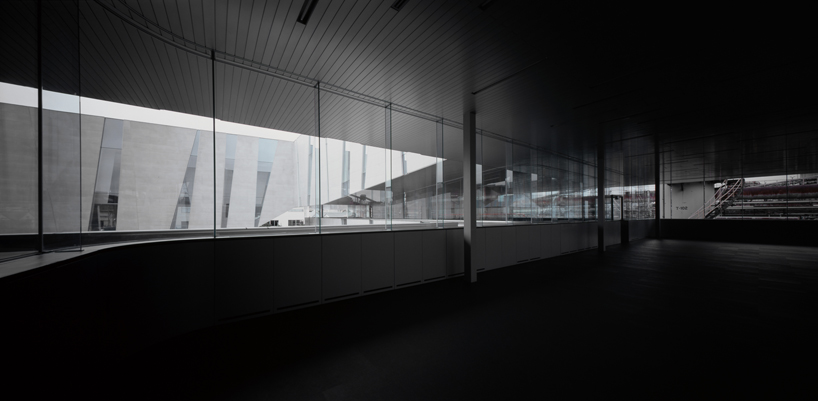 corridorimage © hiroyuki hirai, daici ano
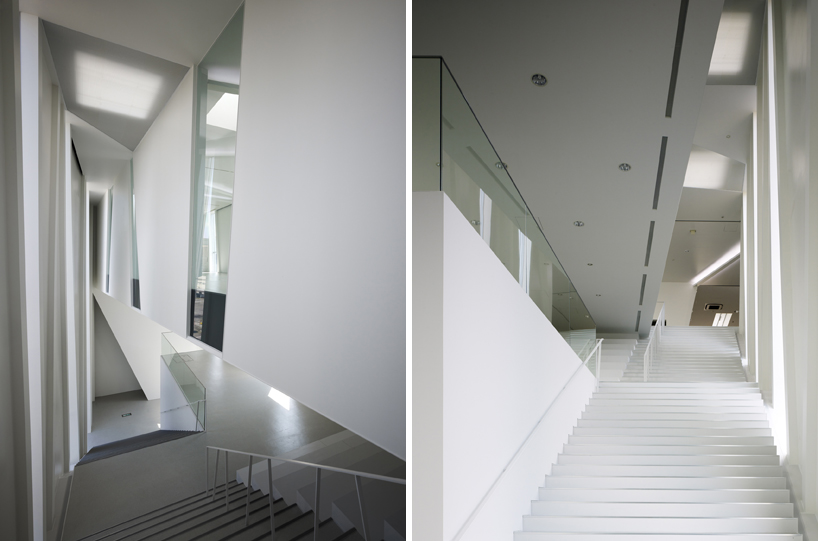 structural core containing the stairsimage © hiroyuki hirai, daici ano
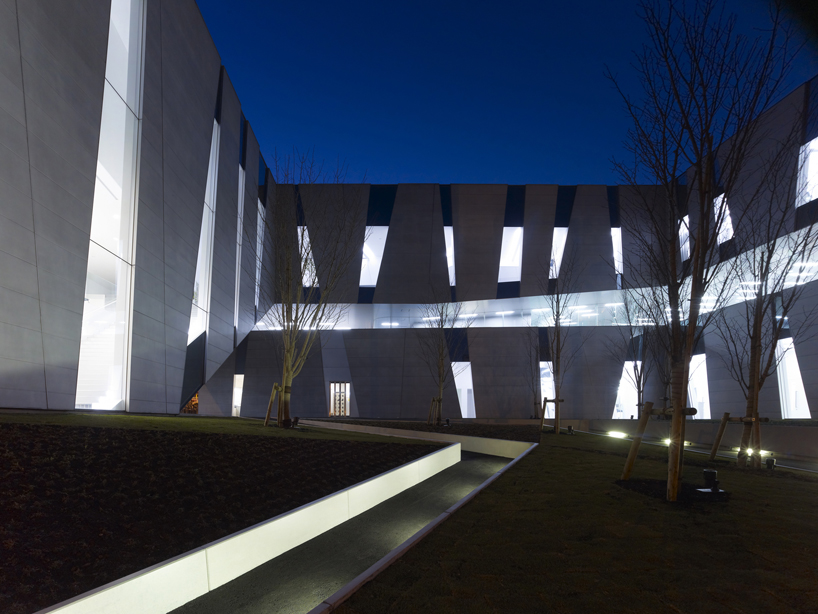 image © hiroyuki hirai, daici ano
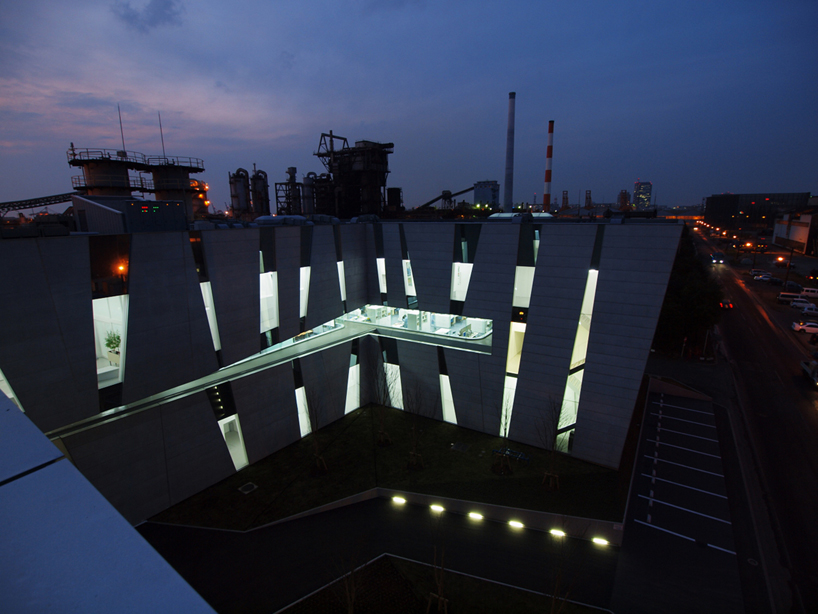 image © hiroyuki hirai, daici ano
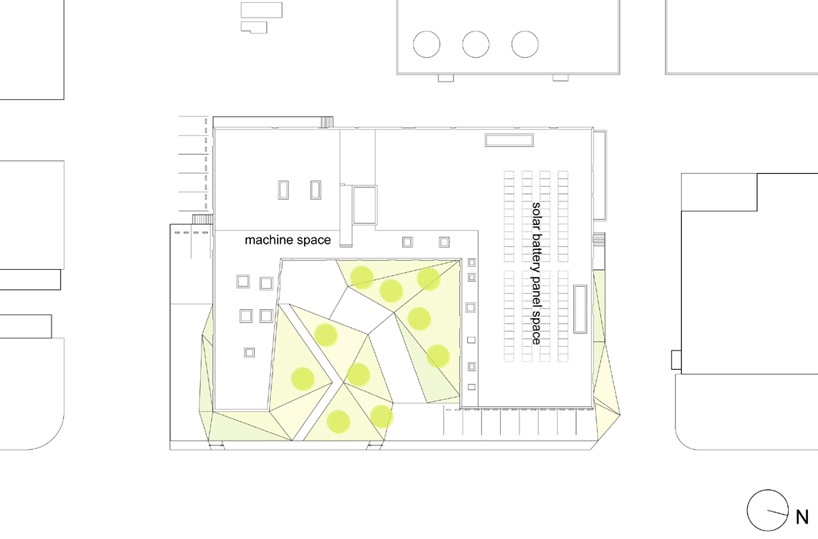 site plan
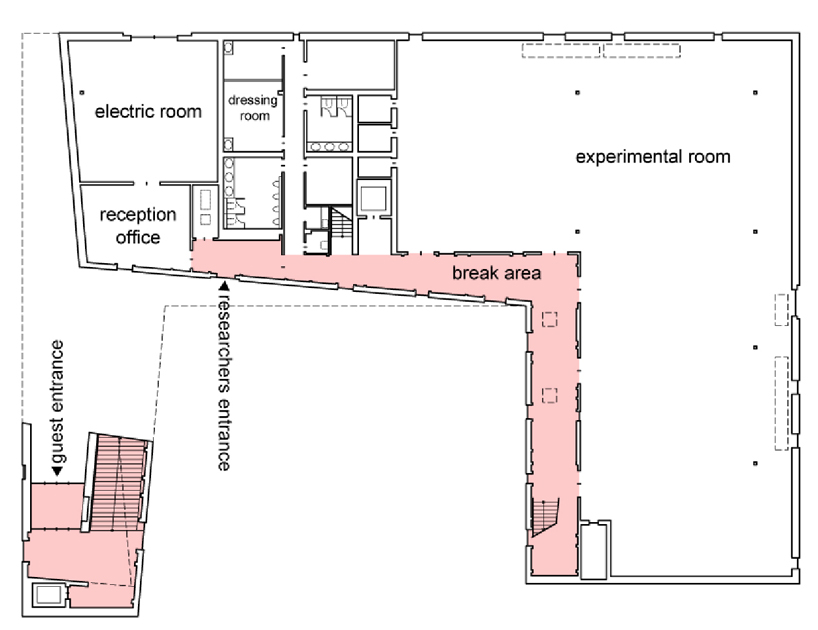 floor plan / level 0
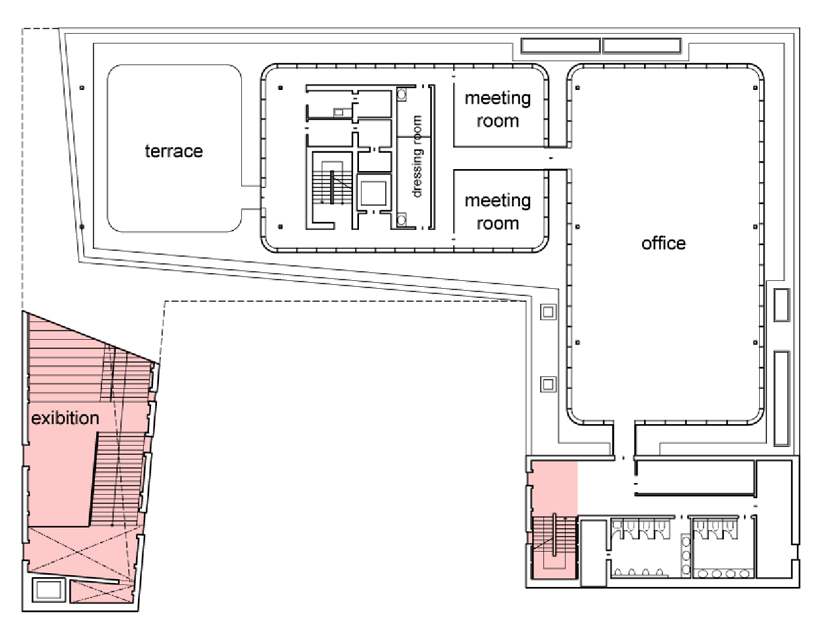 floor plan / level 1
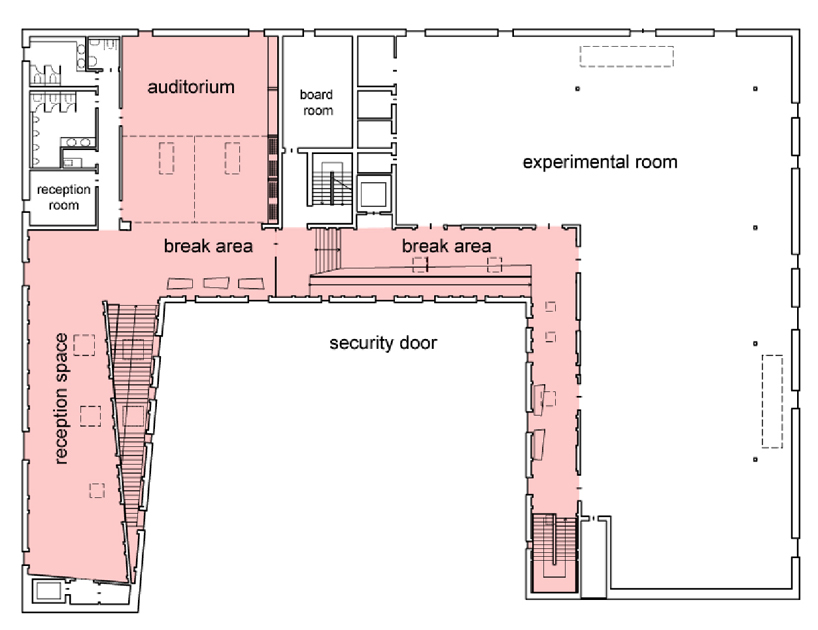 floor plan / level 2
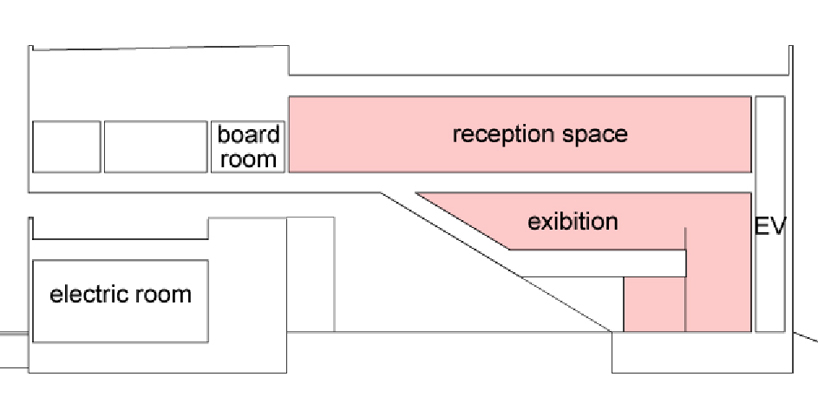 section
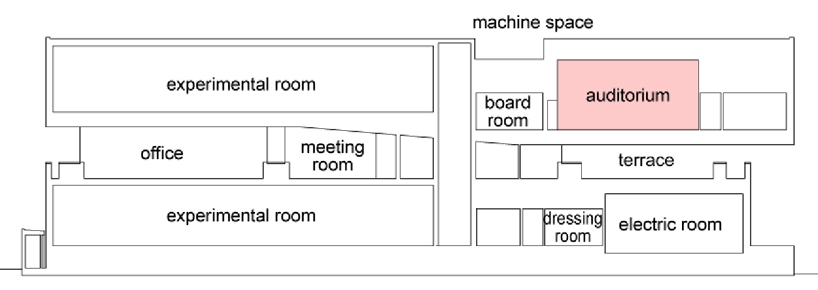 section
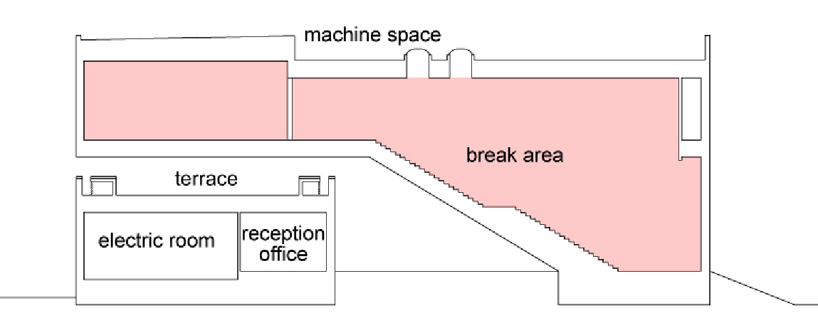 section
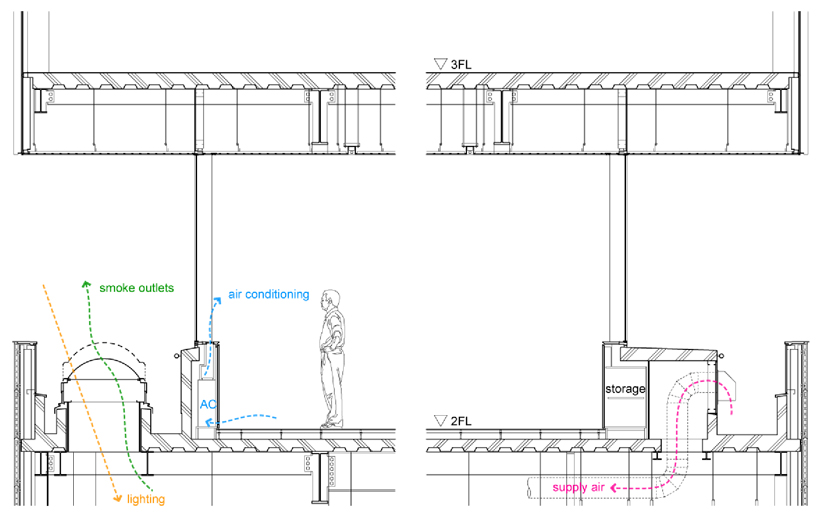 HVAC construction detail
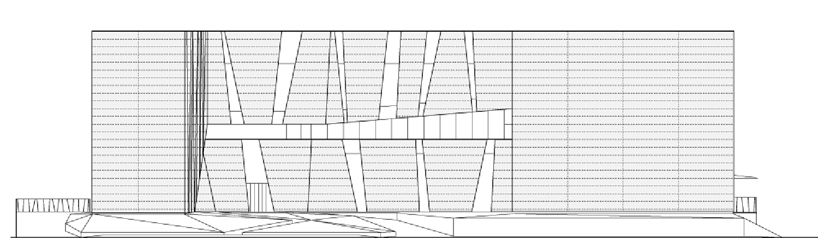 elevation
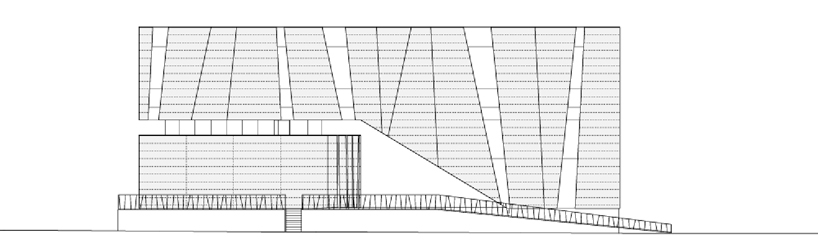 elevation
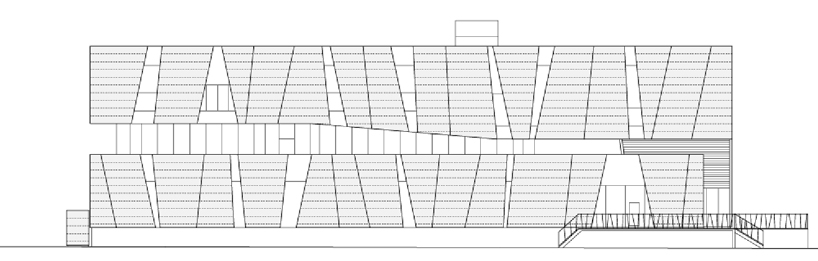 elevation
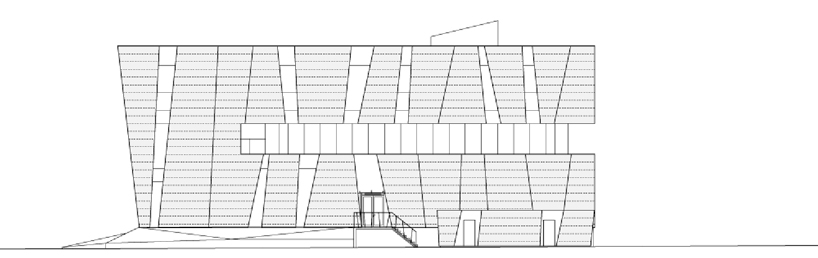 elevation
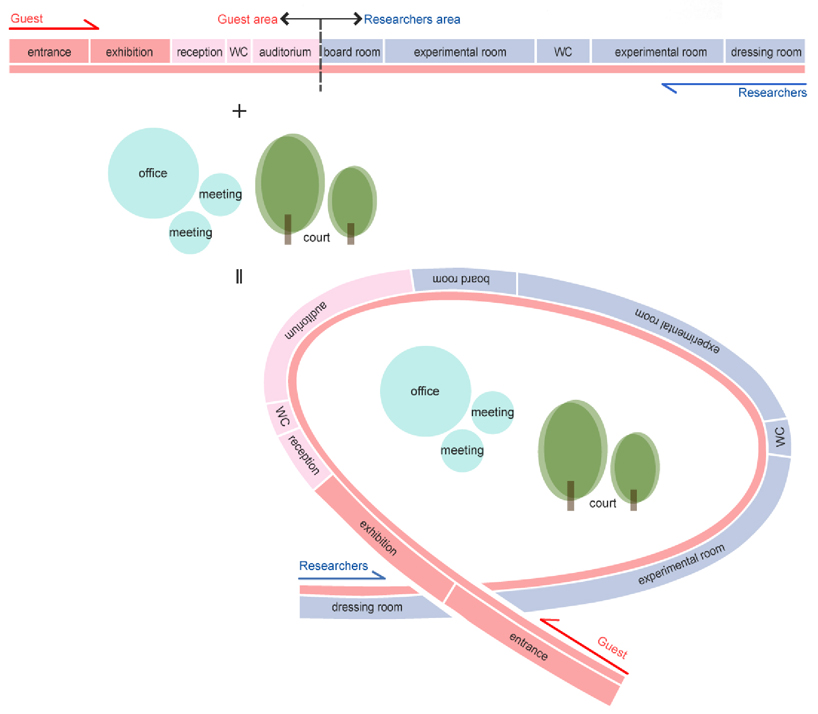 program diagram
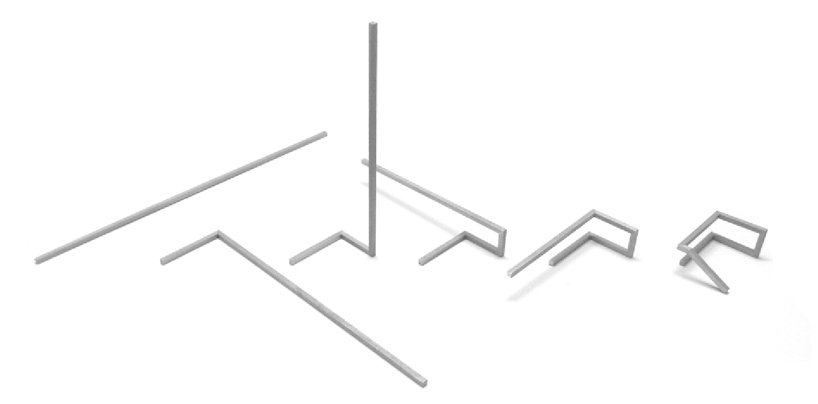 curving form diagram
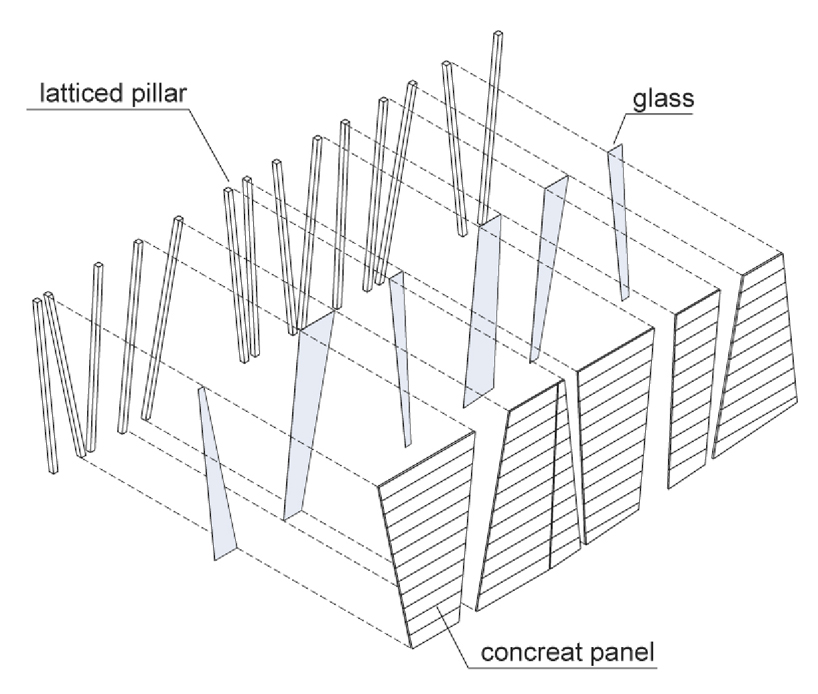 skin structure diagram
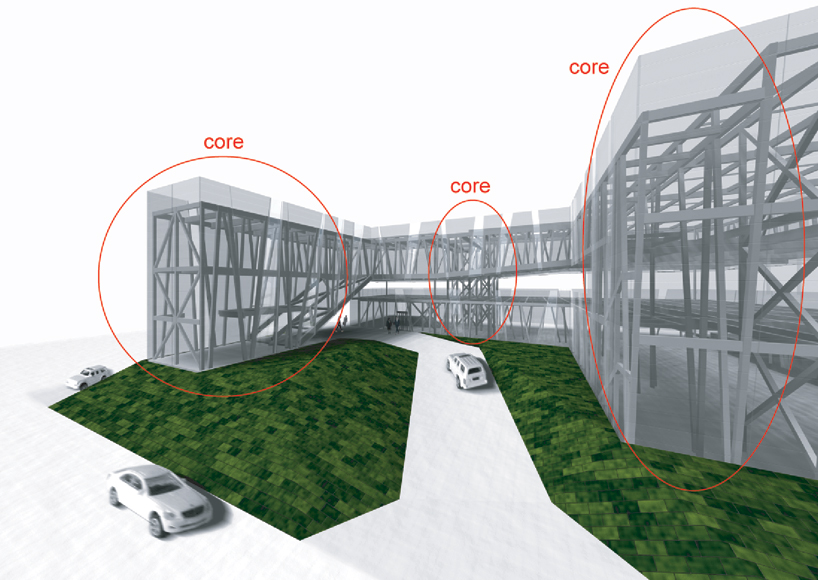 structural cores
KINO ARCHITECTS (10)
 Mar 21, 2022
 Mar 18, 2020
 Oct 28, 2017
 Nov 28, 2014
 Oct 13, 2014
PRODUCT LIBRARY
 Apr 02, 2024
 Mar 31, 2024
 Mar 21, 2024
 Mar 20, 2024