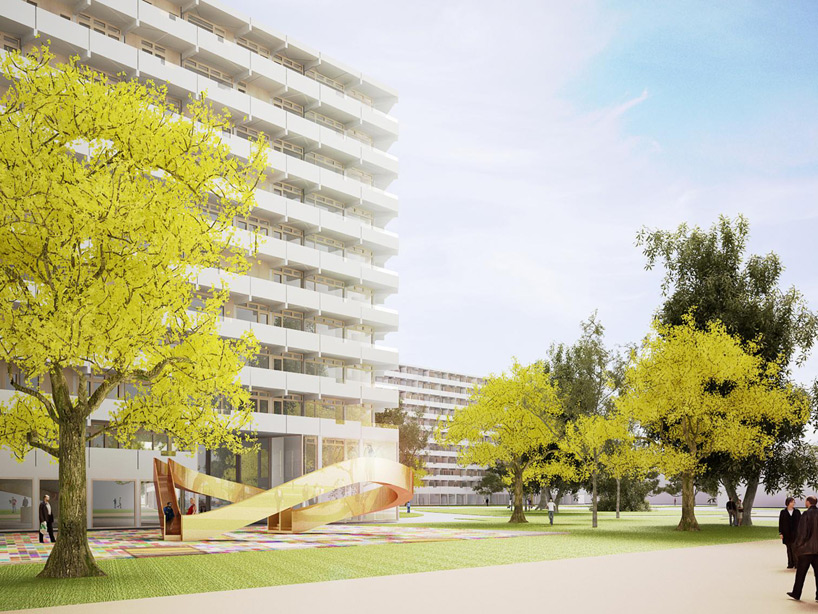
‘kleiburg’ proposal by NL architects, amsterdam, the netherlandsall images courtesy of NL architects
one of the biggest apartment blocks in the netherlands, the modernist ‘kleiburg’ in the bijlmermeer district of amsterdam was constructed during the 1960sby then city planner, siegfried nassuth. the bending footprint stretches 400 meters in length and spans 11 storeys in height, accommodates 500 units in this building alone. once part of a grander scheme to produce a vertical garden city, this structure remains after failed revitalization attempts during the 1990s. currently joined by the bijlmer museum and elevated subway lines, the project would require over 70 million euro to be renovated to today’s standards. leading to an inevitable demolition, a unique solution was needed to avoid this fate. the owner, housing corporation rochdale, offered an alternative for activists. in an effort to save dutch architect ottenhof’s masterpiece, it would be offered for only one euro to catalyze an economically feasible plan.
approximately 50 parties responded with ideas for student housing or shelters for the homeless. this proposal by local firm NL architects suggests to renovate the elevators, galleries and installations but to leave the units as bare shells without furnishings, rooms or heating and allow for retrofitting by future owners. the move reduces the cost of initial investments, introducing a new business model into the country. residents will be happily enticed by a low price and the freedom to personalize to their own desires. adjacent as well as stacked dwellings may be joined, marking opportunities to break down the repetitive elevations.opening to the outside environment, a catalogue of facade modules with sliding doors, double doors and windows are set back to create patios for plants and dining areas to activate the once uniform exterior. wood elements add a tactile touch to the original, minimal hardware.
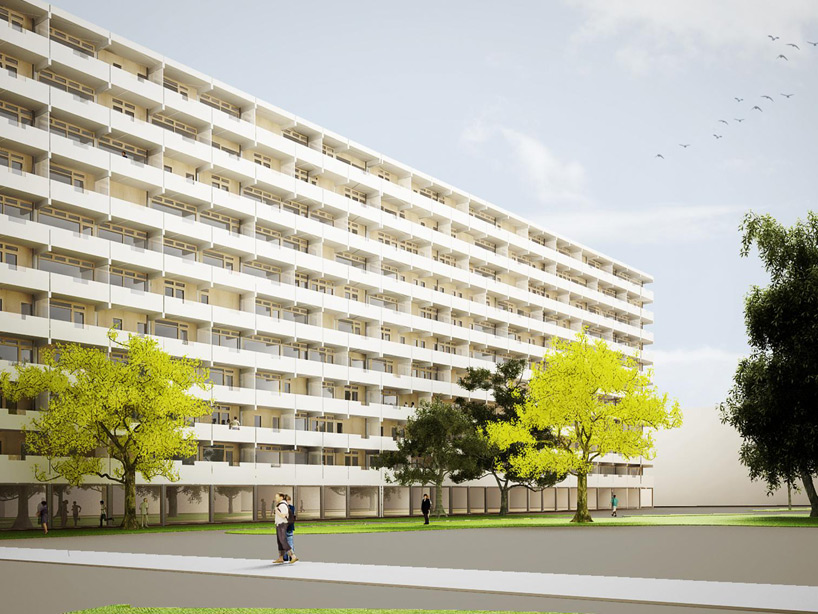 trees define parking scheme
multi-storey parking garages have been demolished, lowering the plane of roads. taking space away from valuable green parkland, ground level parking complies with new zoning laws and budget limitations. to protect the trees, they became defining elements,forcing roadways to bend around their plots, creating gently curving lanes.
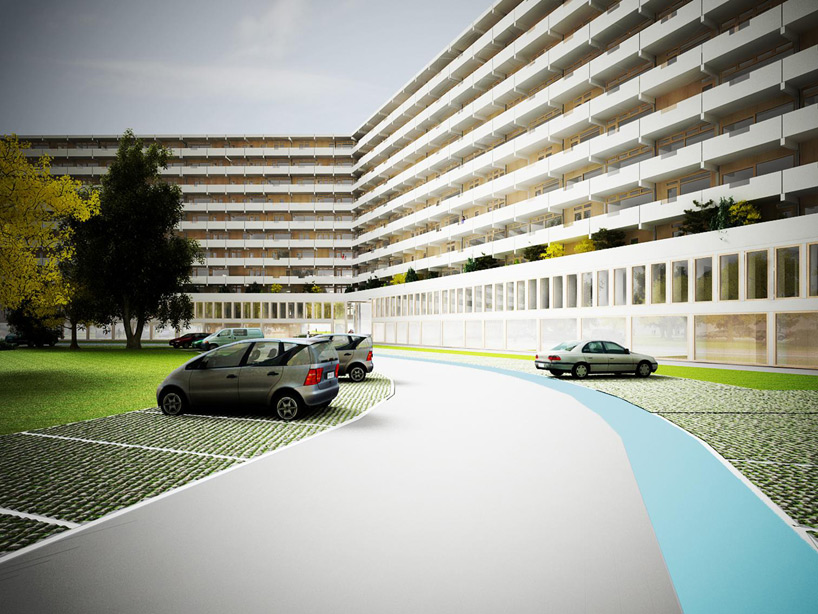 curved parking roads
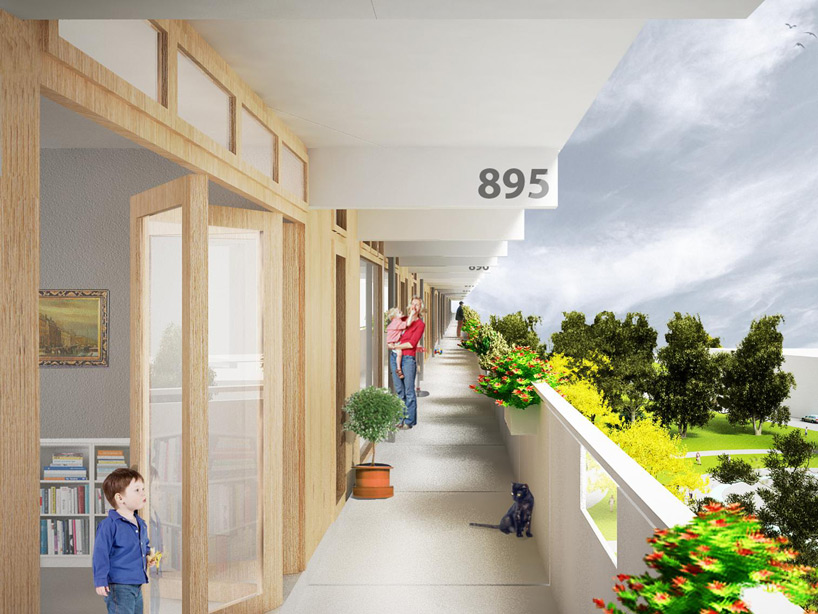 tactile timber-clad exterior
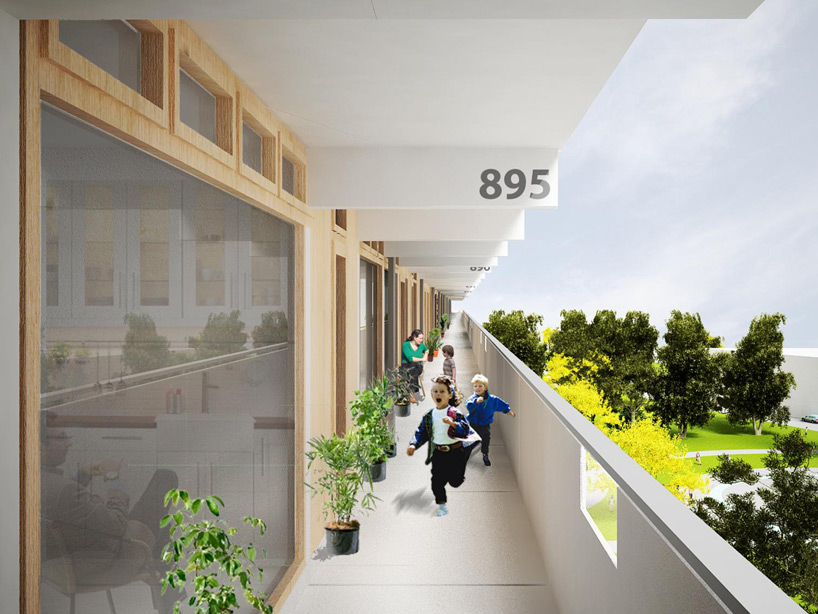 alternative outcome after residents move in
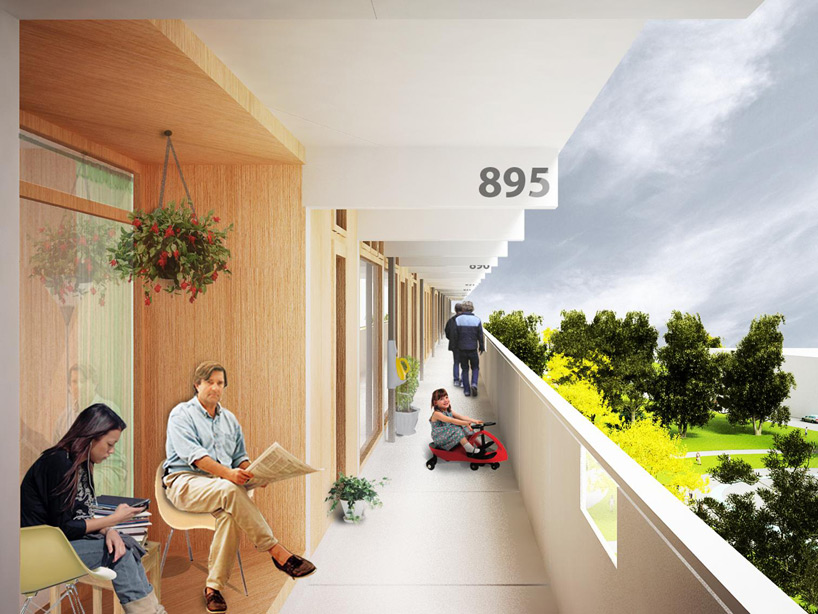 owners personalize their unit
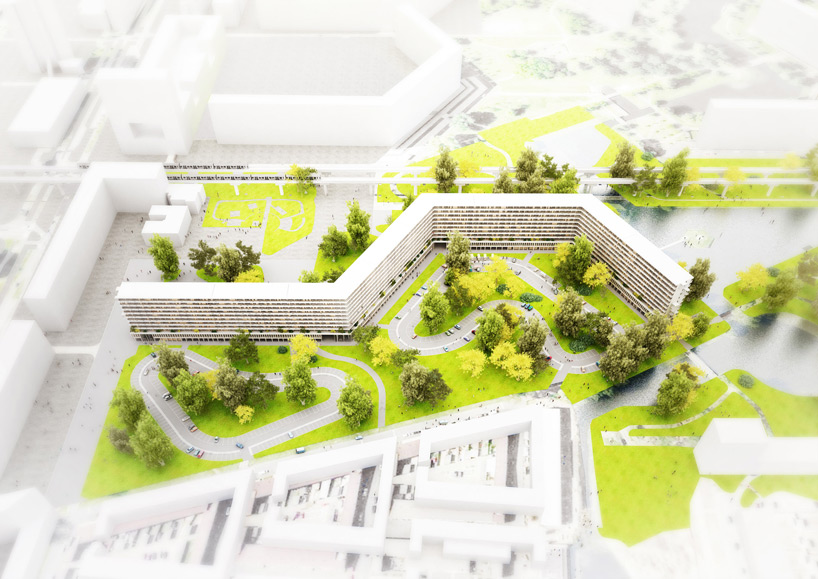 aerial view of the building
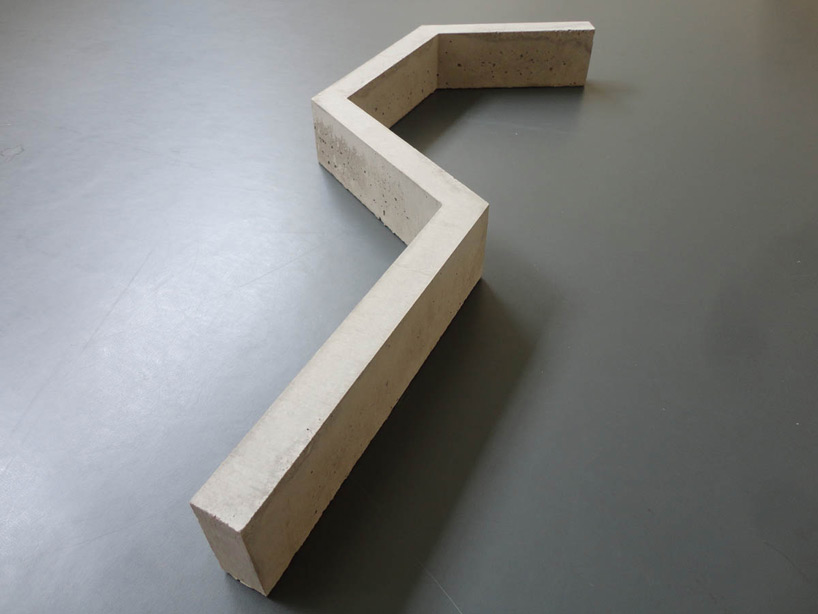 concrete model
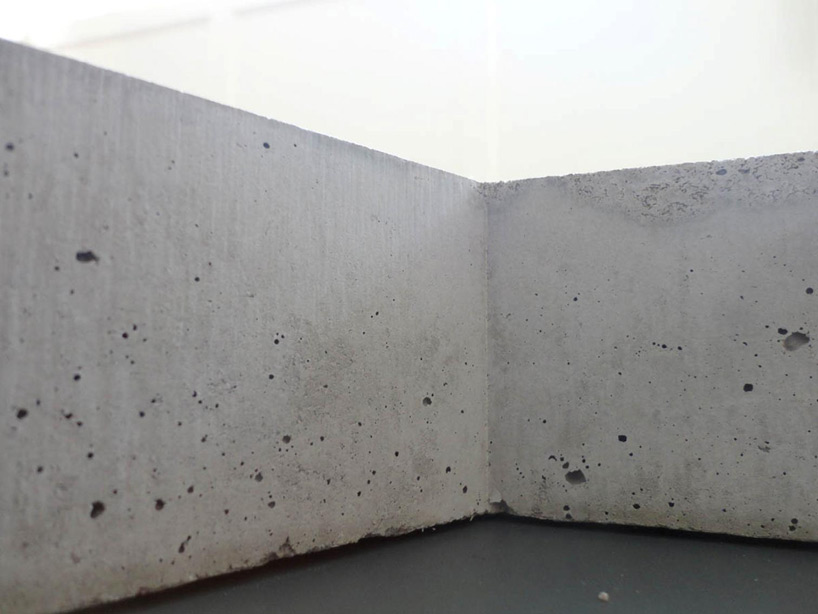 model detail
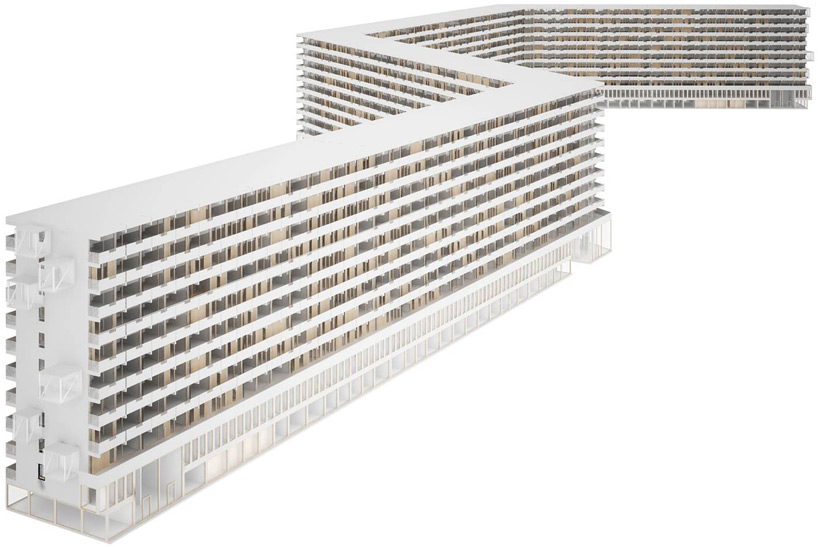 exterior after renovation
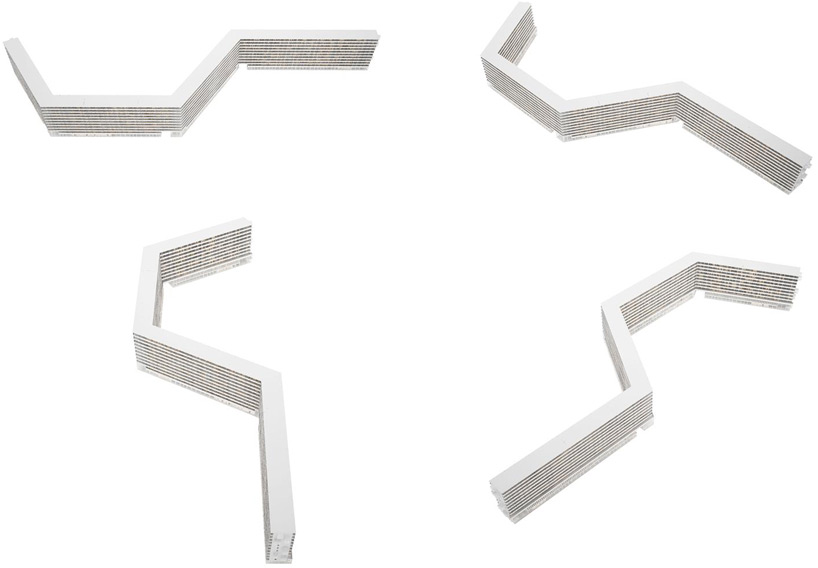 alternative views
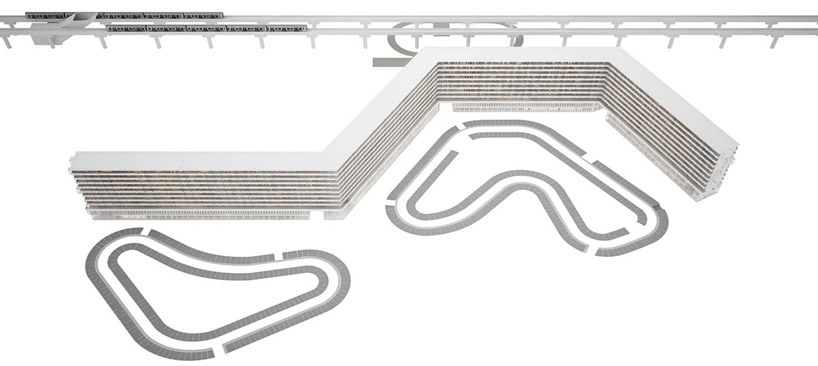 parking scheme
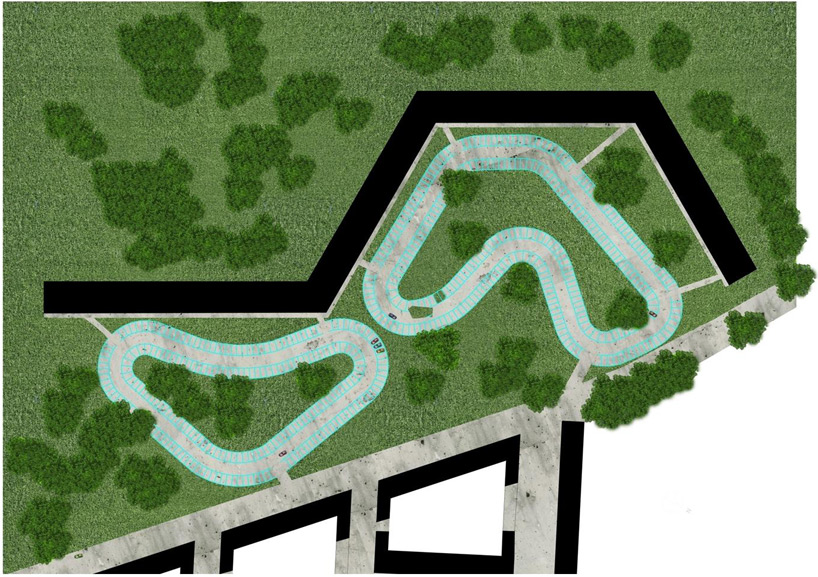 parking plan / after – 500 spaces
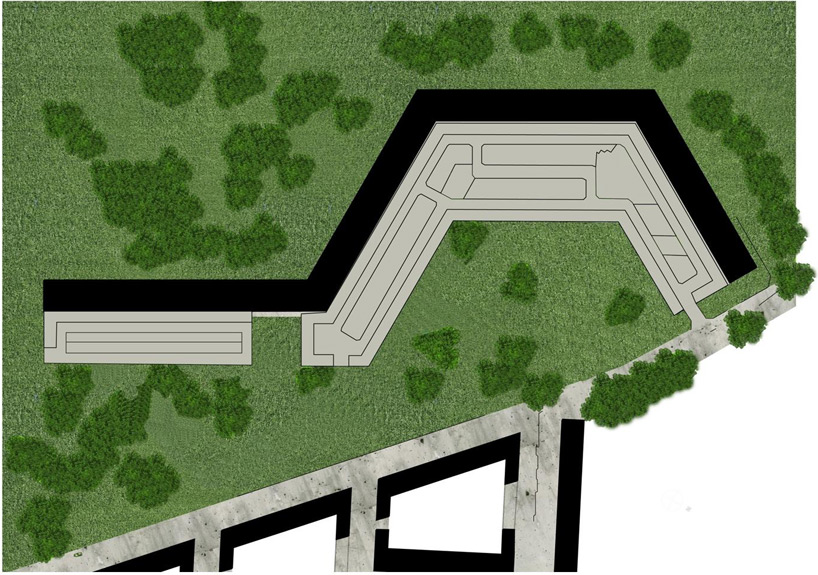 parking plan / before – 422 spaces
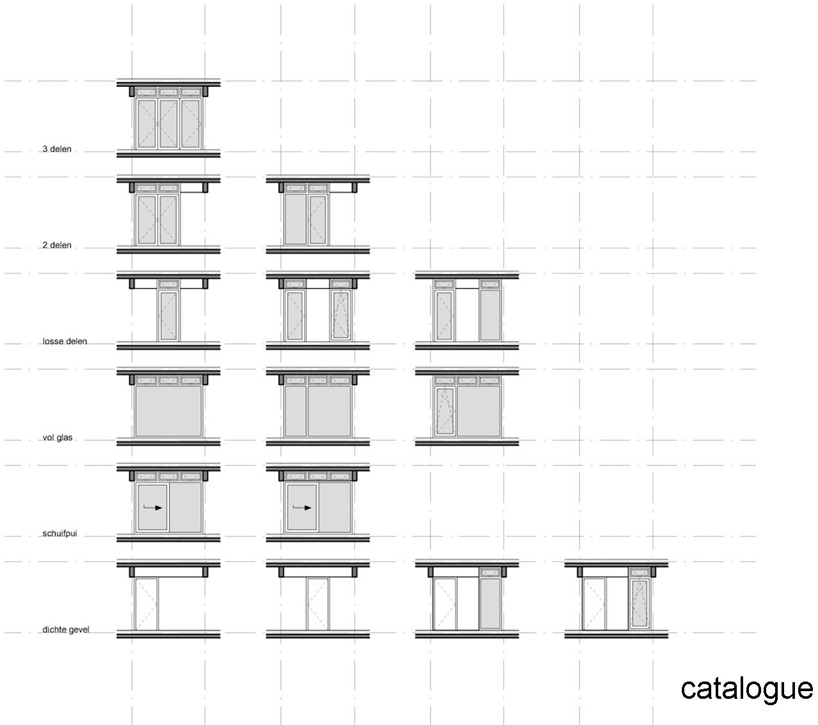 facade options
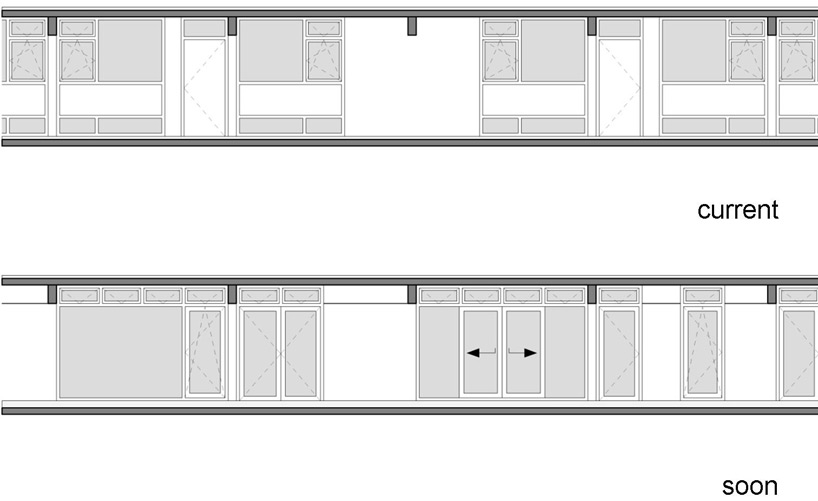 elevation before and after
project info:
project name: kleiburg de flat – residential revamp of a modern monument, amsterdam zuidoost 2012 – 2013client: consortium de flat – kondorwessels vastgoed, hendriks cpo, vireo vastgoed, hollands licht / martijn blomarchitect: NL architects – pieter bannnenberg, walter van dijk, kamiel klaasse rappange & partners architecten bvteam: guus peters with iwan hameleers, giulia pastore and fouad addou, matthew davis, paul ducom, soo kyung chun, adrian mans, paulo dos sousa, carmen valtierra de luisstructure: van rossum raadgevende ingenieurs amsterdam bvbuilding physics: schreuder groepinstallations: homij technische installaties bv, amsterdamcontractor: kondorwessels amsterdam bvsize: gross floor area 65.600m², net floor area 59.400m²
NL architects (54)
 Jul 19, 2023
 Dec 09, 2019
 Apr 22, 2019
 Sep 30, 2018
 Jul 18, 2018
 Sep 23, 2026
 Sep 22, 2026
 Sep 20, 2026
 Sep 18, 2026