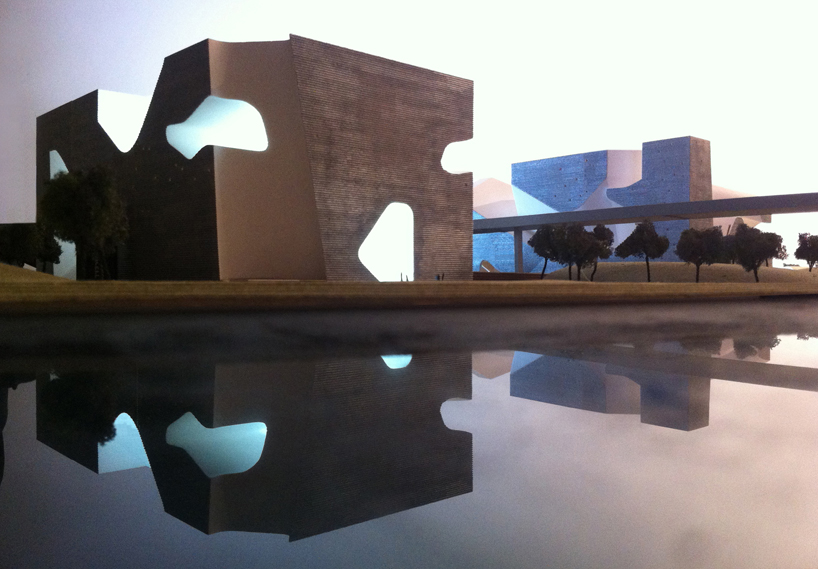
‘tianjin ecocity ecology and planning museums’ by steven holl, tianjin, chinaimage © steven holl
new york and beijing-based practice steven holl architects has just shared with us images of their recently won competition to design the new‘tianjin ecocity ecology and planning museums.’ located in a new eco-city being built on the polluted tide flats of bohai bay just south of beijingthat will be home to 350,000 inhabitants, the museum structures will be the first in the cultural district. together making a complete box, theplanning museum is the negative, or subtractive space to the ecology museum’s positive, or additive characteristic: the yin and yang. consistingof equal volumes of 20,000 square-feet each connected by a subterranean service tunnel of the same area, each construct offers varying experiencesbased on, as their names imply, ecology and urban planning.
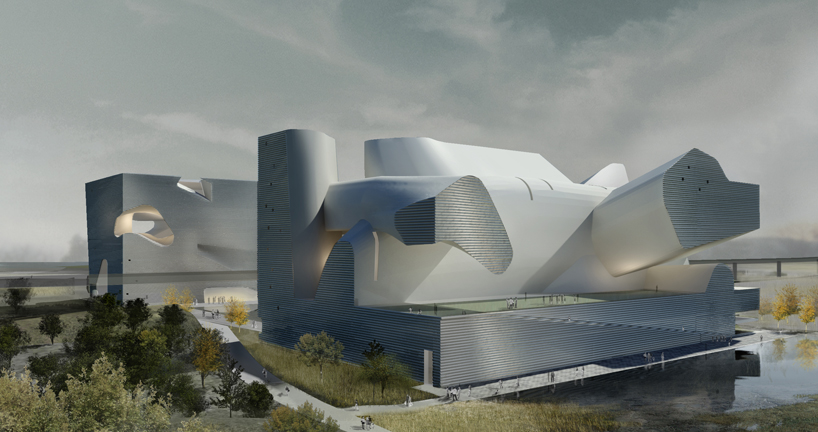 one mass represents the negative space of the otherimage © steven holl
entering on the ground level to the ecology museum reveals a projection next to the restaurant and retail areas. an elevator takes guests to the toplevel where their descent through the three ecologies – earth to cosmos, earth to man, earth to earth – begins, connected through a series of ramps.the earth to earth exhibit on the bottom floor features a plane that turns clockwise, moving slowly down towards the ocean ecology space appropriatelysituated under the reflecting pond of the exterior plaza. the earth to earth section contains four outdoor green terraces as temporary exhibit spaces that change with the seasons.
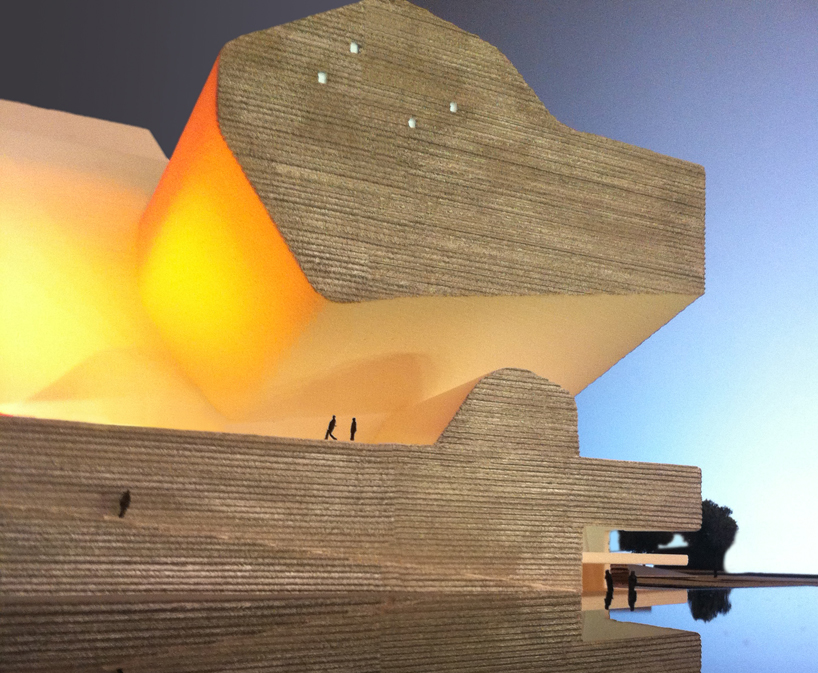 image © steven holl
the shared public square also marks the entrance to the planning museum where visitors are greeted by a large model of the eco-city and another temporary display area. a multimedia system makes the next sequence of program, the theory and practice zones, come to life with dynamic informative videos, images, and sounds, all located on the second level. mechanical escalators transport guests to the third floor where one-waydisplay is turned into an interactive relationship with the viewer. this is accompanied by a 3D cinema and a restaurant with views out towards thesea. on the top storey one can find the green architecture, landscape and water resources exhibits as well as access to the vegetative roof-scape offeringoffering unmatched views.
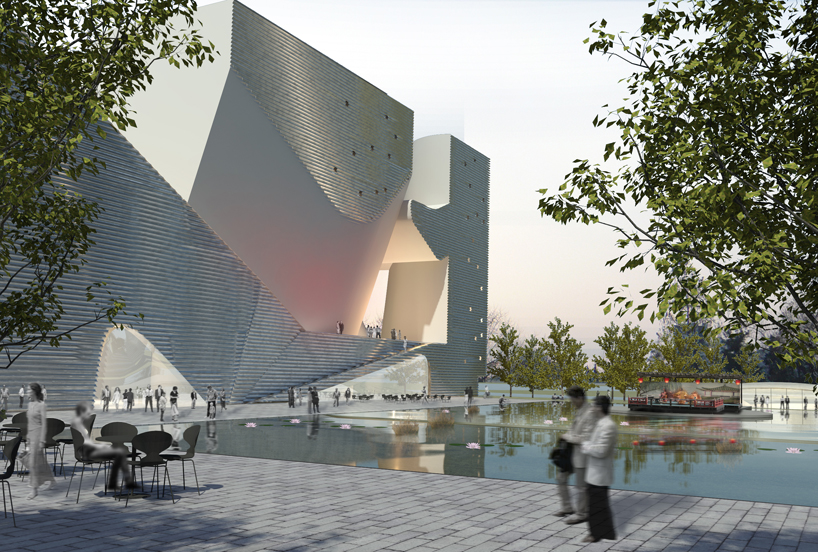 reflective pool in the plaza located over the ocean ecology exhibitimage © steven holl
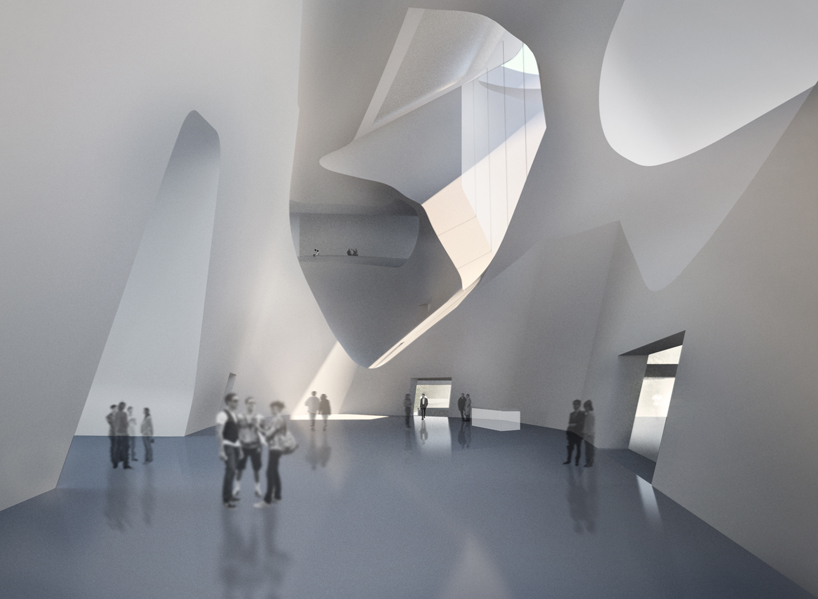 interior lobbyimage © steven holl
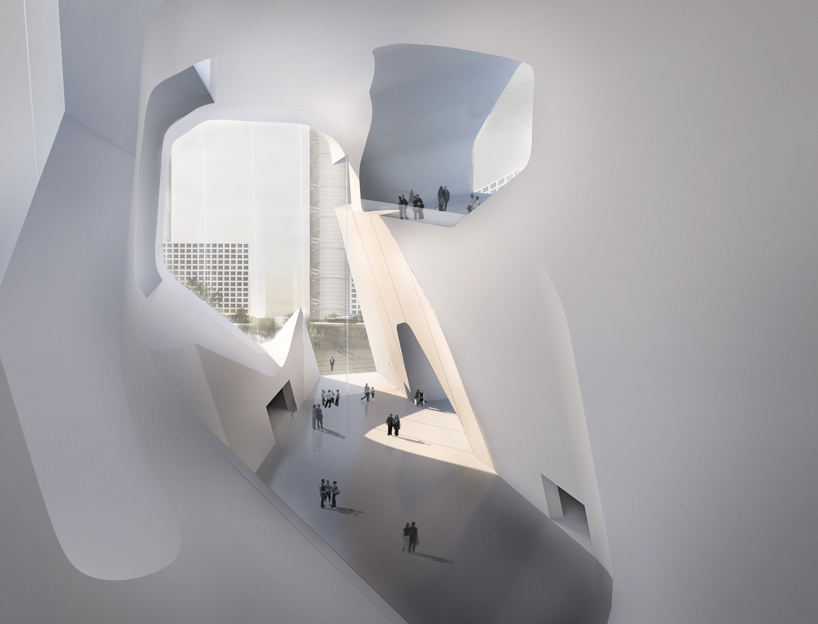 open air terraces create dynamic spacesimage © steven holl
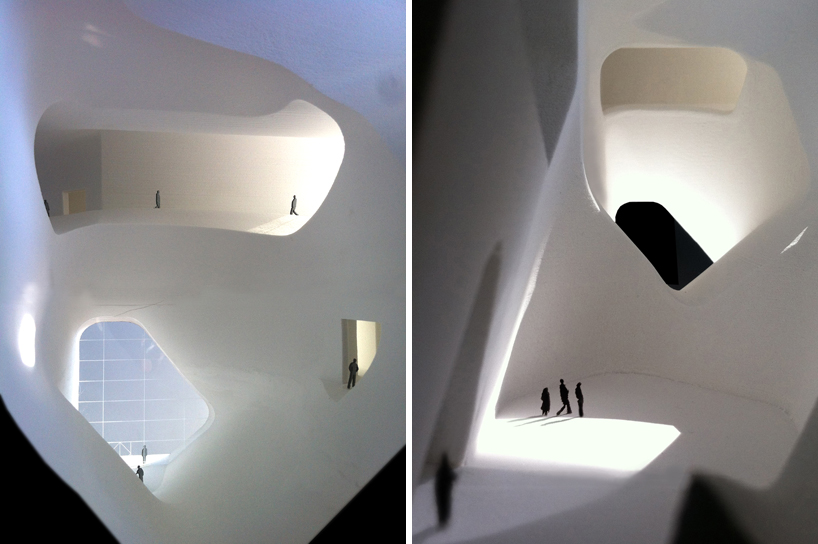 modelimage © steven holl
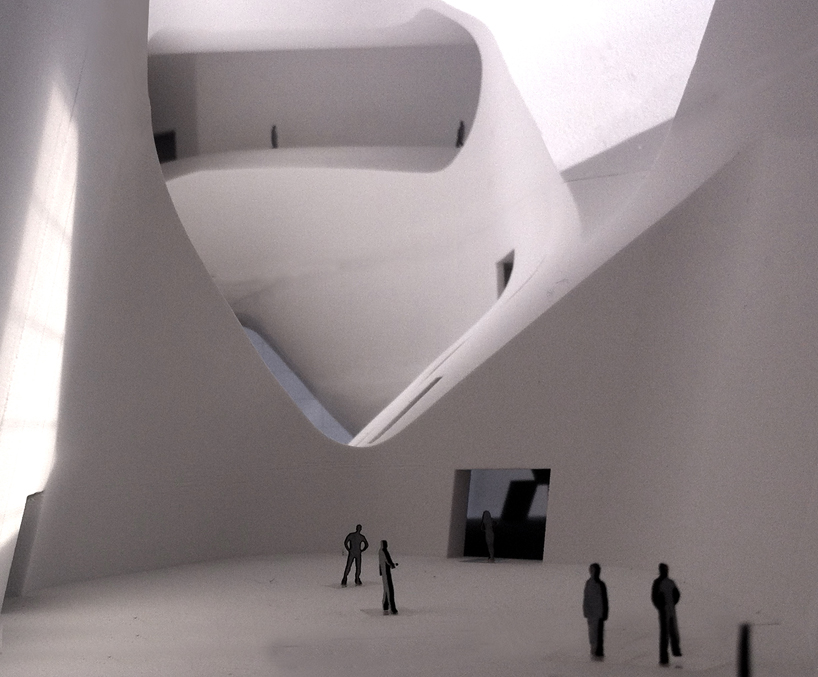 image © steven holl
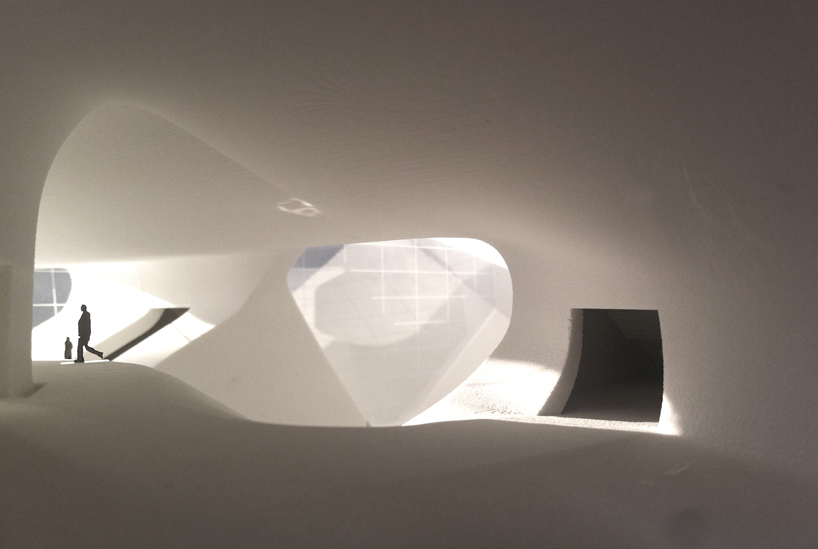 image © steven holl
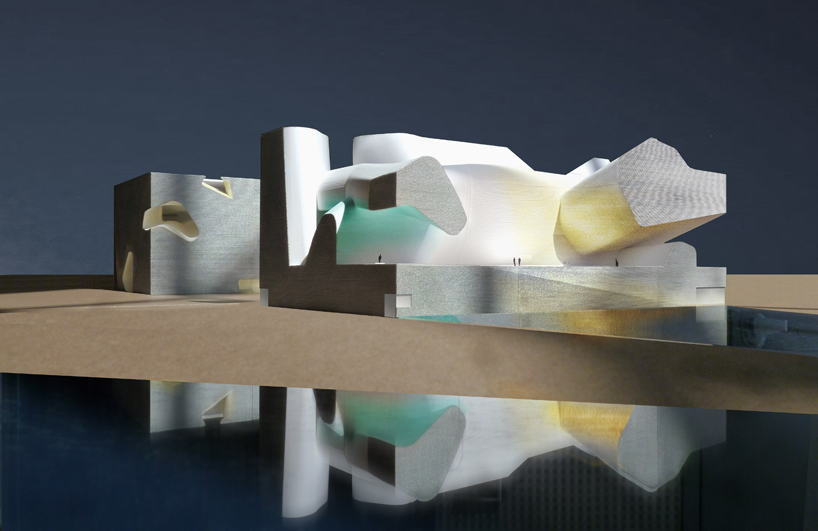 image © steven holl
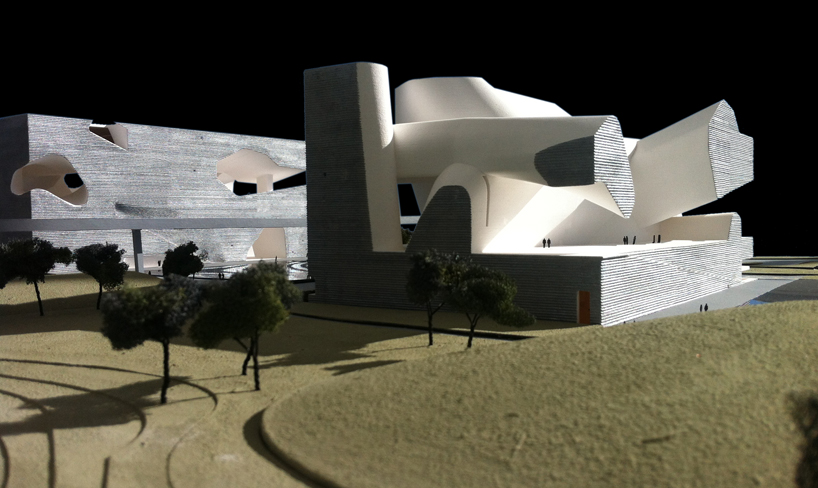 image © steven holl
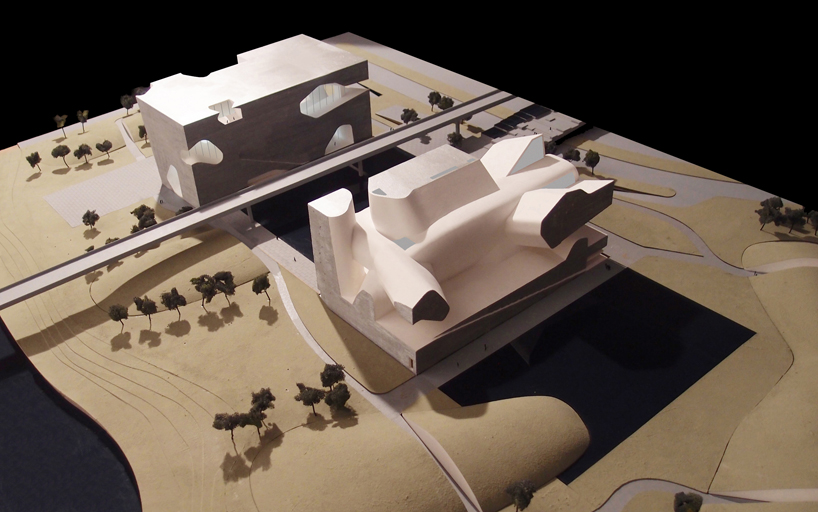 separated by a large public squareimage © steven holl
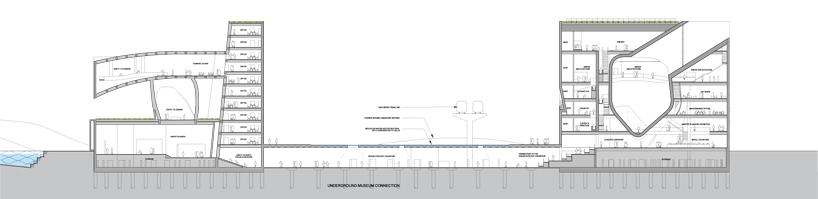 sectionimage © steven holl
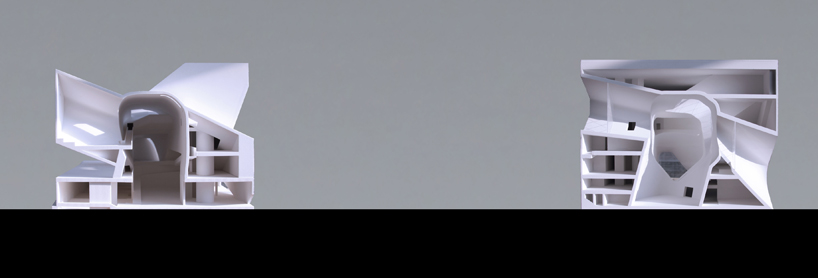 section modelsimage © steven holl
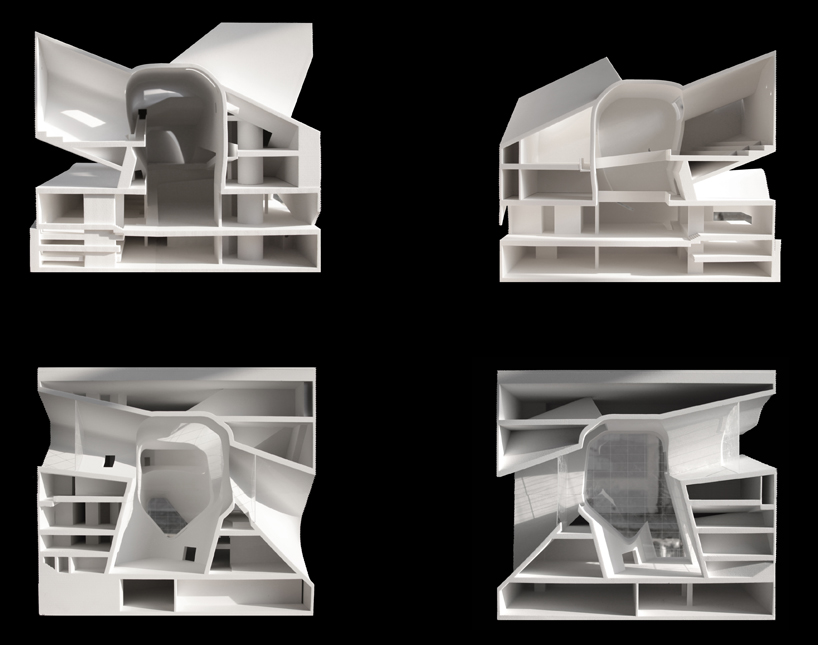 inverse sectionsimage © steven holl
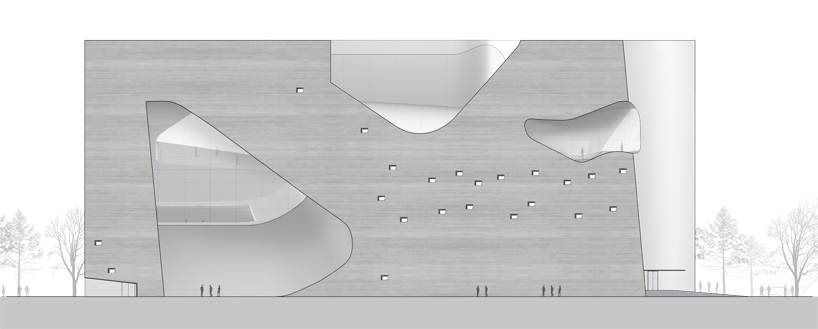 elevationimage © steven holl
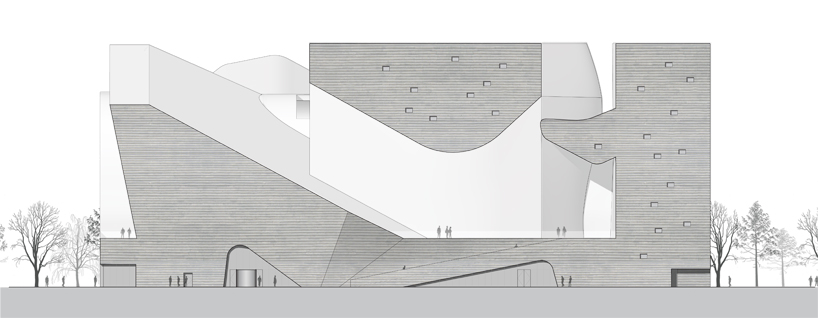 elevationimage © steven holl
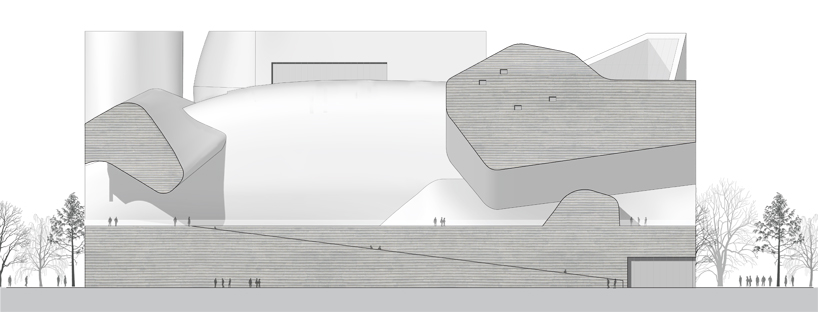 elevationimage © steven holl
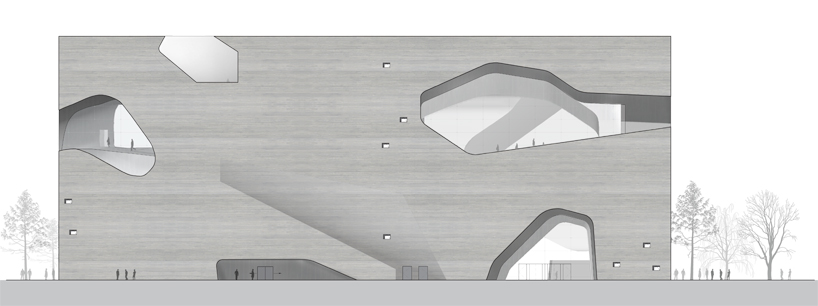 elevationimage © steven holl
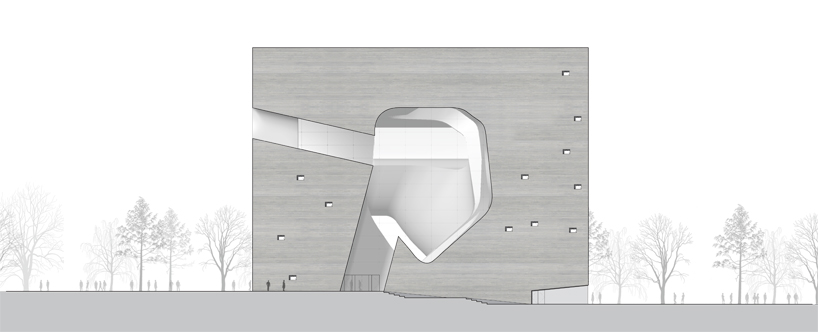 elevationimage © steven holl
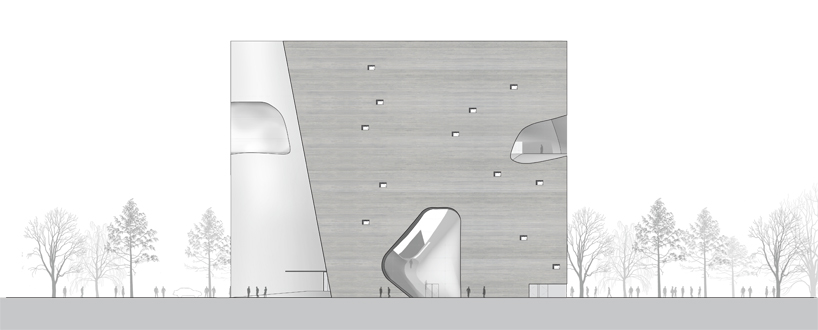 elevationimage © steven holl
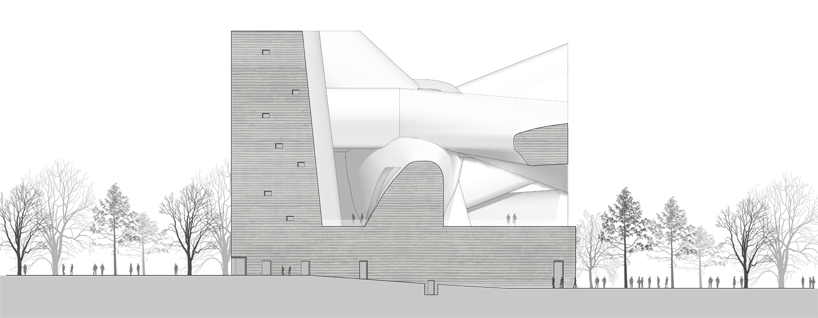 elevationimage © steven holl
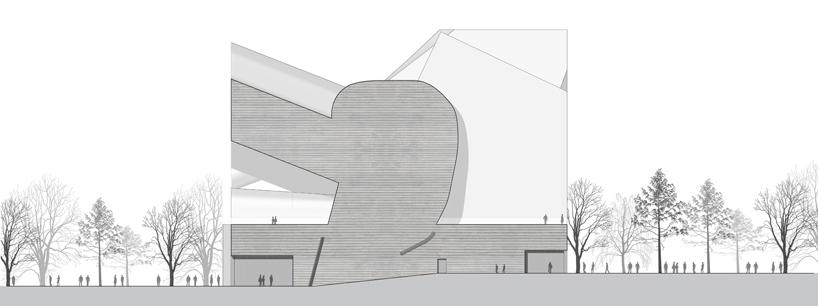 elevationimage © steven holl
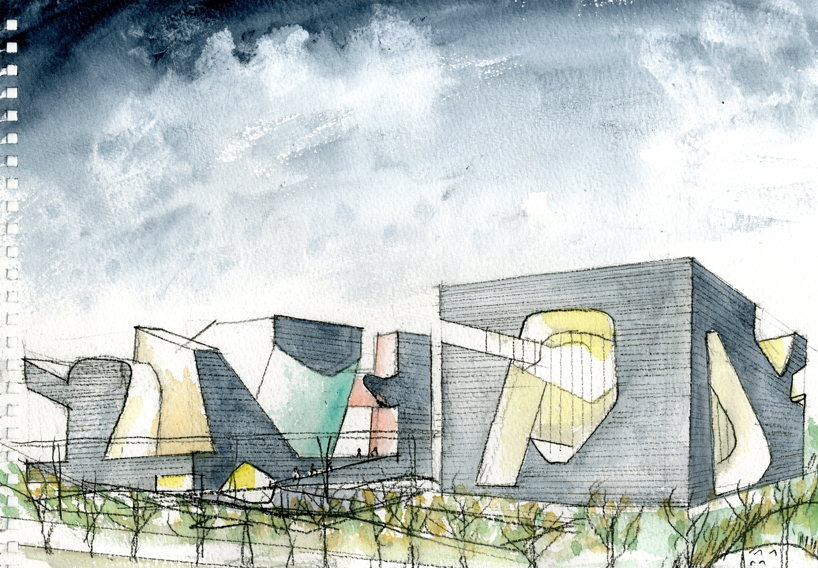 watercolor conceptimage © steven holl
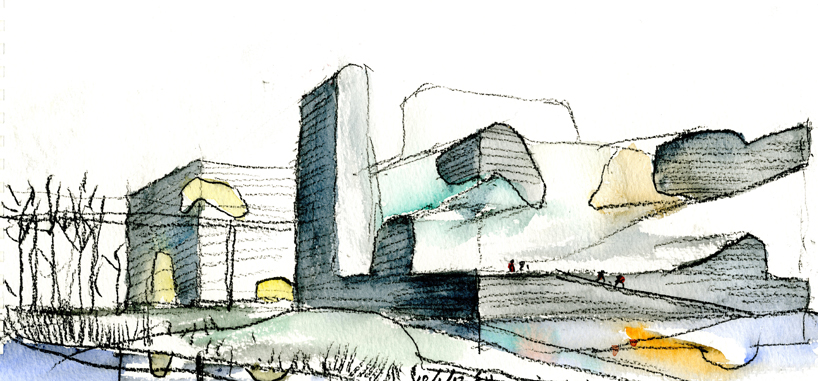 image © steven holl
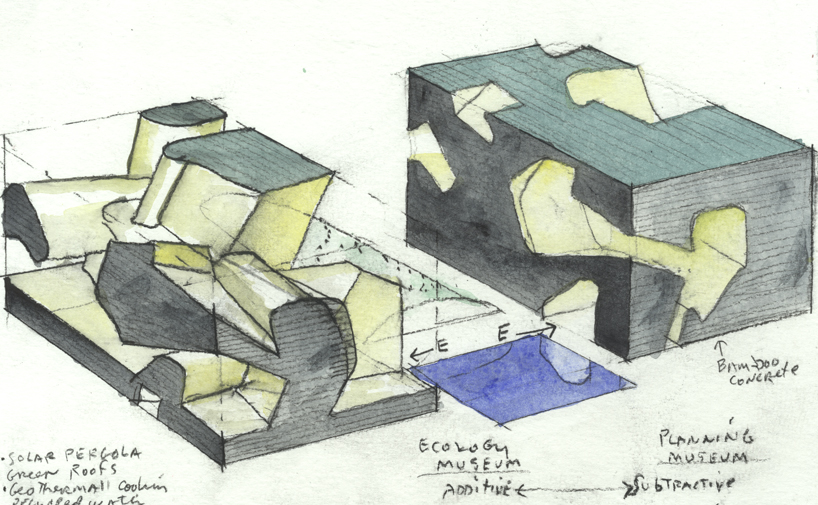 image © steven holl
happening now! effe and patricia urquiola design baluar, a sauna and hammam collection translating medieval bastion geometries into wellness architecture.
steven holl (76)
 Jan 21, 2025
 Sep 16, 2024
 Apr 30, 2024
 Jun 22, 2023
 Nov 22, 2022
 Sep 23, 2026
 Sep 22, 2026
 Sep 20, 2026
 Sep 18, 2026