the takenaka group pay reverence to kobe’s ikuta shrine with a minimal concrete treasure house
a concrete treasure house volume acts a bridge between the mundane and the spiritual, while also hiding adjacent buildings and dampening city noise.
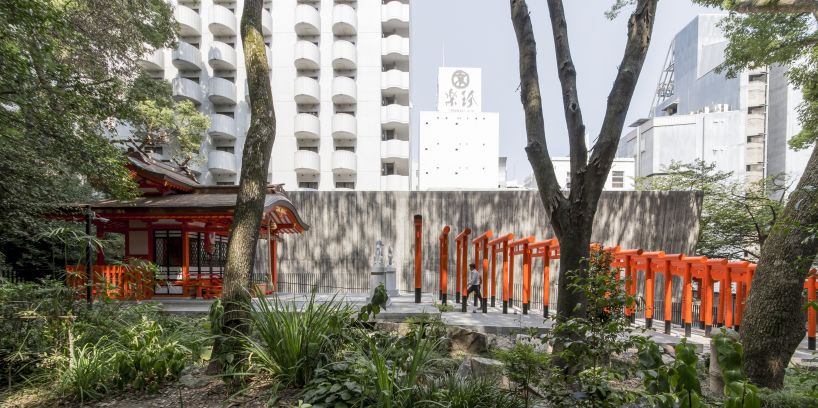
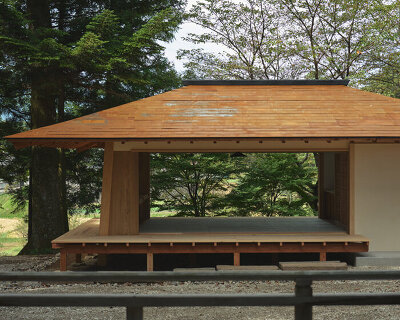
the takenaka group have installed a slanted concrete volume and wooden inari shrine at the ikuta shrine in kobe city, japan. established in A.D. 201, the shrine is one of the city’s oldest.
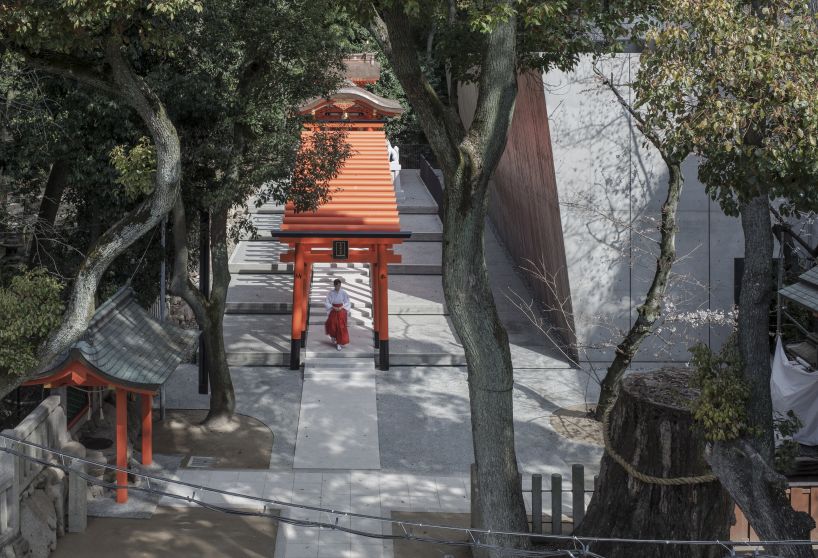
established in A.D. 201, the shrine is one of the city’s oldest
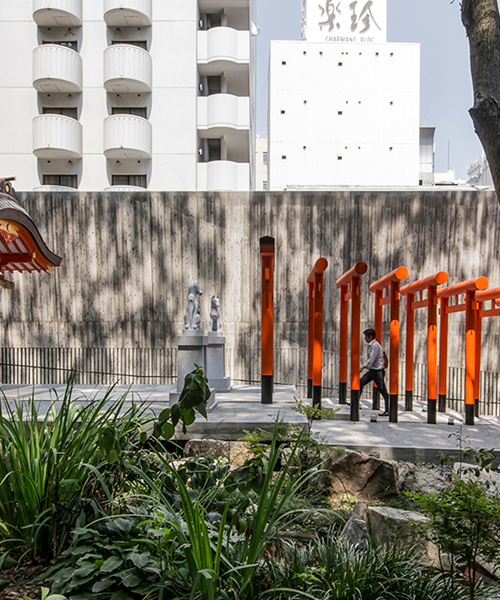
designed by masaomi yonezu and kota inokuchi for the takenaka group, the project is part of a maintenance and beautification initiative for the precinct. to the right of the shrine sits a minimal concrete treasure house, a traditional place of storage for religious items. rather than a pitched roof, a flat concrete roof runs the length of the rectilinear building. the simplicity of the concrete structure is intended to pay reverence to the shrine and nearby forest, causing as little distraction from worship as possible and concealing adjacent buildings.
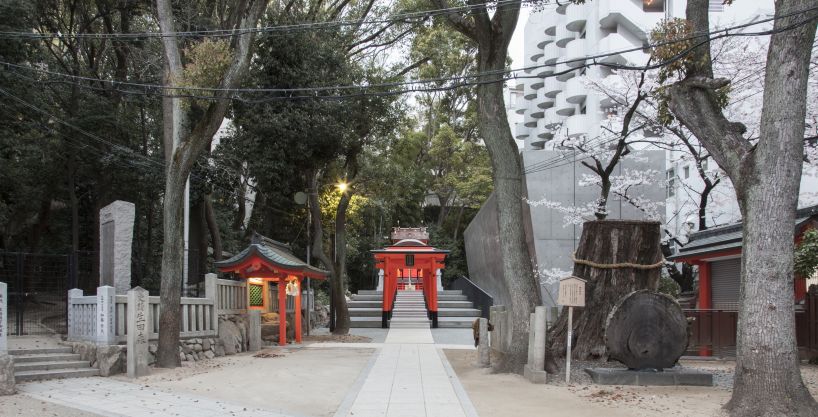
the simplicity of the concrete structure is intended to pay reverence to the shrine and nearby forest
the western façade of the treasure house slants inwards slightly, ‘as if it bows to the inari shrine respectfully’. this face has wood grain transcribed onto its concrete surface, emulating the effect of dappled sunlight on the ground and serving as an aesthetic transition between urban and spiritual realms. according to the architects, ‘this surface belongs to the precinct world, and all the other surfaces, with smooth exposed concrete, belong to real world’. the development also includes the insertion of a series of redesigned orange arches — torii gates — leading worshippers from the mundane world to the spiritual.
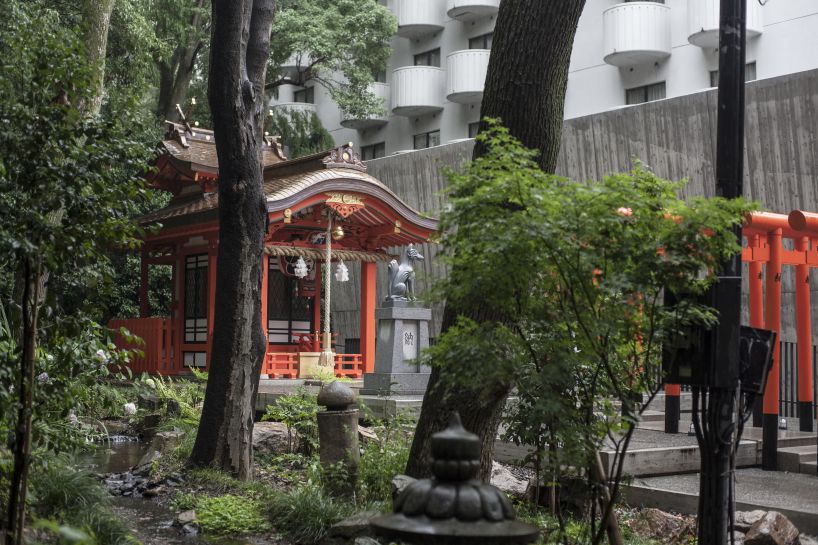
view across the shrine forest
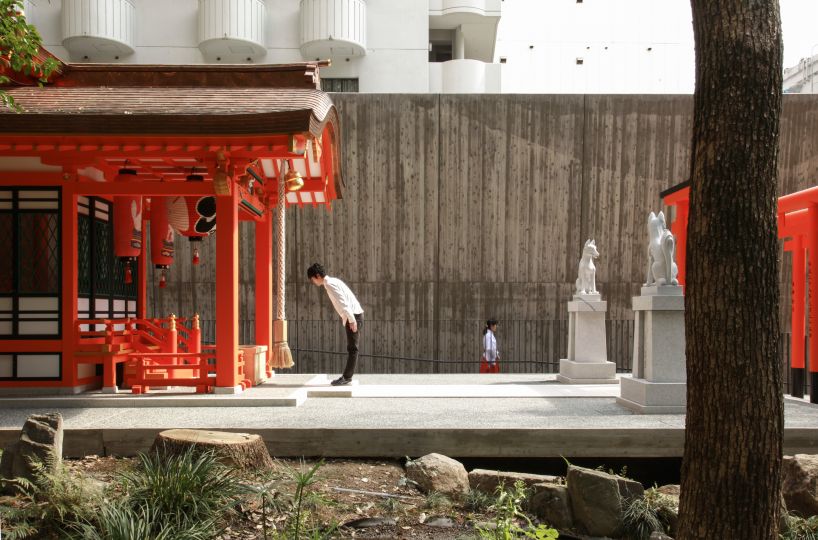
the treasure house volume hides adjacent buildings and helps dampen city noise
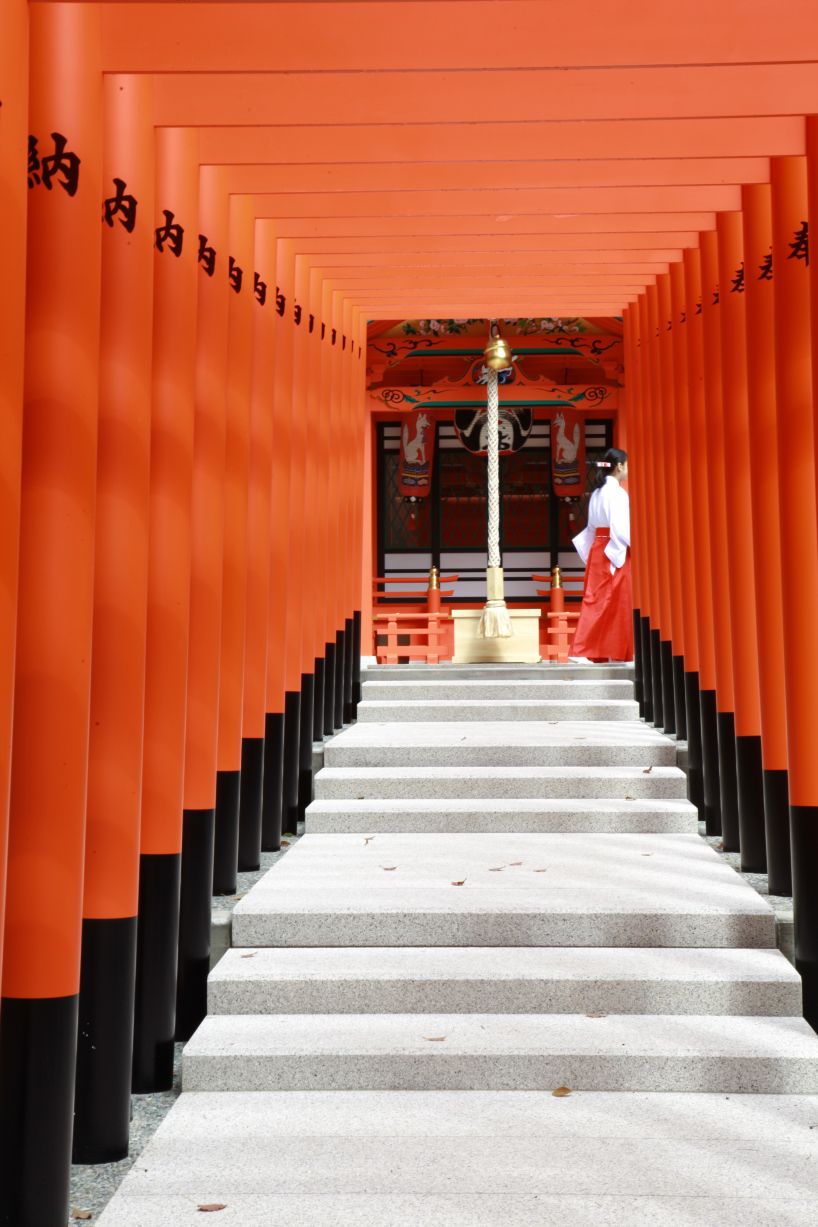
tens of ‘torii gates’ are arranged in a line in traditional ‘inari style’
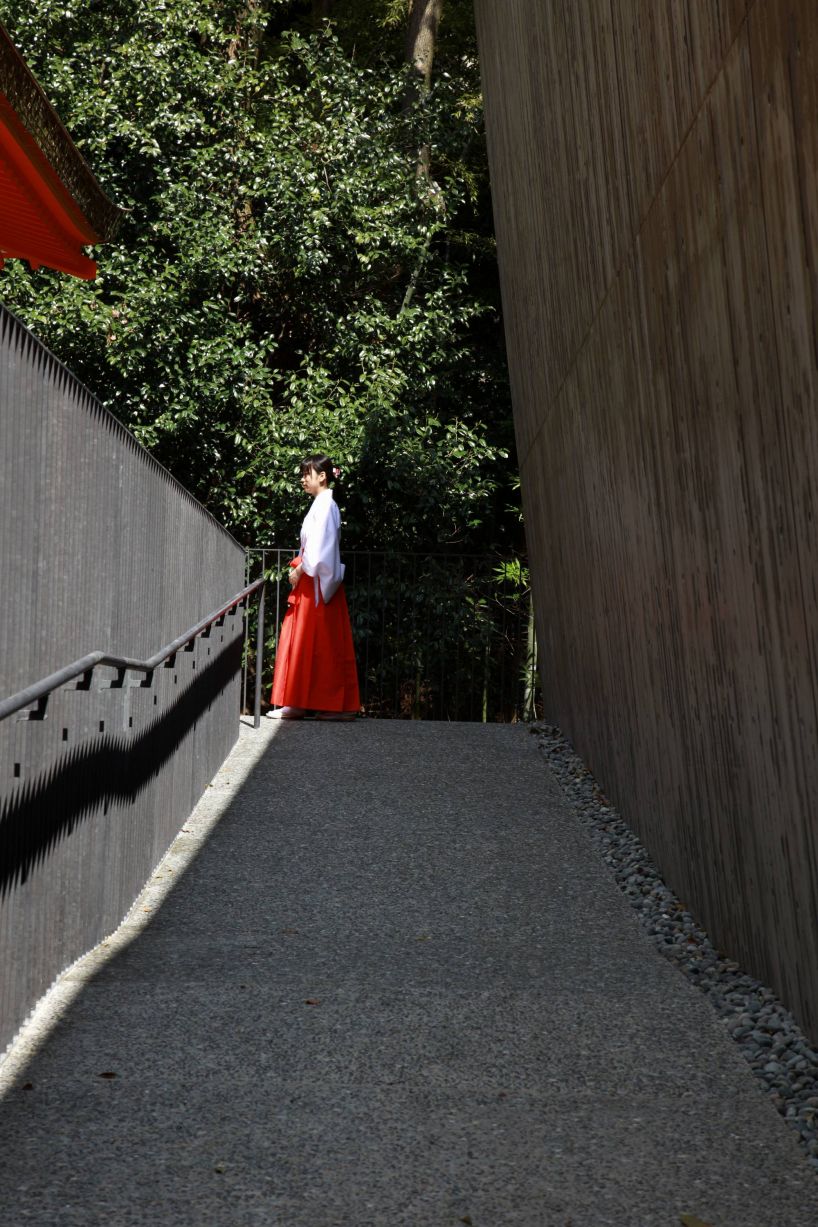
the wall is slanted at 7.3 degrees, showing regard for the shrine
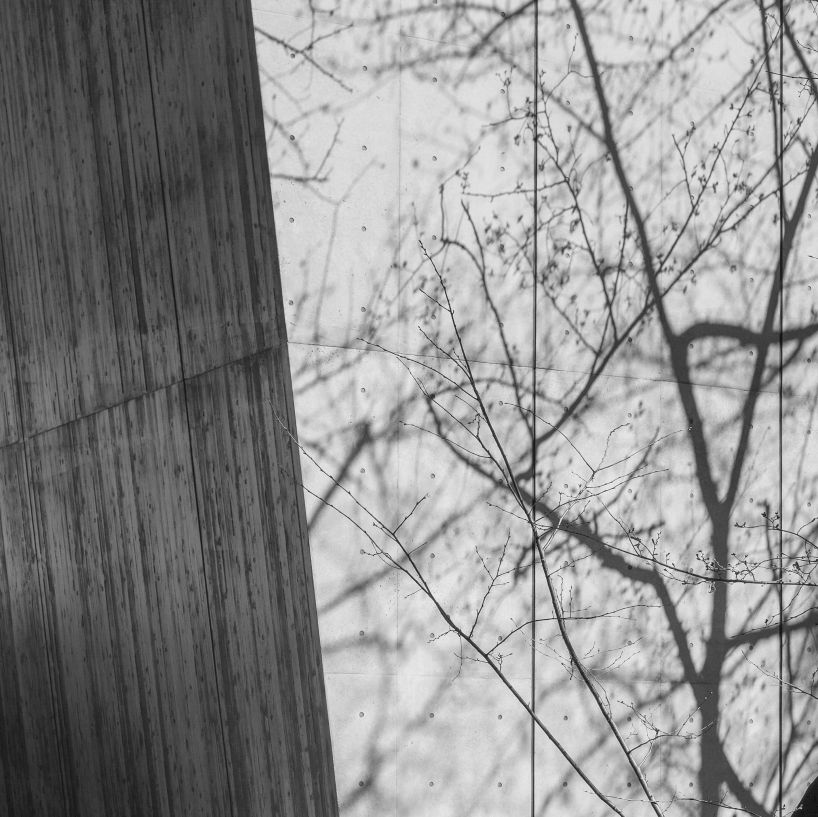
the finish of concrete wall emulates dappled forest sunlight
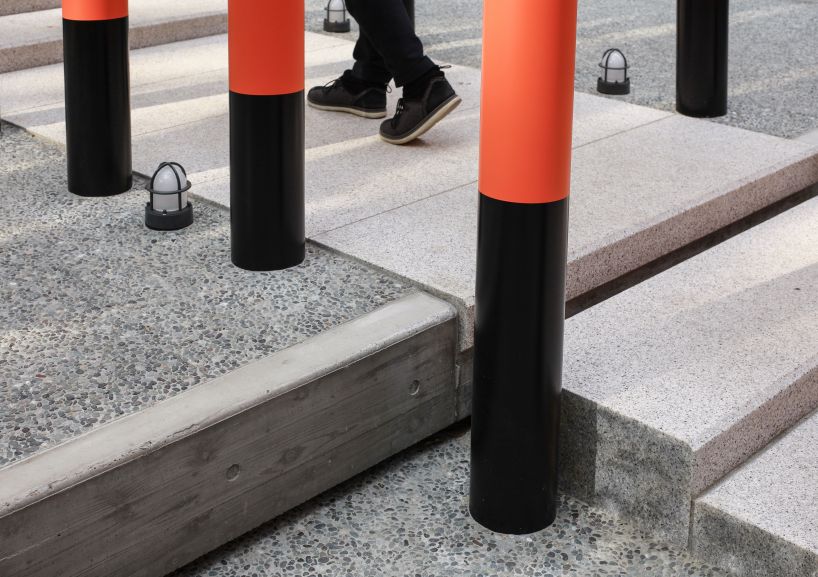
detail of the approach
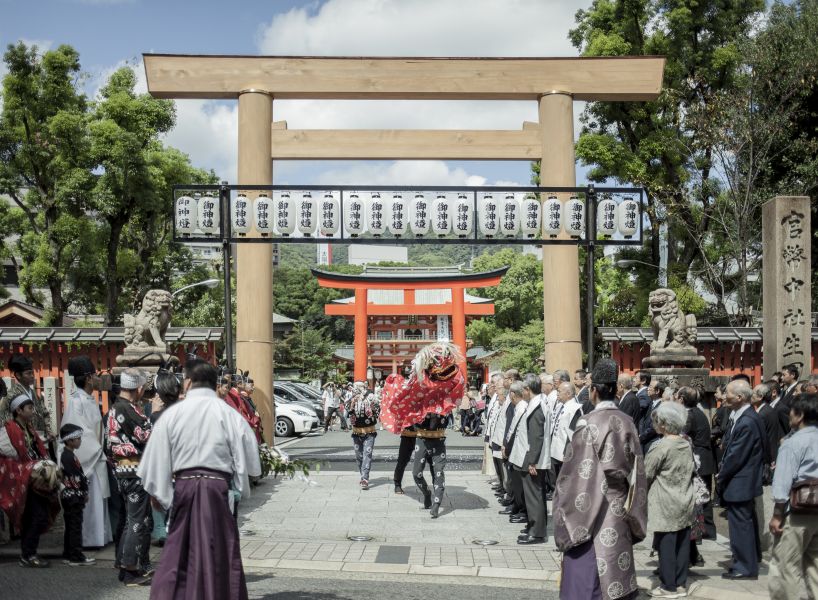
the rebirthed grand torii gate is made of old parts, inherited from ise-jingu
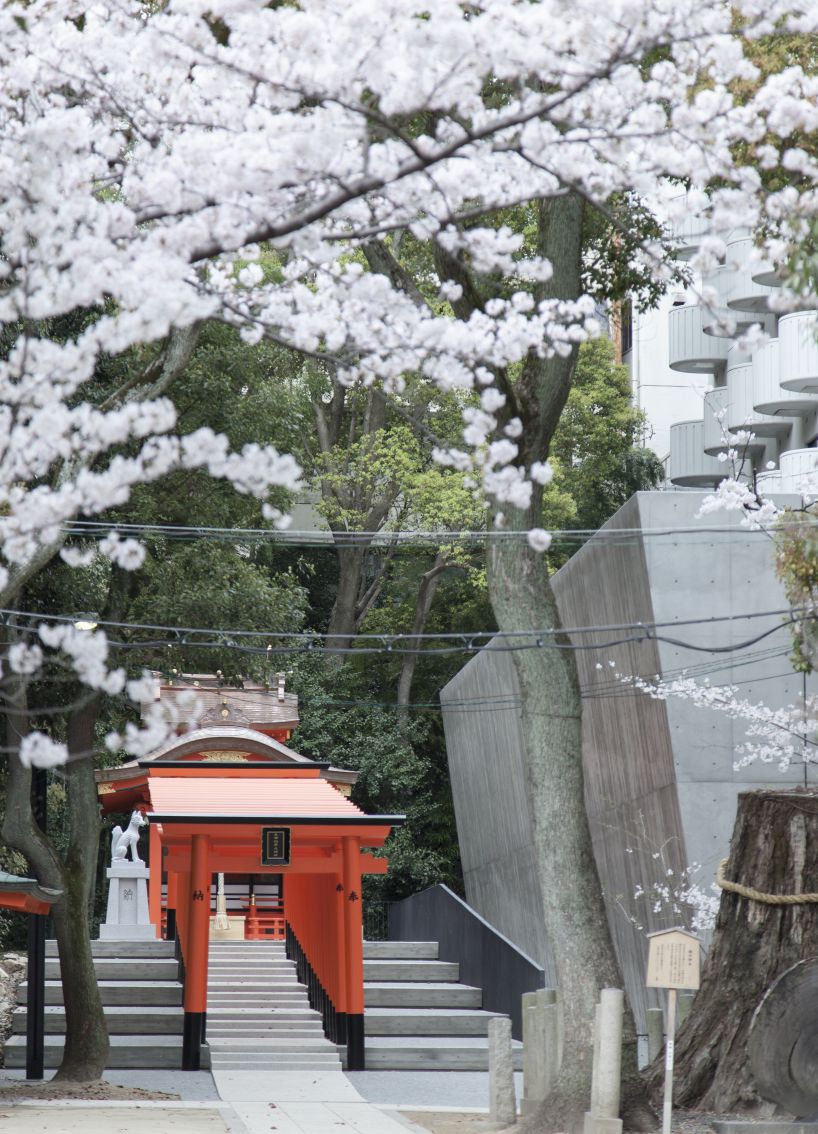
cherry blossoms, the symbol of the ikuta shrine, mark the entrance
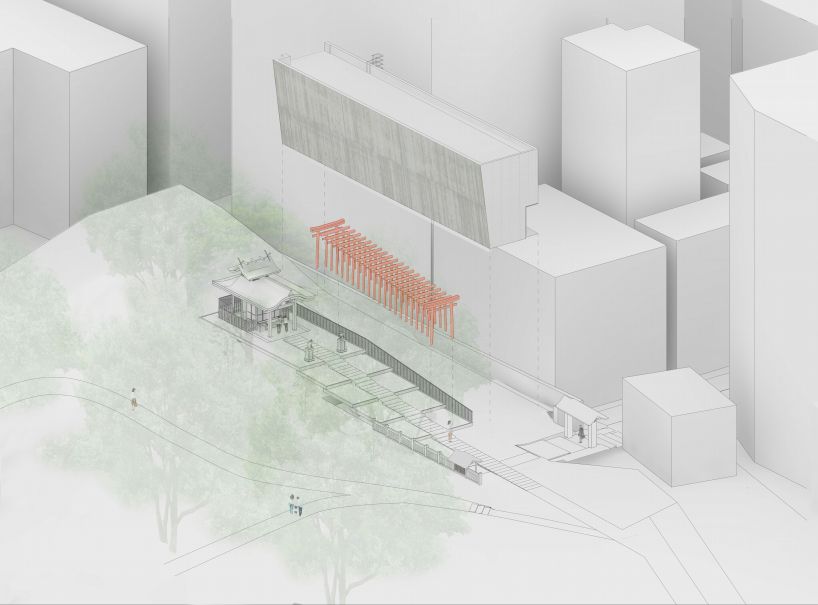 diagram
designboom has received this project from our ‘DIY submissions‘ feature, where we welcome our readers to submit their own work for publication. see more project submissions from our readers here.
shop
your own online design shop — no sales commission collected