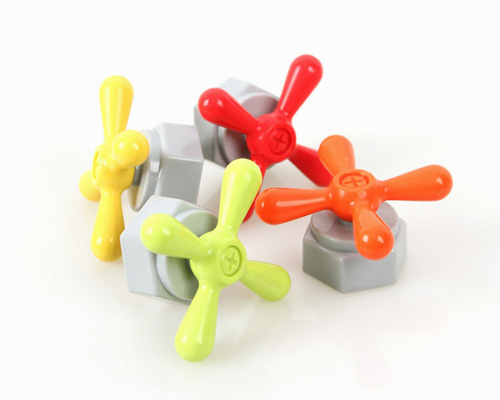
dijangin’s sodavalve eases the act of twisting a bottle
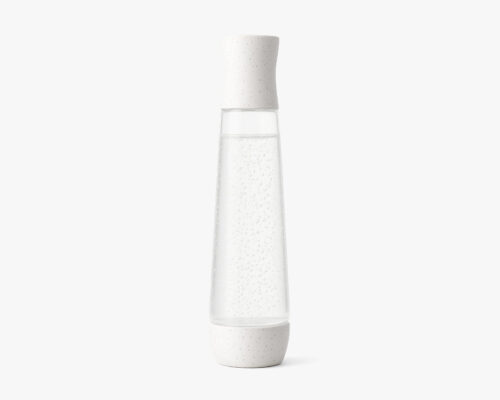
the device features a grippable geometry that functions as a base to prevent carbonation from escaping when placed upside down.
prefer designboom on google
dijangin’s sodavalve eases the act of twisting a bottle
all images courtesy of designmaster dijangin
the simple act of twisting the cap of a bottle can be a difficult task. as you place your fingertips around its edge and feel each of the individual ridges embedded into its plastic surface, you twist and try to break the seal, hoping that the liquids won’t burst out from the top. if it doesn’t open, you annoying repeat the action with more force and aggression until your skin ends up being irritated and you have to ask a friend for help. upon analyzing this design flaw, dijangin has designed a product called ‘sodavalve’ to ease the process of opening and closing a bottle.
video courtesy of designmaster dijangin
the device is available in two models that appear as miniature representations of forms seen throughout time: a steering wheel and a kitchen sink handle. these are geometries that have been replicated and reproduced because they work with an understanding of the human hand, enhancing any grip applied to them. in addition, the designers have realized that they provide another layer of functionality. based on the observation that carbonation constantly leaks through the rim of a bottle in small increments, the wide ring structure of the ‘sodavalve’ can establish a based when turned upside down to fully seal its contents and thus, prevent the beverage from turning into flat sugar water.
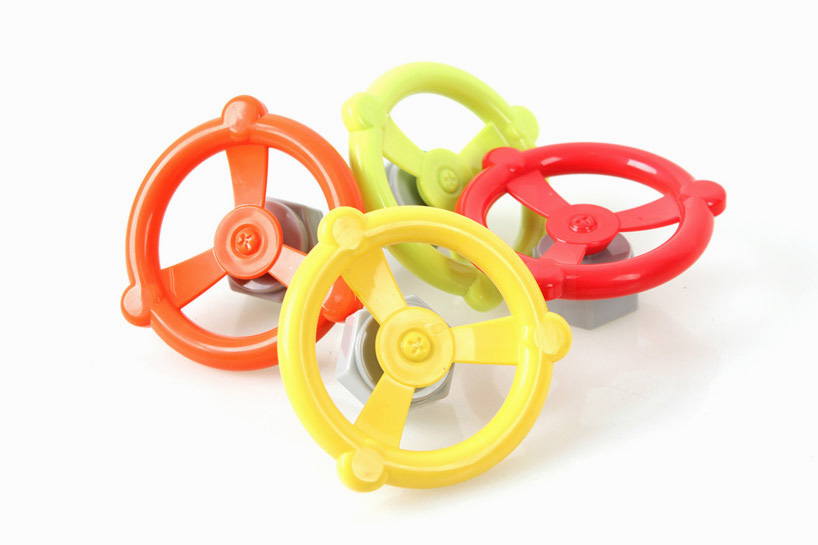
the products are available in yellow, red, green, and orange
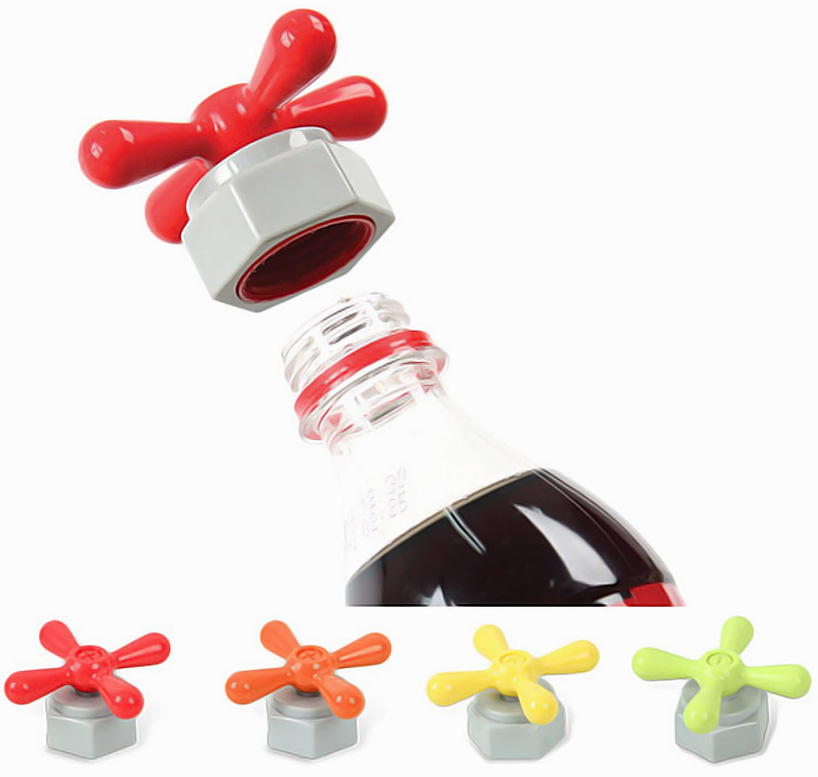
the kitchen sink handle applied to a bottle
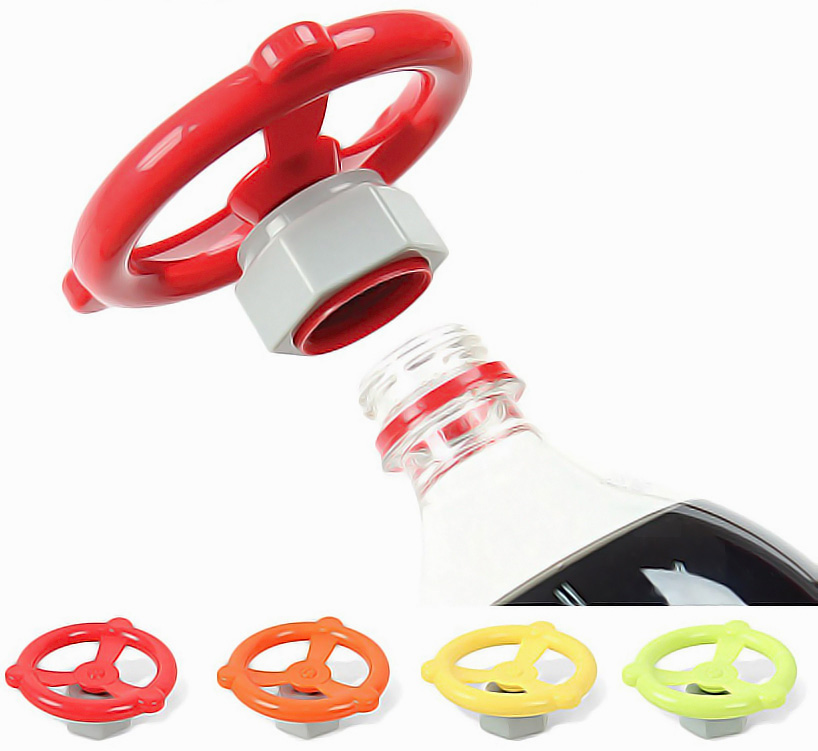
the wheel secured around a bottle cap
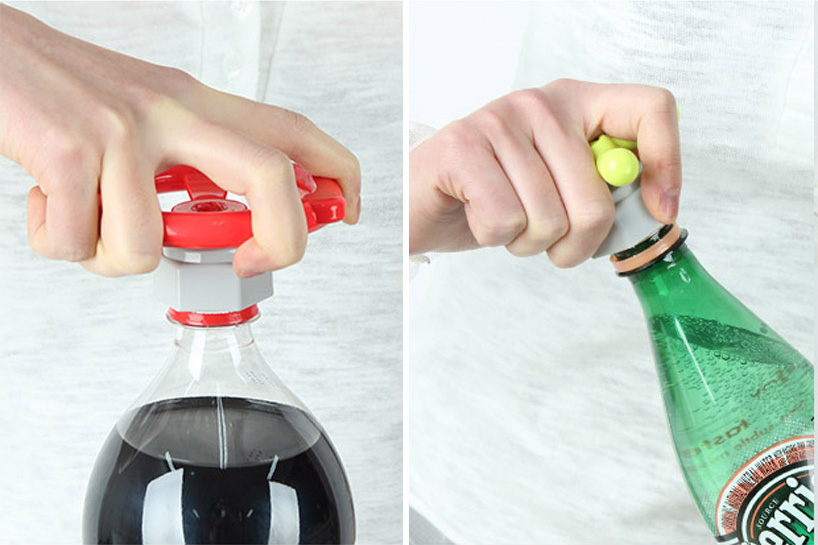
each form works in relation to the hand to enhance the grip
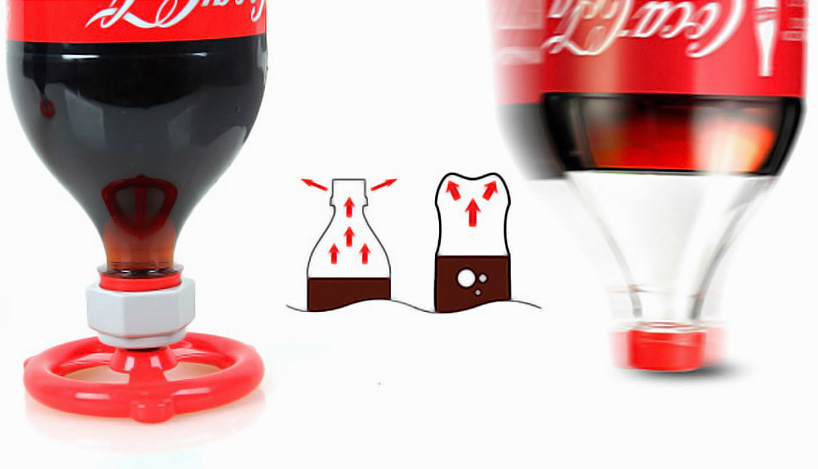
the wide surface of bottle cap acts as a stable base that secures the carbonation
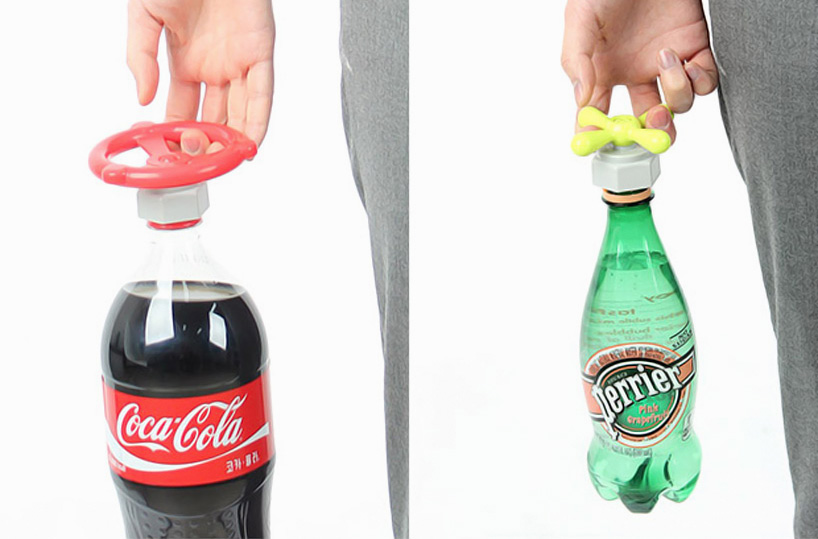
the handles make it easier to carry any beverage
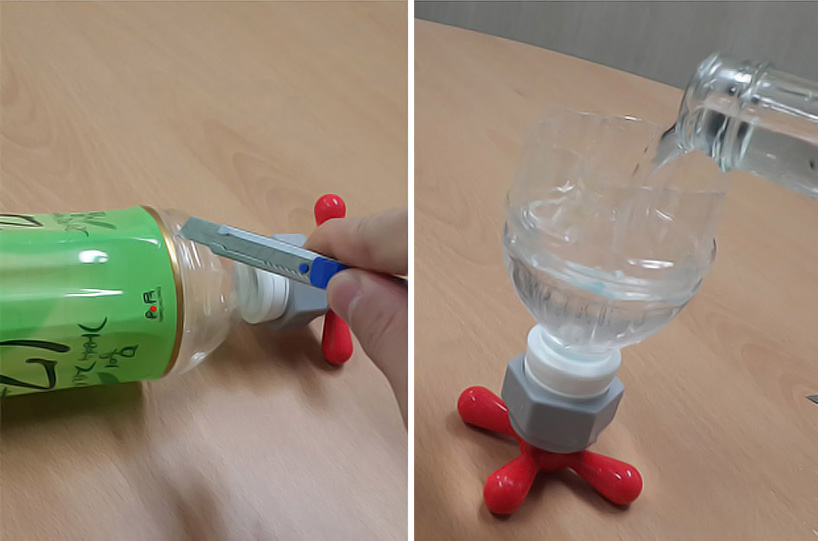
the device can turn any bottle into a cup
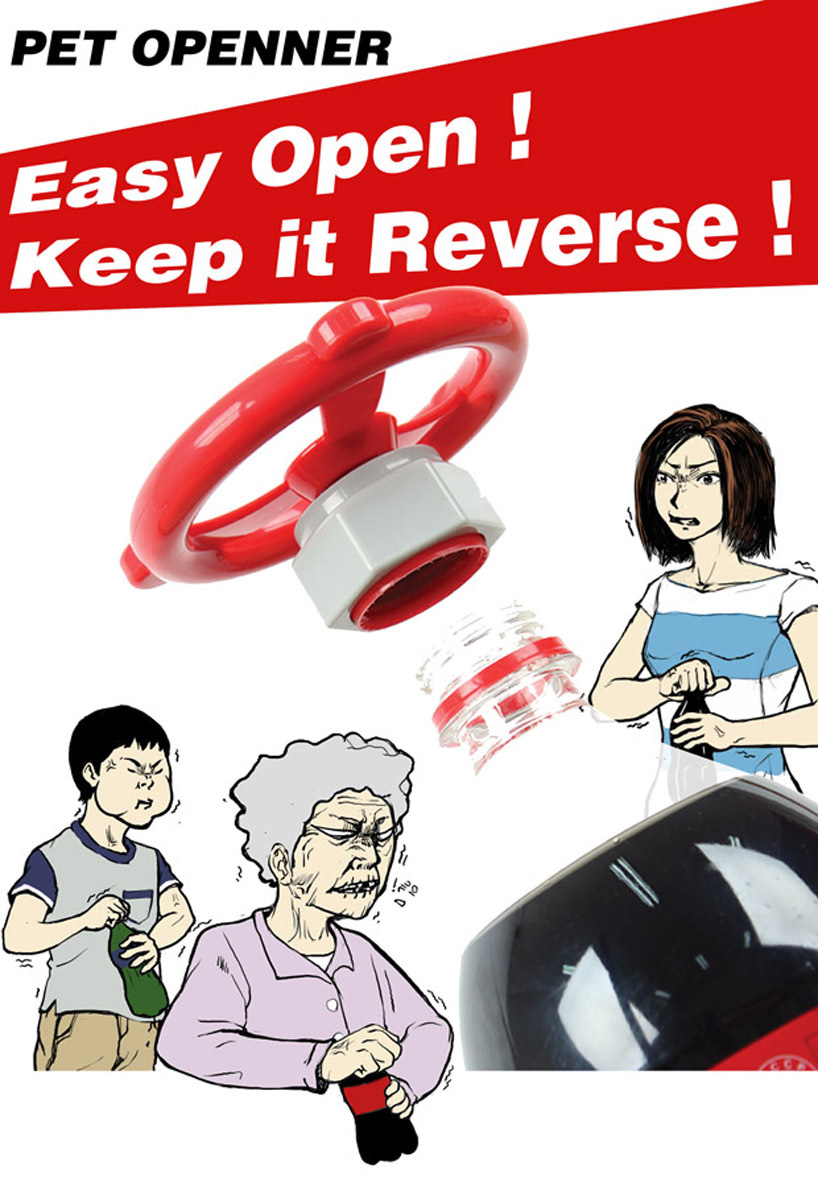
advertising graphics for the ‘sodavalve’
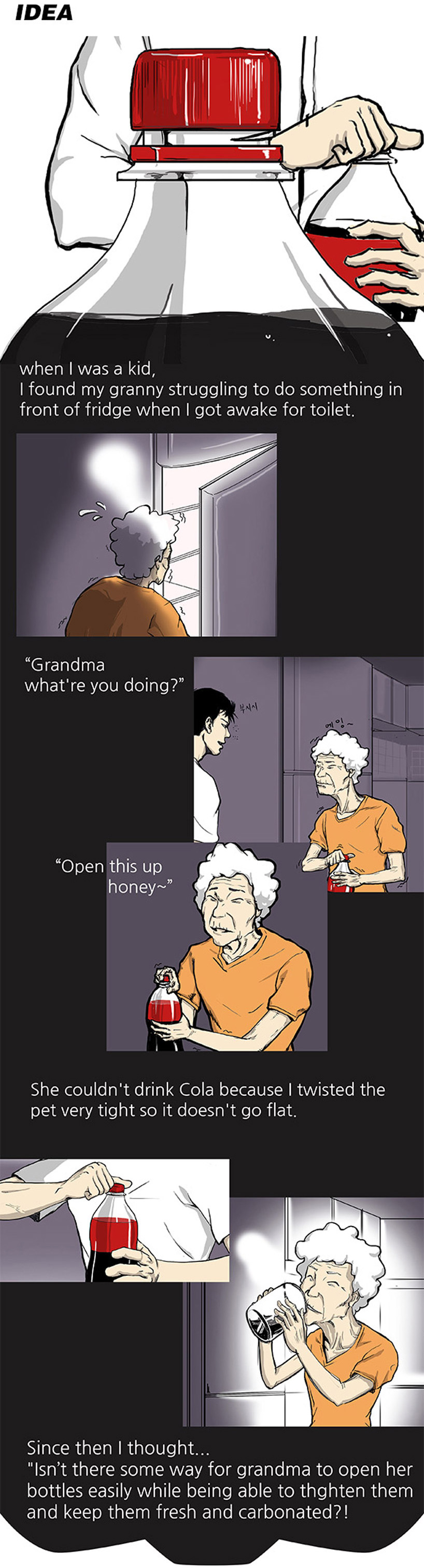
a narrative comic explaining the origin of the project
designboom has received this project from our ‘DIY submissions‘ feature, where we welcome our readers to submit their own work for publication. see more project submissions from our readers here.
shop
your own online design shop — no sales commission collected