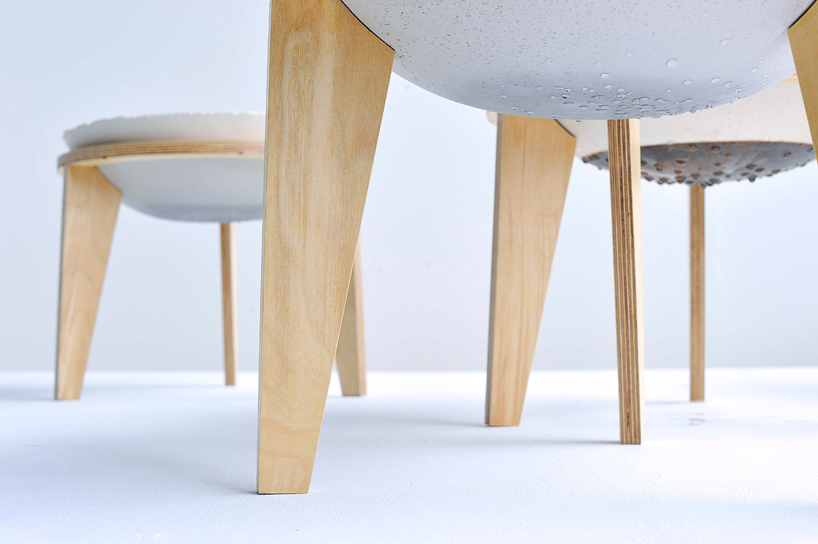
‘puur zuiveren’ – natural water filtration systems by lukas jager
the process of water purification usually requires a tenuous amount of labour – pre-treatment screenings and chlorination, pH adjustments, and disinfection being a few of the formal approaches of achieving clean H2O. as this takes time and resources, dutch designer lukas jager has developed a purification system that bypasses the un-natural methods of distilling water.
 product view with water drips exposed
conceived as a series of bowls, his project ‘puur zuiveren’ demonstrates the liquid transition from ‘turbid to clear’. using a mix of clay and fine sawdust heated in an oven at 850 degrees celsius, the material retains a porous characteristic, making it ideal for purifying liquids at a faster rate. by adding colloidal silver, remaining traces of bacteria are killed, extending the shelf life of the final product. with five different types of sawdust density used in each of the objects, water is able to seep through at variable speeds.
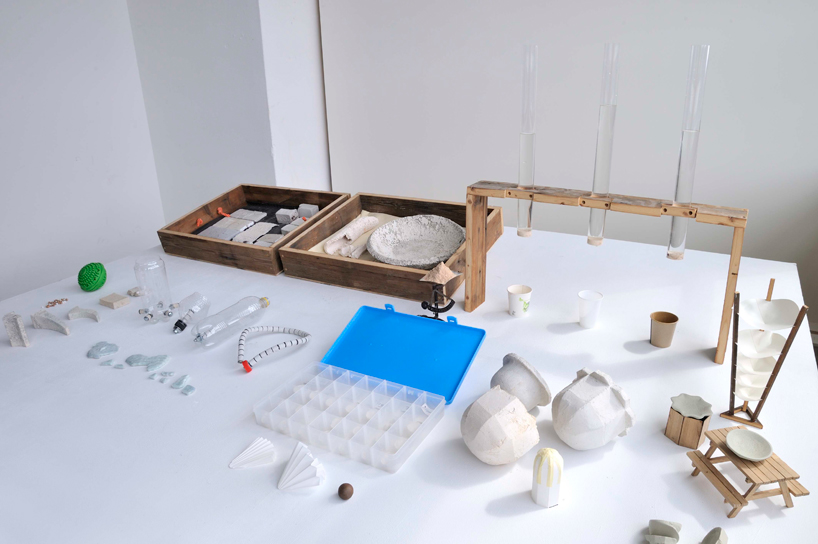 process laboratory
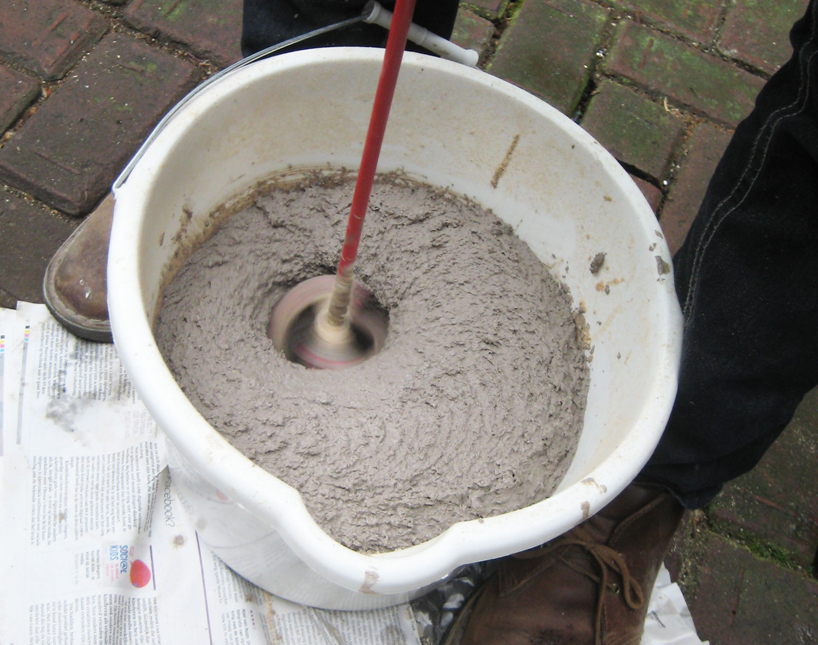 material mix
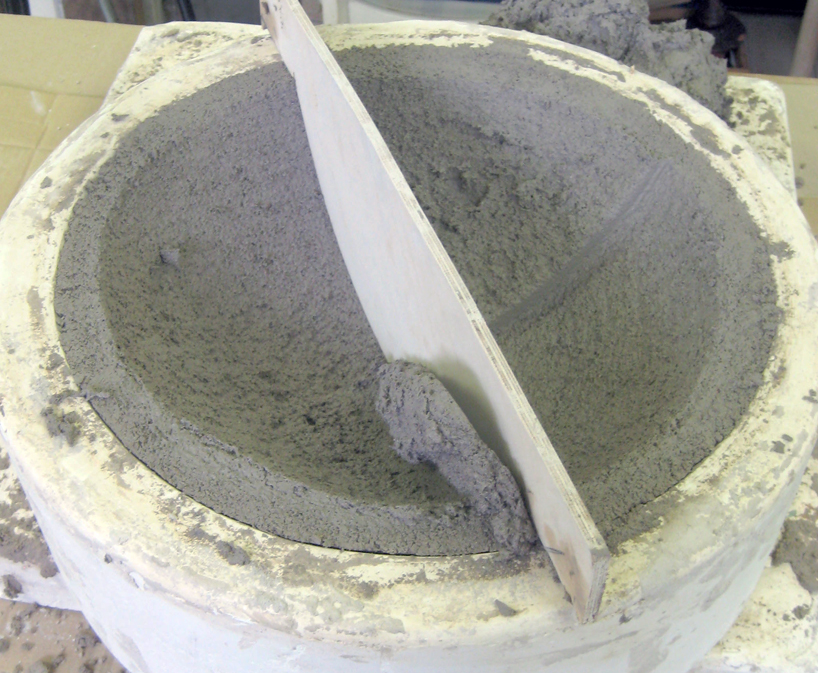 removal of excess material
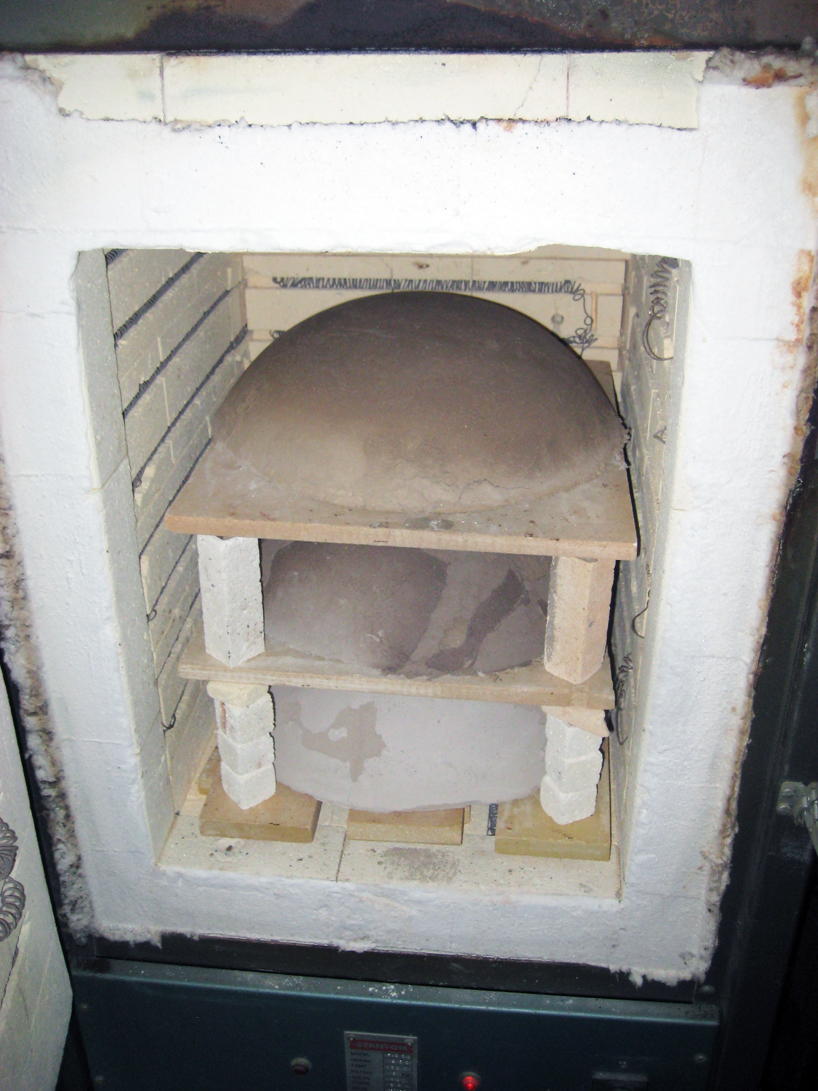 clay inside oven
WATER FILTRATION SYSTEMS (22)
 Aug 22, 2023
 Jun 20, 2023
 Apr 03, 2023
 Jan 19, 2023
 Jan 04, 2023
PRODUCT LIBRARY
 Apr 17, 2024
 Apr 15, 2024
 Apr 15, 2024
 Apr 12, 2024