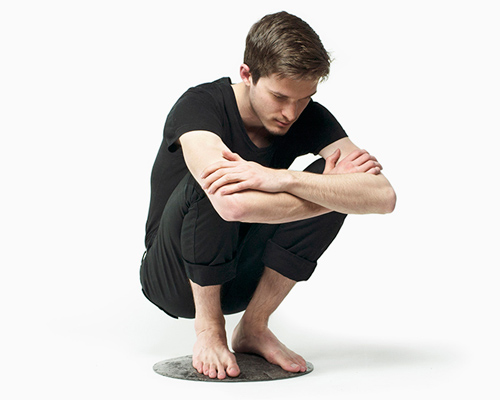
zack filbert experiments with concrete to produce silakan duduk
the seating sculptures are informed by life in the tropics and manifested through experimentation with concrete.
[FEATURED]
zack filbert experiments with concrete to produce silakan duduk
all images courtesy of zack filbert
wanting to work with the tactile nature of concrete, designer zack filbert embarked himself in the experimentation process of mixing and molding this material, that later resulted in the ‘silakan duduk’ seating sculptures. by looking at how people in indonesia and in other asian countries often sit by squatting, filbert saw the perfect opportunity to create a direct interaction between the person’s feet and the material they’re squatting on.
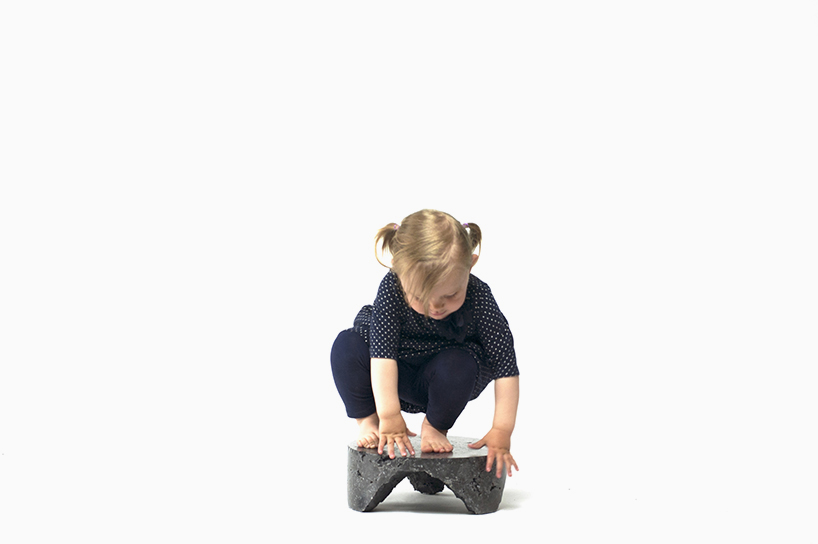
the pedestal, with the smooth concrete top, is perfect for squatting
the experimentation began when the designer started to think on how he might alter concrete’s traditional properties. after experimenting with a variety of aggregates, he tried adding shredded paper to the mixture. the result was a semi-fluid form of concrete that had sculpting possibilities.
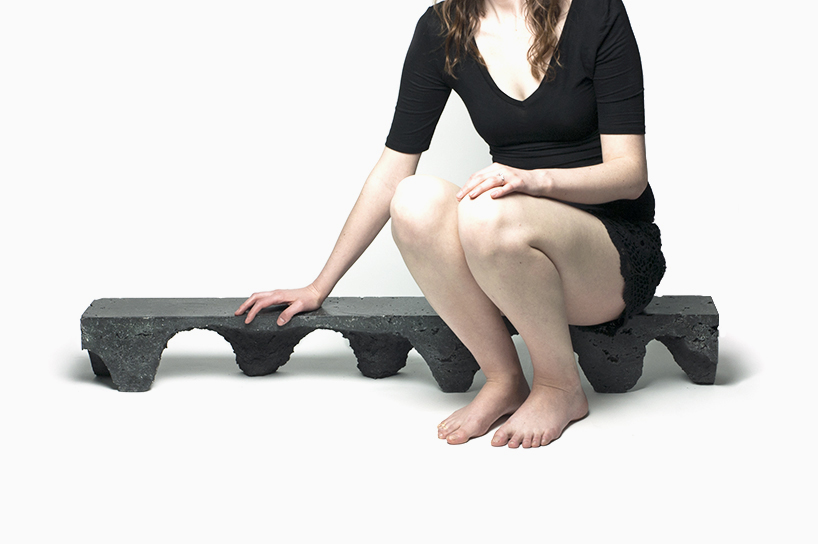
a larger scale piece, or bench, is possible due to a structural paper aggregate
after discovering this, filbert then began to sculpt the material into simple open faced molds, noticing that his hands left some of the surfaces rough and choppy, while the ones facing the mold were completely polished. the contrast between the hand-made and mass-produced processes found in the same object made visible two extremes of the material’s potential.
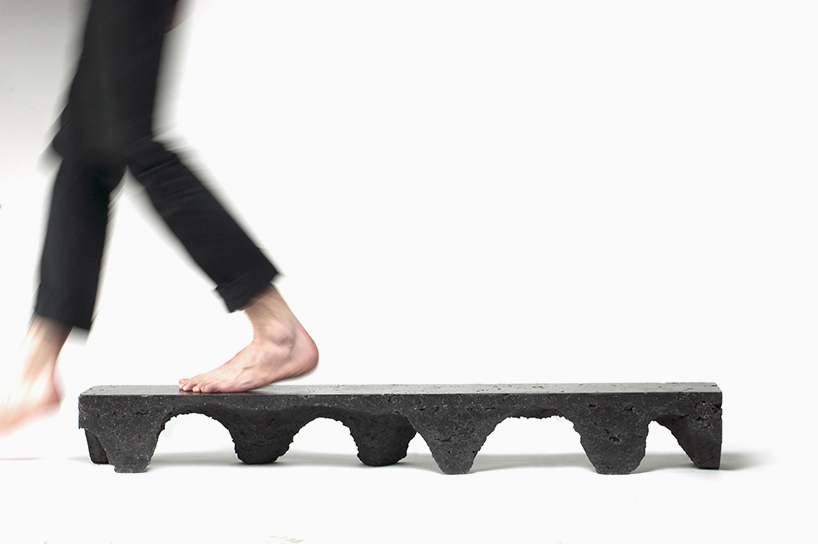
the polished surface has a comfortable feel to the bare feet
this play with the material amplified its tactile properties, while creating a unique experience for squatting, sitting, or otherwise touching the concrete.
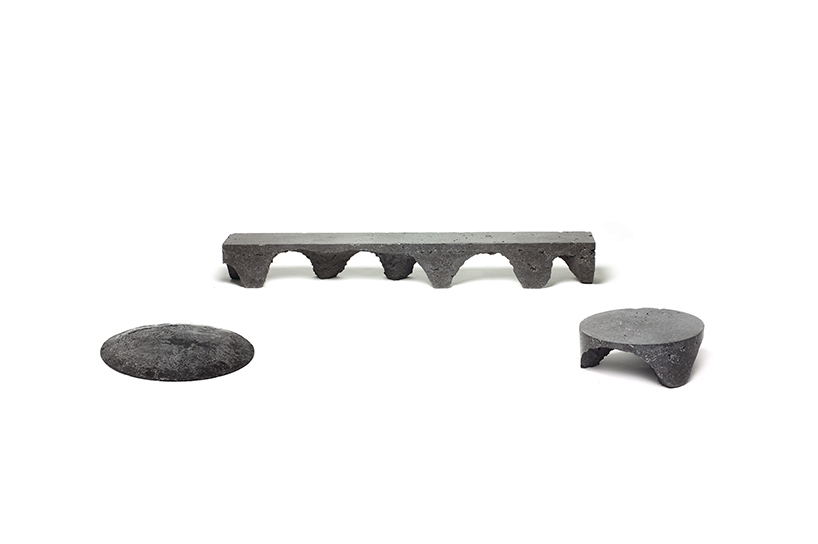
the full collection of seating sculptures contains a disc, a pedestal and a bench
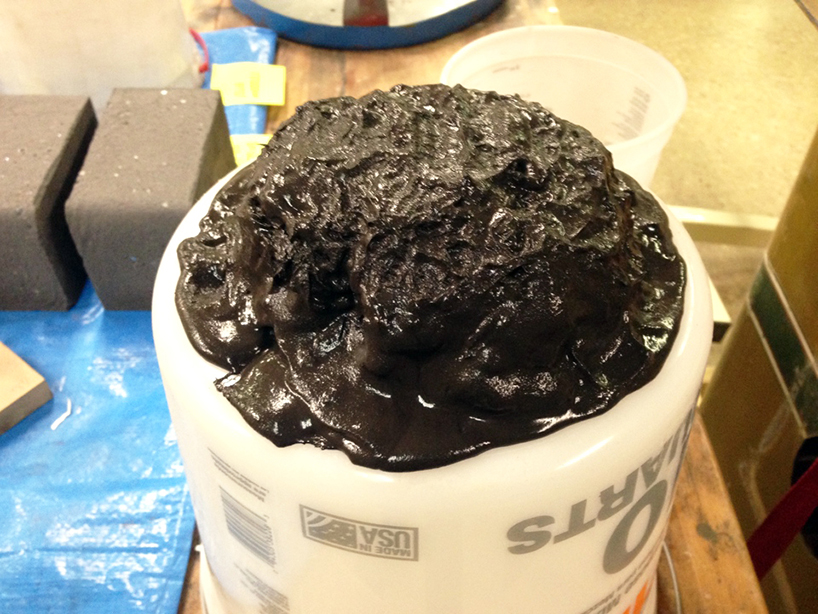
in the process, shredded pieces of paper are added to the concrete
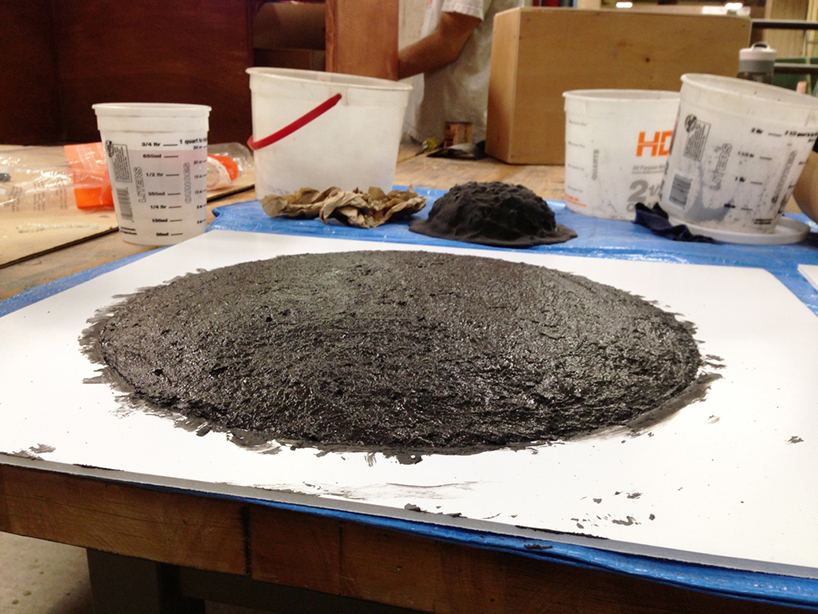
the following step is casting the pieces in open molds
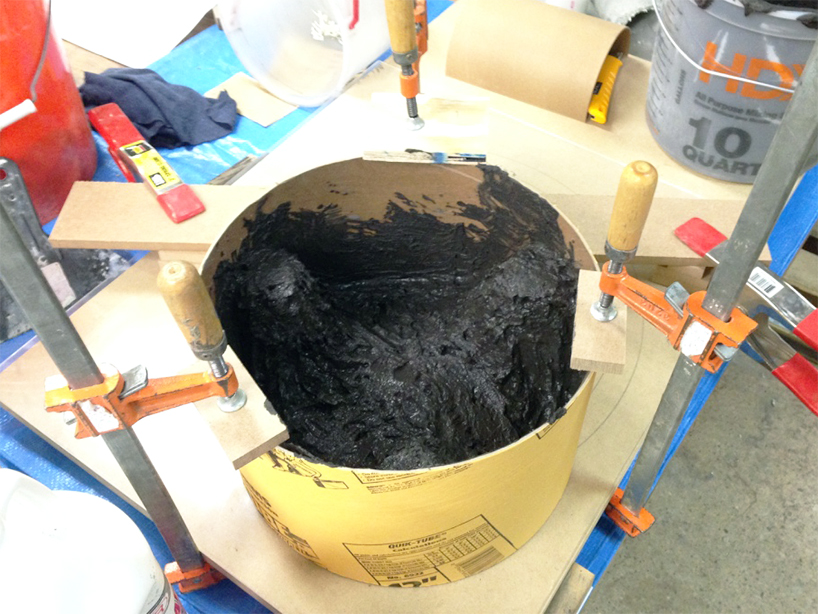
the open molds allow for sculpting and molding at the same time
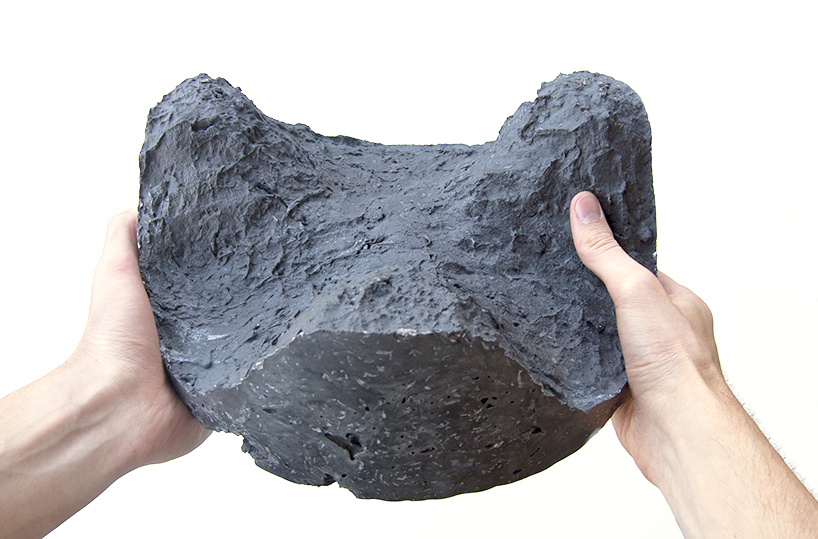
the result is a rough surface from the hand sculpting
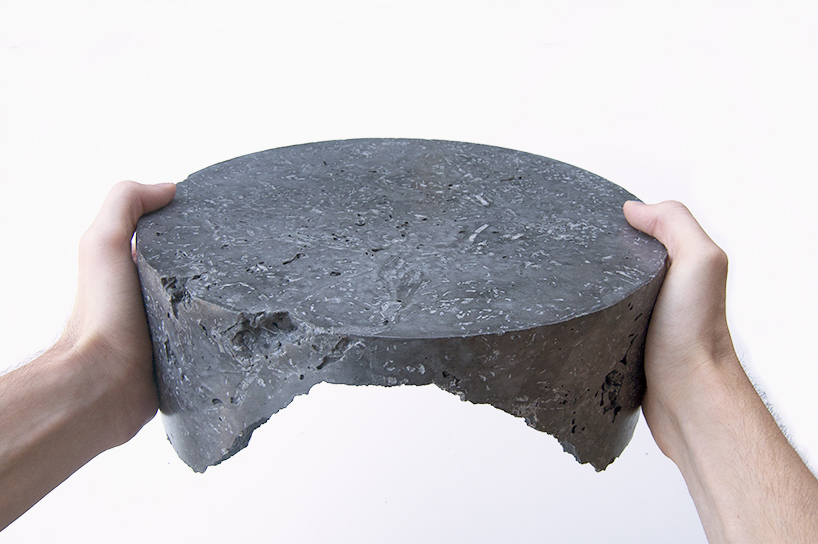
and a polished surface that results from casting in a mold
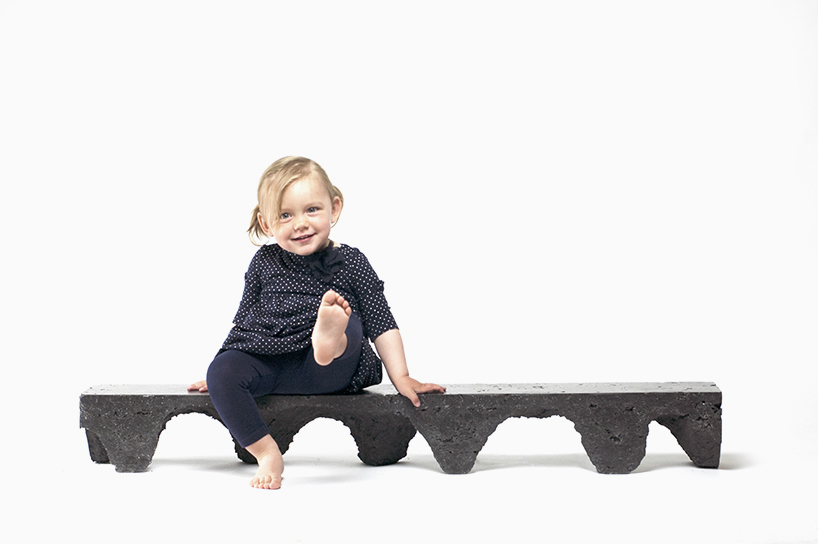
children interact with the pieces at a different scale
designboom has received this project from our ‘DIY submissions‘ feature, where we welcome our readers to submit their own work for publication. see more project submissions from our readers here.
shop
your own online design shop — no sales commission collected