if you thougt a pair of jeans is as good as another, than think again: the history of denim, the fabric phenomenon of the last century ...........................

......................... shop .................. competitions .............. education ................ interviews ................... snapshots ................... history .......... contemporary


---

denim
( also called blue jeans, jeans, dungarees, or levi's )
historical evolution / trend 2000 / material
-
by birgit lohmann ,2000

-
--
the history of denim, the fabric phenomenon of the last centuries:
the 18th century
in the eighteenth century as trade, slave labour, and cotton plantations
increased, workers wore jean cloth because the material was very
strong and it did not wear out easily.

--
the 19th century: the california gold rush
the gold miners wanted clothes that were strong and did not tear easily.
in 1853, leob strauss started a wholesale business, supplying clothes.
strauss later changed his name from leob to levi.

--
the 1930's: westerns
cowboys - who often wore jeans in the movies-became very popular.

--
the 1940's: war
fewer jeans were made during the time of world war 2, but they were
introduced to the world by american soldiers, who sometimes wore
them when they were off duty. after the war, rival companies, like
wrangler and lee, began to compete with levi for a share of the
international market.

--
the 1950's: rebels
ìn the 1950's, denim became popular with young people. ìt was the
symbol of the teenage rebel in tv programmes and movies
( james dean in the 1955
movie rebel without a cause). some schools in the usa
banned students from wearing denim.

--
the 1960-70's: hippies & the cold war
different styles of jeans were made, to match the 60's fashions:
embroidered jeans, painted jeans, psychedelic jeans...
in many non-western countries, jeans became a symbol of
' western decadence' and were very hard to get.

--
the 1980's: designer jeans
in the 1980's jeans became high fashion clothing, when famous
designers started making their own styles of jeans, with their own labels on them.
sales of jeans went up and up.

--
the 1990's: recession
although denim is never completely out of style, it certainly goes out of
'fashion' from time to time. in these years the youth market was'nt
particularly interested in 501s and other traditional jeans styles,
mainly because their parents: the' generation born in blue' were still busy
squeezing their aging bodies into them. since no teenager would be
caught dead in anything their parents are wearing,
the latest generation of rebellious youth turned to other fabrics and
other styles of casual pants, such as khakis, chinos, combat and
carpenters and branded sportswear pants.
they still wore denim, but it had to be in different finishes,
new cuts, shapes, styles, or in the form of aged, authentic, vintage jeans,
discovered in markets, secondhand- and thrift shops, not conventional jeans stores.
levi strauss & co., the number-one producer of jeans and the
"single most potent symbol of american style on planet earth"
(as the los angeles times succinctly put it), is in trouble.
eleven north american factories close, a nation grieves.

--
2000: reinventing denim
something decidedly weird is happening in the world of denim.
the products need to be reinvented from time to time and jeans has been back
on designers catwalks, at chanel, dior, chloe and versace. the single most potent
symbol of fashion, summer '99--tom ford's feathered, beaded, beat-up,
torn-knee gucci blue jeans, seen globally, sell out instantaneously at $3715 a pop.
and then, on the internet, was the shining image of helmut lang's
silver-sprayed pants, striding out beyond our conception of basic utility.
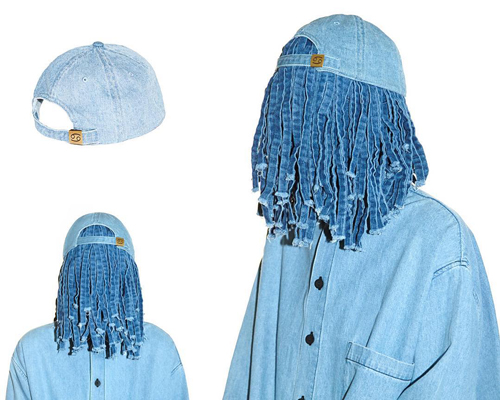
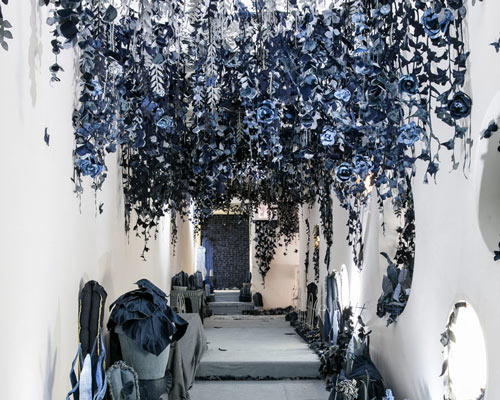
freed of all social and creative restrictions, denim is assuming any number of
disguises and contexts to be worn in and has broken through almost any limitation
on price.it can also be found in home collections, appearing in cushions,
bed spreads and furniture-coverings.

--
but if denim is making a major fashion statement, where does that leave
the traditional jeans brands?
the old mass market has segmented, fragmented, shattered into a multitude
of mini, micro and niche markets. the last generation has a vast quantity of
brands to choose from, a different perception of the cult value of owning
small insider labels and a fanatical loyalty only to what's hot
on a daily basis.
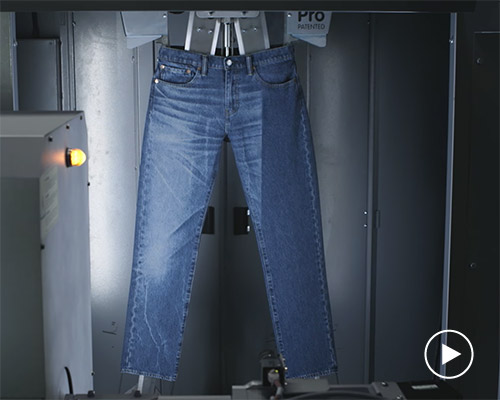
levis has recently launched in europe and set to be introduced to the us market
in autumn his "engeneered jeans", which are ergonomically designed
and preshaped to follow the contours of the body.
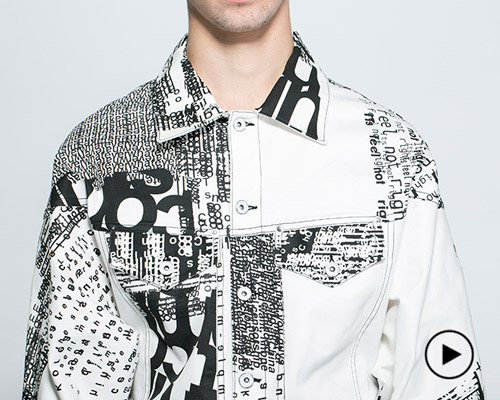
'visionaire' - in the high drama, high class,
high-heeled world of fashion publishing, a limited edition magazine that costs
an uncompromising £150 ,collaborates for their issue 31 (february 2000)
with levi's on the theme blue.
levi's and the dutch design agency 'droog' have collaborated to reinvent the 501 cult
classic 'levi's red line',showcased in february at the paris' design store colette ,
at jones in london and in april at the milan furniture fair.
not enough, after three years of sluggish sales, the san francisco-based
company is desperately trying to regain brand status. in 1999,
levi's sales totaled $5.1 billion, down 28 percent from $7.1 billion in 1996.
they now announced the launch of a new advertising and marketing
campaign called "make them your own." the campaign is one of levi's
most aggressive sales pitches to date. the theme is narcissistic youth,
featuring young people checking themselves out in their blue jeans.
all of the ads target 18- to 24-year-olds, the consumer segment that levi's
lost to competitive brands like tommy hilfiger and the gap.
while the budget for the campaign was not disclosed, industry
analysts are billing it as the largest advertising effort in levi's history.

--
denim and jeans - where do the names come from?
the word jeans comes from a kind of material that was made in europe.
the material, called jean, was named after sailors from genoa in italy,
because they wore clothes made from it. the word 'denim' probably
came from the name of a french material, serge de nimes:
serge (a kind of material) from nimes (a town in france).

--
traditional denim
durable twill-woven cotton fabric with coloured (usually blue) warp and white filling
threads; it is also woven in coloured stripes.

--
rivets
a big problem with the miners' clothes were the pockets, which easily
tore away from the jeans. jacob davis had the idea of using metal rivets
(fasteners) to hold the pockets and the jeans together so that they
wouldn't tear. davis wanted to patent his idea, but he didn't have enough
money, so in 1872, he wrote to levi strauss and offered strauss a deal if
strauss would pay for the patent and strauss accepted.

--
label
in 1886, levi sewed a leather label on their jeans. the label showed a
picture of a pair of jeans that were being pulled between two horses.

--
who started to prewash them?
jack spence for lee

--
who started with stone-wash?
francois girbaud

--
what stones where used?
first pea gravel, then pomice, because they floate around with the jeans, instead of
lying in the bottom of the water; turkish stones are preferred
for their porosity and cleanliness or stones from sicily, but their supply is limited.

--
who started sandblasting?
different brands used it in 1988 in italy

--
denim is no longer a cottononly product
denims come with either polyamide, lycra, polypropylene or with polyester and a
special bonding with a 100% nylon net for a more active look. twoway stretch
fabrics and special coatings or rubberised effects continue to be a strong trend

--
the shubby, rotten or dirty look
in line with the trend for a vintage denim looks set to be around with
the 'homespun look' with his irregular appearance.
lighter, softer denims in dress and shirting weights were introduced.
various natural fibres, such as linen, hemp or wool and for the luxe looks even
silk and cashmere are turning up in new denims to give them different aesthetics.

--
why is denim blue?
denim is unique in it's singular connection with one colour. the warp yarn is
traditionally dyed with the blue pigment obtained from indigo dye.
until the introduction of synthetic dyes, at the end of the 19th century,
indigo was the most significant natural dye known to mankind,
linked with pratical fabrics and work clothing. the durability of indigo as a
colour and it's darkness of tone made it a good choice, when frequent washing was
not possible. In 1870 BASF in germany, originally suppliers of natural indigo had
started the search for a synthetic substitute, in 1894 the process was perfected.

this lesson on denim has been partially elaborated using extracts from
- 'deconstructing denim' by ros hibbert, published in 'textile view' spring 2000
- 'the history of jeans' see www.britannica.com
and
- 'the denim survival guide' see www.olah.com


---


-------
monthly designboom newsletter
-------


-------
? comments and contact us ?
-------


paul smith


helmut lang


christian dior

visionaire: the blue issue nr.31


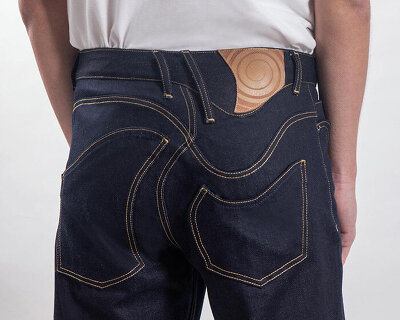
evisu's 'milennium natural special'
with golden fly-buttons and
stiched with 18-carat gold threat
(ca. euro 1,700)


levi's engeneered jeans