designboom | architecture & design magazine










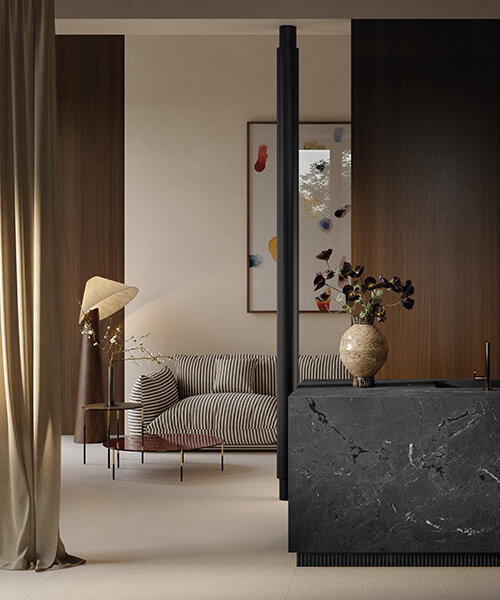



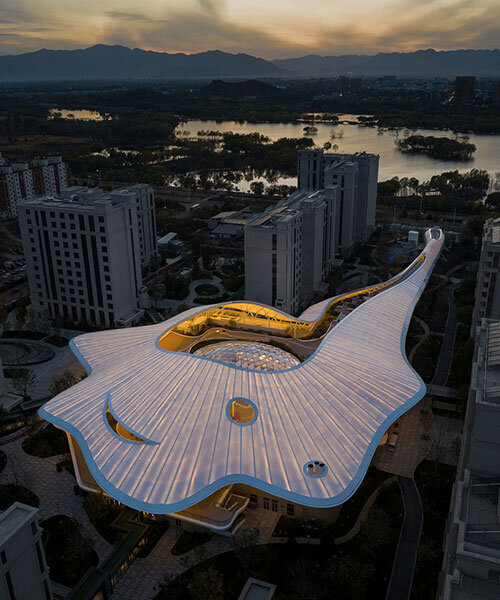

CHAPTER SPECTATOR AND SPECTACLE

the hacienda must be built: on spectacle and wonder in a disenchanted world
what if we are not overwhelmed by spectacle, but starved of it? our days are measured, optimized and increasingly predictable. we have never been exposed to more images, and rarely felt less enchanted by them. what feels missing is the kind of spectacle that cannot be scrolled past, with real stakes and an uncertain ending. in spectator and spectacle we look at the radical discotheques, the museum galleries staged like psychodramas, and the garments that turn the body into a walking act of rebellion. this chapter asks how wonder gets built, and how it might return some mystery to a world that has measured most of it away.
by sofia lekka angelopoulou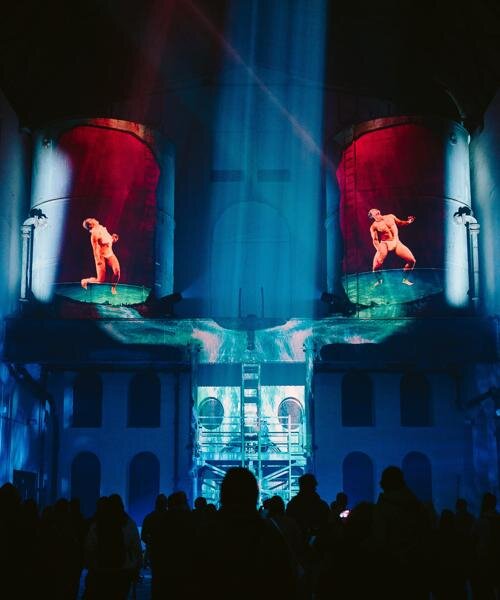
projection mapping and performances make the night come alive at signal festival
co-founder martin pošta reflects on the origins of the digital art festival that transforms prague’s streets, landmarks, and historic buildings with light, sound, and performance.
nightswimming: giovanna silva on discotheques, light, and nightlife
the italian photographer reflects on the changing spaces of club culture, from italian discotheques to the improvised dance floors of contemporary nightlife.
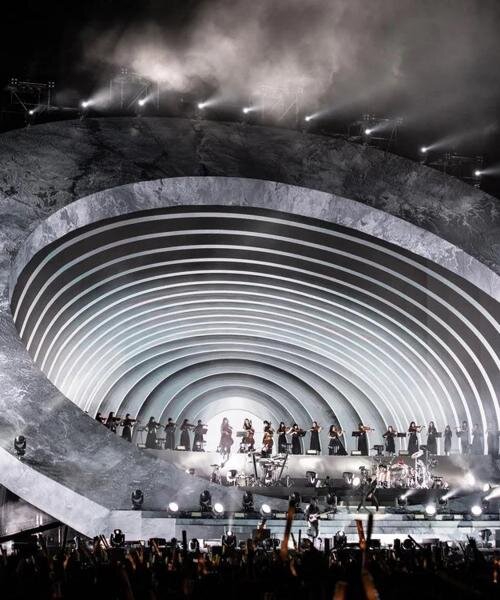
concert design, art spaces, and the mechanics of audience with DuckUnit
founded in 2005, the bangkok-based design studio combines creative disciplines to build stage environments and installations shaped by light and movement.

leda papaconstantinou's spetses players turned the greek island into a stage
led by the greek avant-garde performance artist, the spetses players developed an experimental form of performance rooted in the island’s landscape, local community, and changing social realities.

how the spectacular set design of alejandro g. iñárritu's digger unveils a wild masterpiece
a story about the most powerful man in the world and the environmental catastrophe he unleashed turns out to be something else entirely, and with every shift the disaster moves a little closer to the audience watching.

‘the body is my canvas, tool, and medium’: lucy mcrae discusses identity and the spaces we carry
the artist and designer uses worldbuilding to make emerging technologies tangible, asking how they might reshape our bodies, identities, and relationships with the future.
modes of habitation



play

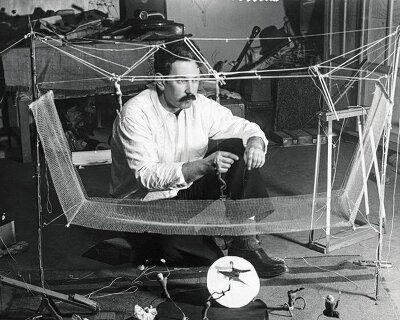

crafting the future


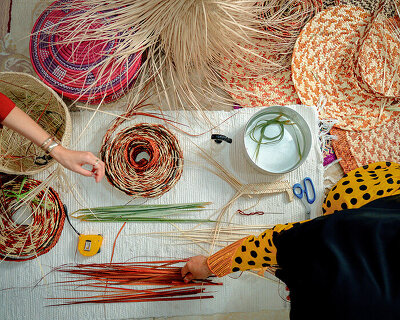

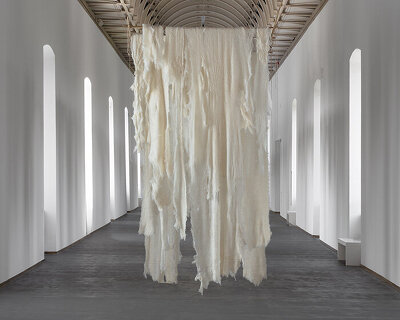
designboom listens

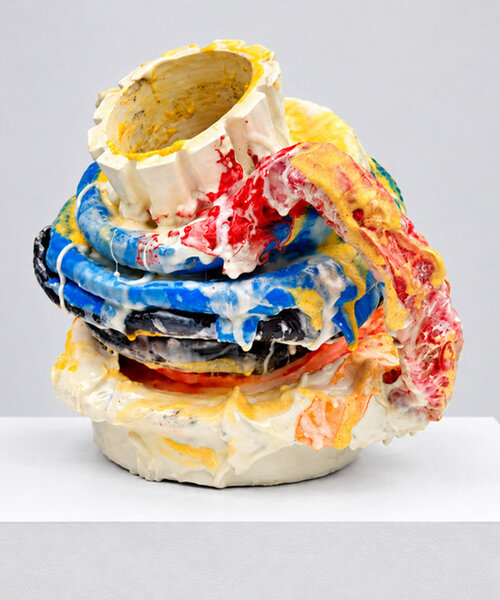
jacques monneraud
from childhood road trips with supertramp to late-night french rap and the hypnotic compositions of philip glass, ceramic artist jacques monneraud reveals the soundtrack behind his creative practice.

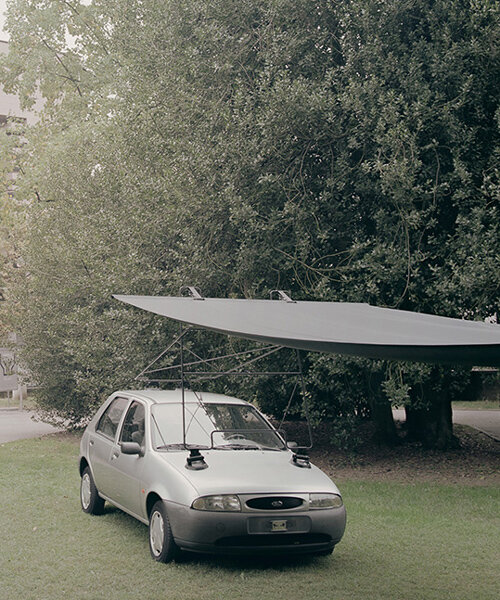


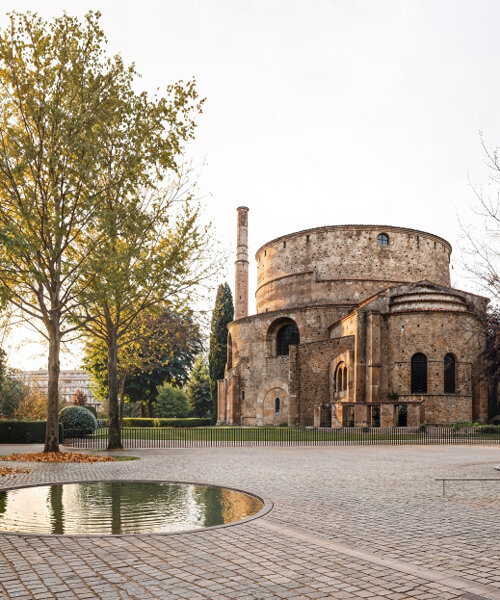

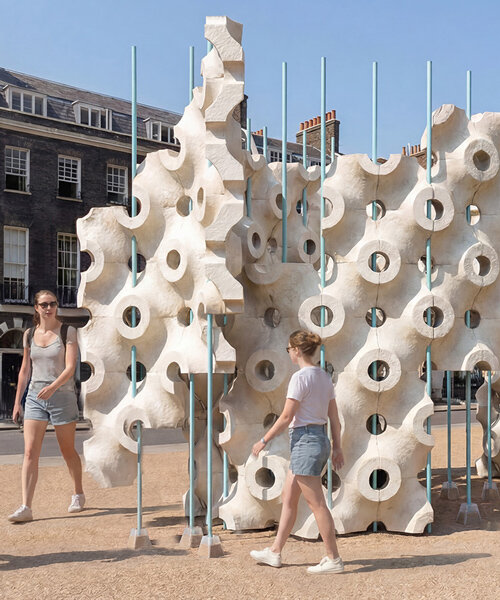


designboom's event guide is your go-to for discovering must-visit events in design, architecture, and art. it lists upcoming exhibitions, fairs, conferences, and workshops.

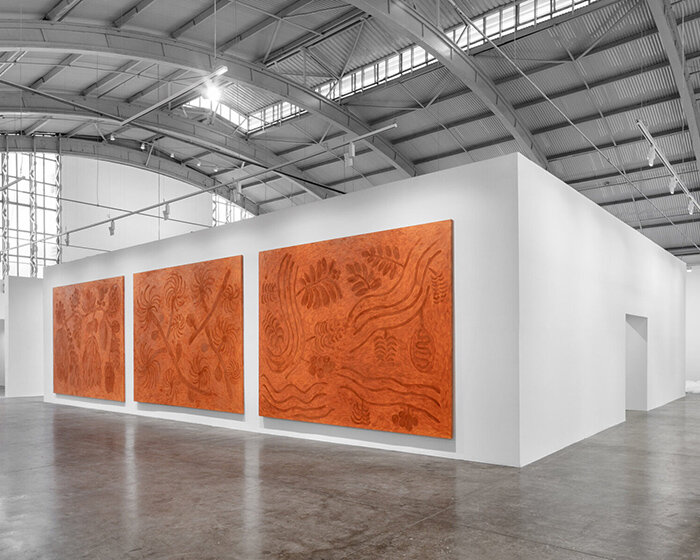



community stories
+200,000 designboom readers contribute to a horizontal distribution of culture




my memories are usually just single images, every important thing in my life is an image
the greek filmmaker on the relationship between photography, memory, and the images that stay with us.
shop
your own online design shop — no sales commission collected







submit, enter, discover
competitions  The Architect’s Chair Stockholm Furniture Fair Edition $ 9,120.00 USD deadline: january 5th, 2027 Kinderspace: Architecture for Children's Development competition / Edition #4 $ 11,773.00 USD deadline: november 30th, 2026 Buildner’s Unbuilt Award 2027 $ 56,305.00 USD deadline: october 18th, 2027 2026 NY Architectural & Interior Design Awards Season 2 deadline: november 5th, 2026 Valli Wine Tasting Room $ 11,632.00 USD deadline: february 15th, 2027 Vancouver Tall Challenge $ 15,000.00 USD deadline: november 30th, 2026 2026 TITAN Property Awards Season 2 deadline: november 5th, 2026 2027 French Design Awards deadline: april 6th, 2027 TACTICAL URBANISM NOW! 2026 $ 10,000.00 USD deadline: october 30th, 2026 2026 London Design Awards Season 2 deadline: december 17th, 2026 all competitions
 The Architect’s Chair Stockholm Furniture Fair Edition $ 9,120.00 USD deadline: january 5th, 2027
  Kinderspace: Architecture for Children's Development competition / Edition #4 $ 11,773.00 USD deadline: november 30th, 2026
  Buildner’s Unbuilt Award 2027 $ 56,305.00 USD deadline: october 18th, 2027
  2026 NY Architectural & Interior Design Awards Season 2 deadline: november 5th, 2026
  Valli Wine Tasting Room $ 11,632.00 USD deadline: february 15th, 2027
  Vancouver Tall Challenge $ 15,000.00 USD deadline: november 30th, 2026
  2026 TITAN Property Awards Season 2 deadline: november 5th, 2026
  2027 French Design Awards deadline: april 6th, 2027
  TACTICAL URBANISM NOW! 2026 $ 10,000.00 USD deadline: october 30th, 2026
  2026 London Design Awards Season 2 deadline: december 17th, 2026