paolo deganello interview
designboom: what is the best moment of the day? the morning, as early as possible.
prefer designboom on google[FEATURED]
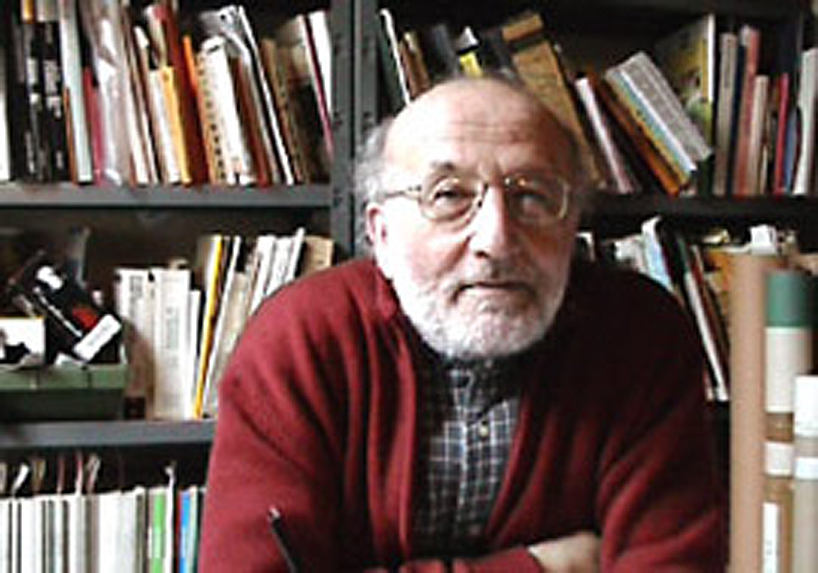
paolo deganello© designboom
we met paolo deganello in his milanese studio on january 10, 2003.
what is the best moment of the day?
the morning, as early as possible.
what kind of music do you listen to at the moment?
no particular kind. many and always different.
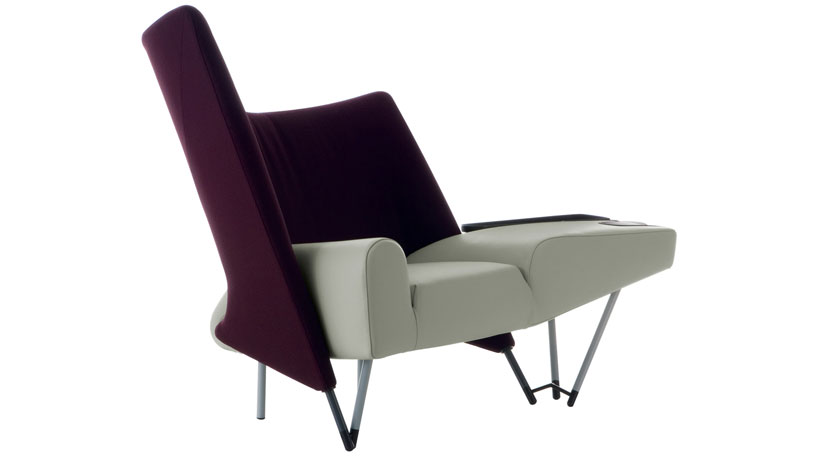
‘torso’ 1982. manufactured by cassinacourtesy paolo deganello
do you listen to the radio?
everytime I get into my car my daughter forces me to listen to music that has nothing to do with me, but it’s ok.
what books do you have on your bedside table?
usually there are the types of books I read on trains and that I never manage to finish. I don’t like reading in bed.
do you read design magazines?
more or less, but they are more and more illegible.meaning that there’s nothing to read in design magazines.

‘artfici’, small tables. 1985. manufactured by cassina.courtesy paolo deganello
where do you get news from?
‘il manifesto’, ‘le monde diplomatique’, ‘l’unità’, and I’m obliged to read ‘il corriere della sera’.
do you notice how women are dressing?
do you have any preferences?
I observe them, I am very interested in fashion, I am interested in how consumers behave. I wish fashion was free from the fashion world and could becomethe consumer’s way of expressing his identity through dressing. this doesn’t happen, even if various attempts have been made to do this.
what kind of clothes do you avoid wearing?
I never wear jackets and ties.
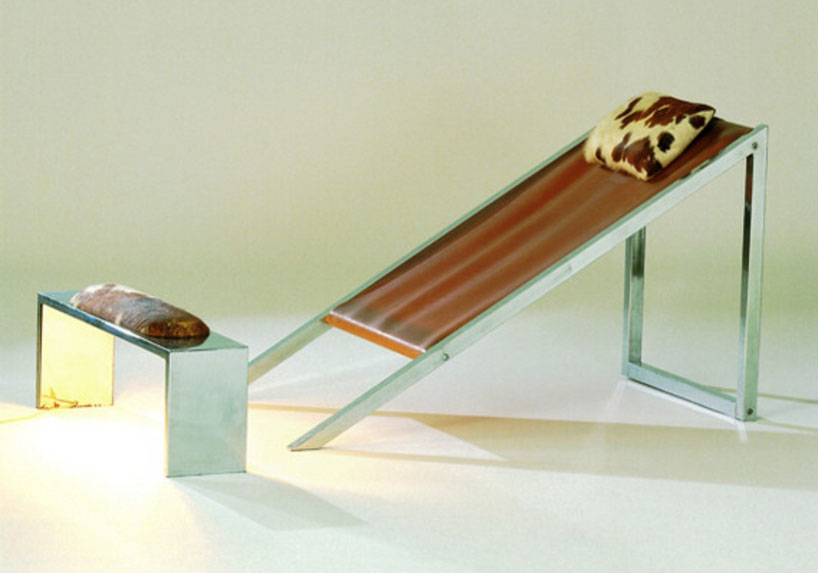
‘mies’ chaise longue, 1969.design archizoom .manufactured by poltronova.courtesy paolo deganello
do you have any pets?
I had a dog that died two years ago. this was a very sad experience for me and my son, although it was also enriching.
when you were a child, what did you want to be?
I wanted to be an artist.
where do you work on your designs and projects?
anywhere.
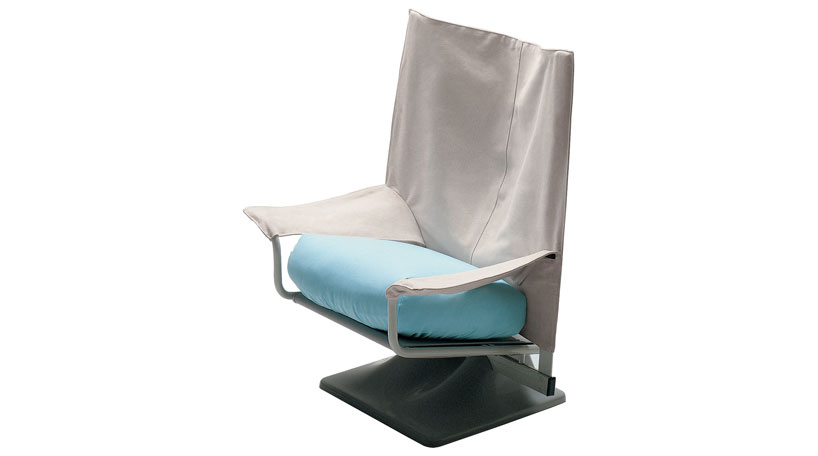
‘AeO’, armchair, 1969.design archizoom/paolo deganello.manufactured by cassina. courtesy paolo deganello
who would you like to design something for?
I would like to design for a public entity to make useof my ability to give the design a social aim.I had the chance to do this at the beginning of my career in the 60swhen I worked for the municipality of calenzano.in order to work for public clients you need to understandthe power logic of the parties and this power logic is a process which destroys the potential of a design.by rejecting this logic I have cut my self off from these aims which I aspire to.
do you discuss your work with architects and designers?
very many and I am very interested in comparisons with other designers, whose work is completely different from mine, one of the people I exchange ideas with most often is enzo mari, just looking at our work shows you how different we are.
describe your style, like a good friend of yours would describe it.
it is hard for me to answer this question because I find it irritating,style is a term that has no meaning, and besides I don’t need to seemyself through a friend’s eyes, I am my own best friend,so if I have to describe my work I would say it is the continuous attempt to create a social dimension in designapart from consideration of the client’s aims.
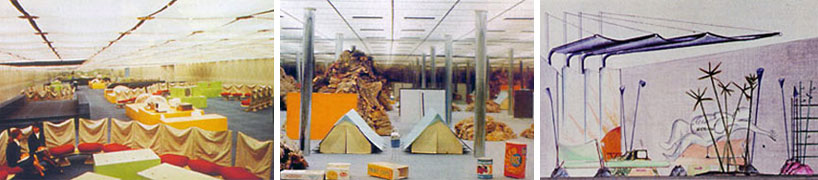
left: installation of the montefibre booth at the 1973 fiera campionaria in milan.design by a. branzi, p. deganello, m. morozzi and a. maurizi.courtesy paolo deganello
center: ‘infinite interior’ part of no stop city project, 1970.design archizoom.courtesy paolo deganello
right: ‘progetto domestico’ XVIII milan triennale, 1986.sketch, courtesy paolo deganello
from ‘archizoom’ to your latest works
can you give us an idea of the evolution of your philosophy?
Bernard Buerdek asked me to outline my development in an articleI wrote for number 187 of the german magazine form. take a look at the article for the answer to your question.—taken from ‘an excess of hope’ by paolo deganello—the radical experiment that began in 1966 in florencenever identified itself with the ideology and design ofthat modern movement that it has always opposed, in the hope of overcoming it. our design arose from this culture that was completelyfounded on an architecture predominantly legitimizedby our political choices. The forms of the productsof archizoom were initially all geometric elements,however the needs and the shape of the body that deform them destroy the geometry so as to make those object forms useable and habitable.later I worked on more organic forms.today using a numerical control machine we can all become self manufacturers… I modestly proposenotes for debate and experimentation, a collective design employed to provide consensus for a democratic form of merchandise.
which of your work has given you the most satisfaction?
my latest project whose production is supposed to begin next year.
is there any designer and/or architect, you appreciate a lot?
borromini and brunelleschi for completely different reasons.brunelleschi fascinates me for his capacity for making use of technological innovation, which I have also striven to do. borromini for his formal freedom, his ability to stay outside all consolidated tastes.
and those still active, are there any particular ones you appreciate?
let me tell you what objects I show my students most frequently. a bottle for mineral water designed by ross lovegrove, ‘up’ series by gaetano pesce,the strainer designed by enzo mari for alessi, a restyling of the types of strainers you can buy at the super market, and ‘abet print’ laminates designed by the sottass studio about 3 years ago, an organic language inside the flatness of laminates.
any advice for the young ?
to free themselves from this subordinate attitudethey have towards the culture of the mastersand the divas of the field.
what are you afraid of regarding the future ?
accepting fear, the incapacity to react to this climate of fear,a climate of fear which is imposed in orderto construct a logic of subordination. fear destroys the capacity to react. a striking example from recent news:in brasil, voting Lula, they were not afraid.
your motto?
I like being ‘outmarket’

shop
your own online design shop — no sales commission collected