tezuka architects interview
designboom: what is the best moment of the day? T: returning home, seeing the smiles of our children.
prefer designboom on google[FEATURED]
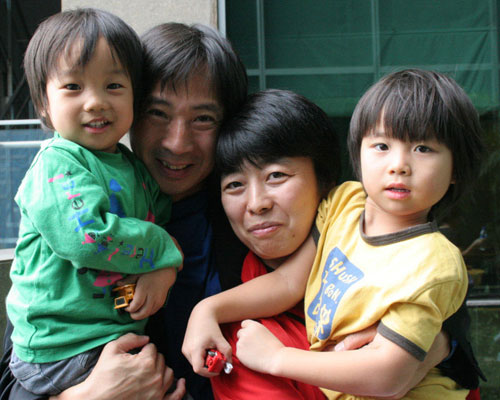
takaharu and yui tezuka with their childrenportrait © designboom
designboom met takaharu and yui tezuka of tezuka architects in singapore on november 30, 2007.
what is the best moment of the day?T: returning home, seeing the smiles of our children.
what kind of music do you listen to at the moment?T: kid’s music – that’s all we can listen to. we like jazz, but our children don’t, so, at the moment we can’t listen to it so much. just, (sings) doh, re, me, do-o-o-h. I also play some piano.
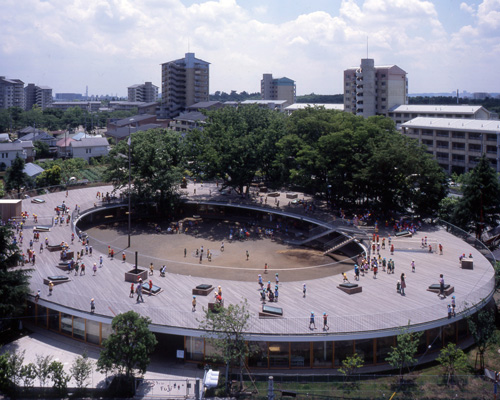
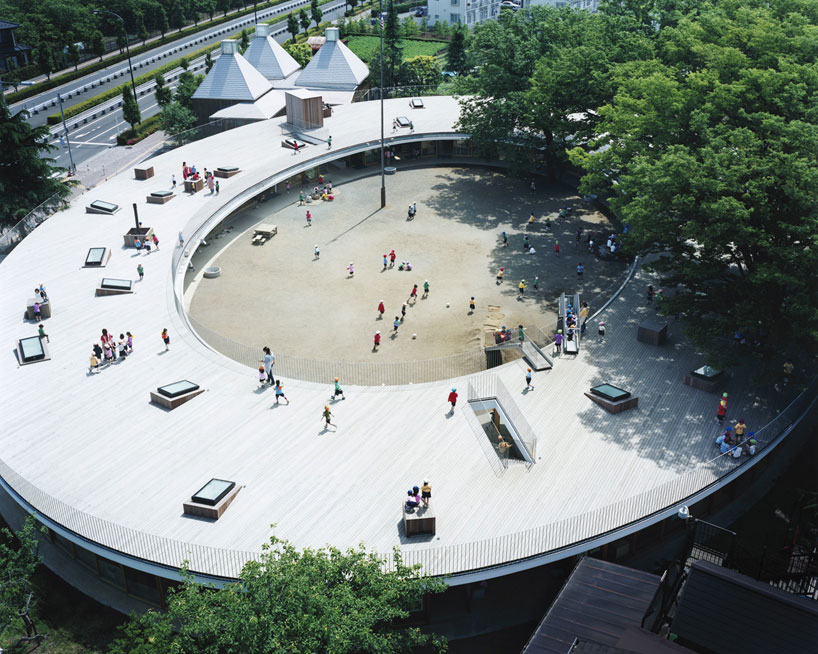 ‘fuji kindergarten’ by tezuka architects (2007)
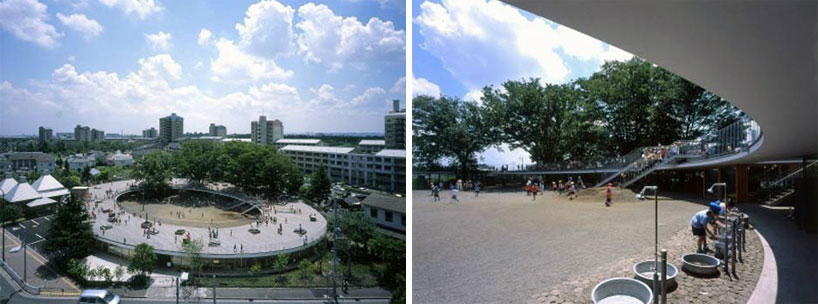 ‘fuji kindergarten’ by tezuka architects (2007)
do you listen to the radio?T: no, not at all. we also stopped watching TV so that our children don’t watch it, except educational movies.
what books do you have on your bedside table?T: none – no books.
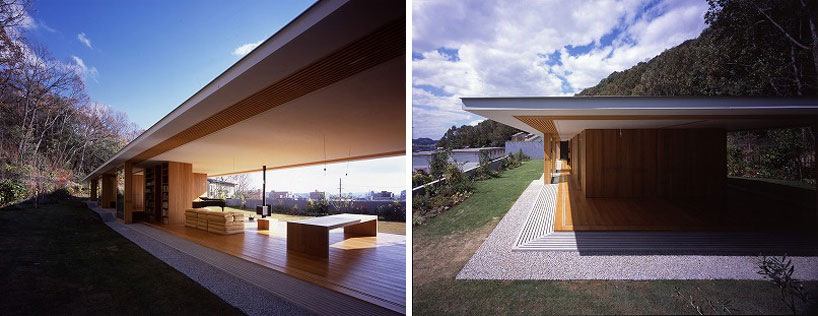 ‘floating roof house’ by tezuka architects (2005)
do you read design and architecture magazines?T: sometimes it’s necessary, but it’s more important to understand everyday life.
where do you get news from?T: we’re always the last ones to receive news!
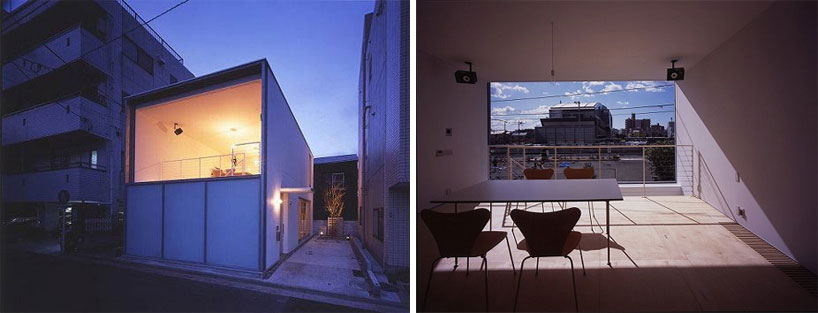
‘big window house’ by tezuka architects (2004)
do you have any pets?T: yes, we have a turtle.
when you were a child, did you want to become an architect?T: maybe we were meant to become architects because my father is also an architect. he wanted to work for oscar niemeyer, but he couldn’t because my brother was disabled and needed his help. my wife’s father is also an architect – so we have an architectural background.
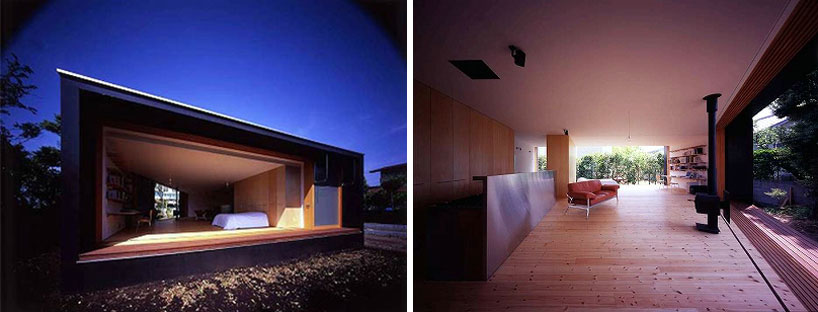 ‘clipping corner house’ by tezuka architects (2004)
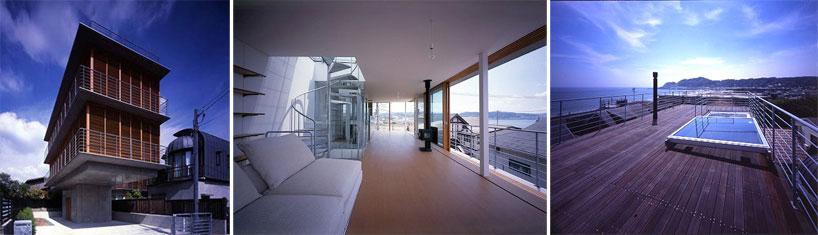 ‘observatory house’ by tezuka architects (2004)
I assume you see how women dress. do you have any preferences?T: well, that’s my preference (points to yui). it’s very simple. actually, we don’t like cosmetics. if you put so much paint on your face, your husband will be disappointed when you go to bed. Y: I like red, my husband’s things are almost all blue, and the things we share – our car, for example – are all yellow.
where do you work on your designs and projects?T: just in the office.
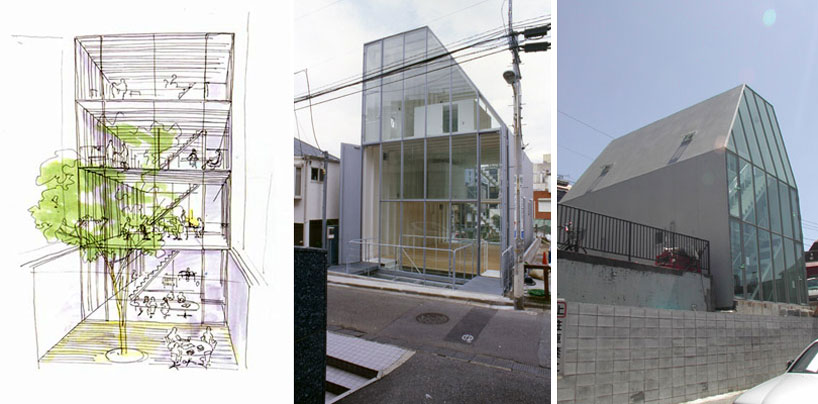
‘thin wall office’ by tezuka architects (2004)
describe your style, like a good friend would describe it.T: it’s friendly to human beings, just architecture that understands daily life (finding comfort is very difficult). a space where people can feel the breeze, the sunlight, the changing of the seasons, where they can forge and nourish relationships with one another. the building should also be in harmony with the landscape.
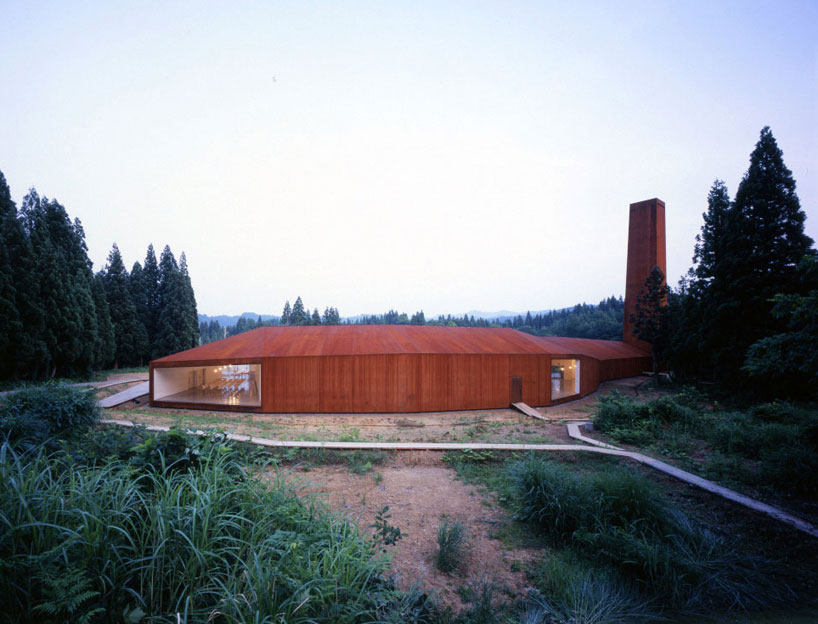 ‘echigo-matasunoyama museum of natural science’ by tezuka architects (2003)
please describe an evolution in your work, from your first projects to the present day.T: it hasn’t changed much. we started to explore how the meaning of architecture has never changed from the beginning of mankind until now. the japanese have the conviction that the amount of floor space is directly linked to better quality of living. but we think it is a combination of many more things. a lot of freedom of movement, fresh air circulation, natural lighting… which is not to say that these buildings are ordinary. although we use more or less conventional construction methods, in each project some aspect is always pushed to its limits. this is always based on function, only incidentally on shape.
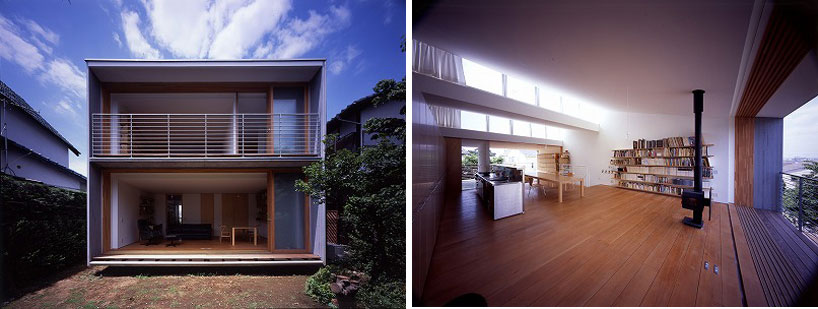 ‘saw roof house’ by tezuka architects (2002)
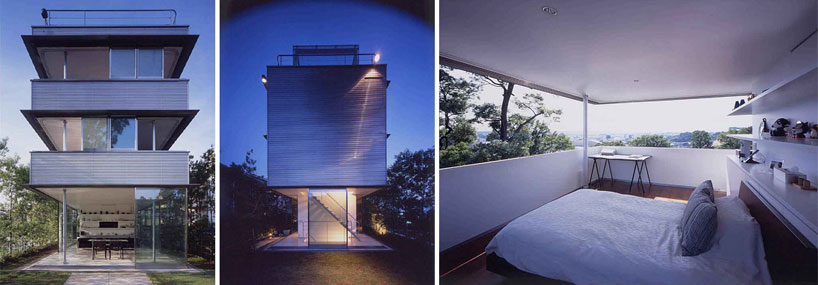 ‘wall-less house’ by tezuka architects (2001)
what project has given you the most satisfaction?T: ‘roof house’. though it is the smallest and the cheapest of our projects, it is still the most important one. life expands onto the roof, we just ensured that each family member has access to a gently sloped wooden roof – receiving skylight.
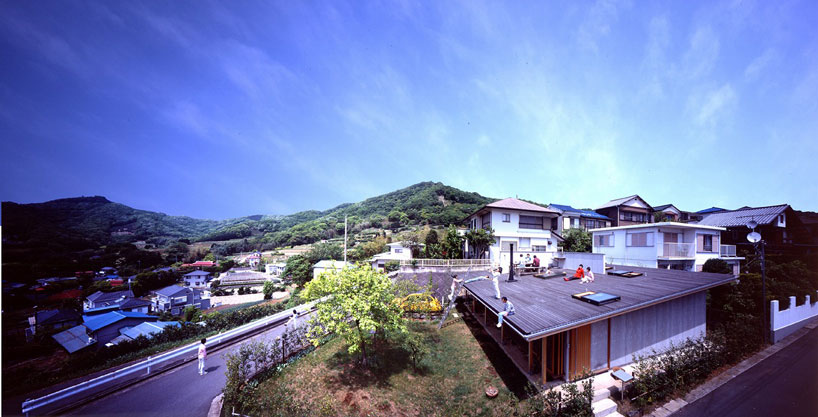 ‘roof top house’ by tezuka architects (2001)
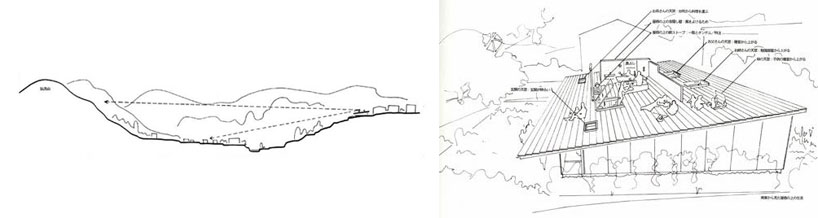
plan view of ‘roof top house’ by tezuka architects (2001)
is there any designer and/or architect from the past, you appreciate a lot?Y: we especially like louis kahn’s work. T: le corbusier, and of course our ex boss (richard rogers).
what advice would you give to the young? T: not to follow famous architects. they should try to find answers in themselves. these days everyone is trying to do the same things, wavy roofs and shiny surfaces. maybe they will find answers in their own lifestyle.
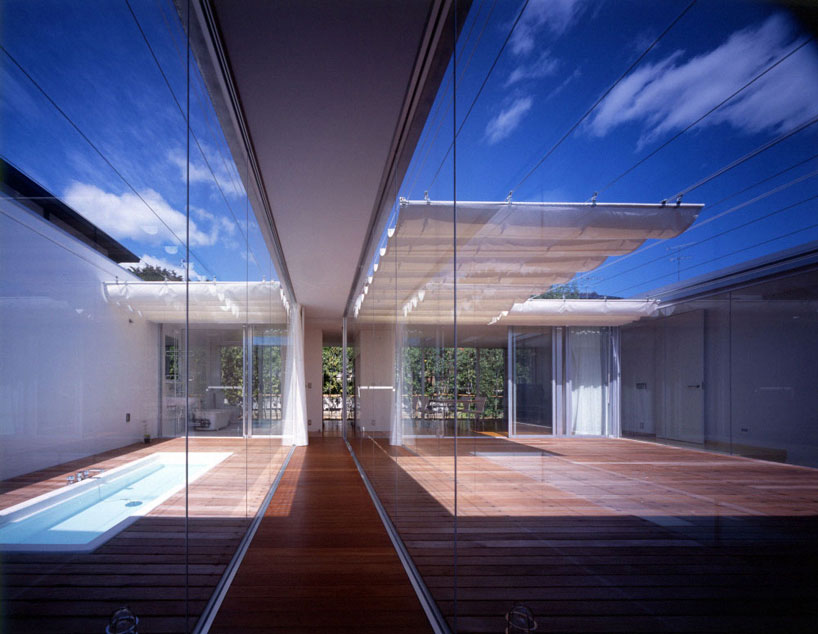 ‘machiya house’ by tezuka architects (2000)
what are ethics in architecture?Y: we believe beauty is one of the structural agencies. beauty exists quite closely to rationality. T: beauty has a reason. when a building is lit at day, it is just a lighting scheme. but the night view of a city is very different. people love night views because you see the life behind each light. that liveliness brings beauty. you can make something different every time, but it is very hard to achieve healthy and lively beauty.
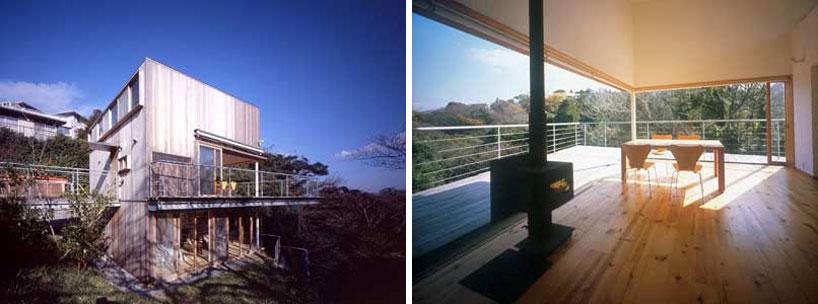 ‘wood deck house’ by tezuka architects (1999)
‘takaharu + yui tezuka architecture catalogue’ (2006)
what are you afraid of regarding the future?T: we are not afraid of anything.

Save
Save
shop
your own online design shop — no sales commission collected