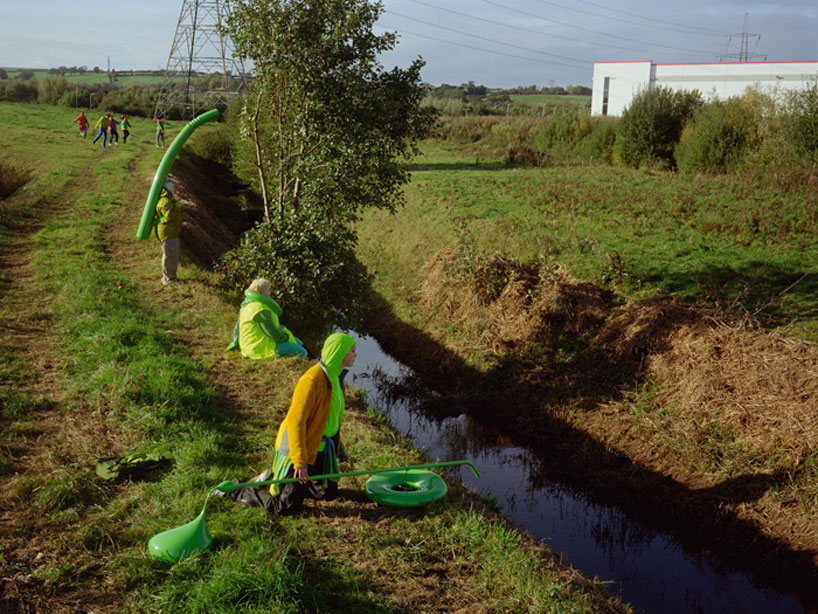
foragers photo by jason evans
‘between reality and the impossible’ is an exploration of a number of design proposals presented through models, photographic scenarios, videos and 3D texts which question, speculate, imagine even dream to create and facilitate a reflection on the kind of technologically mediated world in which we live in. curated by UK-based studio dunne & raby (anthony dunne & fiona raby) in collaboration with photographer jason evans and writer alex burrett, the project presents scenarios for various design proposal and how they could be utilized in our contemporary world, looking beyond how things are being designed now and how they should begin to be designed, imagining alternative possibilities and different ways of being, giving tangible form to new values and priorities.
the project is divided into parts: foragers, esprit public (public mind), after life – see you soon and ethiculators.
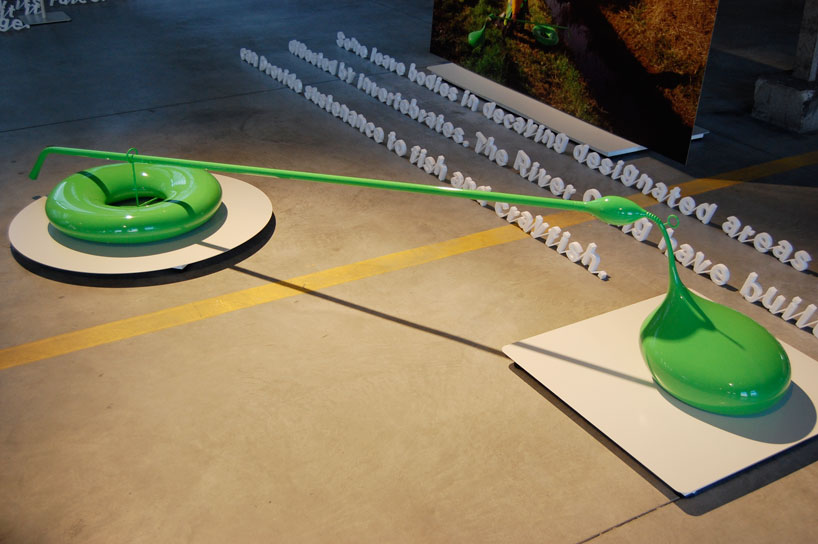 algae digester image © designboom
the world is running out of food – the UN speculates that we need to produce 70 percent more food in the next forty years than we currently are today. regardless, we continue to overpopulate the plant, living in a completely unsustainable way, using more resources than we can afford to and ignoring all warning signs.
the current understanding is that governments and industry together will not solve the problem, leaving it to individuals to use supplied knowledge to produce their own solutions, with design looking to evolutionary processes and molecular technologies as a means of regaining control.
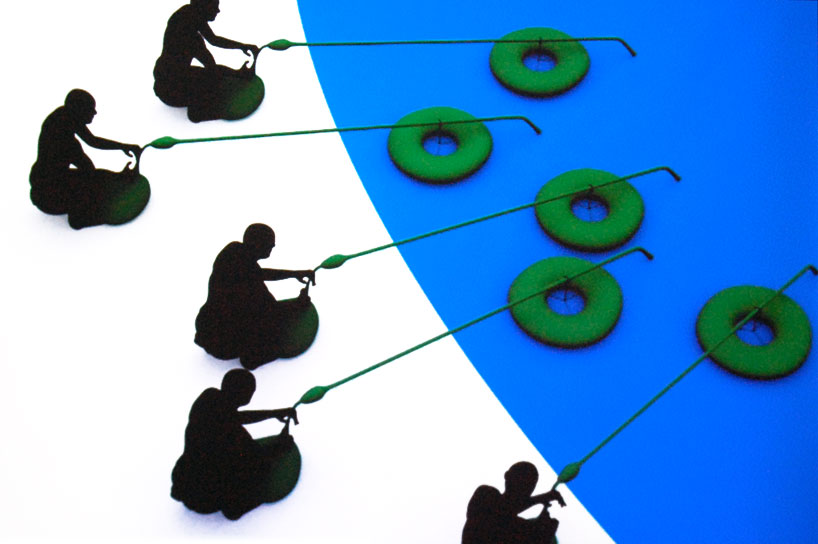 algae digester
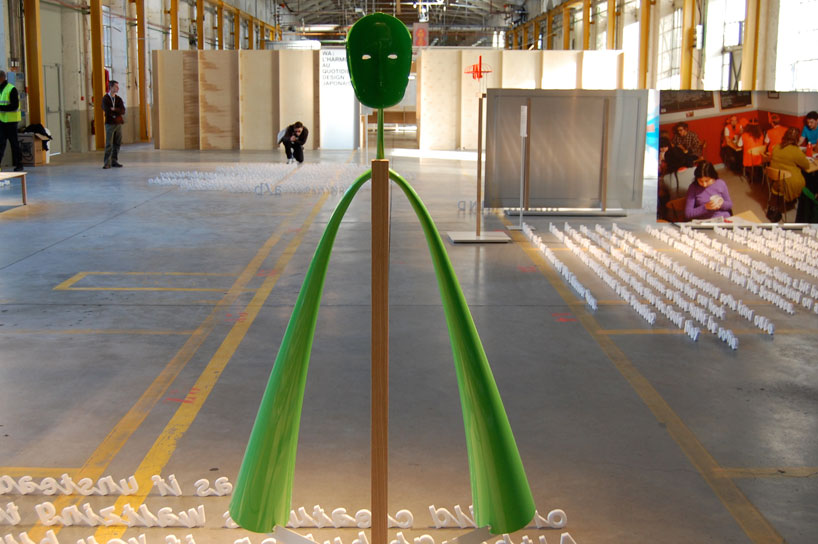
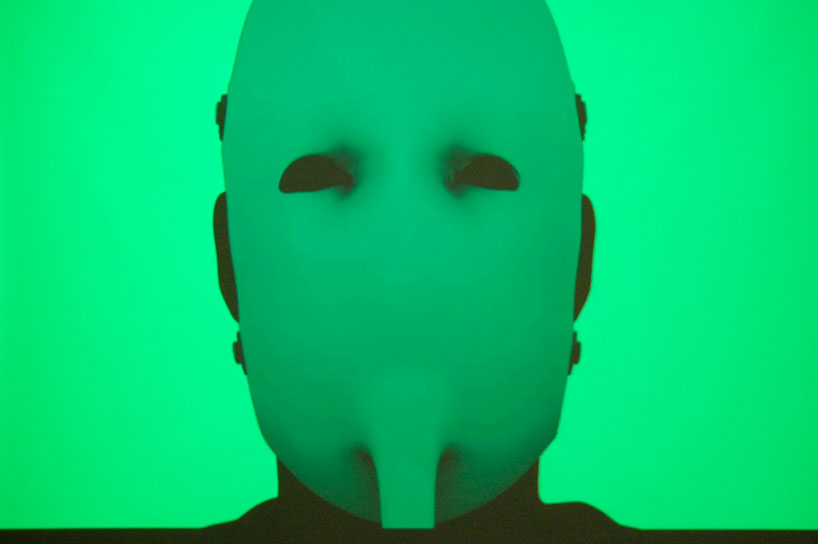
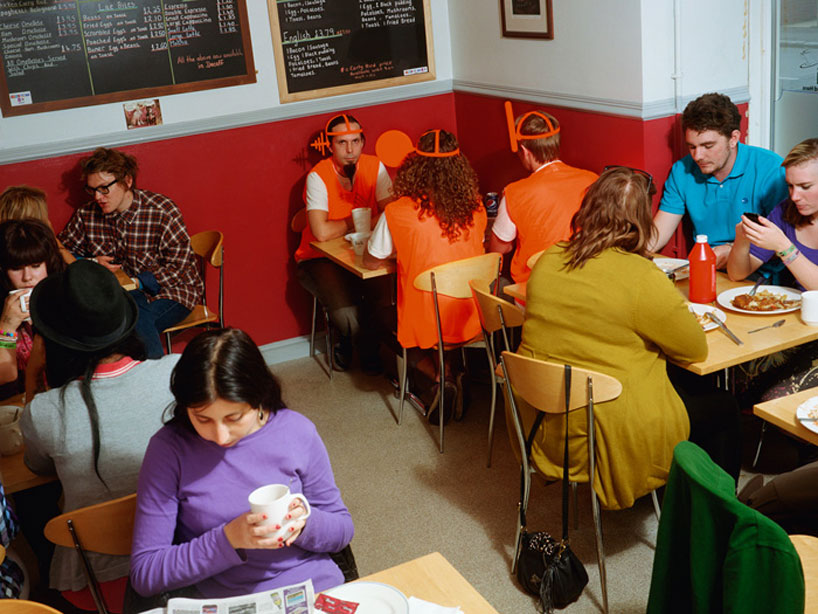
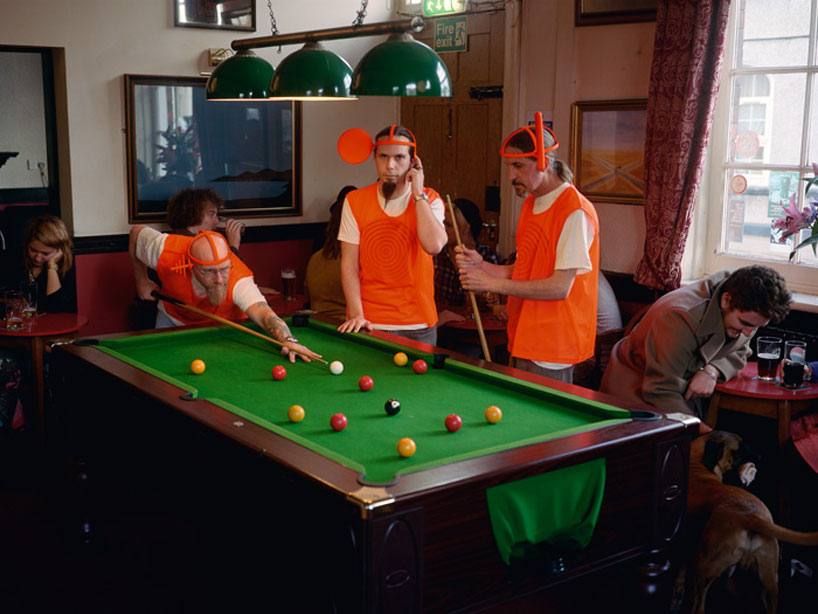
within the human body lies an opportunity to reinterpret what and how we eat. the foragers system seeks to extract nutritional value from non-human foods by marrying synthetic biology with digestive devices inspired by mammals such as birds, fish and insects.
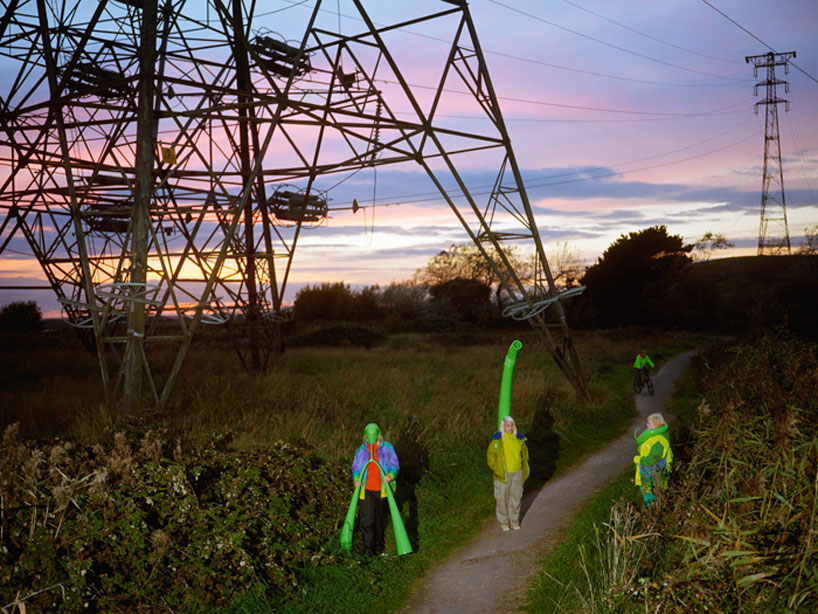
custom devices would use synthetic biology to create ‘microbial stomach bacteria’, along with electronic and mechanical equipment designed to maximize the nutritional value of vegetation or other material found in the urban environment. this sustenance combined with common ingredients would supplement the increasingly limited diet. these scavengers would become the new ‘urban foragers’.
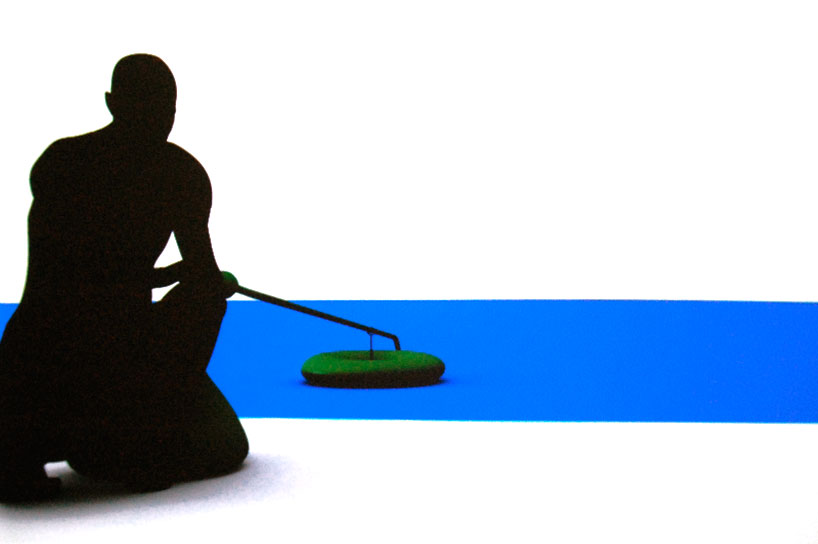
responding to what could be a world-wide crisis, the devices would use technical and scientific information to address the contrast between bottom-up and top-down responses. stemming from specialized subgroups within our current culture – guerrilla gardens, garage biologists, amateur biologists and more – ‘foragers’ ‘looks’ to adapt and expand their models and strategies to speculate and plan for what could happen in the future.
 augmented digestive system photo by jason evans
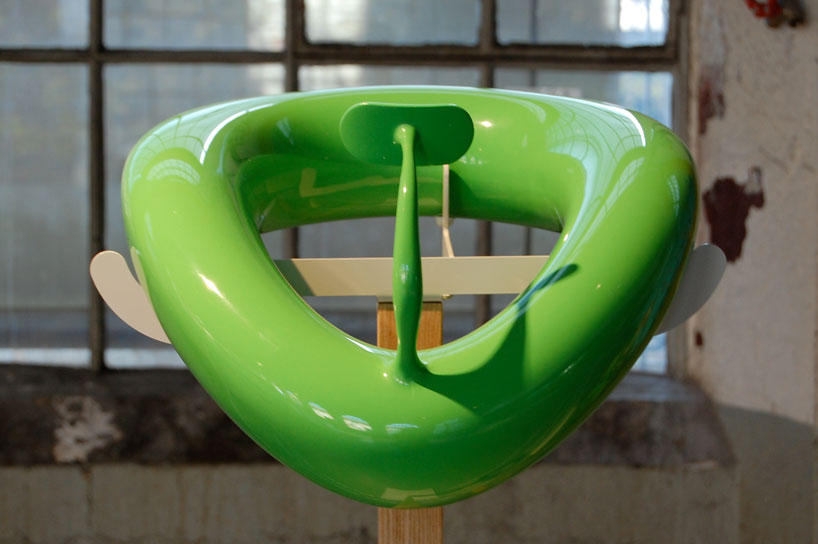 front view augmented digestive system image © designboom
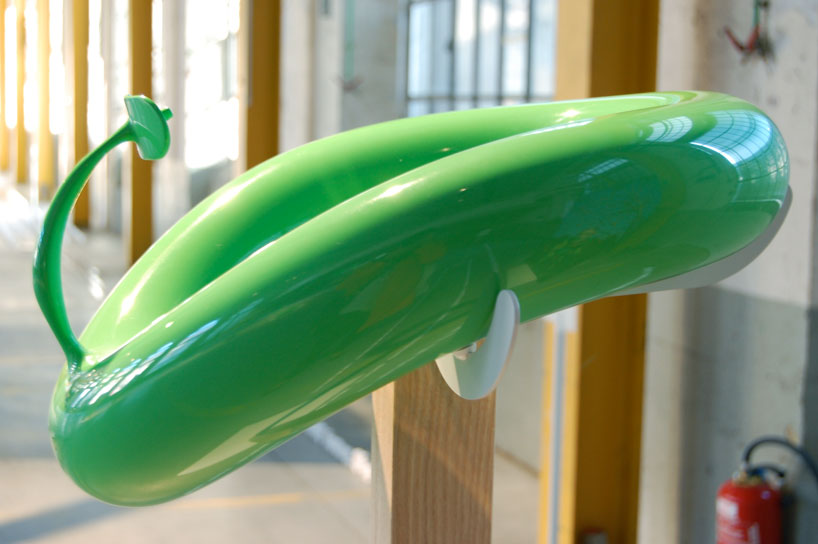 back view augmented digestive system image © designboom
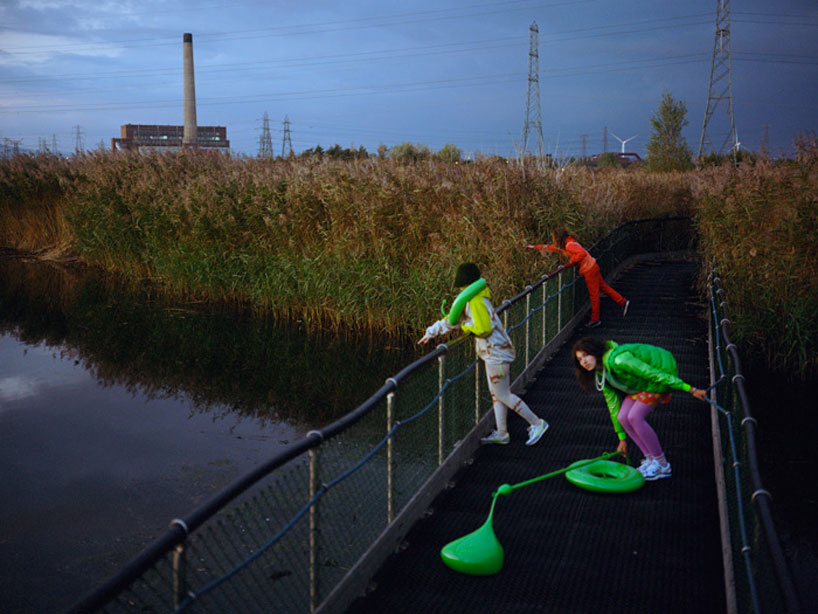 foragers photo by jason evans
 foragers photo by jason evans
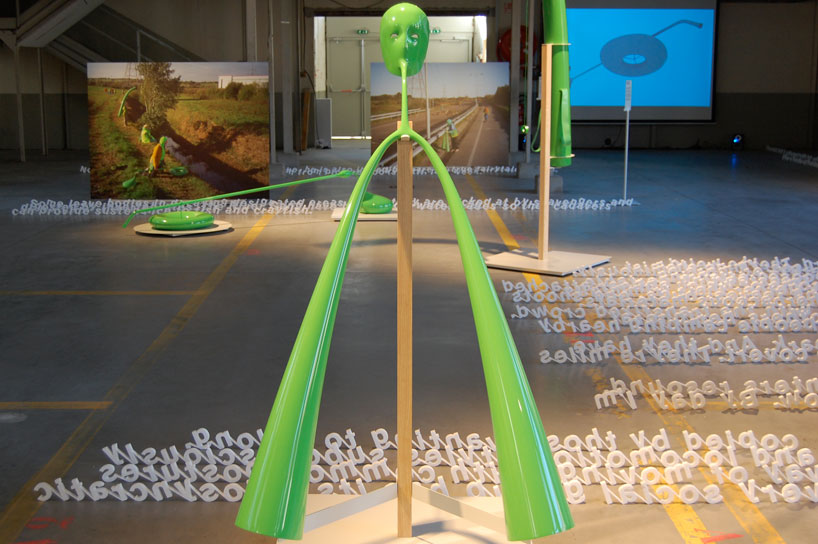 grass processor front view image © designboom
 grass processor back view image © designboom
 grass processor
 foragers photo by jason evans
 foragers photo by jason evans
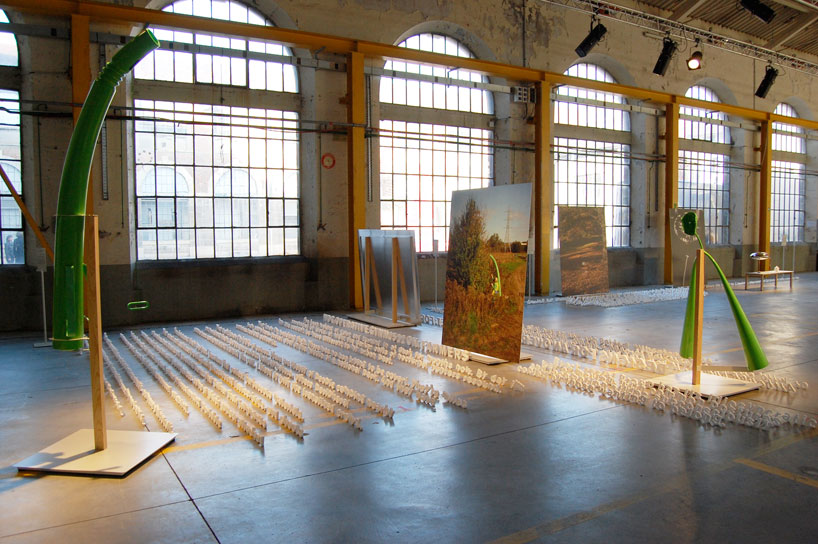 installation view at saint-étienne biennale 2010 image © designboom
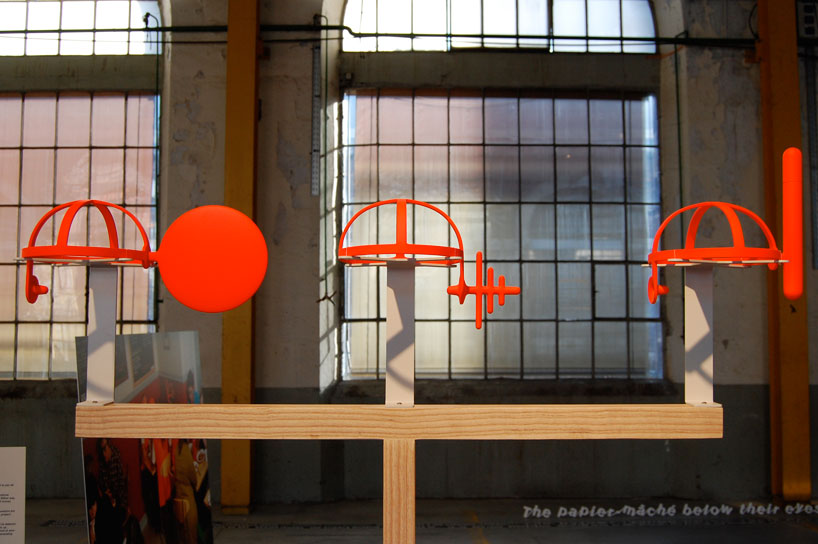 esprit public (public mind) image © designboom
the society in which we live today has become obsessed with surveillance, from CCTV cameras to loyalty cards and ‘big brother’, creating an assimilated and socially transparent environment. we are slowly abolishing complete privacy, leaving our minds as the last private space we have as individuals. this could soon change.
currently scientists are mapping brain activity in hopes of someday producing a technology that would attempt to decode what we are thinking. this would allow them to not only read our thoughts, but to also manipulate them as well. ‘esprit public (public mind)’ breaks down these issues into parts: ‘stop and scan’, ’em-listeners: highly visible spectrum policing’ and ‘the family’.
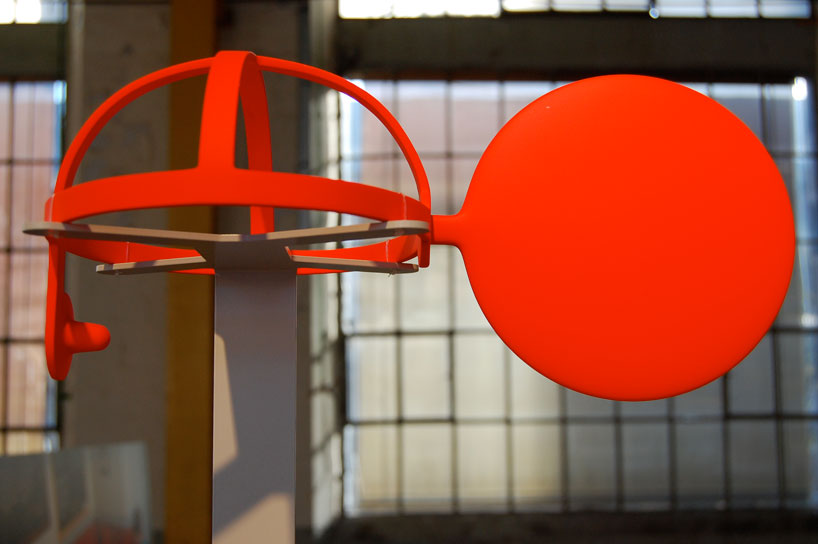 esprit public (public mind) image © designboom
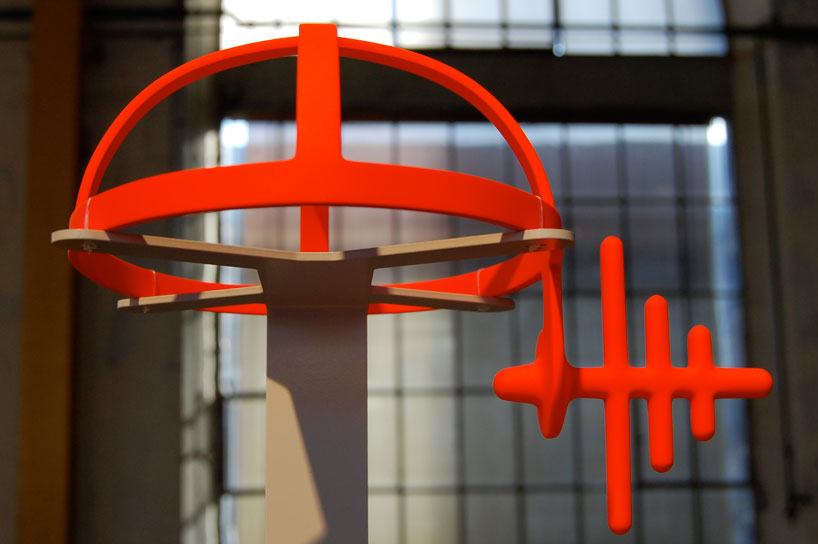 esprit public (public mind) image © designboom
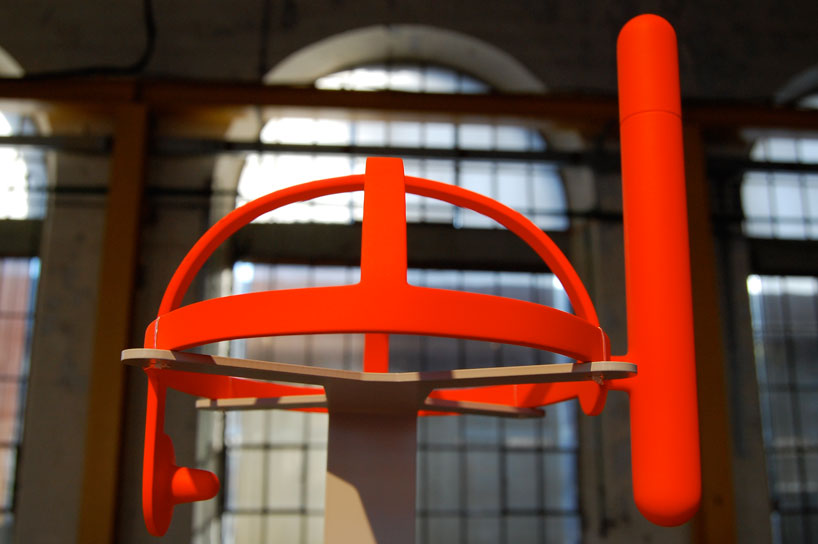 esprit public (public mind) image © designboom
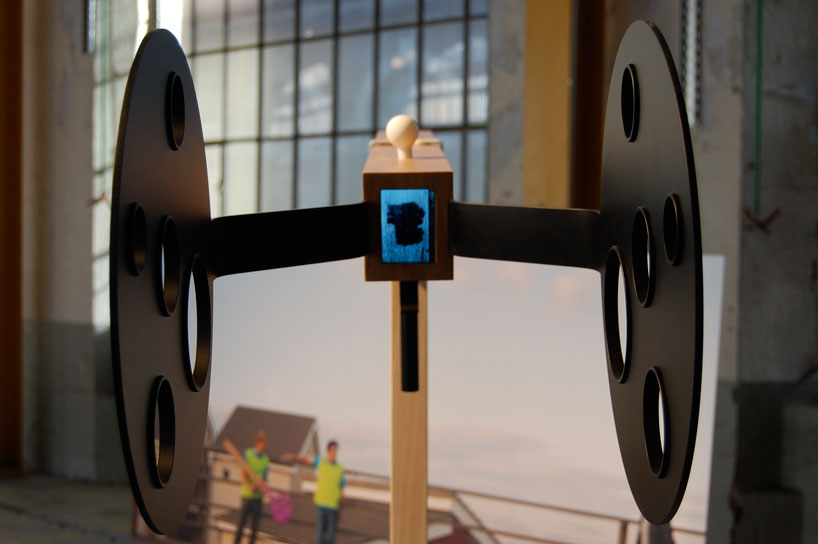
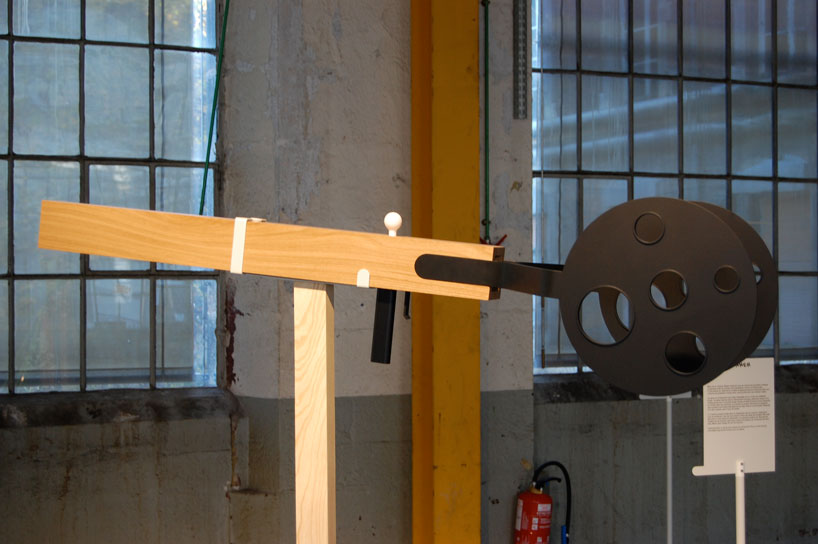 ‘stop and scan’ device image © designboom
‘stop and scan’ is a scenario which requires new protocols of ownership access, protection and transparency. after public funding has been massively cut and public institutions are forced to turn to the marketplace, the police will decide to set-up a research and development lab to provide new security technologies. they will carry out random stop and search scans near crime scenes. the device is based on brain fingerprinting technology where a scanner detects a characteristic electrical brainwave response known as a P300 and a memory and encoding-related multifaceted electroencephalographic response, whenever a person responds to a known stimulus.
 ‘stop and scan’ image © designboom
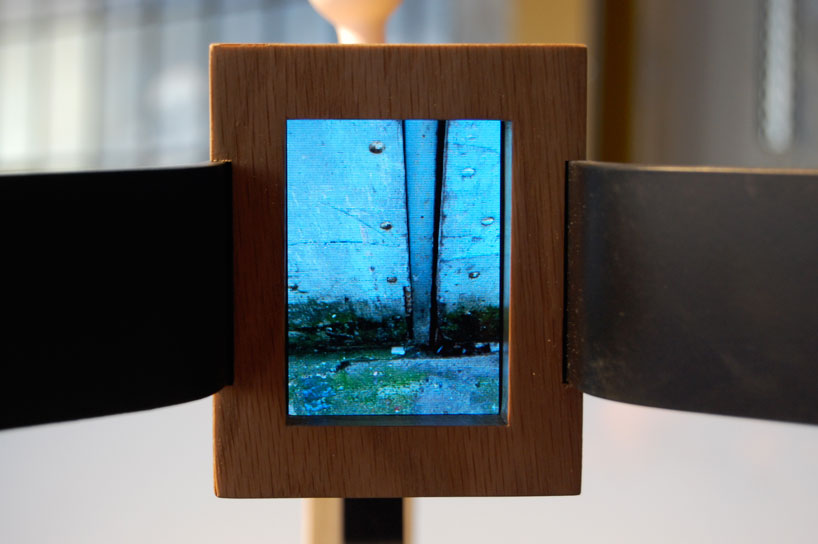 the device is based on brain fingerprinting technology image © designboom
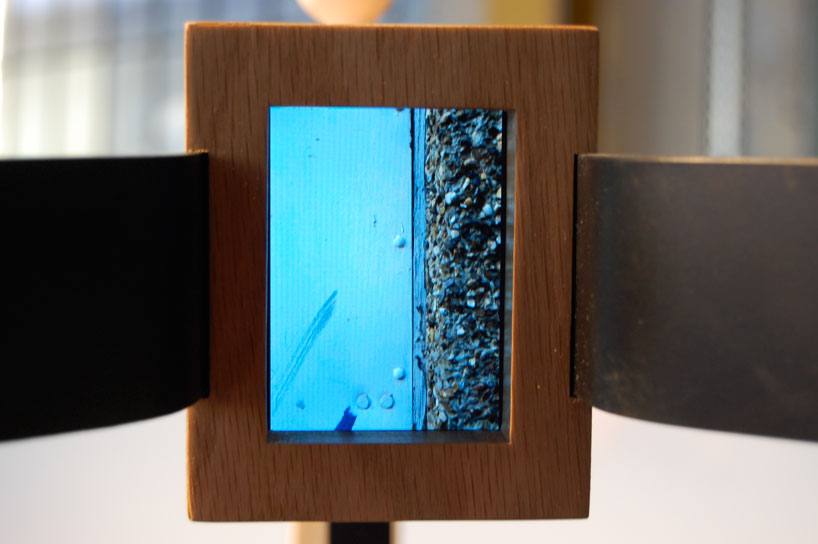 people are shown images on the scanner that only the criminal could know about image © designboom
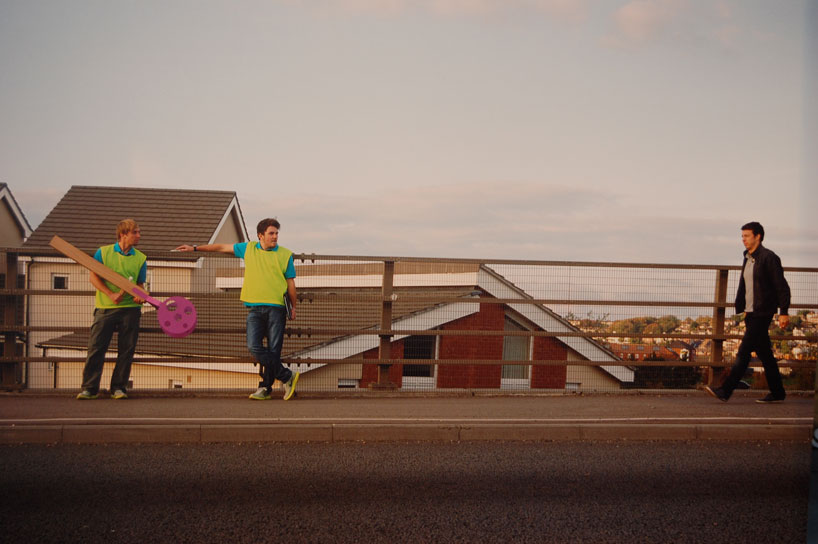 ‘stop and scan’ photo by jason evans
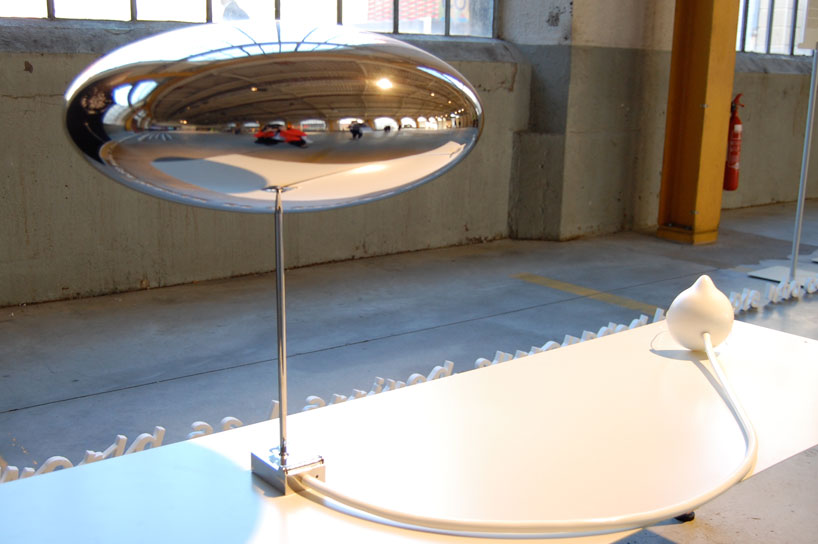 ‘after life – see you soon’ image © designboom
‘with couples, when one person goes, we’re never sure how long the other is going to hang on after wards. if it all proves too much for them, we could use the energy created by the first person to go to help the second one on their way. we’re not sure if it would be a form of conceptual murder or not, but it would definitely be a kind of ‘assisted’ suicide.’
‘after life – see you soon’ is a device intended for a time when euthanasia is far more common than it is today. medical technologies may have extended life spans but they have not increased quality of life. it’s not too difficult to imagine a time when people opt to take their own lives at the appropriate moment. all sorts of variations on suicide machines may evolve to cater for a huge range of emotional, psychological and metaphysical circumstances. who would have thought that doctors would eventually work with technologies to develop new and humane ways of dying?
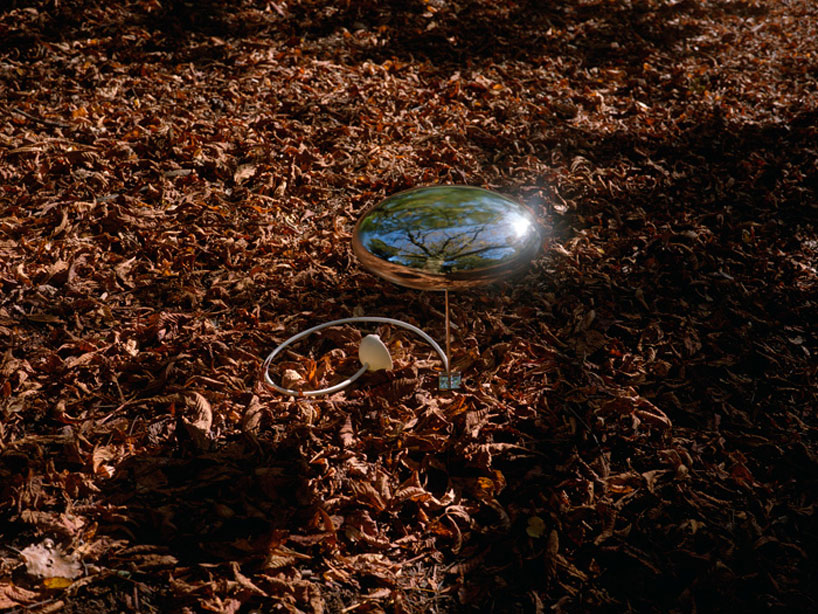 ‘after life – see you soon’ photo by jason evans
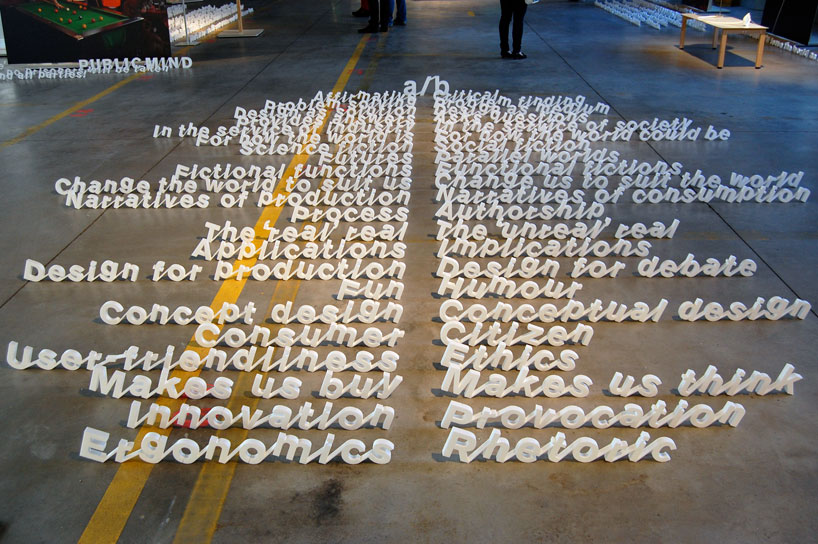 installation view image © designboom
SAINT ETIENNE BIENNALE 2010 (11)
 Dec 28, 2010
 Dec 10, 2010
 Dec 09, 2010
 Dec 07, 2010
 Dec 04, 2010
PRODUCT LIBRARY
 Apr 15, 2024
 Apr 15, 2024
 Apr 12, 2024
 Apr 04, 2024