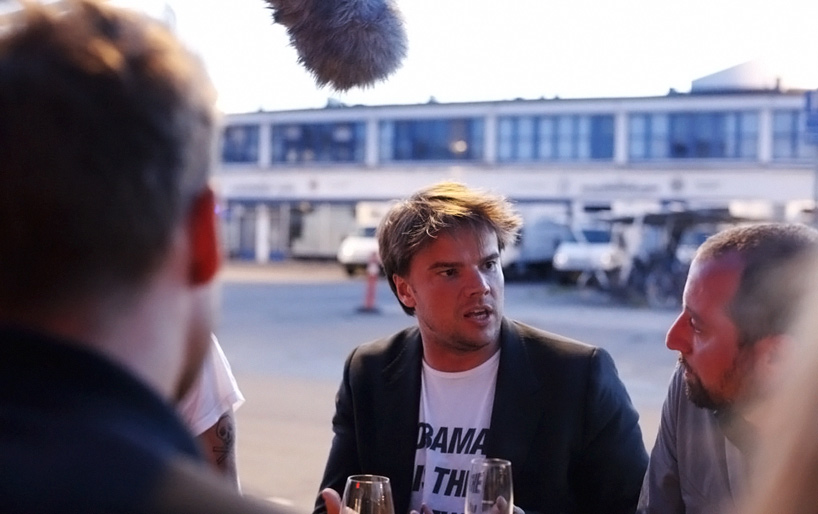
bjarke ingels with the 27 project team in copenhagen, denmark image © LAN architecture, undo-redo
in the second instalment of ‘27: a journey through contemporary architecture in europe‘, paris-based studio LAN architecture, FATCAT films and french graphic designers undo-redo visits bjarke ingels of internationally-renowned BIG. designboom brings you the exclusive first look at the team’s meeting with the young architect as they explore the rich backdrop of copenhagen and to discuss the distinct characters and values of danish architecture.
27 DENMARK Bjarke Ingels from FatCat Films on Vimeo.
since establishing his own practice in 2006, bjarke ingels (copenhagen, denmark, 1974) has gained world-wide recognition for his playful yet practical approach to the built environment. often being driven by evolutions, typologies, user experience and social elements, BIG’s work sets a new standard for contemporary architecture in its clear formal reading of multiple functions and coherent space.
‘as an architect, I am interested in the real world and its mechanisms,’ says ingels. ‘I think it is not possible to start working on a project without considering the references that already exist; instead of focusing on different aspects, it is important to work on the elements present in the setting in order to be able to inject innovation to the project.’
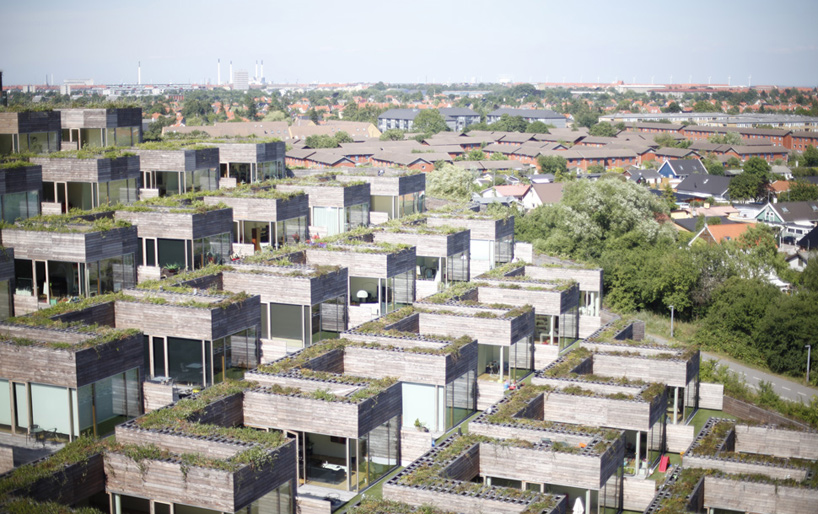 ‘mountain dwellings’ by bjark ingels and julien de smedt in copenhagen, denmark (2008) image © LAN architecture, undo-redo
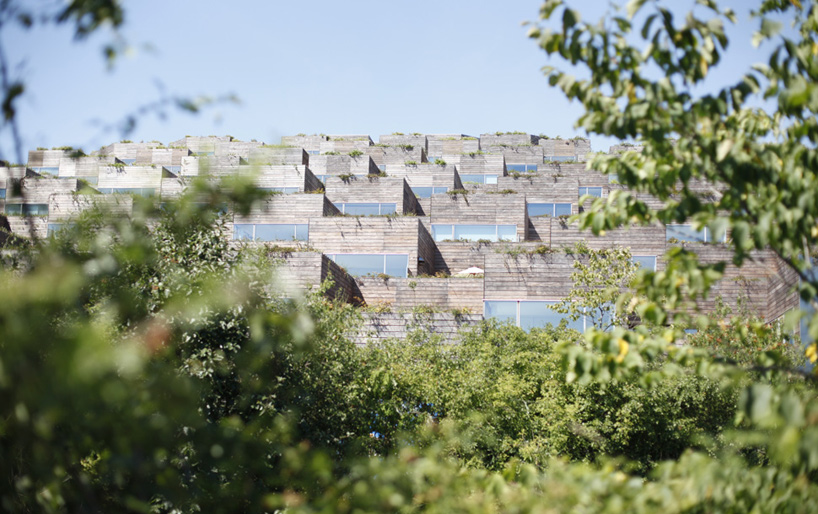 image © LAN architecture, undo-redo
while denmark is considered today to be a thriving and lively location for contemporary architecture, the country had a very limited range of typologies and buildings as early as ten years back. ‘but somehow the provincial bubble burst and the alternative propositions started to be accepted and taken into consideration,’ says ingels. ‘at around that time, we won three competitions in 6 months… it was a new architectural danish renaissance.’
since then, the principles and primary expressions of danish architecture – the importance of public space, social issues, the tangible link between function and form, coherent geometry and proportions – have been exhibited and recognized on a world-wide platform.
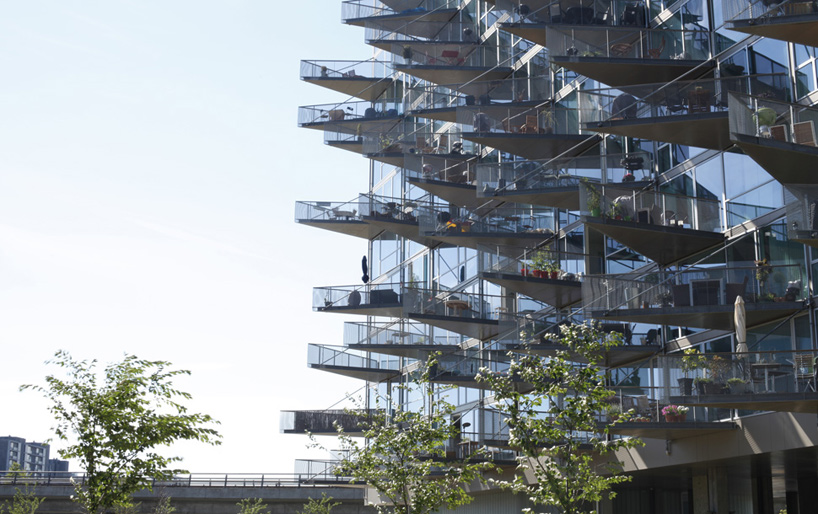 ‘VM house’ by bjarke ingels and julien de smedt in copenhagen, denmark (2005) image © LAN architecture, undo-redo
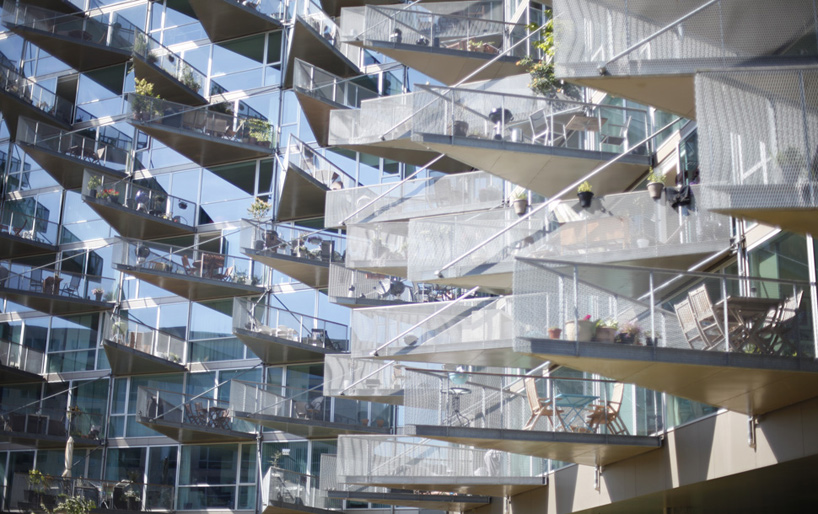 image © LAN architecture, undo-redo
highly pragmatic in nature and style, ingels believes that architecture is the result of a collective give-and-take between the architect, the institution, the investors and – perhaps most importantly – the people. this focus has led to a very recognizable method of presentation that the practice utilizes to communicate its main concepts and ideas. consisting of simple logos, schemes, and diagrams, the context of each project is made legible, making their architecture open and comprehensible for the public mass. ‘it is very crucial that we are able to transmit our own ideas within the team and with all the consultants,’ ingels says about this practice. ‘as a result, advertisement is created within the project itself through a process that is both theoretical and practical… our projects are accessible to everybody because everybody can understand them.’
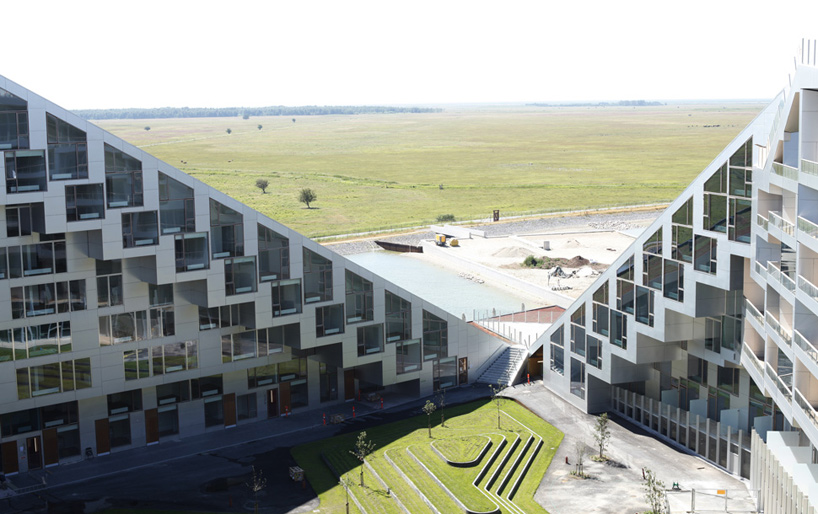 ‘8 house’ by BIG in orestad, copenhagen (2010) image © LAN architecture, undo-redo
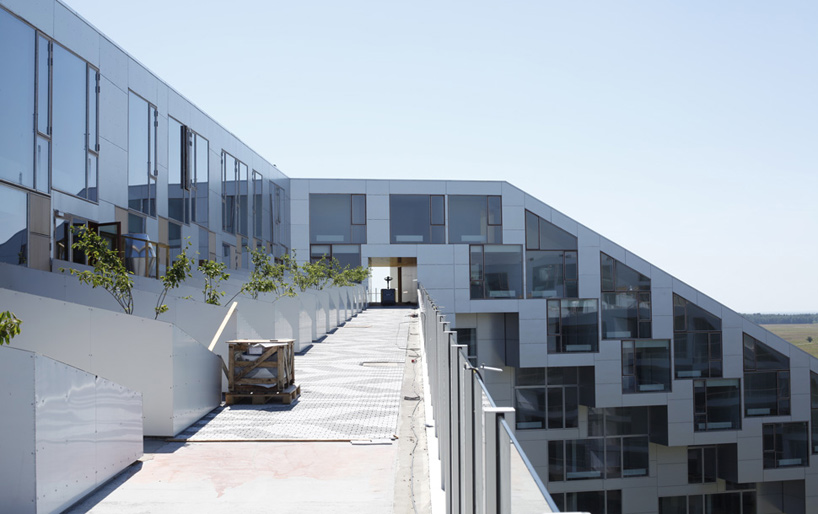 image © LAN architecture, undo-redo to see more images of ‘house 8’, click here for our previous coverage on the project
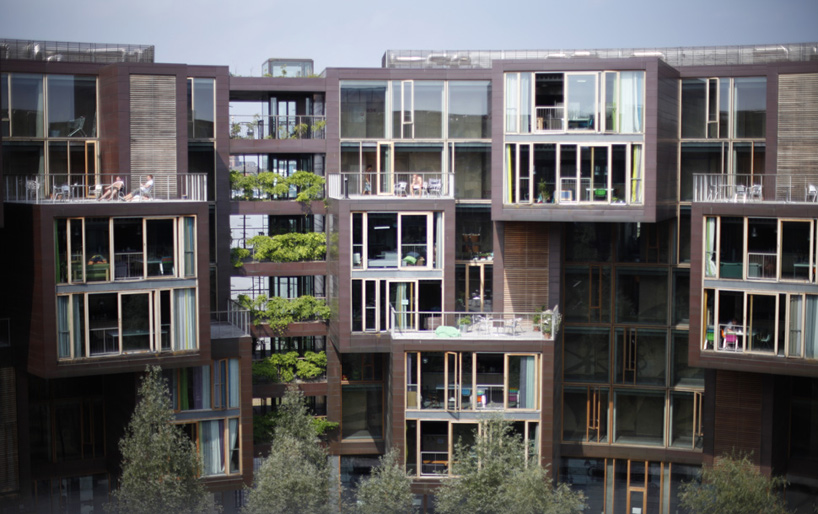 ‘tietgenkollegiet’ by lundgaard & tranberg in copenhagen, denmark (2005) image © LAN architecture, undo-redo
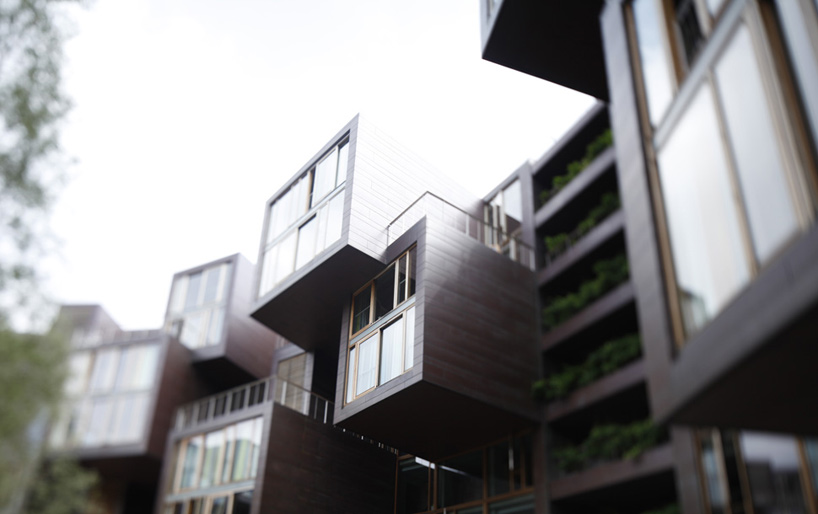 image © LAN architecture, undo-redo
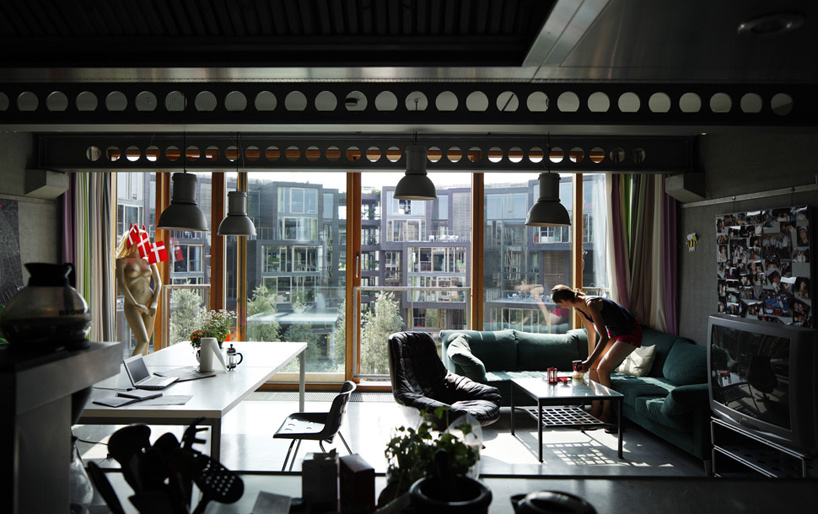 interior view of a unit image © LAN architecture, undo-redo
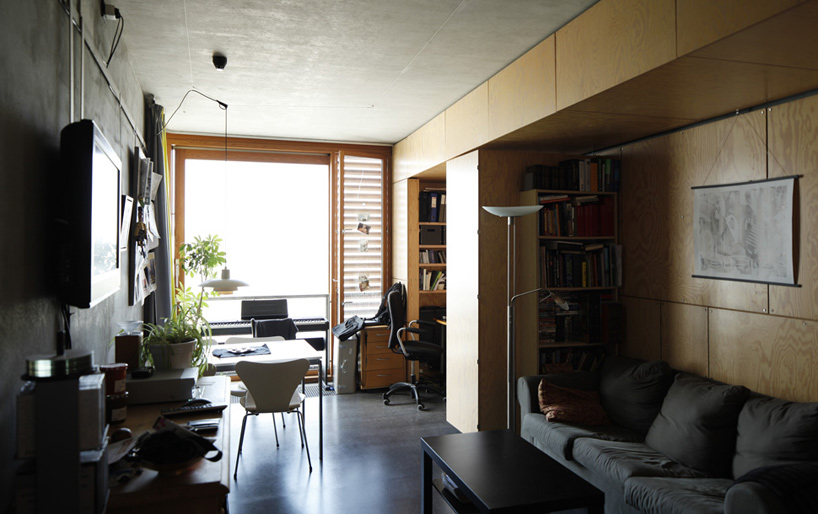 image © LAN architecture, undo-redo
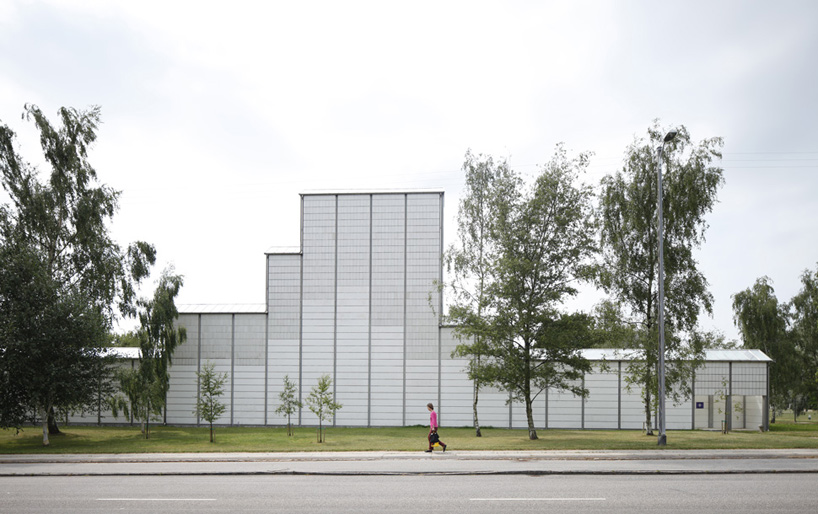 ‘bagsvaerd church’ by jorn utzon in copenhagen, denmark (1976) image © LAN architecture, undo-redo
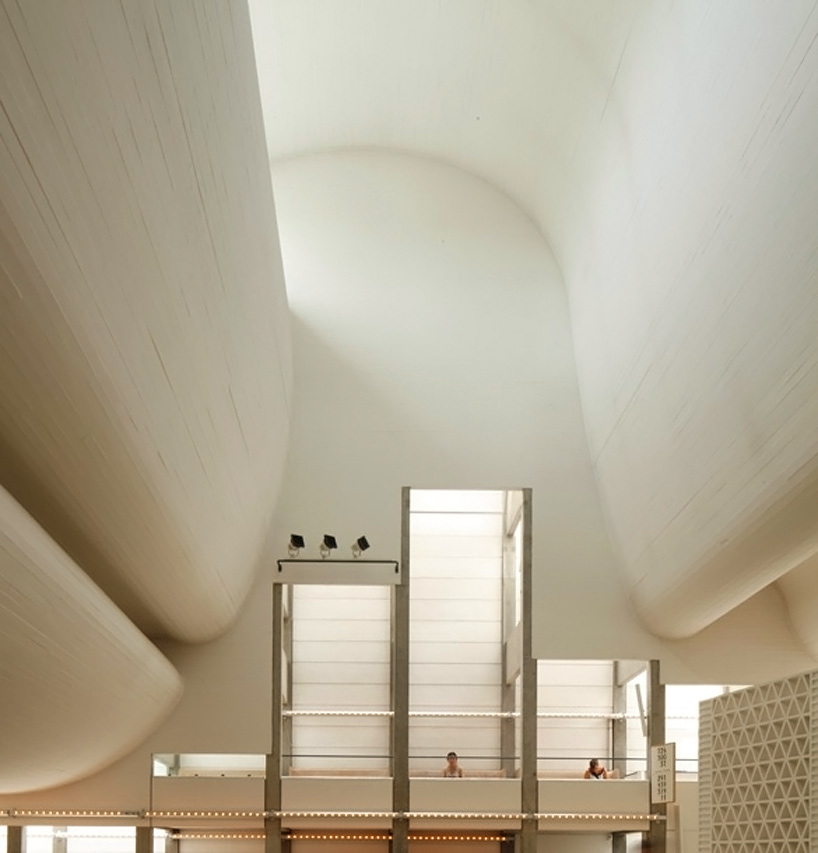 interior view of ‘bagsvaerd church’ image © LAN architecture, undo-redo
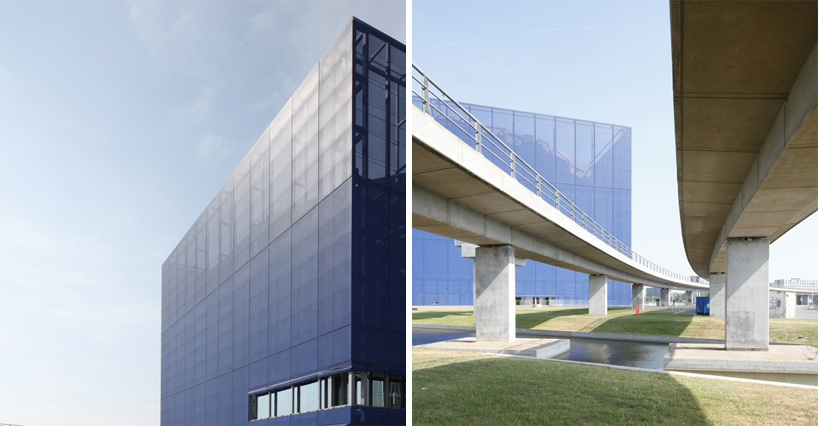 ‘concert hall’ by jean nouvel in copenhagen, denmark (2006) images © LAN architecture, undo-redo
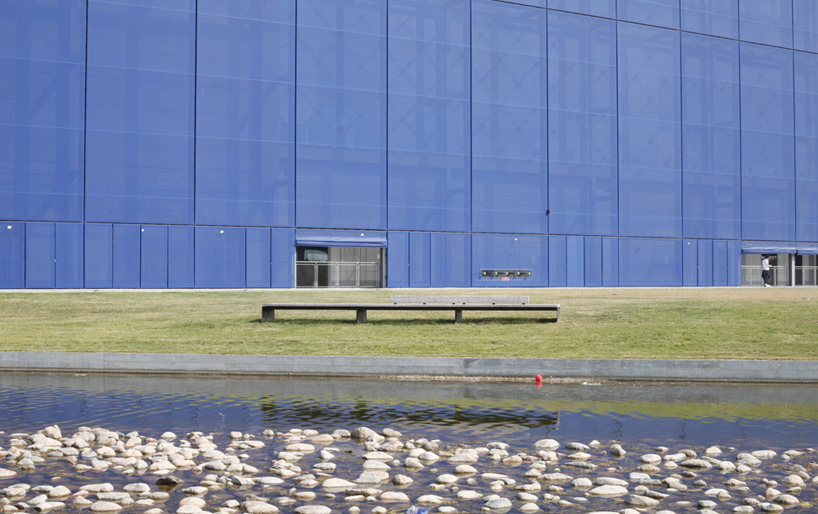 facade image © LAN architecture, undo-redo
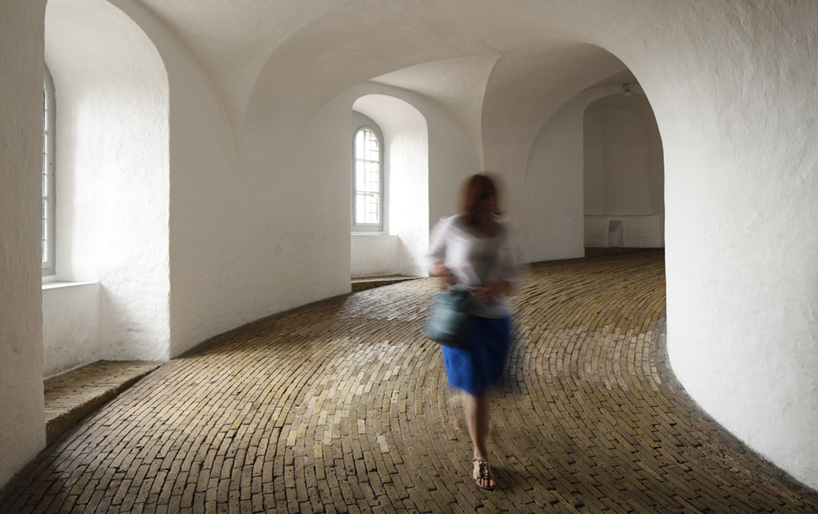 ’round tower’ commissioned by king christian IV in copenhagen, denmark (1642) image © LAN architecture, undo-redo
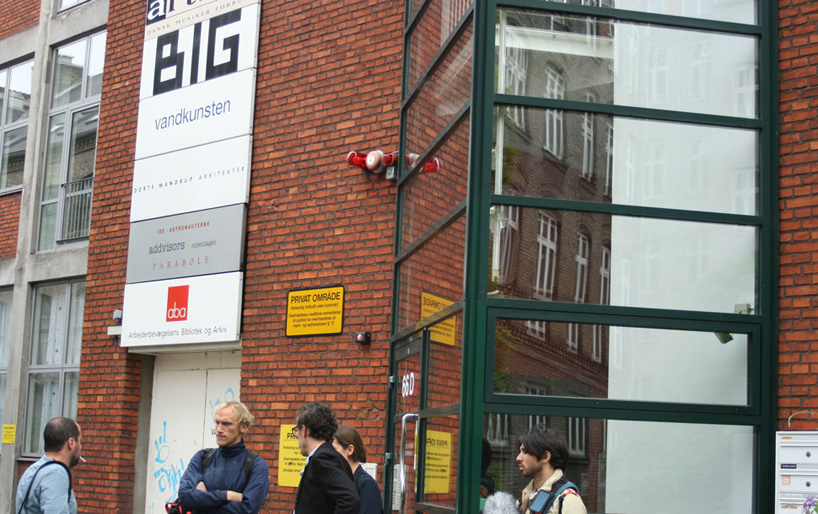 outside the BIG office image © LAN architecture, undo-redo
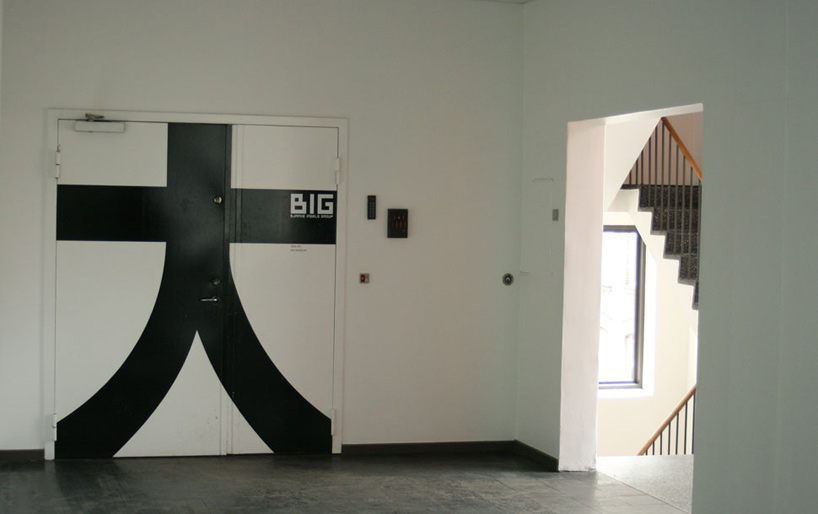 behind the scenes image © LAN architecture, undo-redo
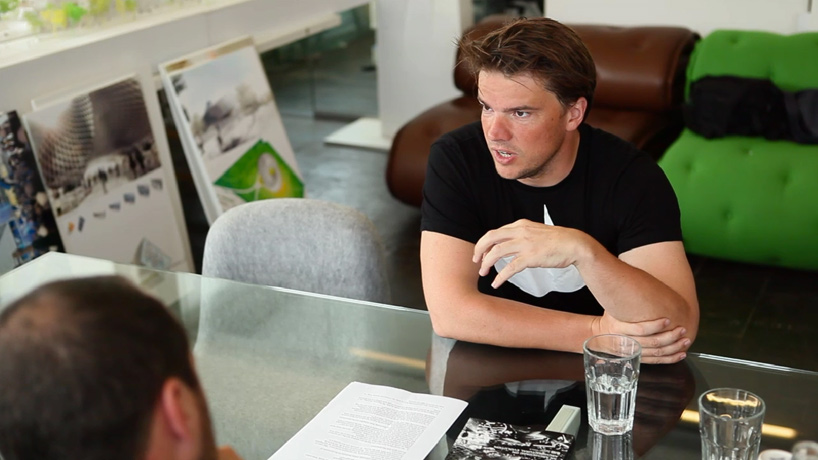 film still image © LAN architecture, undo-redo
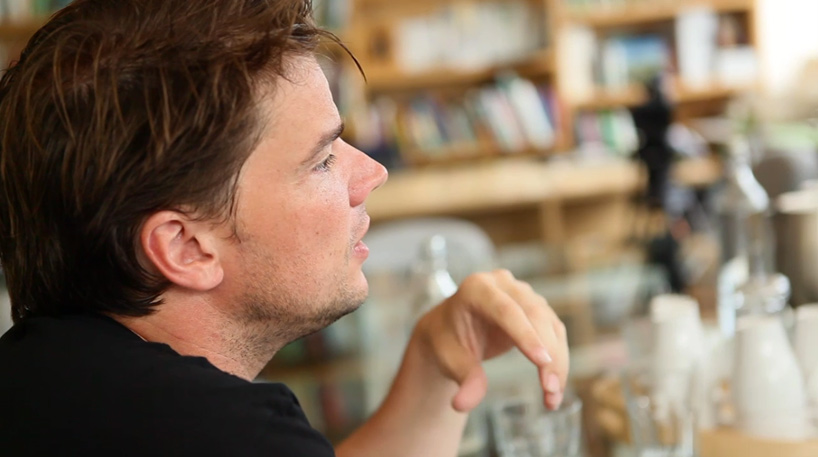 image © LAN architecture, undo-redo
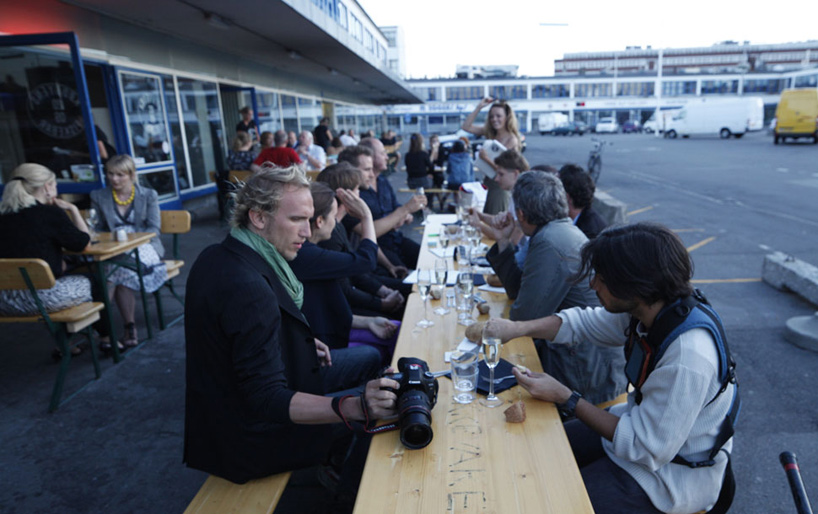 dinner with the team in copenhagen image © LAN architecture, undo-redo
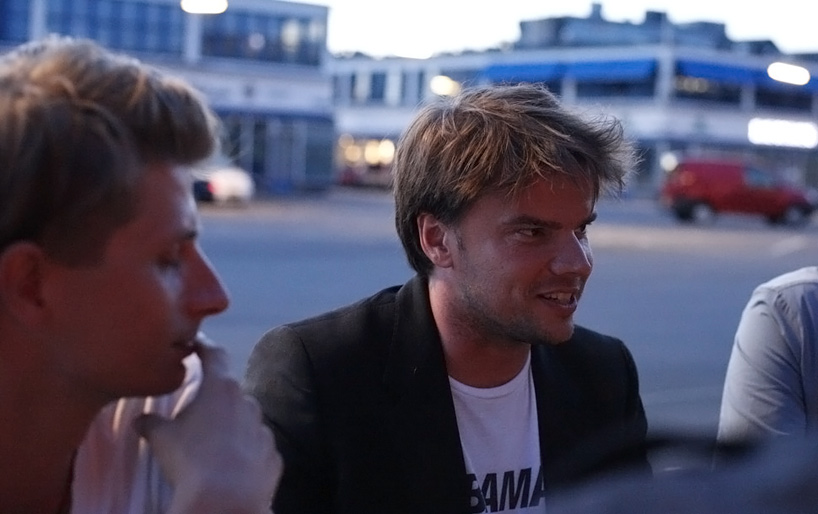 bjarke ingels image © LAN architecture, undo-redo
remember to check out 27’s website for more images and behind-the-scenes look of their visit with bjarke ingels.
to read more on ’27: a journey through contemporary architecture in europe’, click through to our article on the project’s scope here.
27 PROJECT (5)
 Feb 29, 2012
 Oct 04, 2011
 Mar 28, 2011
 Mar 16, 2011
BJARKE INGELS GROUP / BIG (324)
 Mar 25, 2024
 Mar 12, 2024
 Mar 06, 2024
 Feb 22, 2024
 Feb 13, 2024
PRODUCT LIBRARY
 Apr 02, 2024
 Mar 31, 2024
 Mar 21, 2024
 Mar 20, 2024