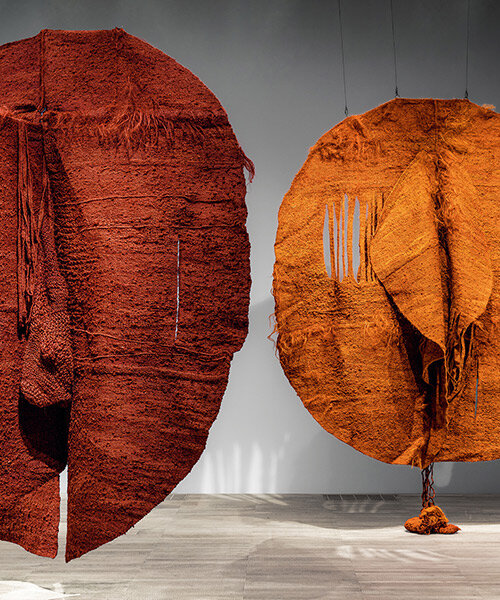
woven biomorphic sculptures by magdalena abakanowicz hover inside MCBA in switzerland
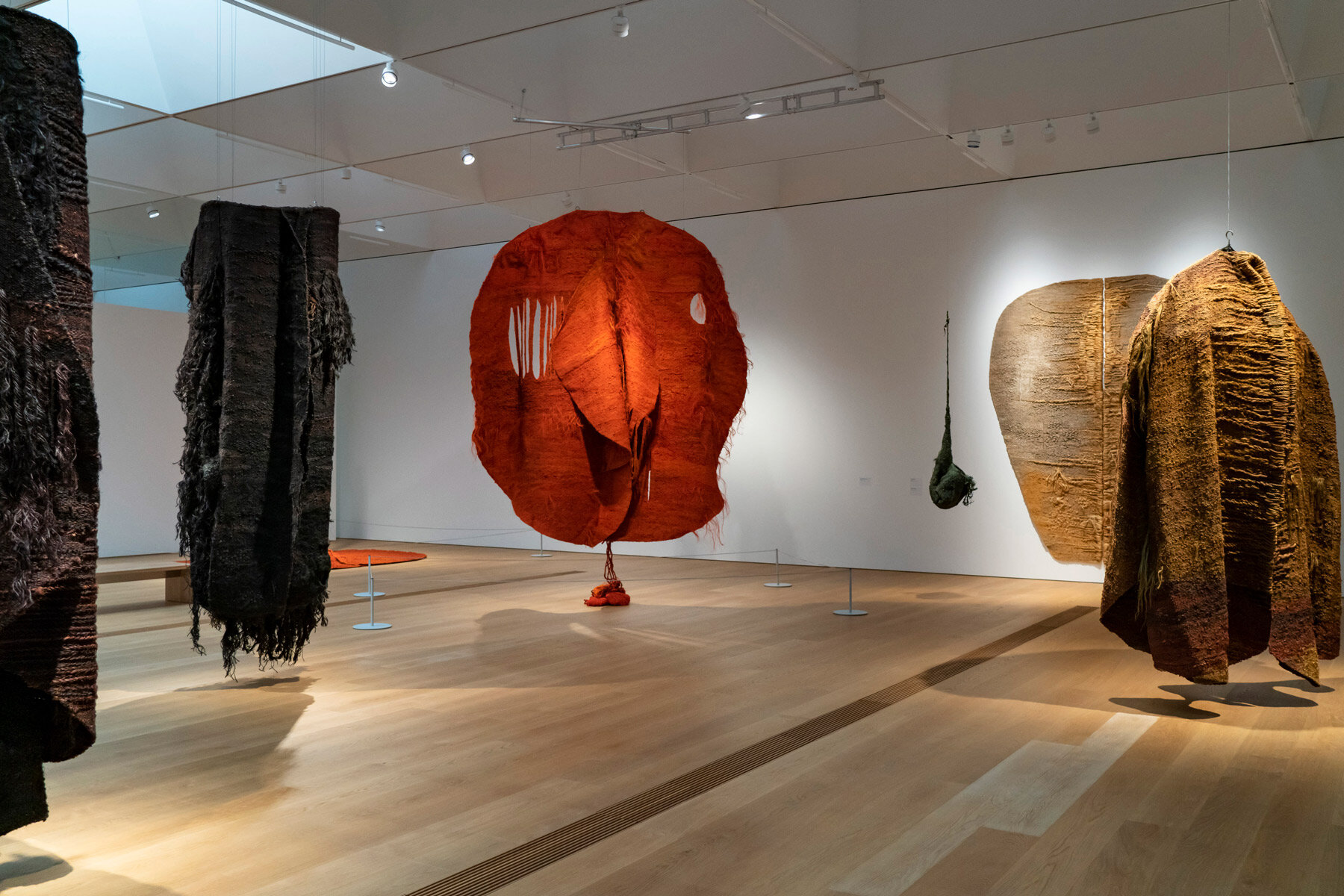
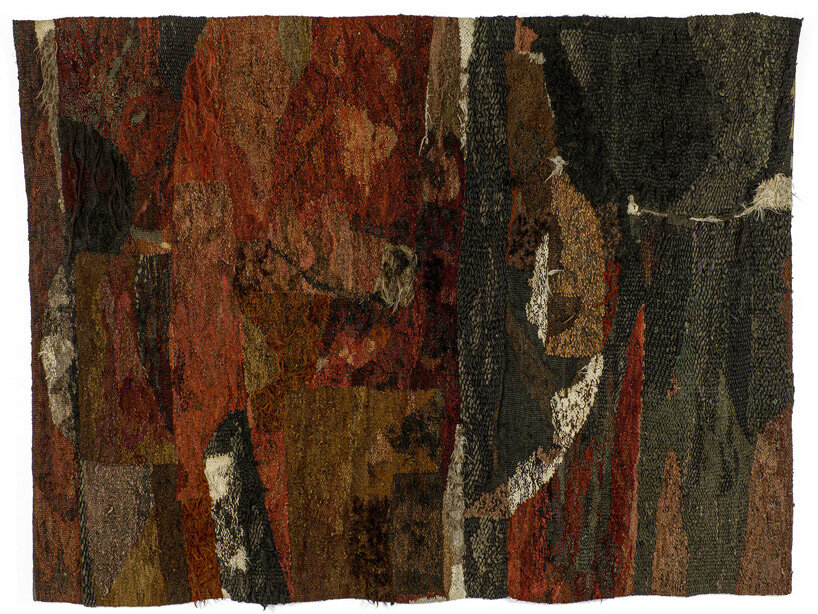
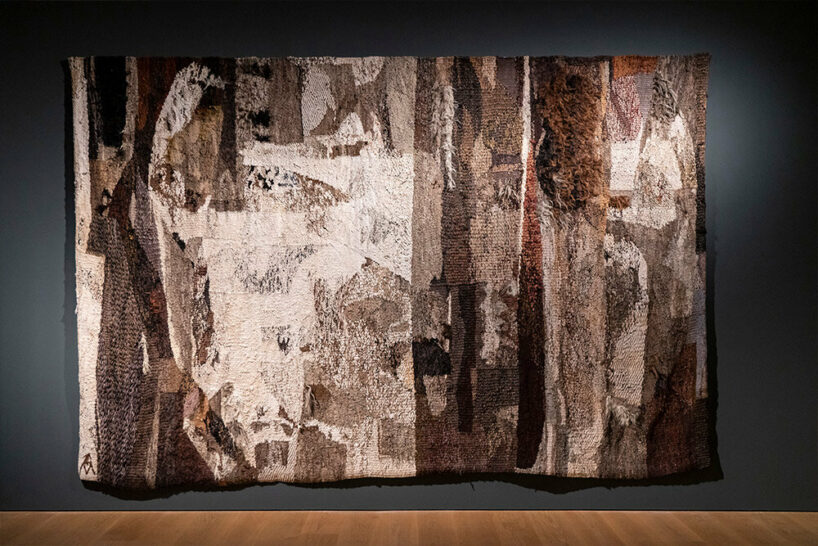
magdalena abakanowicz. textile territories exhibition is a retrospective of the artist's early creations, spanning from 1960 to 1985.
Magdalena Abakanowicz. Textile Territories
The MCBA and Fondation Toms Pauli have collaborated to curate an exhibition dedicated to Magdalena Abakanowicz, a trailblazing artist known for her contributions to textile art and sculpture in the 20th century.
On display until 23 September 2023, the Textile Territories exhibition traces Abakanowicz’s creations from 1960 to 1985, shedding light on the emergence of a new art form. In collaboration with Tate Modern, the event explores the artist’s creative universe unveiling the innovative and boundary-pushing nature of her creative vision. Magdalena Abakanowicz (1930-2017) played a pivotal role in the Lausanne Tapestry Biennials during the 1960s and 1970s, where her woven masterpieces garnered widespread acclaim for their power and originality.
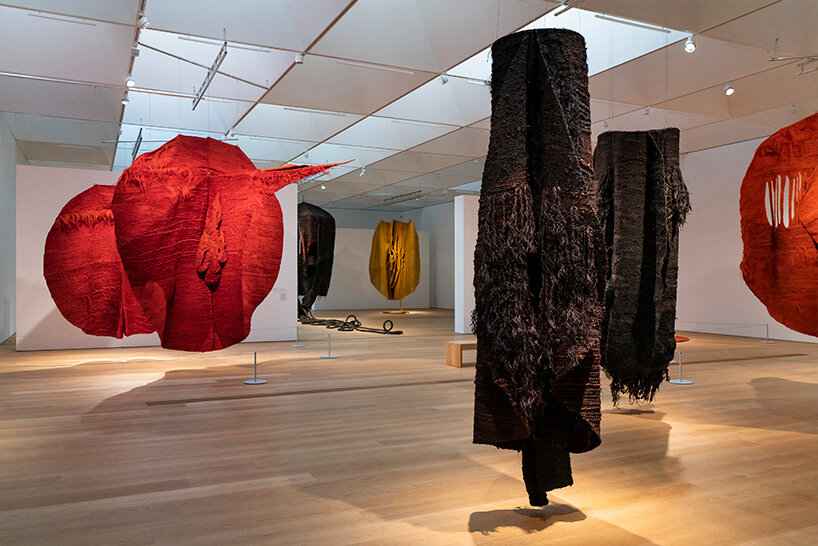
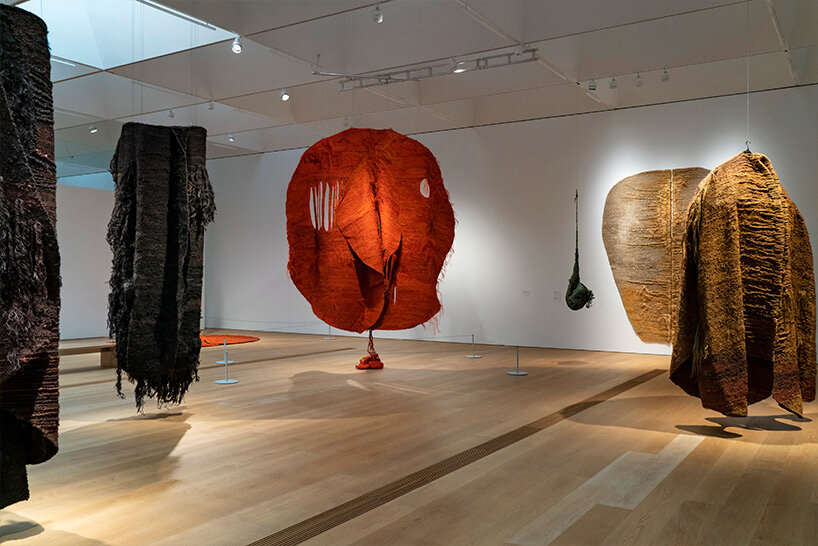
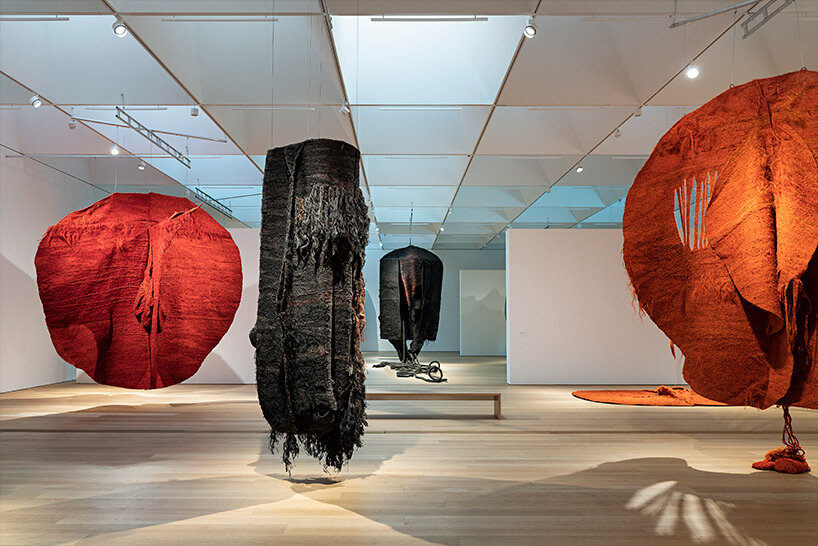
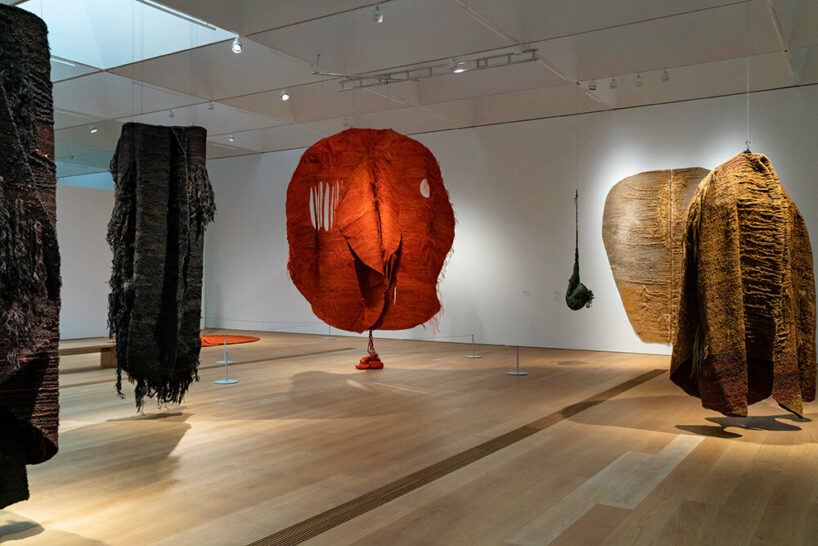
woven sculptures in biomorphic and human forms
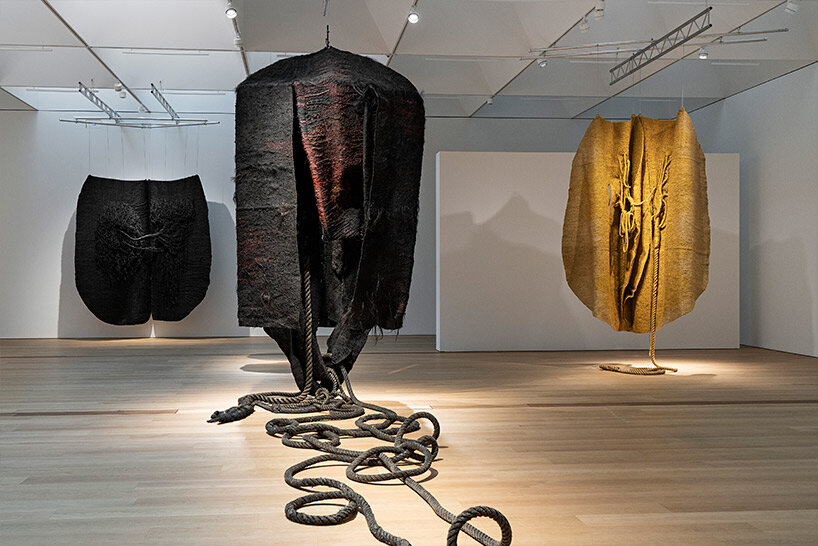
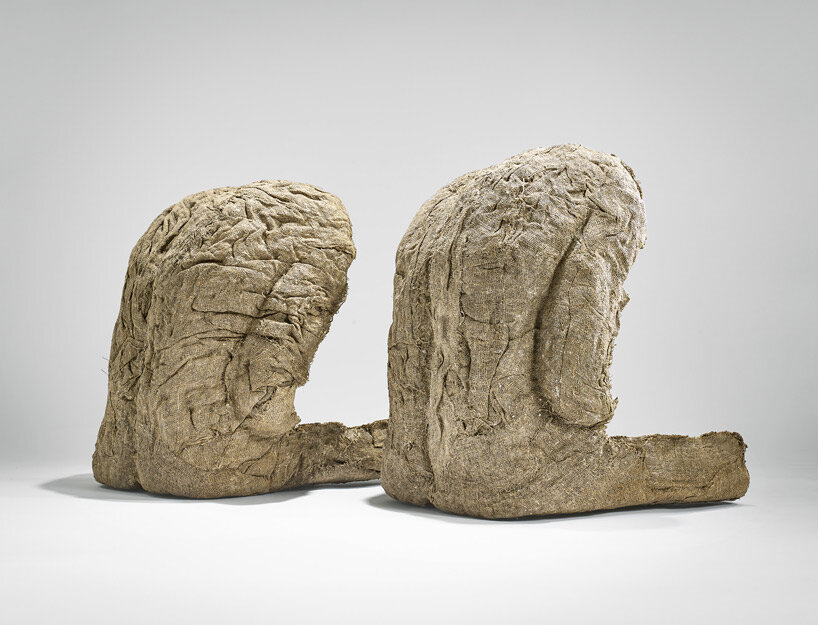
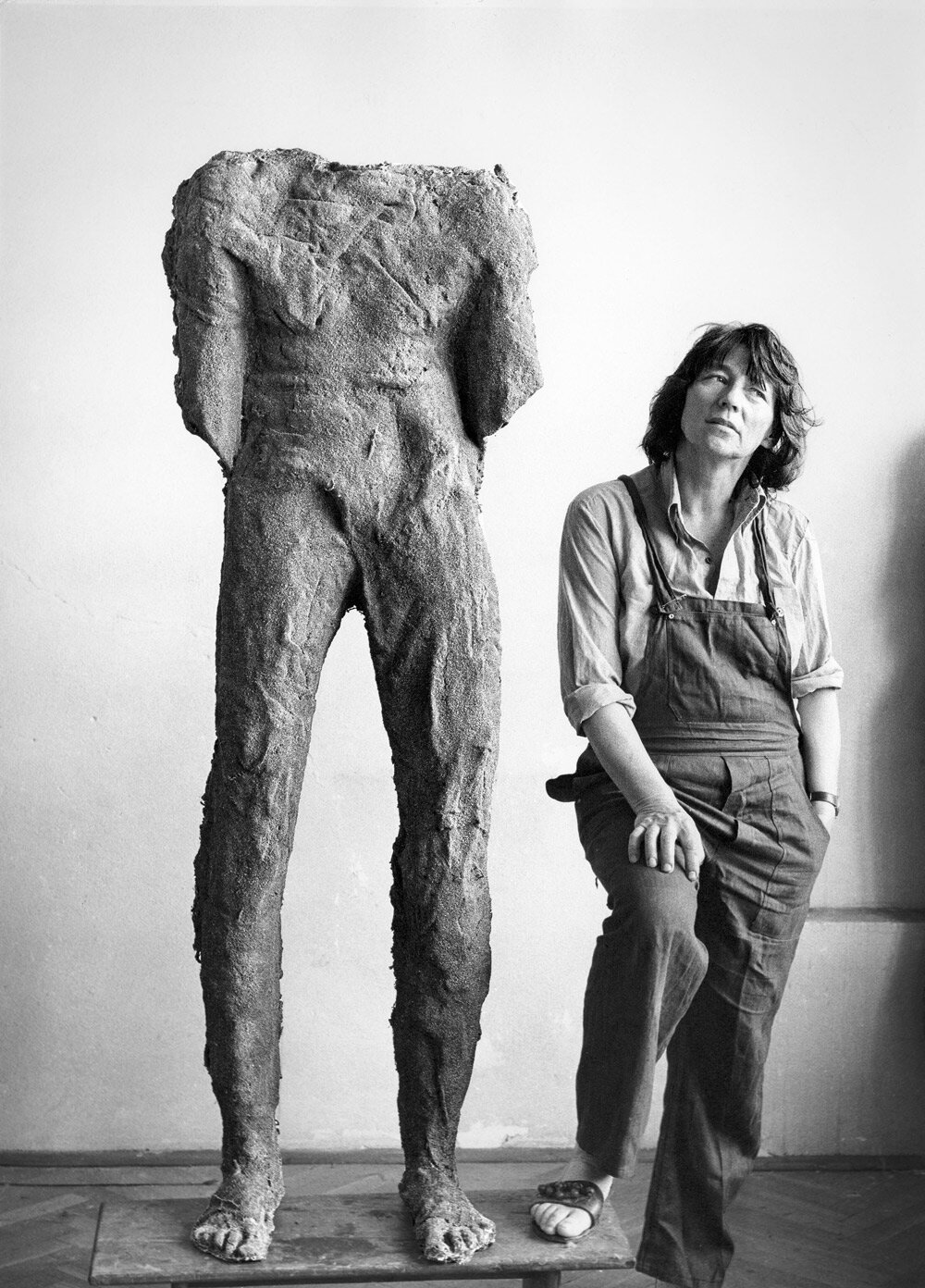
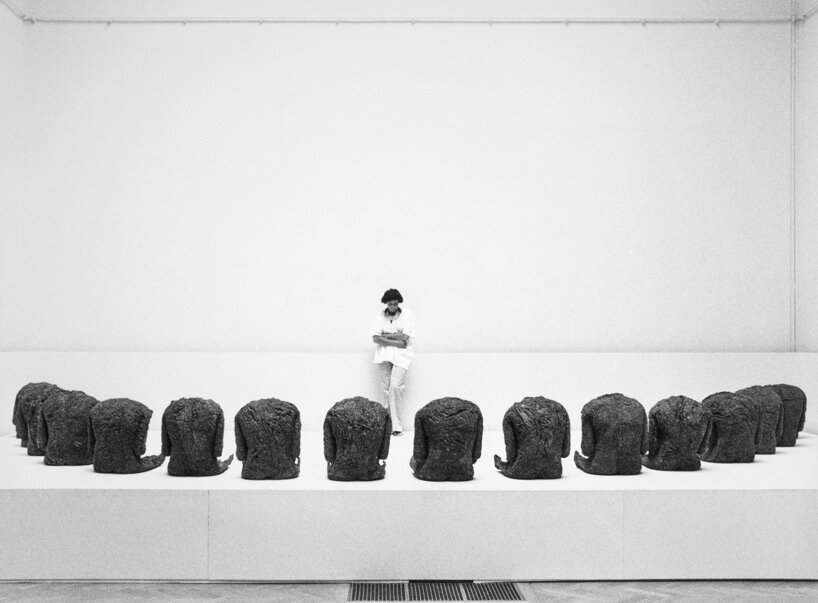
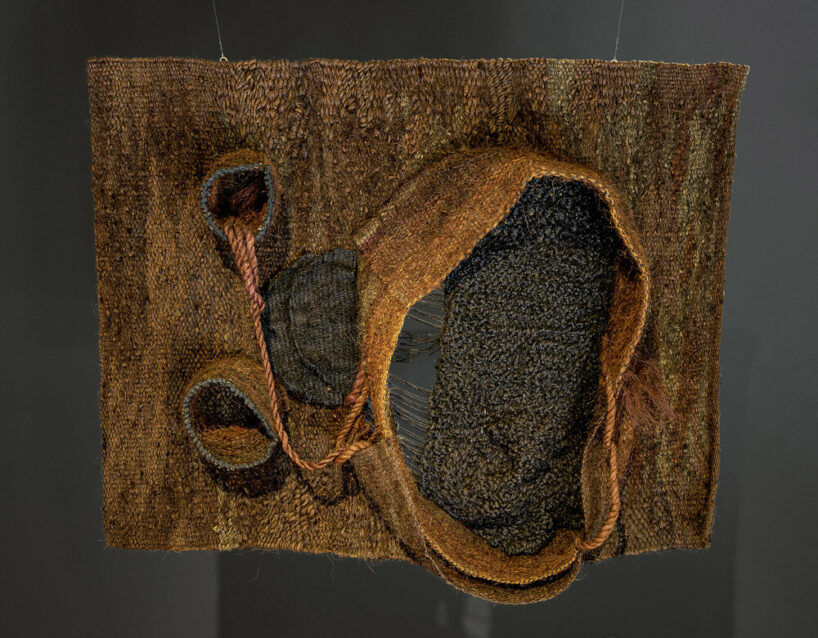
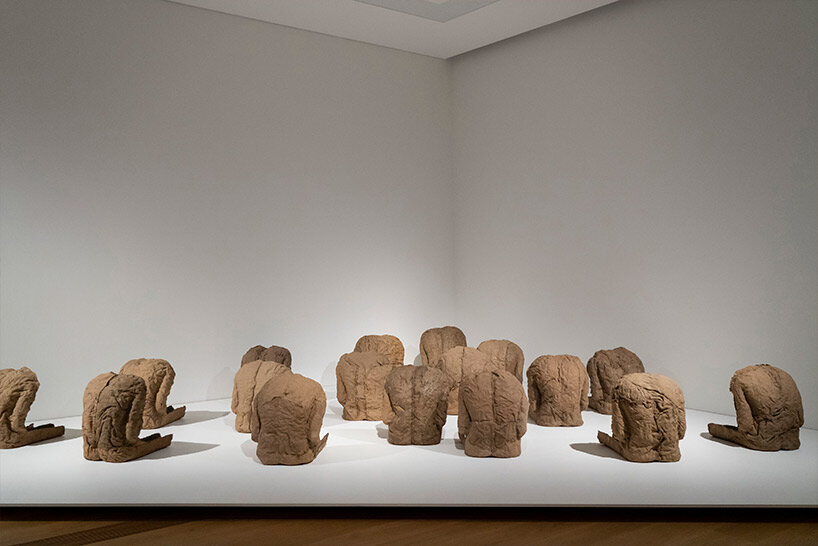
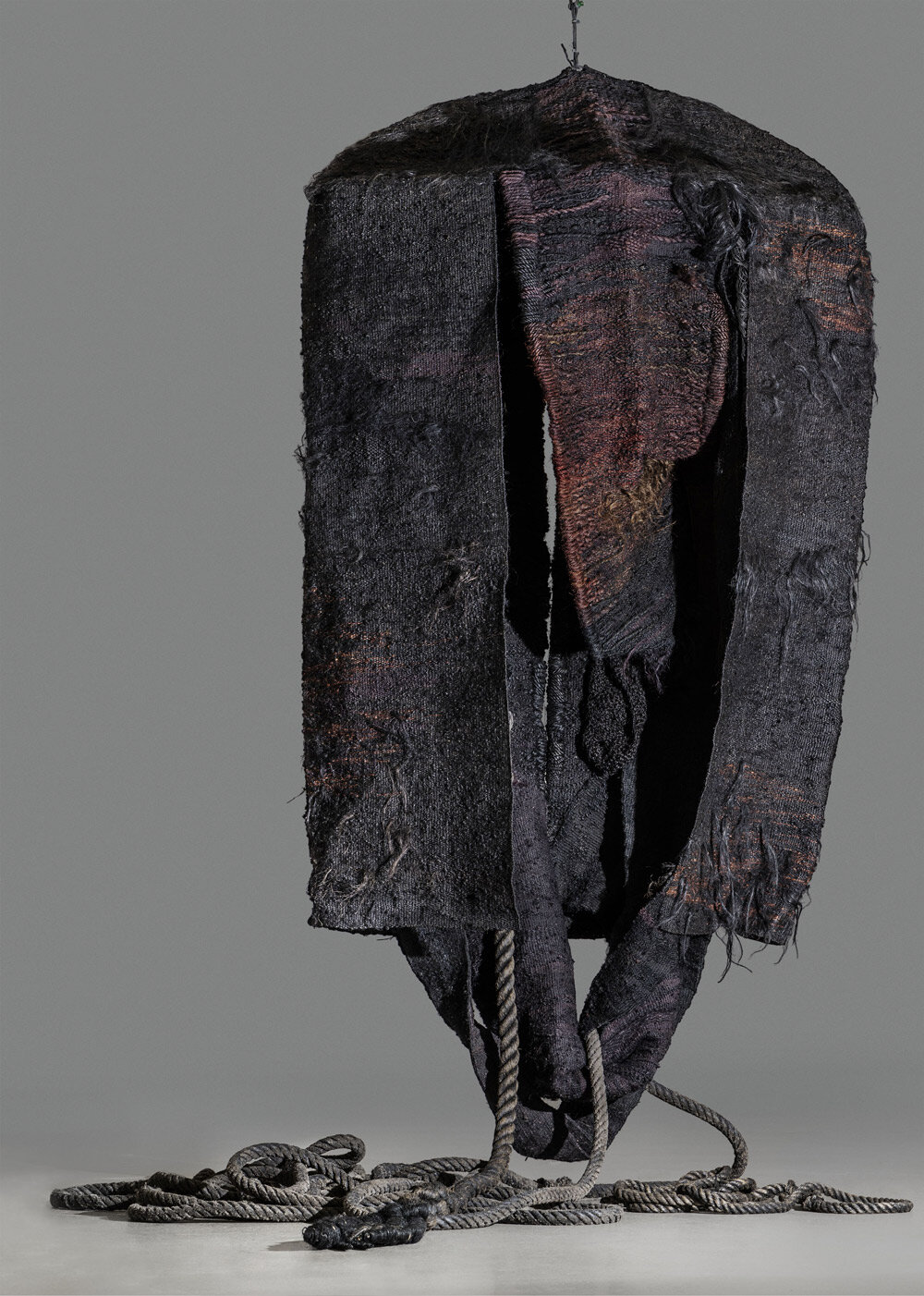
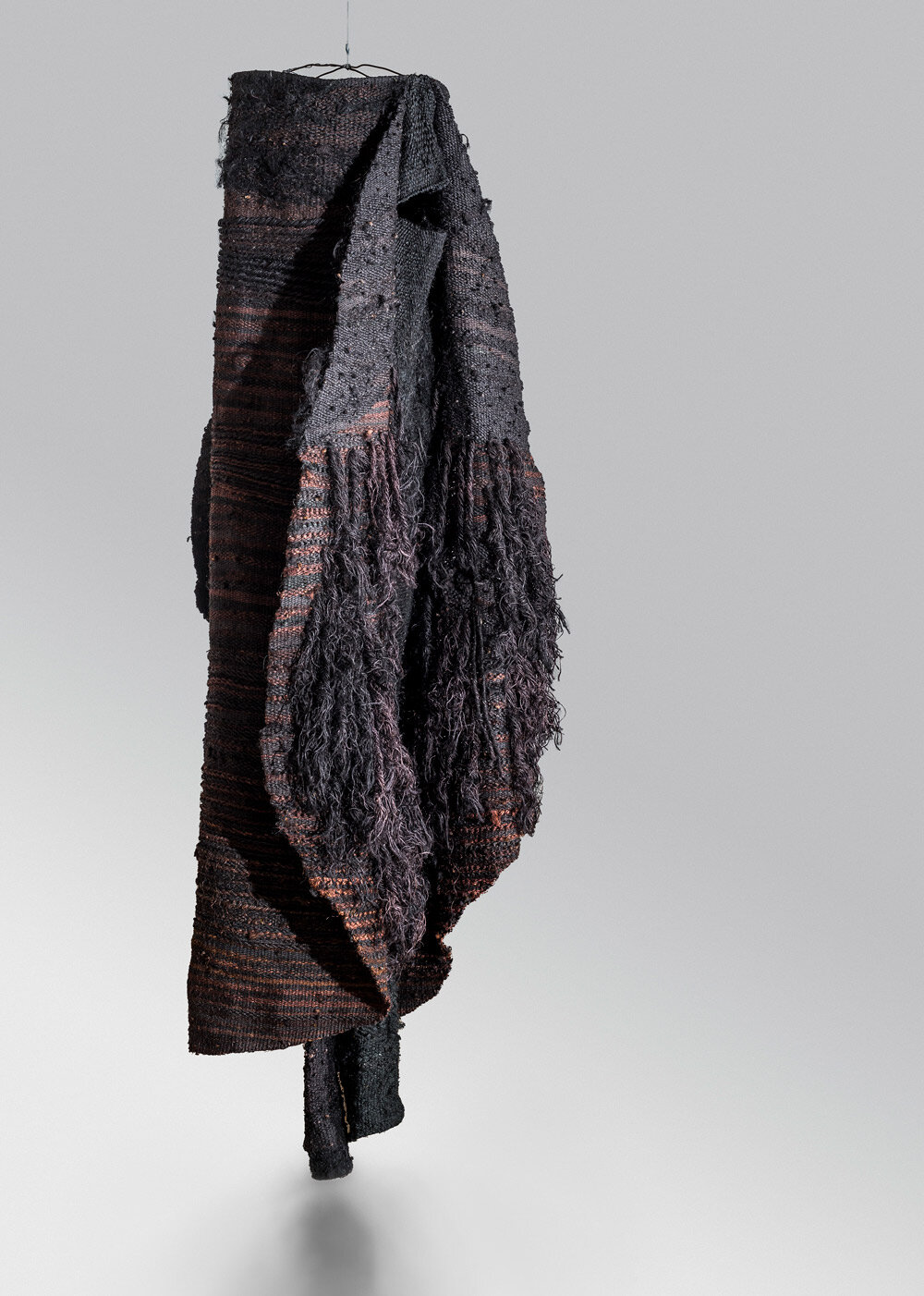
Her artworks swiftly found their way to exhibitions across Europe and eventually gained worldwide recognition in the contemporary art sphere by the 1980s. Following her studies in painting and weaving, Abakanowicz embarked on a journey of exploration, delving into the boundless potential of organic fibers as a medium for her artistic expression. The result was the creation of expansive, three-dimensional sculptures in biomorphic forms, named Abakans, in homage to the artist’s surname. Subsequently, Abakanowicz shifted her focus to the human form, crafting monumental ensembles of figures without limbs.
The Textile Territories exhibition at MCBA offers a retrospective of Magdalena Abakanowicz’s early international career. Despite the constraints imposed by the communist regime in Poland, the artist fearlessly explored the possibilities of fiber as a medium, harnessing its living and adaptable nature to convey a unique vision inspired by observations of both nature and humanity. The city of Lausanne, with its influential Biennials, the Alice Pauli Gallery, and a vibrant community of collectors, played a pivotal role in Abakanowicz’s success and recognition.
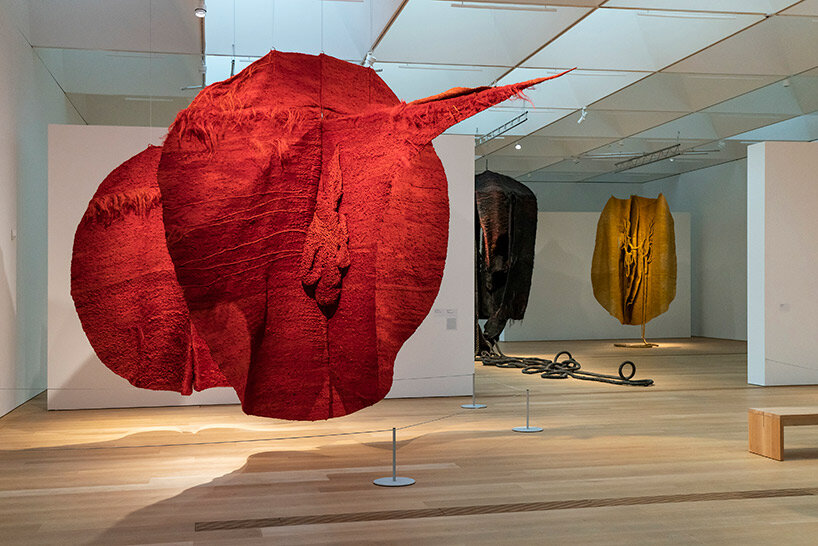
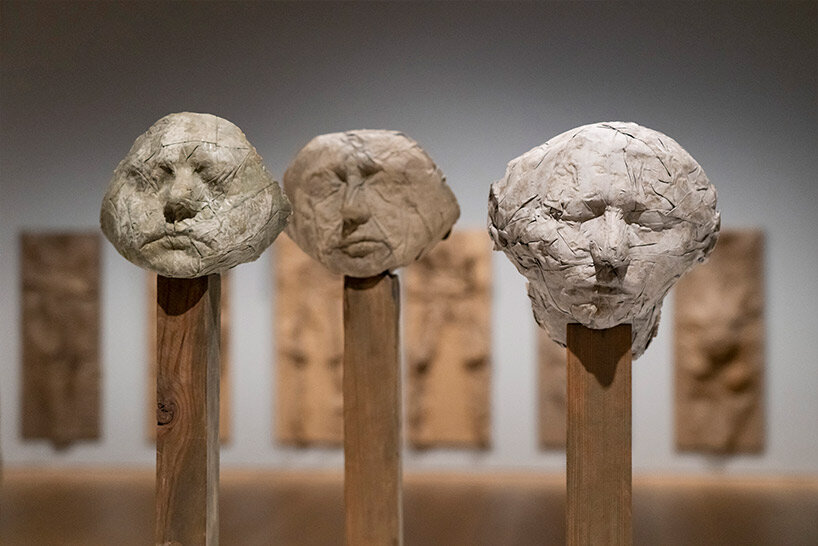
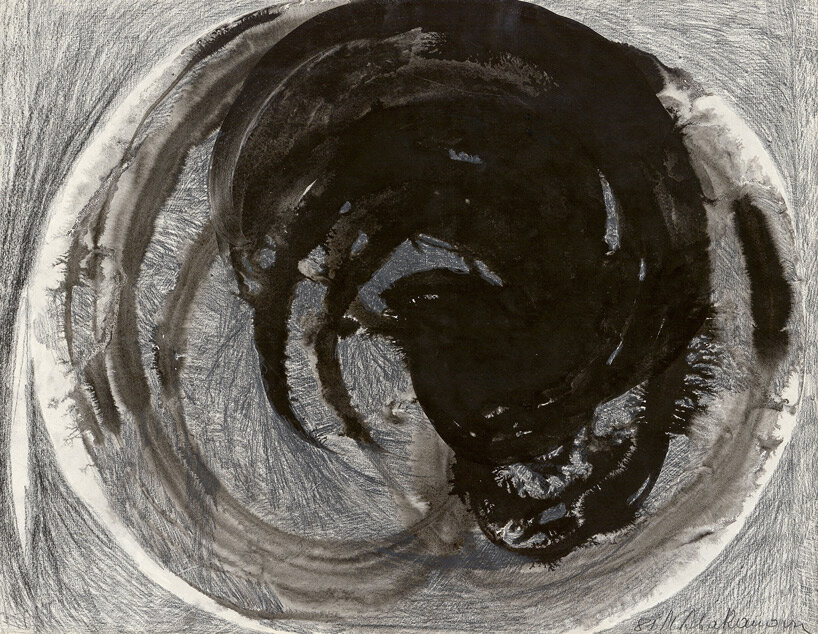
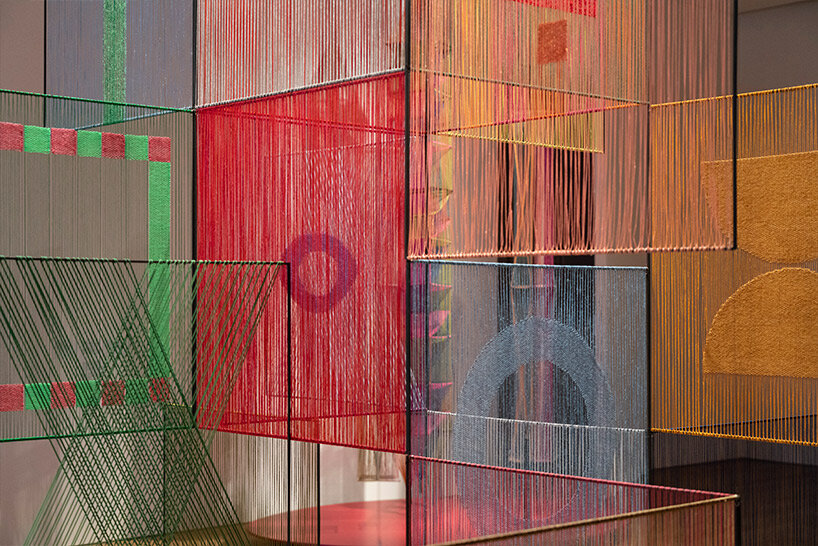
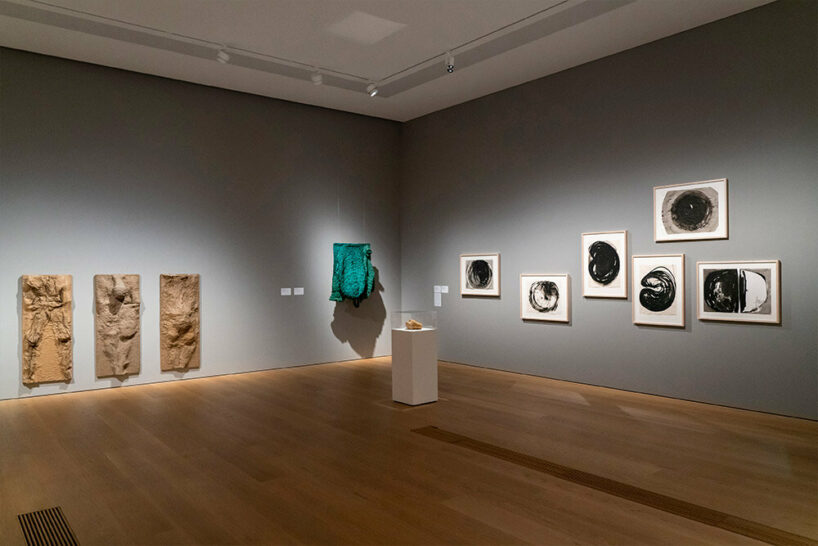
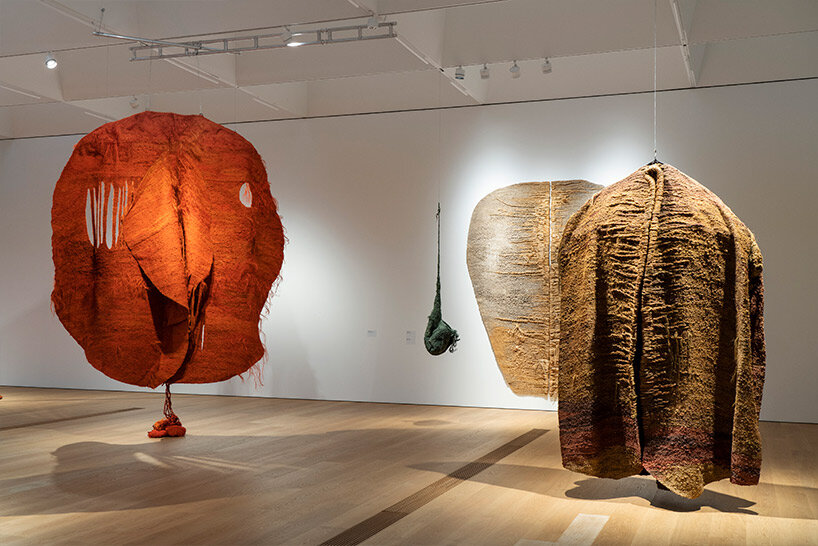
The exhibition hosts a diverse range of artworks, including large soft sculptures, castings, knotted works, and drawings, most hovering inside the gallery space. Viewers will also have the opportunity to see significant pieces such as Abakan Red, which was first exhibited in Lausanne in 1969 and is now a part of the Tate Collection. Moreover, the exhibition unveils previously unseen works from the Fondation Toms Pauli, renowned for housing one of the largest collections of the artist’s work outside of Poland.
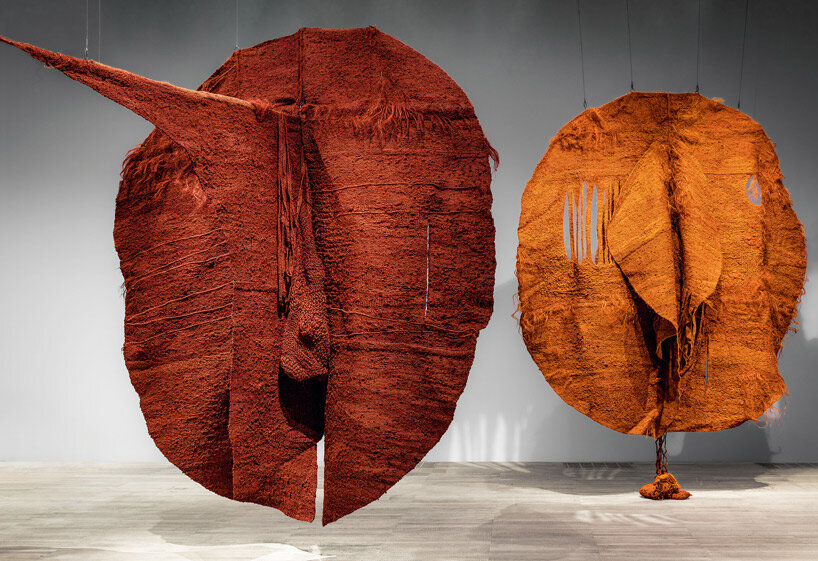
view of the exhibition Magdalena Abakanowicz : Every Tangle of Thread and Rope Tate Modern, 2022 – 2023 © Tate, photo Norbert Piwowarczyk Abakan Red, 1969, sisal, 405 × 382 × 400 cm, Tate, London Abakan Orange, 1968, sisal, 360 × 360 × 45 cm, National Museum, Stockholm
The curators from Tate have thoughtfully selected and reviewed works for the Lausanne venue, supplementing them with 25 additional pieces from the Fondation Toms Pauli Collection and contributions from lenders in the French-speaking part of Switzerland. A notable inclusion is a major series of Backs on loan from Tate. This selection underlines the significant contributions made by the Association Pierre Pauli, collectors Pierre and Marguerite Magnenat, and the Alice Pauli Gallery to the State of Vaud.


1/16
project info:
name: Magdalena Abakanowicz. Textile Territories
artist: Magdalena Abakanowicz
exhibition: Musée cantonal des Beaux-Arts (MCBA) | @mcbalausanne
dates: 23.6 — 24.9.2023