artificial biodegradable island cultivates marine life in the mediterranean sea
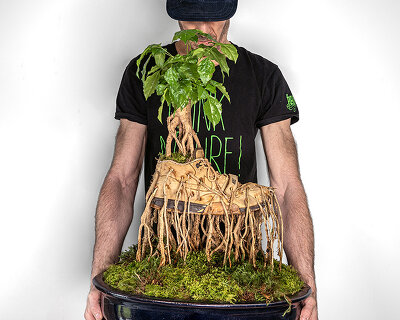
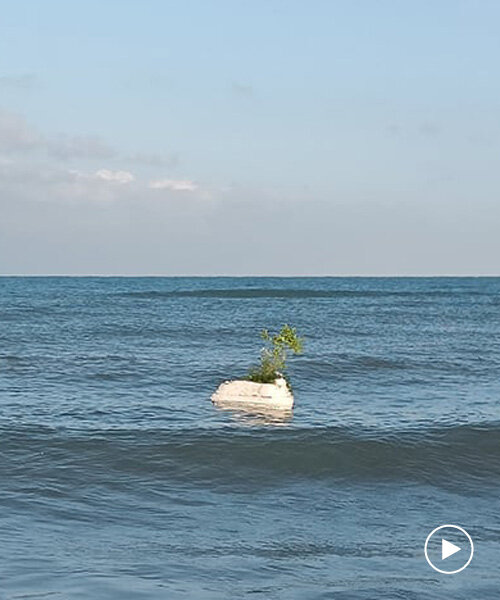
the external layer crafted from gypsum facilitates the growth of invertebrates, mosses, and plants that naturally occupy the island.
angelo renna and apurva baldawa present ‘isolotto’
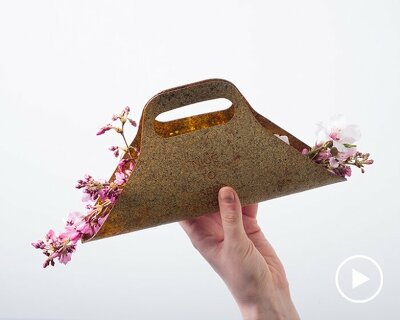
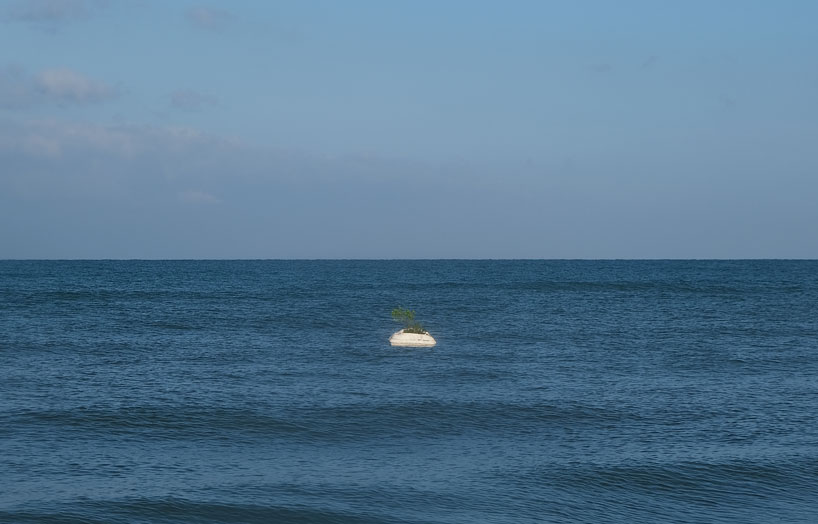
Isolotto by Angelo Renna and Apurva Baldawa is a small artificial island that promises to sustain marine life in the Mediterranean Sea. Fully biodegradable, the floating island is designed to naturally decompose and transform into other components like nutrients, bacteria, and various mineral forms without leaving any traces of pollution behind. It is composed of cork, gypsum, and natural glue, and by avoiding the use of screws or other chemical substances, the integrity of the environment is preserved throughout the life cycle of the island. Its inner layer made of cork maintains the island’s structural integrity and enables it to float, meanwhile its external layer made of non-toxic gypsum creates a breeding habitat for the natural growth of new microorganisms.
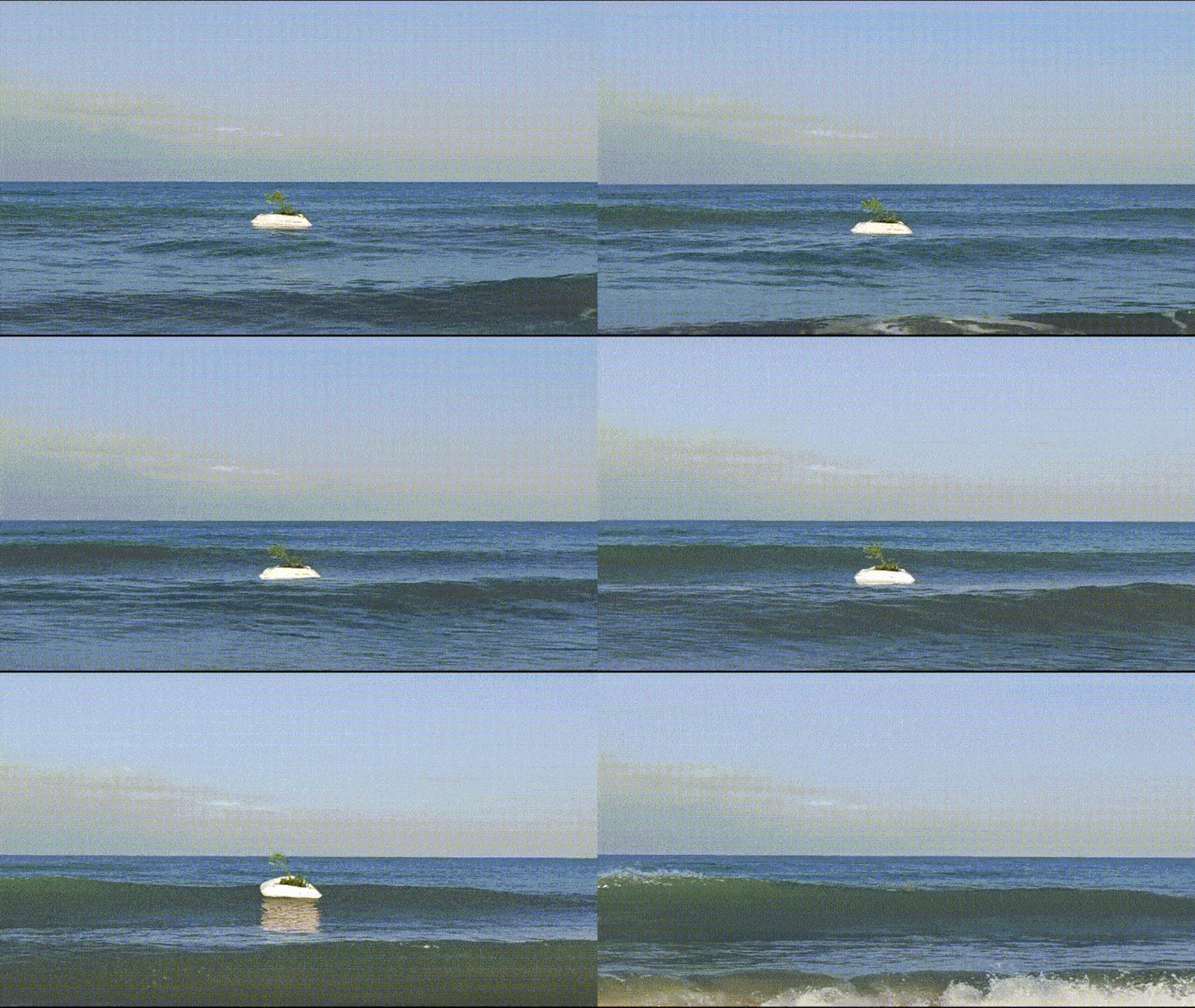
microorganisms naturally habitate the biodegradable island
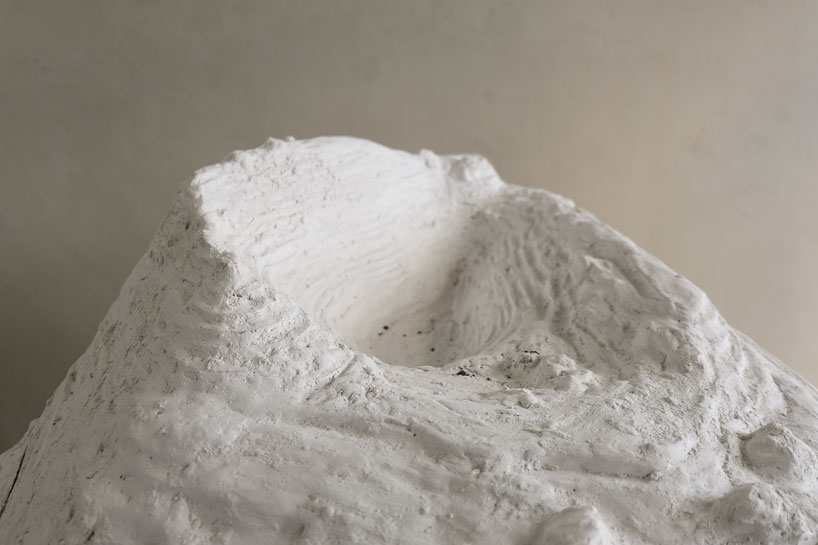
Central to Isolotto’s construction is an internal structure entirely assembled with layers of cork measuring 1cm in thickness. This composition is able to ensure enough resistance to support a proper package of soil for plants and vegetation, and, at the same time, its lightweight nature allows the island to remain afloat. Beneath the water’s surface, the island’s lower topography helps to cultivate underwater flora. The geometric variations appear as inverted hills, with valleys and peaks that serve as thriving habitats for different types of invertebrates, mosses, and plants. Above the waterline, designers Angelo Renna and Apurva Baldawa created a small sheltered concave area to house a multi-layered substrate planted with bushes and plants which would be able to resist strong wind.
The external layer of the biodegradable island plays a fundamental role, facilitating the growth of plants, vegetation, and microorganisms that naturally ‘occupy’ the island, engendering the creation of new habitats. This outer stratum, realized using gypsum — a non-toxic material derived from calcium and sulfate — offers a fine powder that can be mixed with water form a malleable paste. Once shaped and left to harden, the gypsum layer undergoes an endothermic reaction, producing heat. Through rigorous testing, it has been determined that gypsum degrades at a slower rate than clay and terracotta, thus prolonging the island’s lifespan and furthering the process of degradation.





project info:
name: Isolotto
designer: Angelo Renna, Apurva Baldawa
designboom has received this project from our DIY submissions feature, where we welcome our readers to submit their own work for publication. see more project submissions from our readers here.
shop
your own online design shop — no sales commission collected