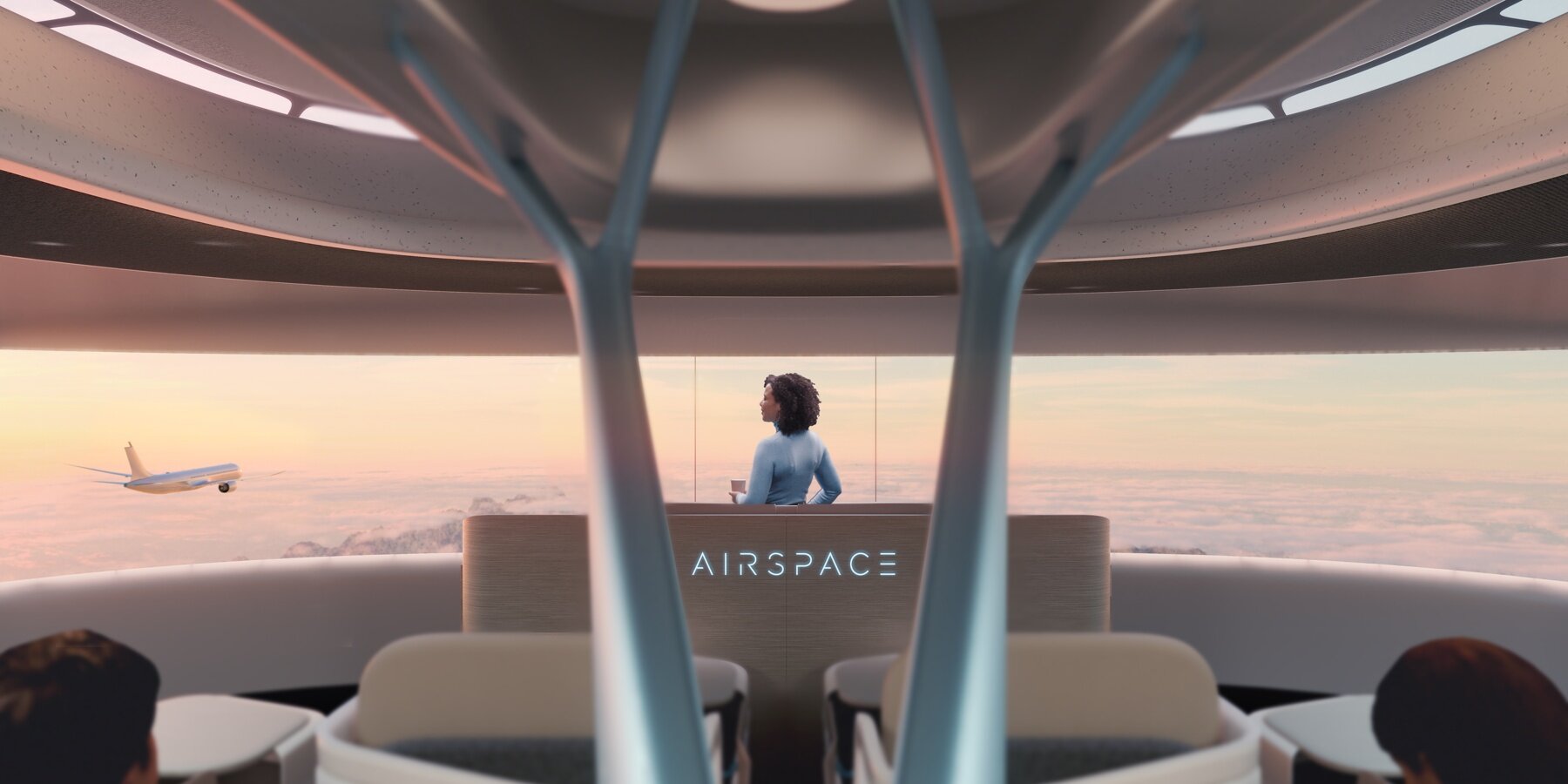
airbus to ensure longevity of air travel with airspace cabin vision 2035+ initiative
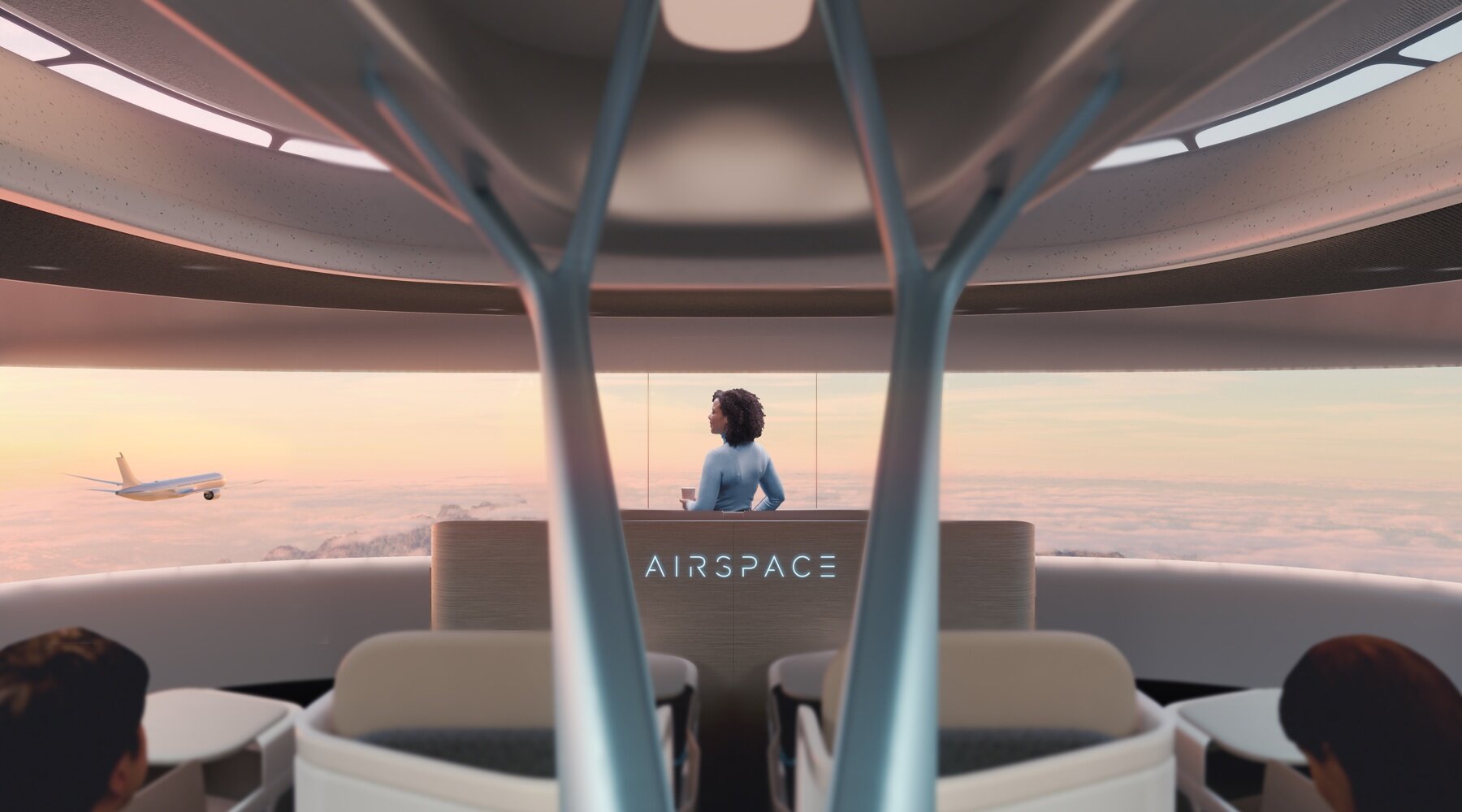
through material and service enhancements, airbus envisions future aircrafts with its airspace cabin vision 2035+.
the Airbus Airspace Cabin Vision 2035+
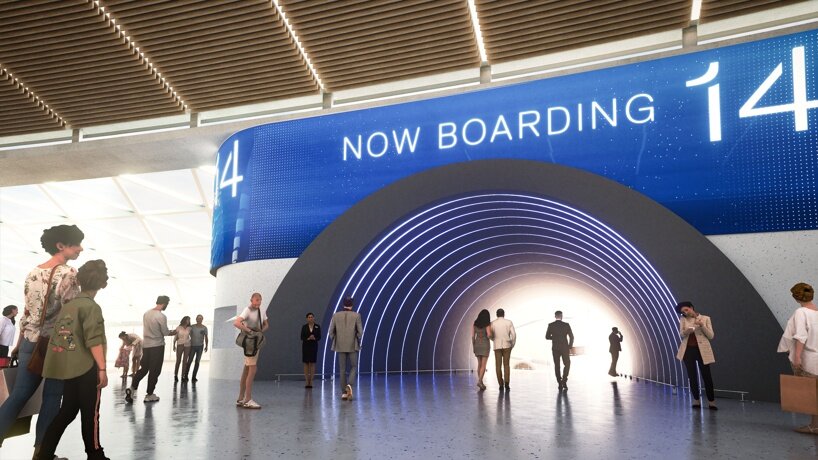
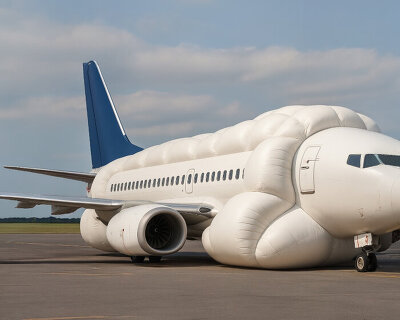
The ability to board a soaring metal bird in the sky and explore all corners of the globe stands as a remarkable modern feat. Nevertheless, the increasing environmental concerns stemming from airline travel have captured global attention. Addressing these issues head-on, Airbus introduces Airspace Cabin Vision 2035+, a forward-thinking initiative encompassing deliberate strategies involving digitization, material advancements, and service enhancements to mitigate the environmental impact of airline cabins. In formulating this comprehensive, future-oriented plan, the company outlines measured steps to ensure the longevity of air travel that is mindful of both the planet and its passengers.
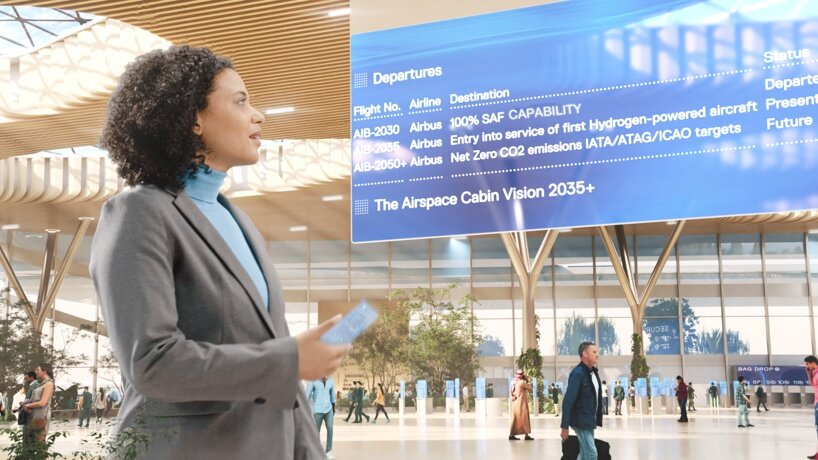
all images courtesy of Airbus
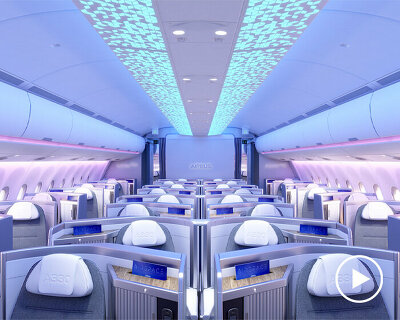
In a collaborative effort, Airbus, the aerospace products company, has joined forces with ten airlines and eight technology companies to redefine the impact and ambiance of airplane cabins. This specific space can contribute to 10-20% of the overall environmental impact of an aircraft throughout its lifecycle. Through the Airspace Cabin Vision 2035+ initiative, Airbus identifies key elements within this zone that can be optimized to mitigate environmental harm, all while prioritizing an elevated level of passenger comfort in future travel experiences.
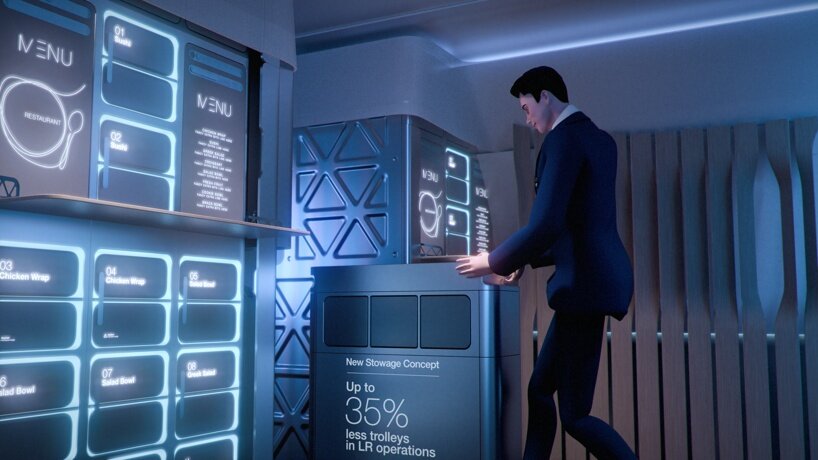
improving spaces and services to reduce CO2 emissions
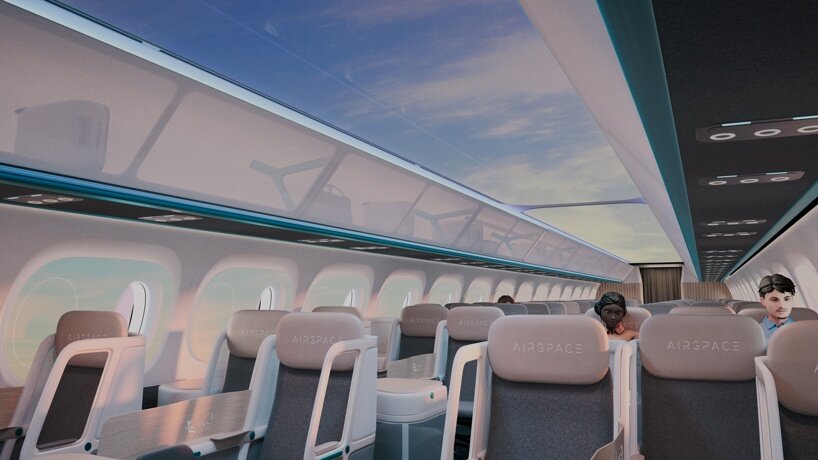
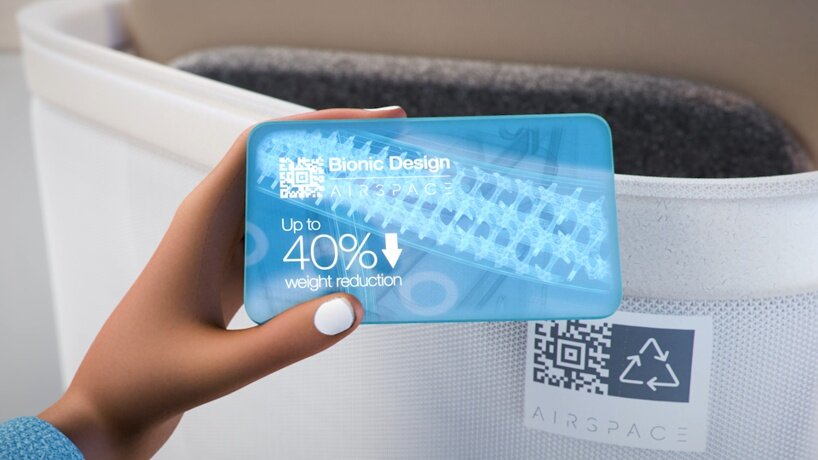
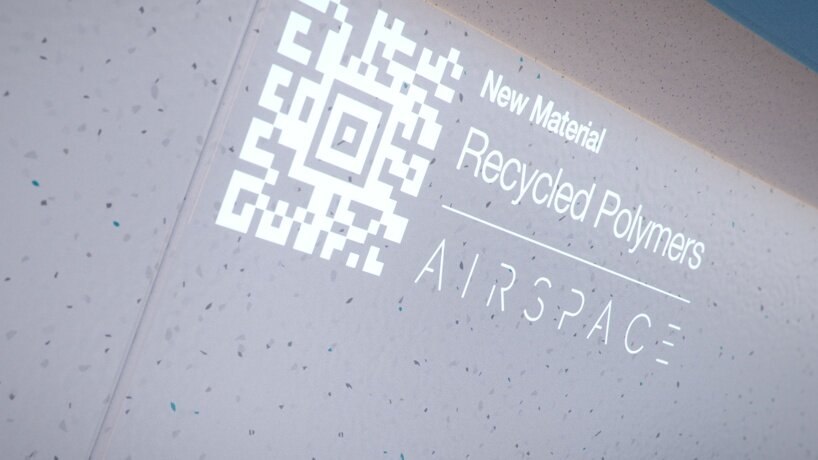
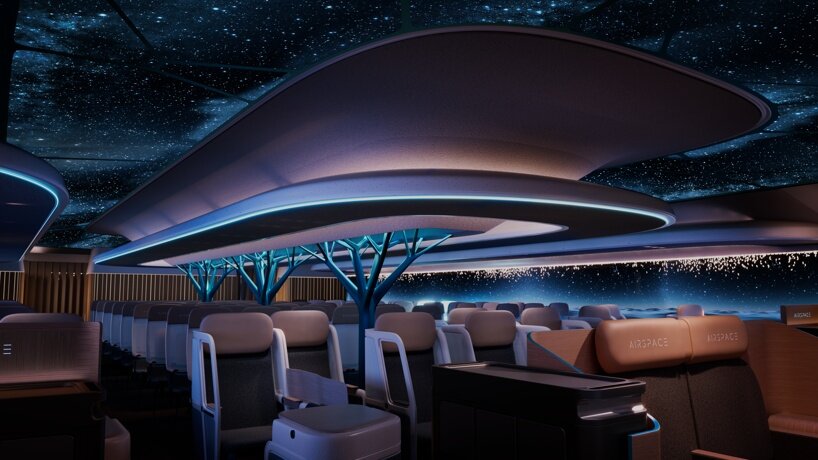
As part of the environmental initiative, Airbus is aiming to leverage the material properties of the cabin space. To achieve the 2035+ vision, the components within the cabin should be designed for recyclability, reusability, and repairability throughout their lifecycle. On the product side, the adoption of lighter, bionic elements is expected to reduce cabin weight by up to 40%. Additionally, cabin lining and components will be developed for current aircrafts using advanced materials. Transparency is a fundamental aspect of maintaining the project: this means a comprehensive rollout of these measures with the next generation of aircraft, accompanied by a disclosure of the environmental impact of cabin parts and operations.
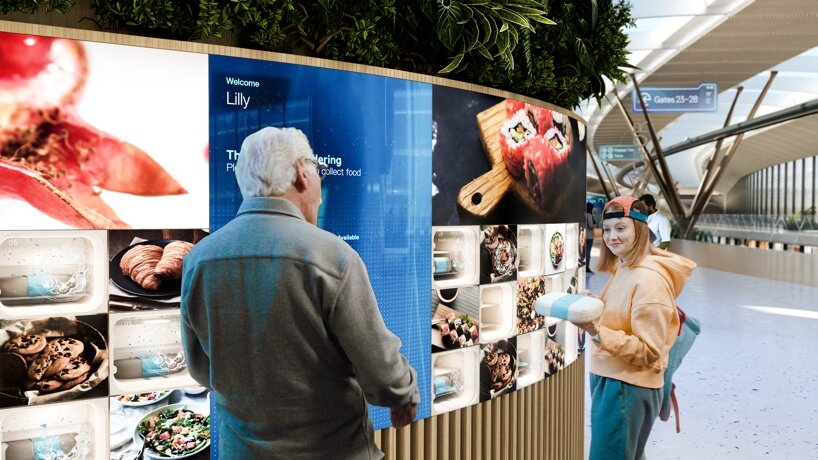
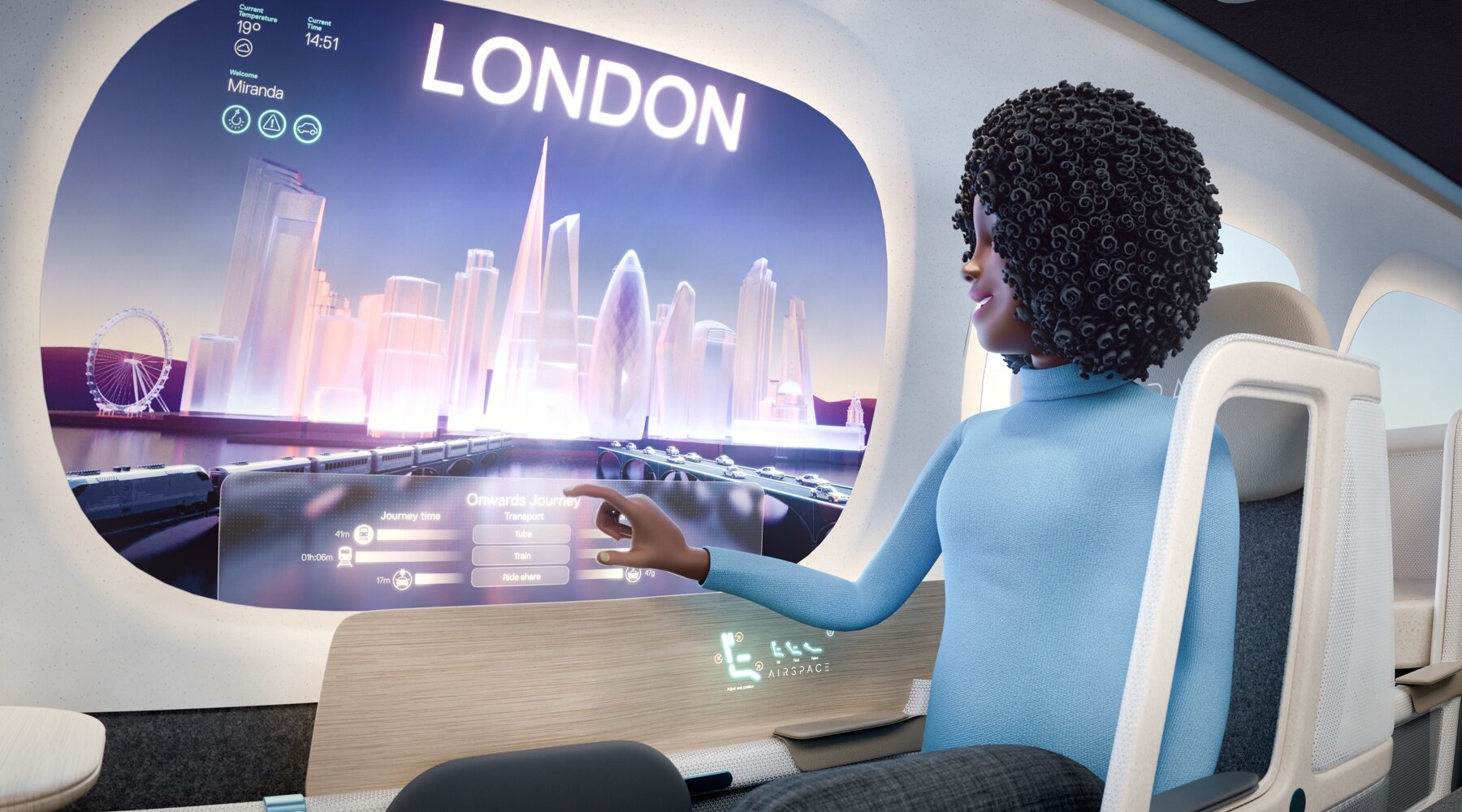
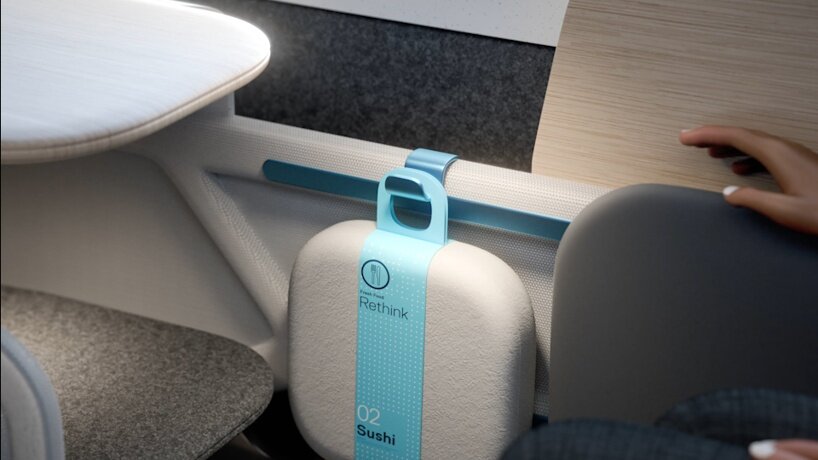
Enhancing environmental efficiency extends beyond alterations to the physical product; it also involves transforming the service elements of aircraft. Improvements in catering, such as pre-ordering meals for long-haul flights or grabbing snacks at the boarding gate for short-haul journeys, have the potential to decrease food waste by up to 15%. Airbus envisions the digitization of these service elements and the creation of effective touchpoints as crucial steps to bring these concepts to life.