
scientists develop biodegradable boat robots that fish can actually eat
these micro devices have a double use: they collect environmental data like the water’s pH levels and over time, they feed themselves to fish as food.
prefer designboom on googleswimming biodegradable boat robots that turn into ‘pellets’
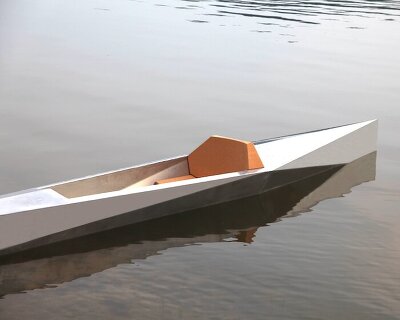
Scientists at the École Polytechnique Fédérale de Lausanne (EPFL) and Wageningen University and Research create swimming biodegradable boat robots that fish can actually eat. These micro devices have a double use. The first is to collect data on the water’s pH levels, temperature, pollutants, and microorganisms using their embedded sensors. These trackers could send data back remotely or be read after the robots are collected. Once that mission is over, the swimming biodegradable boat robots break down into pieces, feeding themselves to the fish and marine life as food.

outer shells of the sensored devices are made from fish food
It’s safe because the outer shells of the sensored devices are made using fish food that has more protein and less fat than normal fish pellets. In this case, they’re already edible from the get-go. They move around the water on their own too. They don’t have any electronics installed in them. The scientists use chemistry, instead, to make the swimming biodegradable boat robots change directions.
Inside these devices the research team has developed, there’s an intestine-like chamber where citric acid and baking soda react. The formula makes carbon dioxide gas, which then pushes liquid fuel named propylene glycol out of the robots. When the fuel hits the water, it lowers the surface tension, similar to when a balloon slowly loses air.

Study on turning nutritious materials into non-electric devices
The scientists see the swimming biodegradable boat robots as potential carriers of nutrients or medications in ponds and fish farms. They’ll break down eventually, meaning there’s no need to manually granulate them into pieces. It also helps that the materials used to make them are already food-based. The researchers add that studies have mostly focused on replacing electronic waste like batteries and plastic with biodegradable materials.
This time, the team looks into reshaping edible, nutritious materials into non-electric devices that can gather environmental data and feed the marine life at the same time. So far, the researchers have thought of also using these swimming biodegradable boat robots as toys for the marine species. They want to examine whether or not they could stimulate fish brains and help their cognitive development. They haven’t tested the hypothesis yet, but it’s a possible future direction of their research.


project info:
name: Edible aquatic robots with Marangoni propulsion
researchers: Shuhang Zhang, Bokeon Kwak, Ruihao Zhu, Markéta Pankhurst, Lu Zhang, Remko M. Boom, Dario Floreano
institutions: École Polytechnique Fédérale de Lausanne (EPFL), Wageningen University and Research | @epflcampus, @uniwageningen
study: here
shop
your own online design shop — no sales commission collected