designboom has received this project from our DIY submissions feature, where we welcome our readers to submit their own work for publication. see more project submissions from our readers here.
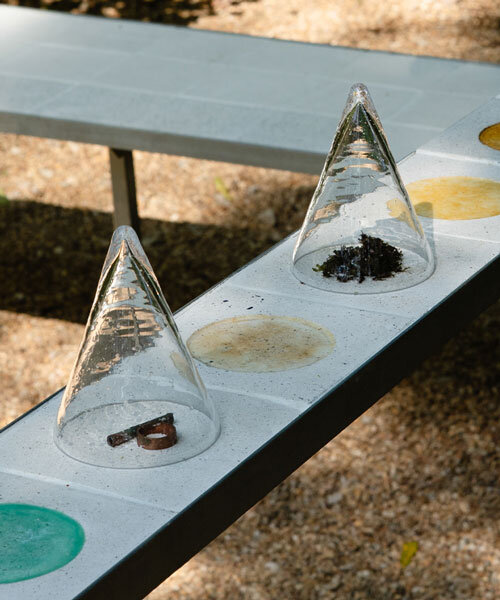
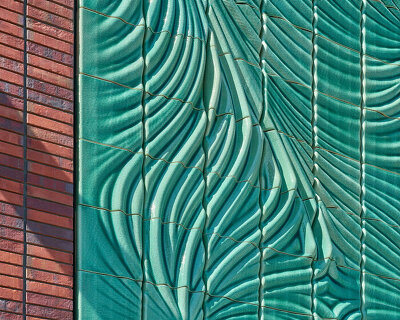
biomaterial tiles by fahrenheit 180 reimagine lisbon’s azulejos with oyster shells and seaweed
earthy oxides, poppy seeds, and microalgae create new chromatic palettes.
From the Tagus to the Tile: BioMaterials Reinterpreting Azulejos
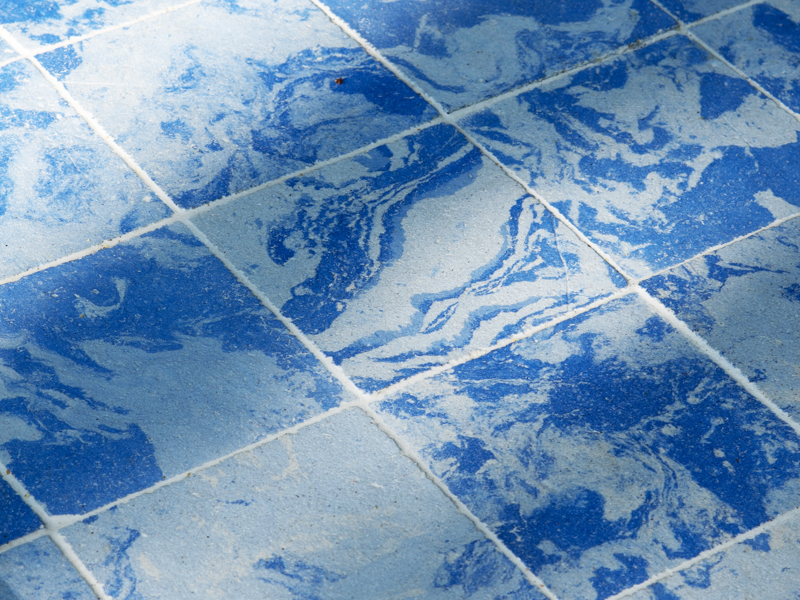
Fahrenheit 180º, a design collective founded by Jeremy Morris and Luca Carlisle, develops From the Tagus to the Tile, an installation exploring the potential of regenerative biomaterials in architectural surfaces. Presented in the gardens of Lisbon’s Gulbenkian Center of Modern Art, the project reinterprets the city’s traditional azulejos using tiles produced from oyster shells and seaweed collected from the Tagus River, the Sado Estuary, and local food systems.
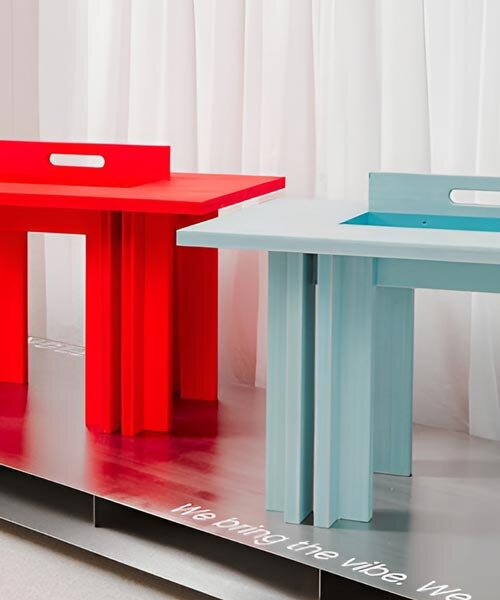
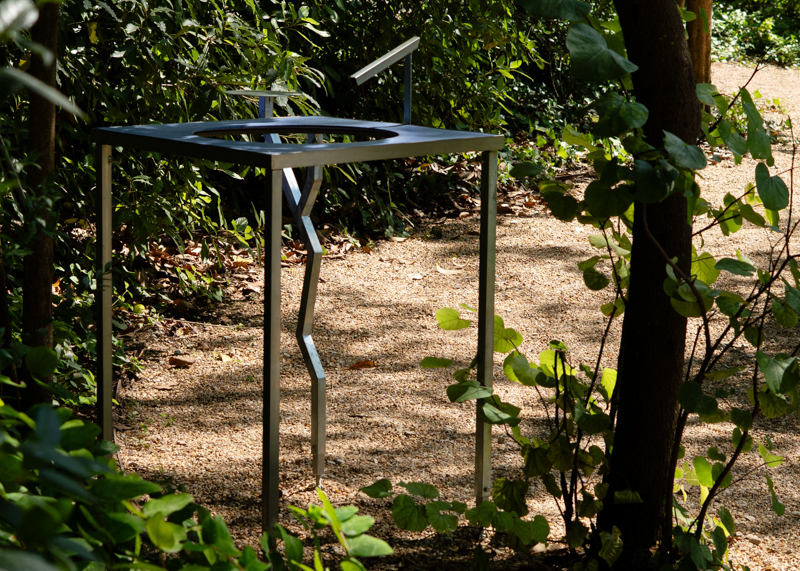
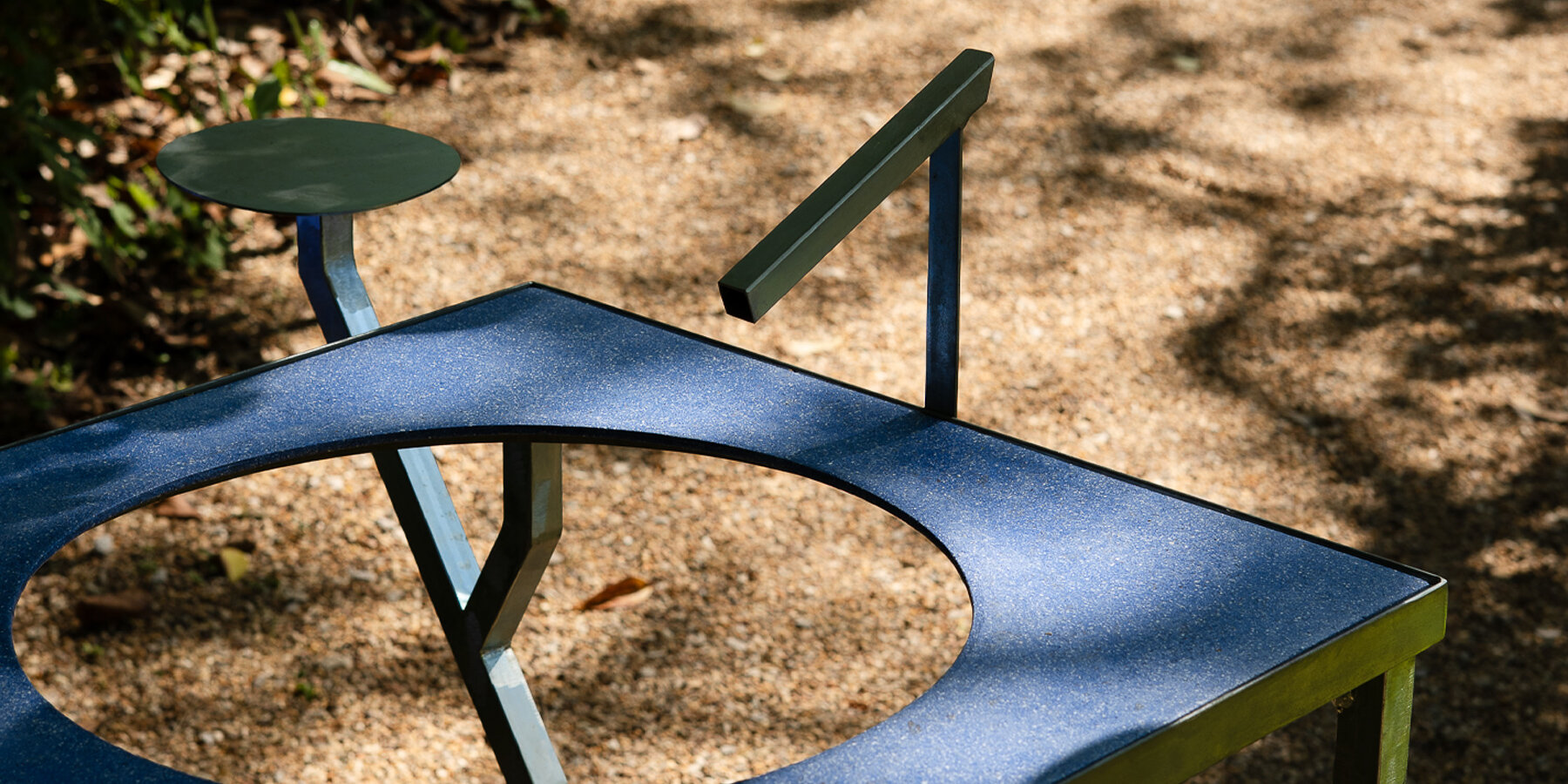
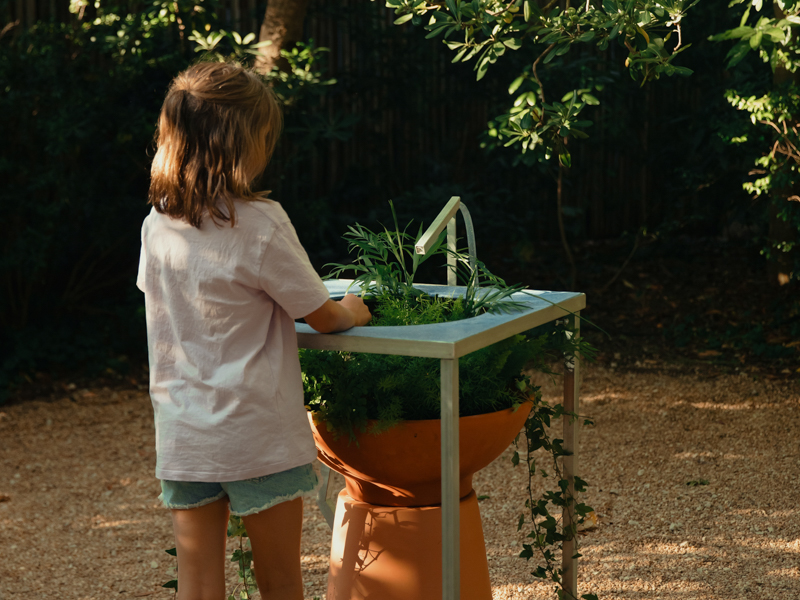
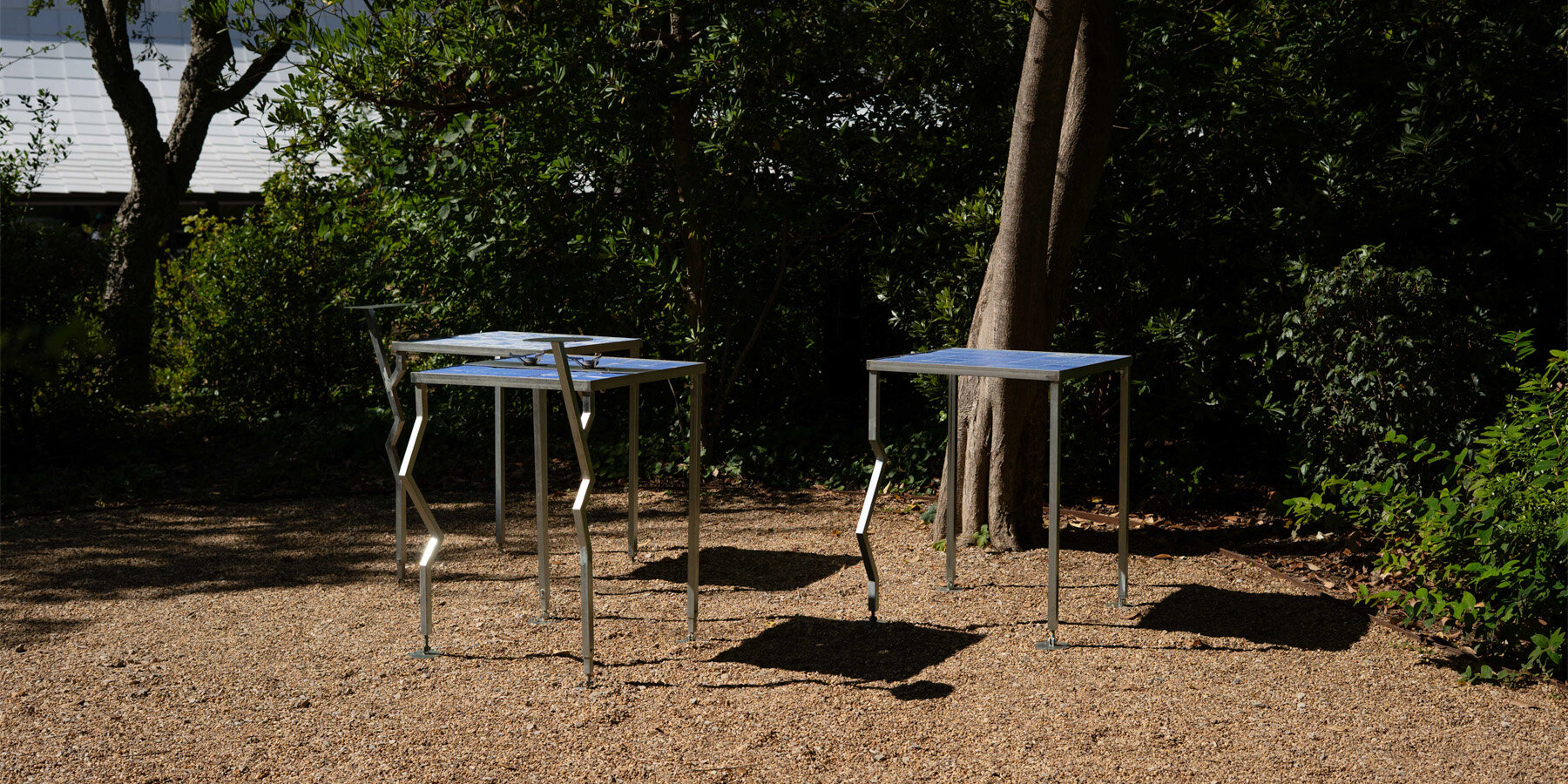
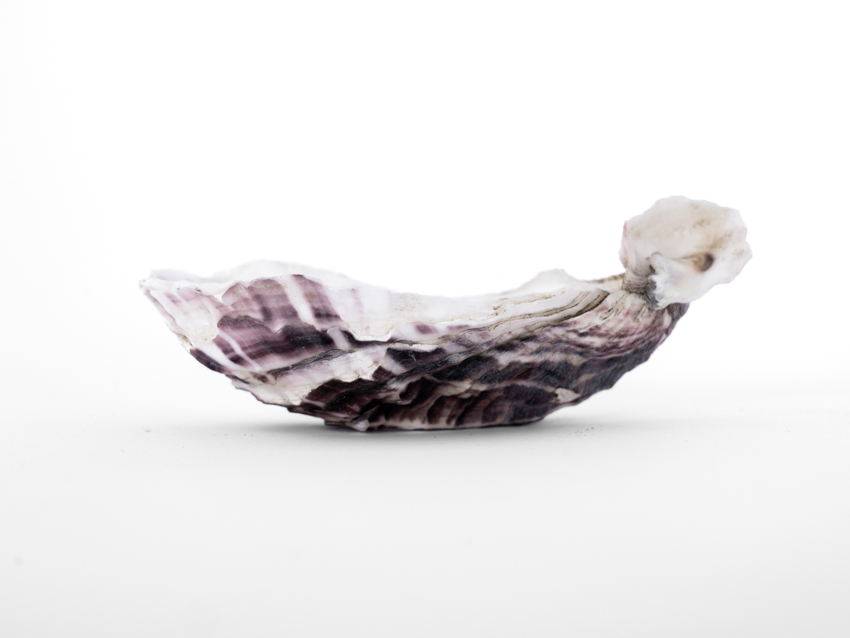
The installation is composed of three sculptural elements, a modular kitchen, a bench, and a linear table, clad in the biomaterial tiles. These tiles are designed to be biodegradable, dissolving back into natural systems as part of a circular design approach. Their development emphasizes the ecological value of oysters, which serve as natural filters, purifying up to 200 liters of water daily, stabilizing coastlines, and supporting marine biodiversity.
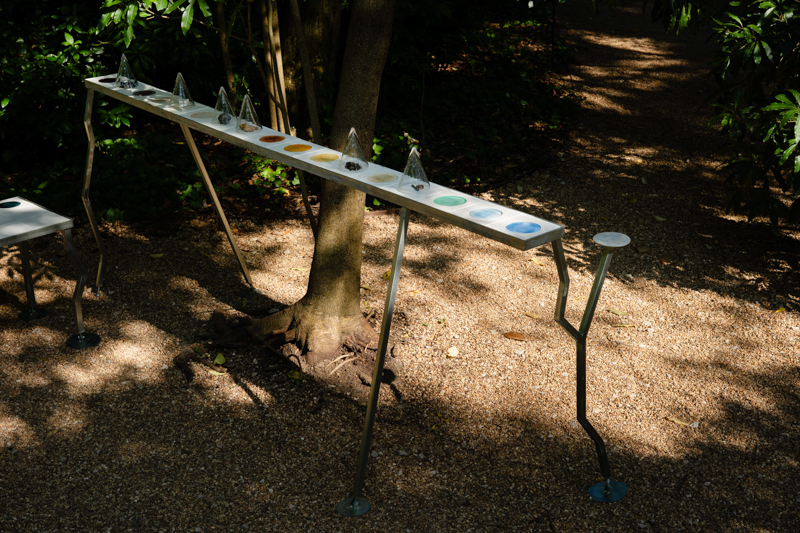
Fahrenheit 180º explores Geometries and Biomaterial Tiles
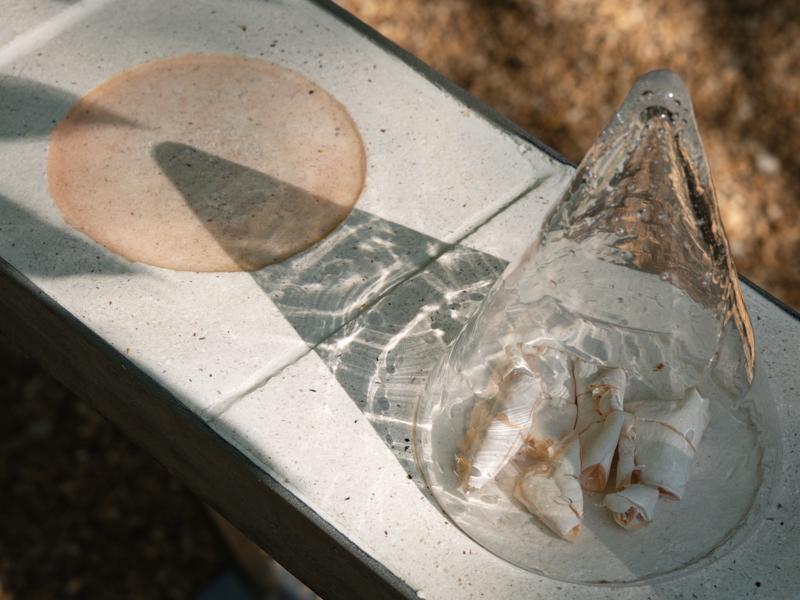
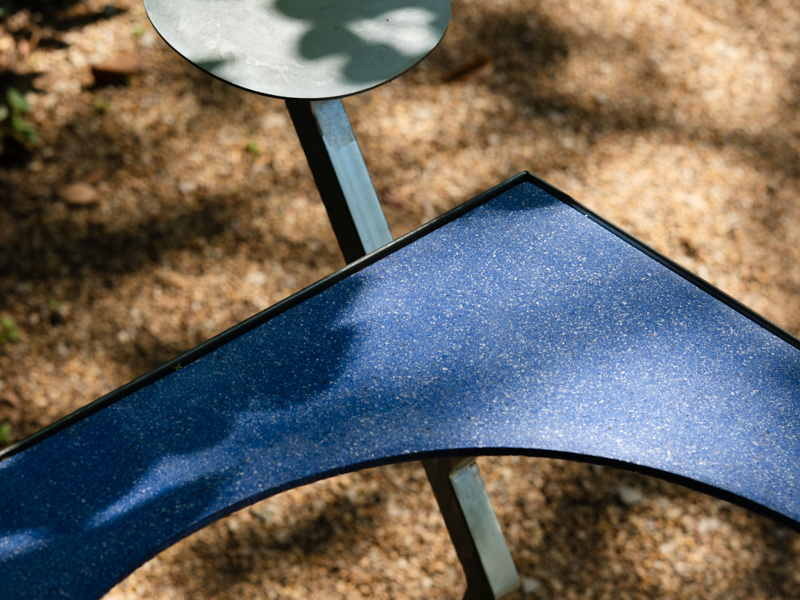
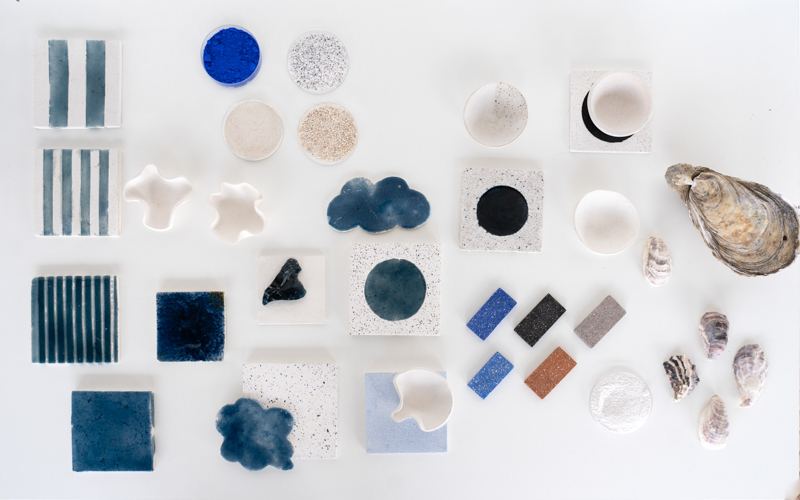
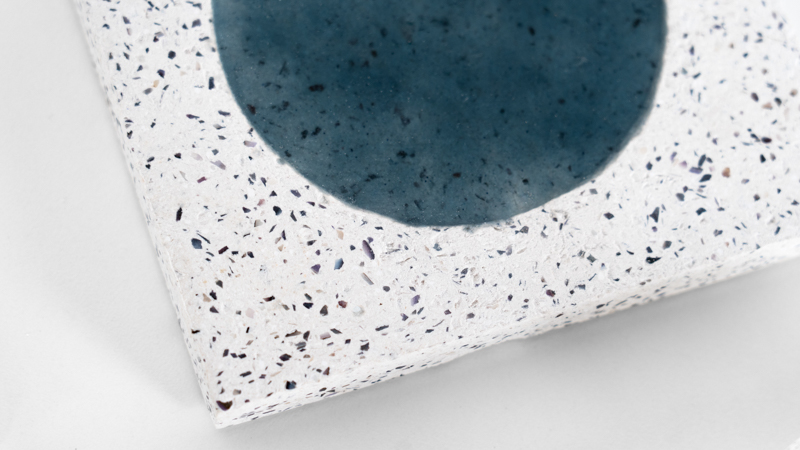
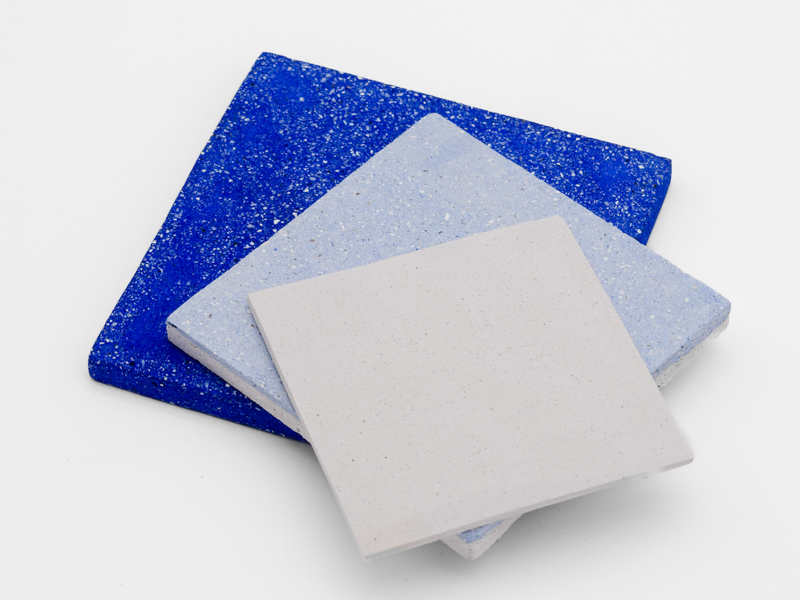
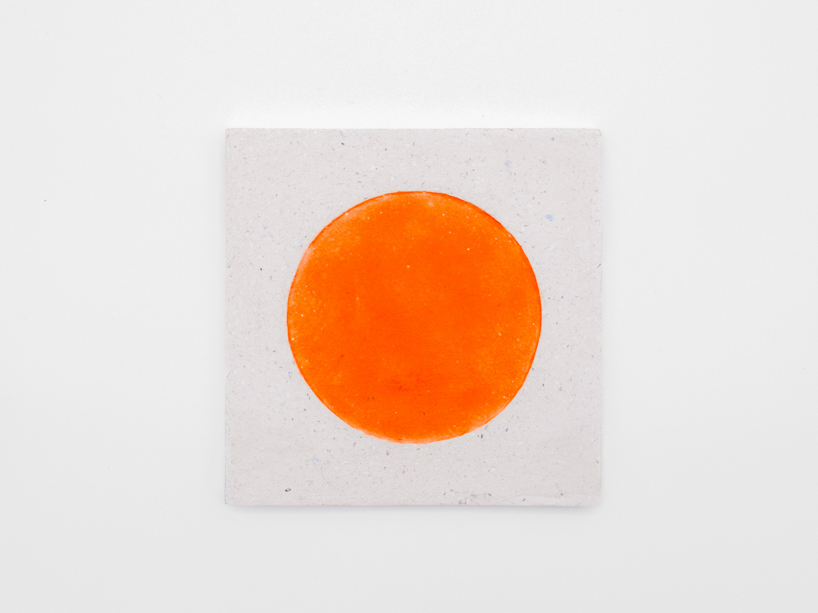
The material palette reflects the diverse colors of the Tagus and its banks, developed through a collaboration with PhD student Mariana Simões. Hues range from earthy oxides and poppy seed tones to the pinks of microalgae, expanding the chromatic possibilities of tile production beyond conventional blue-and-white traditions. Oyster shells, of which 60,000 tons are produced annually in Portugal, are sourced from farms and restaurants. After sterilization through heat and UV treatment, the shells are ground into powders of varying aggregate sizes, then bound with seaweed material to form the tiles.
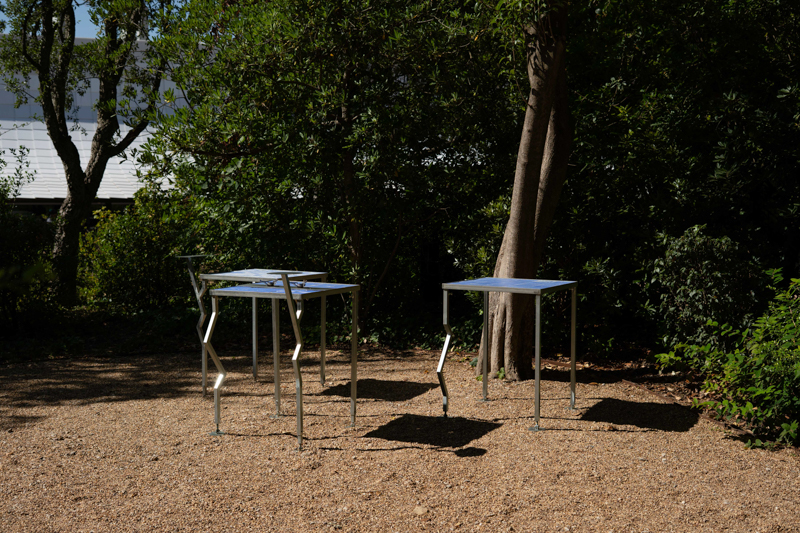
The sculptural forms, referred to as ‘creepy crawlers,’ rest within the museum gardens with angular, irregular legs that suggest movements from an underwater landscape. Their geometries favor organic distortion over strict rationality, linking ecological storytelling with spatial experimentation. From the Tagus to the Tile extends Studio Fahrenheit 180º’s research into regenerative practices that challenge extractive material systems. By revisiting the legacy of oyster farming in the Tagus estuary and connecting it with contemporary design, the project advocates for bioregional thinking and material approaches rooted in local ecological processes.
project info:
name: ‘From the Tagus to the Tile’ – ‘A flor do azulejo a cor do Tejo’
designer: Fahrenheit 180º | @Fahrenheit_180
lead designers: Jeremy Morris, Luca Carlisle
shop
your own online design shop — no sales commission collected