ELSE Design reinterprets the hay bale as a sculptural installation
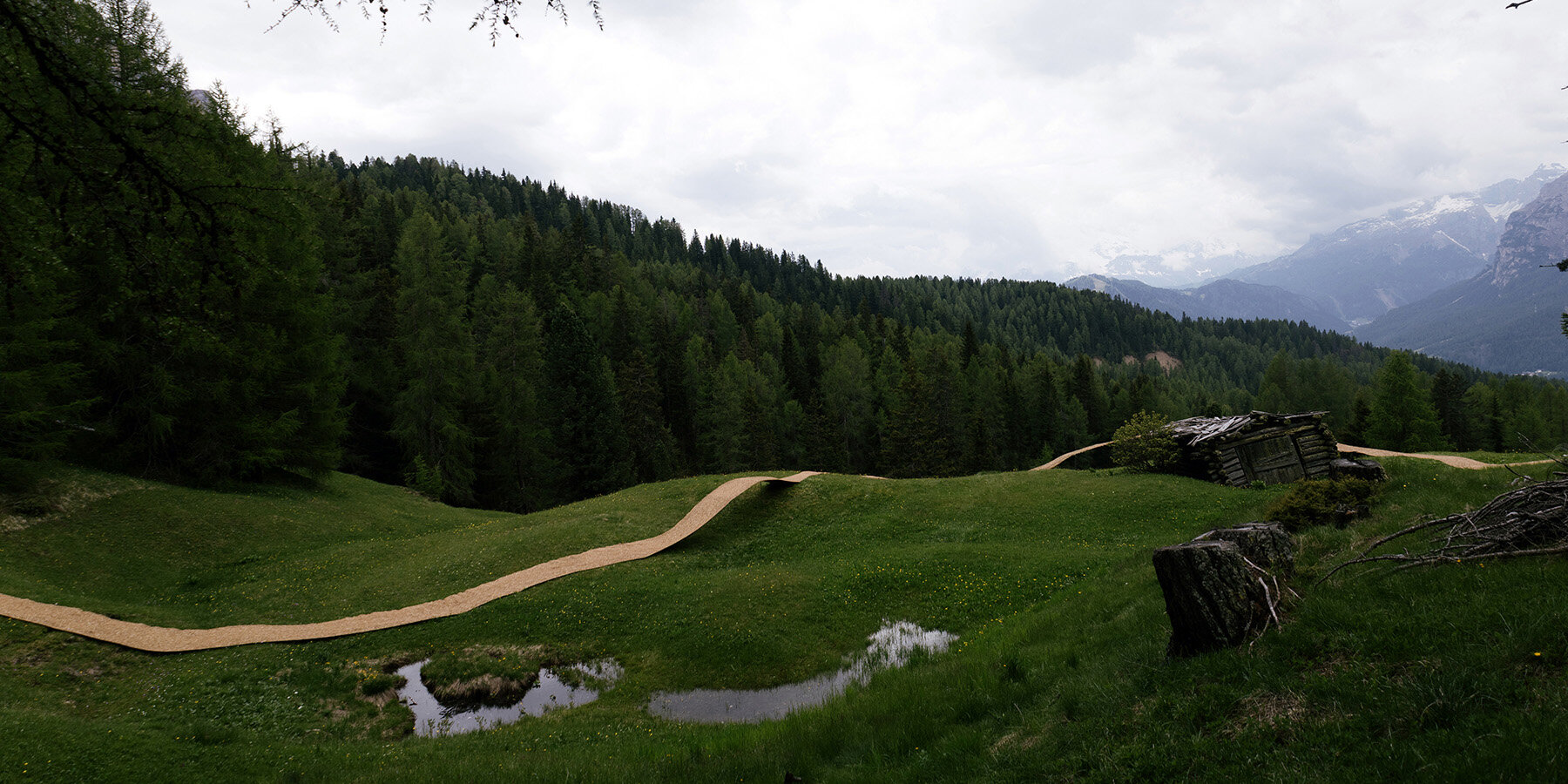
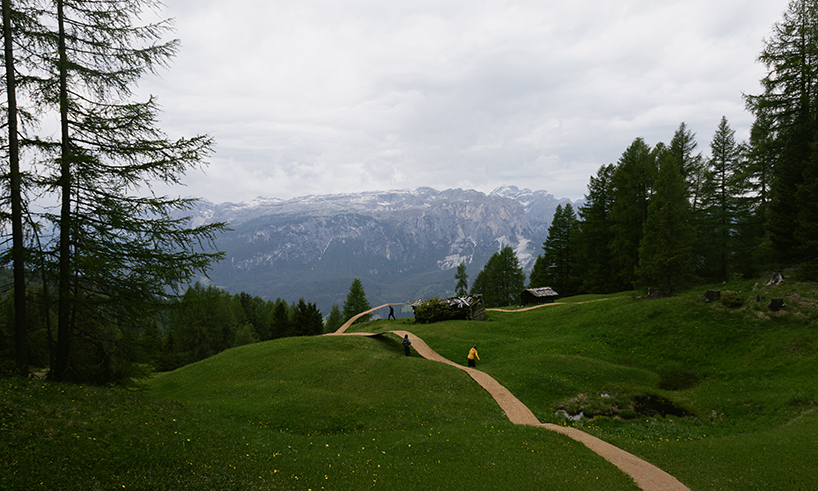
Trace of Land by ELSE Design reinterprets the hay bale as a spatial installation that unfolds across the pastures of Val Badia in the Italian Dolomites. Presented as part of SMACH 2025, the international open-air art biennale, the project transforms an agricultural object into a canopy-like structure that follows the terrain, offering places for shade, rest, and gathering.
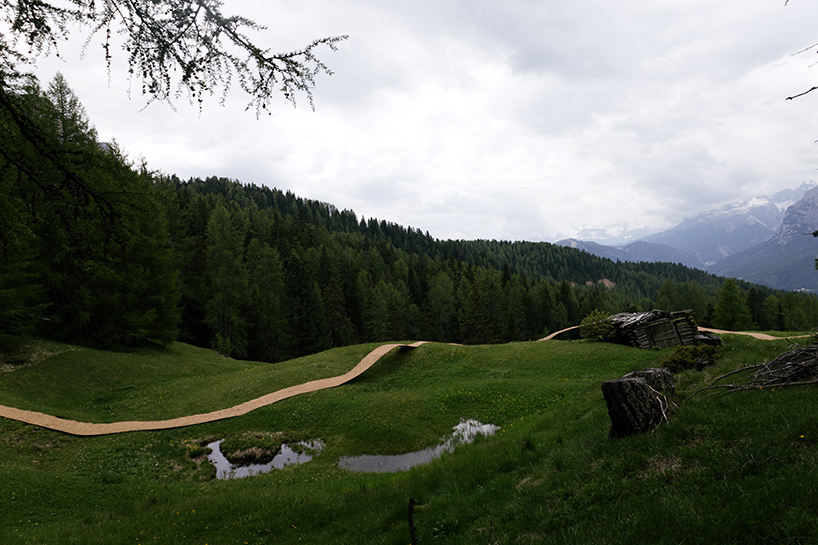
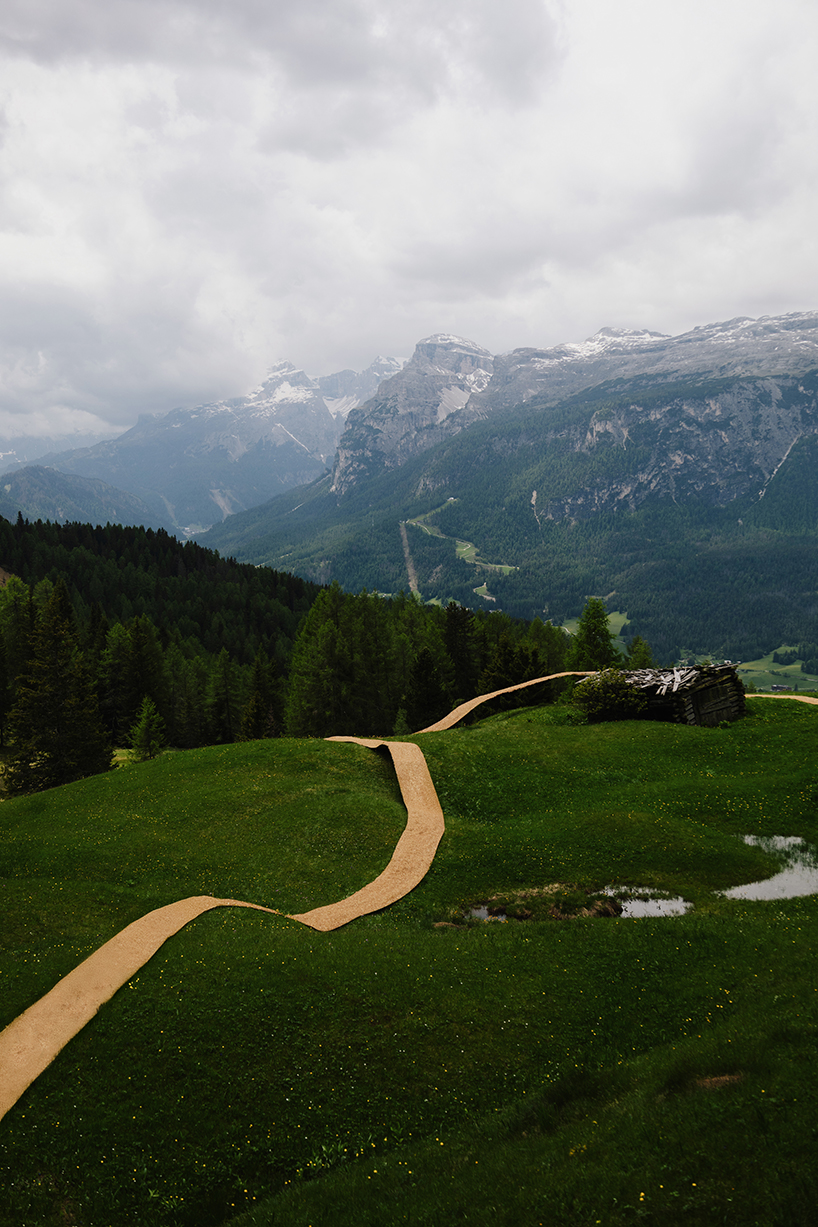
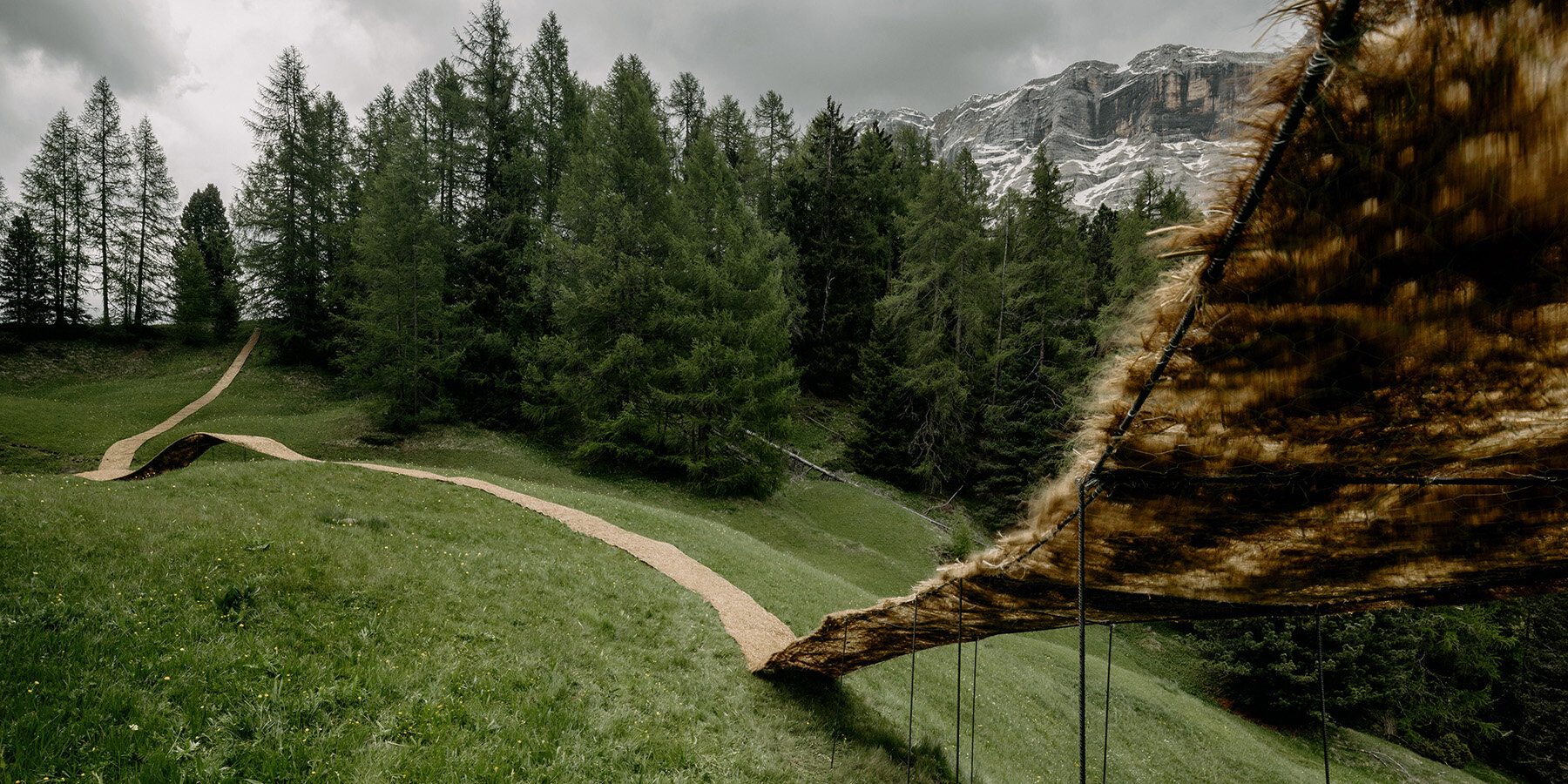
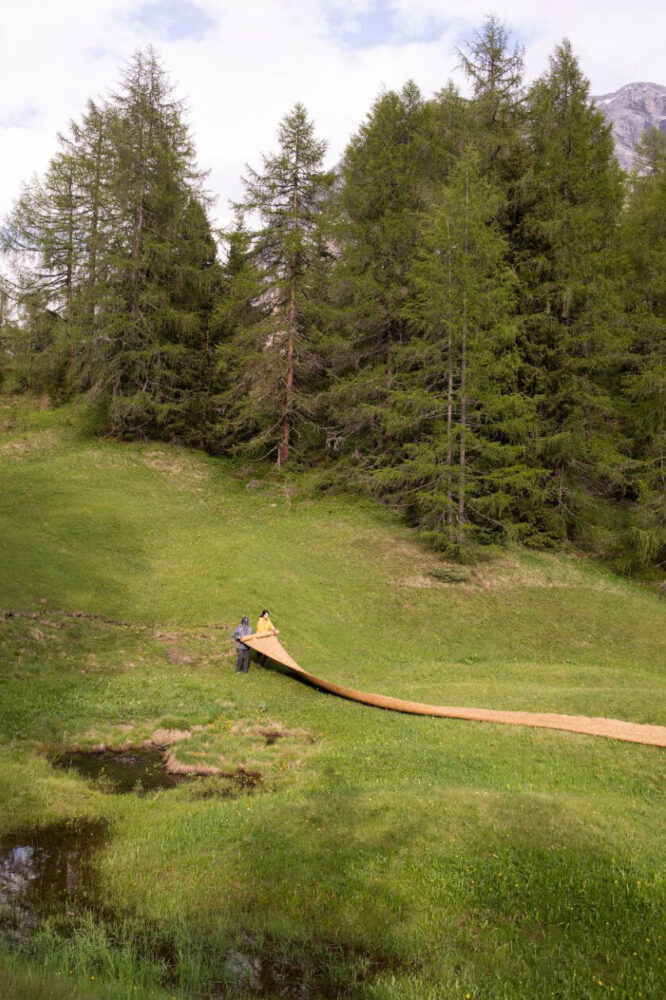
The land art installation takes the form of a continuous path of unfurled hay bales that move with the contours of the alpine landscape. Removed from its functional role in farming, the hay bale becomes both sculptural and architectural, drawing attention to the relationship between human labor, tools, and the land.
all images by Gustav Willeit
Trace of Land becomes a site for reflection on land and labor
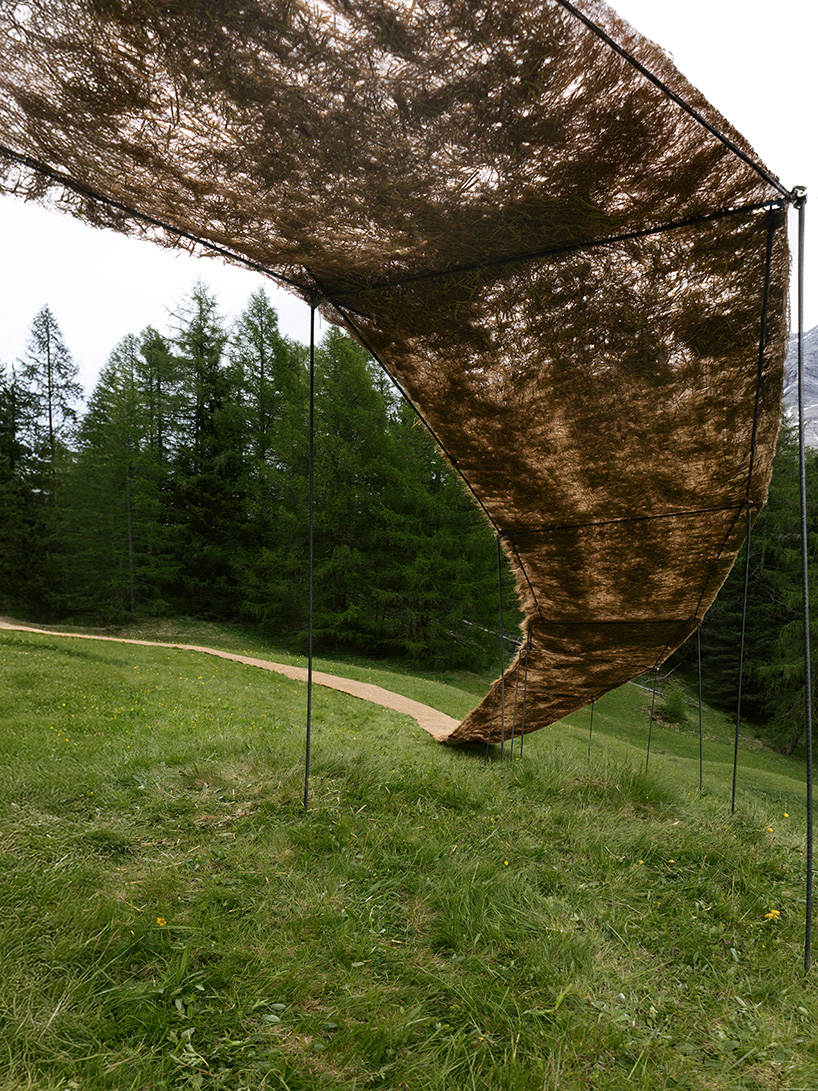
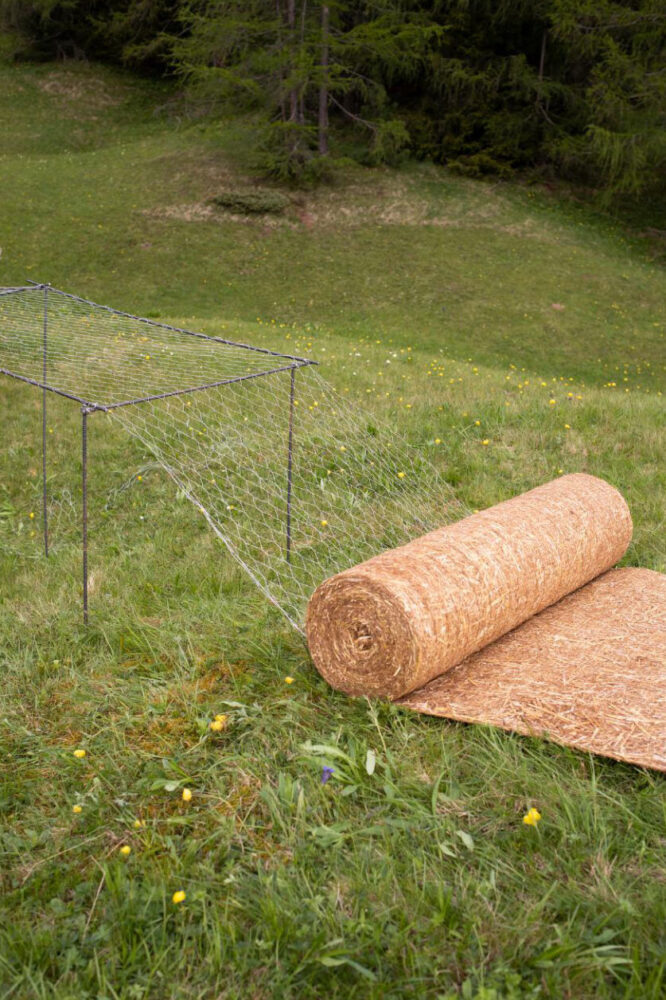
Typically seen as iconic remnants of agrarian life, hay bales are in fact products of industrialized processes, bundled, stored, and transported by machinery. In Trace of Land, this industrial form is loosened and reshaped, creating a structure that alternates between lying on the ground and lifting lightly to form shaded passages. The result is a temporary canopy that mediates between agricultural efficiency and natural setting.
The installation by ELSE Design Studio aligns with SMACH’s 2025 theme, la cu, the Ladin word for whetstone, a tool used to sharpen harvesting blades, by highlighting the reciprocity between human work and landscape. Visitors are invited to walk along and beneath the structure, using rectangular bales arranged as seating to pause and reflect. As time passes, the hay will naturally decompose, returning to the soil and completing a cycle of use and renewal, reinforcing the installation’s dialogue between cultivation, transformation, and the environment.
Trace of Land unfolds across the alpine pastures of Val Badia
ELSE Design reinterprets the hay bale as a sculptural installation
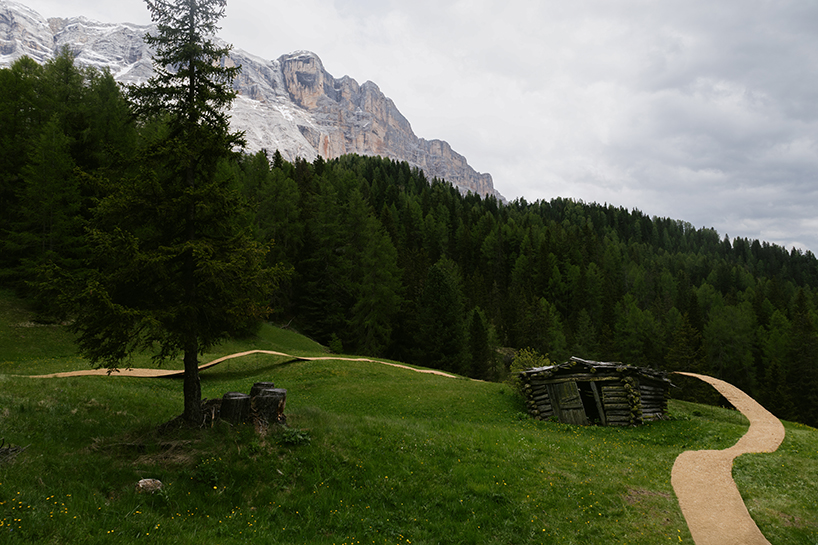
unfurled hay bales create a meandering canopy through the landscape
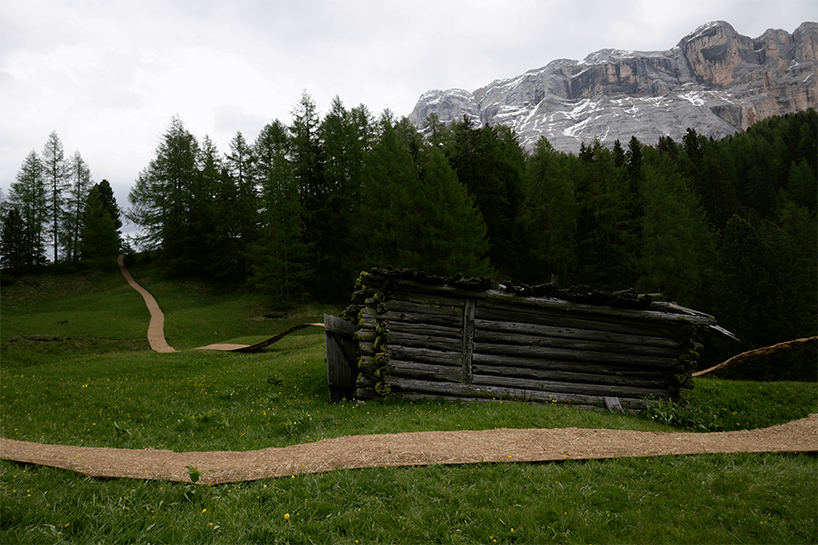
the structure follows the natural contours of the alpine terrain
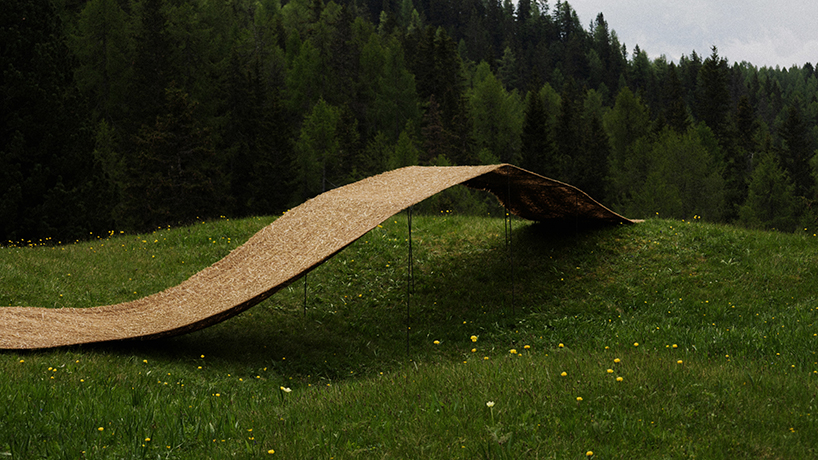
the installation offers shaded spaces for gathering and reflection
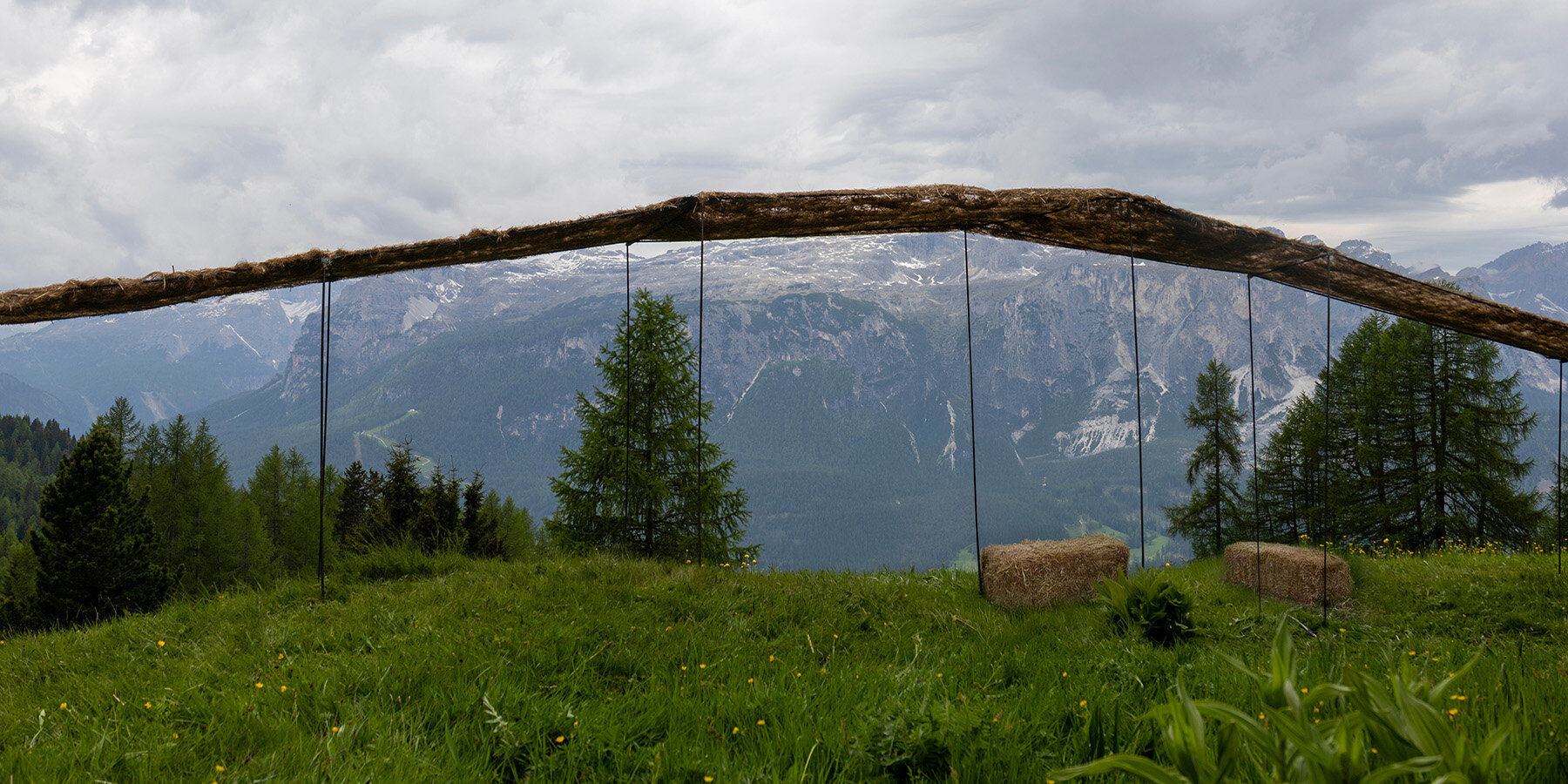
an agricultural object is transformed into a temporary pavilion
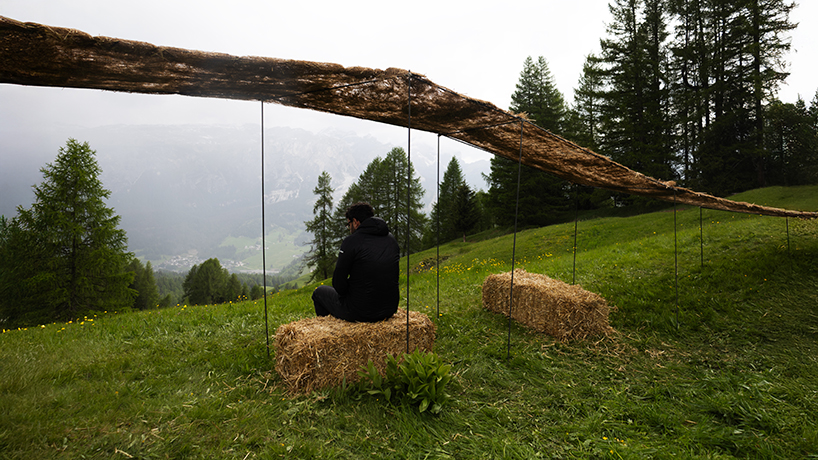
rectangular bales are arranged as seating within the installation
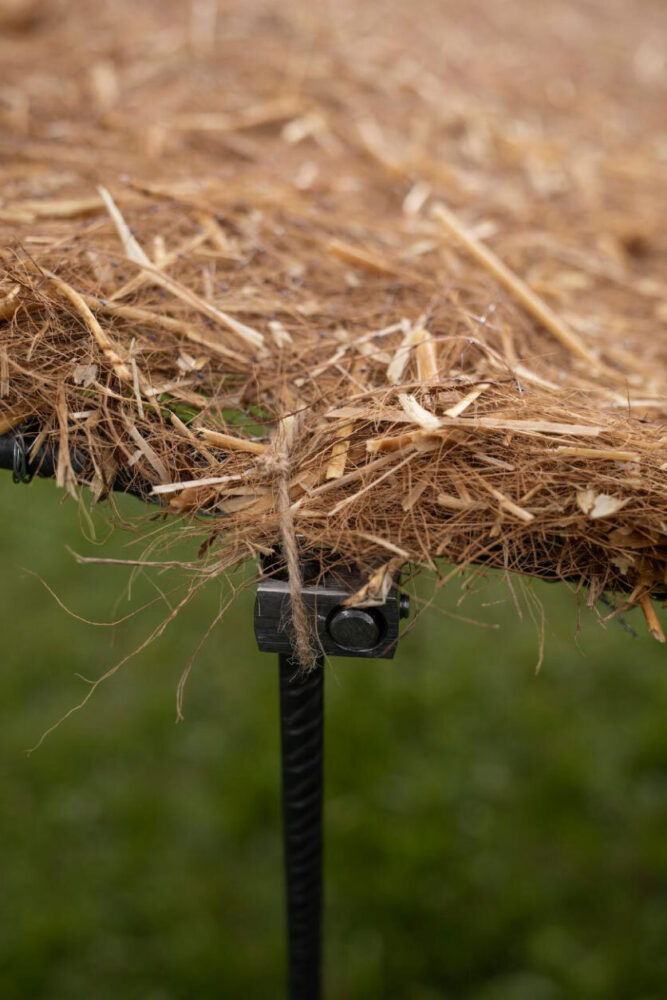
hay bales, typically industrially produced, are loosened and reshaped
hay bales are reimagined as both architectural and sculptural elements
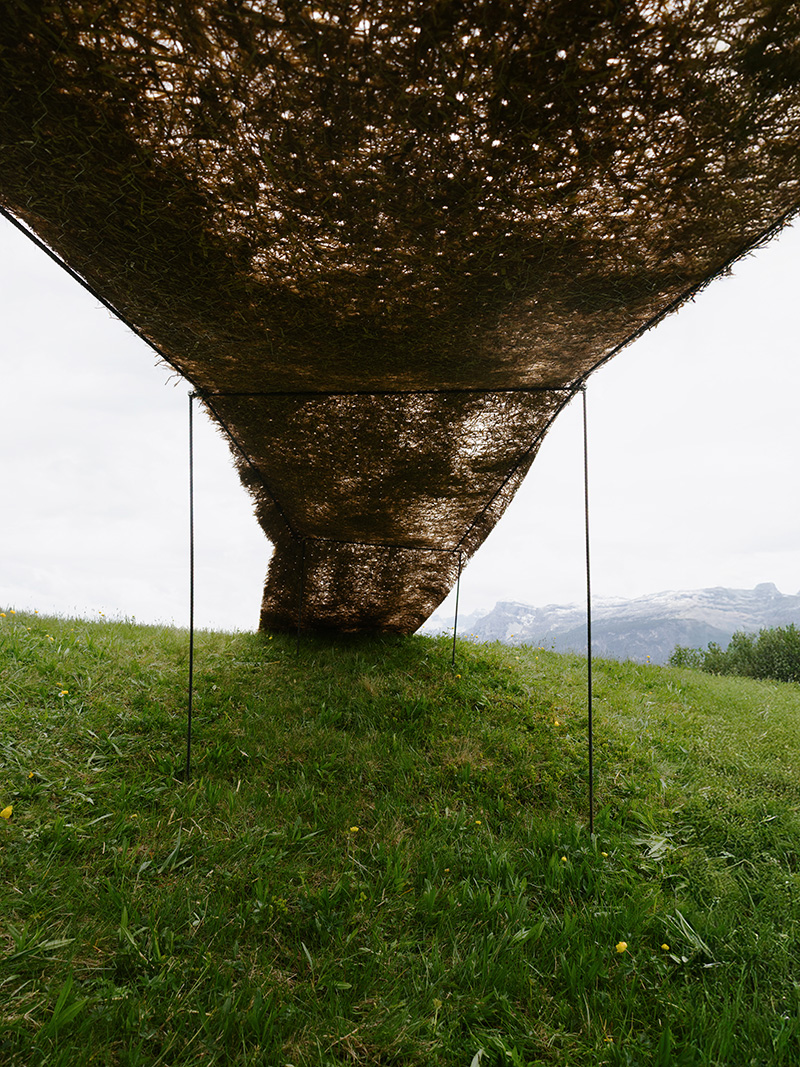
sections rise lightly to create passages beneath the canopy
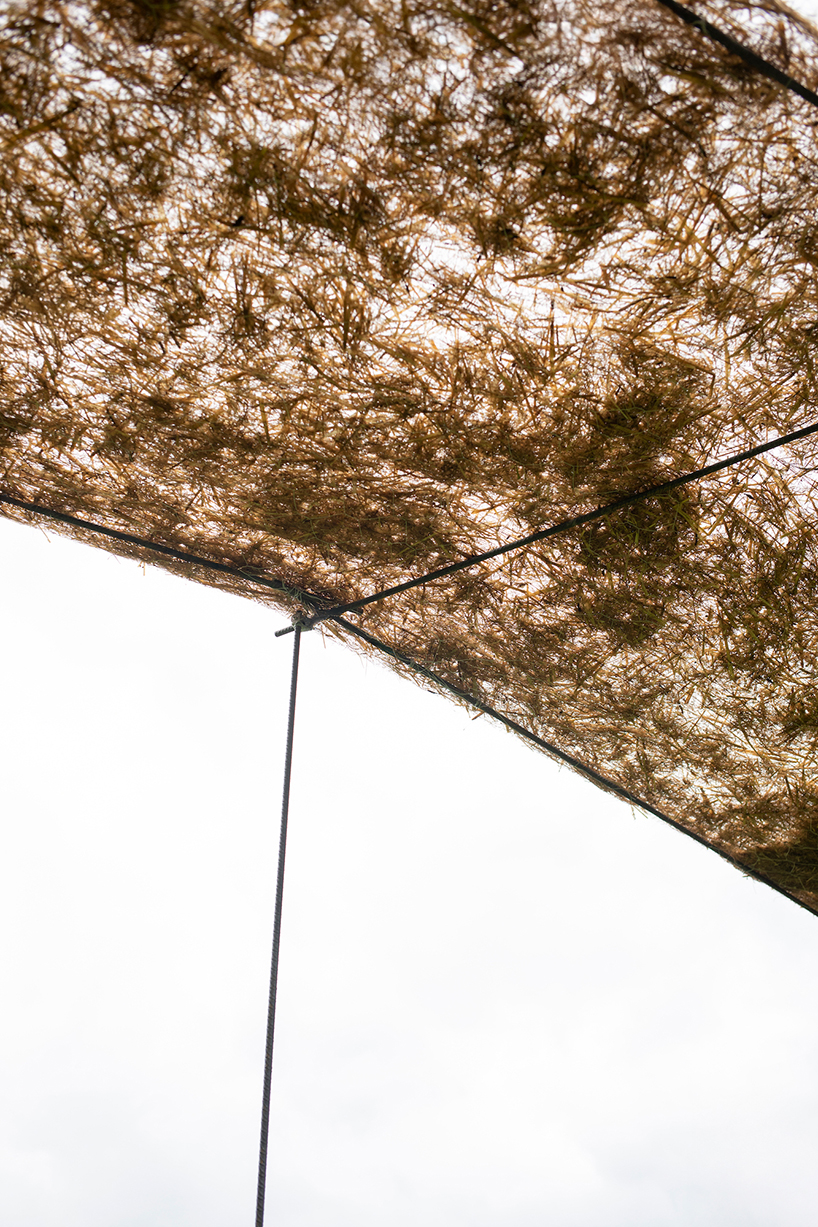
the temporary canopy becomes a site for reflection on land and labor
project info:
name: Trace of Land
architect: ELSE Design | @design_by_else
lead designers: Zhifei Xu, Zimo Zhang
location: Val Badia, Dolomite Mountains, Italy
photographer: Gustav Willeit | @sangu
designboom has received this project from our DIY submissions feature, where we welcome our readers to submit their own work for publication. see more project submissions from our readers here.
edited by: christina vergopoulou | designboom
architecture in italy (651)
 Jan 28, 2026
 Jan 20, 2026
 Jan 20, 2026
 Jan 19, 2026
 Jan 06, 2026
interactive installation (525)
 Jan 30, 2026
 Jan 24, 2026
 Jan 22, 2026
 Jan 20, 2026 Jan 19, 2026
land art (53)
Jan 24, 2026 Jan 15, 2026
 Nov 05, 2025
 Aug 27, 2025
 Aug 17, 2025
 Jan 22, 2026
 Jan 01, 2026
 Nov 27, 2025
 Nov 14, 2025