
modular emergency habitats transform from flat objects to 3D structures by pulling a string
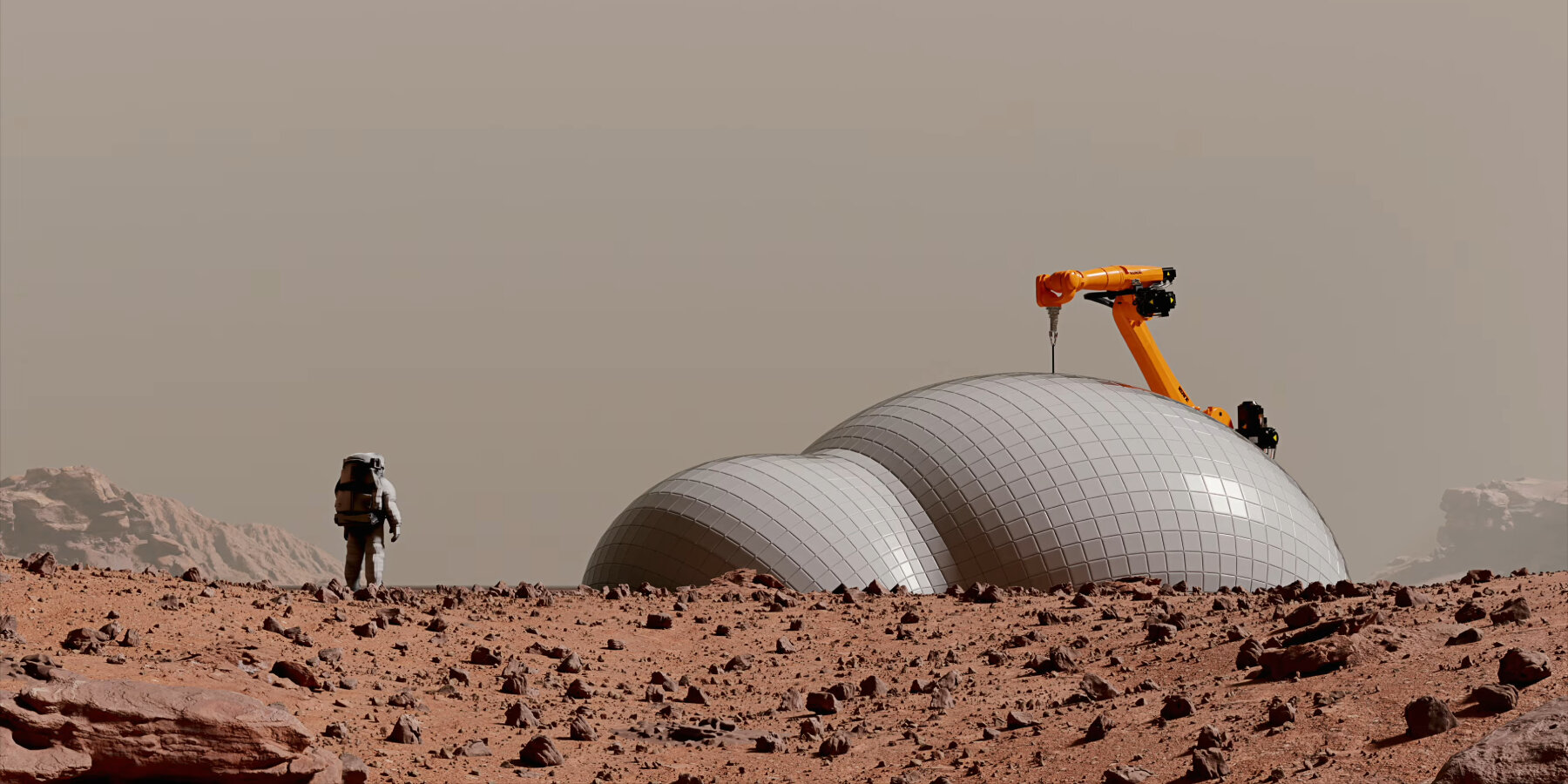
the purpose of the research is to create an easily deployable architecture for disaster zones and even space habitats and infrastructure on mars.
string turns flat objects into 3D modular emergency habitats
Researchers at MIT develop a method that turns flat objects into 3D modular emergency habitats by pulling a string. The purpose of the research is to create an easily deployable architecture for disaster zones and even space habitats and infrastructure on Mars. The team says that traditional deployable structures exist, but they are often manually designed, geometrically simple, and dependent on complex systems. They then set out to reduce that complexity by replacing multi-step assembly with a single pull.
The promise behind the new method developed by researchers at MIT is simple: to turn complex 3D structures like modular emergency habitats into flat objects that can be deployed into their final form with a single pull of a string. The project aims to reframe how deployable structures can be conceived, fabricated, and used, especially at a time when speed, portability, and reversibility are increasingly much more important to design.
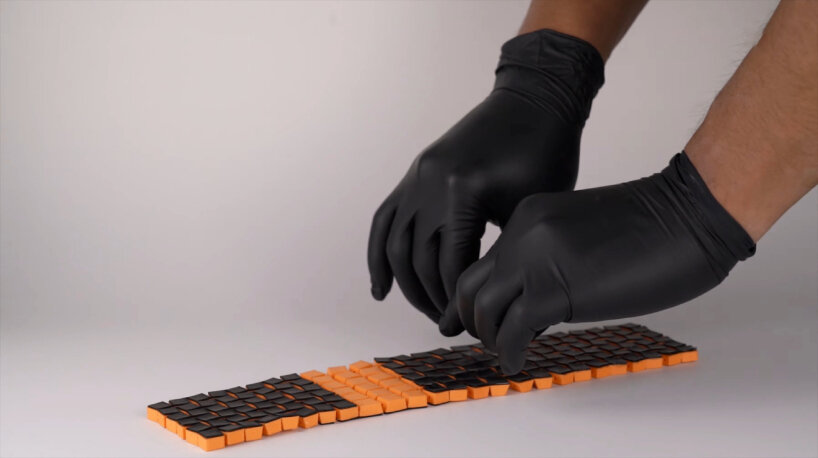
Design draws from the japanese art of cutting paper
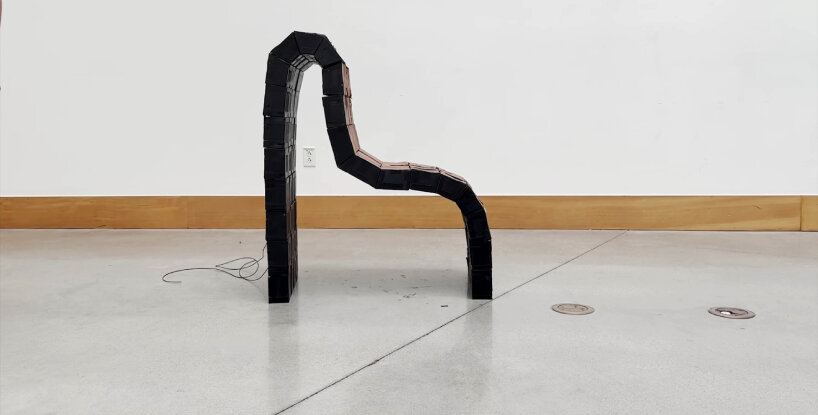
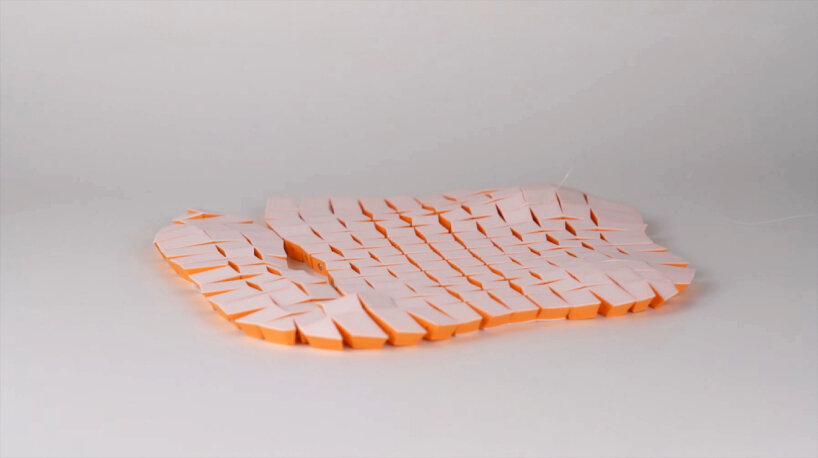
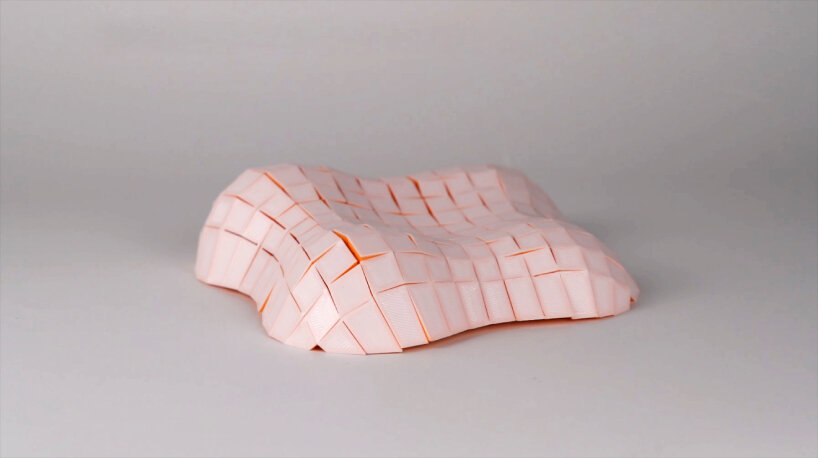
The researchers begin with a user-defined 3D form, anything from a medical splint to a chair or a dome-like shelter. Their algorithm then translates this form into a flat object with interconnected quadrilateral tiles, linked by rotating hinges at the corners. They allow the modular emergency habitats to transition smoothly between flat and curved 3D states. The transformation is actuated not by motors or air pressure, but by tightening a single string routed through the structure. Pulling a string through a complex network of tiles introduces friction, uneven forces, and the risk of incomplete deployment. To address this, the researchers developed a two-step optimization process.
First, the algorithm determines the minimum number of points that must be lifted for the structure to reach its intended shape. Then it calculates the shortest possible string path that connects those points while also guiding the boundary tiles into position to minimize friction. The researchers detail in the study that the method also draws from kirigami, the Japanese art of cutting paper to create expandable forms. By encoding the structure with auxetic behavior, meaning it thickens when stretched and thins when compressed, the flat tiles gain the ability to expand into curved volumes, allowing the formation of the modular emergency habitats into their full 3D structures.
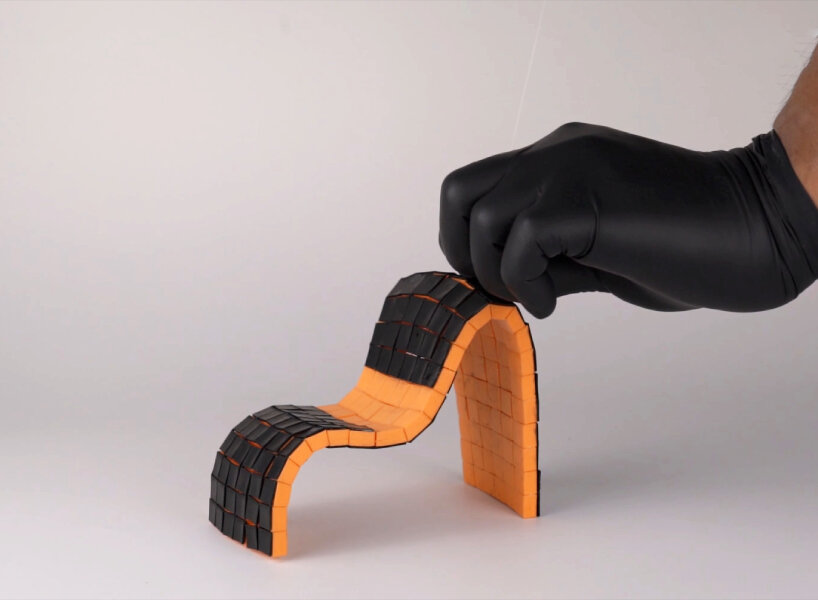
Potential use includes deployable hospital units
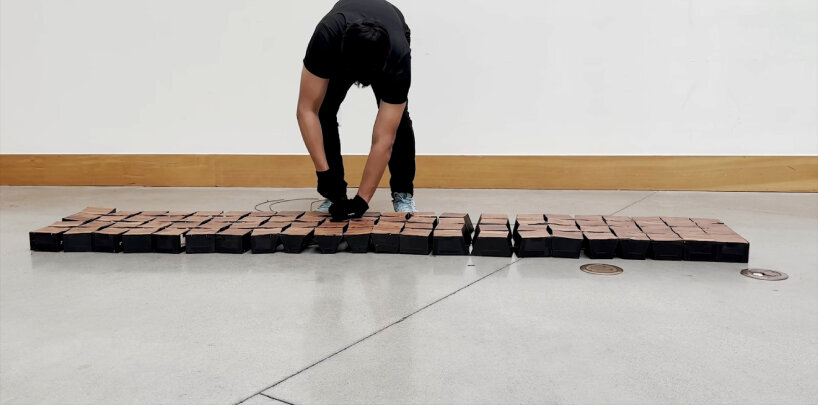
One of the key design advantages of the system is reversibility. When the string is released, the structure collapses back into its flat state. This makes storage and transportation significantly more efficient and reduces material waste. A deployable hospital unit, for example, could be shipped flat, deployed on-site in seconds, and later disassembled just as easily. The same logic applies to smaller objects, such as wearable medical supports or foldable safety equipment, which benefit from being compact when not in use.
The method is also fabrication-agnostic. Because the algorithm outputs a tile-based structure rather than a fixed manufacturing recipe, the designs can be produced using 3D printing, CNC milling, molding, or hybrid techniques. Hinges can be printed in flexible materials, while tiles remain rigid, allowing designers to tune durability, weight, and cost. This flexibility broadens the system’s relevance across industries, from healthcare to robotics and aerospace. The result of the study then is not just a new mechanism but a framework for thinking about how objects move from storage to function: quickly, reversibly, and with minimal intervention.

shop
your own online design shop — no sales commission collected