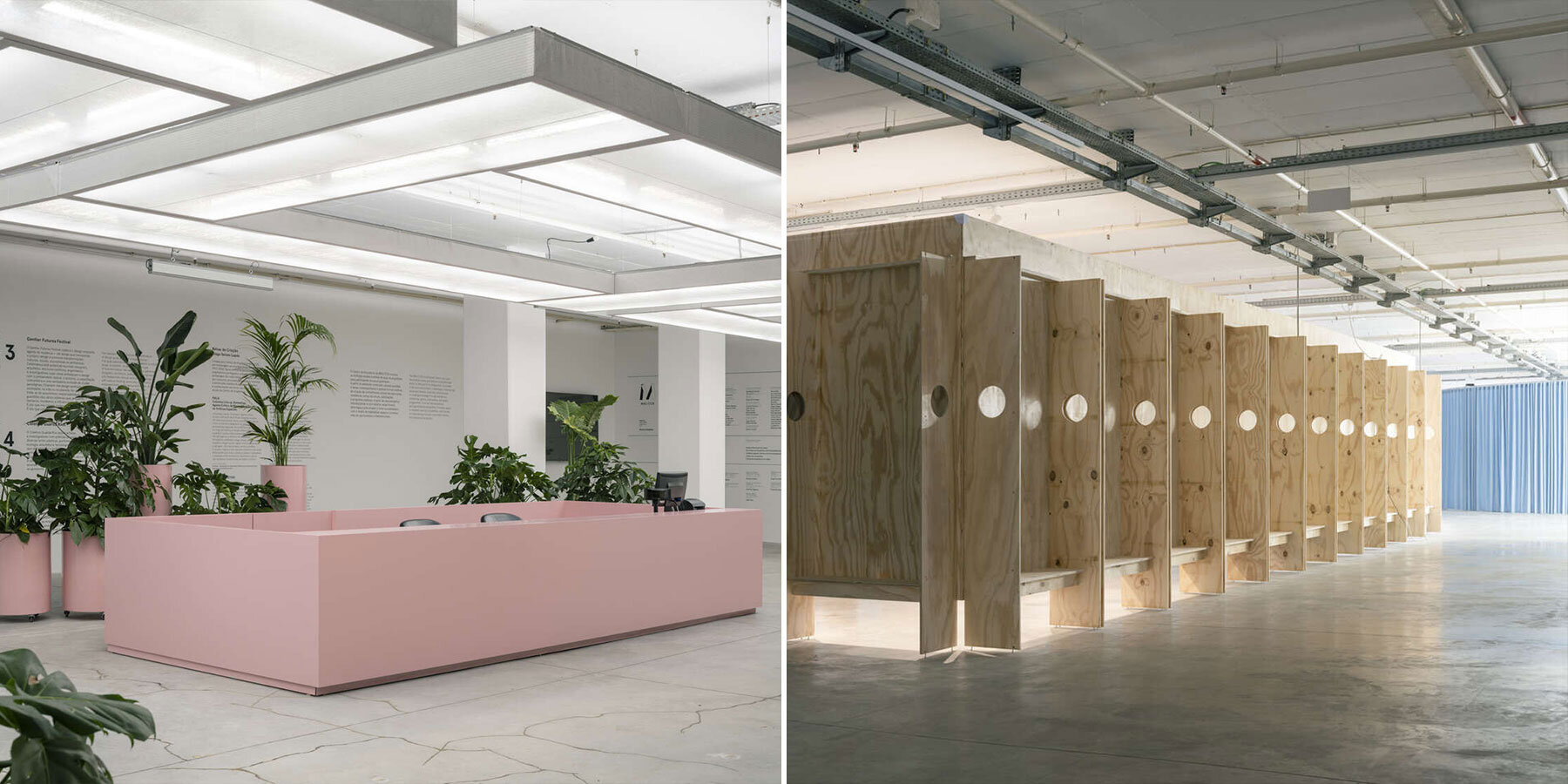
bureau’s architectural approach through exhibition design
BUREAU completes Garage Encounters, a 2,200-square-meter semi-permanent scenography and exhibition framework for Garagem Sul at Lisbon’s MAC/CCB – Museum of Contemporary Art and Architecture Centre. Conceived by Daniel Zamarbide together with Carine Pimenta, the project inaugurates the transformed space by questioning the idea that architecture only truly exists when it becomes a building.
Fragments and echoes of well-known institutions, including Serralves, Sir John Soane’s Museum, El Prado, and the Uffizi, are displaced and re-enacted as atmospheric references. Removed from their original authority, these spaces appear more informal, their institutional rigidity softened through exposure.
This deliberate merging recalls Harald Szeemann’s When Attitude Becomes Form (1969), where process and display were inseparable. At Garagem Sul, construction methods, joints, reused elements, and infrastructural components are presented as part of the spatial narrative.
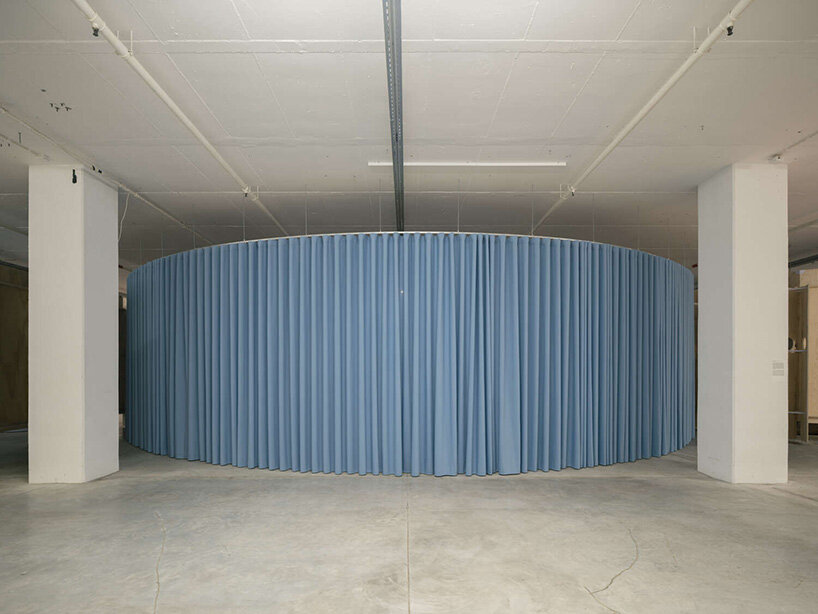
all images by Dylan Perrenoud
resetting the space through material reuse and light
Garage Encounters positions exhibition design as a fully architectural act that operates through space, construction, circulation, and public encounter. Approximately 80 percent of the construction draws from previous exhibition materials, reassembled and reactivated within the new scenography. These elements carry their own histories, embedding past cultural moments into the present configuration.
Before this transformation could occur, the space itself had to be reset. Garagem Sul was cleared of accumulated architectural layers that had built up over years of use. Existing materials were exposed, and natural light was reopened and made accessible.
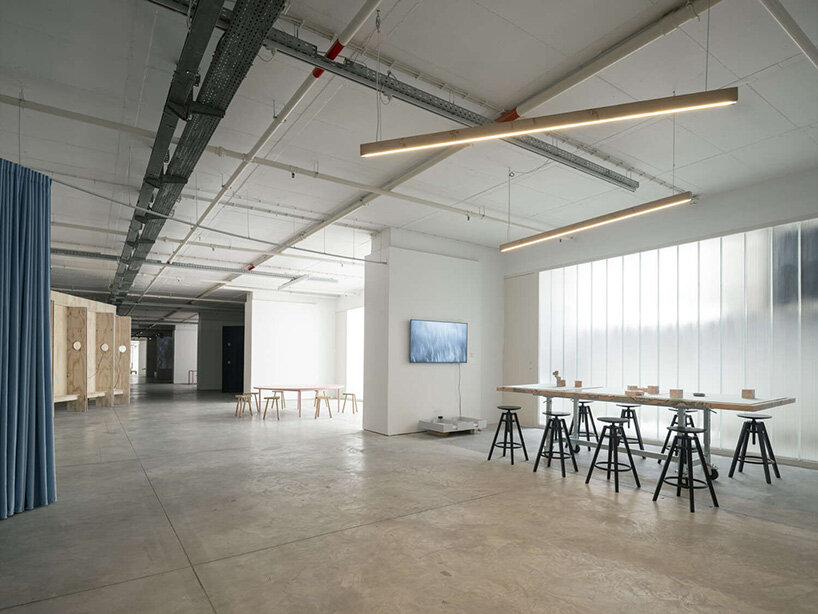
the scenographic framework opens into gathering zones
a civic space open to multiple forms of presence
Zamarbide’s conceptual starting point is historical and political. Figures such as Carlo Scarpa, whose lifelong dedication to exhibition design was long sidelined in architectural discourse, or Lilly Reich, whose work was eclipsed behind canonical names, become silent references. Exhibition-making here is understood as a civic practice, one that has always negotiated between pedagogy, representation, and public life. Museums may provide the institutional shell, but exhibitions are the moments where architecture becomes accessible.
Garage Encounters is conceived to host Interspecies, the inaugural public program for the renewed space. The exhibition introduces more-than-human perspectives into architectural discourse, addressing the near invisibility of non-human actors in architecture’s narratives. In this context, the garage becomes a place for multiple forms of wandering, observation, and coexistence, extending the idea of public space beyond strictly human concerns.
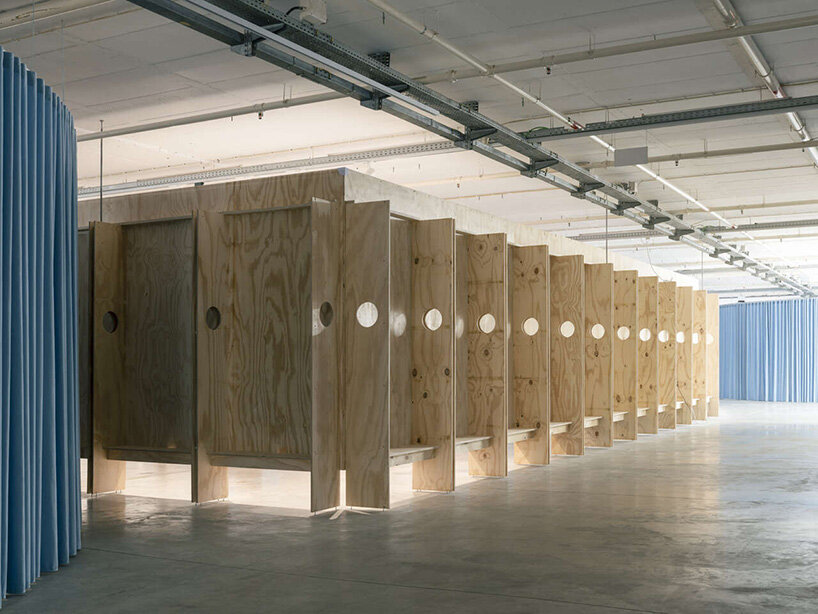
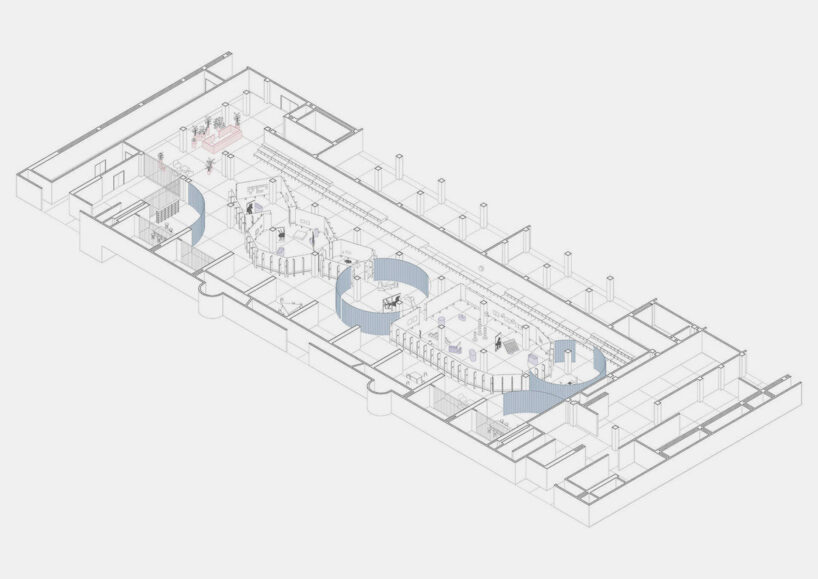
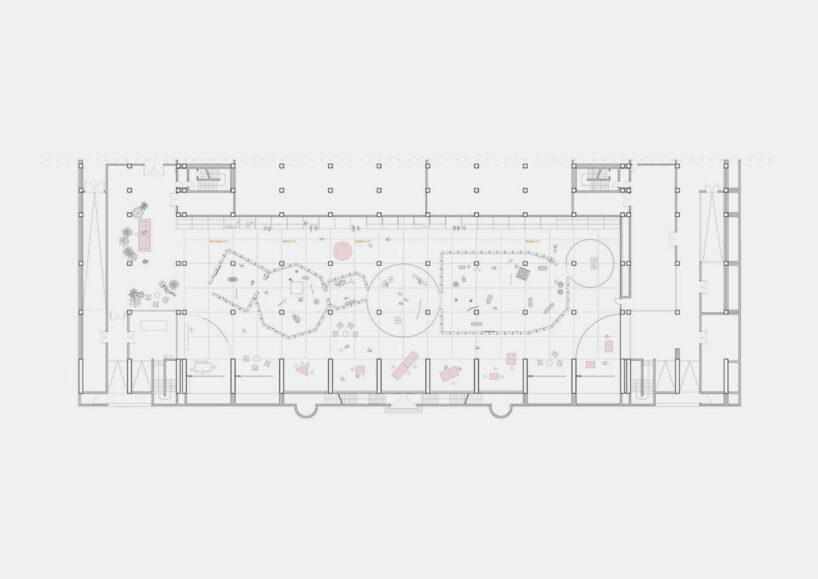
a long sequence of plywood-built compartments creates rhythm and repetition along the open garage floor
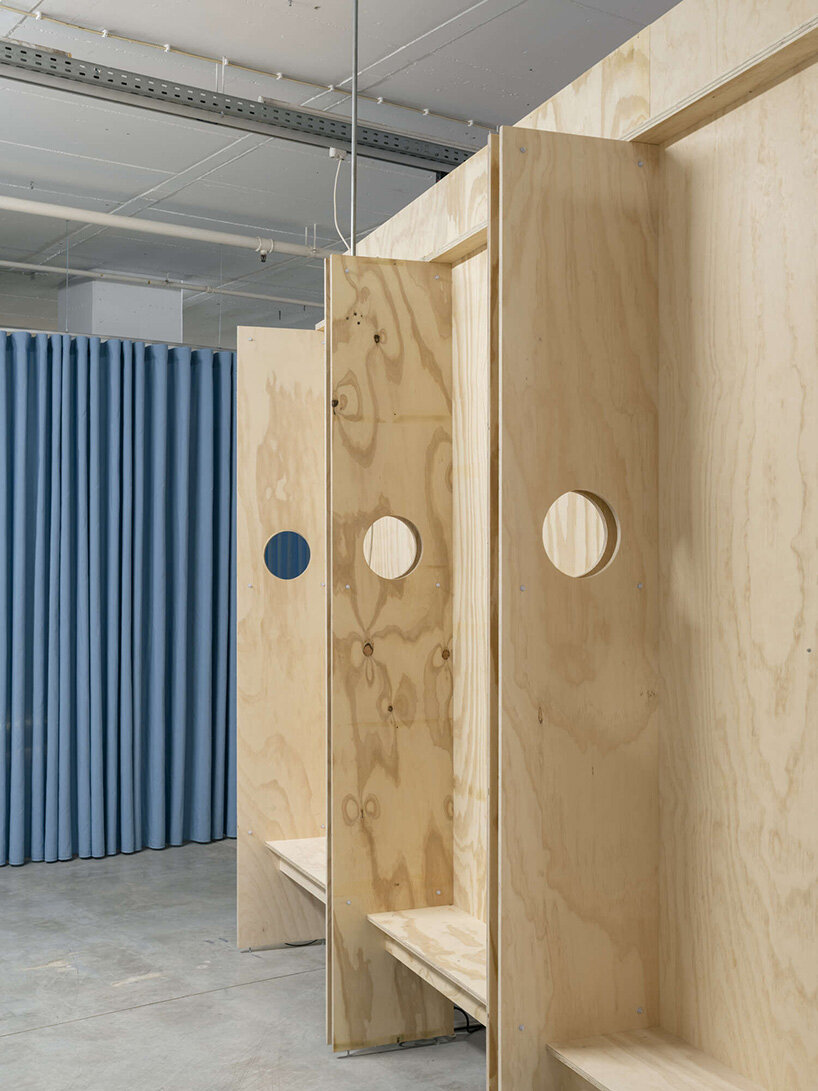
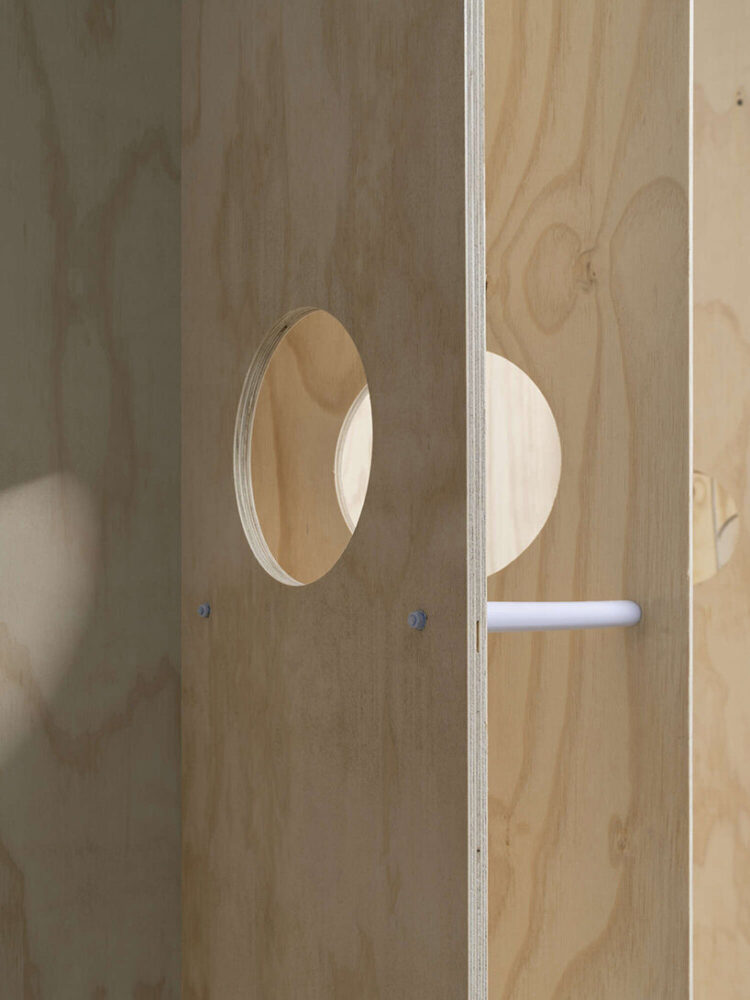
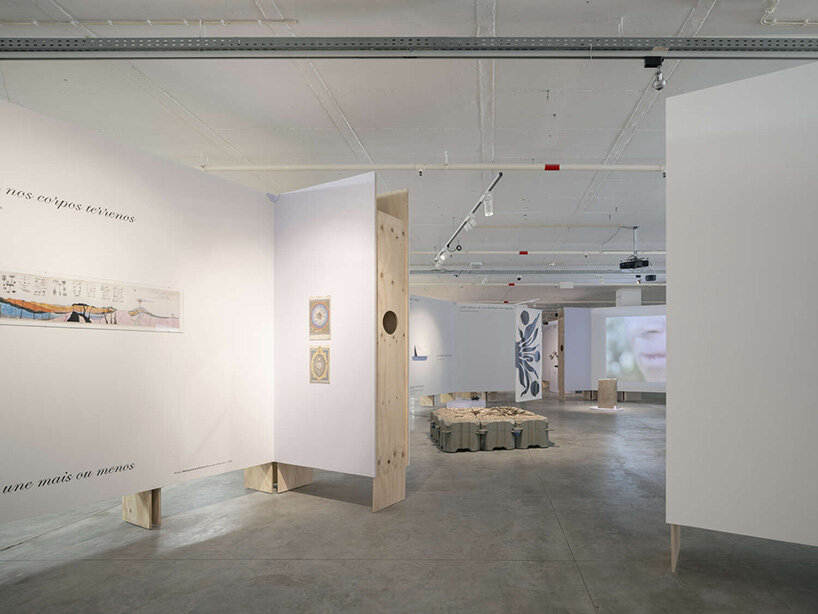
plywood partitions with circular openings frame moments of passage
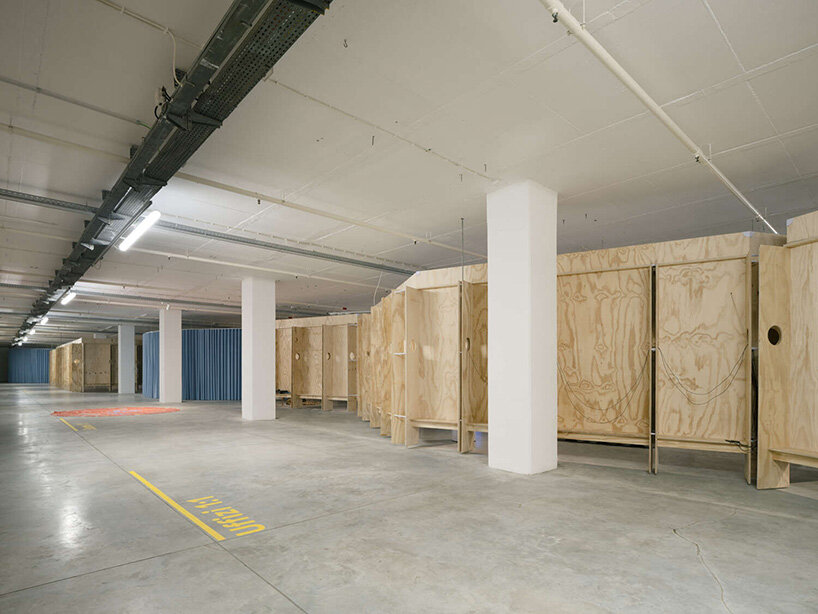
a sequence of rooms that reorganize movement and pause
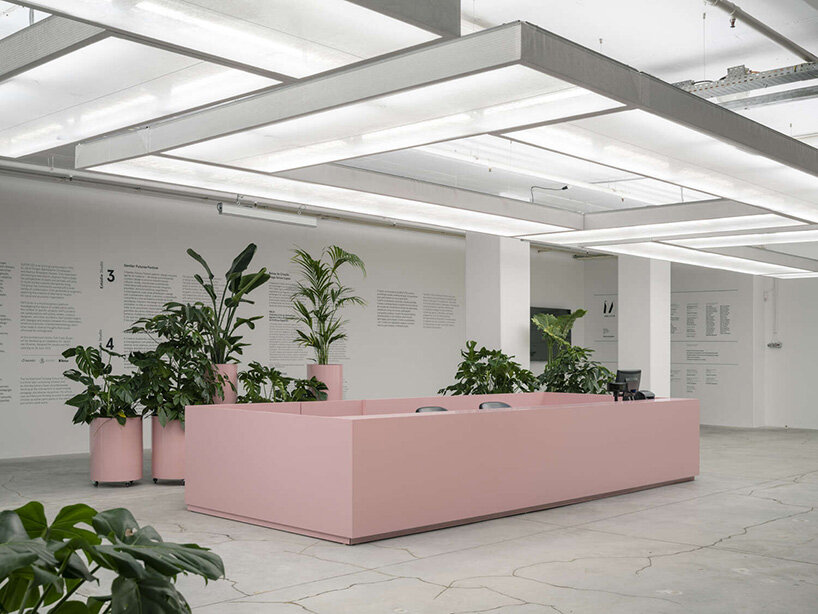
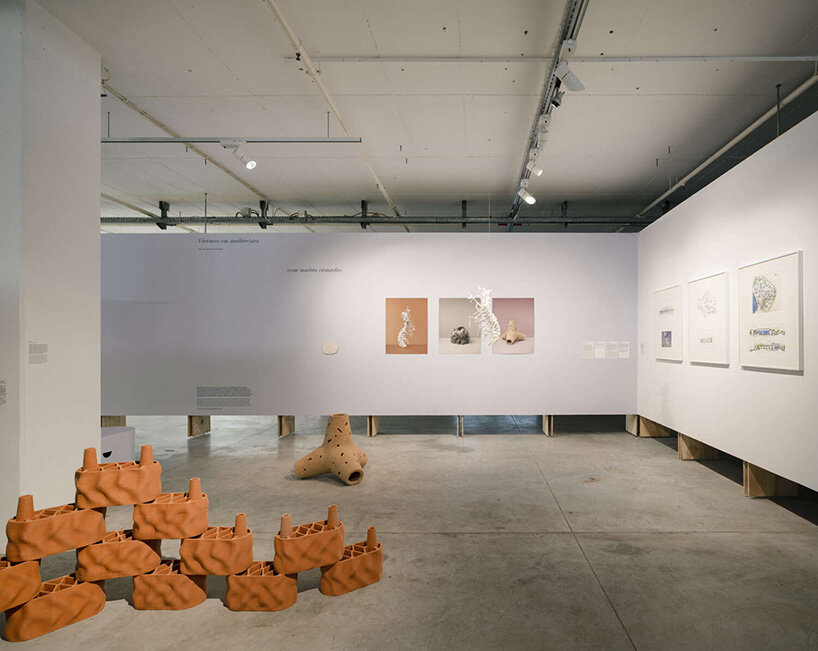
custom furniture elements anchor exhibition content
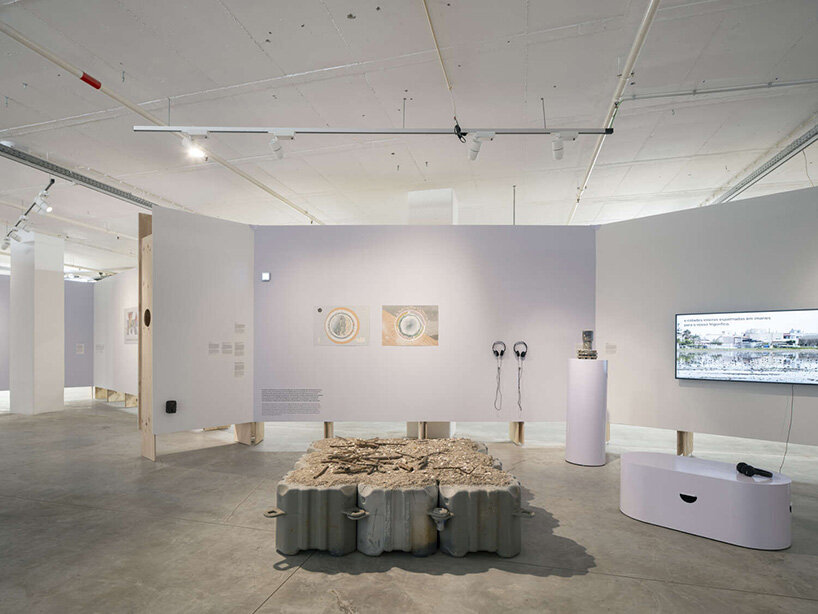
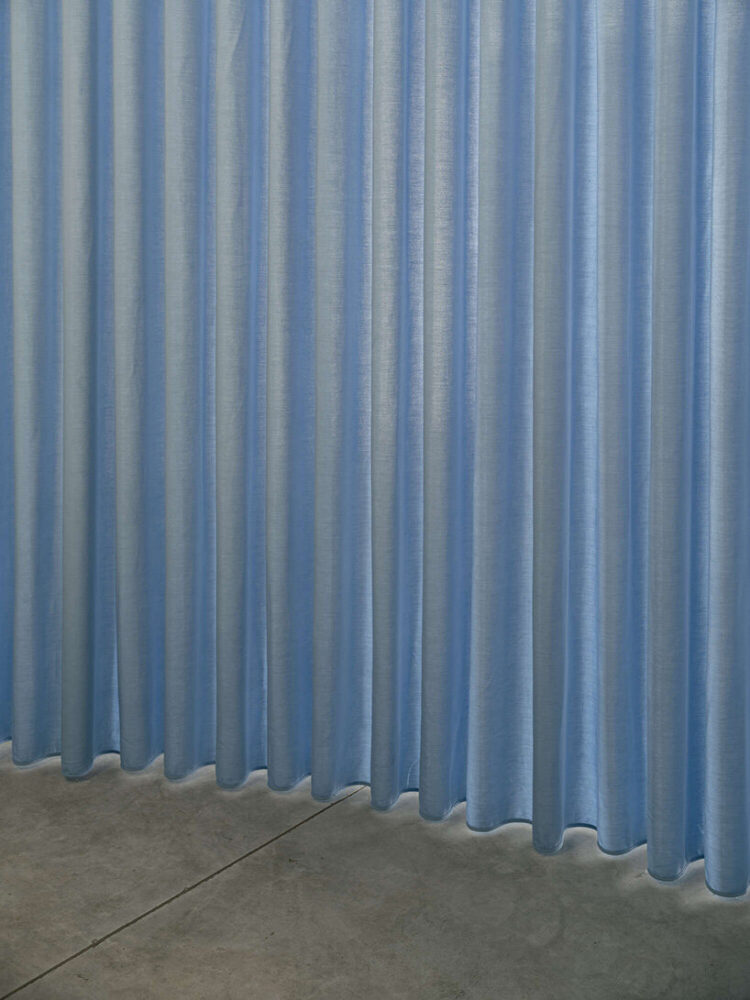
exhibition partitions stand lightly on reused supports
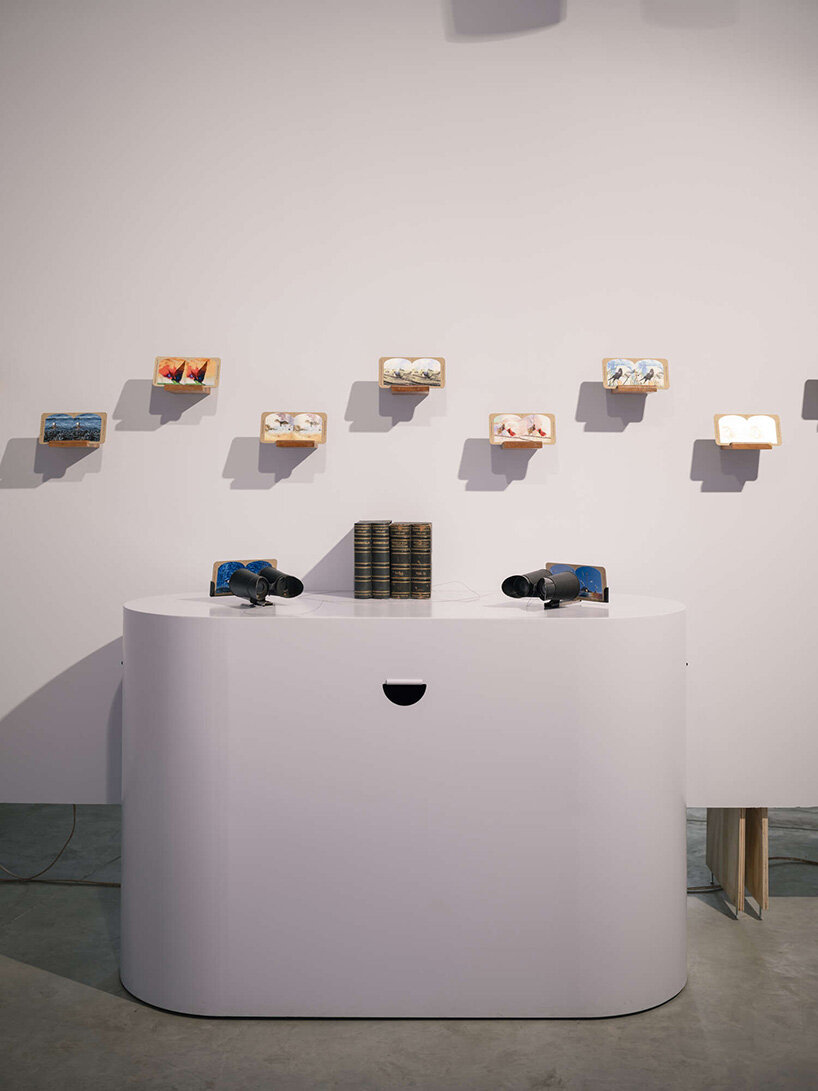
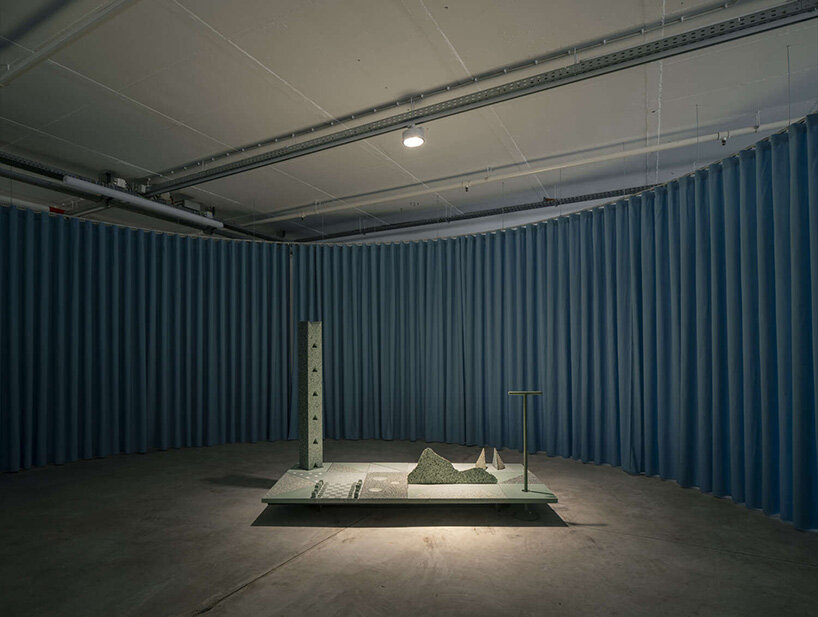
freestanding display structures hold objects
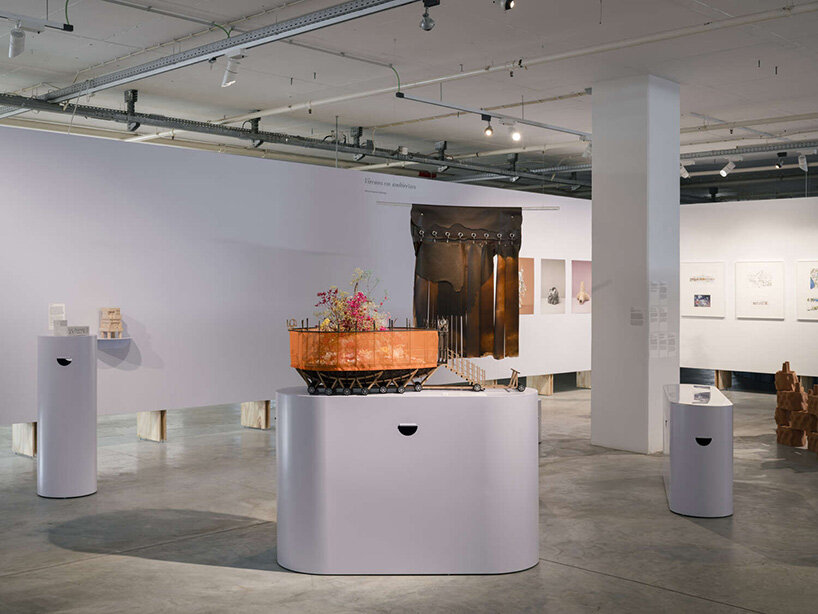
the scenography accommodates varied scales of display
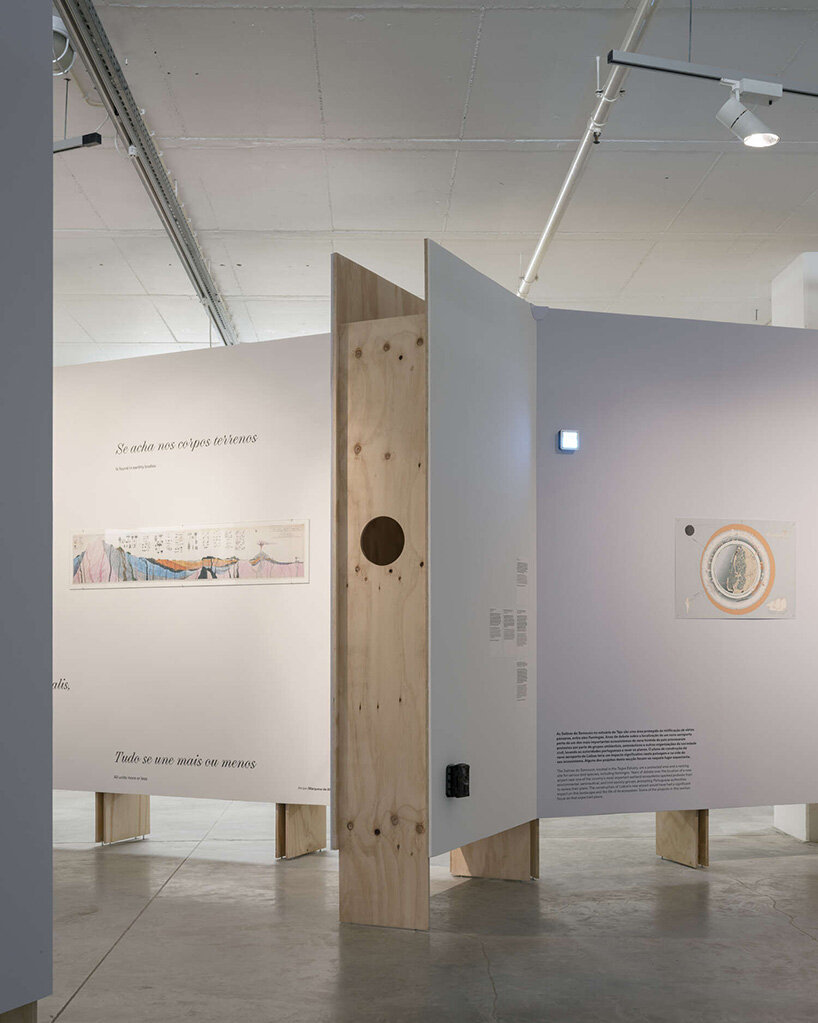
angled partitions and exposed structural elements emphasize process, reuse, and spatial layering
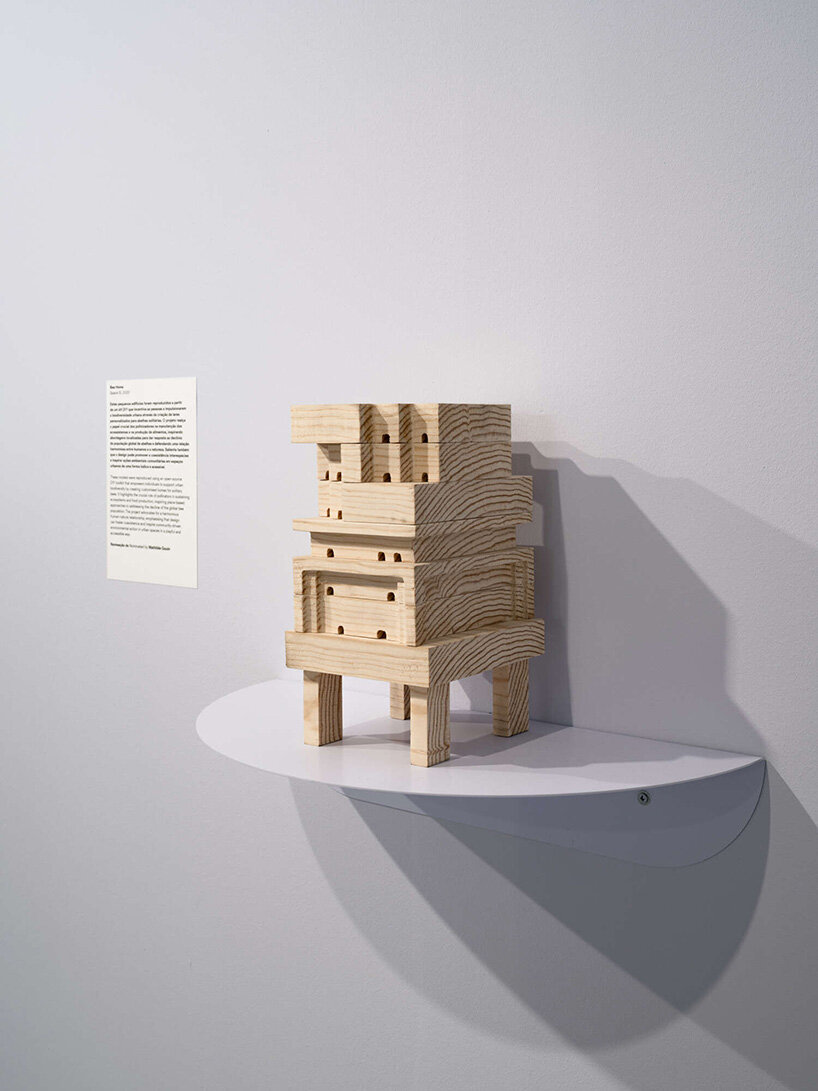
exhibition-making here is understood as a civic practice
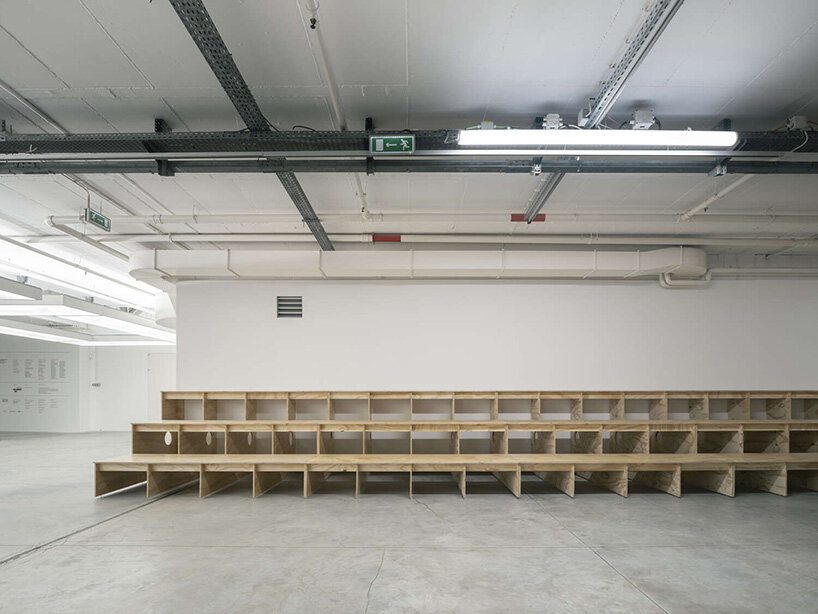
long linear wooden structures introduce seating, storage, and circulation elements
project info:
name: Garage Encounters
architect: BUREAU
location: MAC/CCB – Museum of Contemporary Art and Architecture Centre | @macccb.museu, Lisbon, Portugal
area: 2,200 square meters
lead architects: Daniel Zamarbide | @daniel_zamarbide, Carine Pimenta, Galliane Zamarbide
concept design: Daniel Zamarbide, Carine Pimenta
project execution: Daniel Zamarbide, Carine Pimenta (project managers) with Lujza Lehocká, Finia Sonderegger, Valentin Racine, Romane Guillou
construction supervision: Carine Pimenta
publication drawings: Valentin Racine
curator: Mariana Pestana
producers: Ideawood, Metalúrgica Frontal
graphic design: Joana Lourencinho
photographer: Dylan Perrenoud
BUREAU (6)
 Feb 26, 2026
 Dec 14, 2025
 Dec 22, 2023
 Jan 04, 2023
 Jun 20, 2019
exhibition design (808)
 Aug 31, 2026
 Aug 31, 2026
 Aug 29, 2026
 Aug 28, 2026
 Sep 07, 2026
 Aug 26, 2026
 Aug 21, 2026
 Aug 21, 2026