roppongi crossing at mori art museum explores time across japan’s contemporary art scene
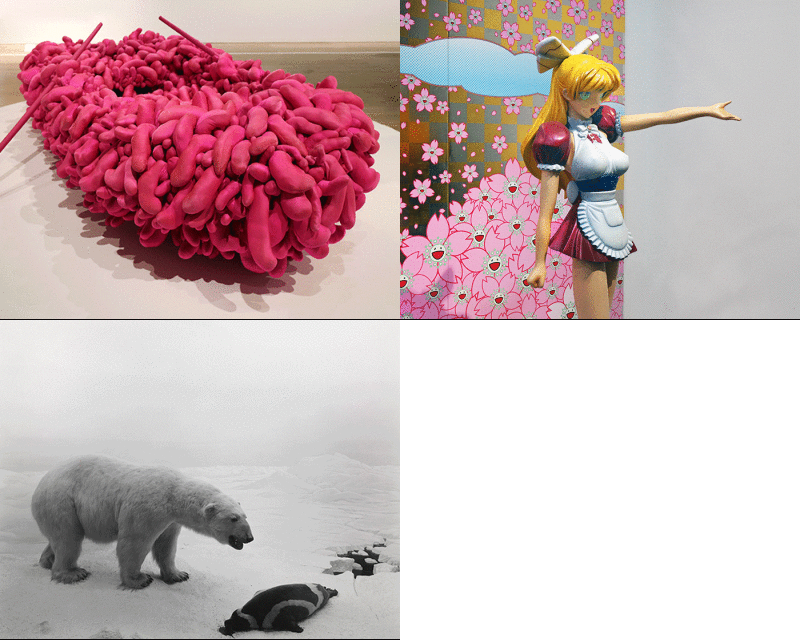
the show brings together more than 100 works across painting, sculpture, video, craft, sound, zines, and community-based practices.
roppongi crossing 2026 examines japan through the lens of time
At the Mori Art Museum in Tokyo, the eighth edition of Roppongi Crossing assembles 21 artists and artist groups to map Japan’s contemporary art scene through the single, elastic concept of time. First launched in 2004 as a recurring snapshot of the present moment, the triennial returns with the subtitle What Passes Is Time. We Are Eternal., bringing together more than 100 works across painting, sculpture, video, craft, sound, zines, and community-based practices. For this edition, the museum’s curators are joined by two internationally active Asian guest curators, widening the frame to include artists working in Japan regardless of nationality and those based abroad with Japanese roots.
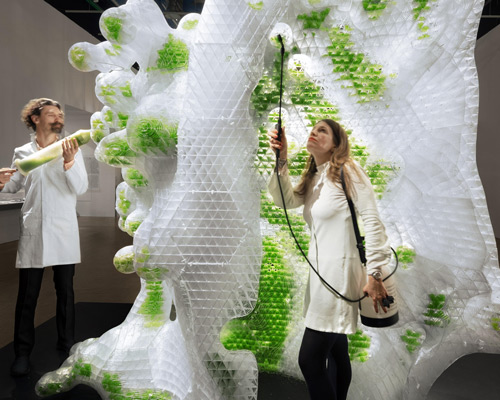
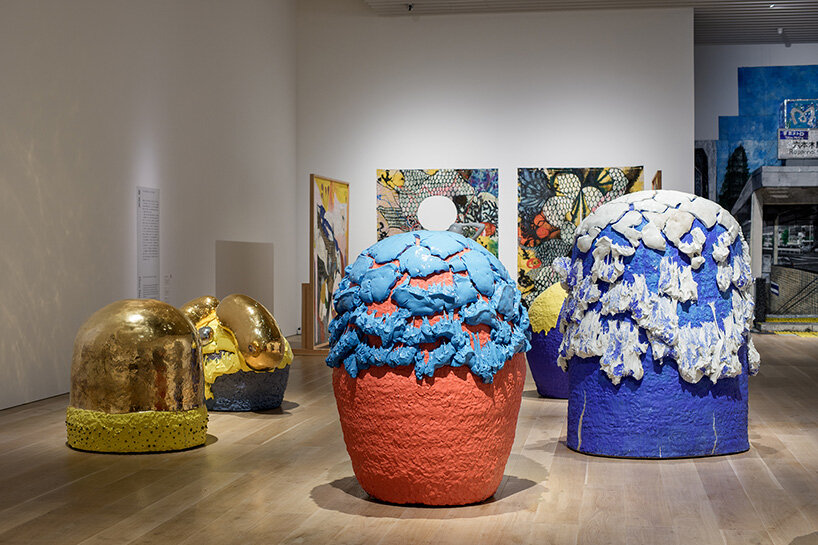
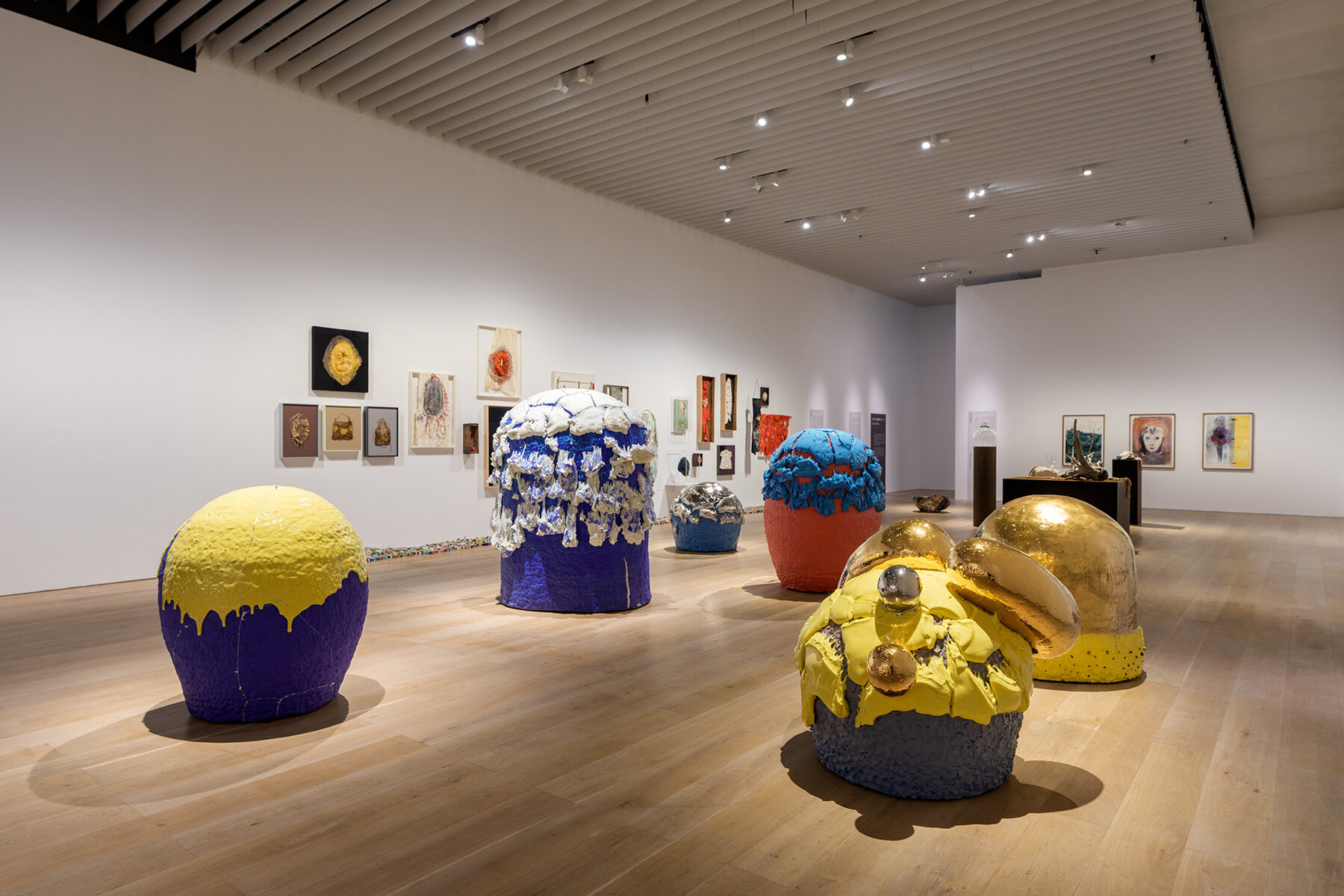
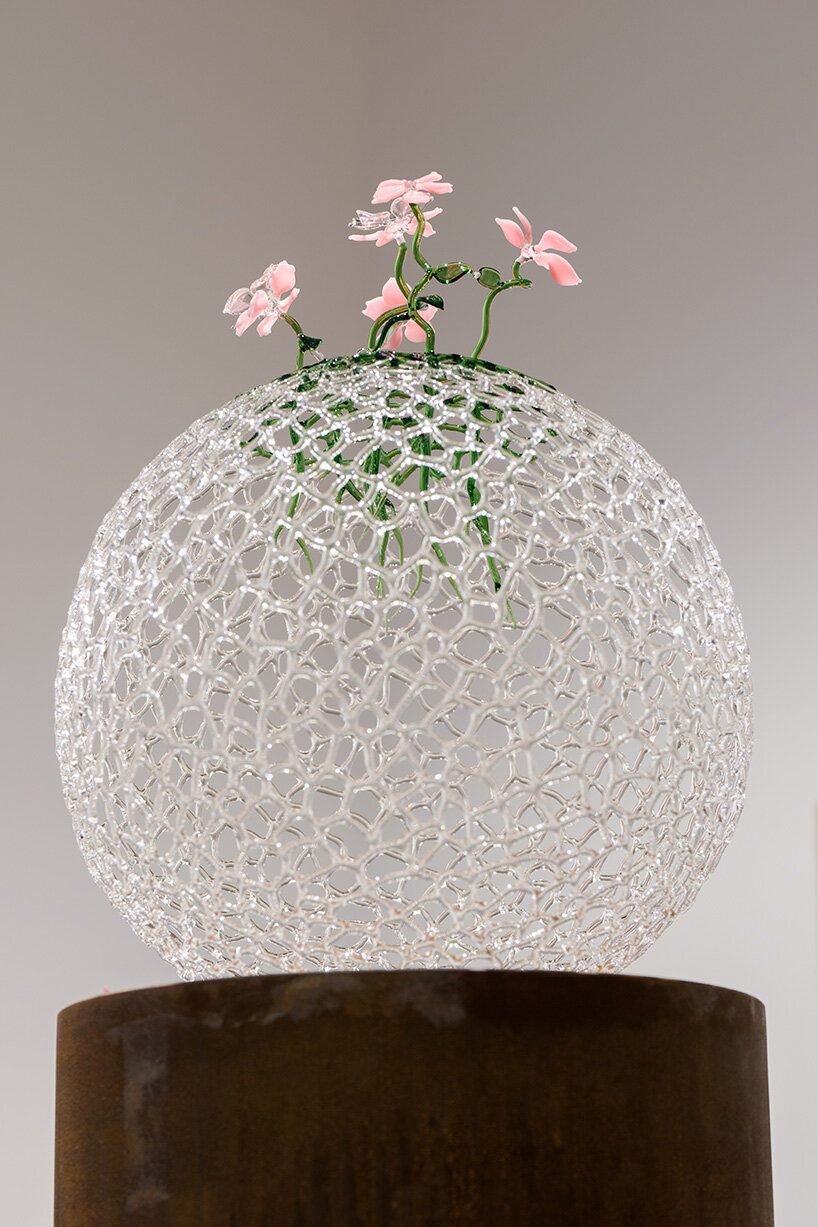
Materially and conceptually, time unfolds in radically different registers. A.A.Murakami presents an immersive installation governed by an AI-written operating system. Kuwata Takuro’s large-scale ceramics push traditional techniques toward rupture. Kelly Akashi’s bronze and glass sculptures draw on familial memory and histories of internment. Through distinct practices, the exhibition frames Japan as a shifting field shaped by memory, technology, craft, and migration.
beyond the clock
Roppongi Crossing at the Mori Art Museum proposes Japan as a shifting collection of memories, migrations, and material practices. National identity becomes porous and time becomes plural. In assembling works that stretch from geological epochs to AI simulations, from embroidery to immersive fog systems, the exhibition positions contemporary art as a site where duration is felt rather than measured. The question is not simply what time is, but how it is lived, individually, collectively, and across borders.
In a culture structured by speed, efficiency, and technological acceleration, the exhibition asks whether contemporary life allows space for slower, embodied experiences. Art, the curators suggest, offers a counterpoint where time expands and contracts according to perception.
The subtitle, What Passes Is Time. We Are Eternal., drawn from a poem by Indonesian writer Sapardi Djoko Damono, reflects on the fragility and continuity embedded in lived moments. In this framing, eternity is not abstract duration but the persistence of memory, relationships, and meaning.
immersive systems and material memory
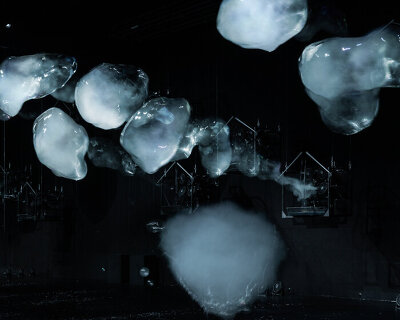
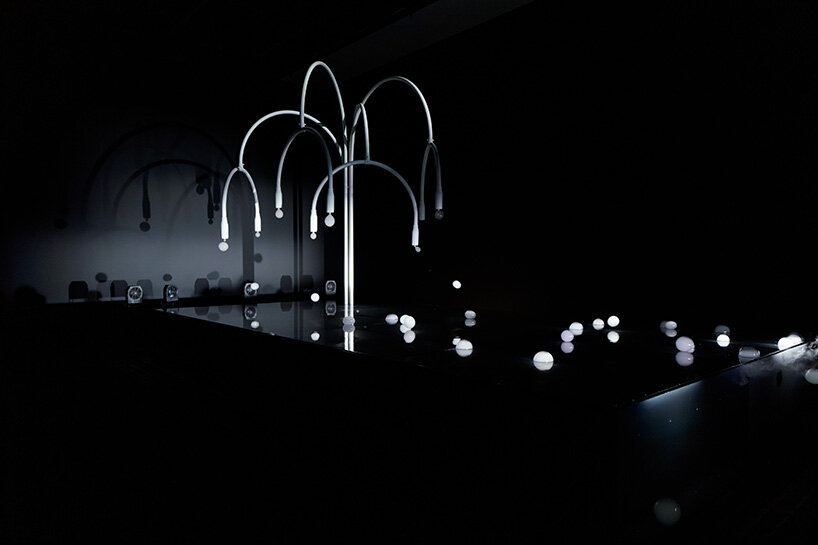
Several artists present newly commissioned works. A.A.Murakami unveils The Moon Under the Water, a large-scale installation composed of soap bubbles governed by an AI-written operating system. Known for immersive environments that blur architecture, design, and art, the duo once again foregrounds the volatility of matter and the instability of form.
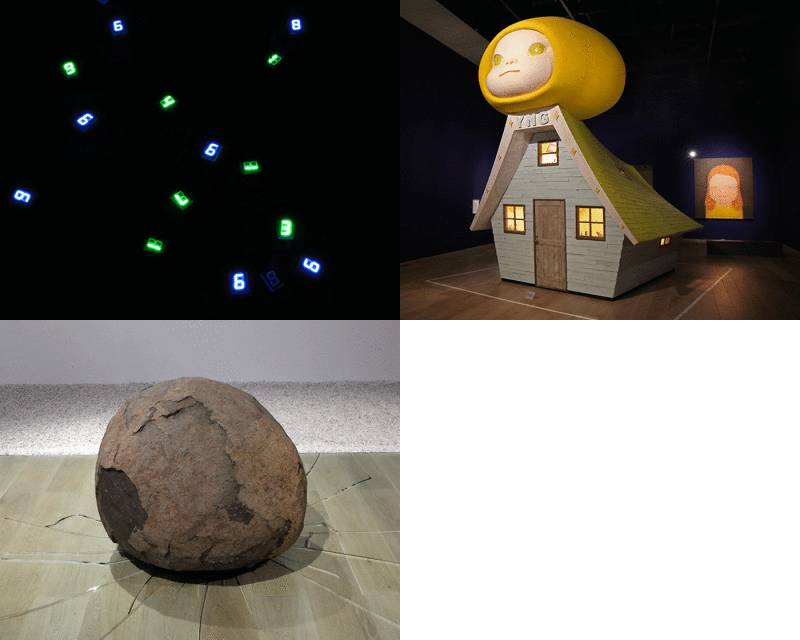
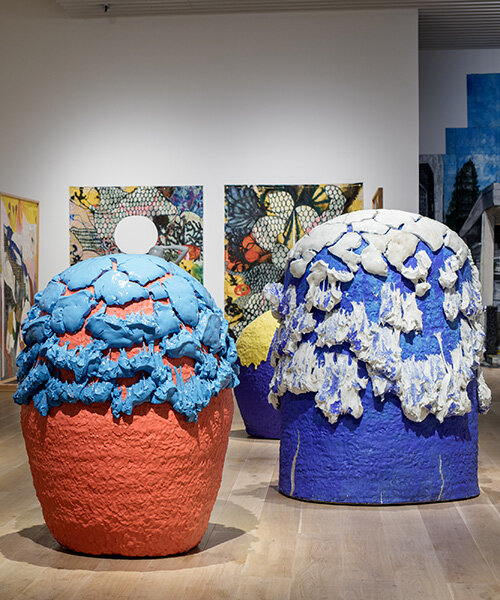
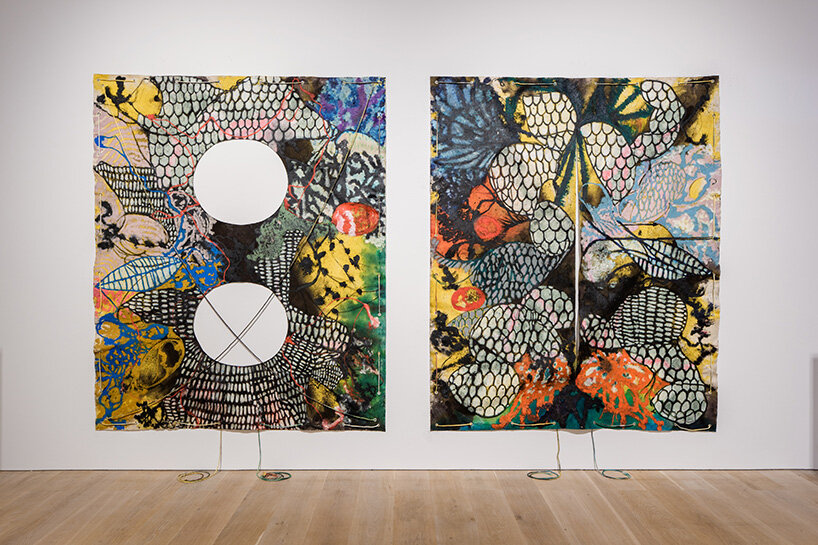
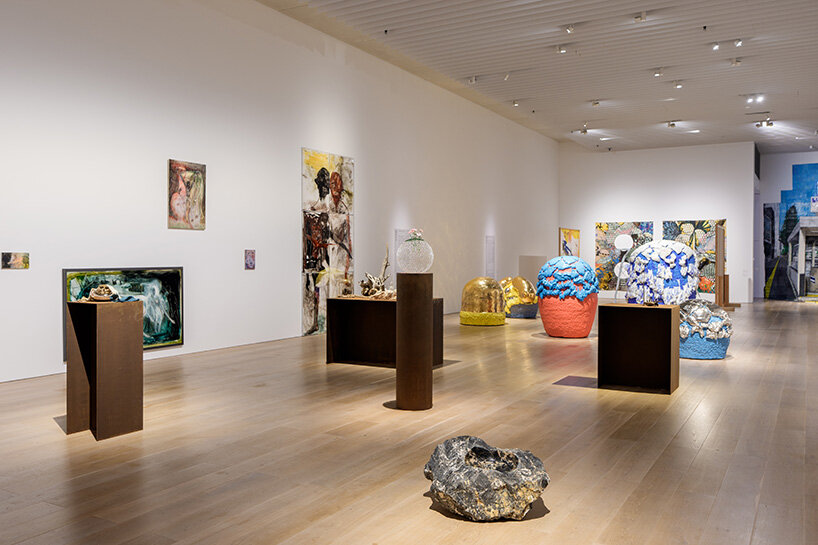
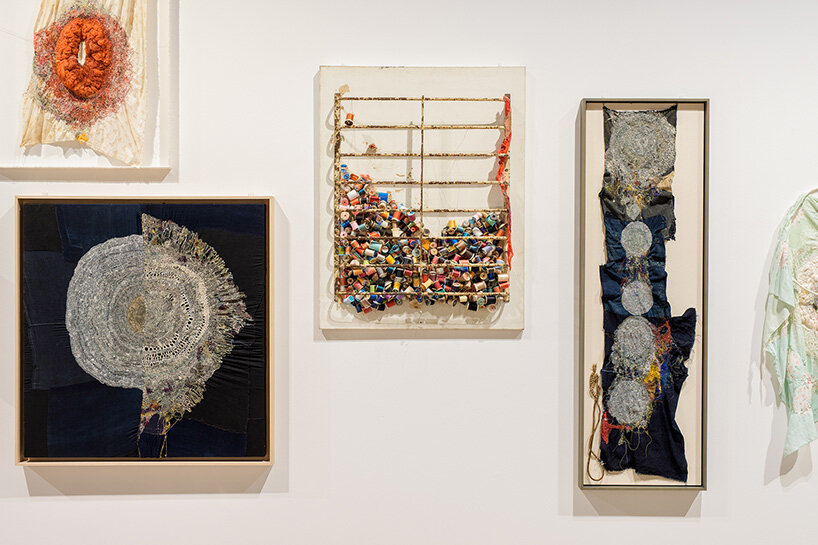
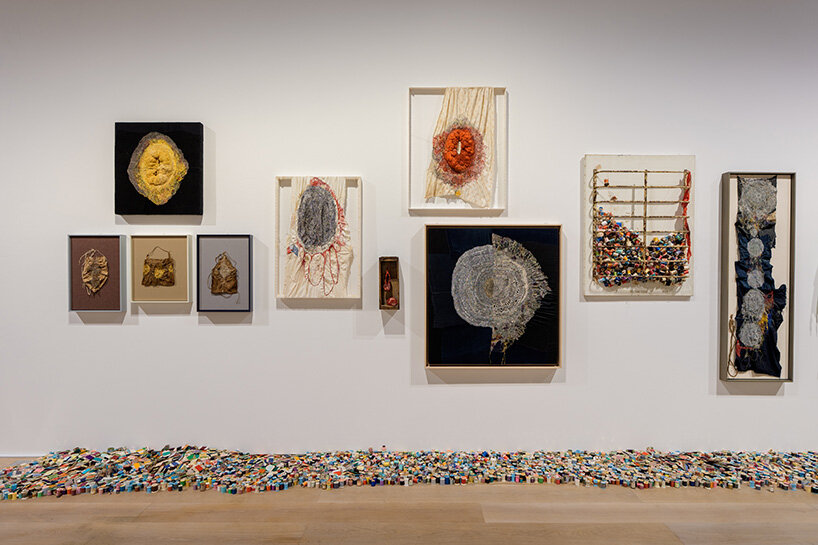
Hiro Naotaka contributes new paintings and a sculpture that impose physical constraints on canvas and surface, emphasizing the body as both subject and structure of experience. Kuwata Takuro’s monumental ceramic works reference historical techniques of Japanese pottery while pushing material excess to the edge of rupture. Oki Junko’s embroidery, resembling abstract painting from a distance, carries intimate histories within its threads. Hosoi Miyu debuts a new sound installation built from her own voice and environmental recordings, layering sonic traces of specific places and gatherings. Across these practices, craft and technology intersect. The exhibition resists medium hierarchies, positioning zines, handicrafts, and workshops alongside sculpture and video.
participation as archive
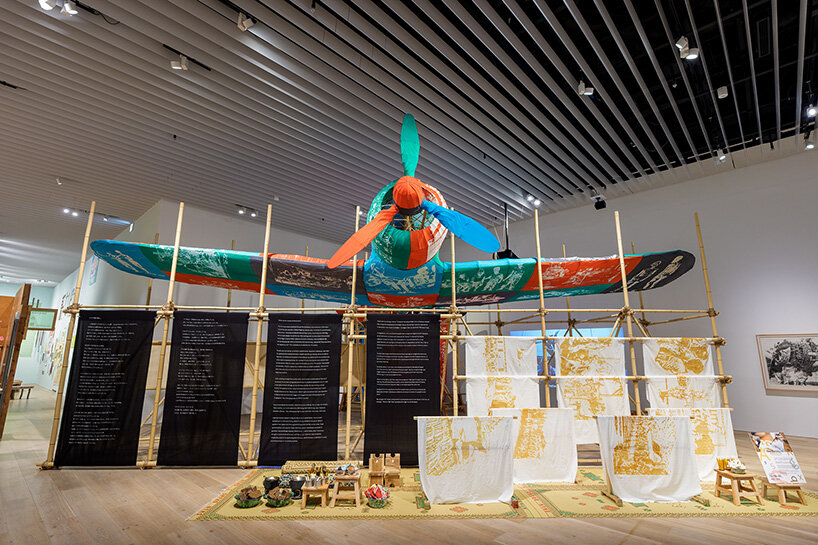
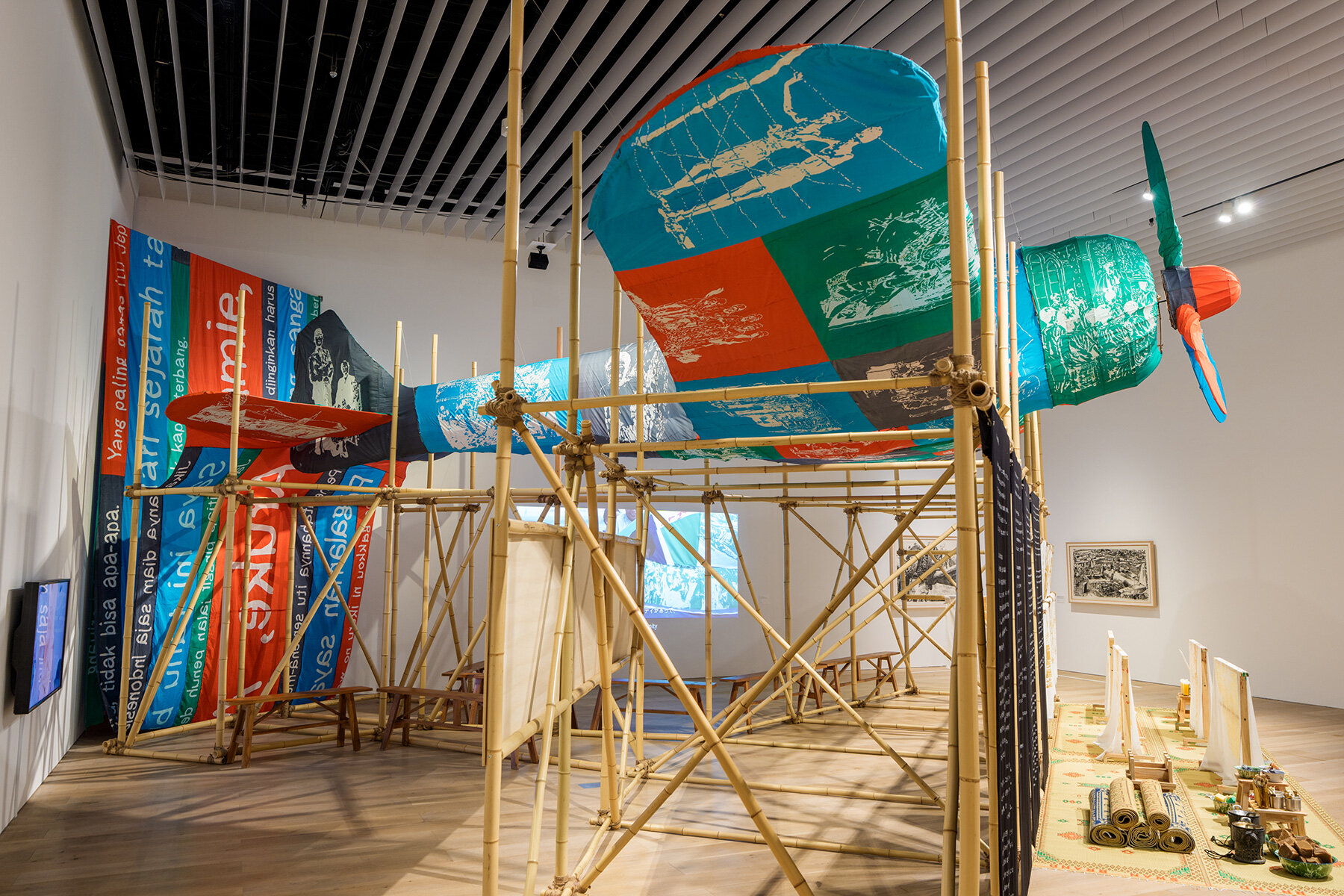
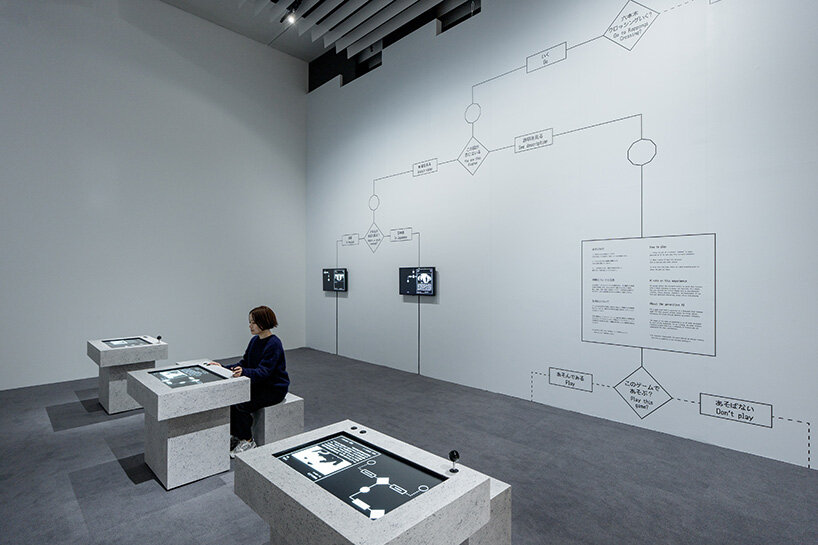
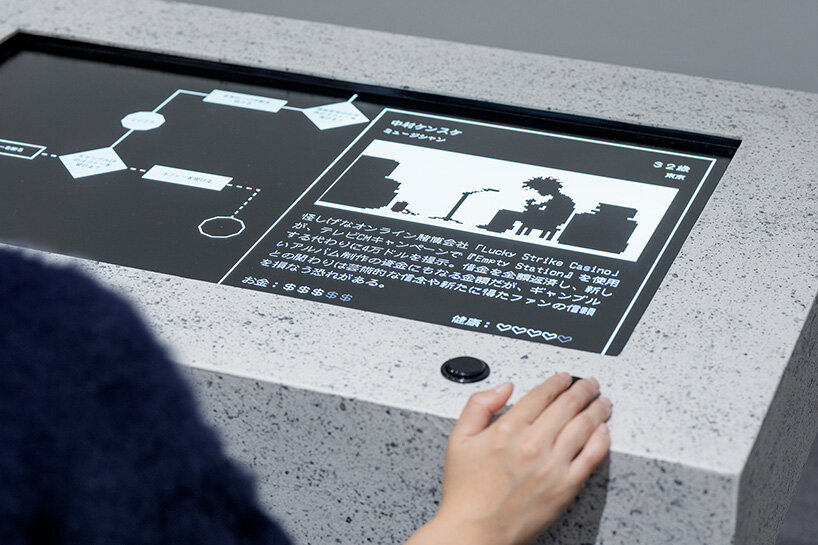
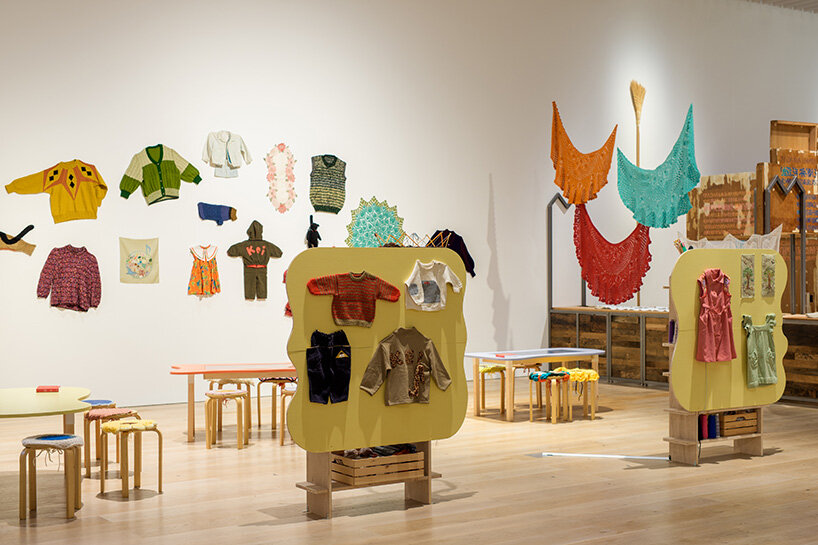
Visitors can engage with Kihara Tomo’s AI-based game simulating divergent life paths, highlighting the irreversibility of choice. Miyata Asuka activates her Traveling Knitting’n Stitching Club, forming temporary communities that function as living archives of shared memory and skill. Amefurashi sustains local traditions such as straw sandal making through workshops, while Kitazawa Jun collaborates with Indonesian kite artisans to revisit the history of the Hayabusa fighter planes, tracing wartime entanglements between Japan and Indonesia.
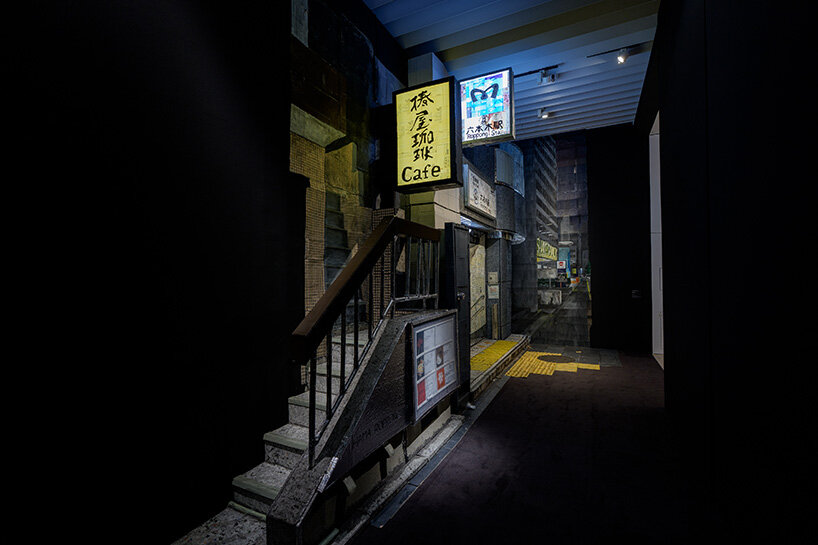
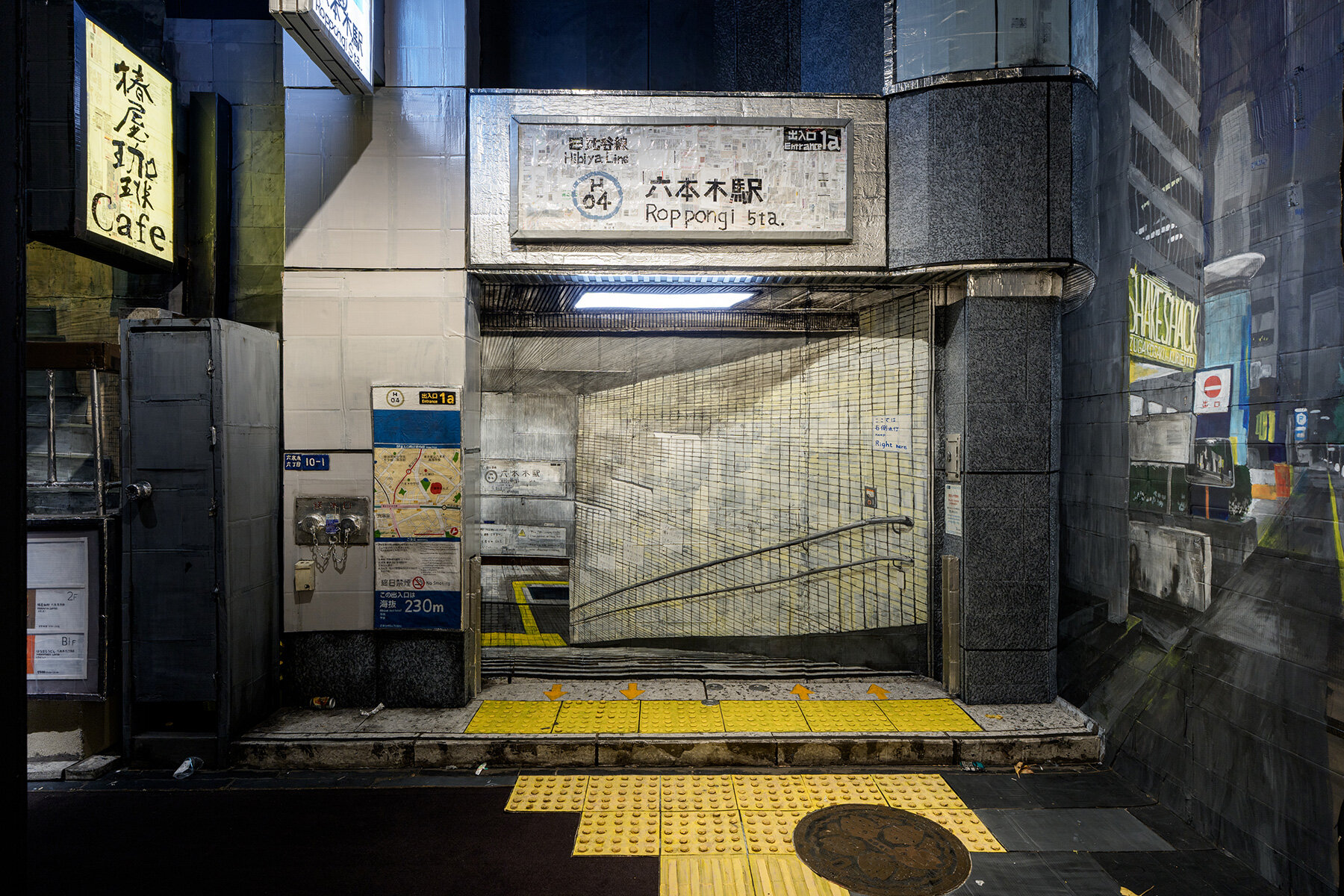
ZUGAKOUSAKU & KURIEITO reconstruct entrances and exits of Roppongi Station in cardboard and watercolor, deliberately embracing ephemerality; on the final day, fragments of the work will be dismantled and taken home by visitors.
scales, rhythms and entanglements
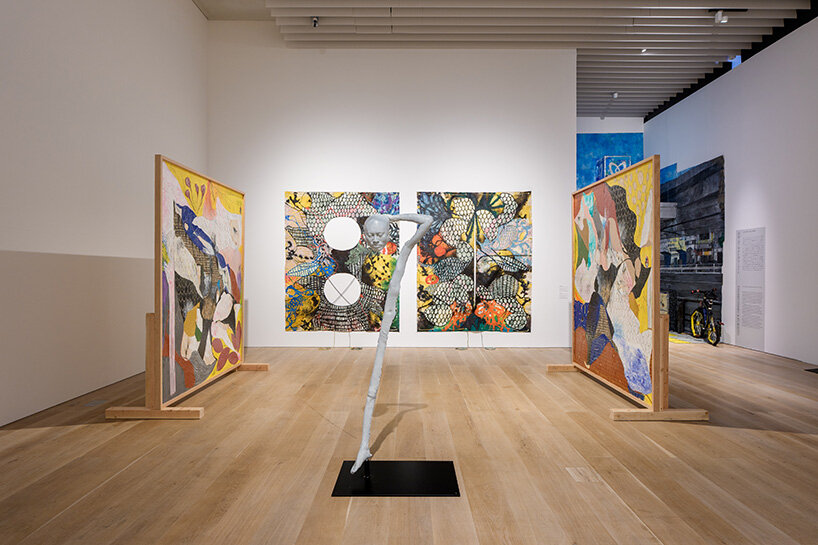
The exhibition unfolds across four interpretive perspectives. The first, titled Scales of Time examines how personal memory becomes universal. Kelly Akashi’s bronze and glass sculptures draw from family histories of internment, while Shoji Asami and Hiro Naotaka restrict bodily gesture to foreground the limits of perception. Kuwata Takuro situates contemporary ceramics within historical lineage, compressing centuries of technique into singular objects.
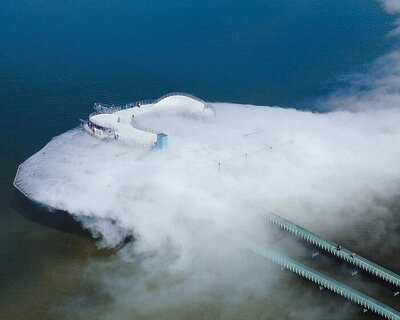
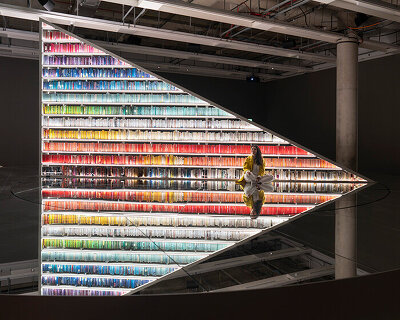
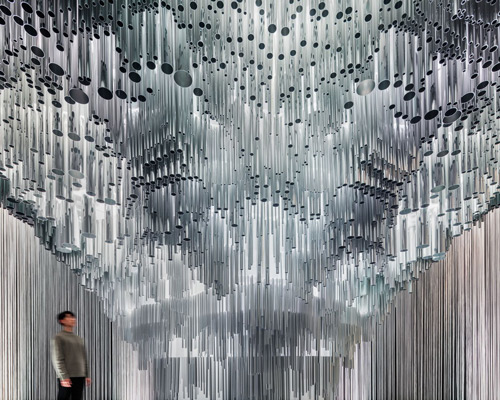
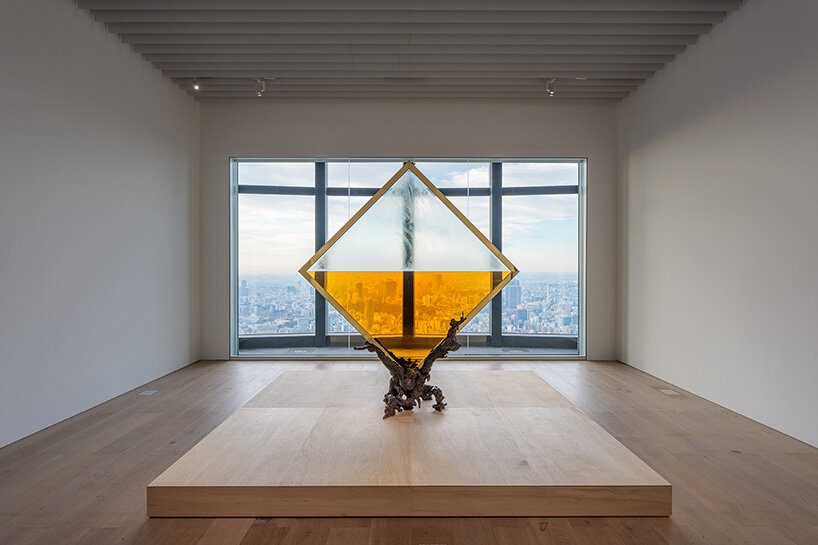
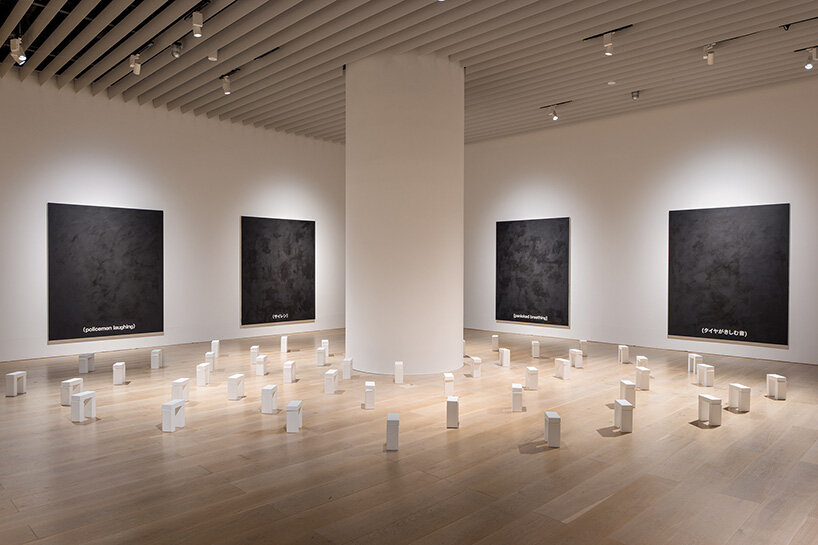
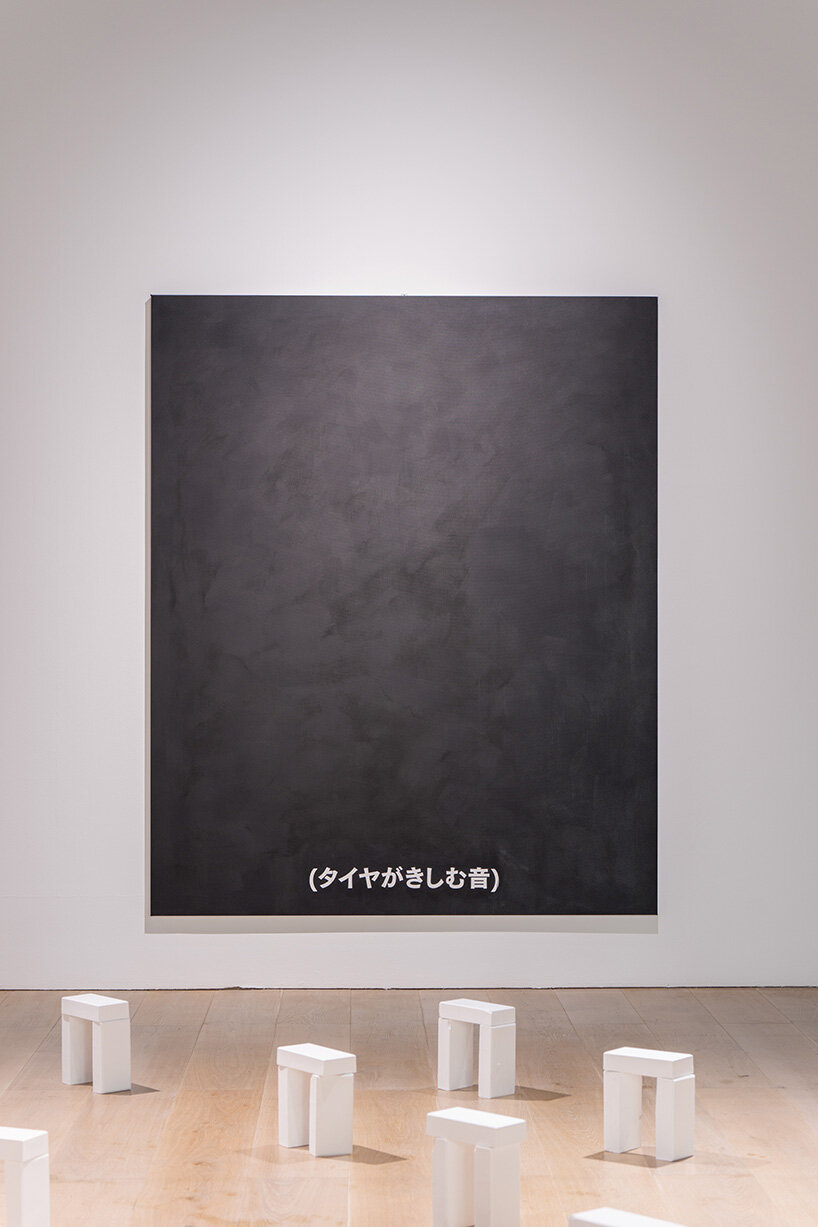
Moving forward, Sensing Time shifts attention to duration as sensation. A.A.Murakami’s atmospheric installation dilates perception through fog and light. Gardar Eide Einarsson translates sound into painted closed captions, suspending fleeting audio into fixed language. Hosoi Miyu’s layered soundscapes and Wada Reijiro’s sculptural use of brandy propose time as evaporation, absorption, and residue.
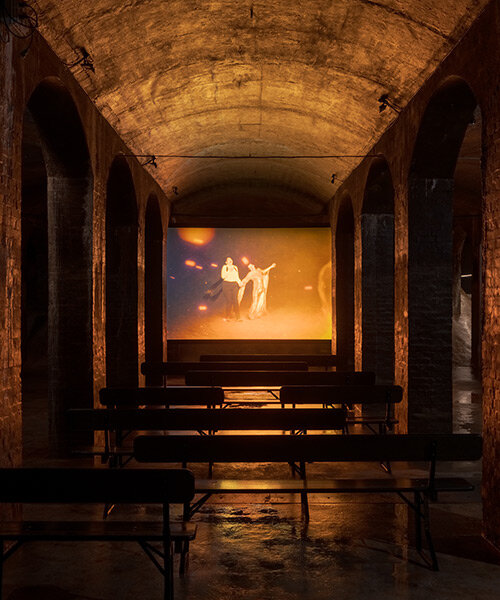
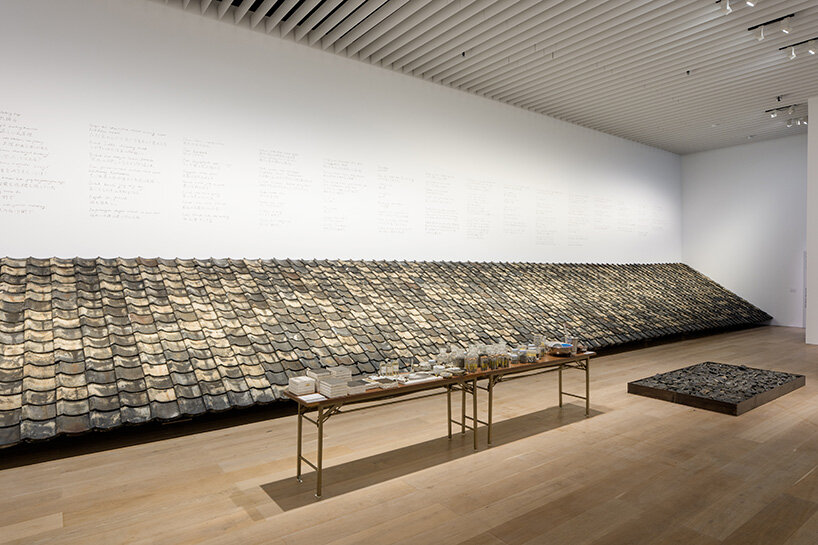
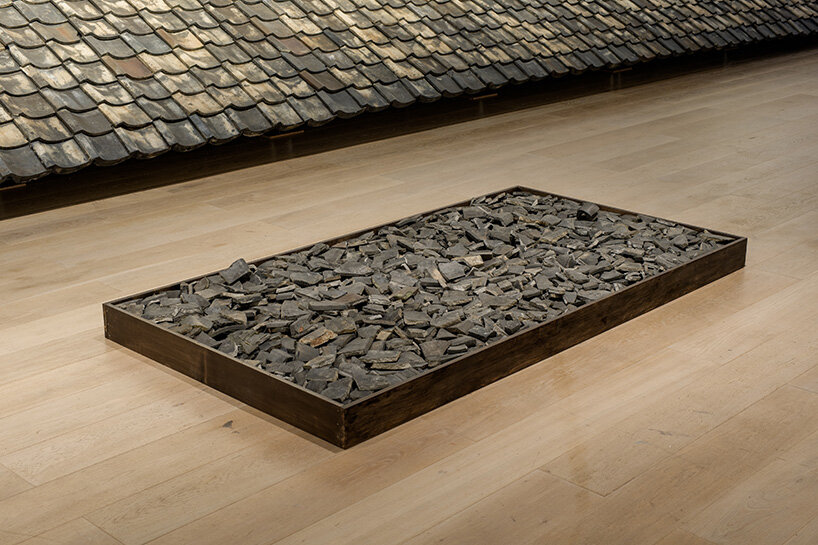
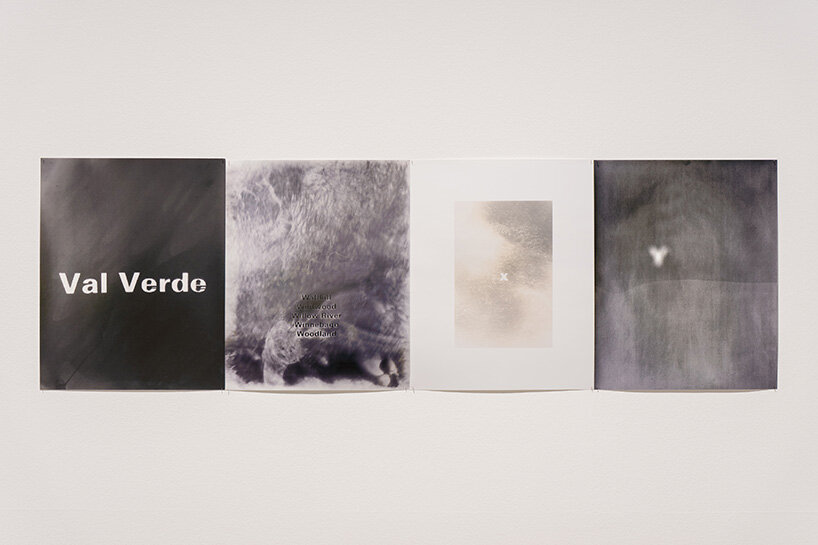
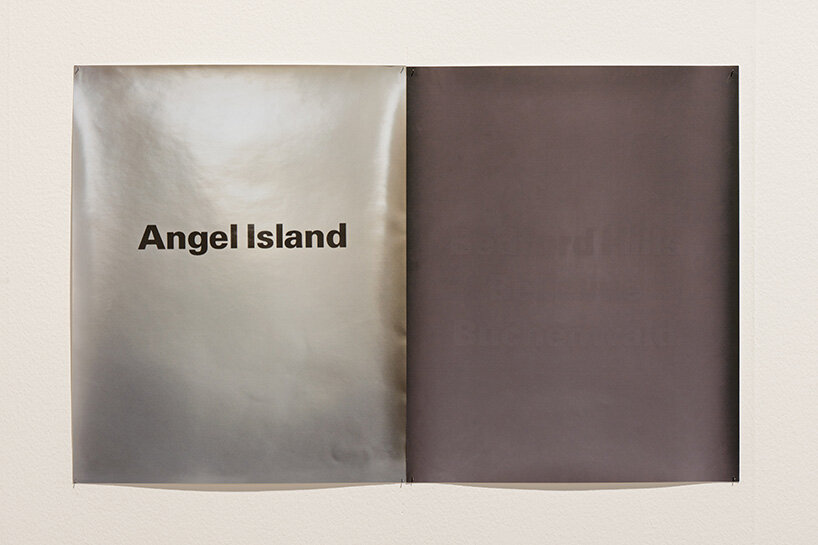
The third perspective, Time Together, emphasizes collaboration and transmission. Amefurashi’s long-term preservation of local printing factories and broom-making traditions intersects with Multiple Spirits’ feminist zine publishing. Kim Insook foregrounds sustained engagement with specific communities as a condition for cross-cultural understanding. Rhythms of Life widens the scale further. Shooshie Sulaiman’s installation of roof tiles from abandoned houses in Onomichi binds personal movement between Malaysia and Japan to architectural remains. Carrie Yamaoka maps detention sites alphabetically, transforming landscape into an index of displacement. Maya Watanabe’s video of mammoth remains emerging from thawing permafrost gestures toward temporalities beyond human history.
1/9
project info:
name: Roppongi Crossing 2026: What Passes Is Time. We Are Eternal.
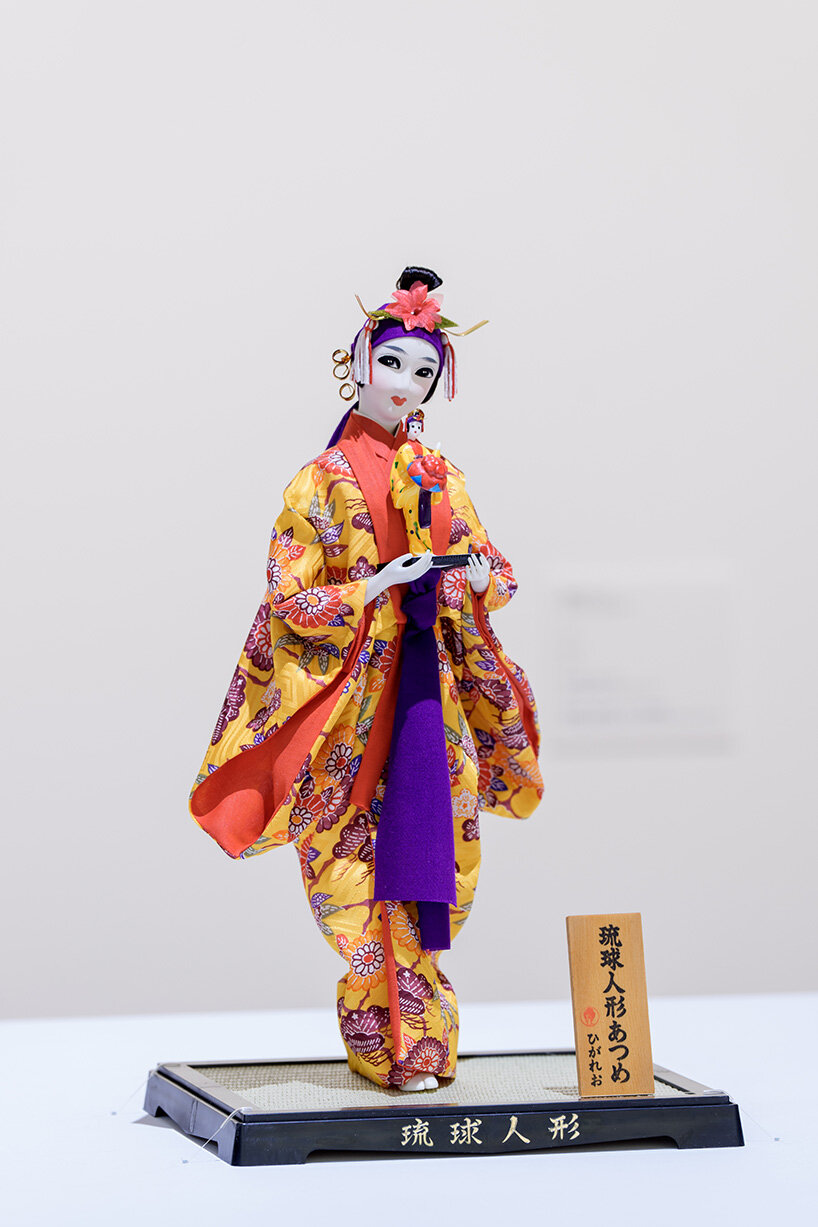
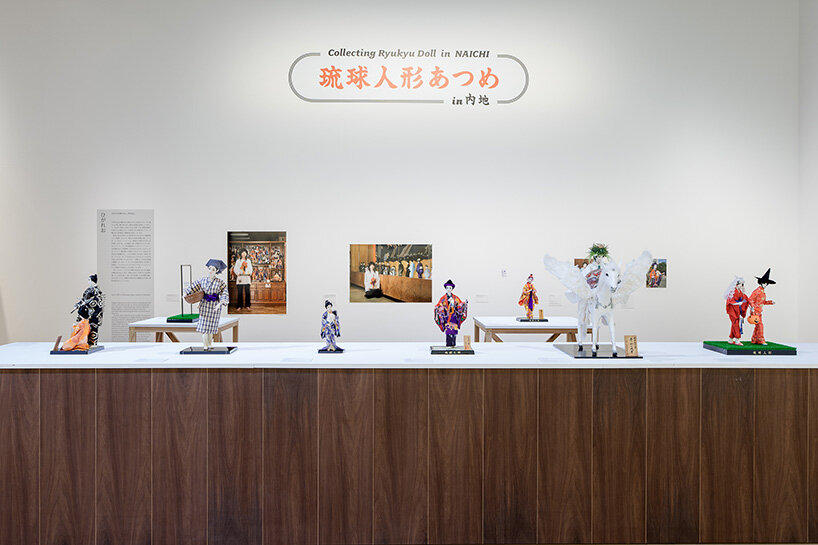
artists: A.A.Murakami, Kelly Akashi, Amefurashi, Araki Yu, Gardar Eide Einarsson, Higaleo, Hiro Naotaka, Hosoi Miyu, Kihara Tomo, Kim Insook, Kitazawa Jun, Kuwata Takuro, Miyata Asuka, Multiple Spirits, Oki Junko, Shoji Asami, Shooshie Sulaiman, Wada Reijiro, Maya Watanabe, Carrie Yamaoka, ZUGAKOUSAKU & KURIEITO
venue: Mori Art Museum | @moriartmuseum, Tokyo
dates: December 3rd, 2025 – March 29th, 2026
shop
your own online design shop — no sales commission collected