
Hermès maps out an immersive city of objects during milan design week
Hermès stages its milan installation as a walkable grid of plaster blocks and crafted design objects from its 2026 home collection.
Hermès displays its home collection like an immersive map
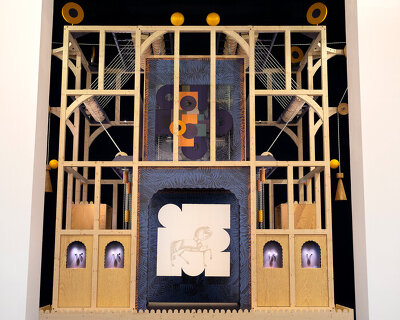
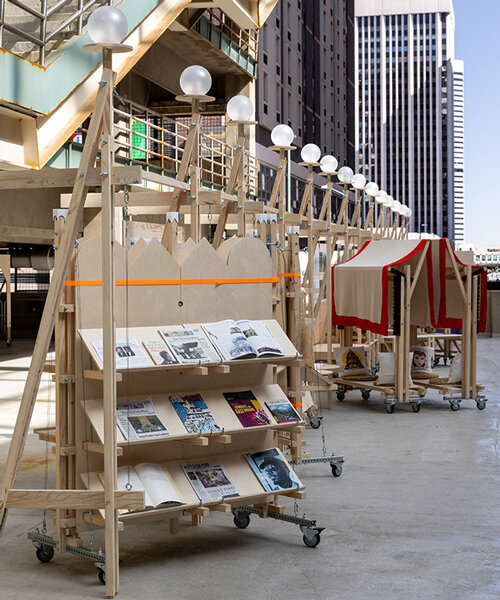
Kicking off the start of Milan Design Week, Hermès presents its 2026 home collection through an installation built from an immersive field of beechwood volumes. The layout reads as a loose grid, with low blocks and raised elements establishing lines of sight and paths that shift as visitors move throughout. A curation of design objects are perched atop these plinths as if marking points across a plan.
Designed by architect Charlotte Macaux Perelman, the setup suggests a way of thinking about interiors through placement and alignment. The design team at Hermès envisions a traveler wandering though the space, observing how objects are lifted, turned, and arrayed in relation to one another and harnessing them like coordinates on a map.

objects as coordinates
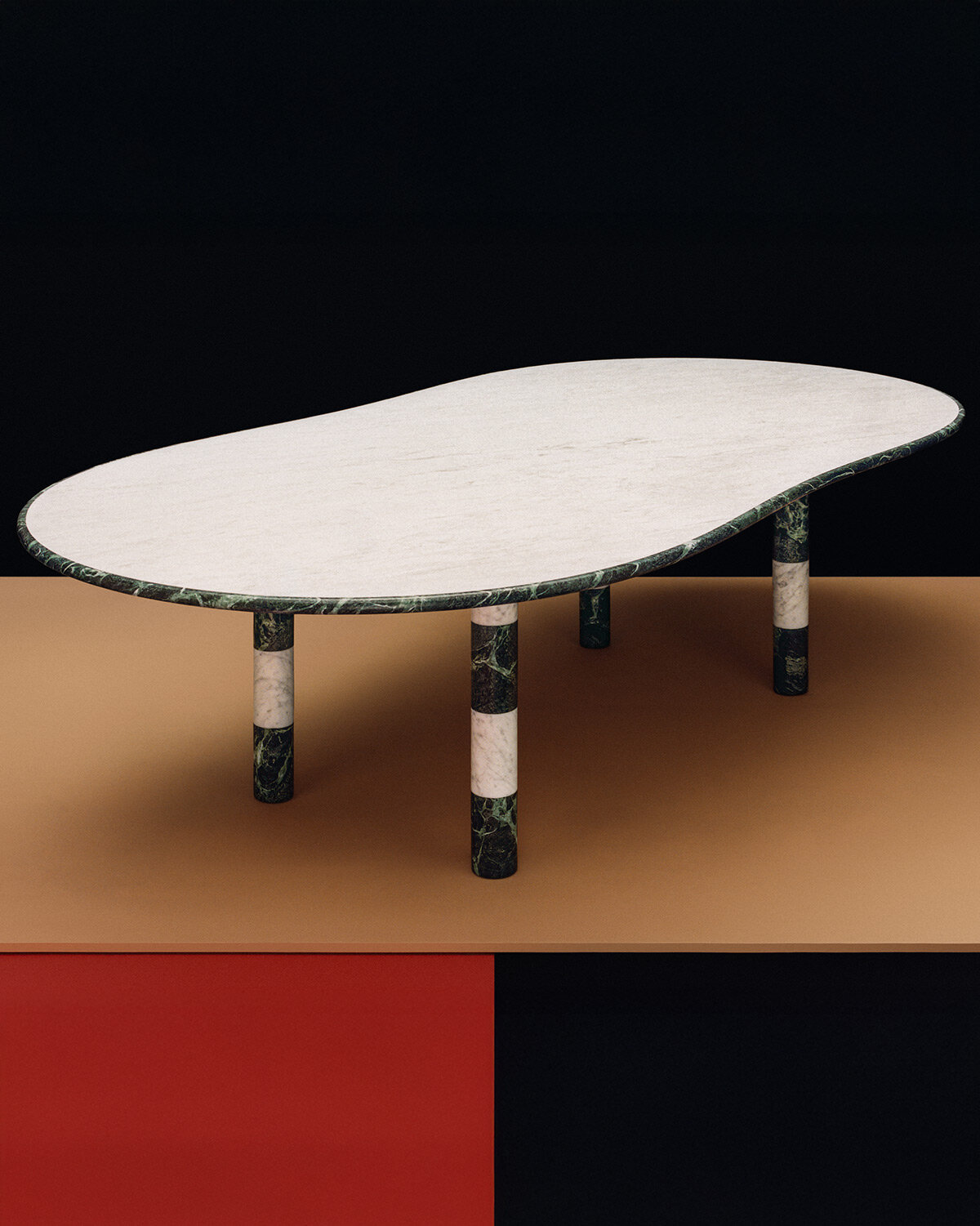
For Milan Design Week, the installation by architect Charlotte Macaux Perelman feels like a low-lying city, and the pieces from the Hermès home collection take on a structural role. A marble table by Barber and Osgerby, shaped in a soft figure eight, sits at the center like a key element in the plan. Its marquetry surface and slim legs draw from equestrian references, a signature of the brand, with proportions that keep it light in the room despite its material weight.
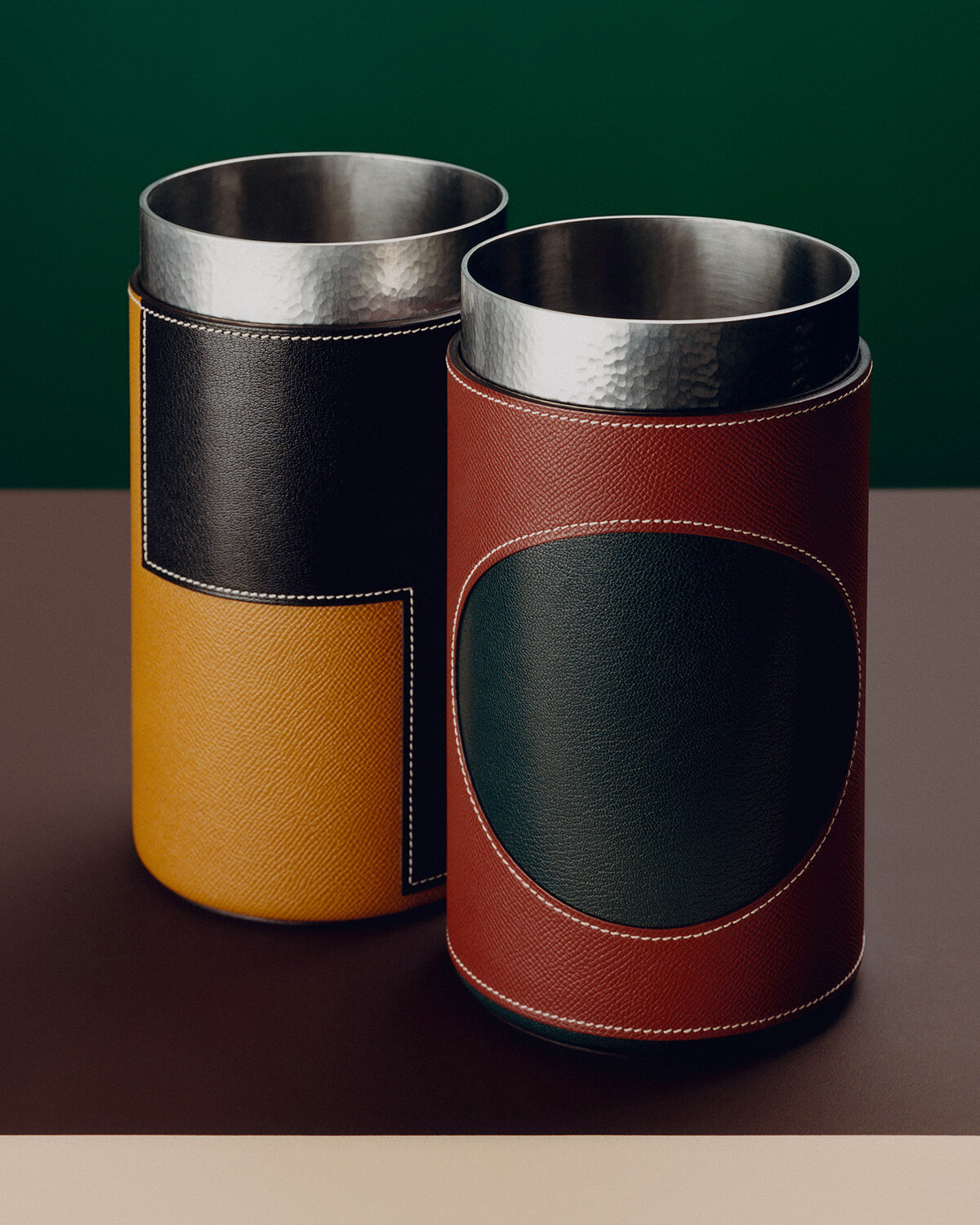
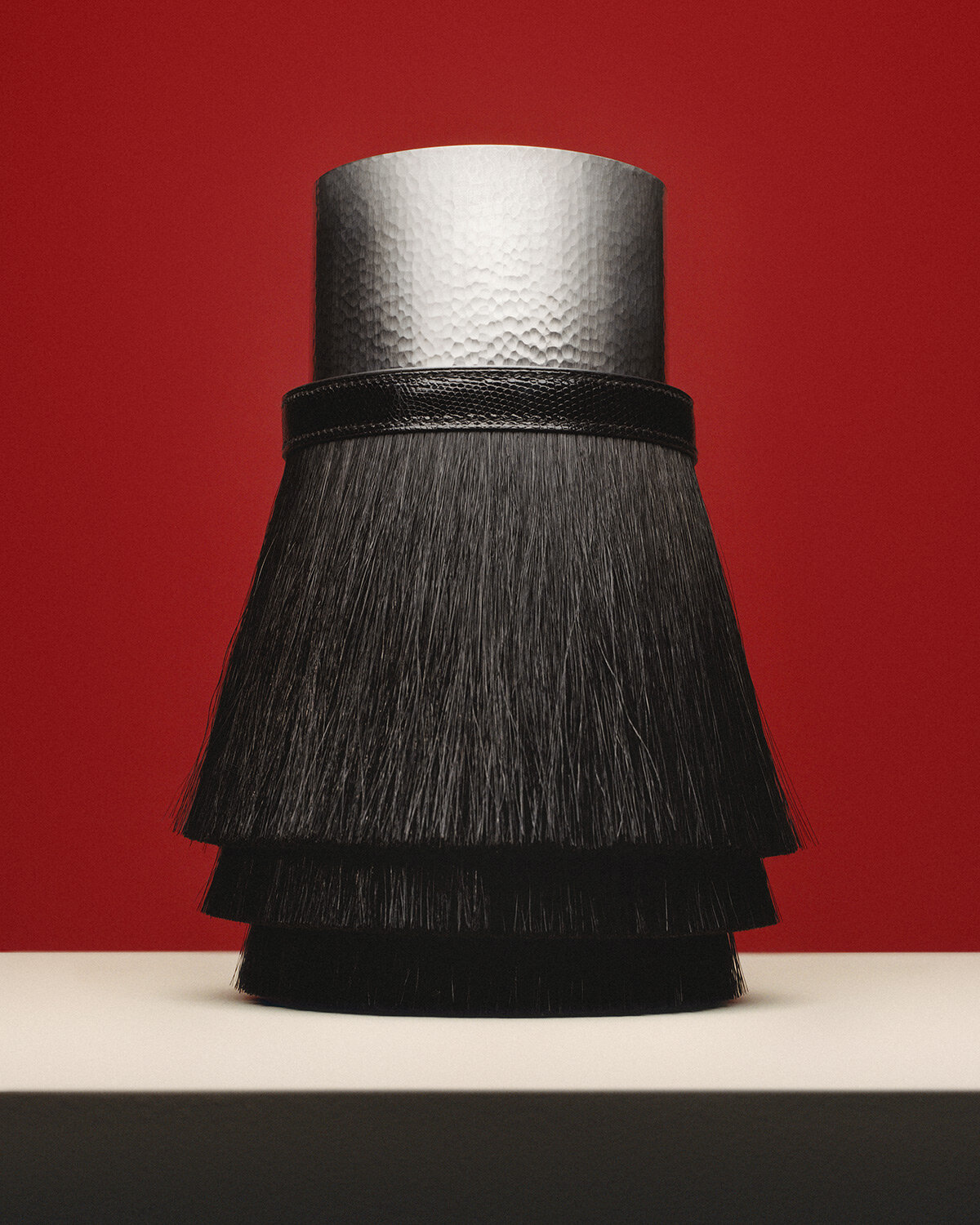
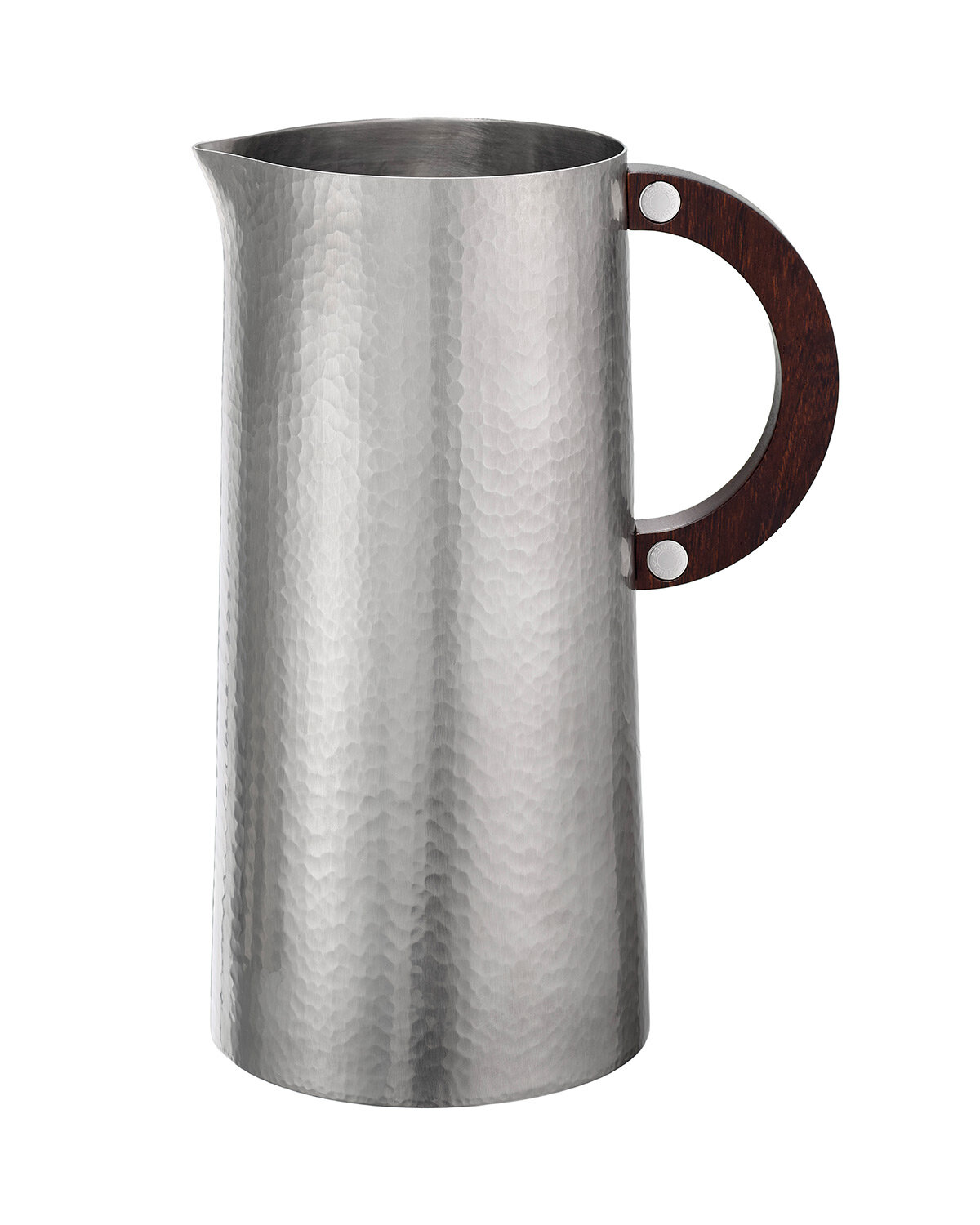
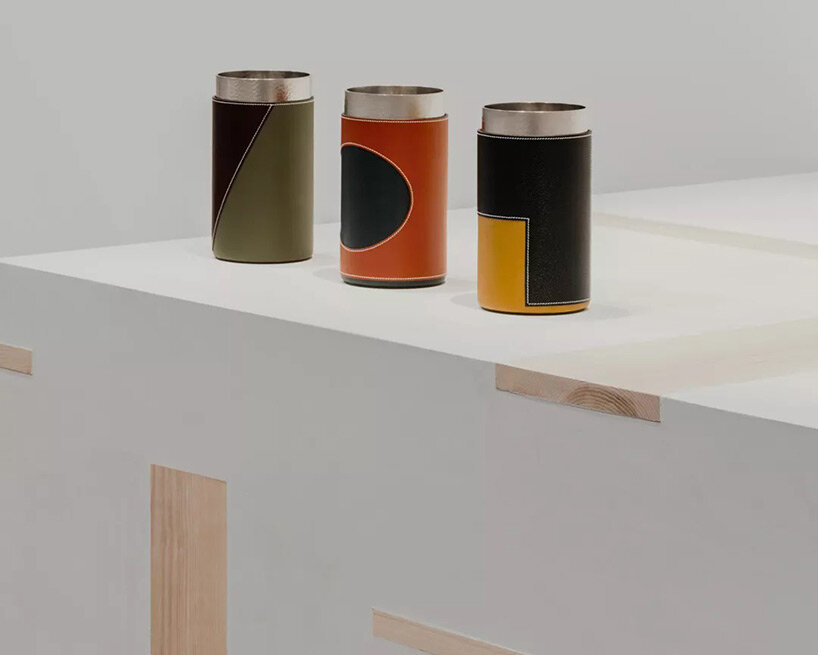
Around it, vessels in hammered palladium carry a subtle texture that catches light as you move. Some are wrapped in leather or horsehair, which shifts the reading of the object from reflective to matte depending on the angle. The mix of metal and organic materials brings a quiet contrast that feels consistent across the collection without becoming repetitive.

material language
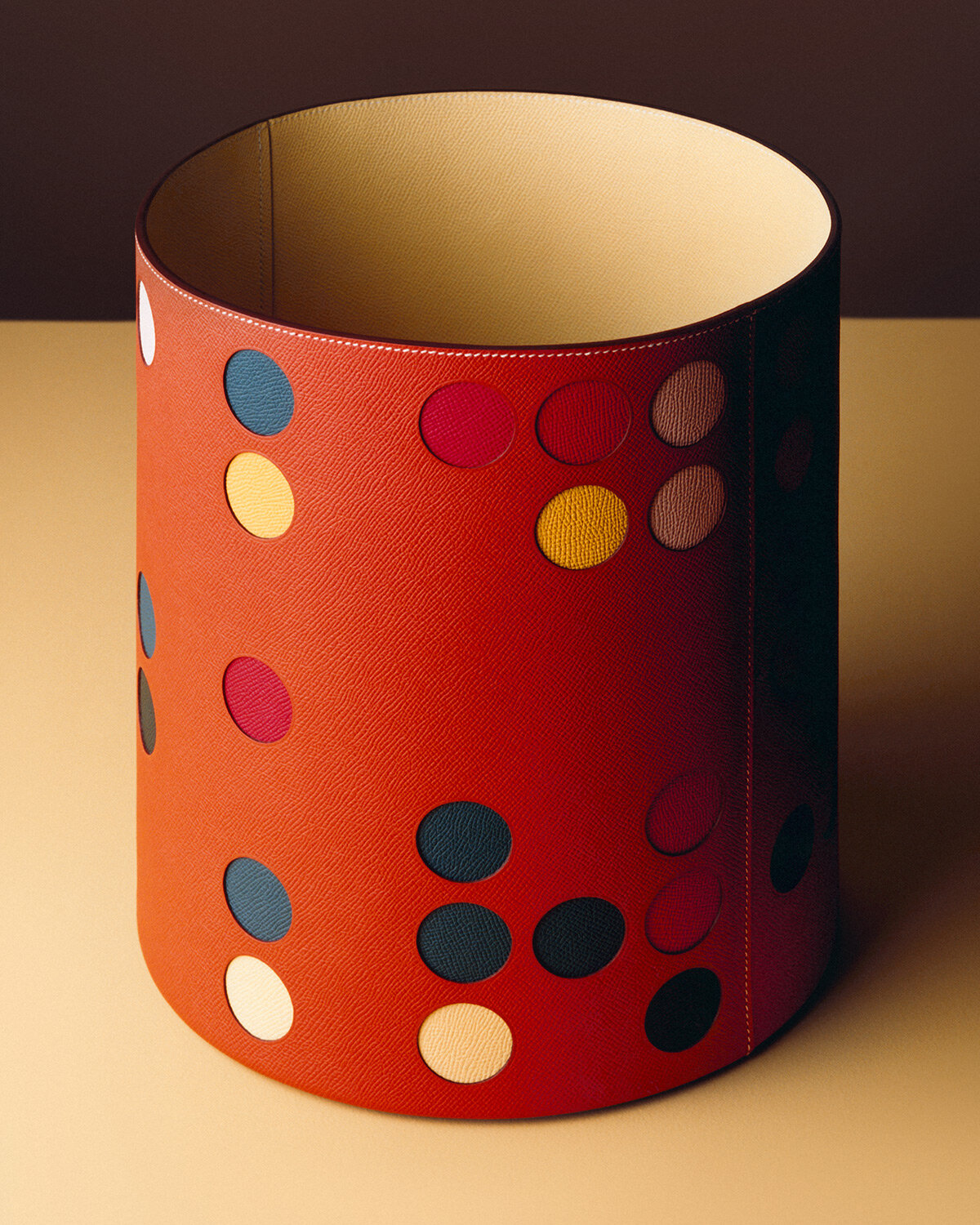
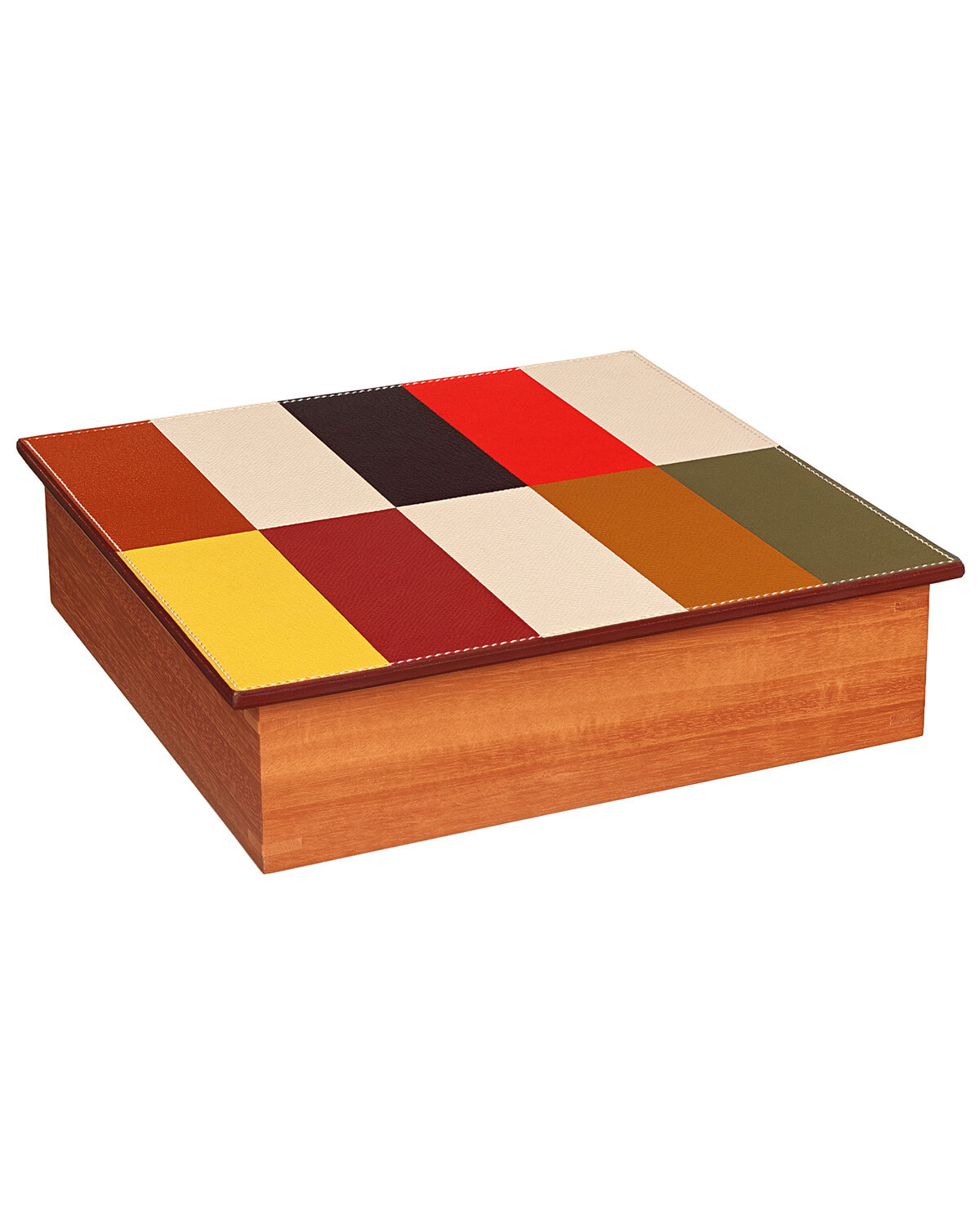
The project’s strength comes through in how these Hermès objects relate back to the surfaces on which they are perched. Leather marquetry boxes introduce blocks of color that echo the geometry of the display. Small circular appliqués on baskets read as points scattered across a field, reinforcing the idea of placement and distribution.
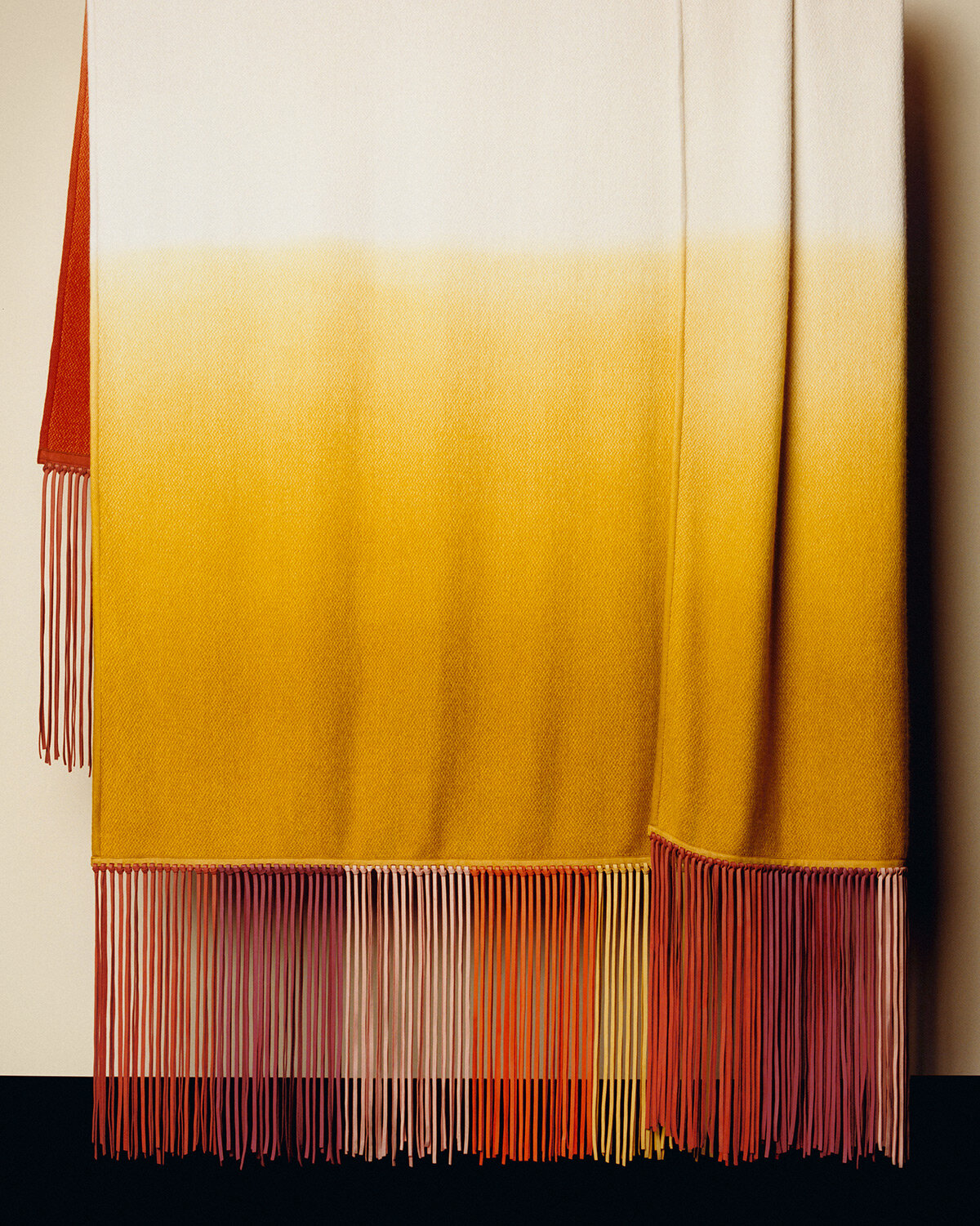
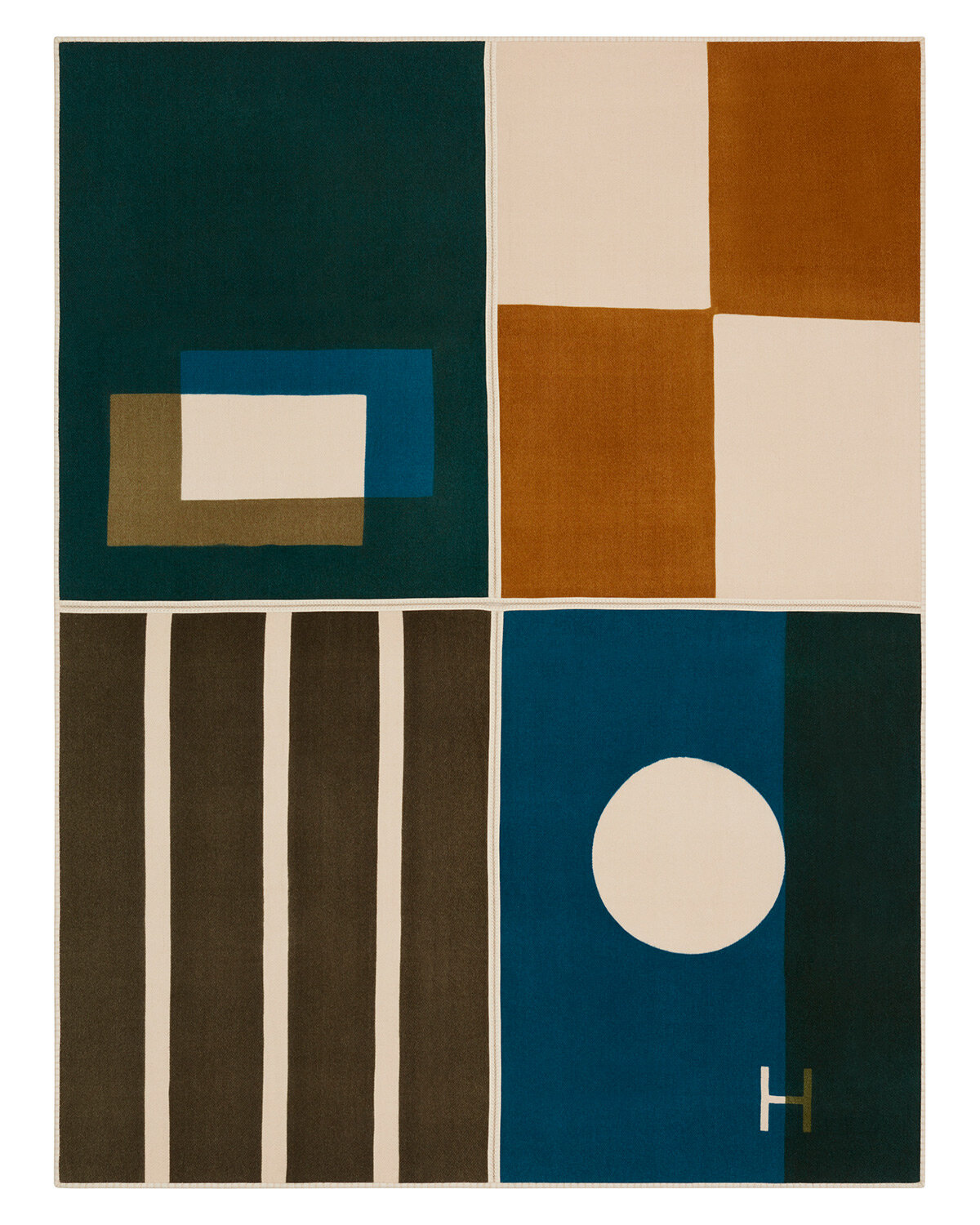
Textiles extend this thinking into softer forms. Cashmere throws show resist-dyed patterns and stitched panels that break down into simple shapes. One piece draws on bojagi techniques, with seams that organize the surface into a subtle grid. Another uses ribbed edges inspired by equestrian webbing, giving structure to an otherwise fluid material.

walking through the installation
The experience of the Hermès installation in Milan comes from shifting viewpoints, not a single focal moment. Heights vary slightly, which changes how objects appear as visitors approach and pass by. A slower pace is encouraged, since each step reveals a different alignment between forms and pieces. Thus, the presentation holds attention through this steady build of relationships between objects.



shop
your own online design shop — no sales commission collected