
‘design intuition is not magic’: designers talk how creativity emerges subconsciously
when a designer infuses an object with subconscious depth and fetishistic attention to detail, they create a sustainable emotional bond between the product and user.
ressence, unimatic, and claesson koivisto rune talk
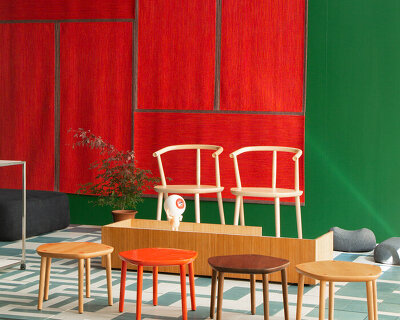
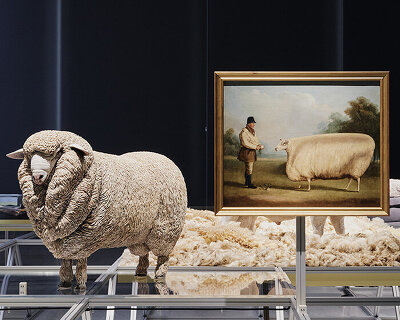
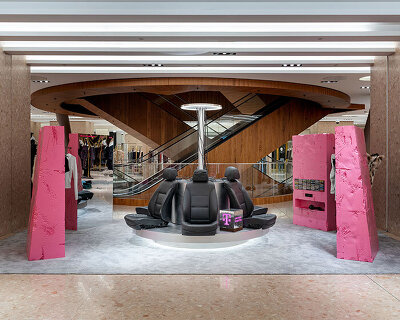
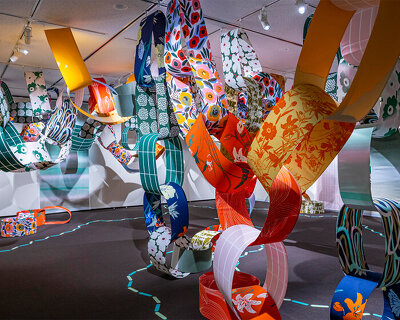
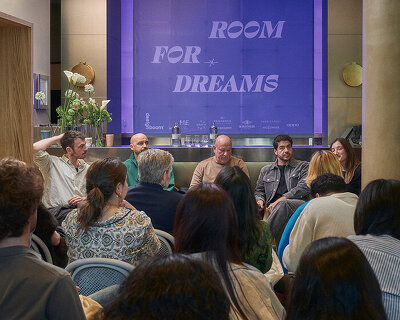
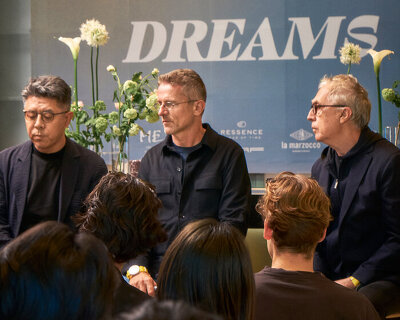
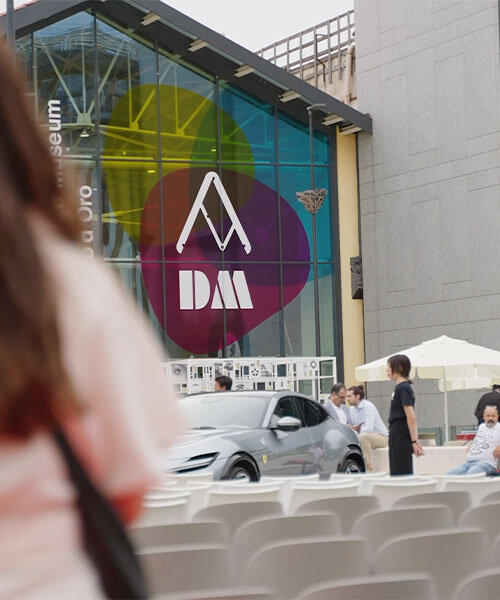
Design is evolving into a dialogue between what is known and what is felt, shifting away from rigid functionalism toward a more empathetic, human-centric future. During Milan Design Week 2026, this shift took centerstage as designboom hosted an expansive conversation on the ethereal mechanics of creation. Within the immersive ROOM FOR DREAMS activation, the discussion explored how the most enduring objects are rarely the result of cold logic, but rather how the result of creativity emerging from the subconscious. It is the manifestation of a supra-rational instinct that bridges the gap between the designer’s internal world and the user’s experience.
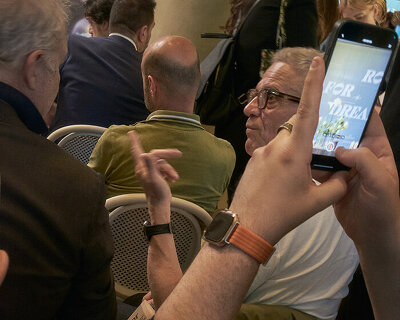
‘I think that intuition is a supra-rational faculty of mind usually… it’s something that is above ordinary logic and our mind’s own limitation,‘ starts Giovanni Moro, industrial designer and co-founder of UNIMATIC, who was joined on the panel by Benoît Mintiens, industrial designer and founder of Ressence, and Mårten Claesson, architect and co-founder of Claesson Koivisto Rune, moderated by designboom’s Editor-in-Chief Sofia Lekka Angelopoulou.

all images © designboom, photography by Camilla Mansini with Giorgio Gagliano
room for dreams discusses creative subconscious
The creative process rethinks how we might access innovation by tapping into a state of flow, where time dissolves and peripheral vision takes over. Mårten suggests that intuition is not a mystical gift, but a sophisticated accumulation of life practice and experience that surfaces when the conscious mind steps aside. Within ROOM FOR DREAMS, the panel explores how this subconscious reservoir allows a designer to navigate complex problems with a sense of inevitability. By blocking out external noise and market trends, the creator acts as a medium, translating years of observation into a singular, instinctive gesture that feels both new and strangely familiar.
‘Intuition is not magic. It’s not something god-given or anything. It is a sort of accumulation of experience that you tap into subconsciously,‘ suggests Mårten Claesson, architect and co-founder of Claesson Koivisto Rune. ‘Intuition works very well when you’re in a state of flow… You have to block everything else out and then you lose the sense of time.‘

True optimism in design emerges from the belief that limitations are not barriers, but the very origin of creativity. Giovanni proposes that working without the safety net of massive market research allows designers to form their own paths — a set of personal rules that guide the birth of original artifacts. This sentiment is echoed by Benoît who envisions a design process that starts with the human user rather than the mechanical component. The discussion highlights how adjusting the parameters of ergonomics and aesthetics in harmony defines a new reality, proving that even the most technical objects can be reimagined as empathetic companions.
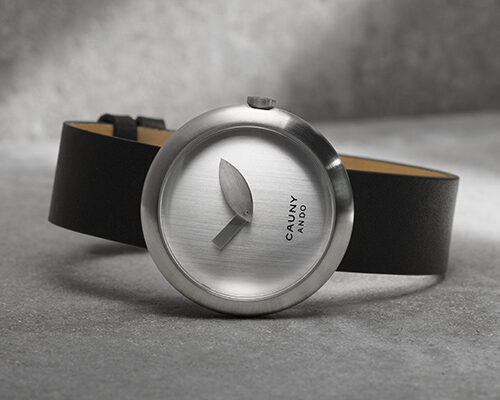
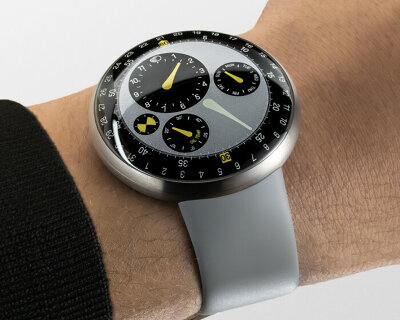
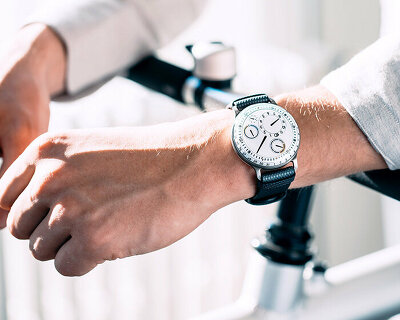
‘Ressence’s starting point for design is more from the user. That’s very different from a watchmaker. A watchmaker typically starts with the movement.‘ Benoît Mintiens, industrial designer and founder of Ressence, continues to add: ‘The moment I feel okay with the design is when I am able to make new positions for parameters — ergonomics, aesthetics, function etc — coherent with each other because then you have defined a new reality for that product.’

The future of object-making imagines a world where product biodiversity drives the evolution of our material culture. By mixing the distinct DNAs of different disciplines — architecture, industrial design, and horology — new paradigms are born that transcend their original categories. The panelists at the Room for Dreams talk reflect on the desire to create non-disposable legacies, ranging from universal tools like a simple pencil to enduring structures like a temple. This collaborative spirit suggests that when a designer infuses an object with subconscious depth and fetishistic attention to detail, they create a sustainable emotional bond. It is a vision where design survives its creator, standing as a testament to the power of intuition to shape a more imaginative world.
‘Humankind or any other species moved on and evolved through biodiversity by mixing the genes… To have these two DNAs — brains, thinking methods — mixed in one product… suddenly it’s something new,‘ concludes Benoît. ‘This is evolution theory applied to products.‘
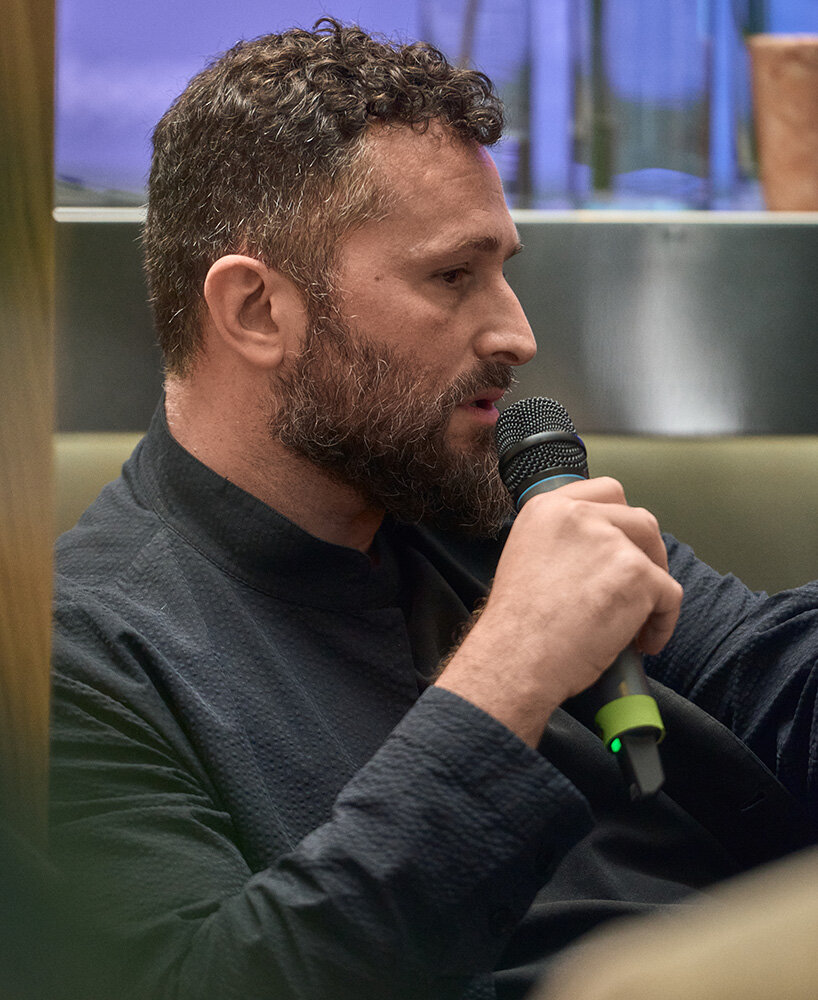
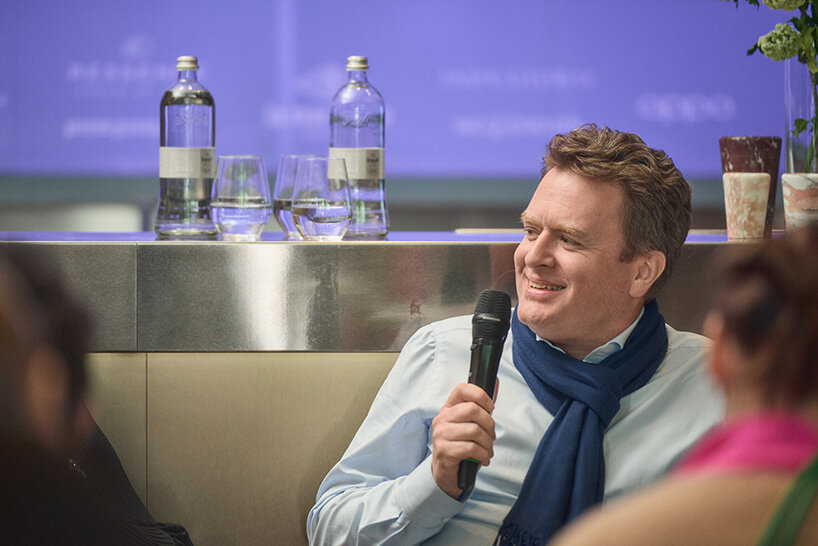
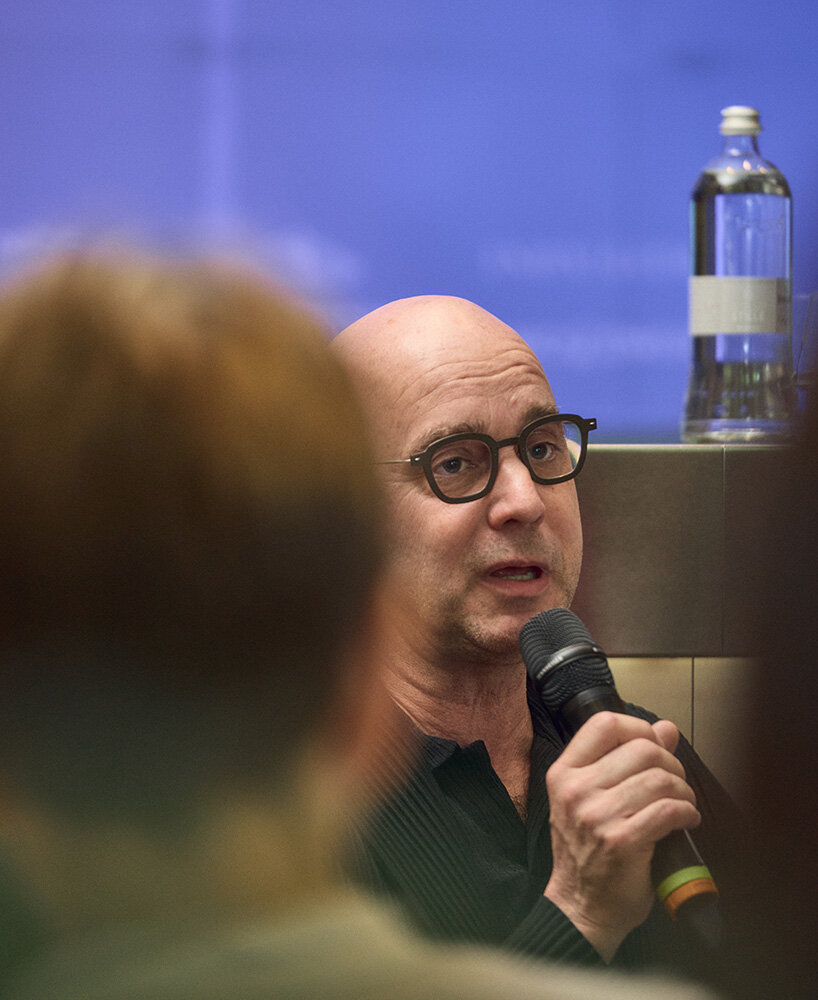

talk info:
title: Design Intuition: When Creativity Emerges from the Subconscious
participants: Benoît Mintiens (Ressence), Giovanni Moro (UNIMATIC), Mårten Claesson (Claesson Koivisto Rune) event: Room for Dreams, Milan Design Week 2026
date: 21 April 2026