
‘the future belongs to dreamers’: how creators prototype temporary dreamscapes for future
discover how immersive environments and material innovations challenge our creative reflexes to inspire new perspectives on the future.
amo, solidnature, paf atelier, and la marzocco converse in milan
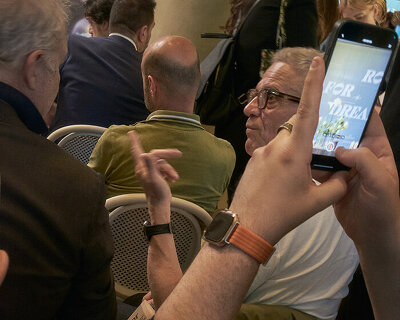
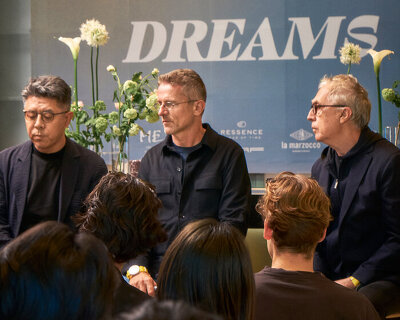
Design can be both permanent and temporary, yet it is during the fleeting pulse of a design festival that we truly witness the long-term benefits of the ephemeral. The temporary can become blueprints for a more evocative, speculative future. At Milan Design Week 2026, this spirit was in effect as designboom hosted an expansive conversation on how temporary environments serve as rehearsals for alternative realities. Within the immersive ROOM FOR DREAMS activation, designers — Samir Bantal, architect and director of AMO/OMA; David Mahyari, founder of SolidNature; Christopher Dessus, founder of Paf atelier; and Paul Kelly, Global Marketing Director at La Marzocco — behind some of the week’s most impactful installations explored how these dreamscapes are not just pop-up spaces, but sites where emotional and social values are tested before they solidify into permanence. Design is a vital window of hope for what is to come.

temporary dreamscapes disrupt automatic thinking
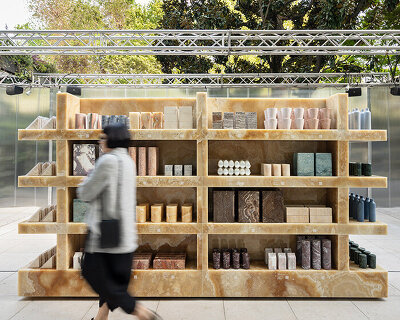
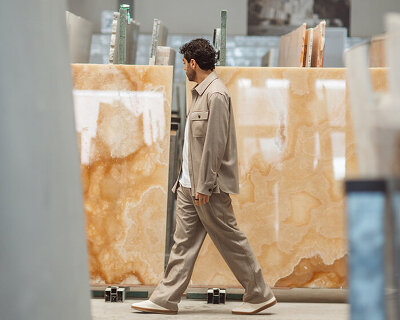
The creative process for temporary spaces rethinks how we might access innovation by challenging the automatic reflexes of our daily lives. Samir suggests that the power of design lies in its ability to disrupt automatic thinking. Within the stone supermarket of Il Sonno, the concept explores how food items, such as a milk carton crafted from travertine, captures attention, forcing a state of wonder that invites visitors to speculate on a possible future. By transforming a space of mindless habit into one of intentional detail, the creators invited the audience to wander off into new perspectives, question reality, and see how positive a different day-to-day could be.
‘The power of architecture and the power of design, is to challenge these kind of reflexes and automatic ways of thinking,‘ states Samir. ‘I think that the speculative element of design is very powerful because without being forced on the designer or users so much, it invites them actually to think about a possible future.‘

the future belongs to dreamers in design
True optimism in design emerges from the belief that the future belongs to dreamers and those willing to awaken the dream in others. David proposes that changing our perspective on ancient materials like stone allows us to build a future rooted in both beauty and durability. He views real sustainability as the creation of things that stay forever, giving them such high value that they are never discarded. For Mahyari, a successful immersive installation is one that is truly inspirational, changing something within the visitor and moving them to foresee a better tomorrow.
‘The future belongs to dreamers,‘ confirms David. ‘Having the opportunity to change perspective gives designers the opportunity to change the future. It cannot be built without visionaries. We need willingness from organizations to awaken the dreamers in people.‘

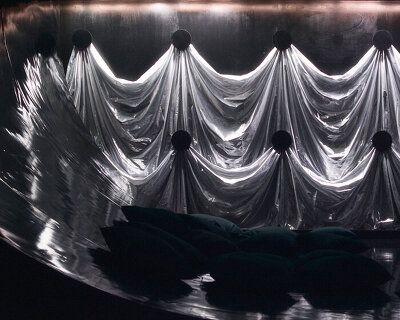
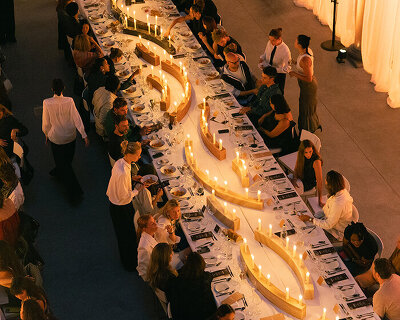
The future of space-making is reliant on immersive storytelling that reaches beyond mere visual effects, like screens and lights, to establish a meaningful relationship between people and their environment. Christopher reflects on his work as a process of creating human connections and finding new ways to dream together. In designing the Cinema of Dreams, Dessus used the dream as an intangible force to create a place where all is possible, focusing on the connection between symbols and emotions rather than just aesthetic form. He envisions architecture as a continuous process and a good story that builds a lasting relation with an institution or community.
‘As a designer, my work is to create connections with humans,‘ clarifies Christopher. ‘Immersive spaces are not about effects. It is immersive because of how it connects with intangible forces to us. When we create new places to dream together, we enable new ways to think about a better future.‘

The future of design also prioritizes the communal rituals that ground us, transforming both technical objects and everyday items into empathetic anchors for connection. Paul views the design week as a window of hope and a vital investment in the future that people naturally gravitate toward. By introducing rituals like coffee drinking into the design conversation, Kelly highlights how sight, sound, and smell can be used to hold a community’s attention. He believes a truly immersive experience is one that prioritizes the customer experience over the designer’s ego, using design to lift up the conversation and the community to explore a better tomorrow.
‘In all industries and in all parts of life, one really has to nurture communities,‘ concludes Paul. ‘Milan Design Week is a real window of hope for everyone — it is inspirational. It is an investment for brands to be a part of it, but it is also an investment in the future. When people see proposals for new ideas, they naturally gravitate towards it. And it is vital for creators to see the experience, listen, and learn from the community’s reaction.‘

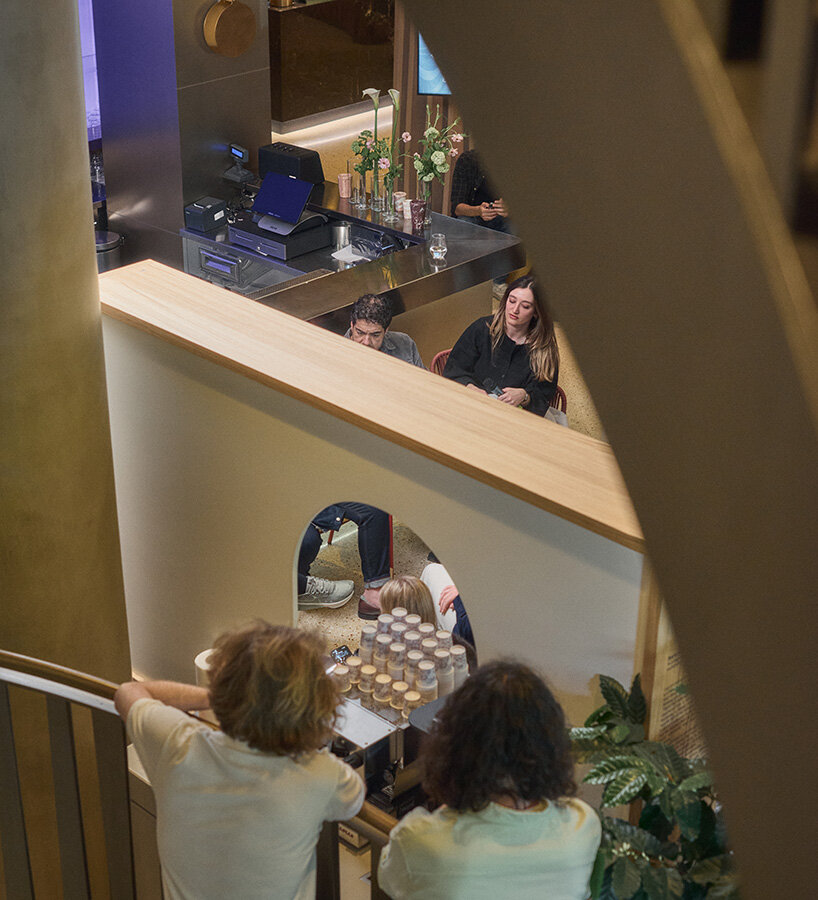
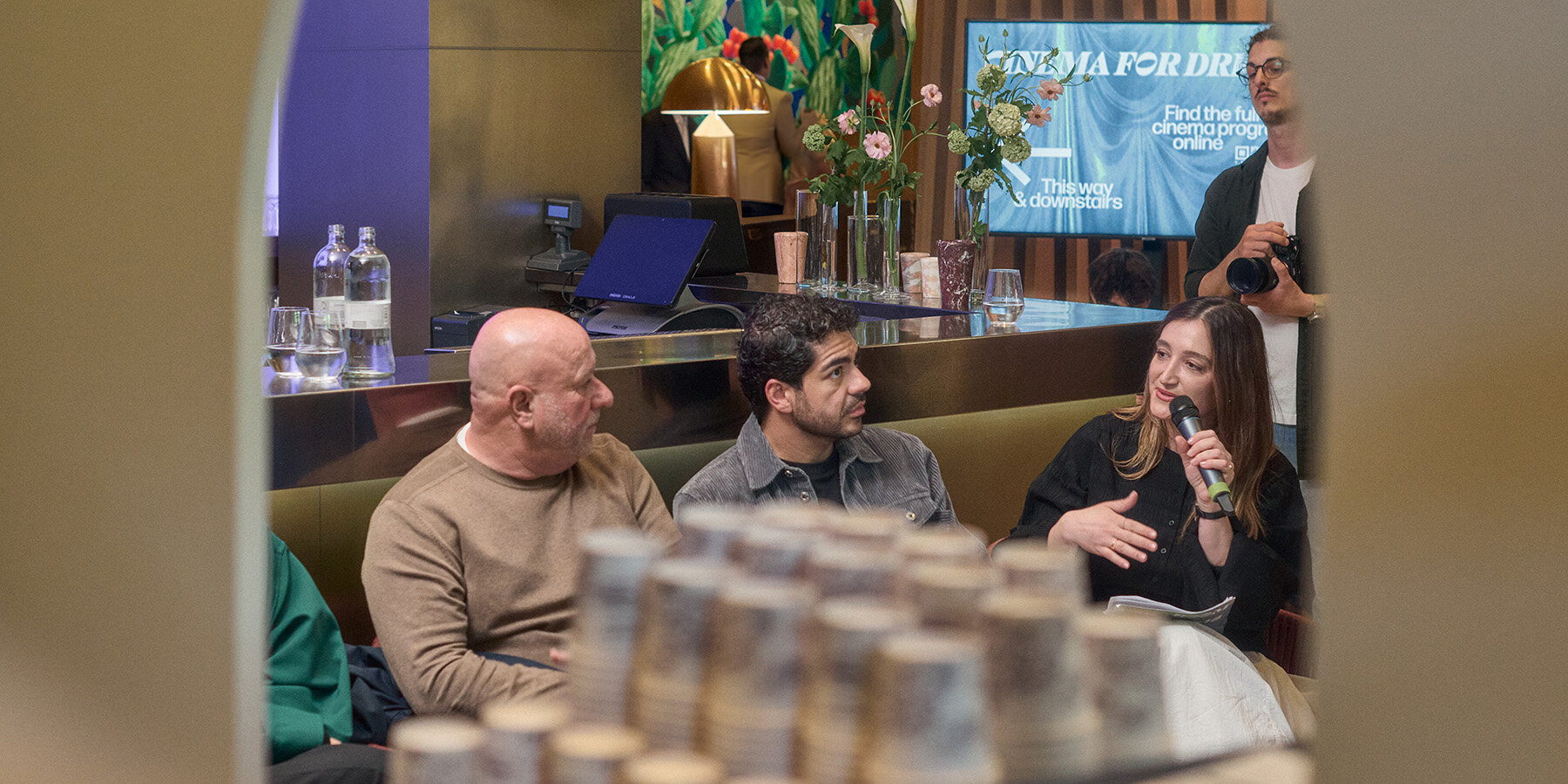
talk info:
title: Temporary Dreamscapes: Immersive Realities as Prototypes for Alternate Futures
participants: Samir Bantal (AMO/OMA), David Mahyari (SolidNature), Christopher Dessus (Paf atelier), and Paul Kelly (La Marzocco)
event: Room for Dreams, Milan Design Week 2026
date: 20 April 2026
shop
your own online design shop — no sales commission collected