designboom has received this project from our DIY submissions feature, where we welcome our readers to submit their own work for publication. See more project submissions from our readers here.

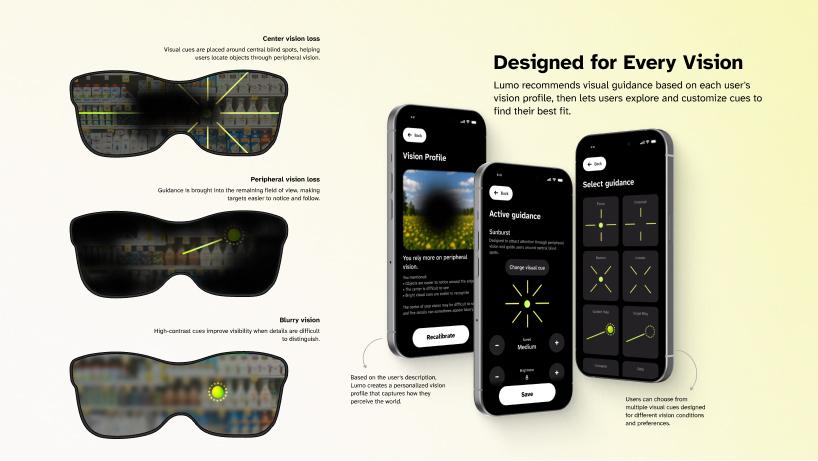
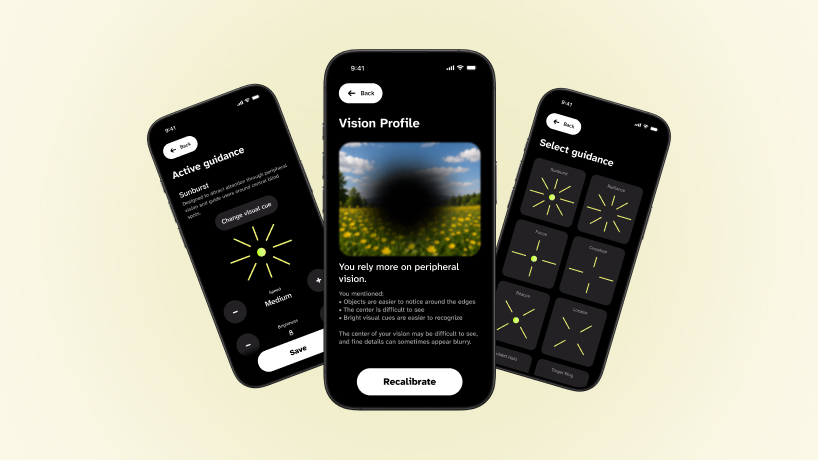
lumo adapts guidance for central vision loss, peripheral vision loss, and blurred vision.
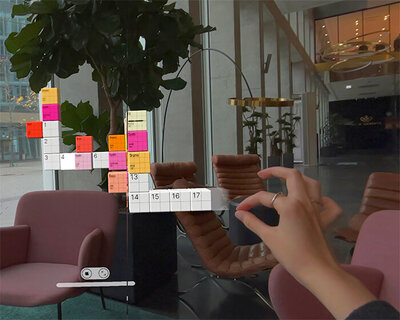
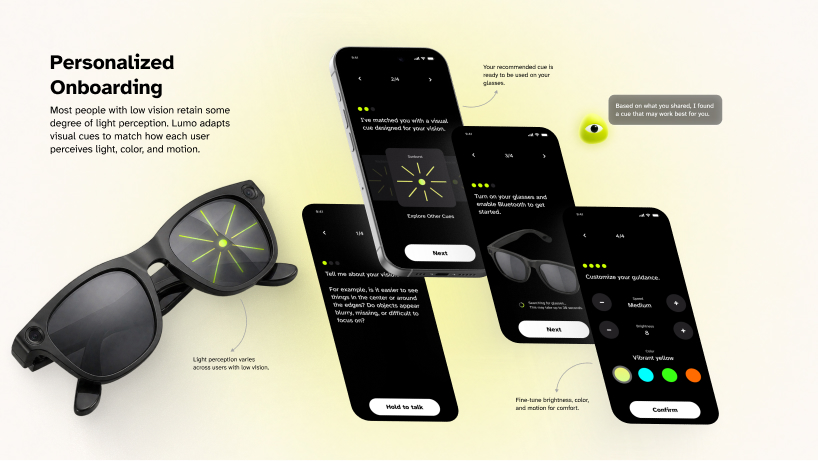
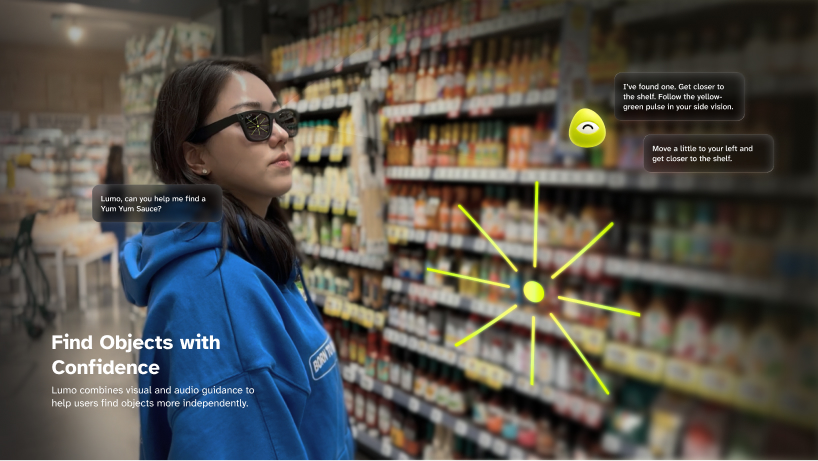
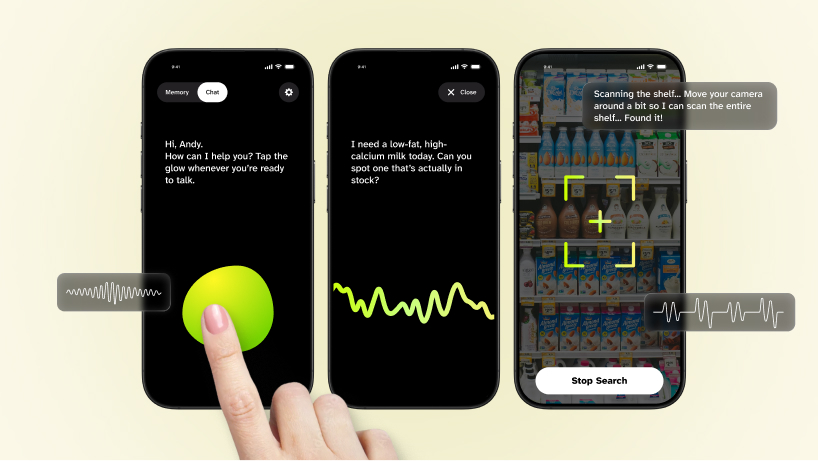
Designed by Yue Fan, Lumo explores how AI-powered wearables can support people with low vision through adaptive visual guidance and context-aware assistance. The project combines smart glasses with a mobile companion app to help users locate objects, interpret their surroundings, and retain information encountered throughout daily activities. Rather than replacing vision, the system is designed to work with each user’s remaining visual abilities, adapting its guidance to conditions including central vision loss, peripheral vision loss, and blurred vision.
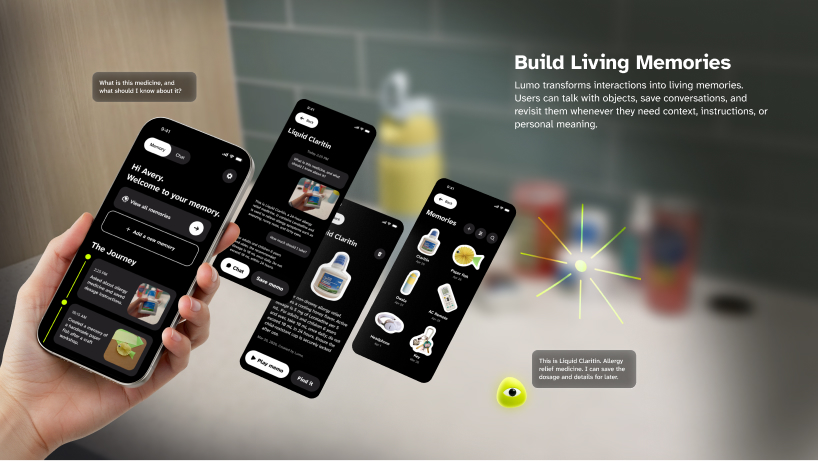
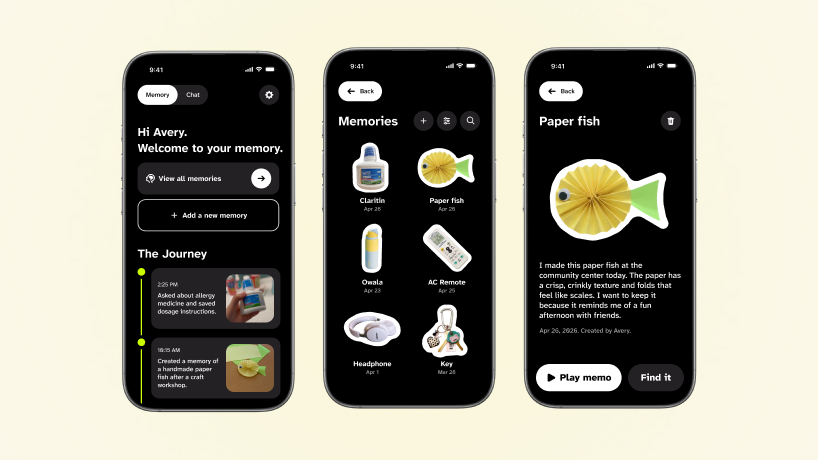
Alongside visual assistance, Lumo introduces Living Memory, a system that records and organizes information gathered through everyday interactions. Objects, locations, conversations, personal preferences, and recurring activities are stored as contextual references that can later be retrieved. As this information accumulates, the system supports users in relocating personal belongings, recalling previous experiences, and navigating familiar environments through an evolving record of daily life.
The project was developed through research with people living with low vision, which found that many participants retained varying degrees of usable sight and combined residual vision with memory, touch, and established routines to complete everyday tasks. These findings informed a design approach that focuses on augmenting existing visual perception instead of substituting it.
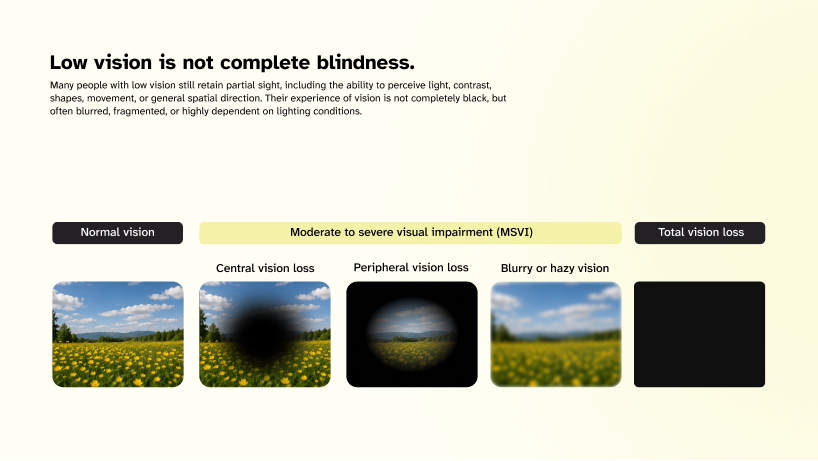
The research also highlighted the diversity of low-vision conditions, showing that visual cues effective for one individual may be unsuitable for another. In response, Lumo adapts its interface and guidance according to each user’s remaining vision, proposing a more individualized approach to assistive technology.
Designed by Yue Fan, a UX designer working on Samsung Health, the project reflects an interest in the relationship between AI, wearable technologies, and digital health. A graduate of the University of California, Berkeley’s Master of Design program, Fan investigates how intelligent systems can support everyday interactions through adaptive and context-aware interfaces. Lumo extends this approach beyond low vision by proposing accessibility as a responsive design framework rather than a fixed collection of assistive features. The project examines how AI can retain contextual information, personalize guidance over time, and respond to changing user needs through continuous interaction.
Recognized with the Red Dot Design Award and the K-Design Award, Lumo contributes to ongoing discussions around inclusive design and the role of AI in wearable technology. The project explores how adaptive systems that learn from repeated interactions can support navigation, memory, and everyday decision-making while responding to individual abilities.


project info:
name: Lumo
designer: Yue Fan
designboom has received this project from our DIY submissions feature, where we welcome our readers to submit their own work for publication. See more project submissions from our readers here.
your own online design shop — no sales commission collected