
digitally fabricated plywood pavilion creates shaded curved refuge in chihuahua
the intervention was developed as a student project at the instituto superior de arquitectura y diseño (ISAD).
PASO NARA temporary pavilion appears in Chihuahua’s square
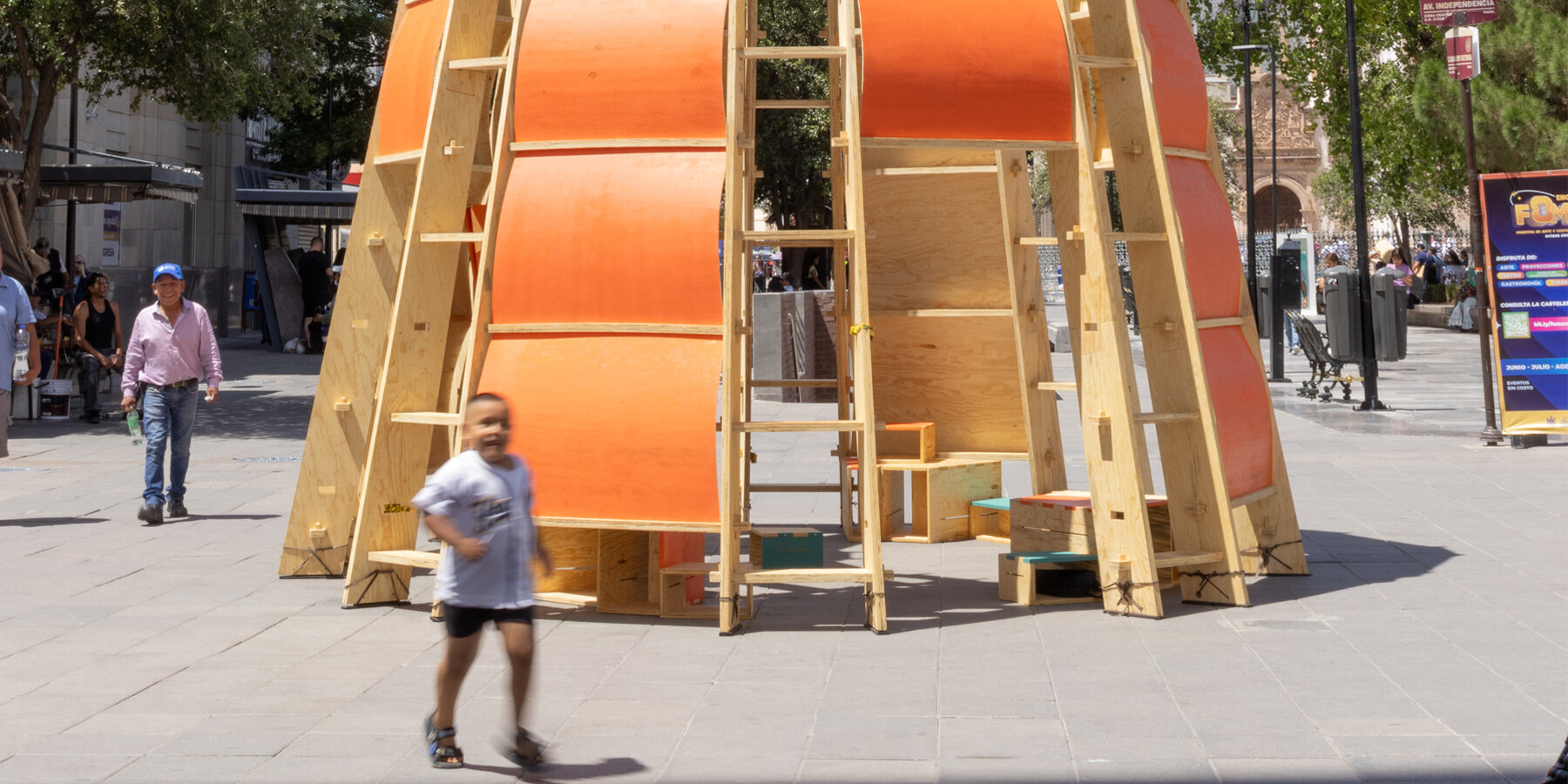
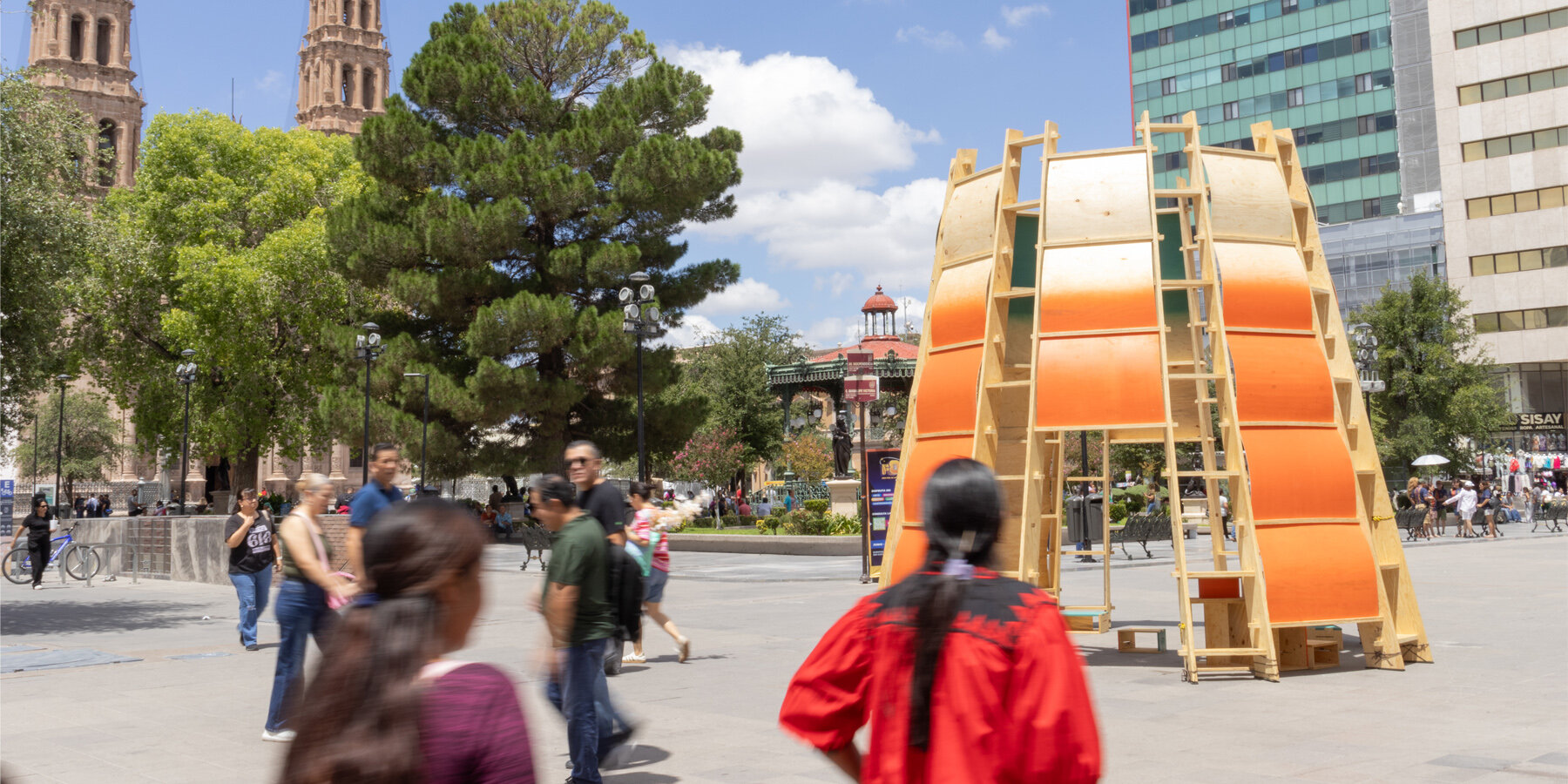
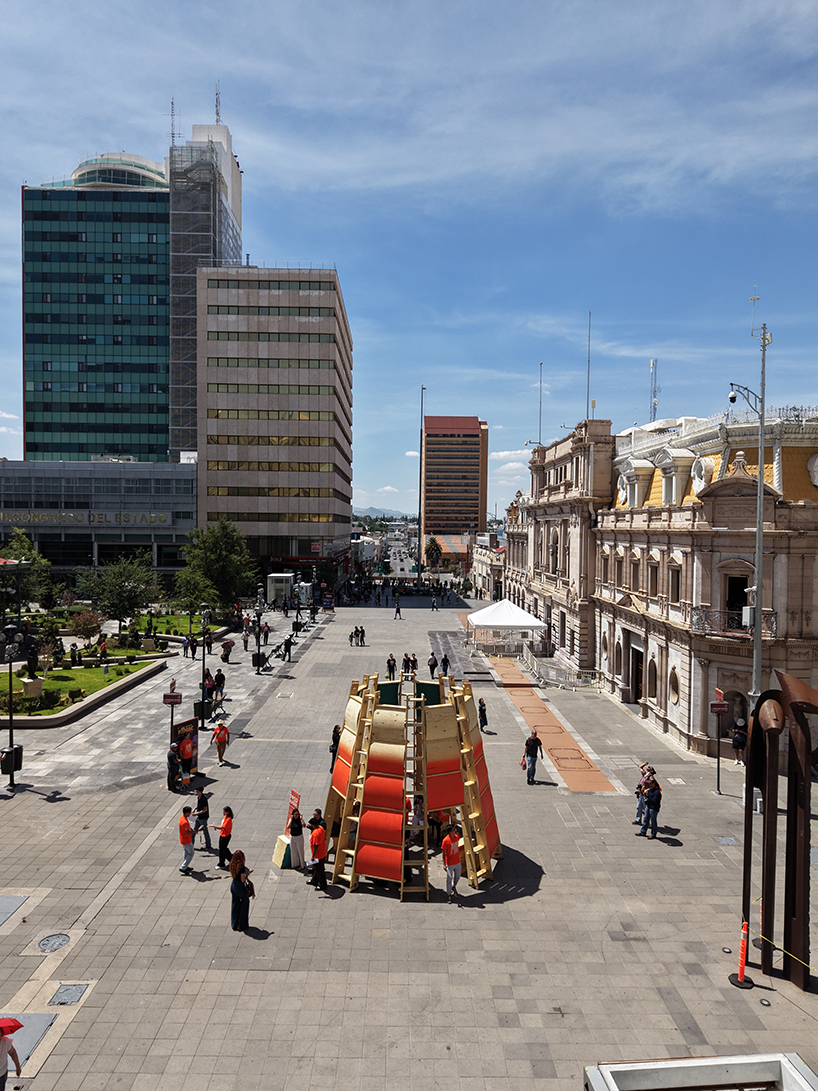
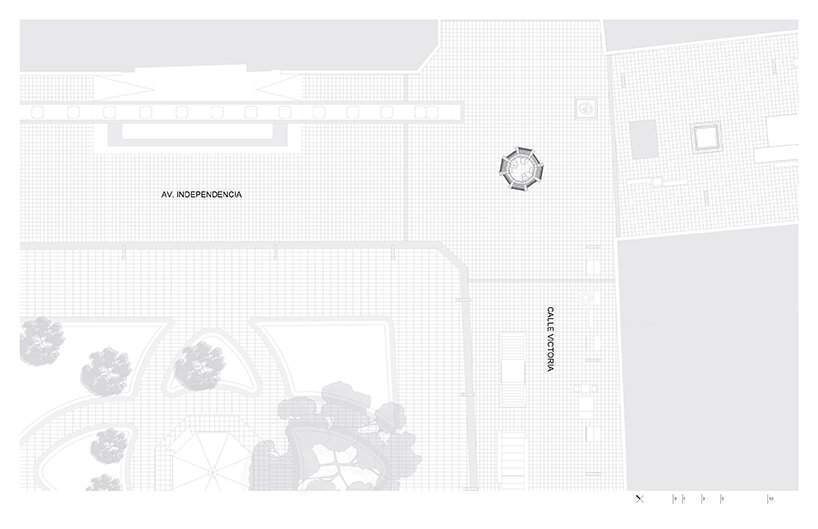
Located at the intersection of Avenida Independencia and Calle Victoria in Chihuahua’s historic Plaza de Armas, PASO NARA is a temporary pavilion that responds to the need for shade within one of the city’s busiest pedestrian routes. Developed as a student project at the Instituto Superior de Arquitectura y Diseño (ISAD), the intervention introduces a sheltered space for rest within the continuous movement of the public square.
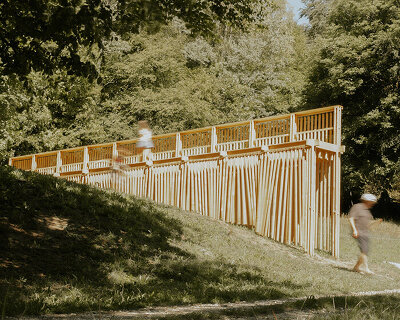
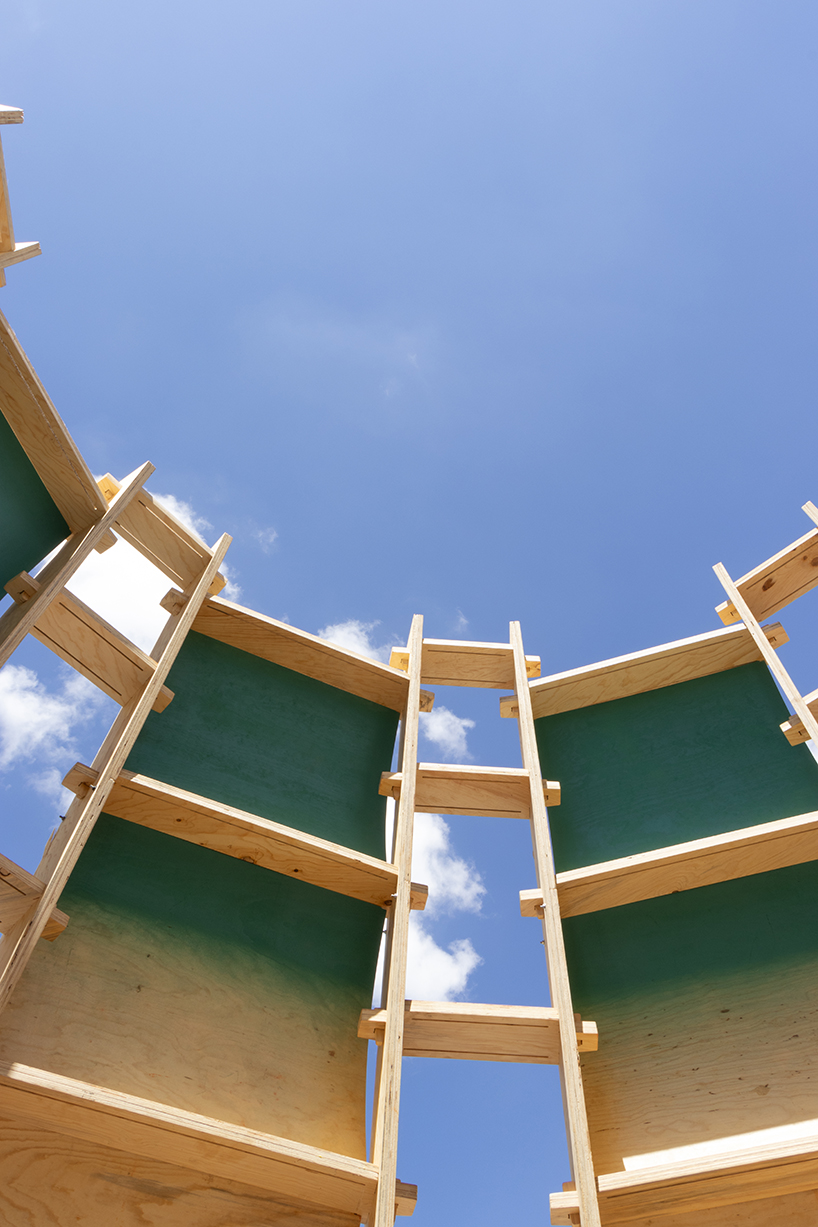
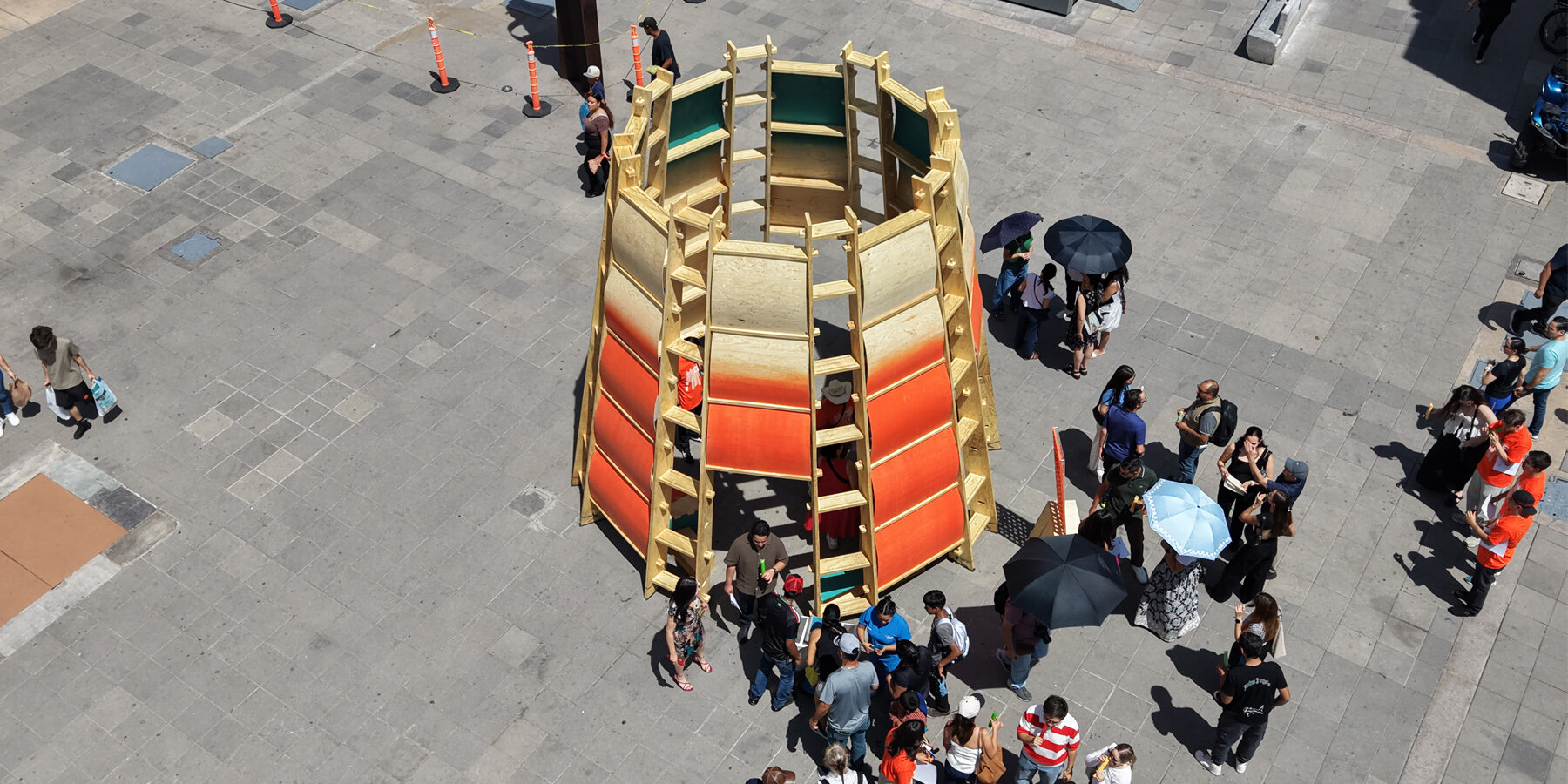
Positioned within an area formerly occupied by vehicular traffic and now incorporated into the city’s pedestrian network, the pavilion is defined by a conical form and curved timber envelope that distinguish it from the surrounding open plaza. The canopy creates a shaded interior while an opening at its apex frames the sky above, directing views upward and establishing a visual relationship between the enclosed space and its urban context.
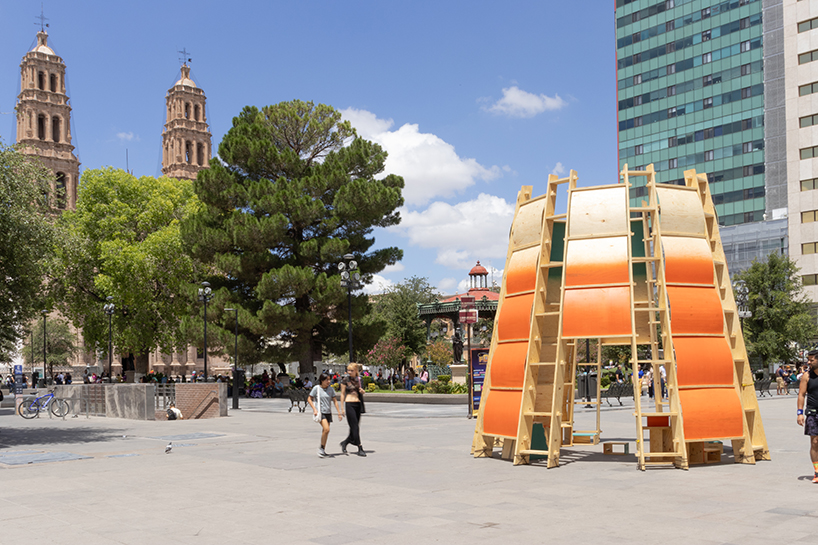
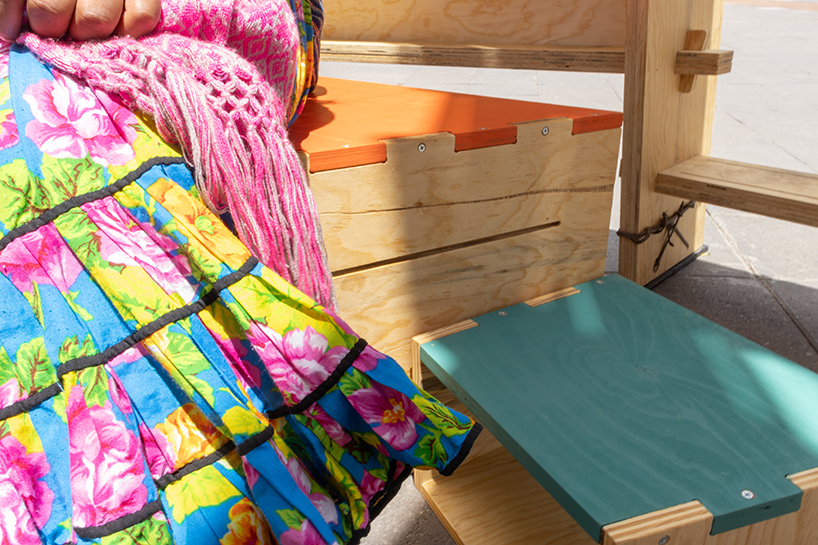
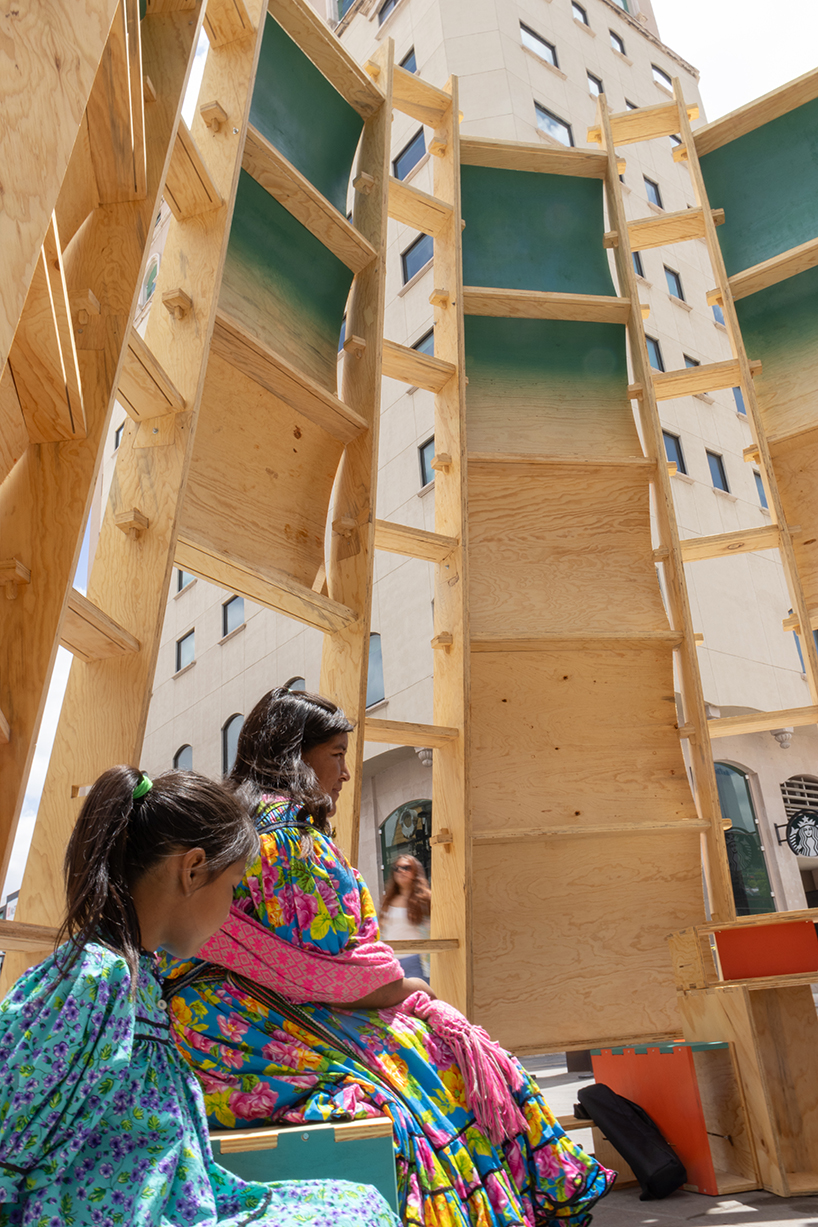
Curved wooden panels reinterpret traditional Rarámuri skirts
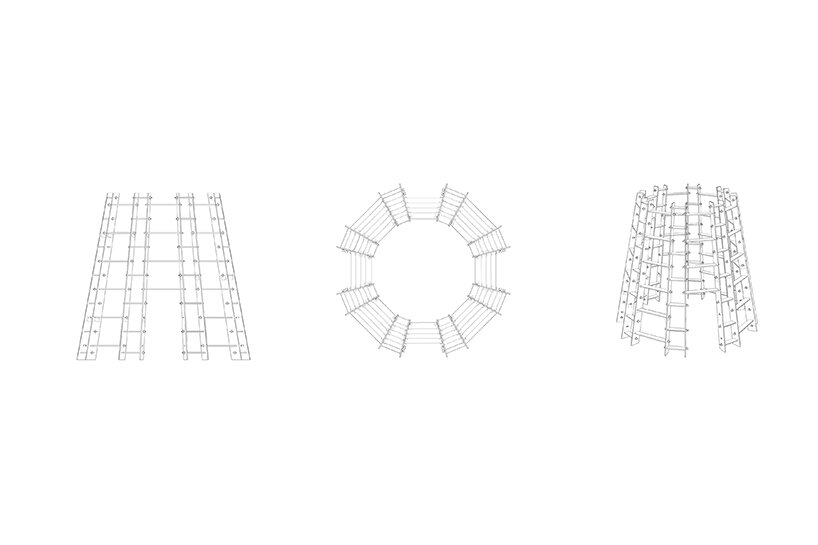
The pavilion’s geometry draws on the spatial logic of traditional Rarámuri skirts, adapting their environmental performance rather than reproducing their appearance. The structure widens toward the ground to increase the shaded area while narrowing at the top to concentrate daylight and frame the sky. A color gradient across the timber surface references the changing tones of the Chihuahua desert during sunrise and sunset.
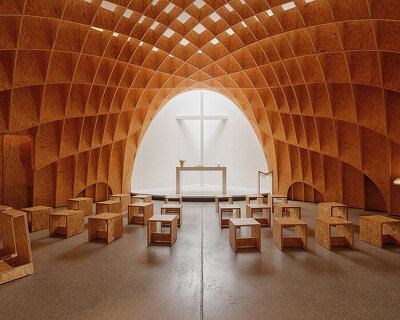
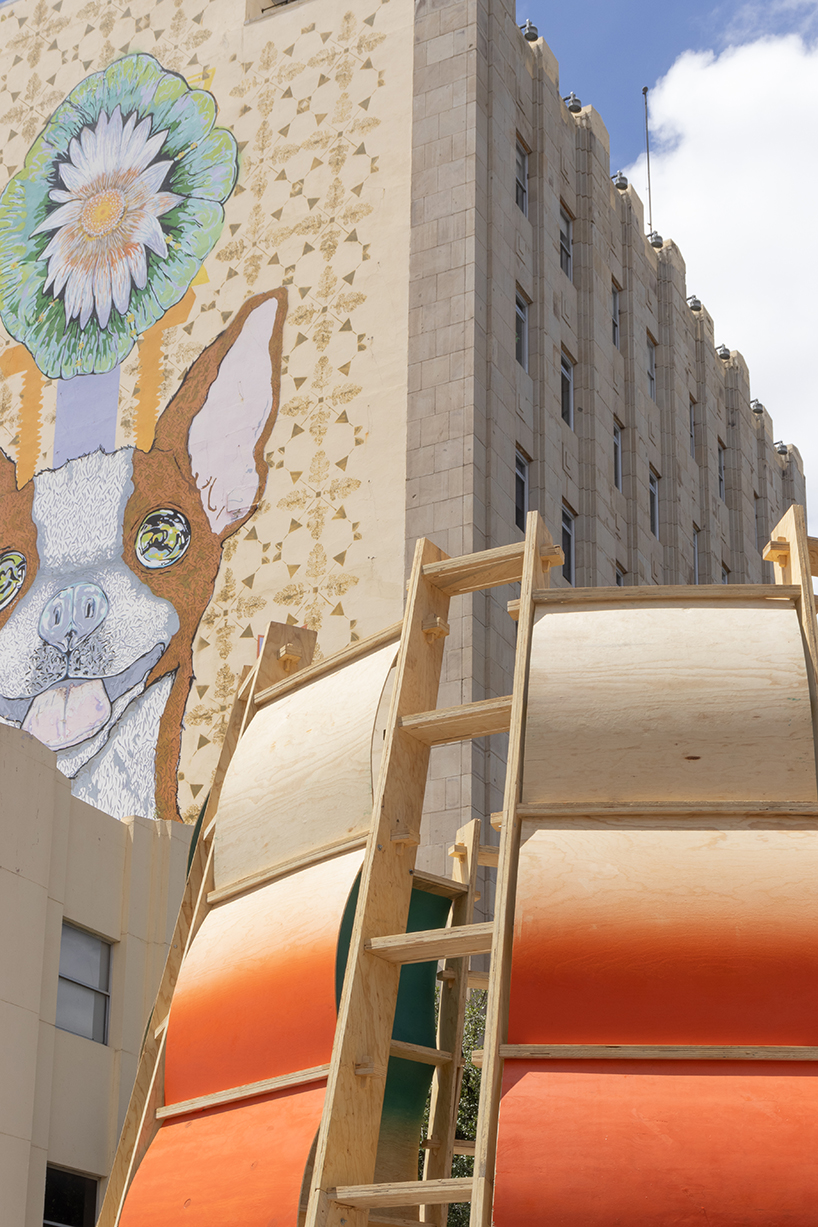
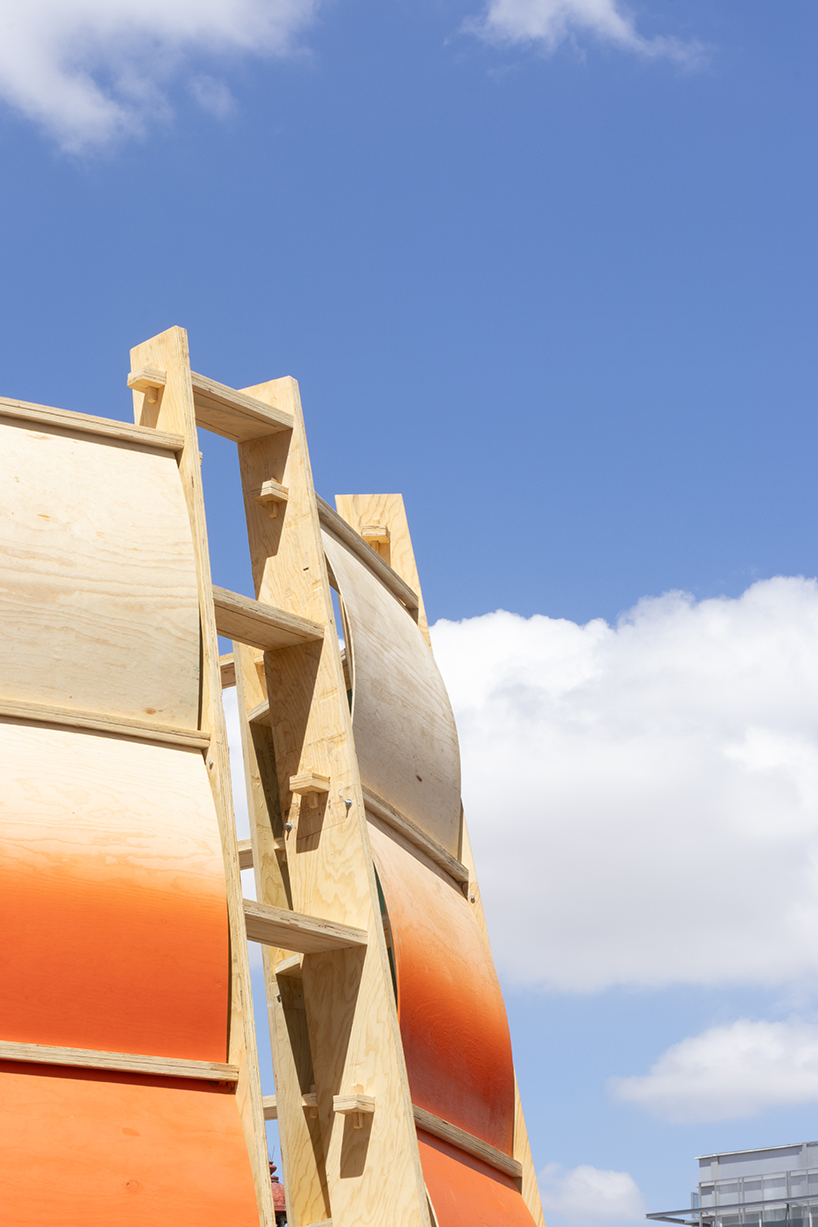
The enclosure is constructed entirely from curved plywood panels that take advantage of the material’s flexibility to create a continuous lightweight shell. Their geometry produces variations in light, shadow, and surface appearance throughout the day while reinforcing the pavilion’s sculptural form.
PASO NARA forms part of the 2026 Taller del Desierto educational program at the Instituto Superior de Arquitectura y Diseño (ISAD), an intensive design-build workshop focused on full-scale construction, led by advisors and coordinators in collaboration with students. Through a lightweight timber intervention, the project examines how temporary architecture can introduce moments of shelter and pause within the everyday rhythms of public space.
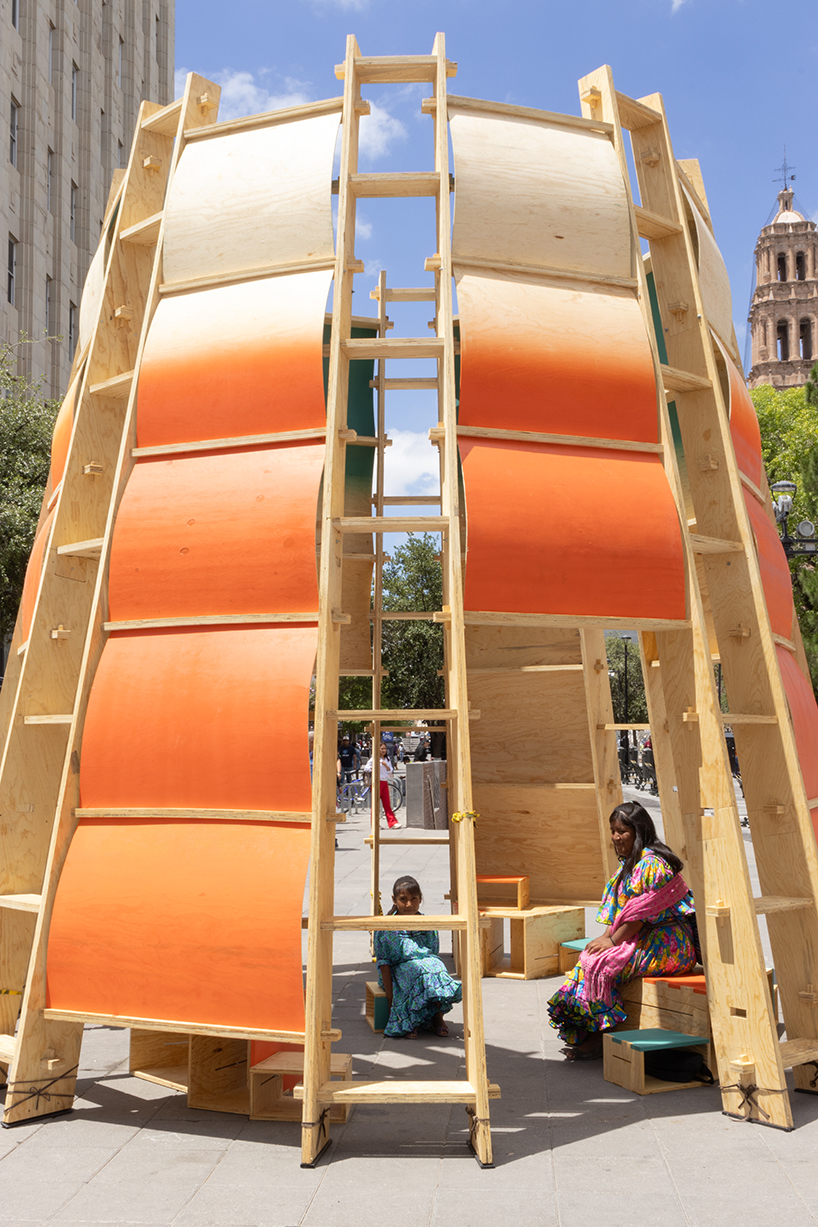
Digitally fabricated timber system enables disassembly and reuse
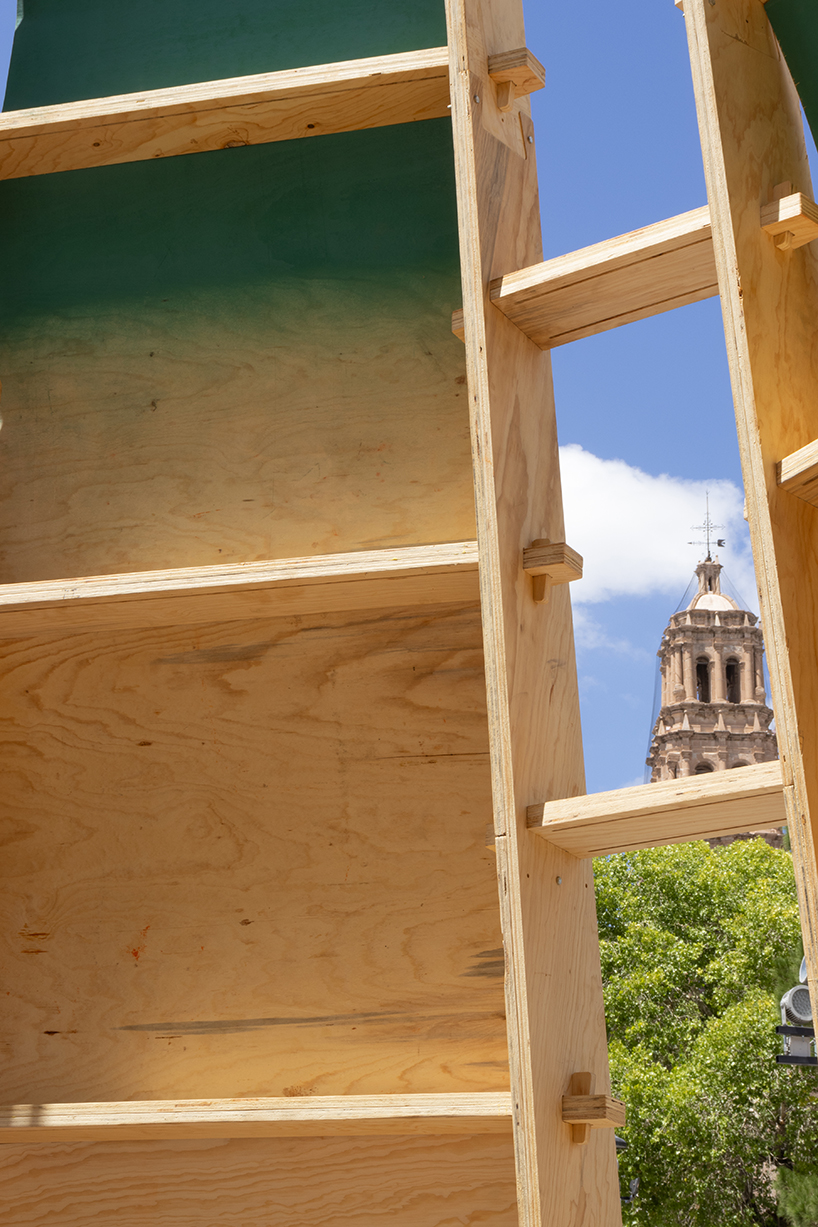
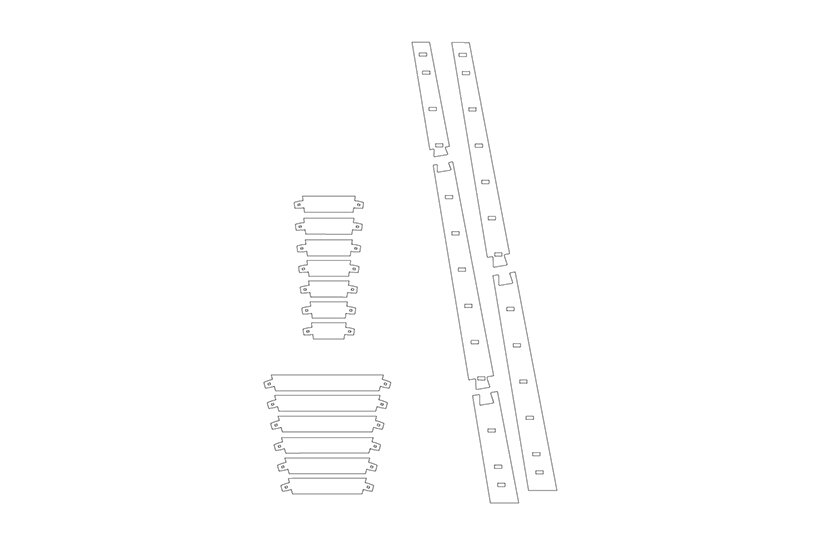
The structural system relies on mechanical timber joints using gravity, compression, and wooden wedges, reducing the need for conventional metal fasteners. Each component was digitally fabricated through three-axis CNC milling directly from digital models, allowing the plywood elements to be produced with the precision required for assembly without on-site modifications.
Conceived as a prefabricated and demountable structure, PASO NARA can be assembled, dismantled, transported, and reconstructed in different locations. The project demonstrates how digitally fabricated timber systems can be adapted to multiple contexts while using widely available manufacturing technologies.
1/3
project info:
name: PASO NARA
institution: Instituto Superior de Arquitectura y Diseño (ISAD) | @desiertoisad
program: Taller del Desierto 2026
advisors: Daniel Romero Valencia, Mauricio Rey Villarreal, Juan Castillo Cruz
project coordinator: Alexis Pereda Chánez
students: Francisco Granillo de la Rocha, Abril Ávila Hernández, Alan Meléndez Peña, Alejandro Gardea Arana, Leonardo Cervantes Unzueta, Magdalena Sapién Martínez, Loreta Toledo López, Ana Guzmán Cabello, Ximena Rodríguez Soto, Luis Meneses Piña, Karla Mendoza Alvídrez, Jimena Cárdenas Torres, Mariana Jiménez Gutiérrez, Sebastián Acosta Rangel, Rogelio Ramos Licón, Natalia Cárdenas Heras, Fernanda Quezada Cherlín, Salma Rivas González, Héctor del Castillo Gómez, Edgar Gallegos Araiza, Gabriela Prieto Chávez, Luis Moreno Nevárez, Emilio Beltrán Hernández
location: Chihuahua, Mexico
photographers: Alexis Pereda, Santiago Ruiz
designboom has received this project from our DIY submissions feature, where we welcome our readers to submit their own work for publication. See more project submissions from our readers here.
shop
your own online design shop — no sales commission collected