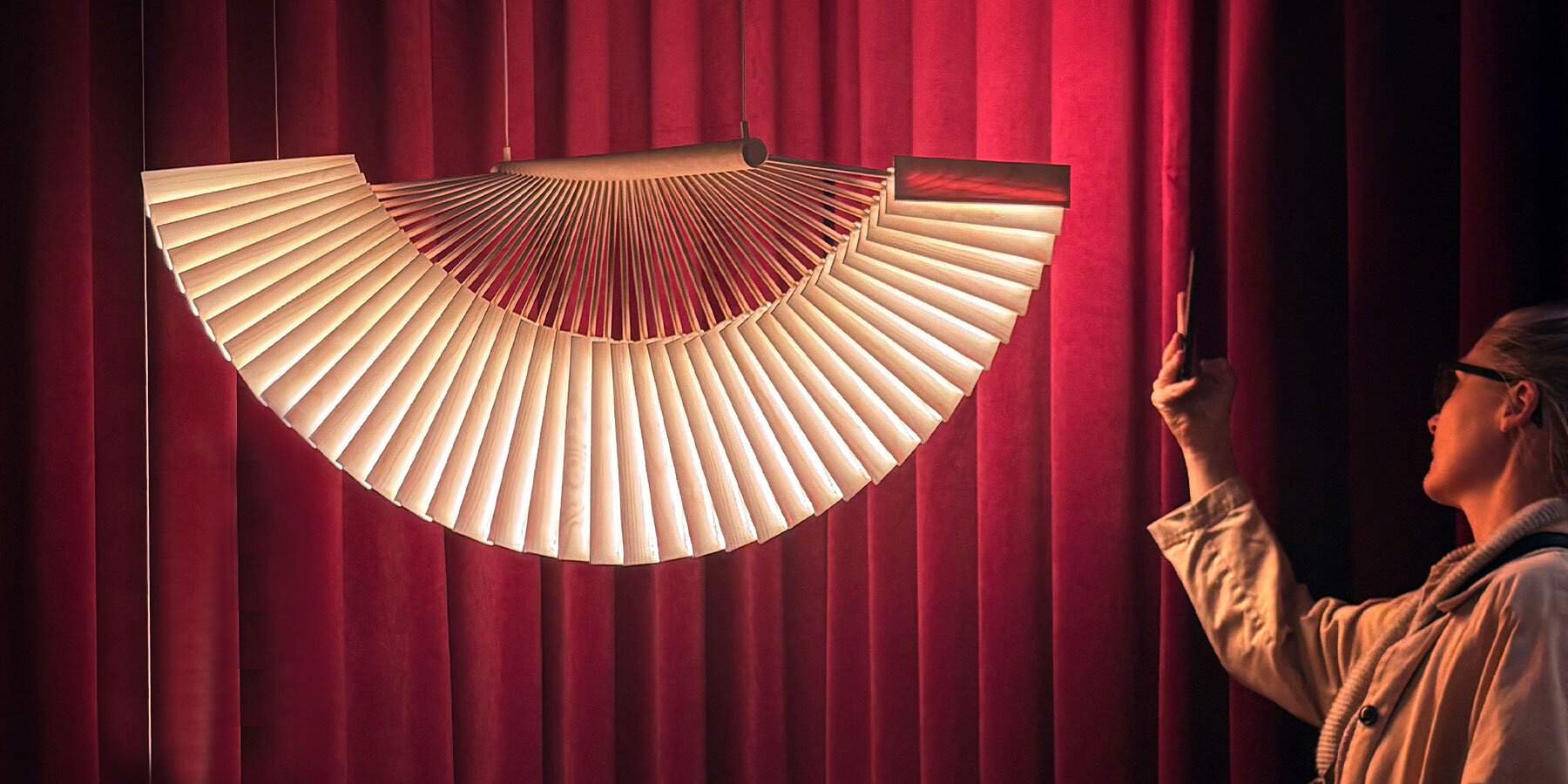
MARIA GIL WINS DESIGNEUROPA NEXT GENERATION DESIGN AWARD
designboom speaks with Polish designer Maria Gil, winner of the DesignEuropa Next Generation Design Award honoring emerging talent in European product design. Still at a young age, Gil has already achieved major milestones, building her body of work on self-directed curiosity and hands-on manufacturing. After studying in London and Italy, she returned home to Poland to establish her design identity with loud, expressive objects that serve as an invitation to open, reflective conversations.
‘I think the most valuable out of this whole experience, is realizing that the most powerful designs are the ones that keep asking questions, even after they’re finished, and open room for a conversation instead of being just a monologue,’ Gil starts the interview.
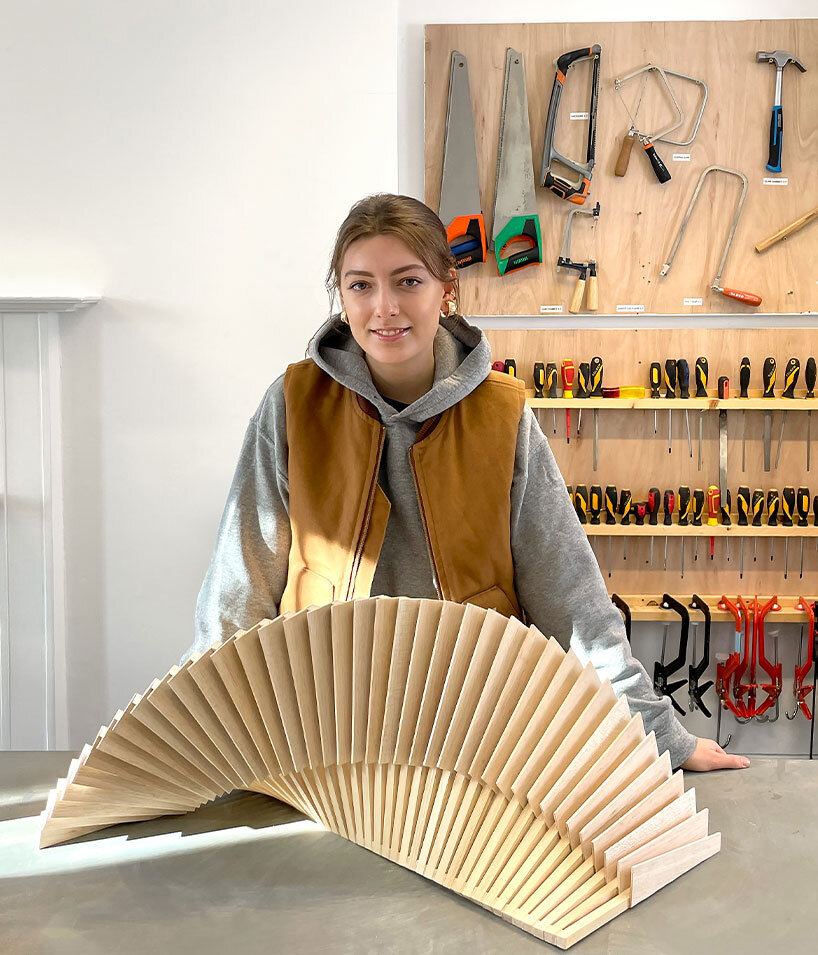
designboom in conversation with Maria Gil, winner of the DesignEuropa Next Generation Design Award | all images courtesy of DesignEuropa Award
EXPRESSING UNTOLD STORIES THROUGH MATERIAL AND FORM
The DesignEuropa Next Generation Design Award celebrates young and emerging designers across diverse creative disciplines in Europe. Before receiving this award, Maria Gil experienced living and studying across Poland, London, and Italy, developing a multifaceted approach to design. This global trajectory helped define her personal creative identity while deepening her understanding of how history influences contemporary objects.
‘London is such a multicultural environment, introducing you to a range of attitudes all at once. When there are so many diverse voices, you’re inspired to explore your own identity. I gained so much knowledge about foreign design history, especially Italian heritage during my exchange in Milan, that I felt ashamed to admit I knew barely anything about Polish design history. I decided to take a journey around Poland and its most focal points regarding craft and design to see everything up close. That’s where I realized that one puzzle was missing, one that in Italy was my favorite moment – postmodernism,’ explains the designer.
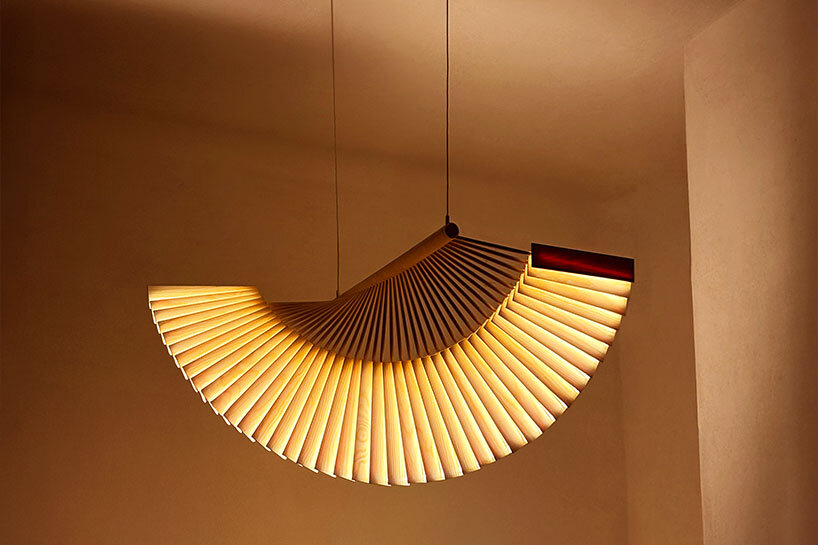
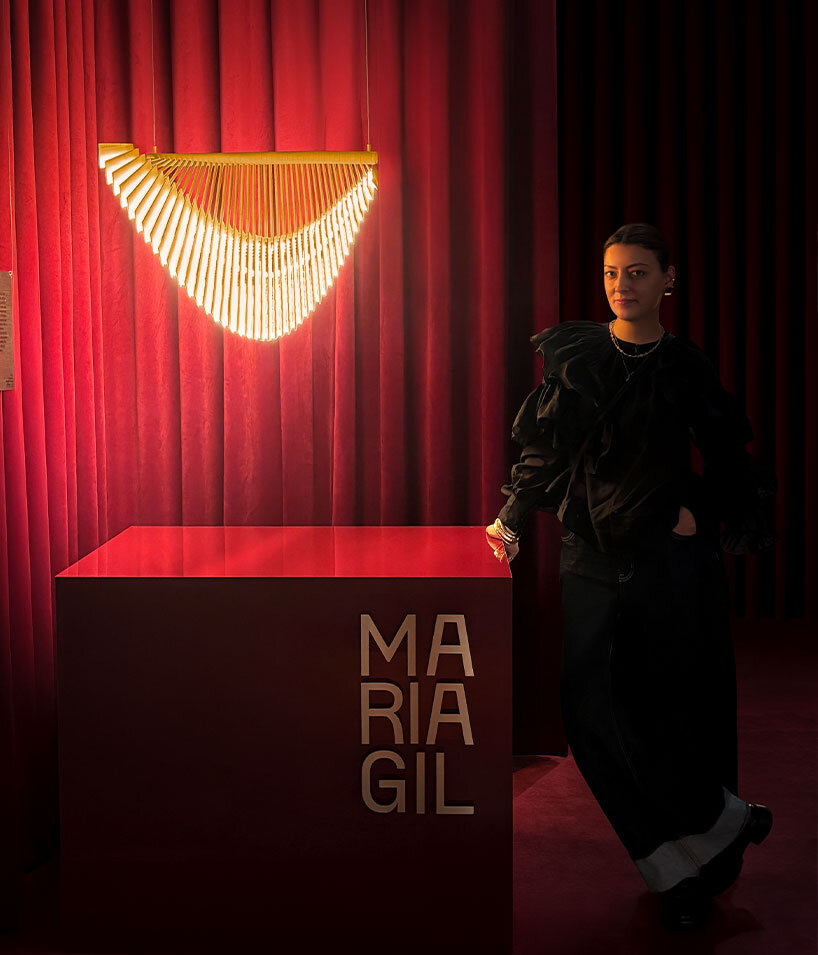
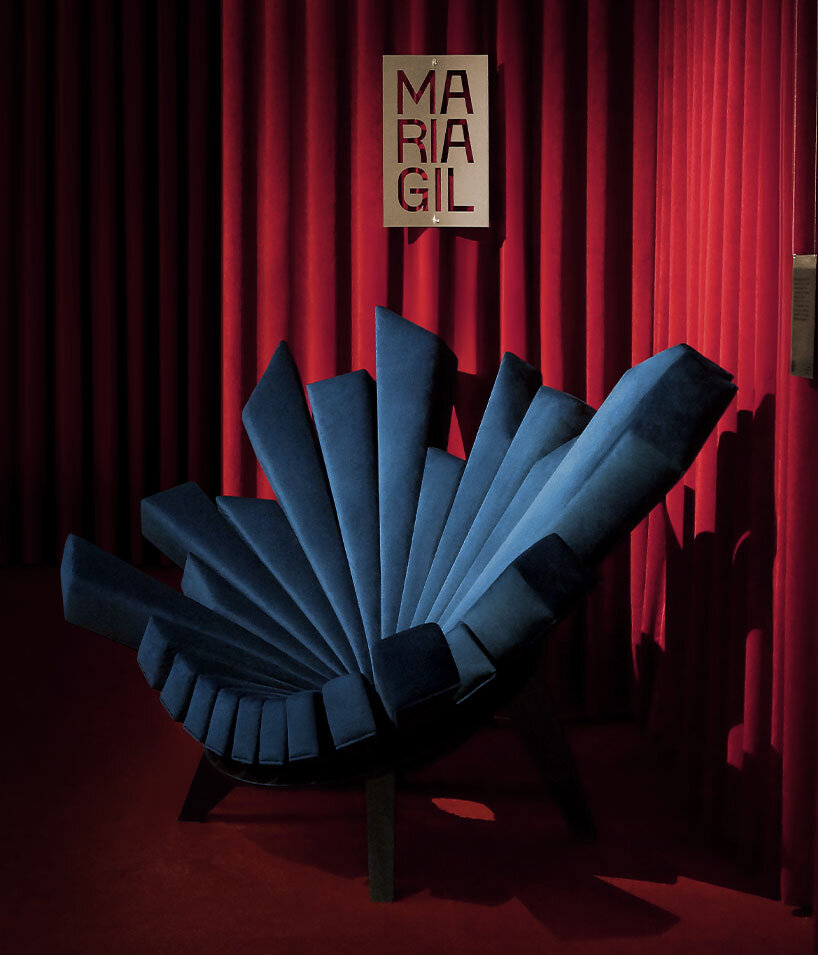
integrating LED lighting along its central framework, the Fan Lamp extends traditional fan geometry into a functional object
Immersed in Italian cultural legacy, Gil discovered a desire to reconnect with her background, turning her move back home into a reality. Reconnecting with Poland offered both conceptual inspiration and raw material for her projects.
‘Being able to express untold stories using something seemingly as straightforward as a piece of furniture was something I didn’t realise was possible,’ Gil tells designboom. ‘My guiding rule is to not create things that already exist. That doesn’t mean inventing for the sake of novelty but rather shifting the conversation towards meaning. I don’t want to add more meaningless objects to the world.’
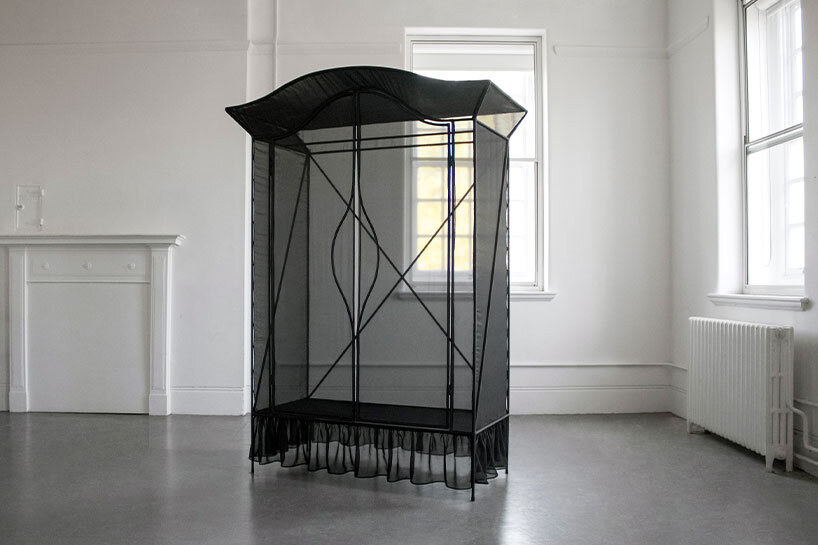
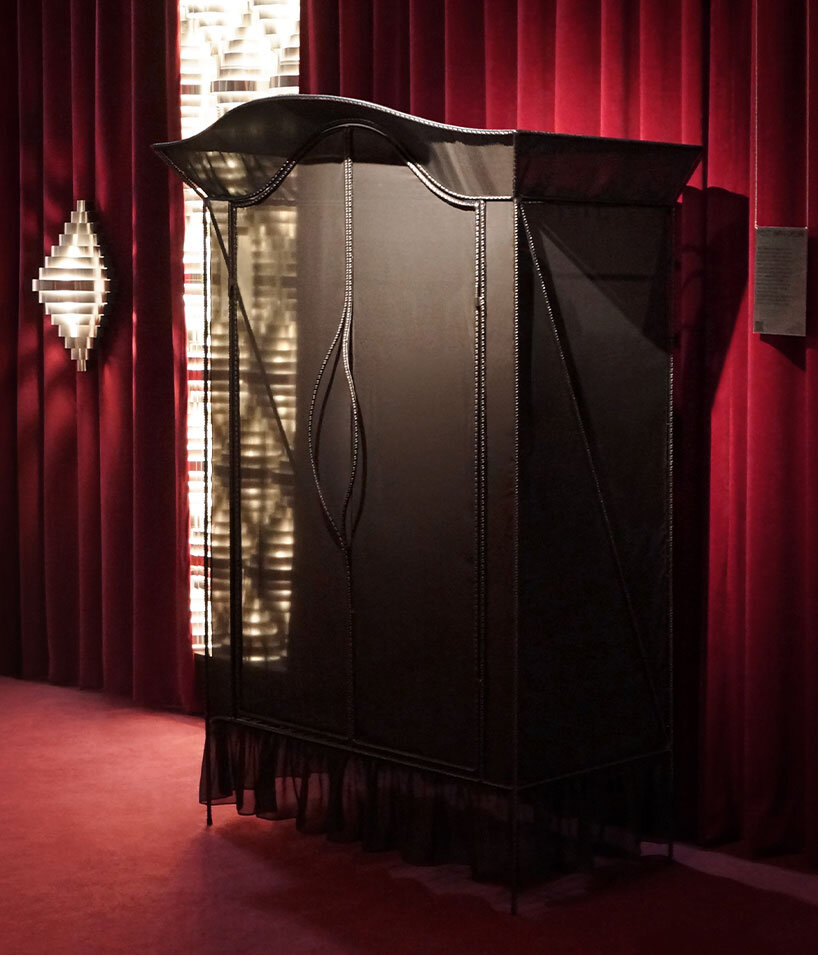
Post War Wardrobe emerged as an unexpected outcome of Gil’s experimental creative process
FROM SELF-PRODUCTION TO INDUSTRY COLLABORATION
Limited local resources, unlike those available in Italy or the UK, prompted a nationwide study across Poland to observe surviving craft and design traditions. Her key finding was the absence of a Polish postmodernist movement, a stark contrast to Italian Radical Design, long considered a major reference in design history. The inquiry into why this movement never emerged, and what form it might have taken, was developed into the designer’s thesis project Post War Wardrobe.
The broader experience earned her valuable industry contacts and new opportunities. After winning a design contest made by the fashion brand House of Errors with a sketch for her All Seeing Chair, Gil was challenged to bring the physical piece to life under a fast-paced studio routine, an effort that subsequently earned her top honors at the Young Furniture Exhibition.
These wins provided the validation she needed, reinforcing her confidence to push her work further, as Gil reflects: ‘ I almost didn’t submit my sketch of the All-Seeing Chair because I genuinely thought it was so obvious, that everyone must have thought of it too. I didn’t think it stood any chance for any of the prizes and yet it was recognized,’ she continues. ‘But recognizing that pattern forced me to follow my intuition now. I’ve stopped fighting that feeling and started trusting it instead.’
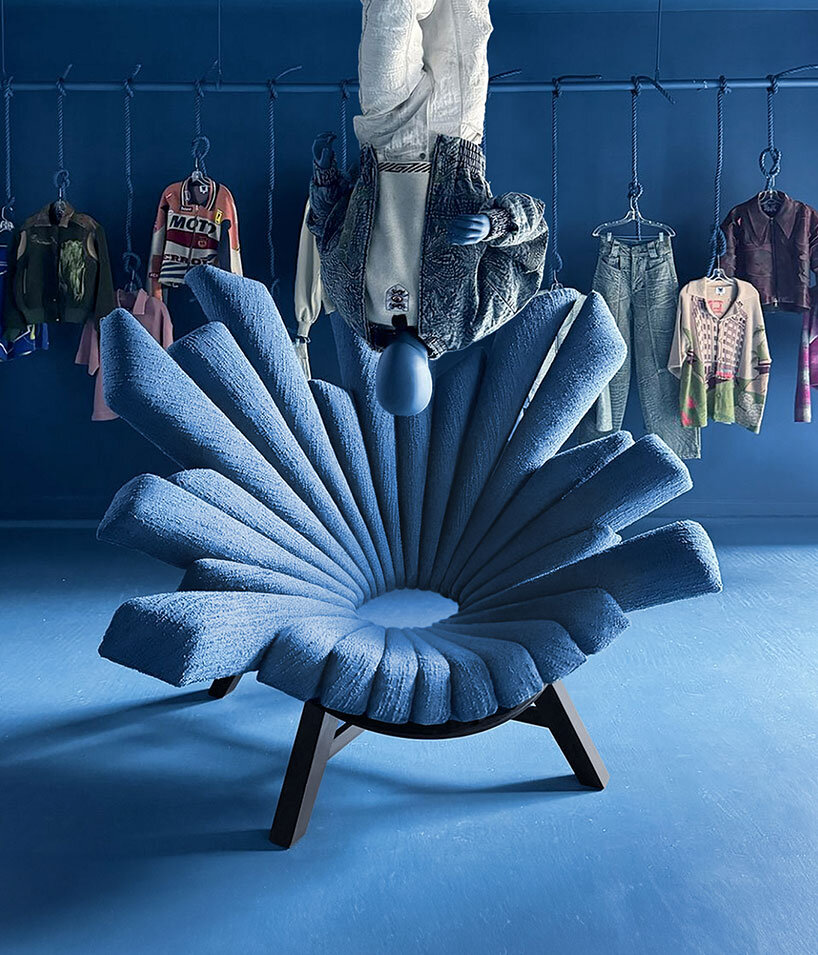
the All Seeing Chair earned early competition success, opening key doors for Gil’s practice
Her career has grown steadily since. In 2025, Gil showcased her work at SaloneSatellite during Salone del Mobile, an opportunity that gave her firsthand insight into how the broader design industry operates. ‘For Salone Satellite, I knew I had to recreate my prototypes to the highest possible level to match the gravity of the fair. The process, however, was hardly creative but rather administrative, logistical and simply physical. It taught me, more than any studio project ever could, how much organizational effort it takes to be a successful designer,’ she shares.
What was once a simple desire for visibility quickly took physical shape, connecting Gil to an international community and solidifying her role within the design market. The transition to production and sales was quickly recognized as an unforeseen challenge. Administrative tasks were seen as a strain on creative output, making the need for manufacturer collaborations evident over self-production.
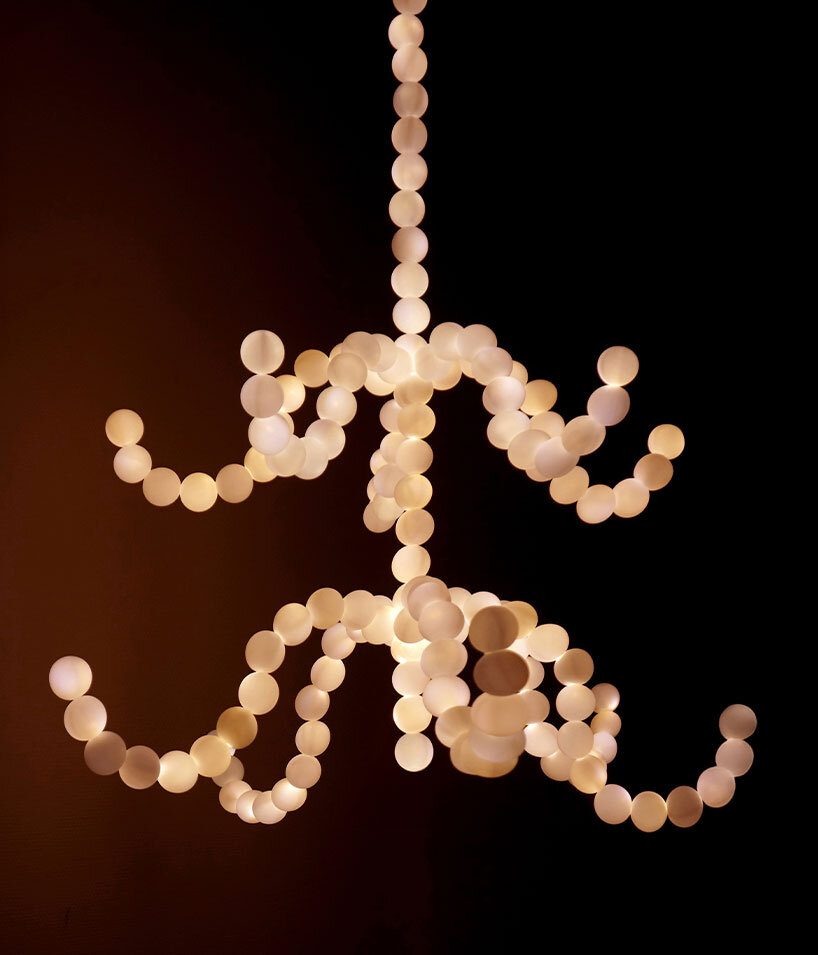
Zyranball repurposes table tennis balls into a chandelier fixture
A year later, Gil returned to the fair to launch a sofa designed for Nicoletti Home. The experience marked a clear shift in her practice: with manufacturing and production handled in collaboration with the brand, she poured her energy directly into the core design, allowing for a far more focused creative process and engaging with the fair from an entirely new perspective.
‘At the fair I got to experience the other major aspect to the more commercial side of the industry which is that instead of reaching only a handful of collectors, you get to have a meaningful impact on a wider audience. And it’s the direction I want to explore further, collaborations that turn ideas into impact,’ Gil shares.
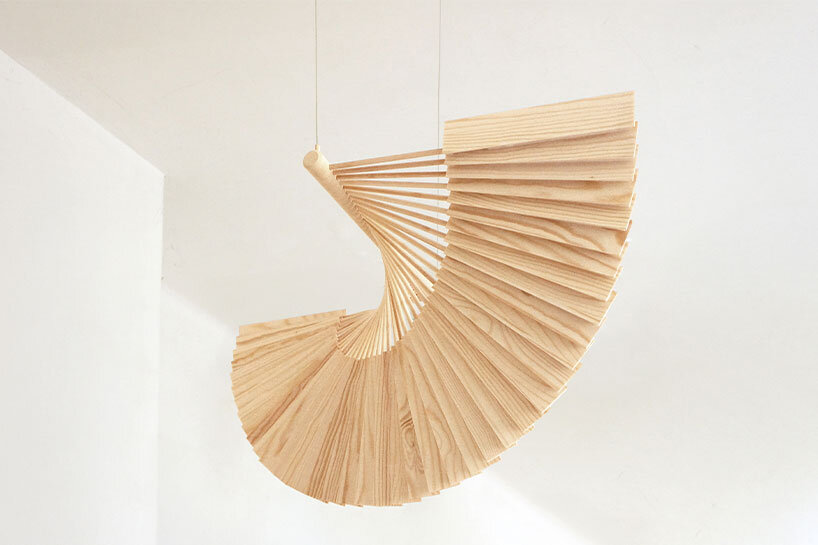
Maria Gil’s Fan Lamp reimagines traditional fan making as a contemporary lighting fixture
New designs often need intellectual property protection to prevent copying. When unauthorized reproductions of Gil’s work surfaced online, having her designs registered gave her a clear way to respond. What could have been a setback became, instead, confirmation of how far her design resonance had reached.
‘I have to say that after moving countries twice, I’ve come to see registering my work as part of the creative process itself,‘ she reflects. ‘I’ve registered some of my work in the UK and through the EU Design system, and each time it’s felt like an investment in my identity as a designer, a way of standing behind what I create. My pieces often involve unusual techniques, and registering them early gives me the confidence to keep experimenting and putting new work out into the world.‘
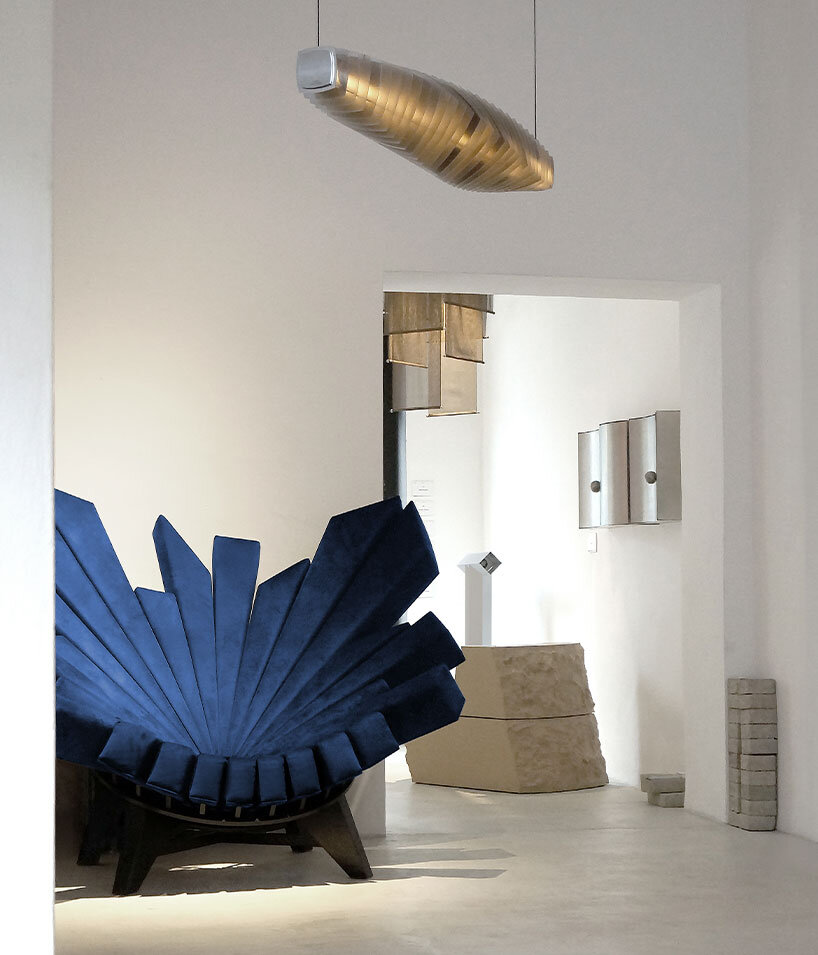
furniture where emotional and cultural resonance matter as much as physical durability
The DesignEuropa Next Generation Design Award marks a pivotal moment in Gil’s career, affirming the maturity of her process. The recognition provides a foundation for future collaborations, establishing trust while allowing her visual identity to adapt and diversify.
‘As a young designer, I know my ‘signature’ is still taking shape and I’m genuinely excited to see how collaborations will evolve it. I think working with others has the potential to make my work much more diverse. That’s why receiving the DesignEuropa Next Generation Design Award matters to me so much. I hope it works as a kind of stamp of approval that reassures clients that behind the bold ideas, there’s a deliberate process,’ notes the young designer.
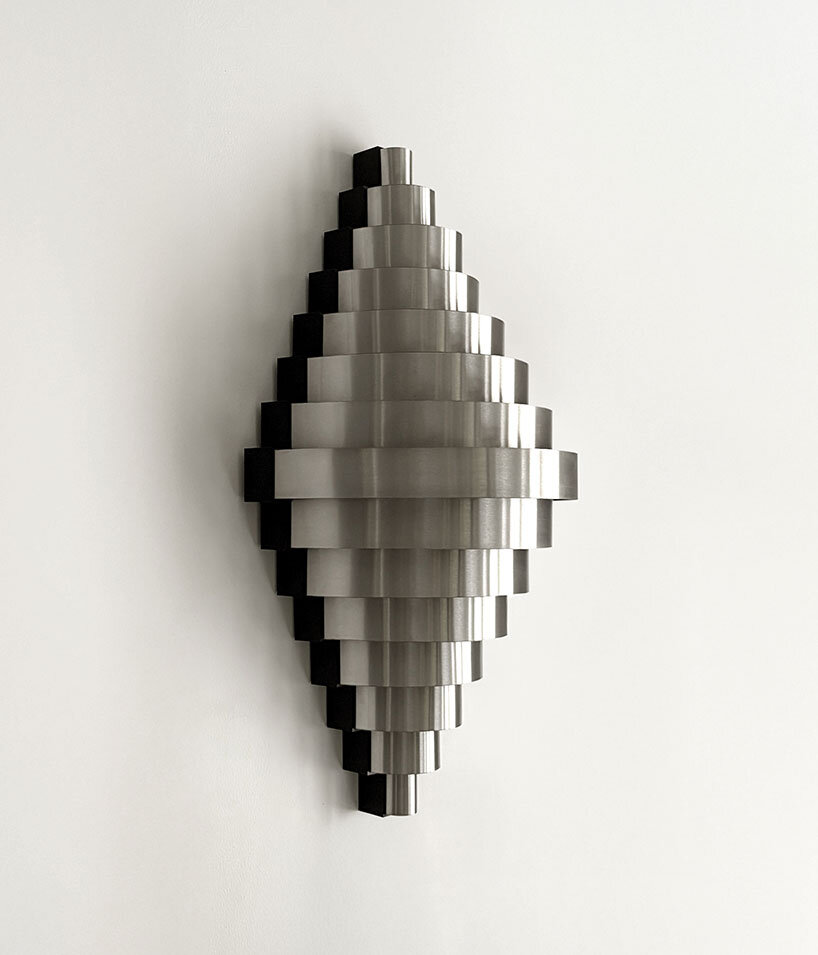
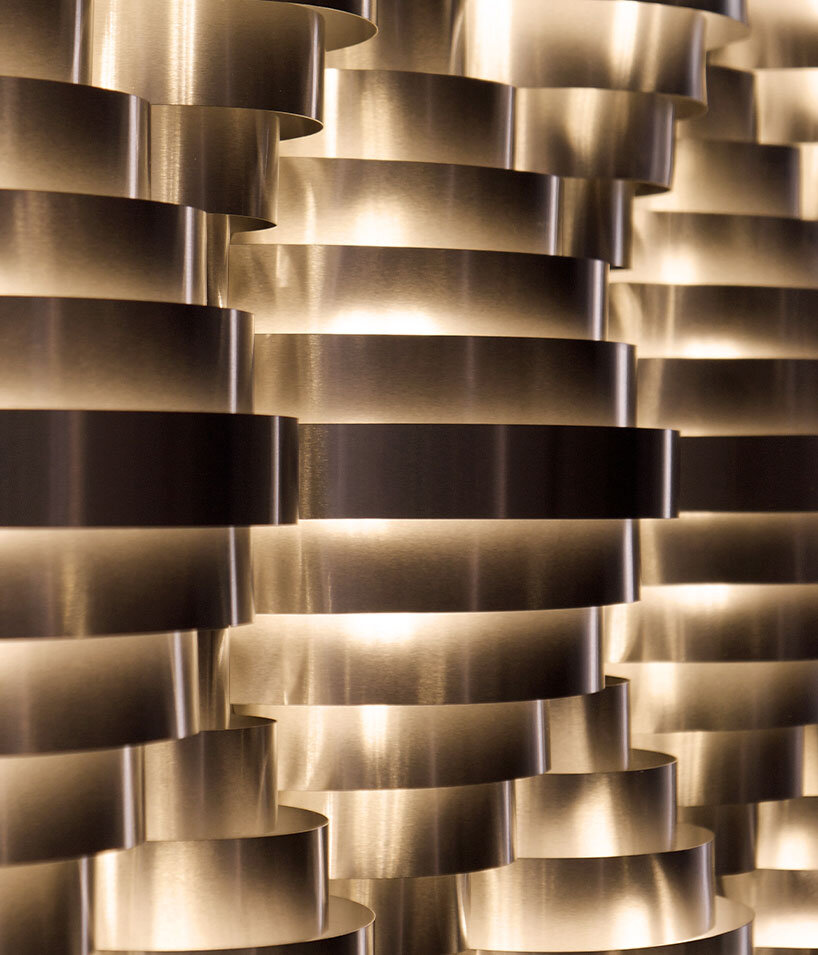
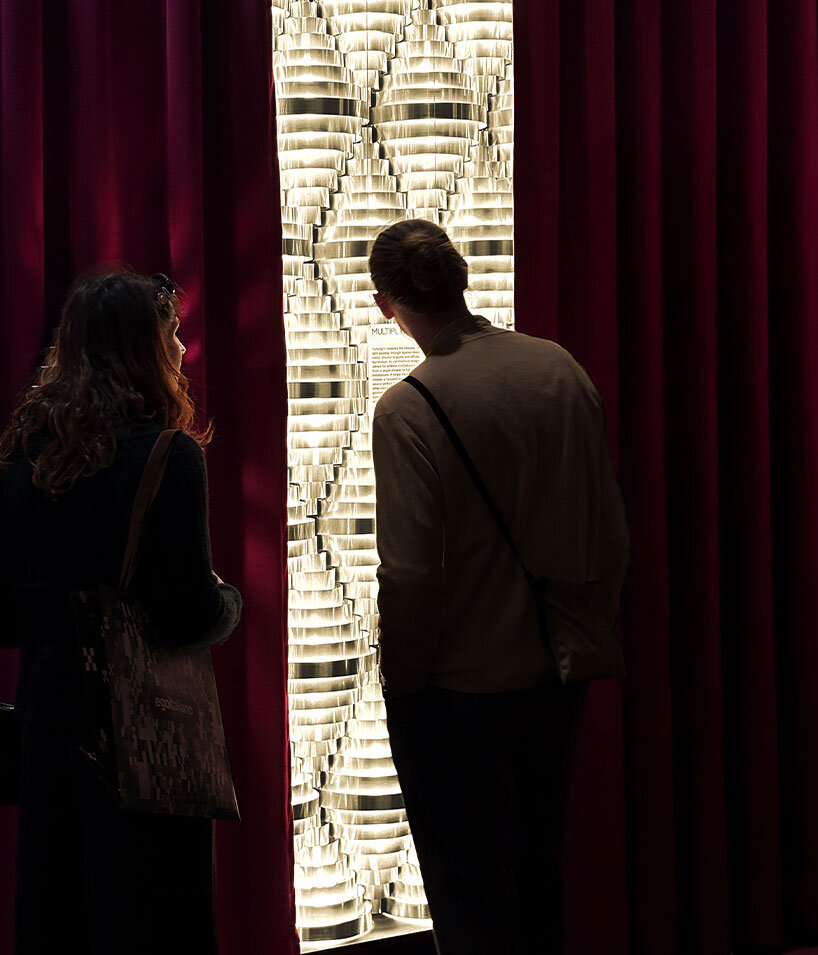
expressive forms reflect Gil’s desire for her furniture to provoke conversation and emotional response
Influenced by diverse design traditions, Gil balances immediate emotional impact with long-term cultural endurance. Looking ahead, her creative vision uses loud, provocative forms to address present uncertainty while building a quiet, enduring legacy:
‘I believe my work reflects that nothing is certain today. We’re not certain about the future, nor are we certain about what’s even true in the present. Through my designs, I question and invite reflection and maybe that’s why I want them to be loud now. Today, I want my work to provoke, to make people feel something,’ Maria Gil concludes. But a century from now? I wouldn’t mind if they felt nothing extraordinary. Today we look at steam-bent chairs or flat-pack furniture as ordinary when a hundred years ago they were radical. It would be an honour to create things so present now that they leave a quiet legacy later,’ Maria Gil concludes.
project info:
award: Next Generation Design Award 2026
organizer: DesignEuropa Awards
designer: Maria Gil | @maria_______gil
happening now! effe and patricia urquiola design baluar, a sauna and hammam collection translating medieval bastion geometries into wellness architecture.
architecture in italy (689)
 Sep 12, 2026
 Sep 10, 2026
 Sep 04, 2026
 Aug 23, 2026
 Aug 20, 2026
architecture in london (285)
 Sep 22, 2026
 Sep 14, 2026
 Sep 09, 2026
 Aug 06, 2026
 May 22, 2026
architecture in poland (181)
 Aug 11, 2026
 Aug 08, 2026
 Jun 21, 2026
 May 26, 2026
 May 15, 2026
interviews (12)
 Sep 17, 2026
 Jul 14, 2026
 Apr 03, 2026
 Dec 11, 2025
 Sep 22, 2026
 Sep 17, 2026
 Sep 15, 2026