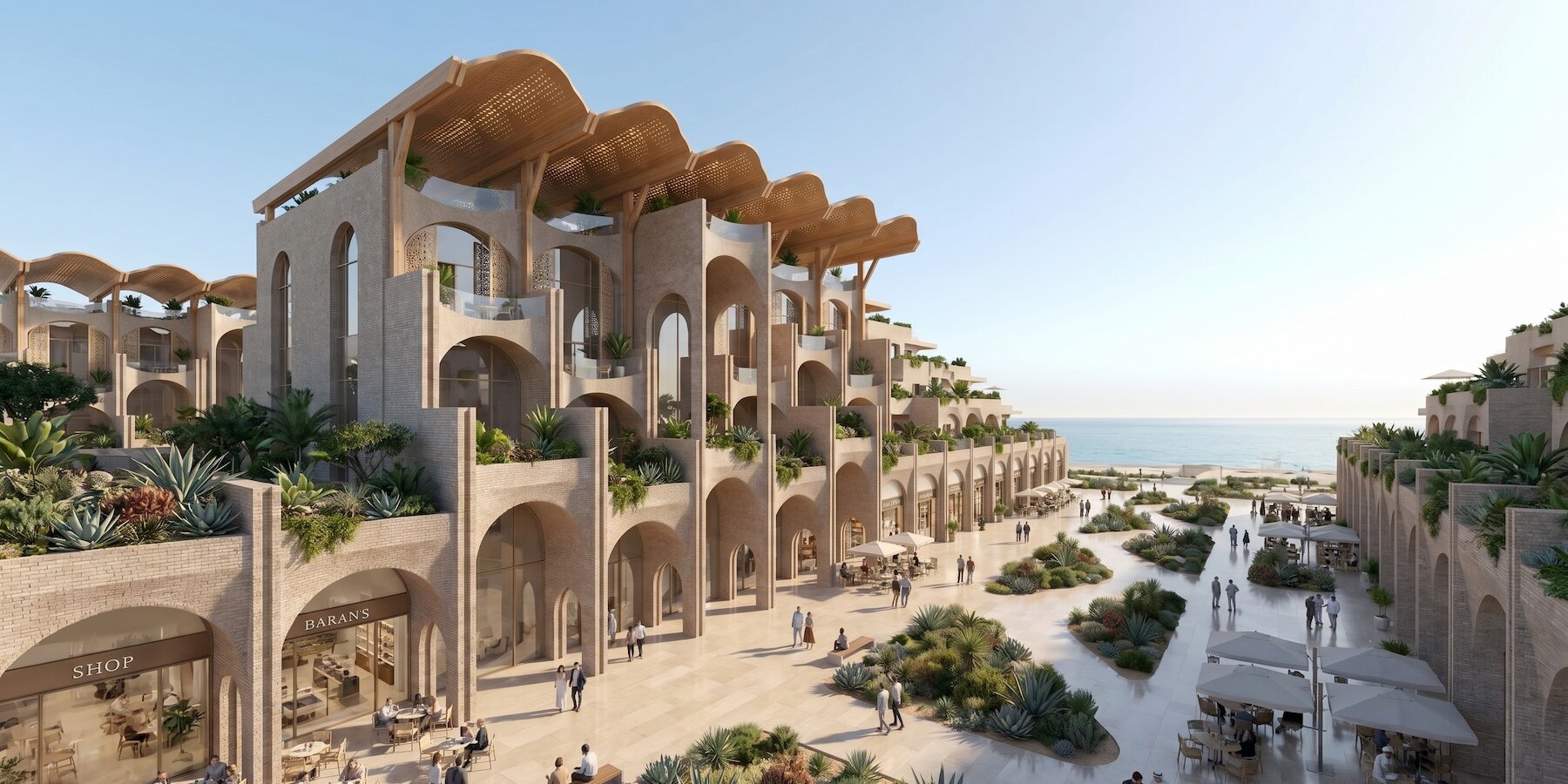
BENGHAZI 2050 BUILDS AN ADAPTABLE FRAMEWORK FOR THE CITY
Benghazi, the historic port city on Libya’s Mediterranean coast, is looking toward 2050 with a new planning framework developed by a consortium including A&O TEC, Prior+Partners, Zaha Hadid Architects (ZHA), Homa, Buro Happold, Systematica and Fichtner. Conceived amid a period of urban growth, infrastructure investment and renewal, Benghazi 2050: Next Generation City Plan sets out to coordinate future development while reconnecting the city with its waterfront, historic center and expanding neighborhoods. Rather than defining a single architectural intervention, the proposal combines a spatial vision with a digital platform intended to guide projects across the metropolitan area over the coming decades.
The Vision and Spatial Strategy begins with an analysis of Benghazi’s existing character and collective memory, proposing what the team describes as an adaptable framework based on connection rather than fragmentation and restoration rather than demolition. Public transport and pedestrian routes would link the historic core and shoreline with residential neighborhoods and metropolitan centers, while new employment and knowledge districts accommodate future growth. Zones of nature are also integrated into the strategy to support water management and ecological diversity, allowing urban expansion to develop alongside environmental systems rather than independently from them.
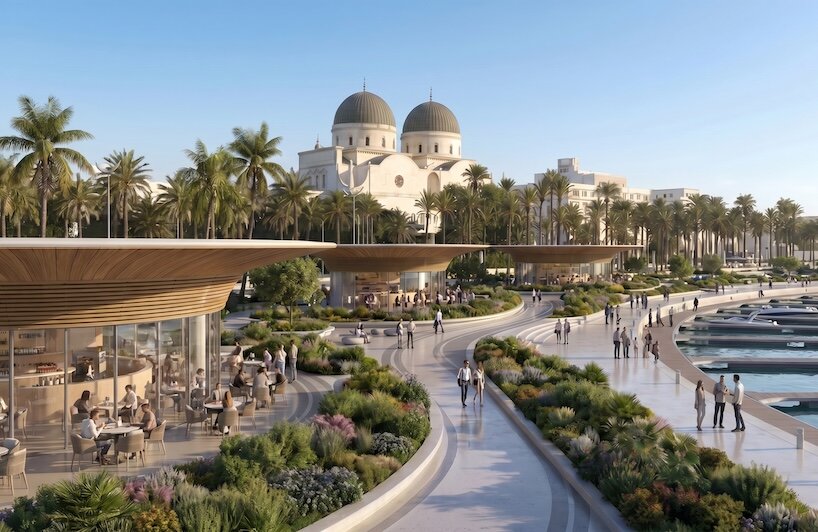
benghazi 2050 maps the city’s long-term growth | all images courtesy of ZHA
DIGITAL DATA FORMS THE FOUNDATION OF A CITYWIDE TWIN
At the center of the proposal is the Benghazi 2050 Digital Planning Hub, conceived as a shared evidence base for understanding the city and testing its future development. The platform brings together information on existing urban, socioeconomic, environmental and infrastructural conditions within a common spatial interface. Its datasets range from Geographic Information Systems (GIS) and three-dimensional urban models to population and land-use information, transport networks, infrastructure, environmental resilience studies, ongoing developments and future planning scenarios.
This accumulated information provides the foundation for a dynamic digital twin of Benghazi. As new data is added, the system is intended to evolve alongside the city, allowing proposals to be considered in relation to their broader urban context rather than as isolated developments. In this sense, the Digital Planning Hub extends the spatial strategy beyond the format of a conventional static plan, creating what the team describes as a living environment for collaboration between authorities, local communities, planners, designers and investors.
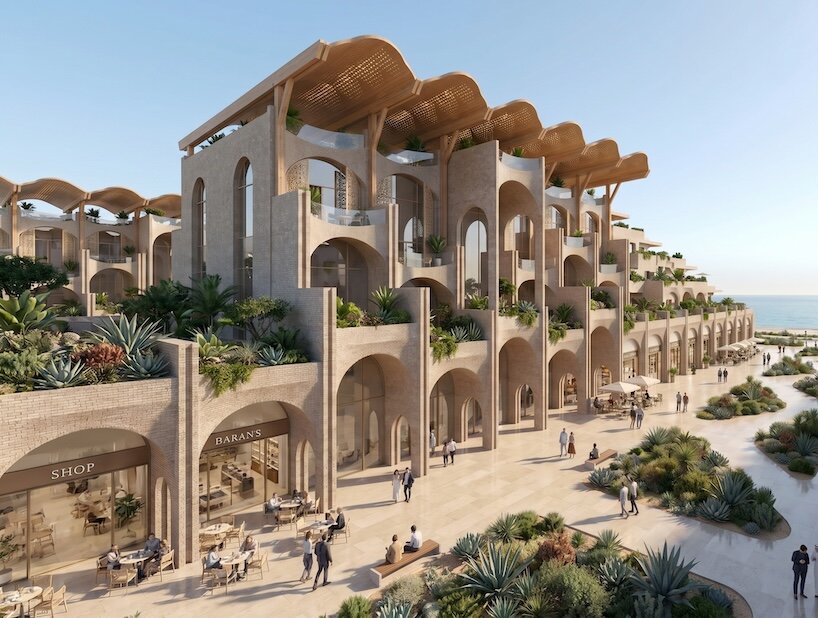
the proposal coordinates growth across the metropolitan area
ZHA SHAPES THE SPATIAL VISION AND DIGITAL PLATFORM
The multidisciplinary consortium divides the project across different layers of urban research and design. Prior+Partners leads regional and urban planning, economic strategy and governance; Homa focuses on land use, built form and socioeconomic strategy; Systematica develops transport and mobility; Buro Happold addresses the natural environment and utilities; and Fichtner contributes energy and infrastructure expertise. ZHA is responsible for the spatial vision and scenario design, while also leading the interface design and technology integration of the Digital Planning Hub. Web services, deployment and hosting are developed by Silicon Shore.
Together, these elements frame Benghazi 2050 not as a finished image of the city, but as a system through which its transformation can continue to be measured, evaluated and adjusted. The concept proposal brings baseline research, growth scenarios, spatial planning and computational tools into a single process intended to connect Benghazi’s identity with its long-term development. The Vision and Digital Planning Hub were presented as part of the Next Generation City Plan at the Global Competitive Urban Planning Initiative – Benghazi, held from September 6–8, 2026.
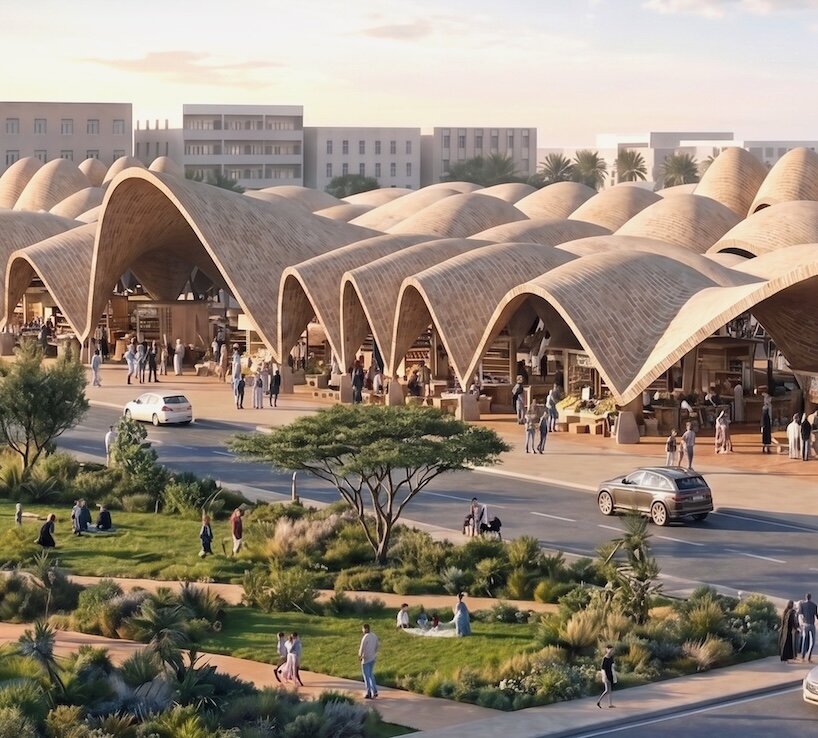
ZHA develops the spatial vision and digital platform
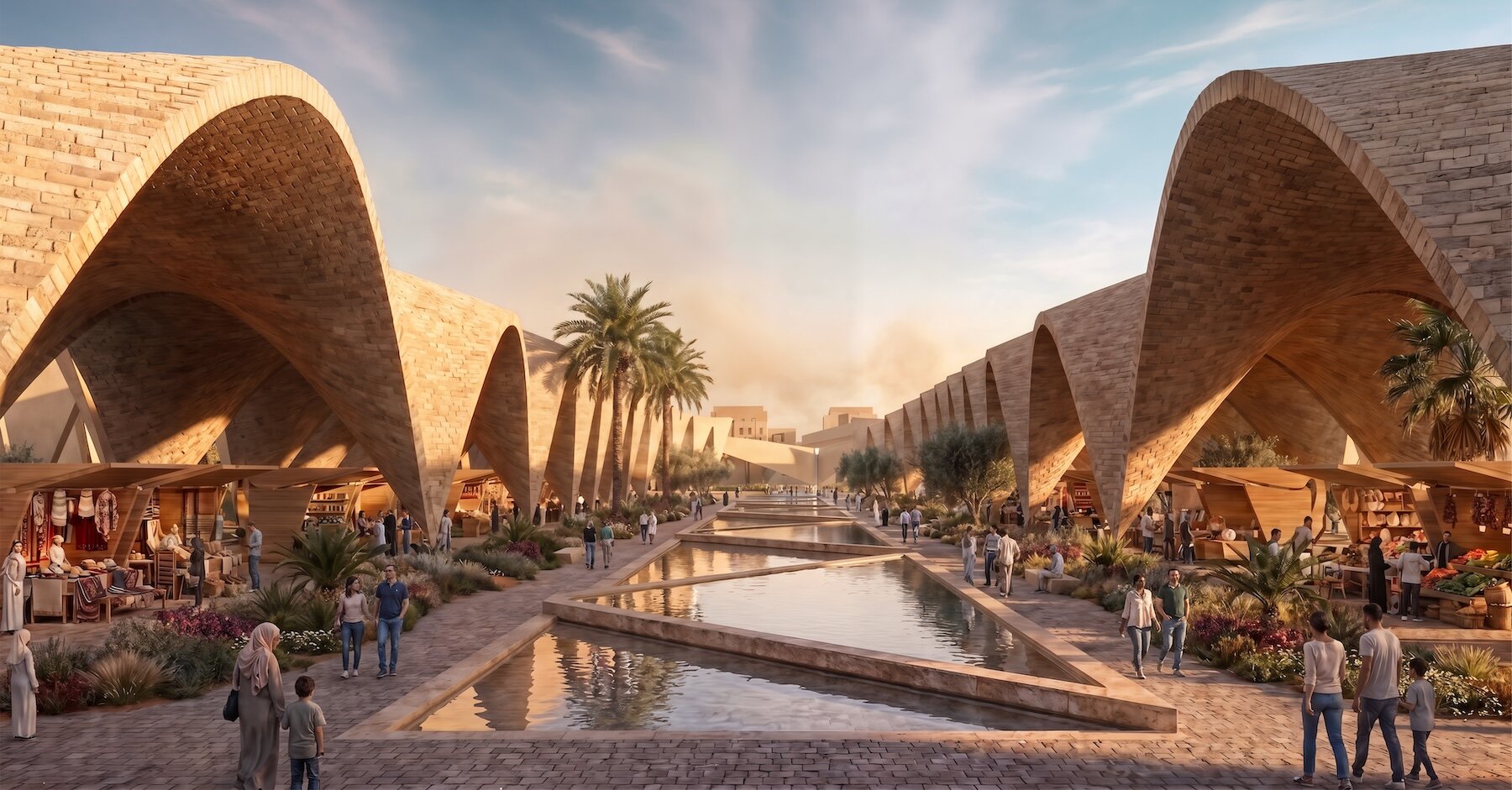
urban data helps shape the next phase of Benghazi
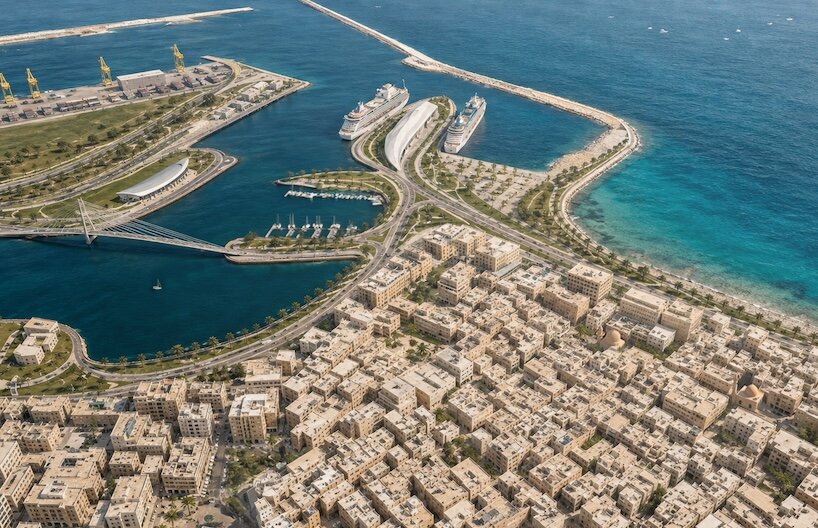
zones of nature support water management and biodiversity
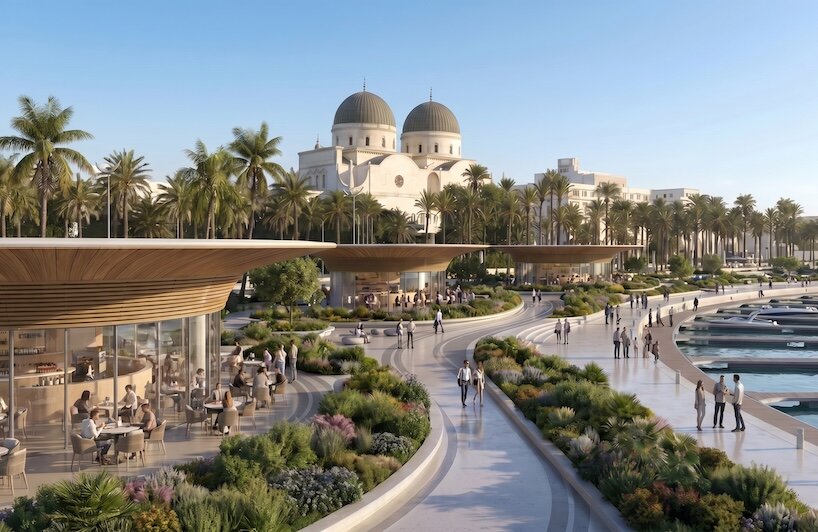
the vision reconnects Benghazi with its Mediterranean waterfront
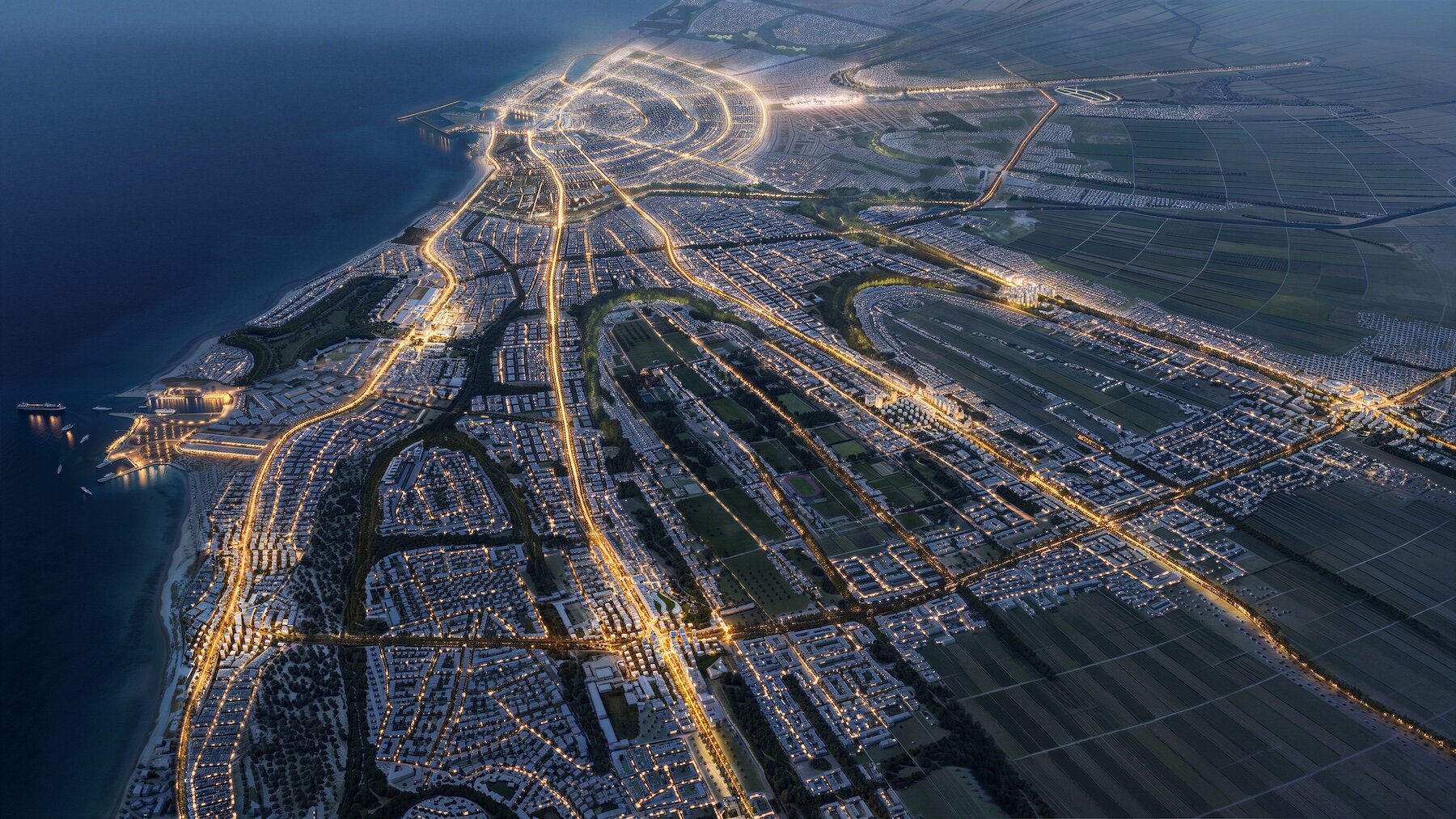
the project explores new connections across Benghazi
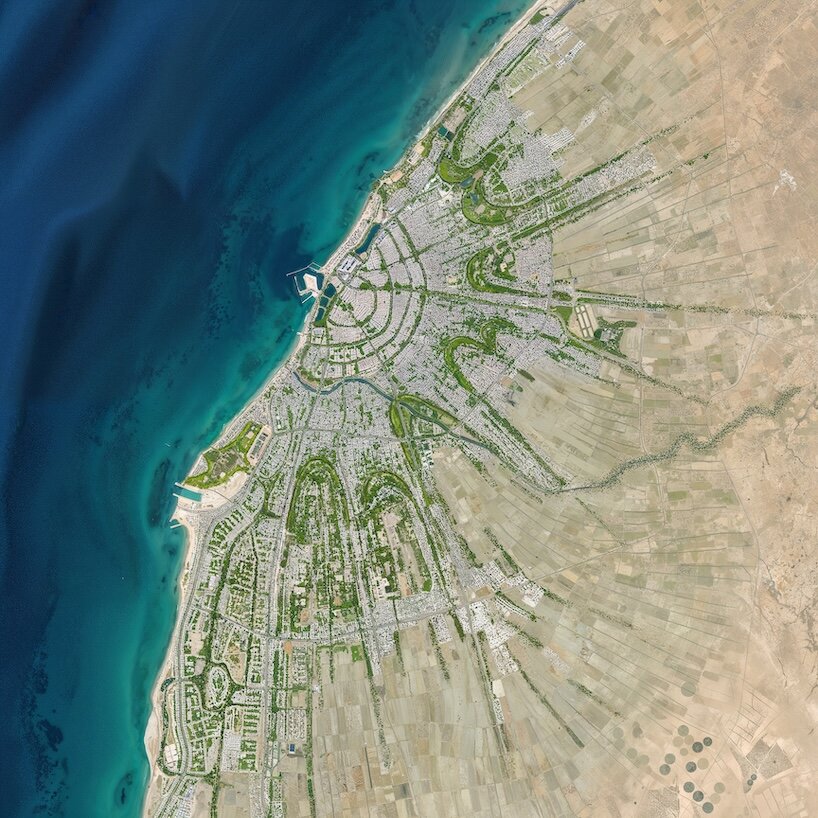
the strategy considers both existing and future urban conditions
project info:
name: Benghazi 2050 Next Generation City Plan
design: Zaha Hadid Architects (ZHA) | @zha.world
location: Benghazi, Libya
landscape architecture and design (131)
 Sep 03, 2026
 Sep 03, 2026
 Aug 25, 2026
 Aug 17, 2026
 Aug 11, 2026
masterplans and urban revitalization (73)
 Sep 12, 2026
 Sep 10, 2026
 Sep 02, 2026
 Aug 27, 2026
 Aug 22, 2026
zaha hadid (411)
 Aug 19, 2026
 Jun 17, 2026
 May 27, 2026
 May 25, 2026
 Feb 10, 2026
 Sep 07, 2026
 Aug 26, 2026
 Aug 21, 2026
 Aug 21, 2026