when exhibitions become formats, what happens to the experience of art?
a new generation of exhibitions is adapting the museum to the way we already consume media, raising questions about what happens to the artwork along the way.
A different kind of museum
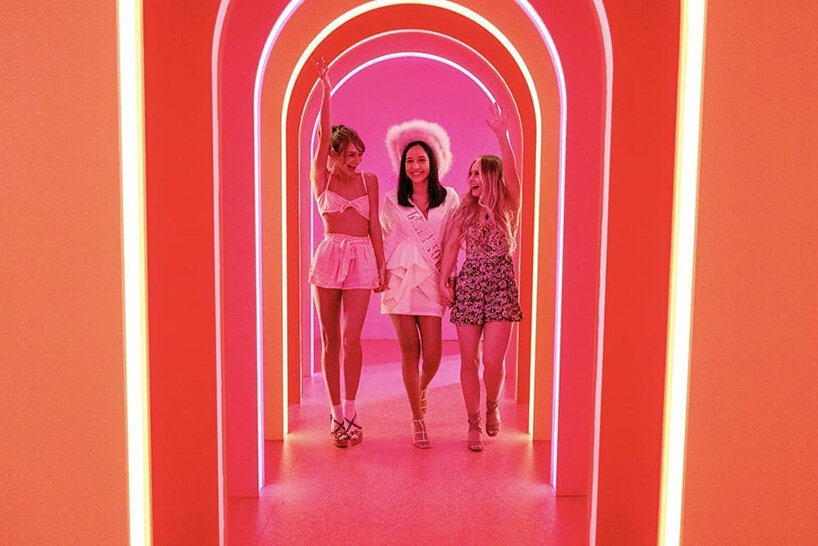
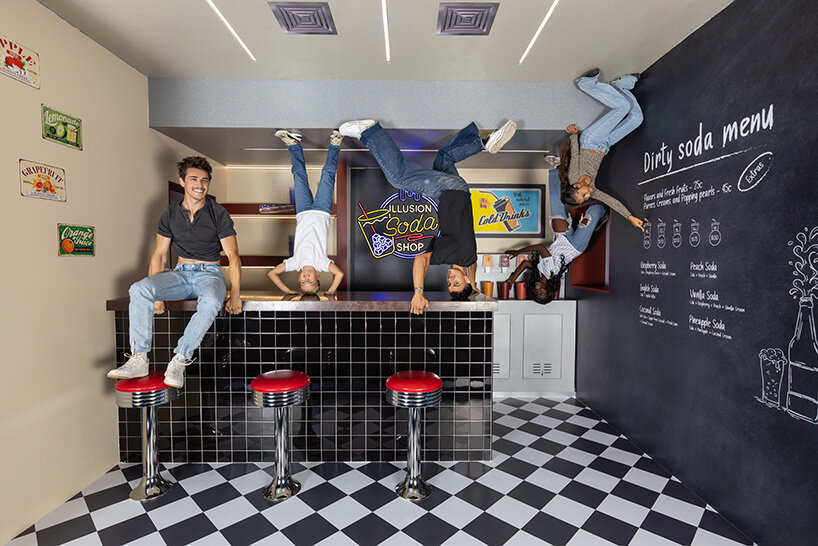
Walk into a Museum of Illusions or a Museum of Ice Cream and the experience feels closer to an adult playground than to the kind of museum most people grew up visiting. Visitors move through optical illusions, mirrors, oversized objects and brightly colored installations, looking for the right position, the right gesture or the right moment to take a video. The spaces are made for participation, and their images are made to travel. The word ‘museum’ gives these places an institutional identity, while the experience itself is largely built around play, social interaction and the pleasure of being photographed inside an unusual environment.
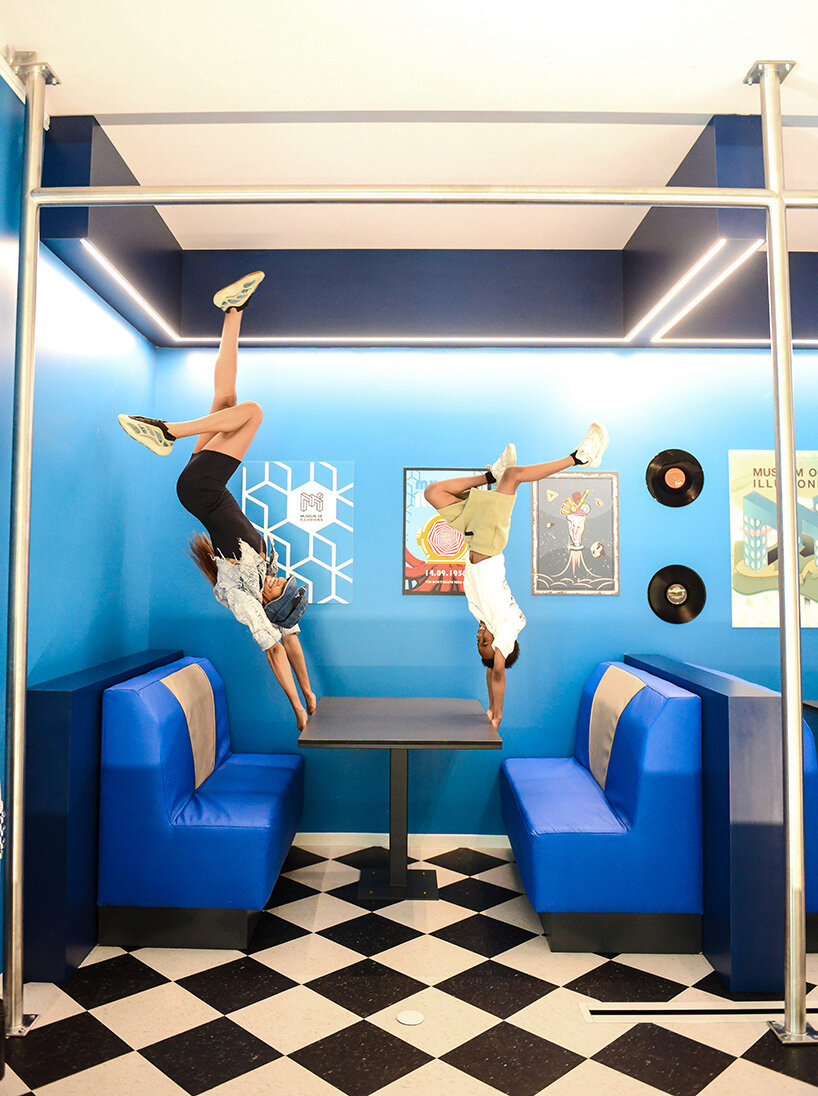
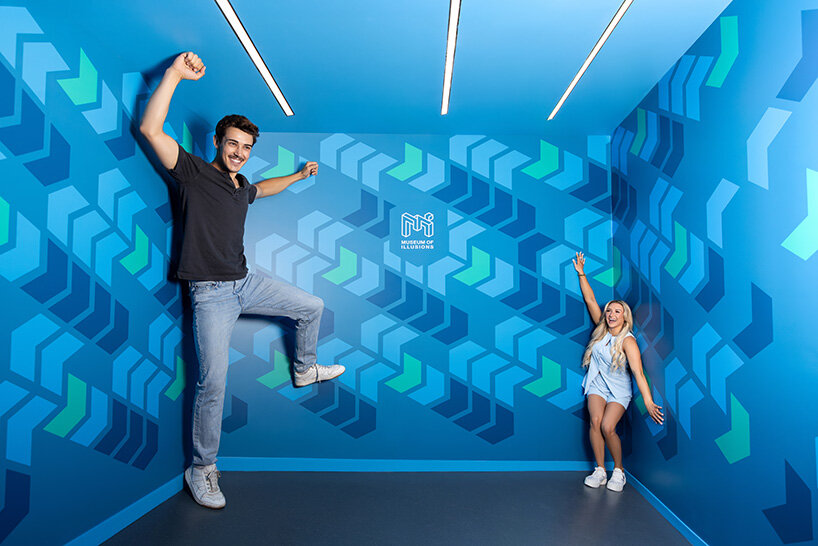
There is nothing necessarily wrong with that. People have always gone to cultural spaces to have fun, spend time together and experience something outside their everyday surroundings, and a well-designed interactive installation can be memorable precisely because it asks visitors to participate physically. But what kind of experience these places are offering, particularly when the museum becomes a format for entertainment and the photograph becomes one of the clearest ways of communicating what happens inside? The Museum of Illusions is a useful example because the visitor’s body is essential to many of its optical effects. Perspective, scale and mirrors create situations that only become complete when someone enters the frame, while the photograph records an illusion that can be difficult to understand from an empty installation view. The whole experience is therefore designed around the exchange between space, body and camera. You enter the illusion, you perform within it, you photograph it and the image becomes part of the story that reaches the next visitor.
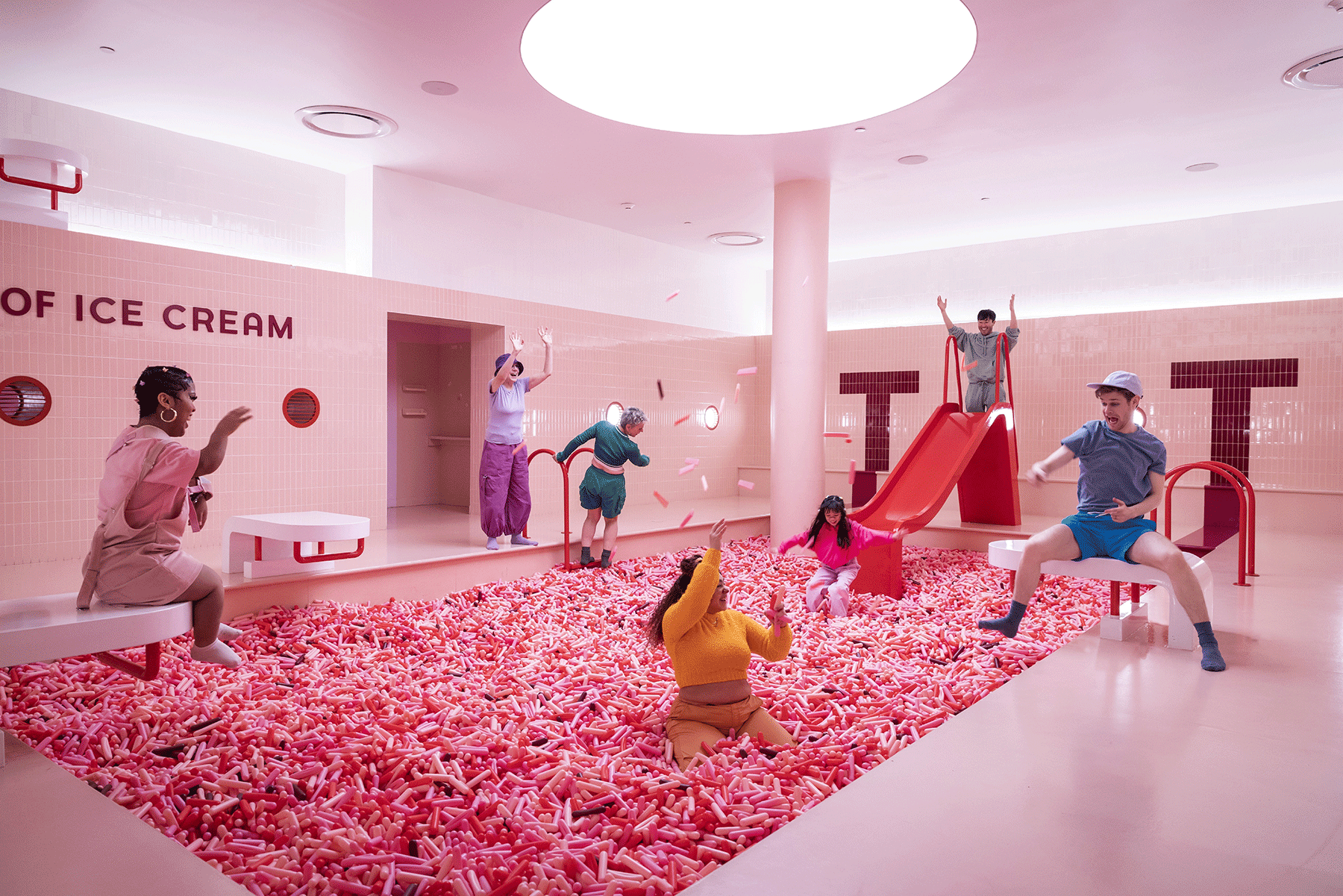
The Museum of Ice Cream works through a different visual language, using color, scale, playful environments and participatory installations to create a sequence of experiences that are easy to photograph and share. These places have become part of a broader category of attractions that borrow the language and spatial authority of the museum while operating primarily through participation and entertainment. Their popularity is interesting precisely because it suggests that the museum has become useful as a cultural format even when there is no ‘collection’ at its center. The distinction matters because the word ‘museum’ carries expectations. It suggests collections, preservation, research, education and encounters with objects that have a history beyond the visit. Places built around optical tricks or themed environments may offer a very different kind of value, based on social experience, play, spectacle and the opportunity to create images of oneself inside the space. That experience can be enjoyable and carefully designed, but it may leave less to investigate once the illusion has been understood and the photograph has been taken.
The rise of immersive exhibitions
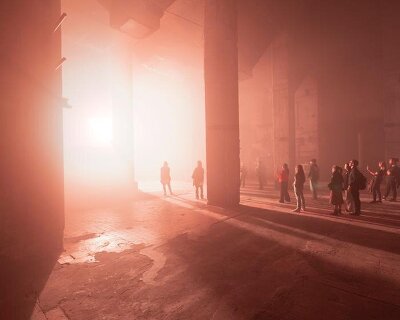
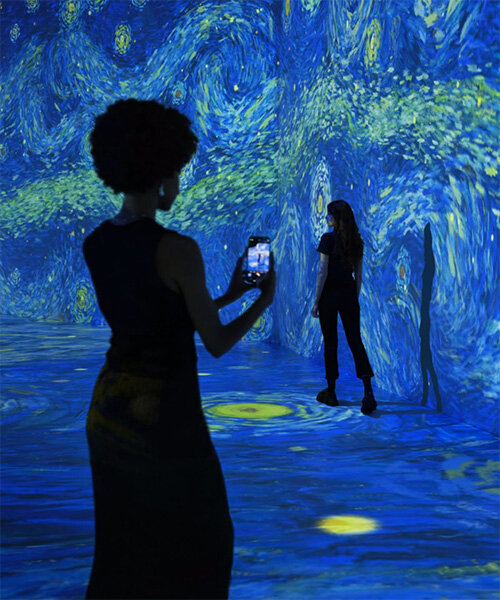
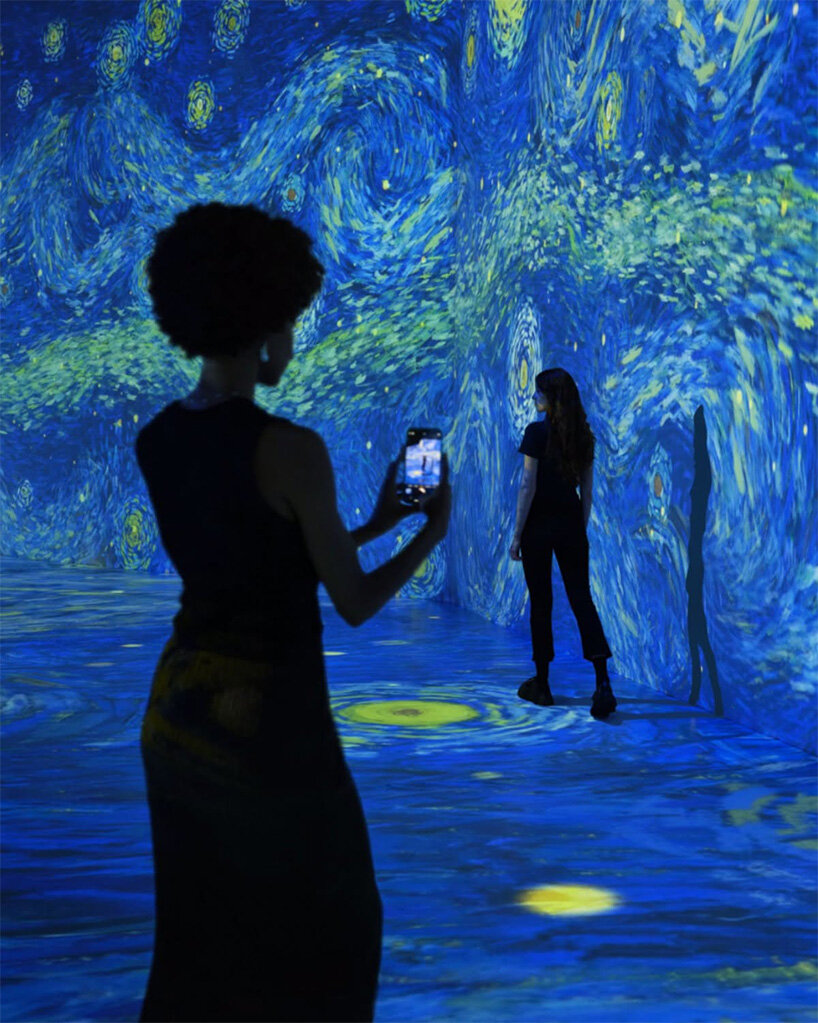
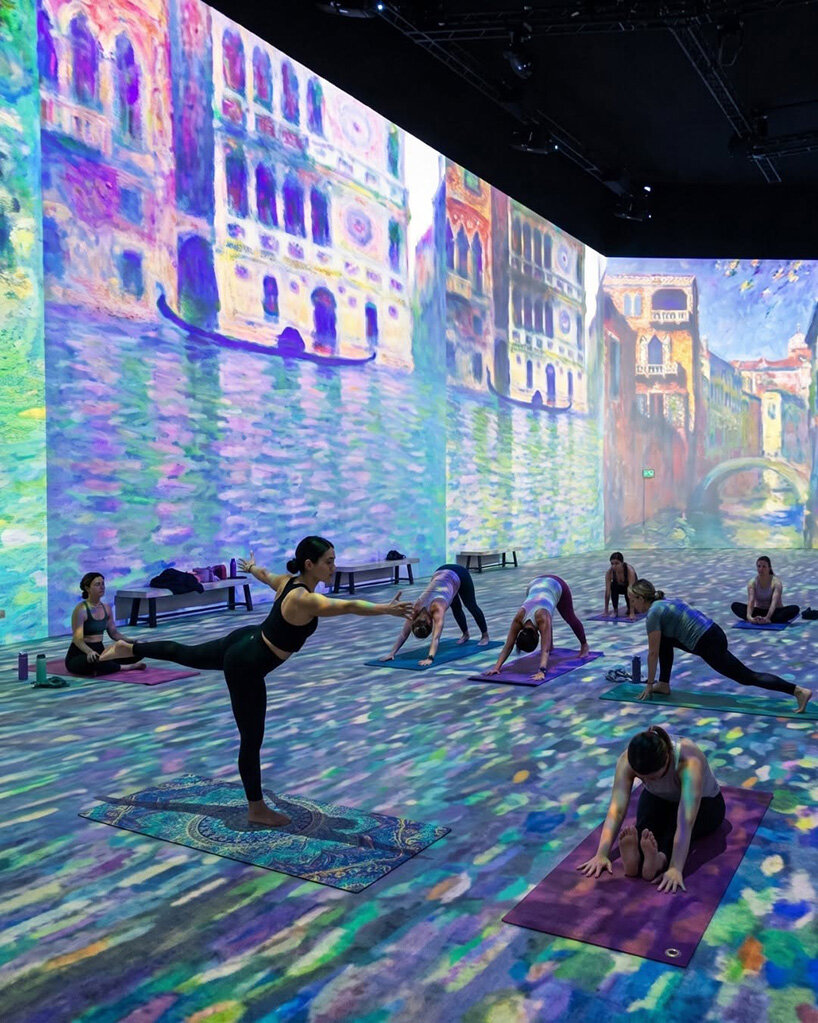
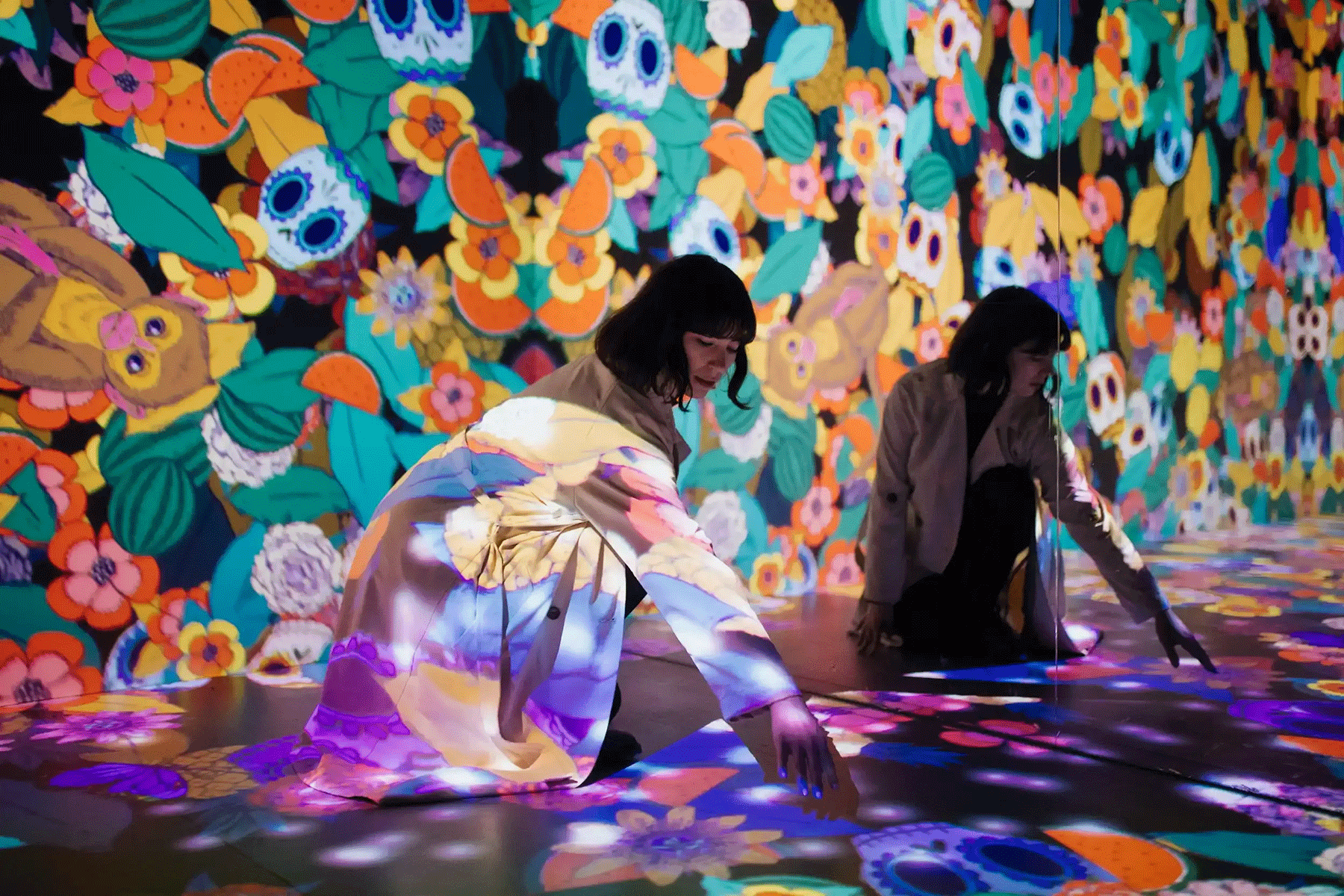
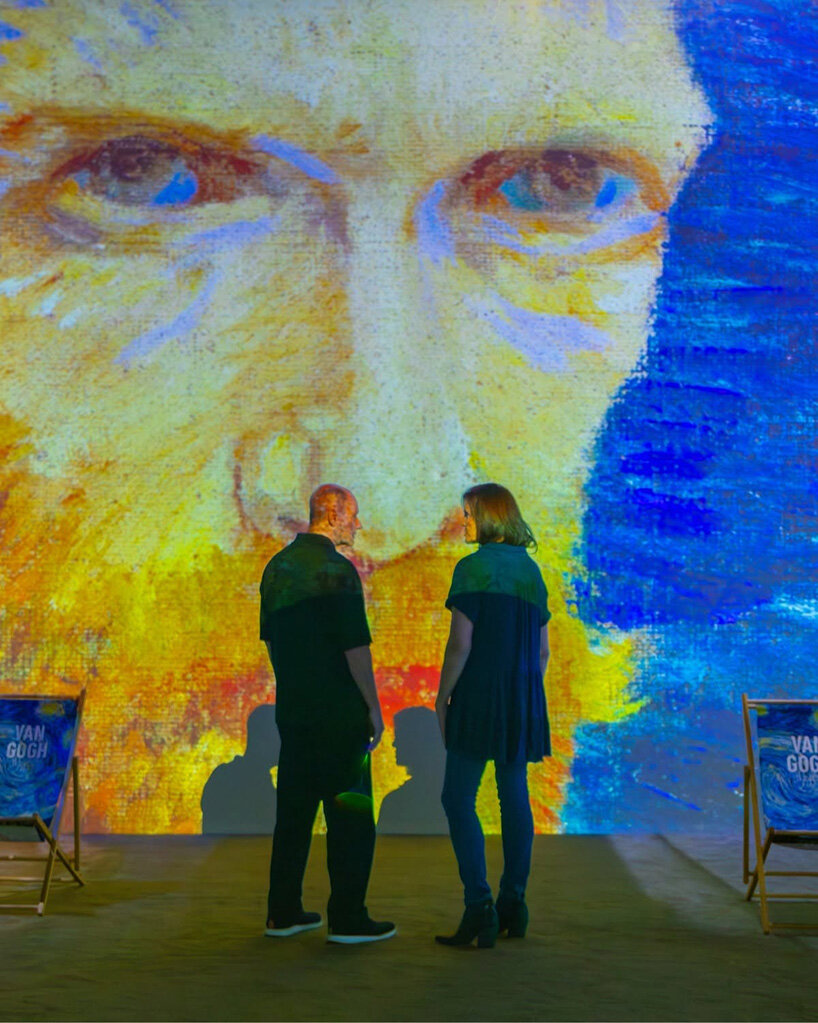
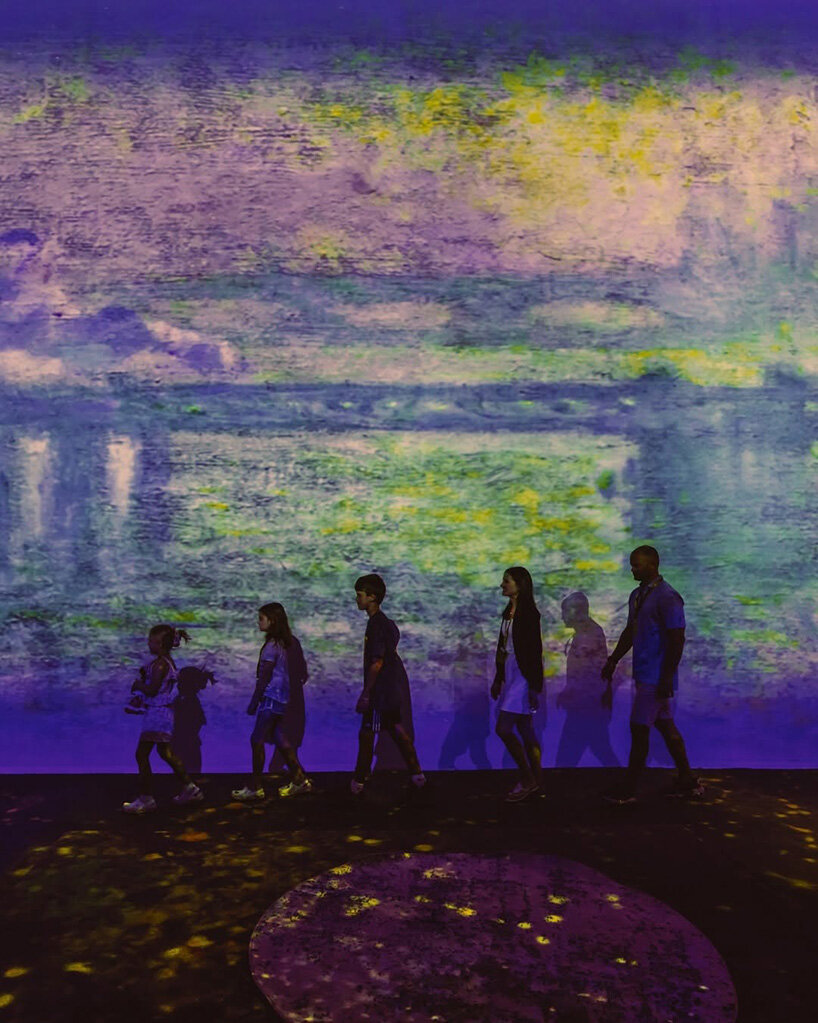
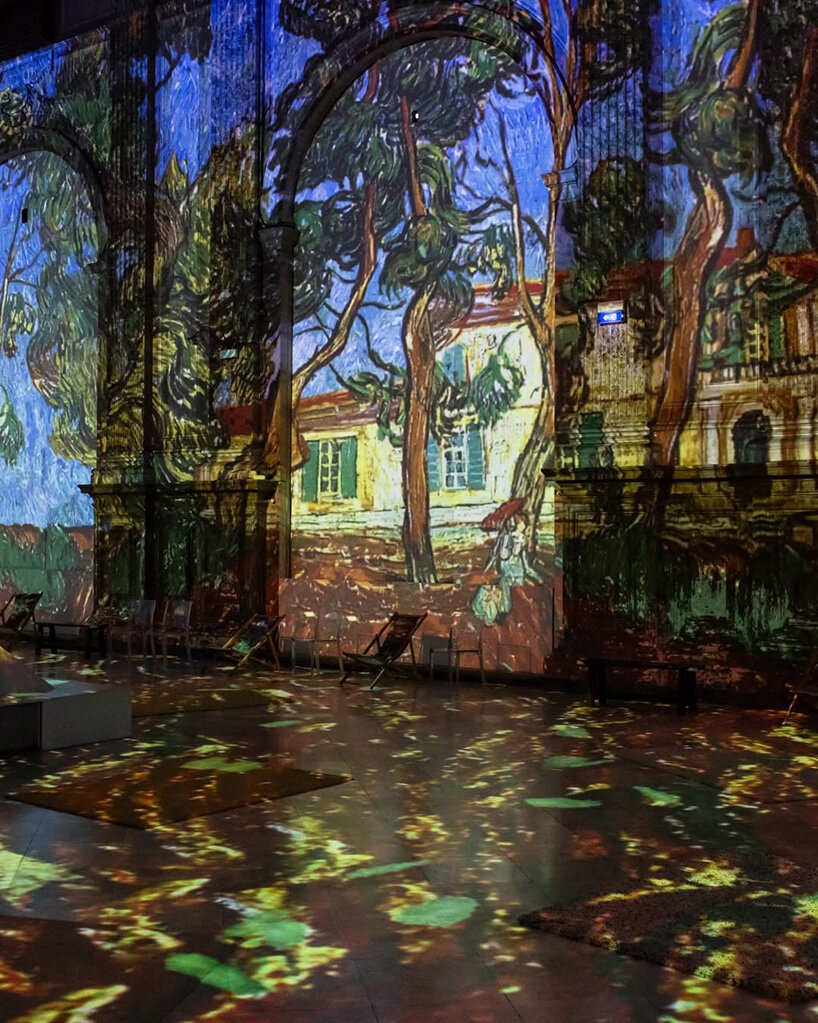
There are many interactive installations where the situation is quite different. An artwork can be highly photogenic while also giving visitors something to think about, whether through an unusual material, a social question, an environmental proposition or a physical experience that changes the way they understand a space. In those cases, the photograph is only one trace of a larger encounter. The image may be what circulates most widely, but there is still another layer that remains after the visitor has left. The distinction becomes particularly important with the current wave of immersive exhibitions built around famous artists. Across different cities, touring experiences have taken works by Vincent van Gogh, Claude Monet and Frida Kahlo and transformed them into large-scale projected environments, surrounding visitors with moving images, music and animation. Paintings that most people already recognize from books, screens and reproductions are enlarged until they become architecture, while the visitor is invited to walk inside the imagery.
There is an obvious appeal to this approach. A city does not need to own a collection of Van Gogh or Monet paintings to host an experience based on their work, and visitors who might never travel to a major museum can encounter a version of an artist’s visual language much closer to home. The temporary and touring nature of these exhibitions also makes them relatively easy to distribute, with the same basic format appearing in one city after another. This format is familiar for another reason. Most people already encounter paintings through screens, where images can be enlarged, cropped, animated and accompanied by sound. Immersive exhibitions take this everyday form of looking and expand it to architectural scale. A painting becomes a screen, the screen becomes the room, and the visitor enters an environment made from images that they may already have seen hundreds of times. That familiarity is part of the attraction. There is little difficulty in recognizing Van Gogh’s The Starry Night, Monet’s Water Lilies or Frida Kahlo’s most reproduced self-portraits, and the immersive exhibition can build on that recognition immediately. The visitor does not have to spend time learning how to look at the work before the experience begins. The paintings are already culturally familiar, and the exhibition turns that familiarity into movement, atmosphere and scale.
What happens to the original
The transformation changes the experience in ways that can be genuinely engaging. A projected painting can become an environment rather than an object viewed from a distance, and the combination of sound, movement and changing imagery can produce an emotional response that a displayed painting might not create for every visitor. For someone encountering an artist for the first time, the experience may even become an entry point into the work, giving them a reason to find out more afterwards. Something is also lost. When The Starry Night becomes a moving projection across a wall, the physical qualities of the painting disappear. The brushstrokes, the thickness of the paint, the texture of the canvas and the small variations in color that become visible when standing close to the original are no longer available in the same way. The dimensions of the painting also change, and with them the scale that Van Gogh chose when he made it.
A painting also has its own sense of time. It stays still, and the viewer decides where to look, what to notice and how long to remain in front of it. An immersive projection, where the sky can move, details can appear and disappear, the light can shift across the room and music can guide the experience, changes that relationship completely. It can be absorbing, but it asks the viewer to experience the work through movement and atmosphere instead of the quiet act of looking at the painting. This can make the distinction between the original work and its digital interpretation easy to overlook. After spending half an hour surrounded by Van Gogh’s paintings, it is understandable that a visitor might feel they have experienced Van Gogh, even though they have encountered projections of his work, a totally different experience from the one of the paintings themselves. The experience is real, but it is an experience created around the work, using another medium and another set of tools to shape how we see it.
How the experience is shared
The touring model also fits naturally into the way these exhibitions circulate online. A photograph of a visitor standing beneath a giant projection of The Starry Night communicates the experience through a familiar painting that provides recognition, a person that gives the image scale and the room that provides the spectacle. The same image can work as a souvenir for the visitor and as an invitation to someone seeing the exhibition for the first time through a screen. That logic also influences the design of the exhibition. A room may be arranged around a particular viewpoint, an installation may depend on where the visitor stands, and an interaction may be conceived with the photograph or video in mind. The visitor is therefore experiencing the space while also producing its most widely circulated representation.
Standing inside a projected Starry Night can be striking, but it is still a different encounter from standing in front of Van Gogh’s painting. What we gain is immersion; what we give up is some of the specificity of the work itself. The same contradiction appears in the places that use the word ‘museum’ for experiences built around fun and participation. A Museum of Illusions can be understood on its own terms, just as an immersive Van Gogh exhibition can offer a compelling way into an artist’s work.
When very different experiences are presented as museums, the distinction between them becomes less clear. An immersive exhibition, an interactive installation and a playful attraction can all create memorable experiences, but they do so for very different reasons.
This article is part of designboom’s SPECTATOR AND SPECTACLE chapter, asking how wonder gets built, presented in partnership with SolidNature, and how it might return some mystery to a world that has measured most of it away. Discover more stories that turn onlookers into participants, alter perception and disrupt the everyday here.
shop
your own online design shop — no sales commission collected