how LAS art foundation transforms quantum computing and clubs into art
from berghain to venice, the organization takes immersive exhibitions beyond traditional museums, using unconventional spaces to reach new audiences.
LAS Art Foundation in Berlin and beyond
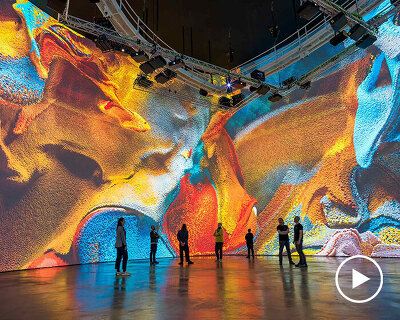
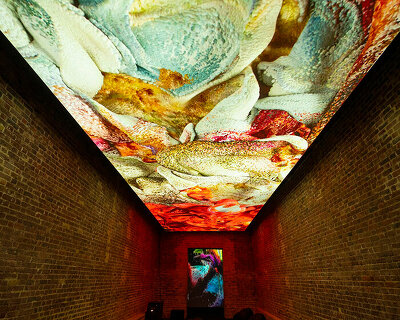
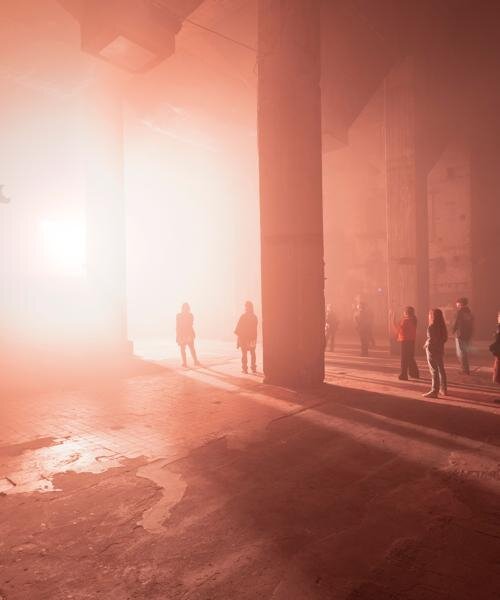
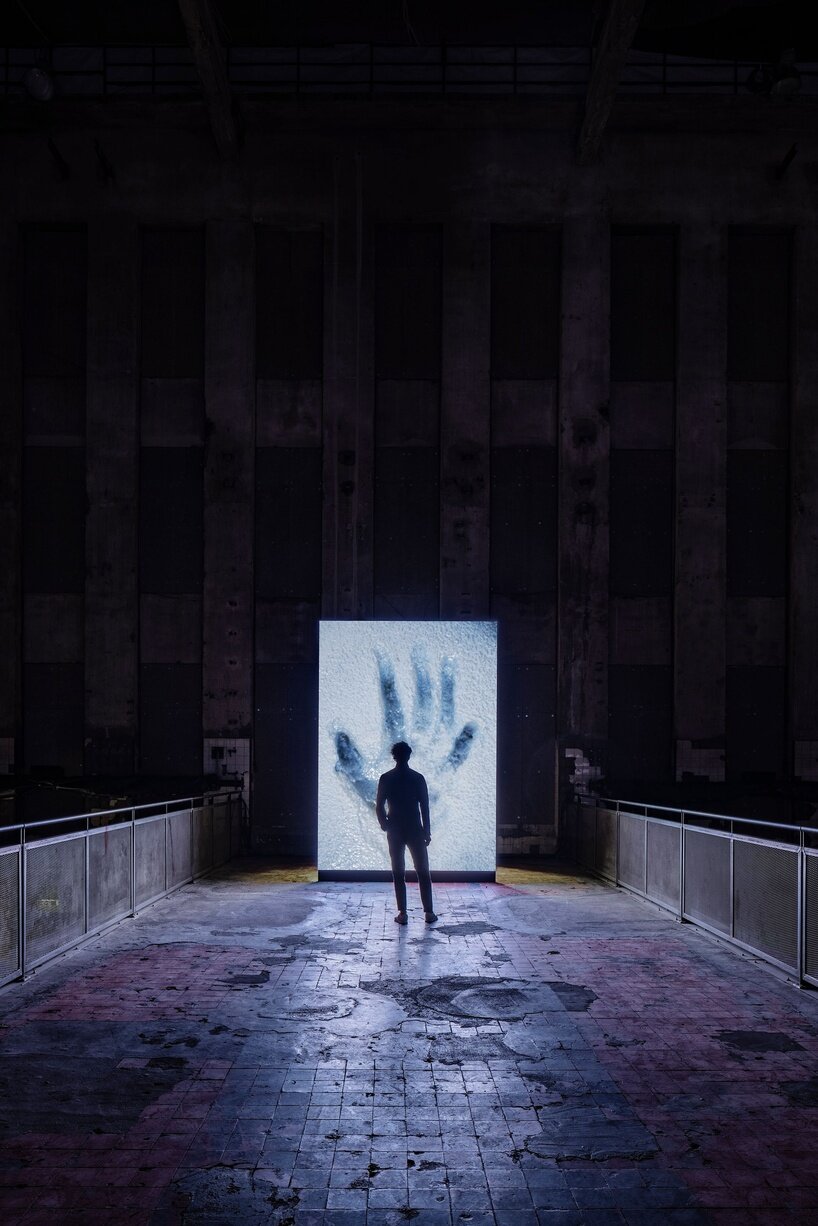
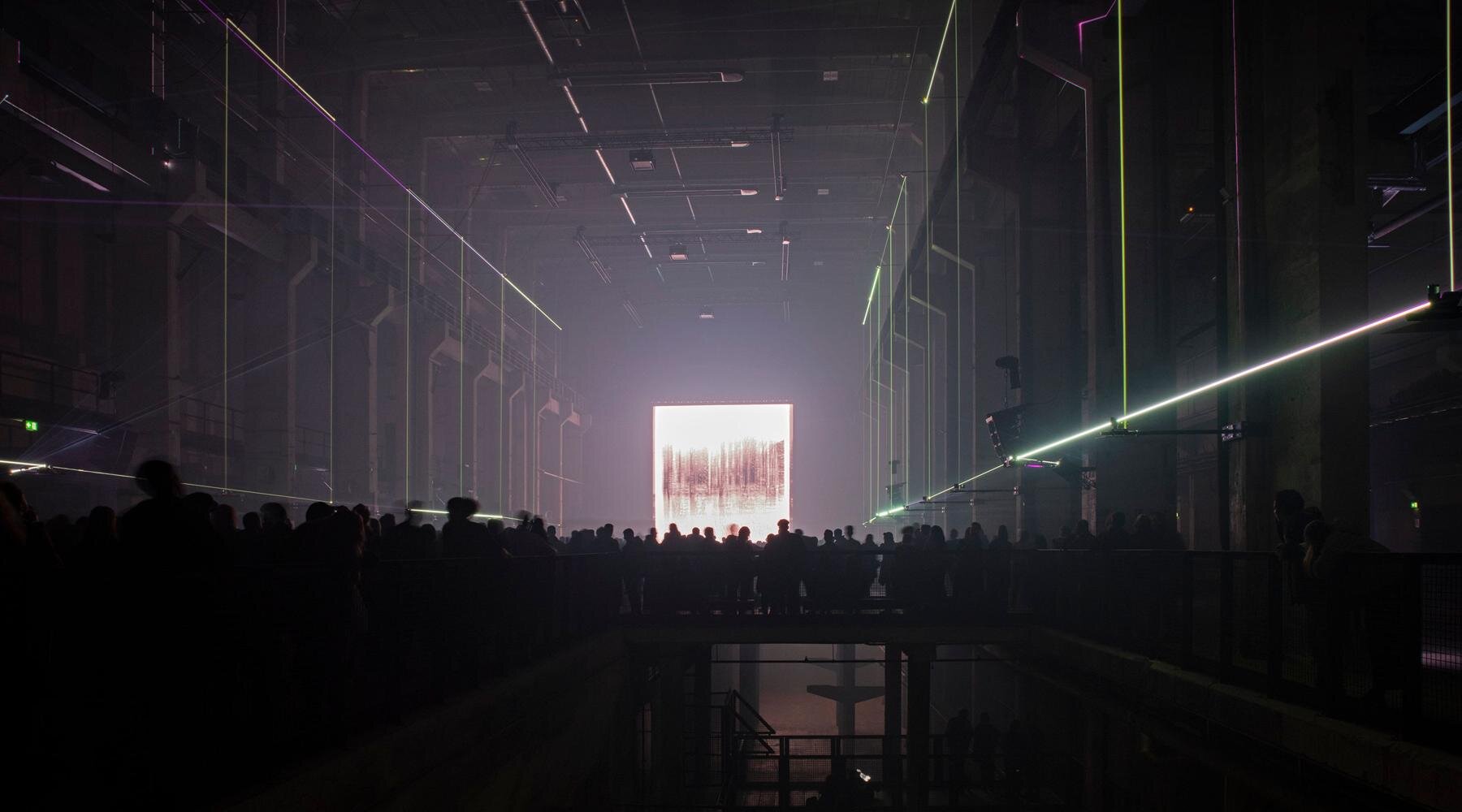
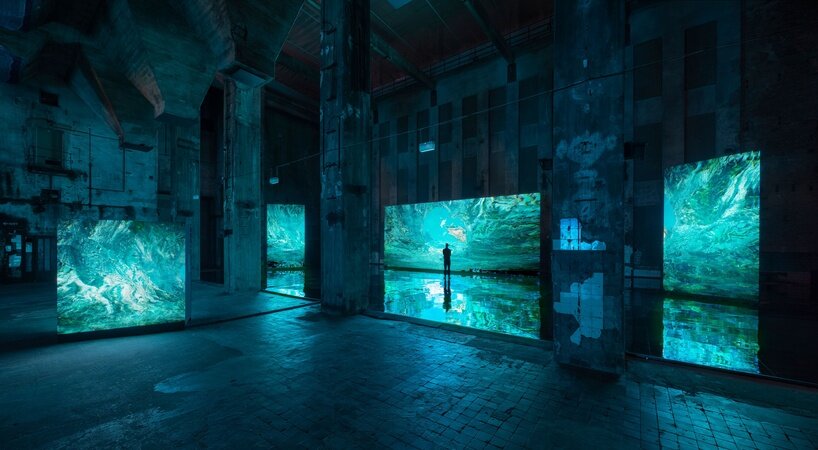
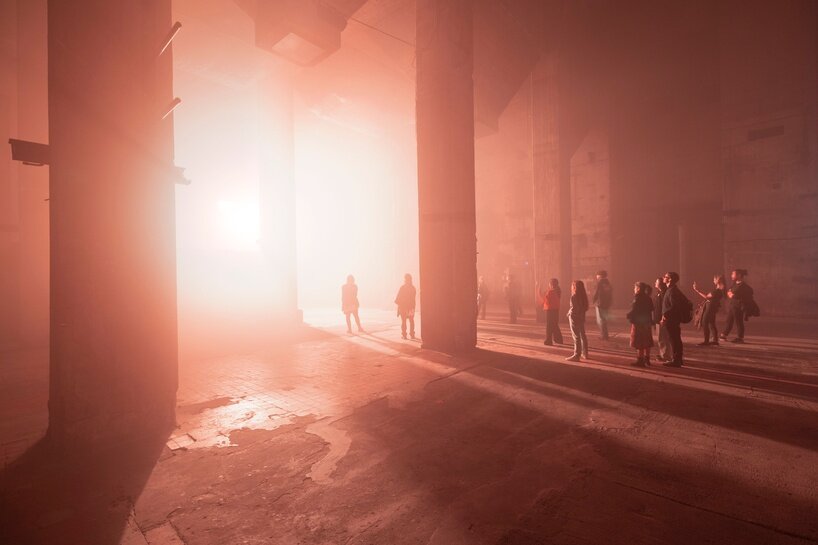
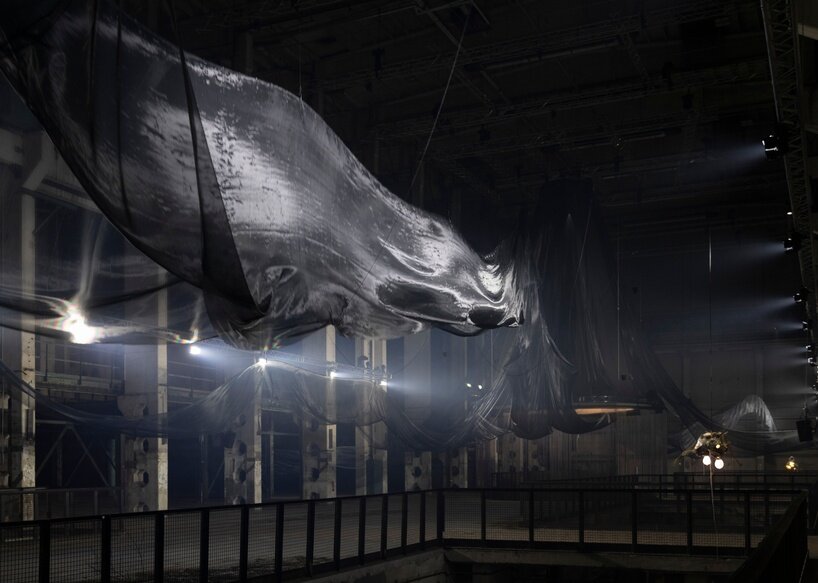
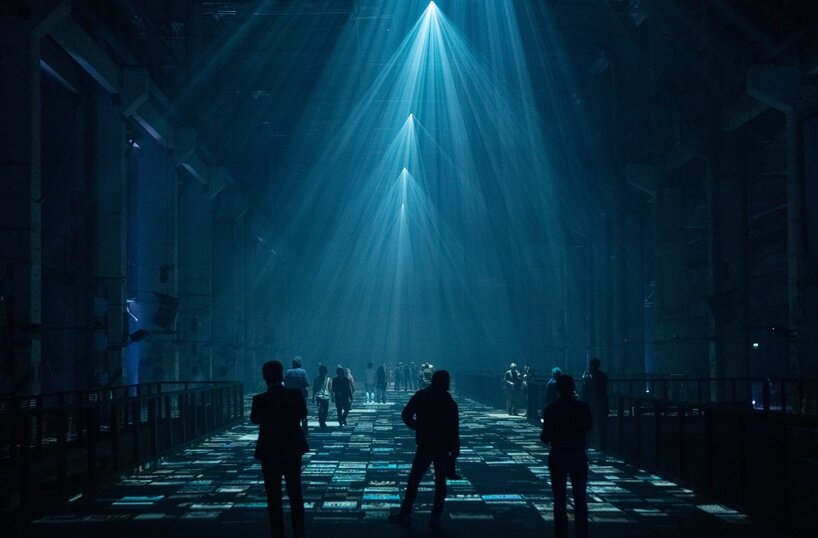
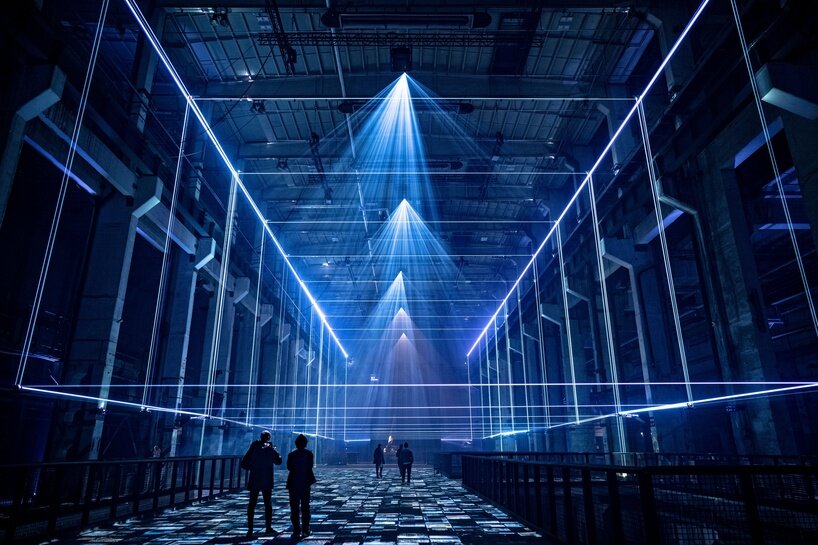
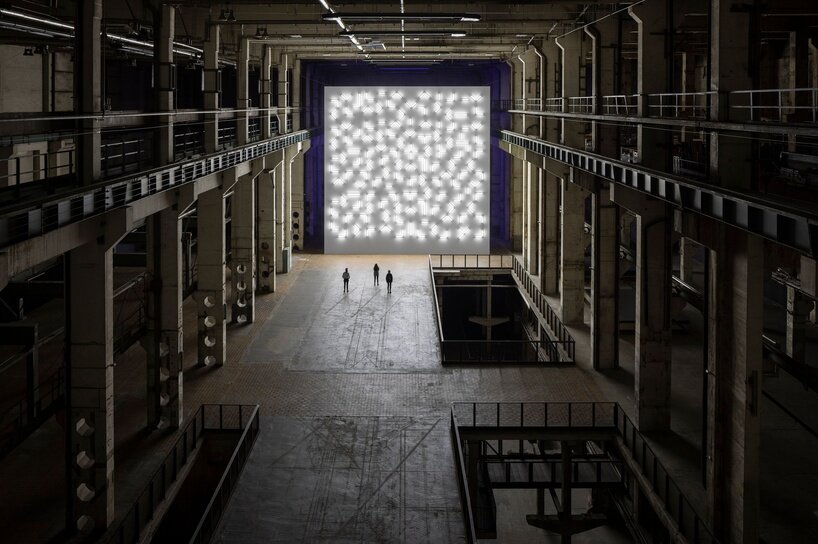
LAS Art Foundation, formerly Light Art Space, is the Berlin-based organization that looks to create works of art that are born from the bleeding edge. Some of its most famous shows, born from a synergy between art and technology, have occupied Berlin’s Halle am Berghain and Kraftwerk. These club and event venues are fitting environments for the typical LAS show, where monumental use of sound, lights, and moving digital images transforms the spaces into a pulsating, immersive experience that couldn’t be contained in the traditional white cube. In conversation with designboom, LAS CEO and co-founder Bettina Kames talks about their first exhibition with artist Refik Anadol, their mission for new media, and their approach to AI and quantum computing.
a technology forward approach to art
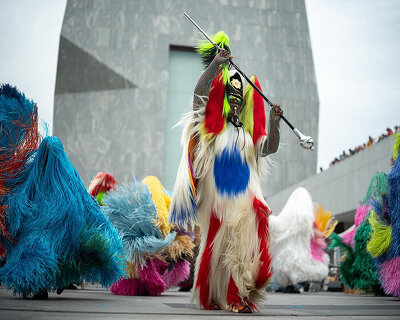
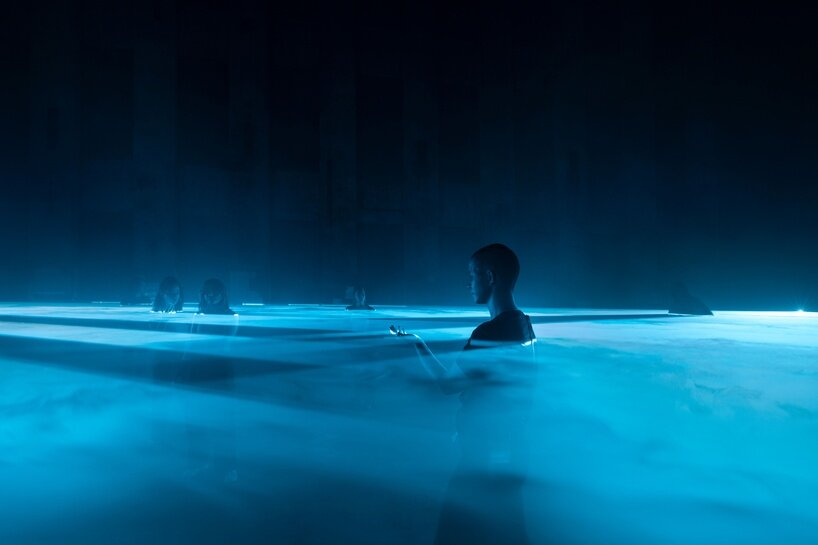
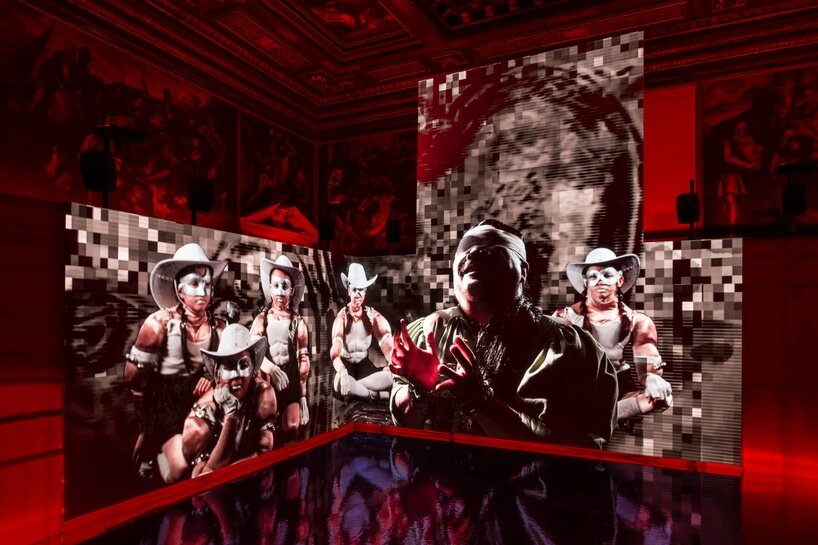
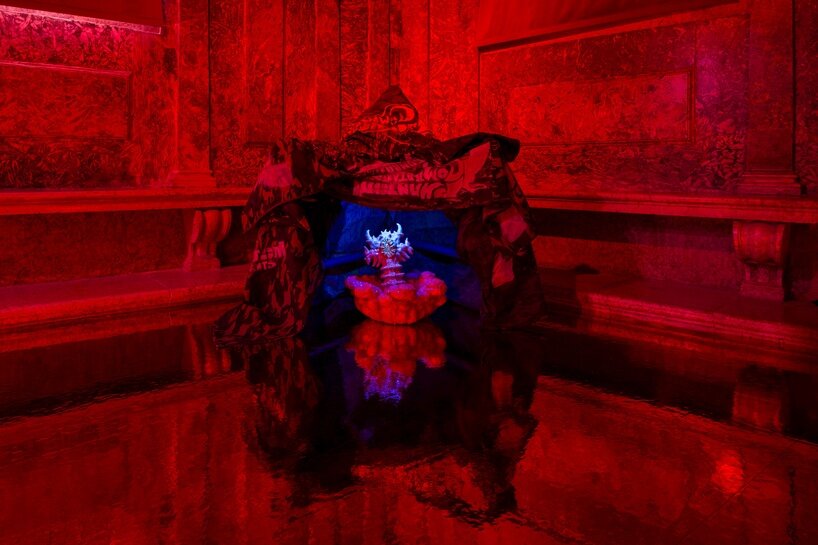
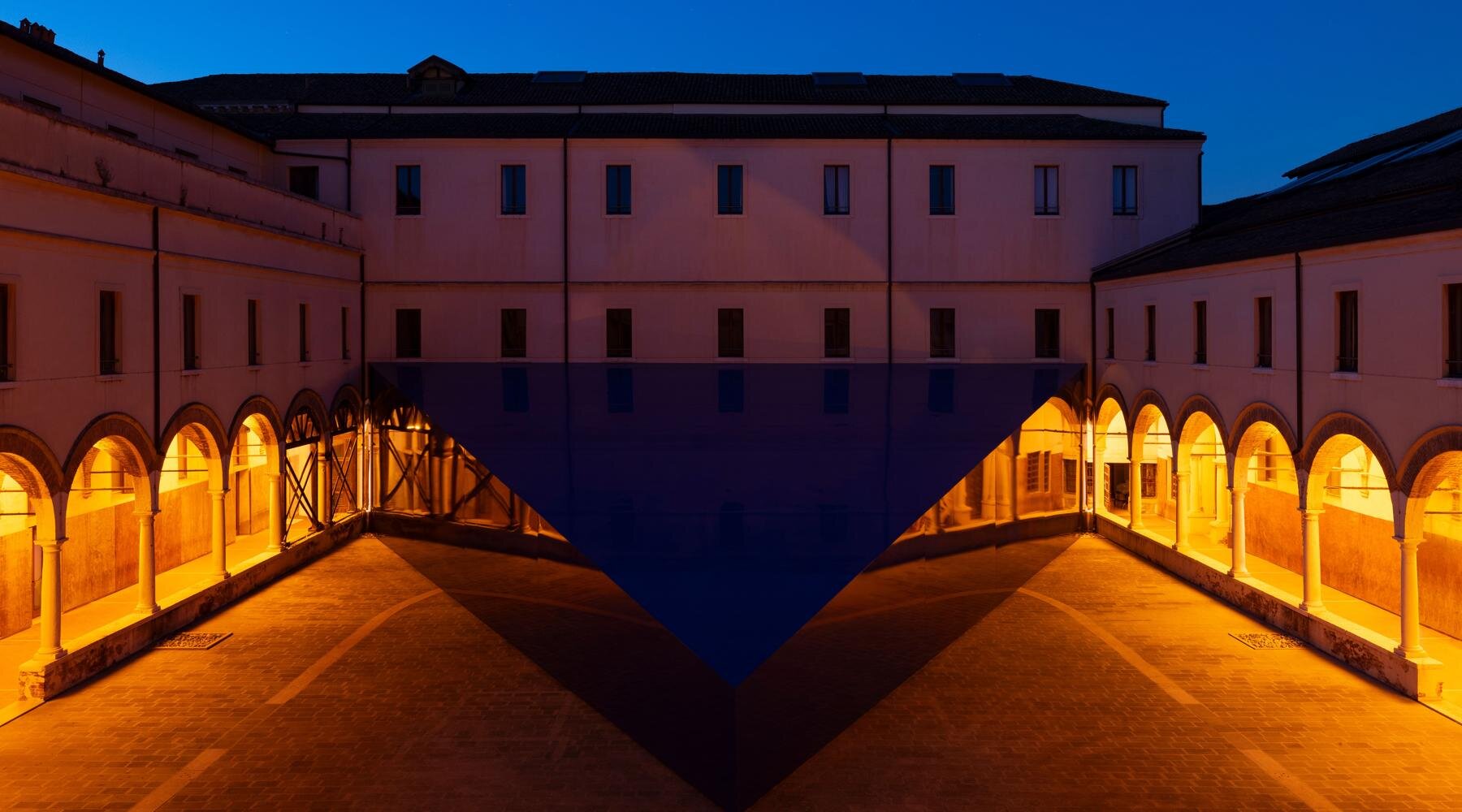
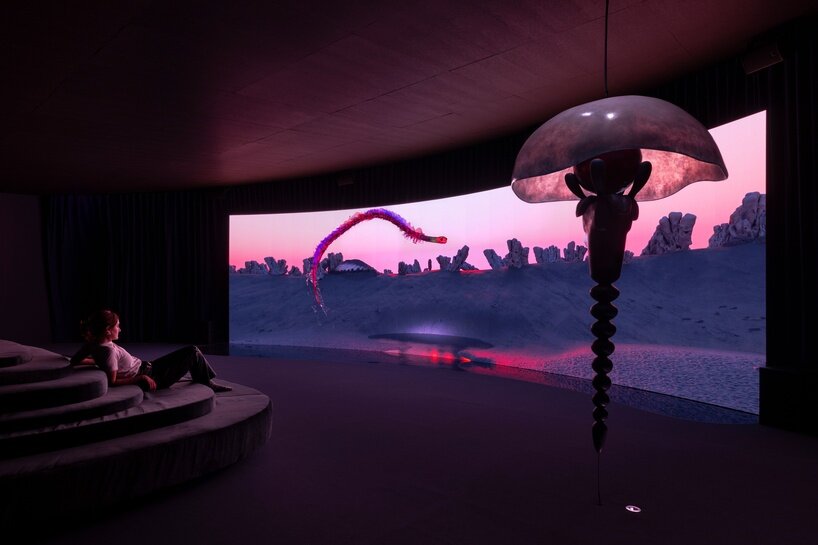
Although LAS is often associated with the German scene, it’s fundamentally a nomadic organization. It has been able to fill infamous Berlin clubs with sprawling works by artists like Ian Cheng, Laure Prouvost, and Jakob Kudsk Steensen. Now, they’ve gone on to occupy spaces in Venice, the home of the contemporary art biennale, with exhibitions like Josèfa Ntjam’s swell of spæc(i)es and Natasha Tontey: The Phantom Combatants, alongside hosting an online residency that is supporting the works of Xin Liu & Eunjo Lee. But no matter the URL or IRL, a LAS show is easy to recognize for its forward-thinking approach to applied technologies. Reflecting on this identity, Kames looks back to its founding days in 2016, when she and co-founder Jan Fischer were asking themselves, ‘why another art foundation?’
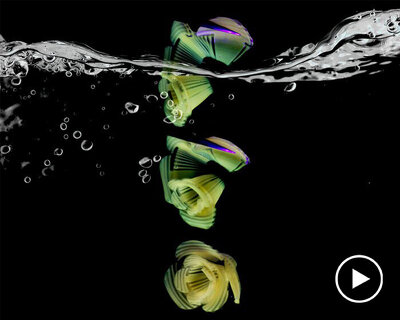
‘it really needs to be an art foundation about the future,’ says Kames, recounting the conversations and ideas shared between her, Fischer, and the people around them. ‘That’s why LAS is at the intersection of art, the latest technologies, the latest breakthroughs in science.’ One such example of this is Laure Prouvost’s 2025 exhibition, WE FELT A STAR DYING, which uses a multisensory experience to untangle the complexities of quantum computing. In their online explanation of the exhibition, LAS even includes a short pop-up window that explains what a quantum computer is for those who come from a non-technical background.
The intersection between art and technology
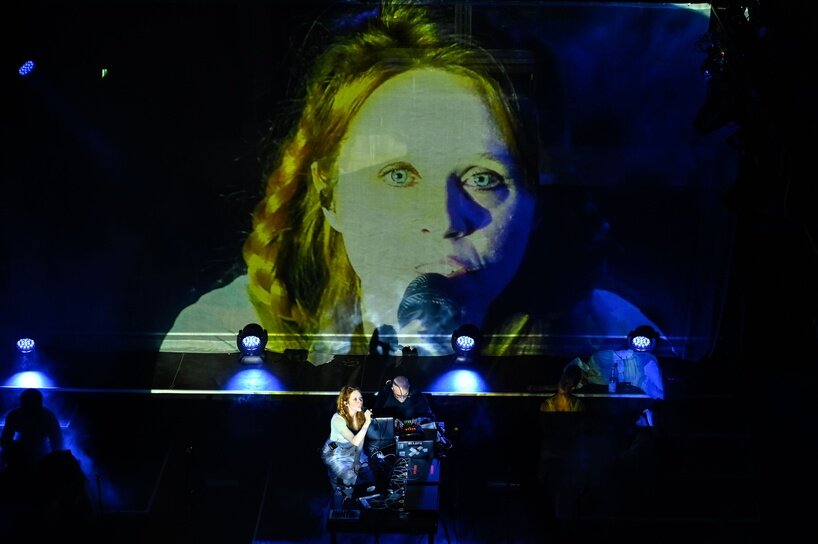
‘Often when we talk about the present, but also the future, it’s related to massive changes, rapid developments and technology,’ remarks Kames on this didactic approach to exhibition making. ‘It’s linked to something like AI. For example, we did this exhibition about quantum computing [Laure Prouvost’s] and often these are topics that are quite complex and sometimes hard to understand, sometimes even frightening. So we said it’s important to build bridges into society, to take society along. And art can be this kind of door opener’
forms of accessibility in art
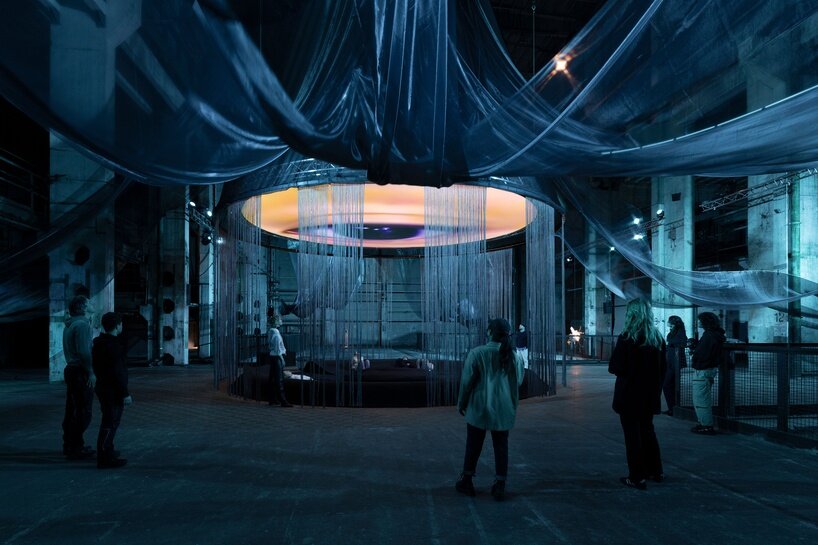
Kames goes on to talk about the different modalities they’ve used to make the exhibitions more accessible, which have included guided tours and inviting high school students to get involved. Seeing as their events are often very bright and involve sound elements, they’ll also have lower-impact versions of the show, where the lights and sounds are more muted, to accommodate these needs. And perhaps the most particular of these moves toward accessibility is its choice of venue. ‘It’s very important that we always activate different spaces like Berghain or like Kraftwerk. And it’s often spaces that don’t have the same barrier like a museum space. It’s easier to come to Berghain. It’s easier to come to Kraftwerk if you’re not part of the art scene or cultural scene,’ says Kames on how these spaces don’t have the same perhaps intimidating presence that traditional art spaces might have. Additionally, being in these new contexts encourages both artist and audience to consider what the boundaries of ‘art’ can be.
Engaging the senses beyond the screen
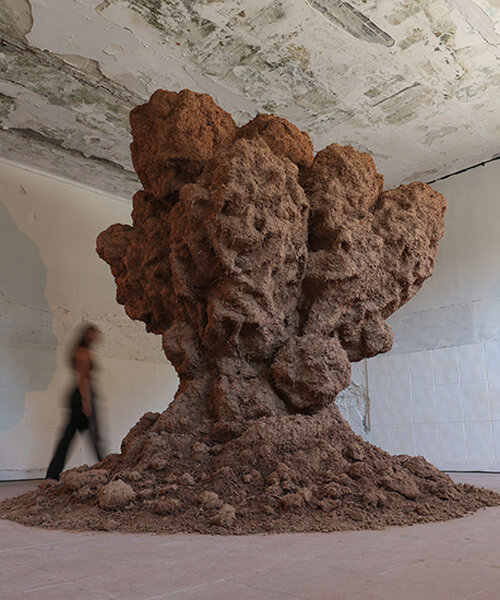
One of the first things audiences gather from an LAS show like Anadol’s or Cheng’s is that it’s incredibly engaging, looking more like a nightclub than anything seen at a typical museum. But Kames points out that the lights and sound don’t detract from the theory and artistic rigor. ‘It’s really an exhibition by the leading artists of our times on the highest curatorial level. And with all your senses doesn’t always mean a flashy LED screen. It could be a smell or these beautiful sculptures. It can mean many things even though obviously some of our content is digital.’
Evaluating and re-evaluating the cutting edge
Although their programs reach into different mediums, LAS is, at its core, a space for technological collaboration. On this, Kames remarks, ‘one of the reasons to launch the quantum sensing program,’ with Prouvost’s exhibition, ‘was really to embrace a new ecosystem, a new territory of technologies related to quantum computing, and experiment with them and to develop new artistic media with them. So Laure’s exhibition, for example, which was a collaboration with Google AI quantum and their lead scientist, we developed our own quantum AI diffusion model, because there wasn’t one in the world for moving image.’
She goes on to address some of the controversy that arises in regard to the use of AI in the art space, saying, ‘what we’re trying to achieve with LAS is a neutral platform to have discourse, for experimentation, for debate. That applies to AI, same applies for quantum technologies, same applies for whatever. We see this polarization in the world and I think it’s important to create spaces that are not feeding into that and do quite the opposite.’ Kames refers back to Refik Anadol’s exhibition in 2019, Latent Being, reflecting ‘back then, like we did that first exhibition on machine learning already arguing [a technology that’s] at the center of what we’re facing now. And we debated then, ‘what is our position on that? What is important for LAS? or what is maybe also missing that we can contribute?’
1/7
project info:
organization: LAS Art Foundation, formerly Light Art Space | @las_artfoundation
CEO & co-founder: Bettina Kames
This interview is part of designboom’s SPECTATOR AND SPECTACLE chapter, asking how wonder gets built, presented in partnership with SolidNature, and how it might return some mystery to a world that has measured most of it away. Discover more stories that turn onlookers into participants, alter perception and disrupt the everyday here.