LACMA exhibition revisits the strange, utopian homes once built for the future
from push-button kitchens to early smart homes, LACMA traces six decades of domestic futures and the ideas behind them.
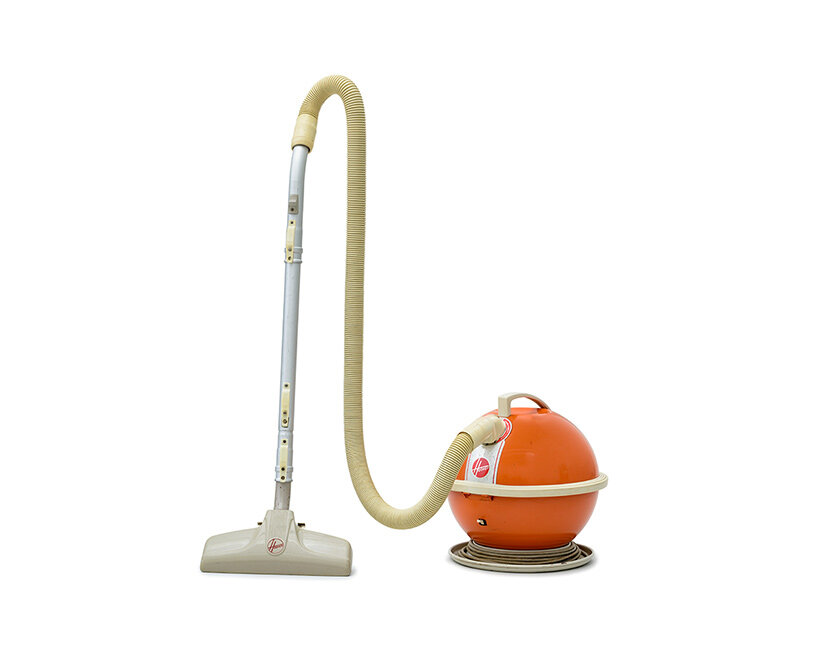
the future was supposed to clean the house
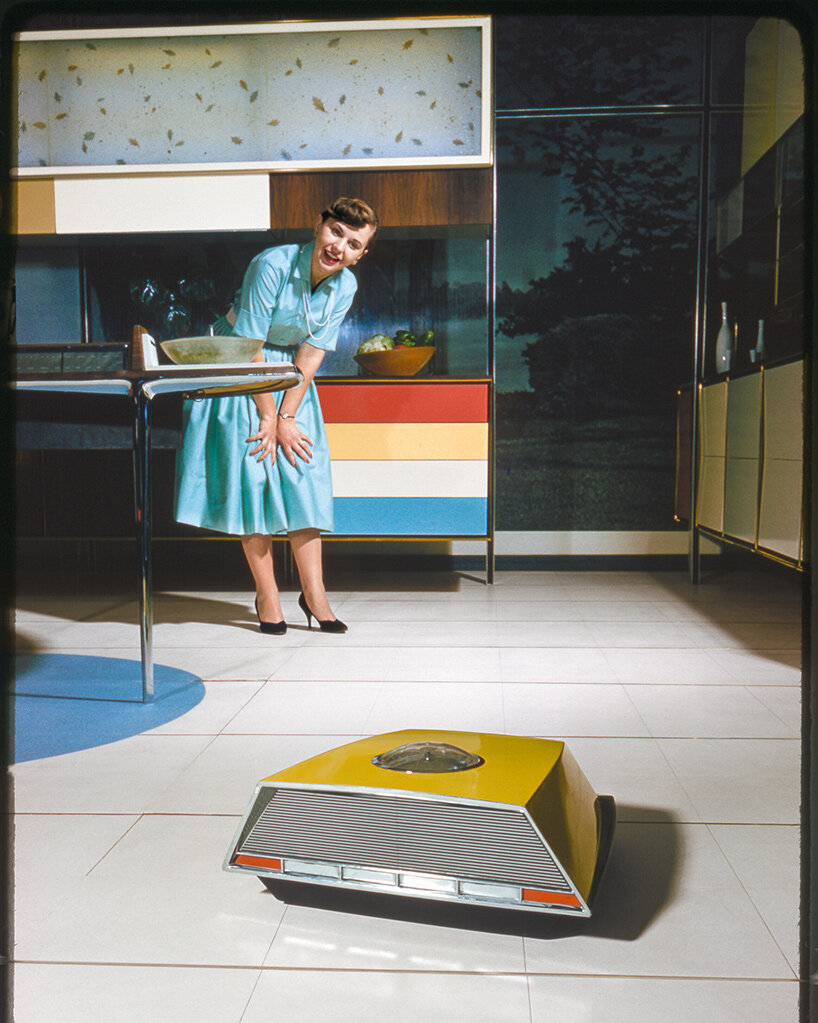
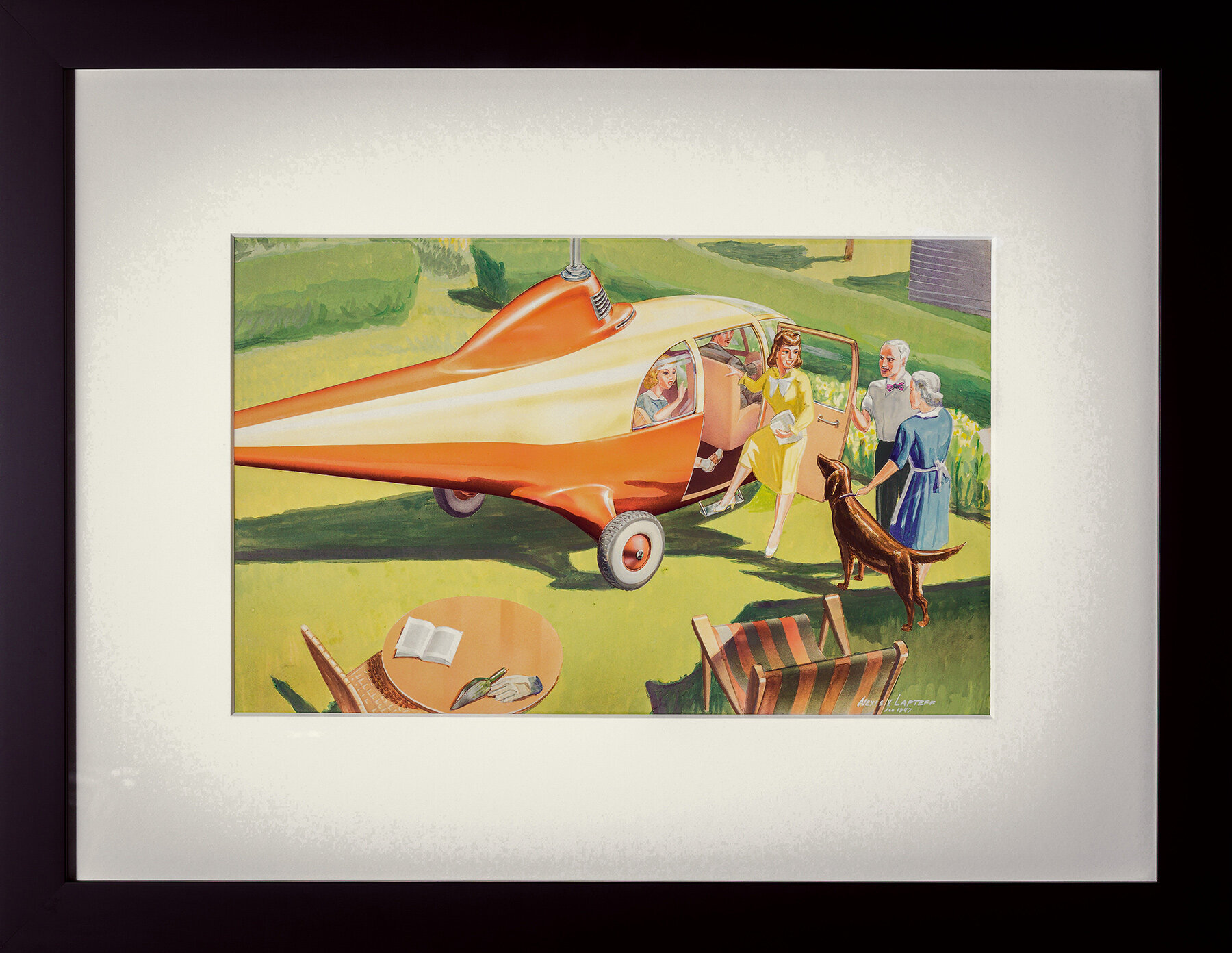
For much of the twentieth century, the home of tomorrow was imagined through a familiar set of promises. The dishes would wash themselves, while a screen might connect you to someone miles away. Eventually, a computer would sit on a desk and begin controlling the house around it.
Home of the Future, 1925–1985: Designing Domestic Utopias, now open at LACMA in Los Angeles, gathers more than 260 objects and images around six decades of Americans imagining how they might soon live. Some ideas disappeared almost immediately. Others just took longer than expected.
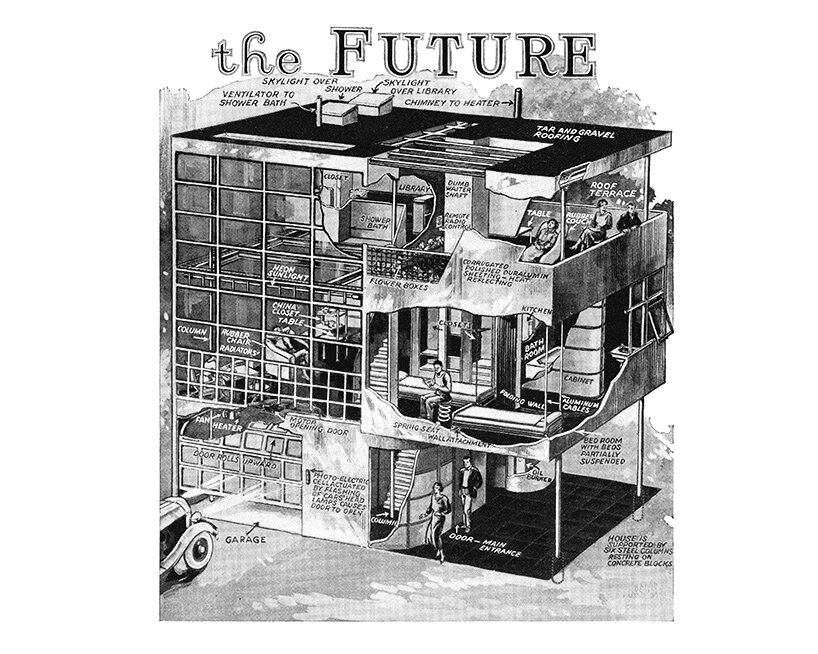
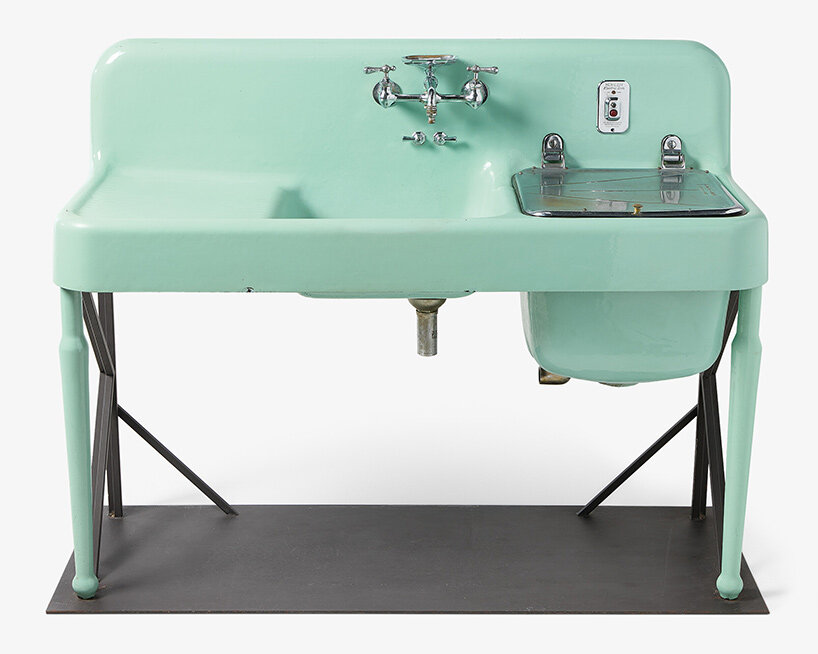
The exhibition begins in 1925, when the house was increasingly treated as a machine whose inefficiencies could be designed away. Kohler’s 1926 Electric Sink folded a dishwasher into the basin and promised freedom from washing dishes by hand. Psychologist Lillian Moller Gilbreth studied the movements involved in household work and redesigned kitchens around shorter routes and fewer wasted gestures. Domestic freedom, in this version of the future, could supposedly be engineered into the floor plan or purchased as an appliance.
tomorrow becomes a consumer product
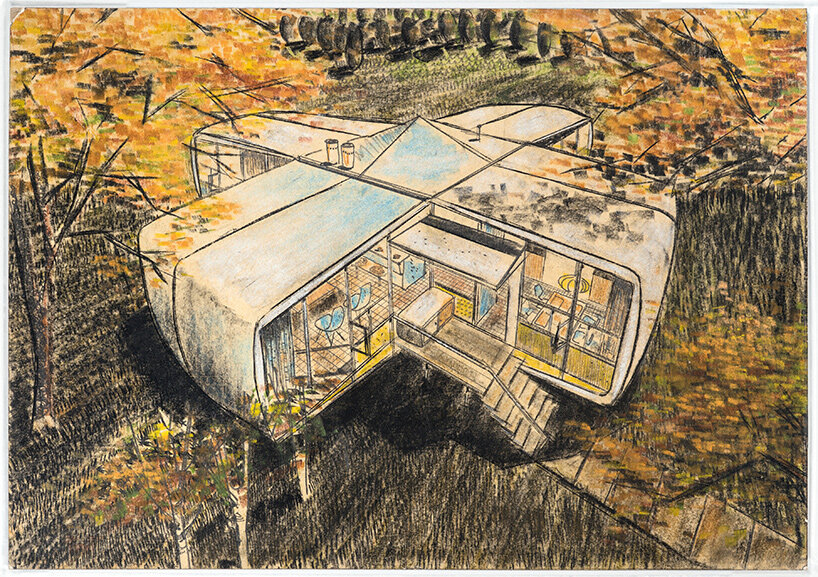
After World War II, the future gained a new material language. Plastics developed through military research entered chairs and entire houses, while prefabrication promised to make modern architecture easier to build and distribute. At Disneyland, Monsanto’s House of the Future cantilevered four plastic wings above the landscape, filling its molded interiors with push-button appliances and a kitchen shaped from synthetic surfaces. Around 20 million visitors walked through it before the house was demolished in 1967.
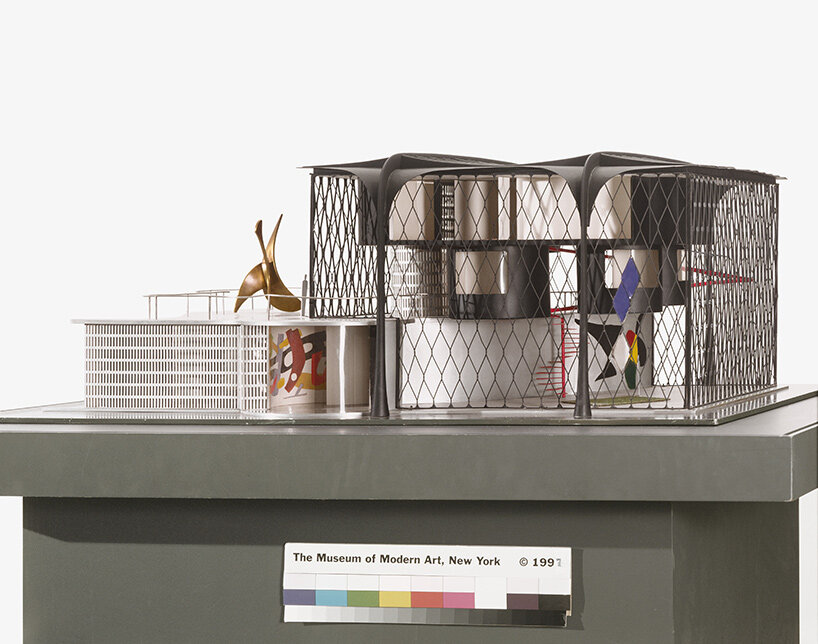
Nearby in the LACMA exhibition’s timeline sits Charles and Ray Eames’s Case Study House #8, assembled in Los Angeles from off-the-shelf industrial components in 1949. Its future looks clearly different. The steel frame and factory-made parts became the backdrop for books, textiles and objects accumulated over years of living there.
Even Barbie enters the story. Her first Dream House, released around 1962, came without a kitchen and imagined a young woman’s home around leisure and independence at a time when access to mortgages and credit remained heavily restricted for women. The show keeps returning to this gap between who appeared inside an image of the future and who could actually enter it.
the living room becomes a command center
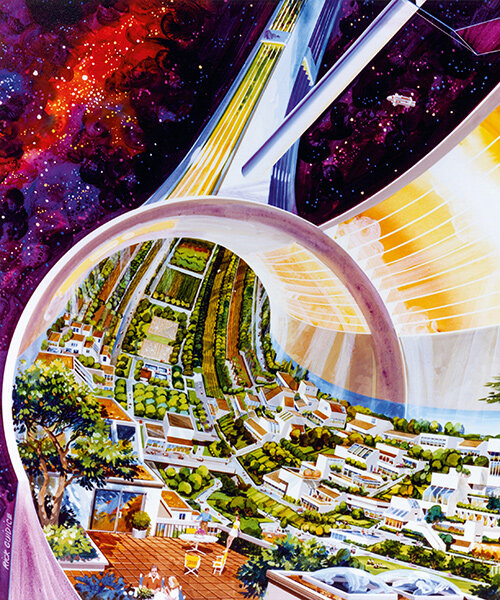
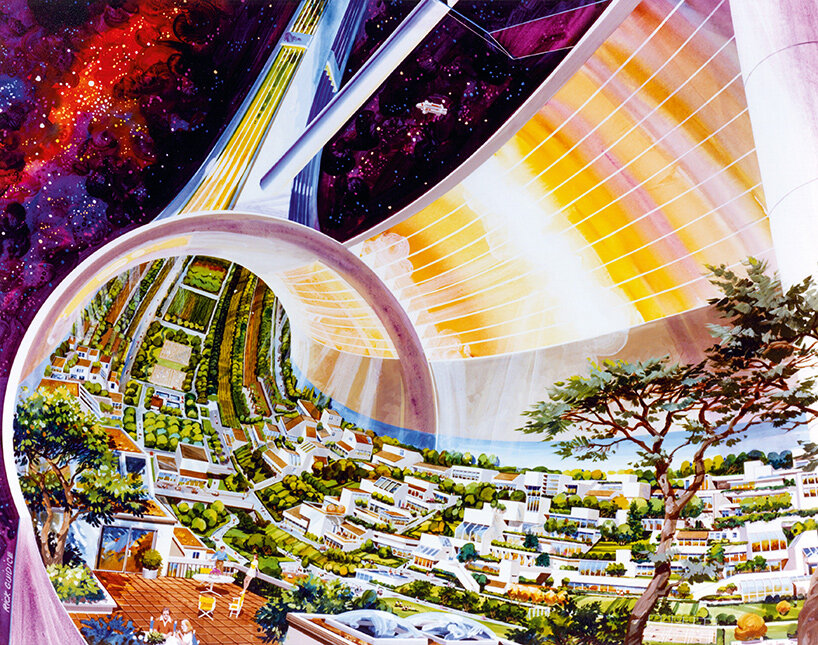
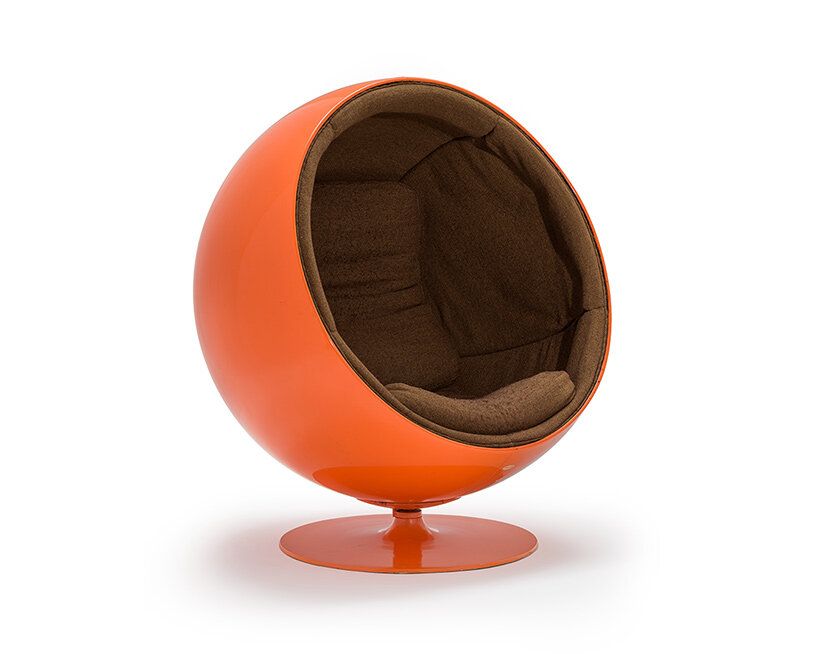
By the 1950s and 1960s, domestic futurism grew stranger. Nuclear anxiety produced underground communities and cocoon-like furniture, while the Space Race sent designers toward orbit. Paul László’s 1950 Atomville, U.S.A. placed a California-style modern house underground as protection from atomic attack. Rick Guidice’s NASA paintings later imagined entire settlements circling Earth, complete with houses and farms inside enormous rotating structures designed to simulate gravity.
Technology was also moving in the opposite direction, bringing the outside world deeper into the house. Television transformed the living room into an information center, and AT&T’s Picturephone previewed the intimacy of video calls decades before Zoom. Visitors to the 1964 New York World’s Fair could sit in booths and see the person on the other end of the line. The device even offered a voice-only privacy switch, though using it was reportedly treated as socially awkward. It proved too expensive and invasive for widespread use, yet its basic premise now feels completely ordinary.
counterculture ends up at the computer
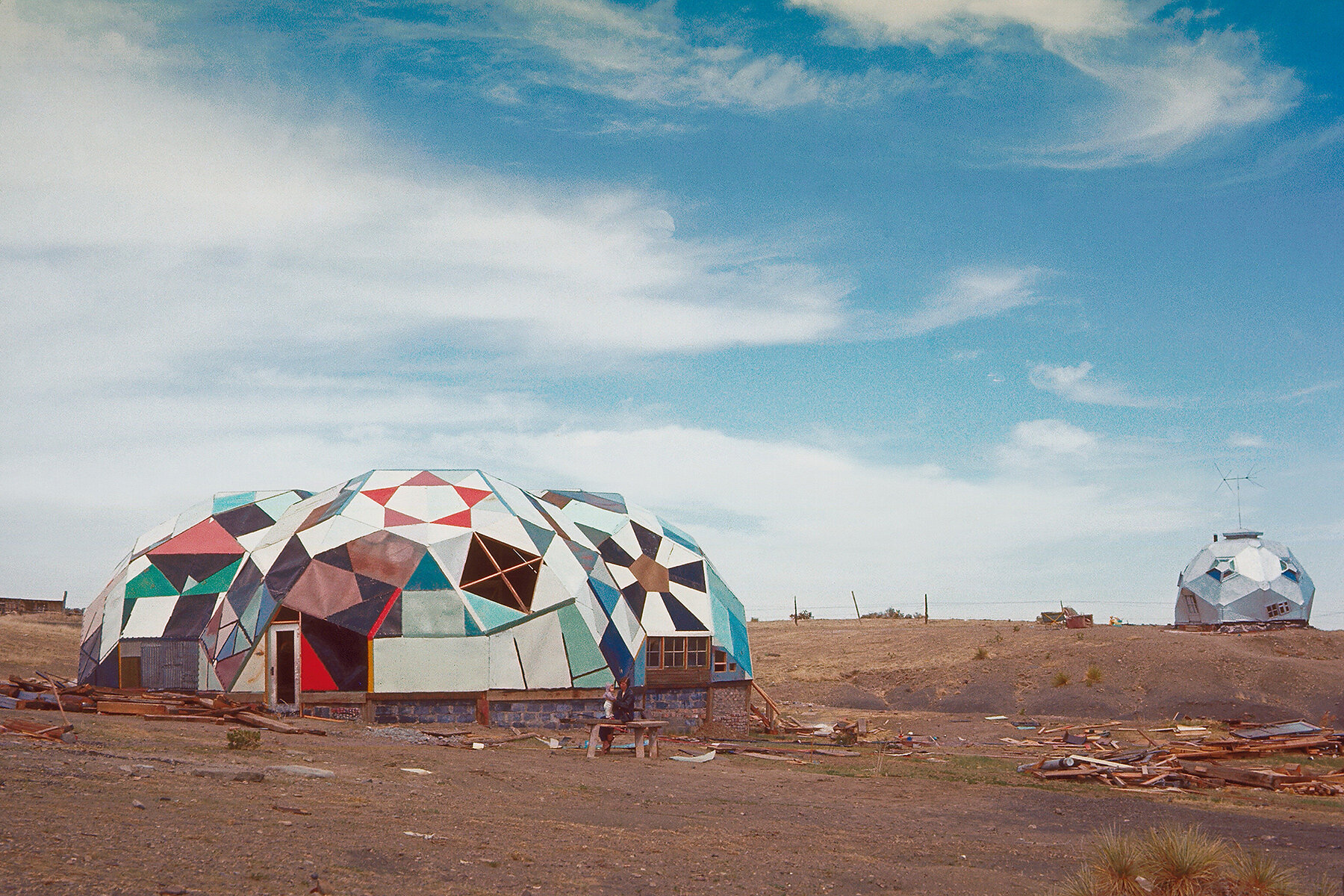
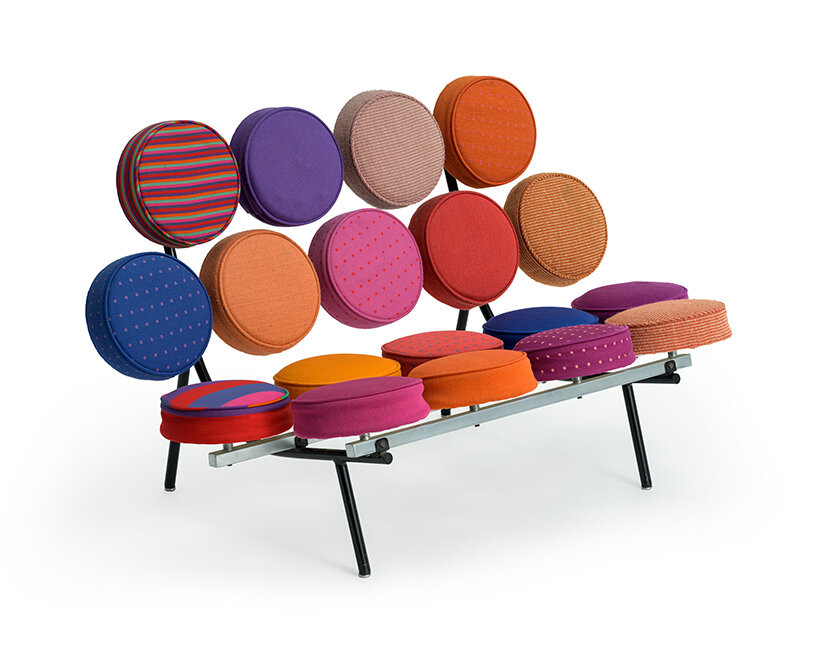
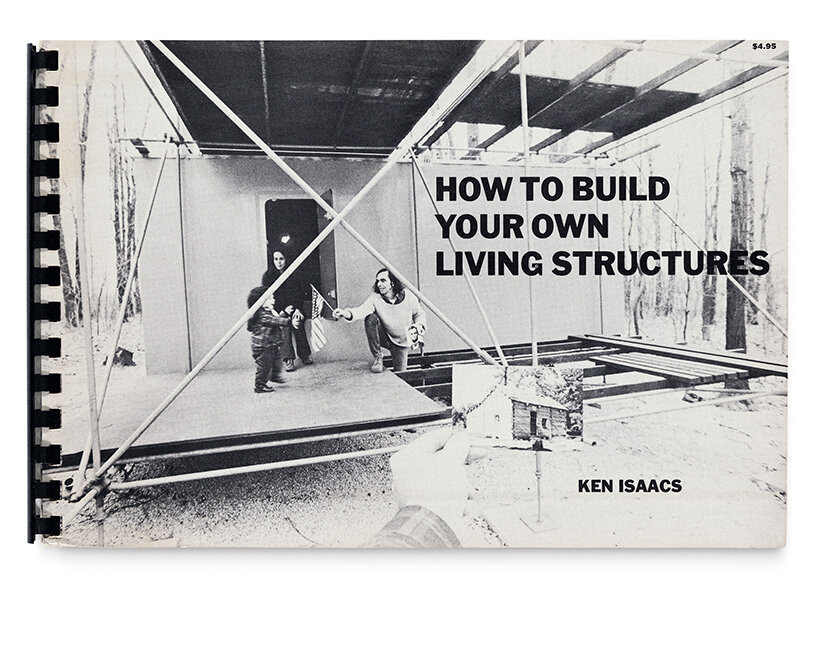
The exhibition’s final period begins in 1965, when confidence in plastic abundance began giving way to environmental concern and experiments in self-sufficiency. Designers turned toward salvaged materials and movable interiors. Meanwhile, civil rights activist Floyd McKissick proposed Soul City, a new multiracial town for North Carolina planned around equal economic opportunity.
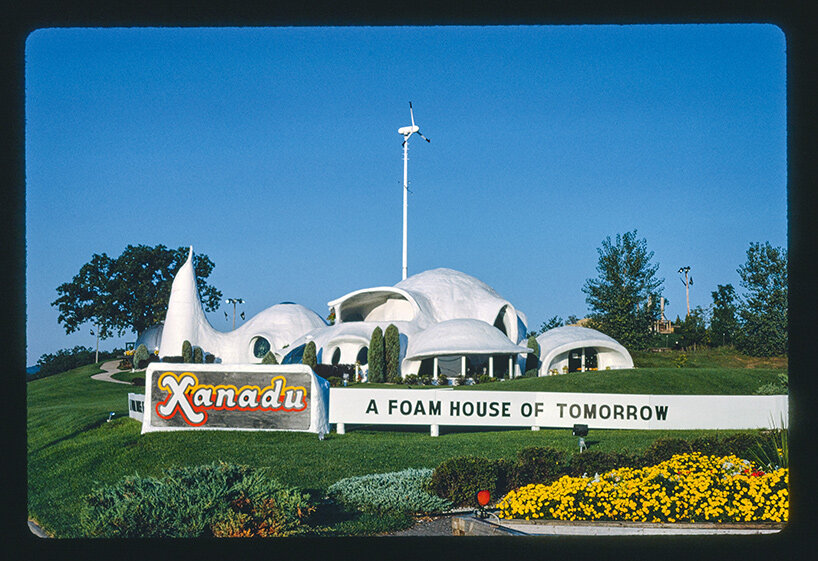
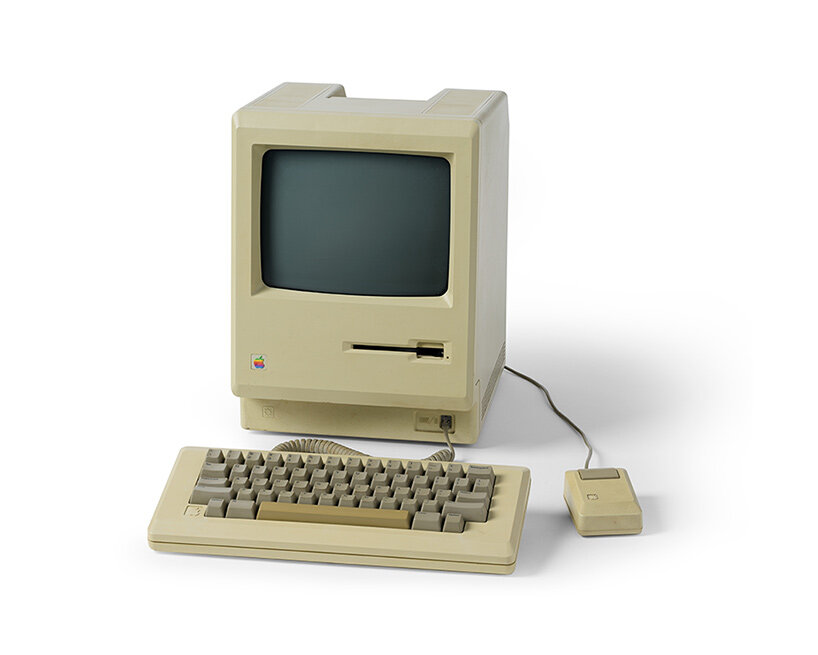
Then the computer moved in. Experimental houses such as Ahwatukee and Xanadu translated ideas about decentralized systems into automated domestic environments during the early 1980s. Seen from 2026, this closing chapter makes the exhibition feel unusually close. The language has changed from ‘home of tomorrow’ to ‘smart home,’ yet the pitch remains recognizable: technology will remove friction, save labor and make the house respond more closely to its occupants.
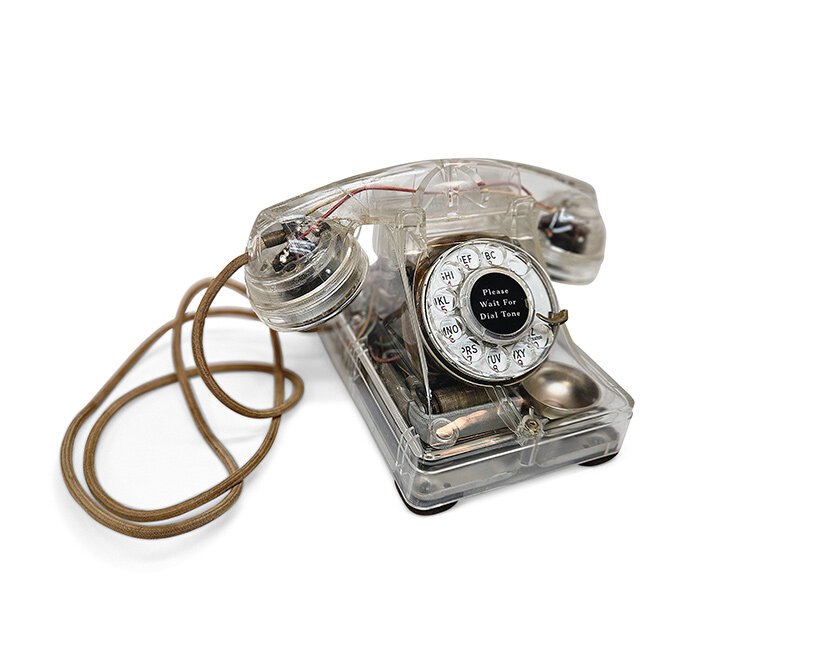
LACMA’s exhibition is strongest when those promises sit beside the objects themselves. A transparent telephone, a plastic house or a desktop computer becomes a small record of what one period hoped would feel normal in the next.
1/7
project info:
name: Home of the Future, 1925–1985: Designing Domestic Utopias
museum: Los Angeles County Museum of Art (LACMA) | @lacma
location: Resnick Pavilion, LACMA, Los Angeles
curator: Wendy Kaplan, department head and curator of Decorative Arts and Design at LACMA
dates: September 27th, 2026 — March 14th, 2027