chen wei on the dance floor as a stage for imagined ecstasy
in his guest essay, the artist reflects on the elusive nature of ecstasy, drawing from nightlife, staged photography, personal memories, and stories shared by friends to examine how pleasure is performed, imagined, and reconstructed.
Ecstasy
A gigantic image of a beautiful woman portrayed from the chest up was plastered on a public bus that drove by slowly in front of me; her hair shampooed in foam, her eyes closed, eyebrows lifted and lips half open. This shampoo advertisement is about ecstasy and pleasure. It is also the safest and the most appropriate kind of inebriation modeled on mass experience, that champions cliché performance and apparent pretense. Ecstasy embodies the highest level of enjoyment. As poetic as it may be, it is also not trustworthy. For a long time, I was fascinated by this condition, the system it creates, the state it may reach and its relationship to performance.
I began to review my own experience of enjoyment from my memories. From frequenting disco clubs and roller skating clubs in the 1990s, to performing in all kinds of bars and outdoor venues with my music band at the beginning of the new millennium, pogoing with the audience, and my solo performance of noise on stage, either I could not remember or perhaps I have never reached the ecstatic state. I had to take on a more realistic search, looking for the sources by frequenting all kinds of nightclubs, hanging out and talking with friends, sometimes even dancing among a sweaty crowd. Ecstasy was like a catalyst that pierced through layers and layers of the poster wall, which allowed me to step over spilt drinks on the floor, to go across the dance floor, bringing me back to midnight again.
In the Waves
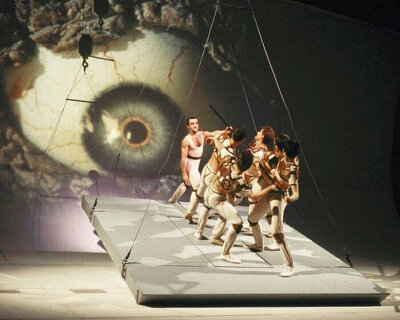
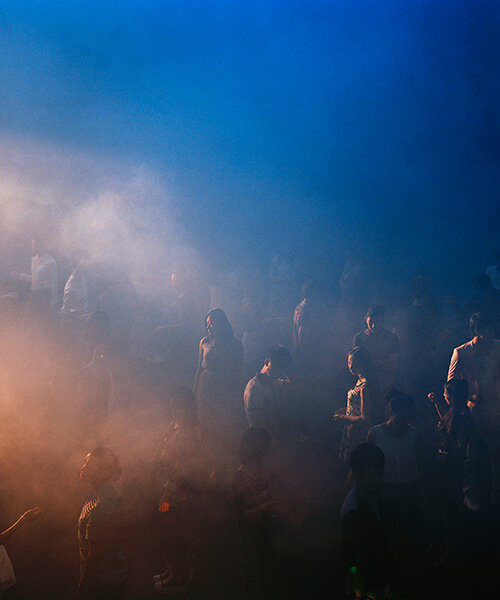
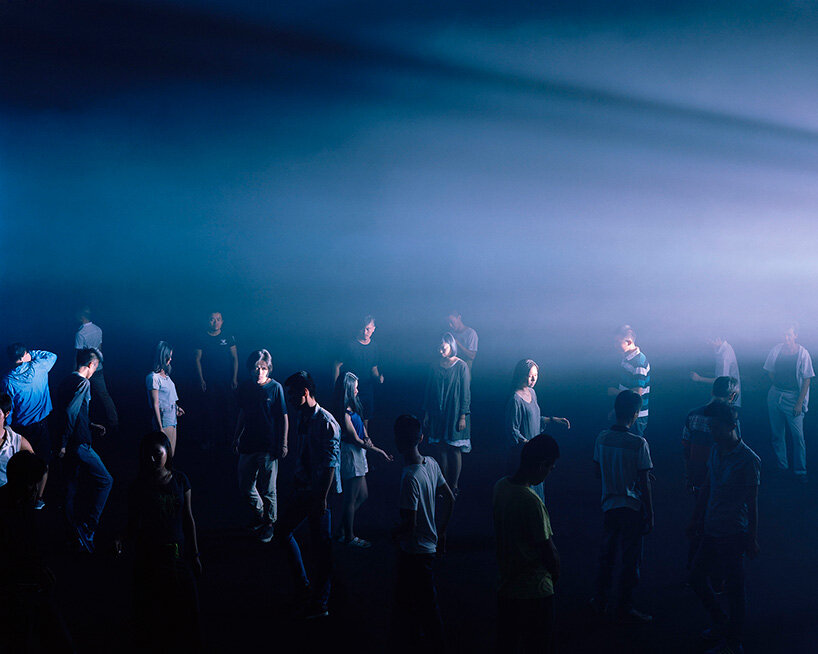
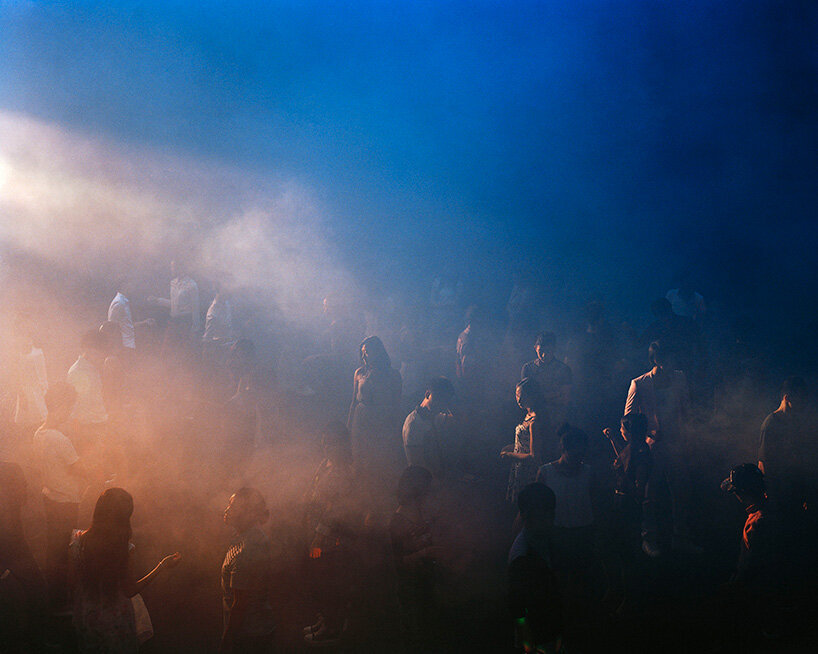
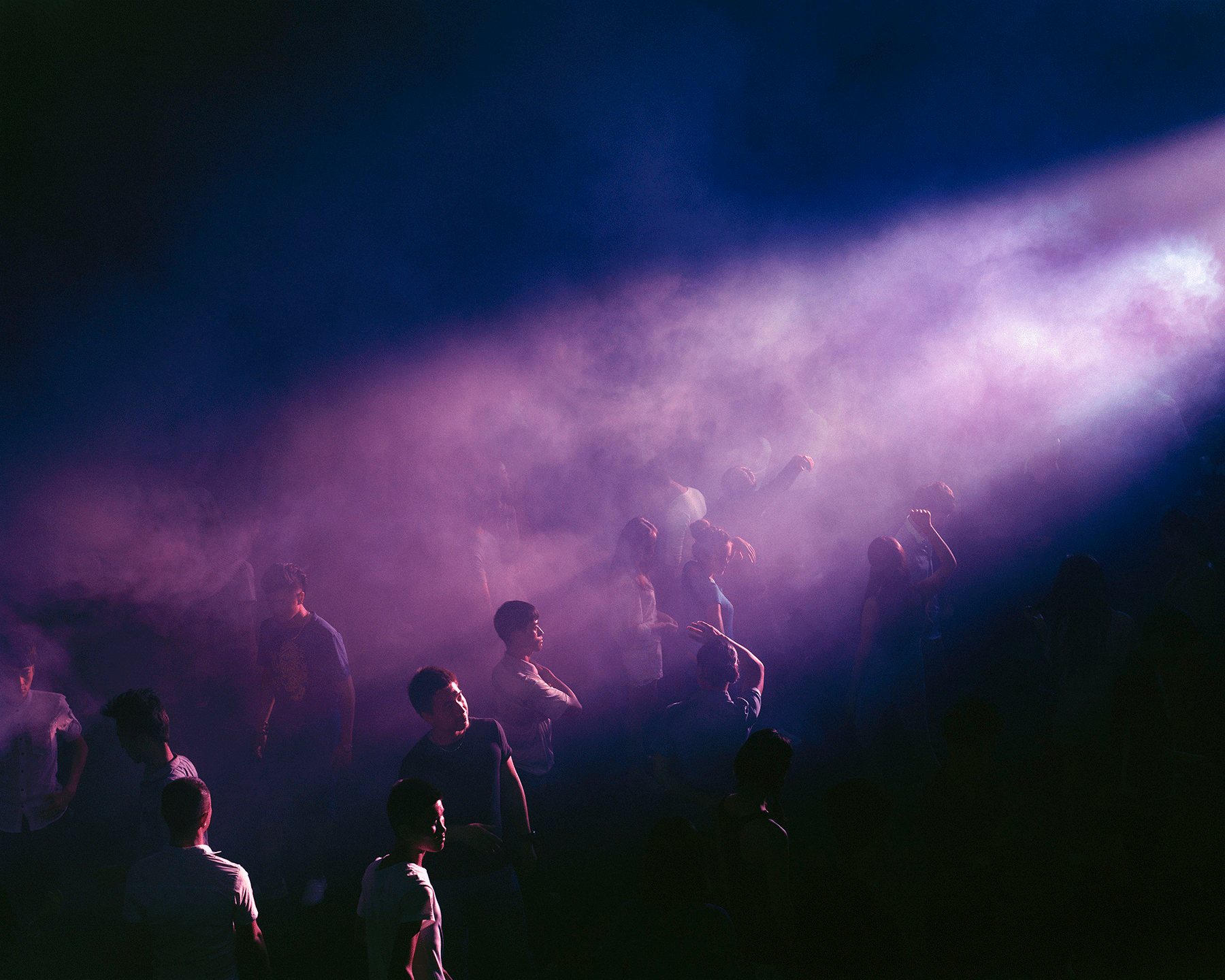
Hundreds of extras scattered around in a film studio. They are told that they will be part of a photograph where they will have to pretend to dance and act as if they were inebriated on the dance floor. The rehearsal begins under intense lighting, and without any prior consensus, the extras exhibit the same kind of look as the woman in the shampoo advertisement. Orders are amplified through the loudspeaker, and they begin to lose their minds, their bodies stiffen, they become unsure of how to perform a state of intoxication. It must be extremely tiring and annoying to stay in one fixed position over a long period of time. The smoke generator continues to pour out thick fog at them periodically.
Well, they do not look quite right actually. Are they dancing or doing something else, are they enjoying it? They gather together in the fog, some even seem somewhat at loss and restless. We captured this series of group photos and portraits.
‘I, a boat lost under the hair of coves, hurled by the hurricane into the birdless ether.’ – Arthur Rimbaud, The Drunken Boat
Fiction
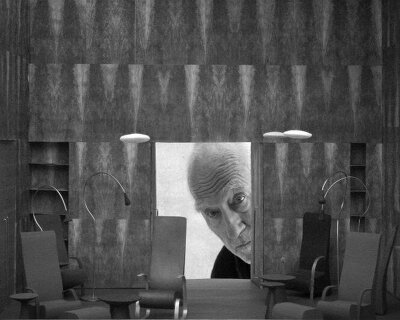
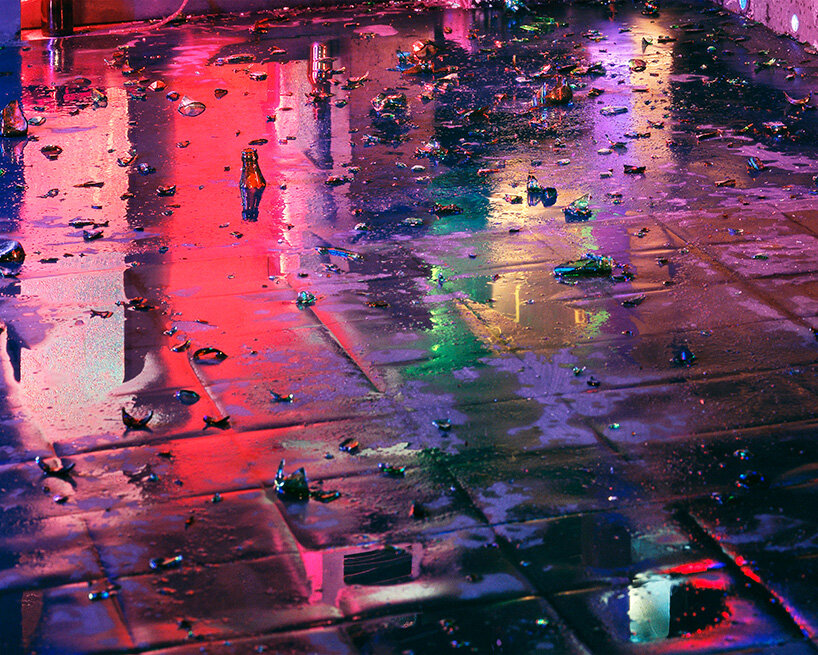
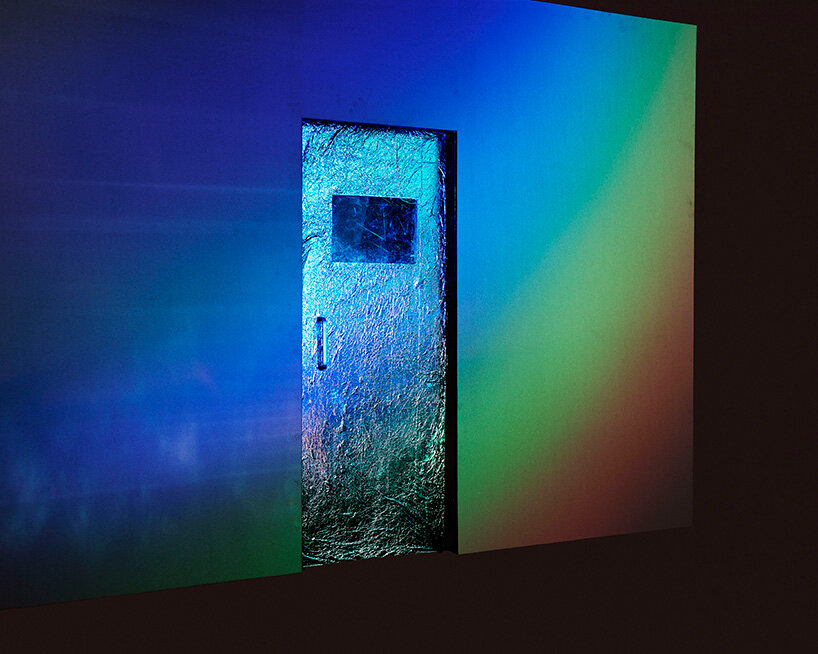
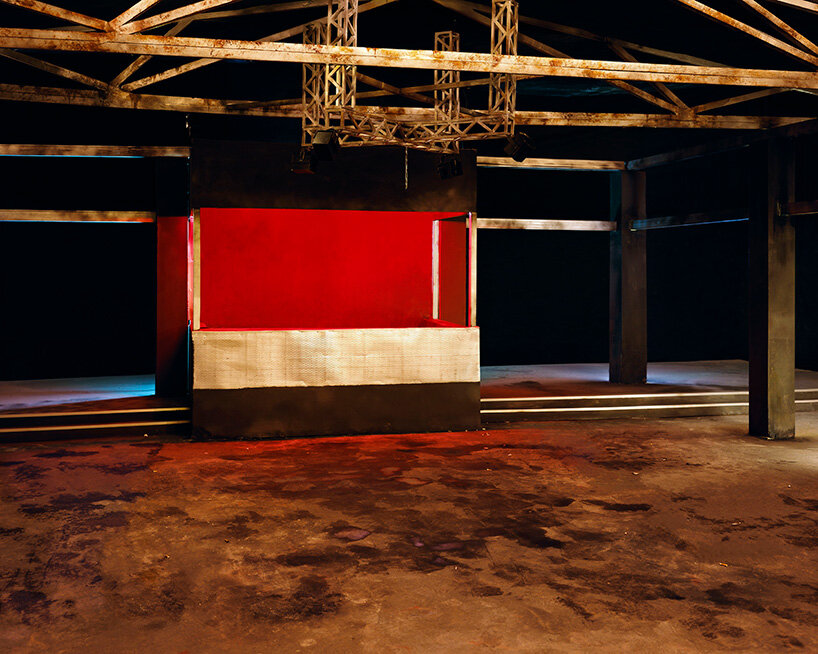
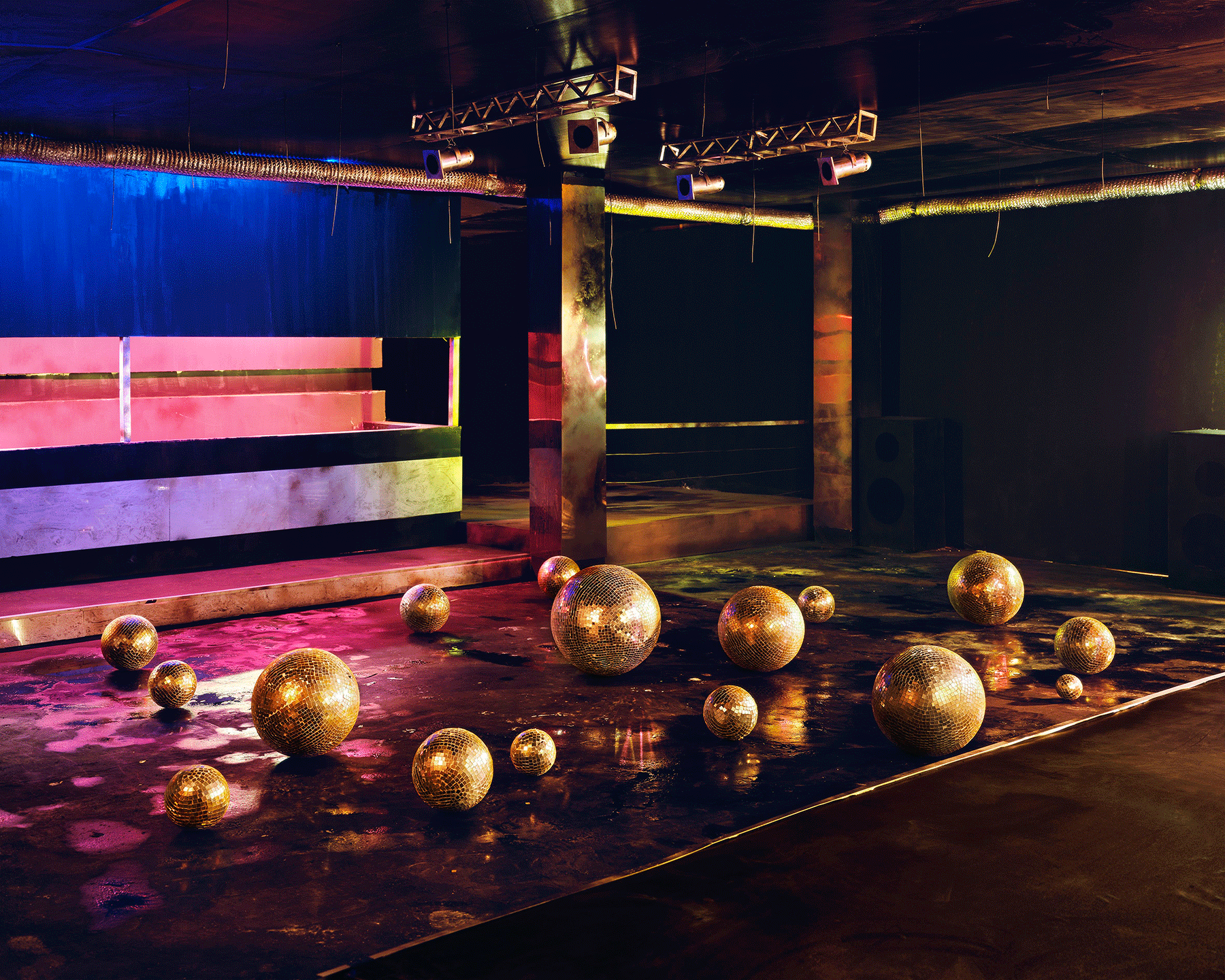
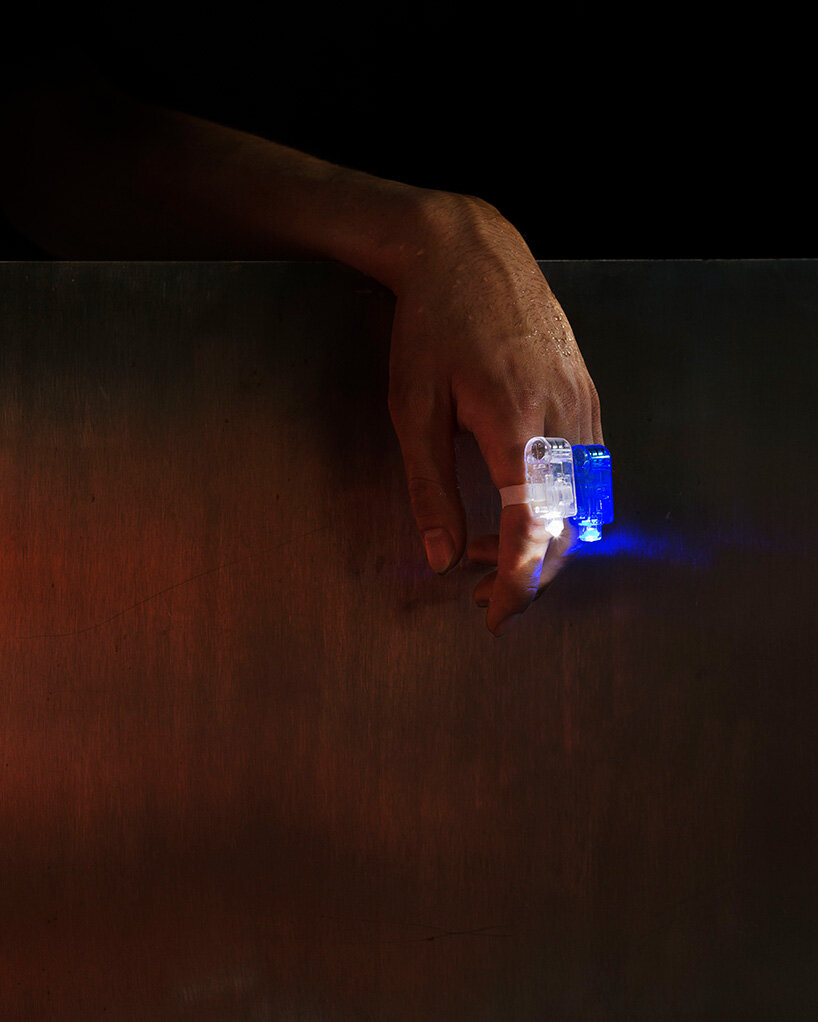
In recent years, I am often asked, ‘Do you go to nightclubs, do you dance?’ This is certainly not the case, because I neither have the time nor the energy to do so. Except for work reasons, I go very rarely. But I have a lot of friends, and friends’ friends, who have rather diverse experiences at nightclubs. For me, these are very precious sources, because they describe the atmosphere on the dance floor in a spectacular fashion. Their stories are the fundamental literary references of dance floors, real or fictional, for me to recreate in my studio, and I try my best to visualize these remnant fragments from their memories.
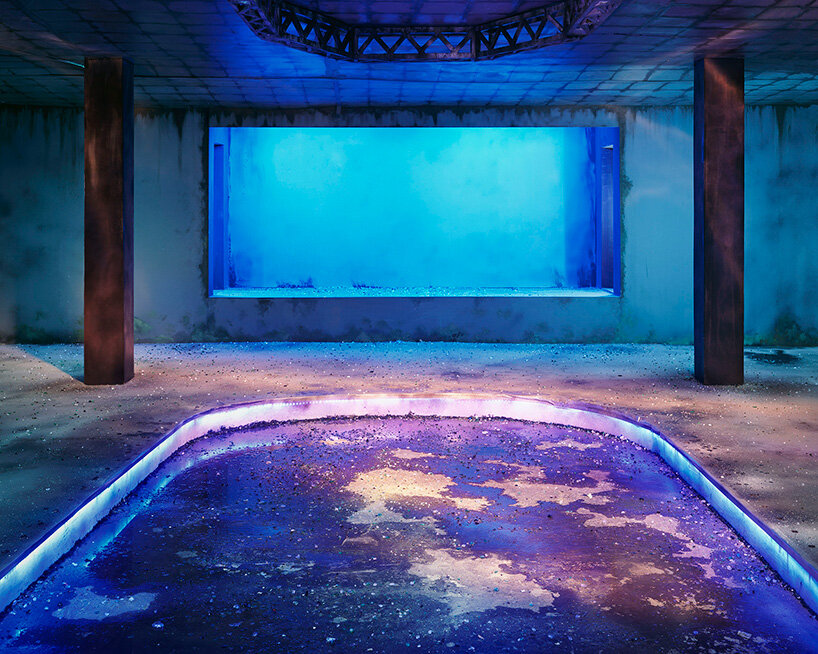
Even though these efforts may have been spent in vain, they allow reality and fiction to come together. It is like the old game of charades, where people provide different types of descriptions of the same subject. My interest, however, is not in the differences in iterations. Because the dance floors are indeed different now. The use of artificial fog and lighting, mirroring reflections and fluorescent materials, all kinds of monotonous designs and installations, are, in my opinion, to create a disappearance of space. This allows us, as consumers, to be isolated quickly from the so-called space. As we follow the DJ and ride on the music, being there induces us to wander and to escape without a destination, neither is one necessary… We revel into the wee hours of the night or even until the sun rises, and we would come up from that semi-basement dance floor, and wave for a taxi on a wet sidewalk. Perhaps, this in itself is the fictional component of life.
Of course, we would once again step into midnight, and return to the same fictional component.
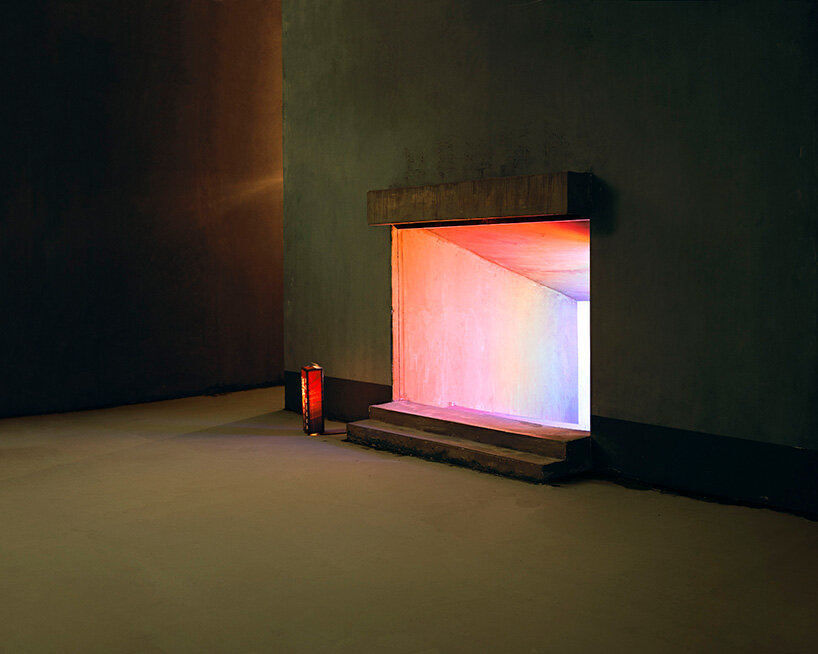
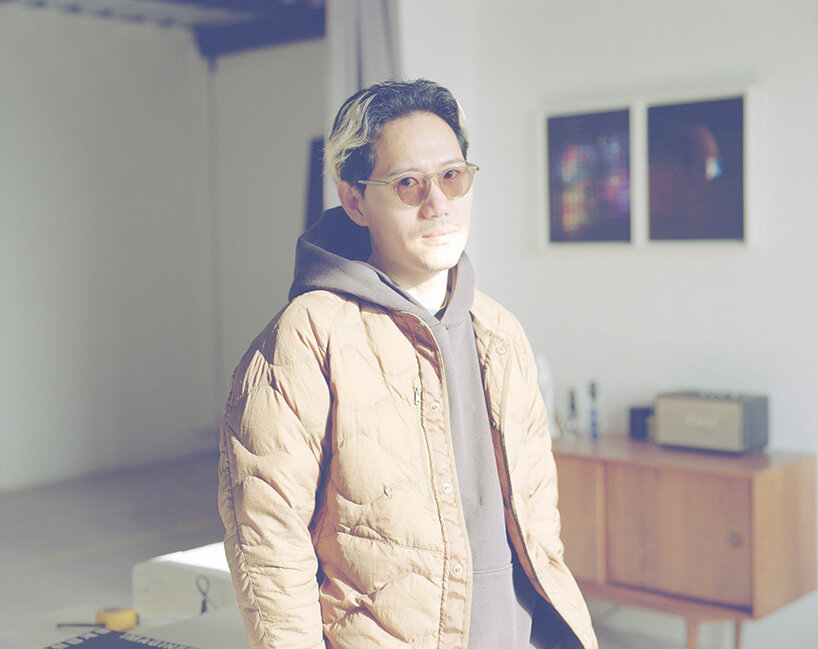
Chen Wei (b. 1980, Zhejiang, China) lives and works between Beijing and Tokyo. His artistic work began in Hangzhou, China, where he was initially involved in experimental music performance and sound art before turning to photography, video, and installation. His work is known for carefully staged images, meticulously constructed sets, and a theatrical approach to space. Moving between reality and fiction, the everyday and the dreamlike, he examines the complex realities and psychological states of contemporary life. In recent years, he has increasingly extended this approach into the exhibition space, using video, sound, installation, and other materials to reshape the relationship between images, narrative, and spatial experience.
Recent solo exhibitions include Sweet Dreams, Fotografiska, Shanghai (2024); Make Me Illusory, West Bund Museum, Shanghai (2021); Good Night, HOW Art Museum, Shanghai (2021); The Club, Centre for Contemporary Photography, Melbourne (2017); and Noon Club, JNBY Art Space, Hangzhou (2016).
His work has also been presented at M+, Hong Kong; Centre Pompidou, Paris; Tokyo Photographic Art Museum, Tokyo; Gwangju Biennale; Vitra Design Museum, Weil am Rhein; Asia Society, Houston; Museum Folkwang, Essen; 21st Century Museum of Contemporary Art, Kanazawa; and UCCA Center for Contemporary Art, Beijing.
project info:
artist: Chen Wei | @chenweichenwei
This guest essay is part of designboom’s SPECTATOR AND SPECTACLE chapter, asking how wonder gets built, and how it might return some mystery to a world that has measured most of it away. Presented in partnership with SolidNature, the stories in this chapter turn onlookers into participants, alter perception and disrupt the everyday – learn more here!
Each designboom chapter explores one theme in depth through projects, interviews, features and news across architecture, design, art and technology. Discover more chapters here, and get in touch if you’d like to submit a story through our submissions portal or contact form.
shop
your own online design shop — no sales commission collected