‘fungi are still going to be here’: how mushrooms inspire new ways of thinking about nature
in our interview, curator francesca gavin discusses how mushrooms have inspired artists and designers, from alice’s adventures in wonderland to contemporary art and experimental materials, and what fungi can teach us about our relationship with nature.
prefer designboom on google[FEATURED]
Francesca Gavin explores fungi in visual survey by Phaidon
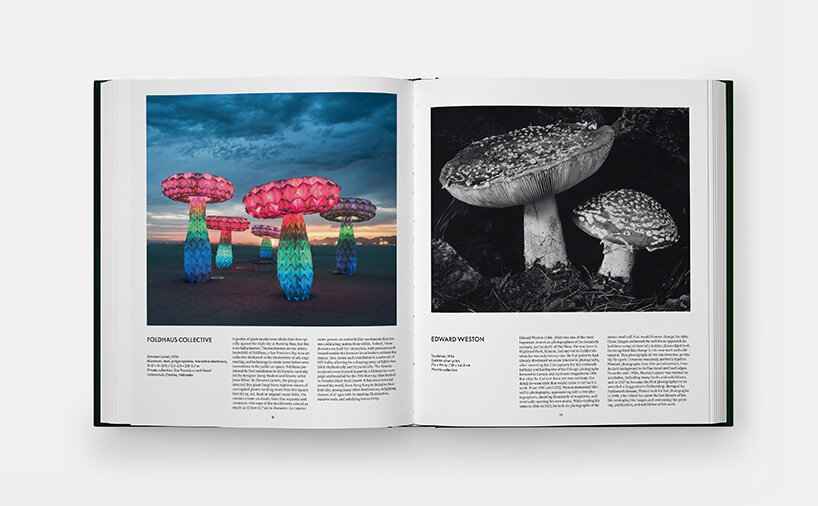
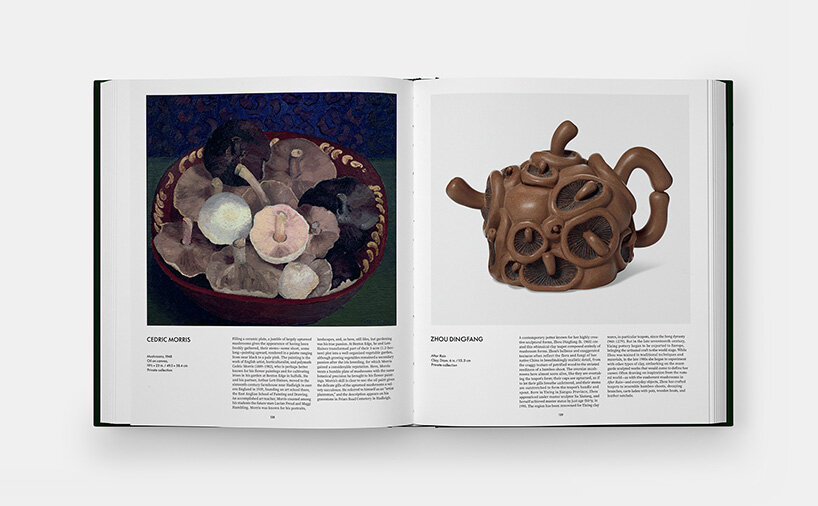
Fungi occupy an unusual place in the human imagination, appearing in botanical illustrations, folklore, children’s literature, and contemporary art, while their intricate underground networks have increasingly attracted the attention of scientists, architects, and designers. Their appeal lies partly in their extraordinary diversity, but also in the questions they raise about how we understand intelligence, ecological relationships, and our place within the natural world. For writer and curator Francesca Gavin, the growing interest in mushrooms reflects a wider desire to find new ways of understanding the world around us. ‘I think we are desperately in need of new metaphors,’ she tells designboom, pointing to a moment shaped by ‘increasing technological presence and climate breakdown,’ when ‘the idea of knowledge and meaning emerging from nature is very appealing.’ These ideas underpin Fungi: The World of Mushrooms, a visual survey published by Phaidon that brings together more than 200 images spanning art, design, fashion, film, and natural history. The book examines how fungal forms and associations have travelled across different cultural contexts, from historical botanical illustrations to contemporary artworks and everyday objects.
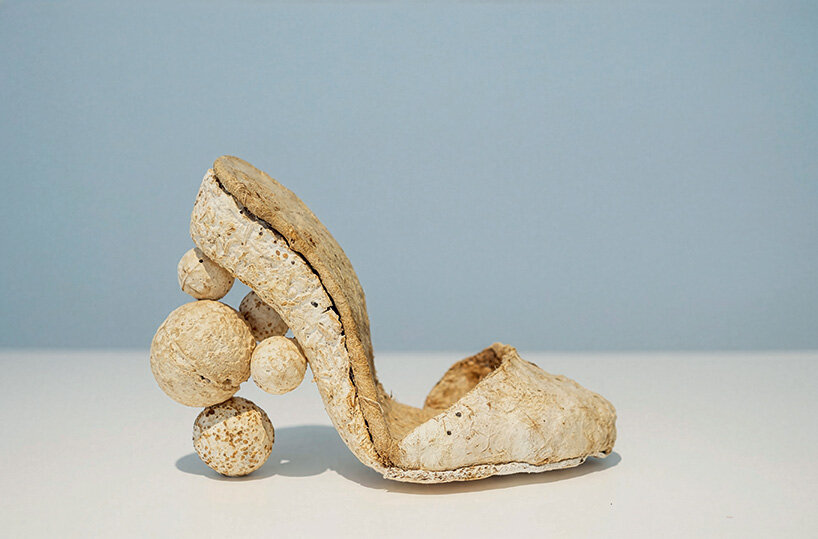
tracing mushrooms across art, design, and material innovation
As a curator, Francesca Gavin has organized three exhibitions exploring mushrooms in contemporary art and design, including presentations at Somerset House in London and Fundação de Serralves in Porto. This research has revealed how dramatically the cultural perception of fungi has shifted over time, shaped by changing scientific knowledge as well as their associations with spirituality, medicine, decay, and the imagination. While fungi were often regarded as harbingers of death in parts of Europe before the expansion of scientific inquiry in the 18th century, their presence in children’s literature and visual culture subsequently grew, opening up new possibilities for their representation. ‘We now view fungi and mycelium as a source of beauty, discovery, magic, playfulness, weirdness, psychedelica,’ Gavin shares with us, describing a transformation that has also brought mycelium into contemporary discussions around architecture and material innovation.
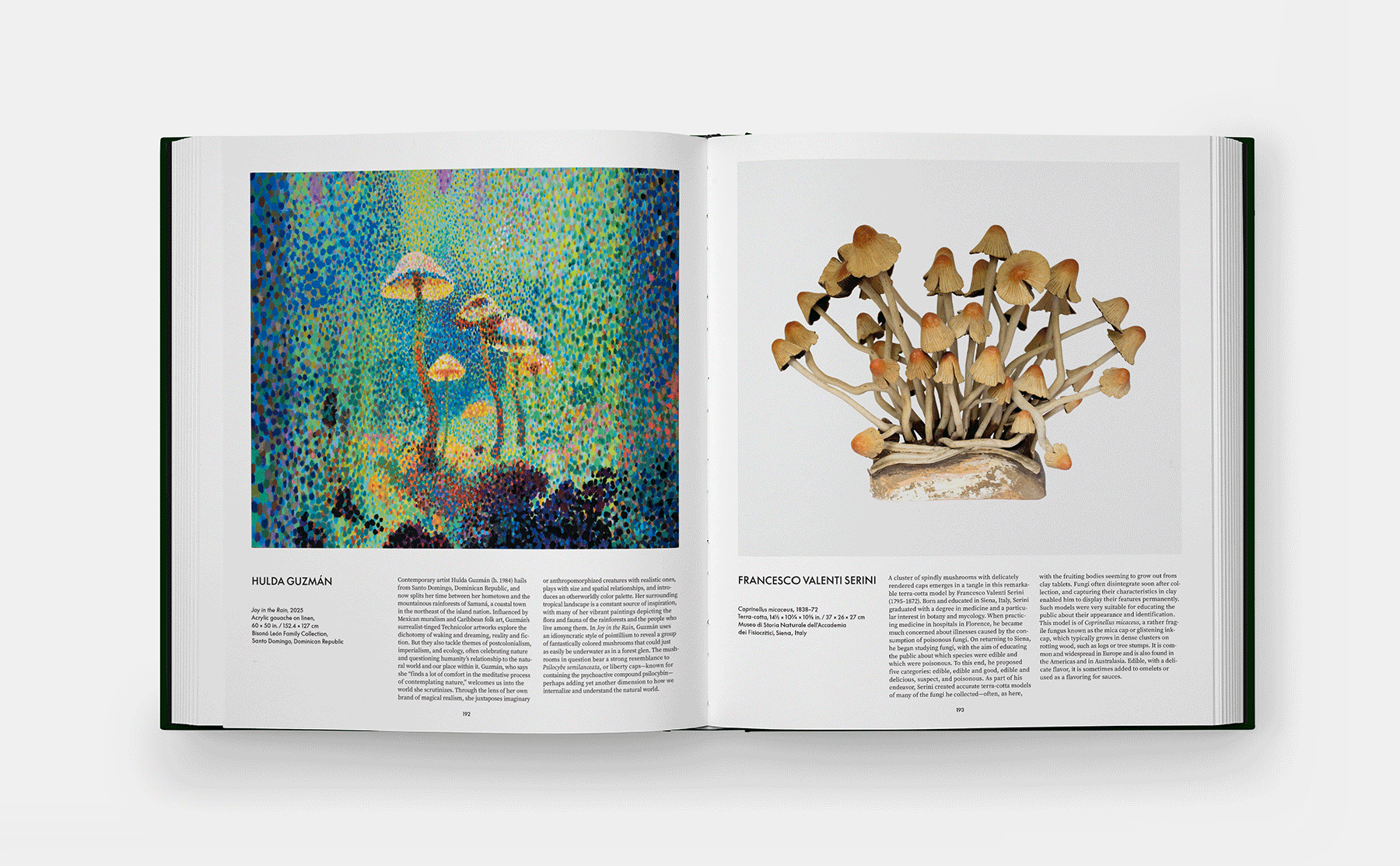
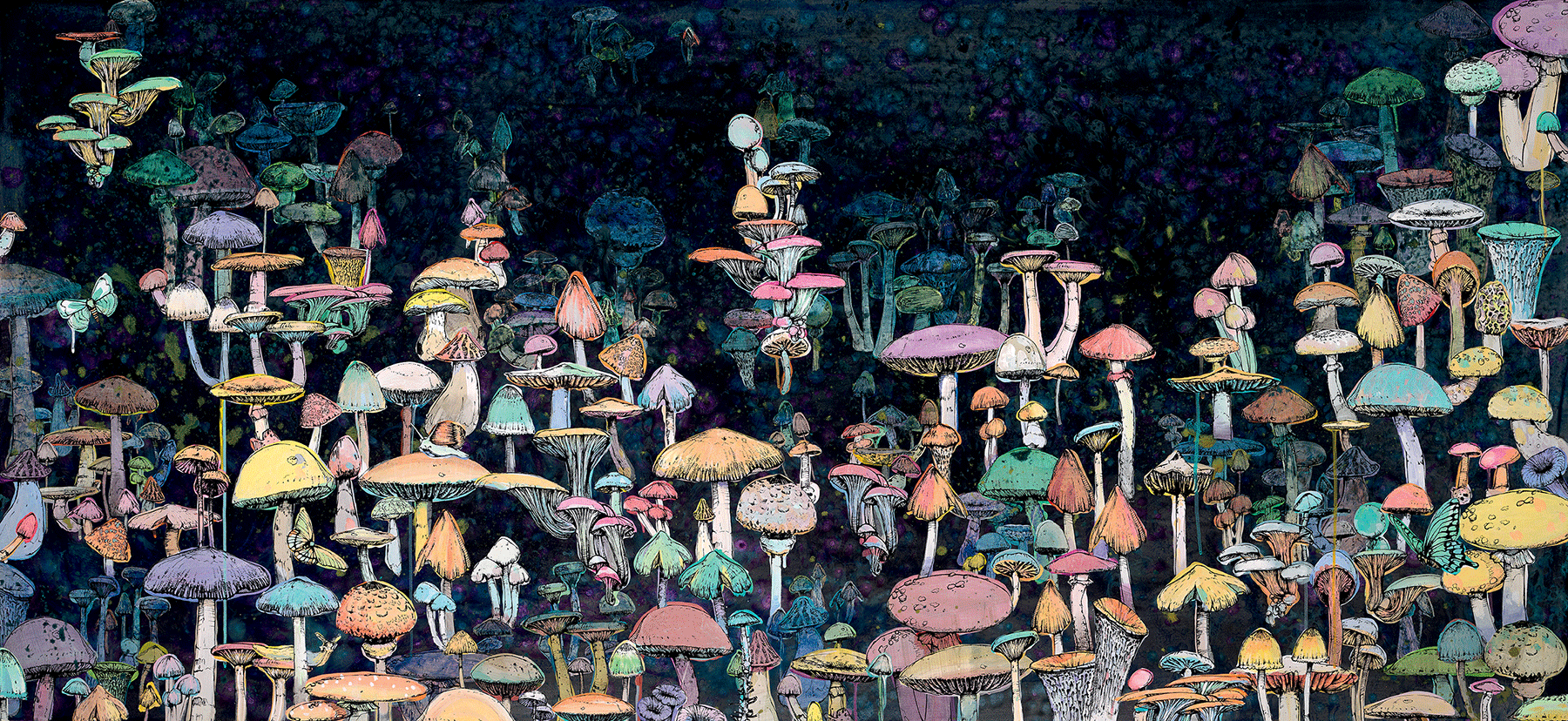
The book brings together works that show how mushrooms have appeared across different parts of culture. Artworks by Marc Chagall, Hilma af Klint, Andy Warhol, and Takashi Murakami sit alongside historical objects, scientific images, children’s illustrations, and popular culture. These pairings show how mushrooms have inspired both scientific study and artistic imagination, appearing in everything from everyday life to dreams and the subconscious.
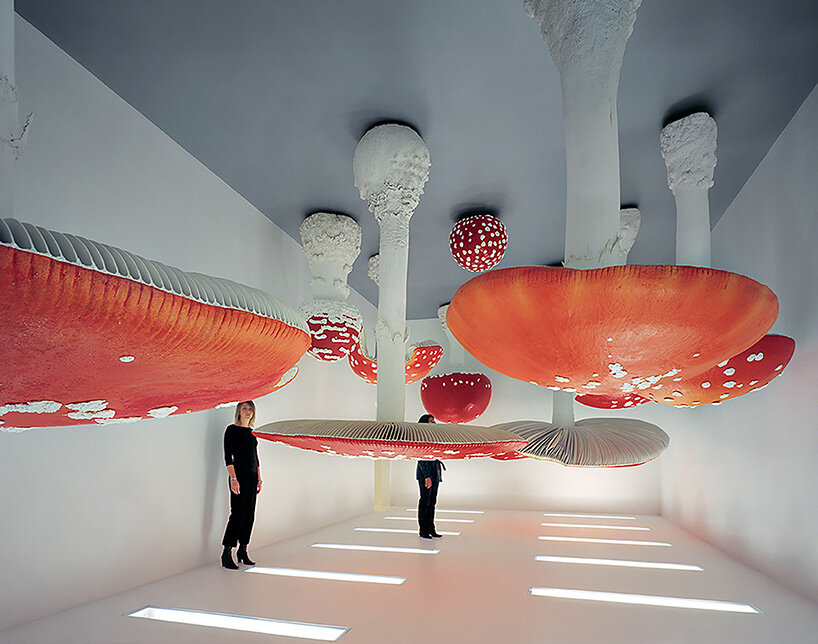
from botanical illustration to contemporary design
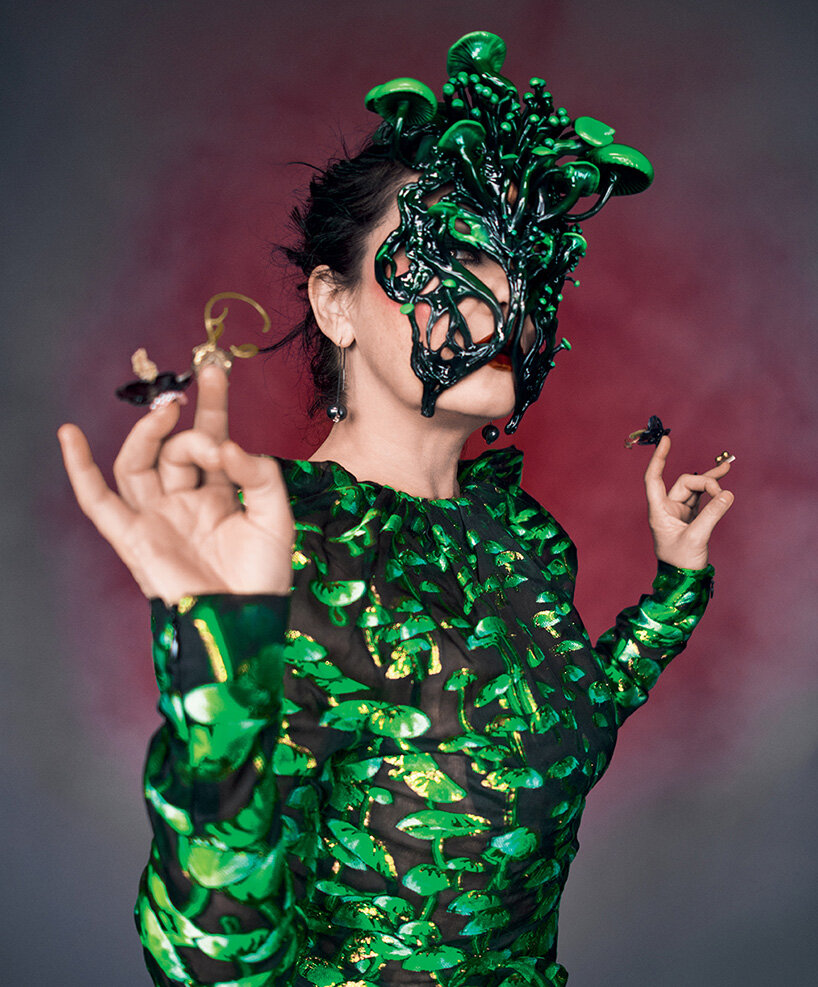
The way mushrooms are seen has changed over time and varies across cultures. Gavin points to the long history of fungi in medicine and spiritual practices in parts of Asia, South America, and Russia. In other places, mushrooms were often linked to decay and death, until scientific research helped people understand them differently. The growth of amateur botany and the expansion of scientific knowledge gradually changed this relationship, while the appearance of mushrooms in 19th-century children’s books helped establish them as familiar elements of imagined landscapes. ‘In the 19th century, mushrooms entered children’s book imagery, and it’s really the past 140 years where there has been an intense blossoming,’ Gavin explains during our interview. Mushrooms have moved beyond botanical illustration into many areas of art and design, from psychedelic imagery and sculpture to furniture and experimental materials. Their forms and associations continue to interest artists and designers, who approach them in very different ways.
This range is evident in the artists Gavin discusses, whose approaches move between the ordinary and the uncanny. The everyday edible mushroom remains a subject for still-life painting, but other works explore the more unsettling aspects of fungi, including their associations with altered perception and the difficulty of distinguishing visual beauty from environmental damage. Photographer Takeshi Homma’s images of mushrooms collected in the toxic aftermath of Fukushima, for example, present specimens that initially appear remarkably perfect, while their context introduces a more complicated reading of what is visible.
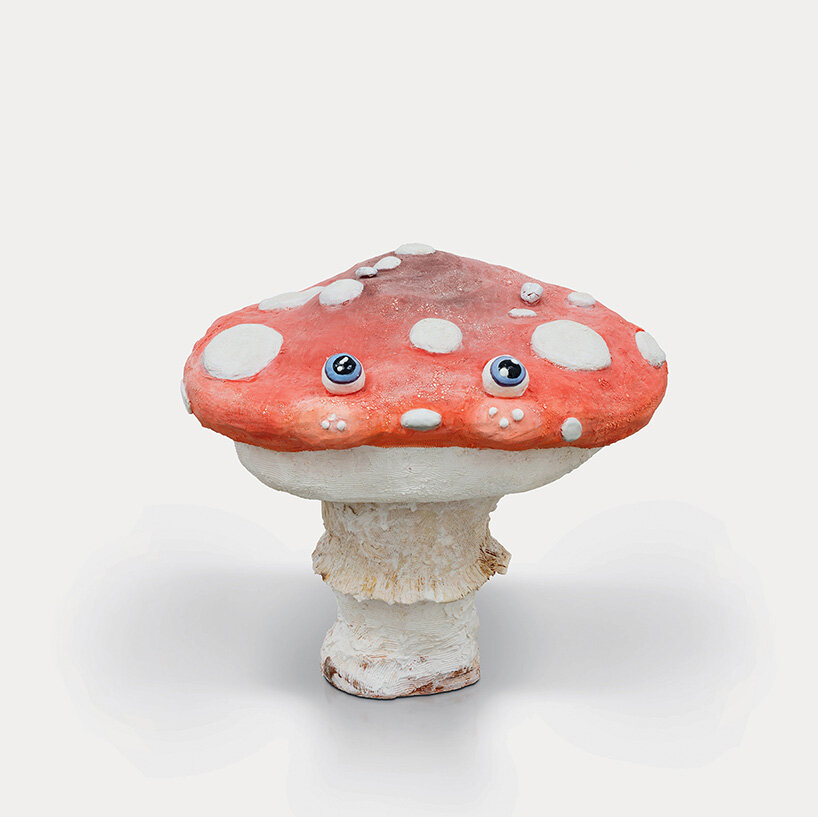
Other artists draw on the imaginative possibilities of mushrooms. Seana Gavin creates collages in which fungi take on human-like characteristics, while Max Hooper Schneider constructs sculptural caves populated by iridescent forms. Viktor Hugo’s gothic painting of a looming mushroom takes a different approach, using the familiar organism to create an atmosphere of uncertainty. Mushrooms can be familiar subjects linked to food and everyday life, but they can also appear strange, psychedelic, or mysterious.
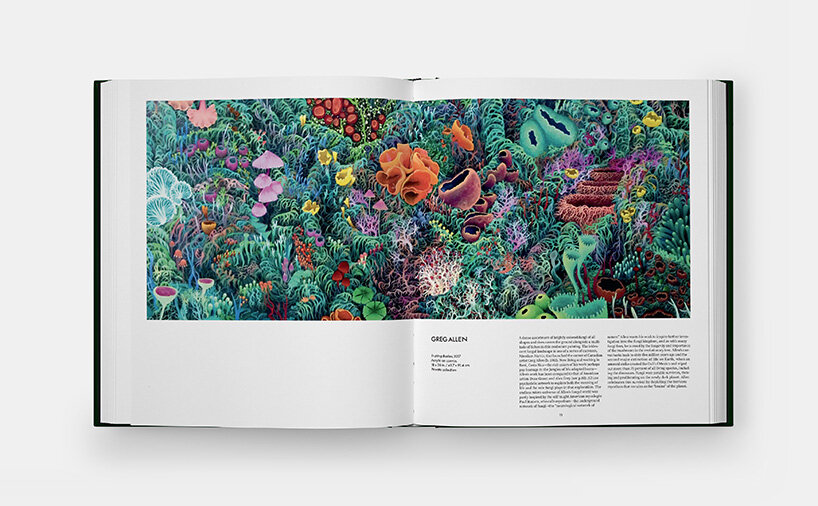
mycelium, materiality, and alternative intelligence
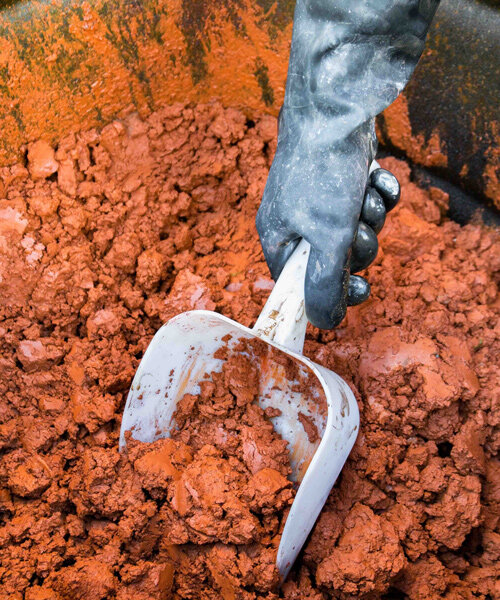
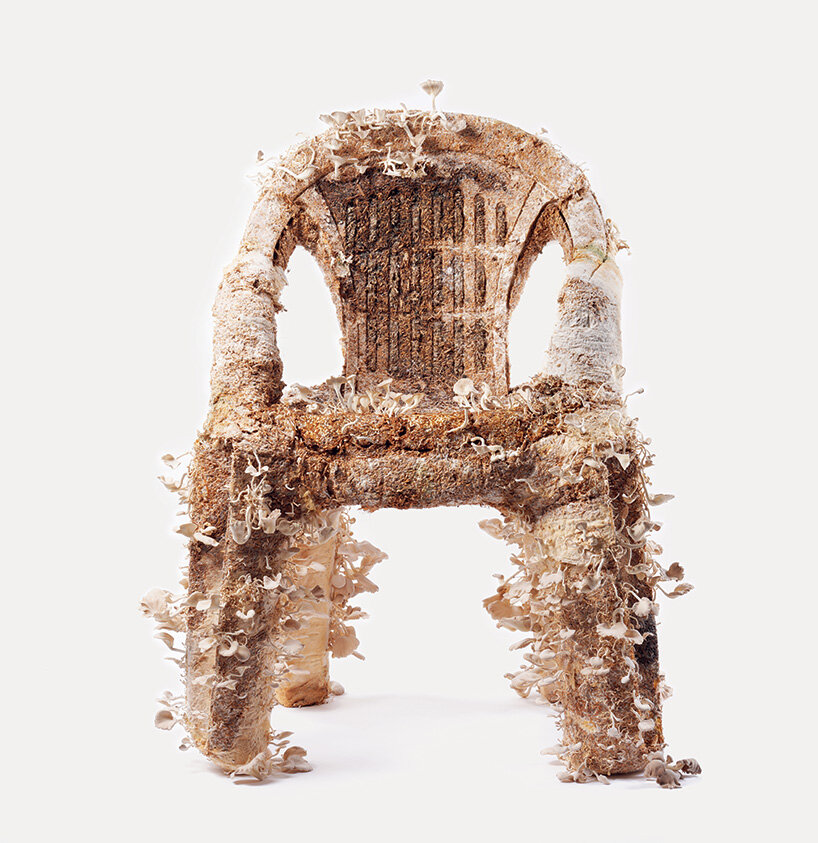
Fungi have also become increasingly relevant to discussions around architecture and design because of the possibilities offered by mycelium, the network of thread-like structures through which fungi grow. Researchers and practitioners investigate mycelium-based materials for applications including construction and product design, while artists and designers draw inspiration from the relationships fungi establish with other organisms. The author points to architect and designer Mae Ling Lokko, whose work with mycelium-based bricks explores the potential of fungal materials in construction. For her, such projects demonstrate how fungi can encourage designers to consider coexistence as both a material and conceptual question. However, she distinguishes between this practical investigation and the wider influence of fungi on creative work, where their importance may lie as much in their visual qualities and symbolic associations as in their physical properties. ‘Their intertwined relationship to trees and ecosystems is fascinating,’ she shares. ‘But with many artists, like all creative sources, it’s about inspiration, aesthetics, materiality and ideas.’
The interest in fungal networks extends into discussions about intelligence and communication beyond the human. Research into fungal behavior has encouraged scientists and thinkers to reconsider the assumption that intelligence must take a form recognizable to humans. Gavin points to the work of Paul Stamets, Tobias Rees, and Merlin Sheldrake as part of this growing field of inquiry, which has brought fungi into wider conversations about cognition and ecological relationships. ‘The anthropocentric idea that humanity is the only intelligent life form in existence is looking increasingly arrogant and incorrect,’ Francesca Gavin highlights. Her observation reflects the broader significance of fungi as a subject that challenges familiar categories, although the scientific questions surrounding fungal cognition and communication remain complex.
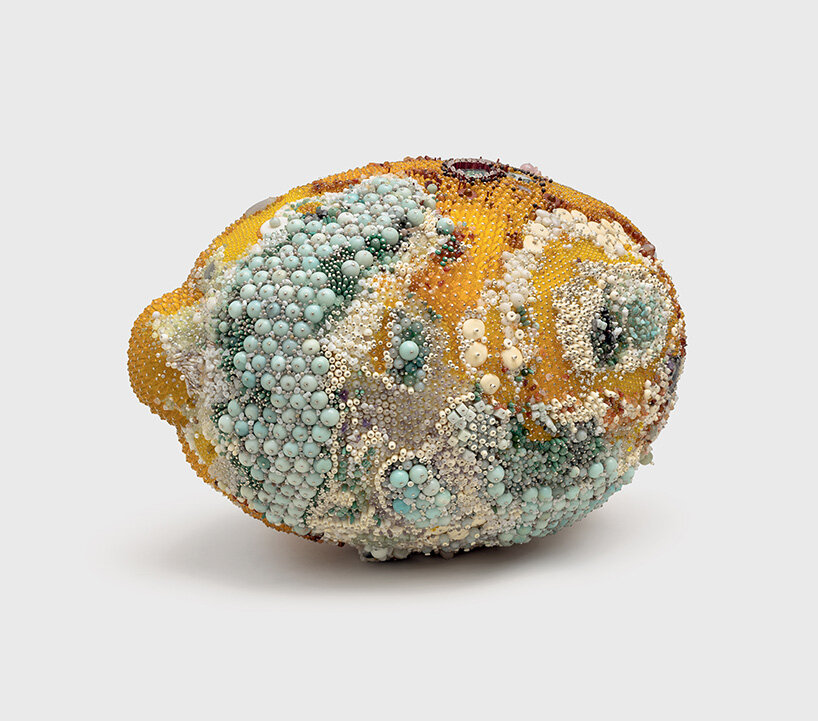
looking beyond the idea that fungi will fix everything
As mycelium-based materials attract interest across design and architecture, fungi are presented as a possible alternative to conventional plastics, packaging, and other products. Their potential is significant, but Francesca Gavin is careful not to confuse material experimentation with a comprehensive response to the environmental crisis. The fact that an organism can inspire alternatives to resource-intensive materials does not mean that it can resolve the wider consequences of human production and consumption. ‘Mushrooms won’t do what they are told and the concept that fungi will fix everything is naive,’ the curator says. For Gavin, the more productive approach is to investigate the possibilities fungi offer while recognizing the limits of what they can achieve. ‘However, looking for alternative forms of plastic, packaging, building materials and objects we use in life is really fascinating and hopeful,’ she adds.
New materials can create opportunities to reconsider how products are manufactured and discarded, while artistic interpretations can help make ecological questions more accessible to wider audiences. Neither approach removes the need for political decisions, changes in consumption, or a reassessment of the systems that shape everyday life. ‘We clearly need to look for better ways of coexisting with nature. We are part of nature, and if mushrooms are a way of getting people excited about rethinking how they live, all the better,’ Gavin proposes. Fungi may help generate interest in alternative ways of living, but they cannot replace the social and political changes required to make those alternatives possible.
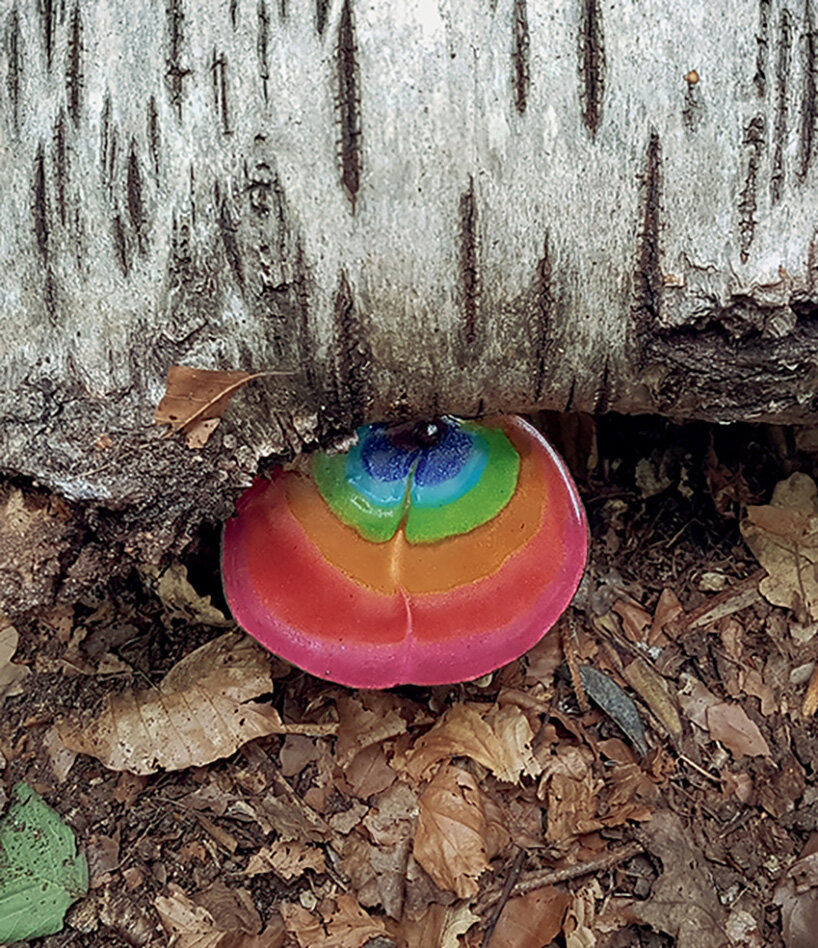
Pentagram’s Hypha draws on growth patterns of mushrooms
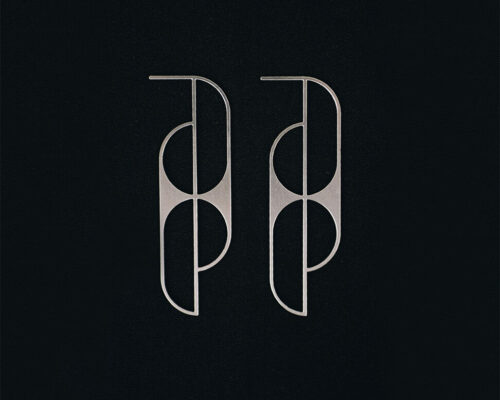
By drawing attention to organisms that thrive through complex relationships with their surroundings, fungi offer a means of questioning the assumption that nature exists primarily as a resource for human use. They encourage a shift in perspective, from viewing the natural world as something separate from human activity to recognizing that human life is embedded within larger ecological systems. Gavin returns to this point when considering what fungi might teach us about coexistence and the possibility of futures less centered on individual human needs. She highlights Hypha, a typeface developed through a collaboration between Pentagram, Counterpoint Studio, and Rosie Emery, which takes inspiration from the way mushrooms grow. The project translates a biological process into a visual language, exploring how ideas drawn from nature can inform the structure and development of a designed object. ‘Structurally, conceptually and visually this is so interesting,’ she comments. The work draws on fungi’s patterns of growth to explore another way of approaching design, demonstrating how an interest in biological systems can move between disciplines and generate ideas that are as much about process and relationships as they are about form.
Nevertheless, Gavin resists presenting fungi as a blueprint for how human societies should function. The questions raised by non-human intelligence and ecological interdependence remain too complex to be answered through a single design project or metaphor. As she explains, humanity needs to reconsider its relationship with the natural world, but that process must involve decisions that extend beyond the creative disciplines. ‘For me, an organism living under the ground and popping up spores is not a replacement for addressing policy, who we vote for and how we live in the world.’
the enduring appeal of the unfamiliar
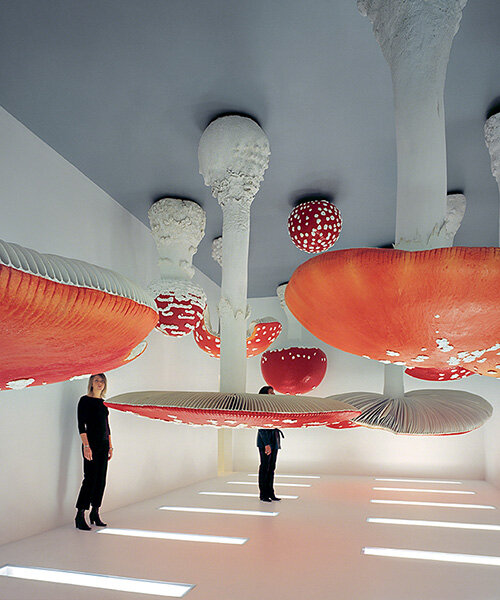
Gavin’s interest in fungi began with art. She was drawn to the number of artists who returned to the subject and wanted to understand why mushrooms continued to inspire so many different interpretations. One of her early references was John Tenniel’s illustrations for Alice’s Adventures in Wonderland, where mushrooms help transform the natural world into something strange and unfamiliar. This mix of the ordinary and the fantastical remains part of what makes fungi appealing to artists. Among more recent works, Francesca Gavin points to Carsten Höller’s upside-down installation at Fondazione Prada. She describes it as a combination of ‘childlike awe, psychedelic surrealism, technical experimentation and aesthetic pleasure’, showing how mushrooms can inspire work that is playful, unusual, and visually engaging. This variety is also reflected in Fungi: The World of Mushrooms, where artworks, historical objects, scientific images, and popular culture come together to show how the meaning of mushrooms has changed across time.
For Francesca Gavin, fungi also show that nature exists beyond what humans need or can use. Although they inspire new materials and ideas in art, design, and architecture, their importance goes far beyond their practical uses. As she puts it, ‘Nonetheless, when all is said and dead, and humanity has disappeared, fungi are still going to be here.’
project info:
name: Fungi: The World of Mushrooms
publisher: Phaidon | @phaidonpress
author: Francesca Gavin
pages: 232
This article is part of designboom’s POSTHUMAN UTOPIAS chapter, exploring what happens when humans are no longer the measure of all things. These stories rethink our relationship with the planet through interspecies architecture, living materials, regenerative landscapes and emerging technologies – learn more here! The chapter is presented in partnership with INDX|GLOBAL – a global cultural platform placing Indian architecture, design, and creative intelligence in conversation with the world.
Each designboom editorial series explores one theme in depth through projects, interviews, features and news across architecture, design, art and technology. Discover more chapters here, and get in touch if you’d like to submit a story through our submissions portal or contact form.
shop
your own online design shop — no sales commission collected