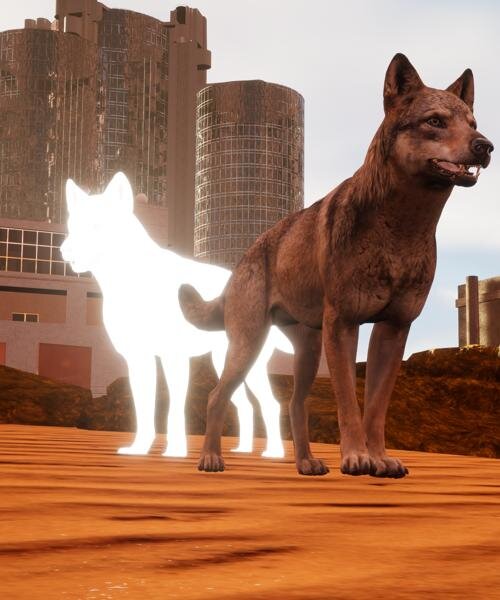
in this video game, moths and wolves play out a nearby climate future
alice bucknell's, the alluvials, take players through burning forests and a sand-covered los angeles to explore a speculative future through non-human lenses.
prefer designboom on google[FEATURED]
Alice Bucknell’s The Alluvials
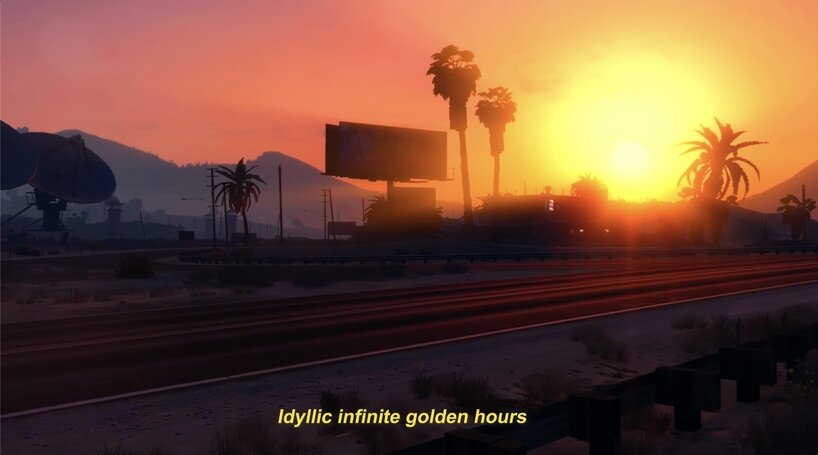
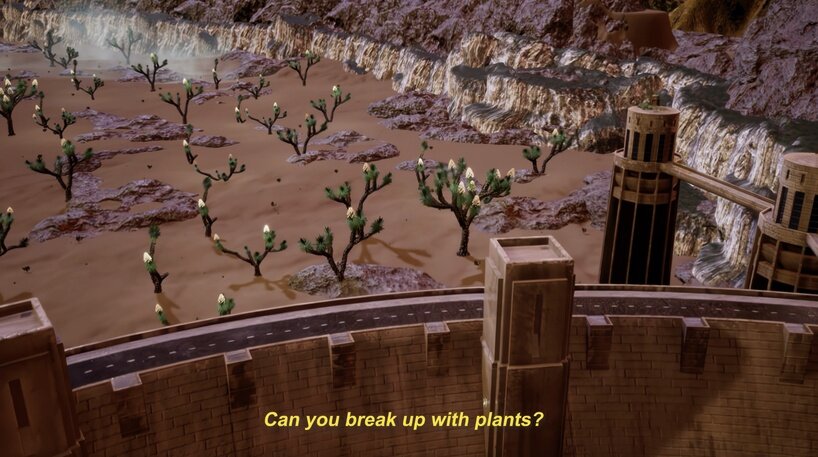
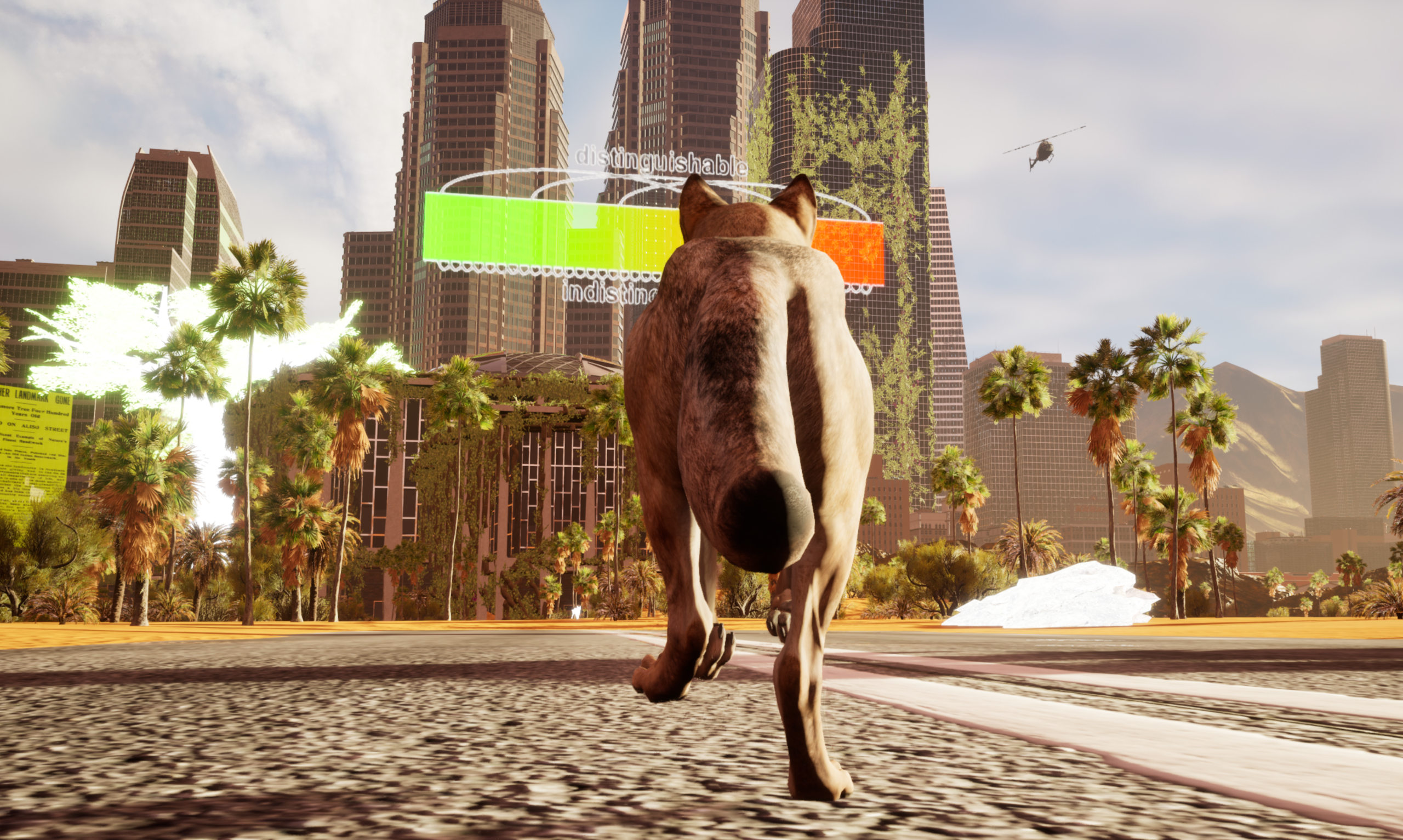
In 2023, artist Alice Bucknell released The Alluvials, a video work filled with wolves, moths, and sediment that looks at a version of Los Angeles in the near future. In this California city, the sand that had once been characteristic of its beaches has taken over downtown, effectively turning the sprawl of highways and skyscrapers into a desert of dunes and dust. Through this speculative lens on an alternate reality, Bucknell presents both the history and consequences of this dried-up world. The work examines the history of the Tongva people of the Greater Los Angeles Basin while also imagining the water desalination corporation Qwench, a perpetually burning landscape, and an eternity in which the sky remains in its golden hour.
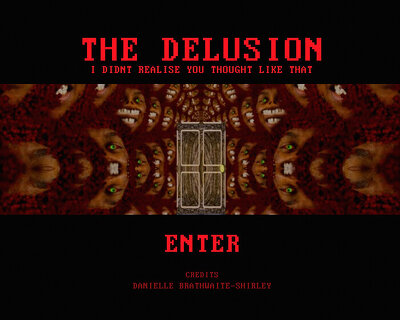
A year later, the project evolved into The Alluvials video game (2024), a multilevel game that explores the world inside the film. With each embodied exploration of its digital realm, the project presents the uncanny and nearly incomprehensible fallout of climate change. In their exploration of a not-so-far-off Los Angeles, Bucknell poses the questions: Is this how we will want to live? And if the answer is no, what modes of action do we have access to in order to reroute our course in the progression of climate change?
Embodied perspectives of NPCs
The word alluvial means of or relating to alluvium, which Merriam-Webster describes as ‘clay, silt, sand, gravel, or similar detrital material deposited by running water.’ In the game, Bucknell puts players in a kind of alluvial world, one that results from sand and silt accumulating where there should have been running water. Within it, there are four levels in which the player takes on the perspective of what are usually considered non-playable characters (NPCs). In doing so, Bucknell challenges traditional gameplay dynamics with what they refer to as ‘queer and ecological game mechanics.’
Exploring each level of The Alluvials
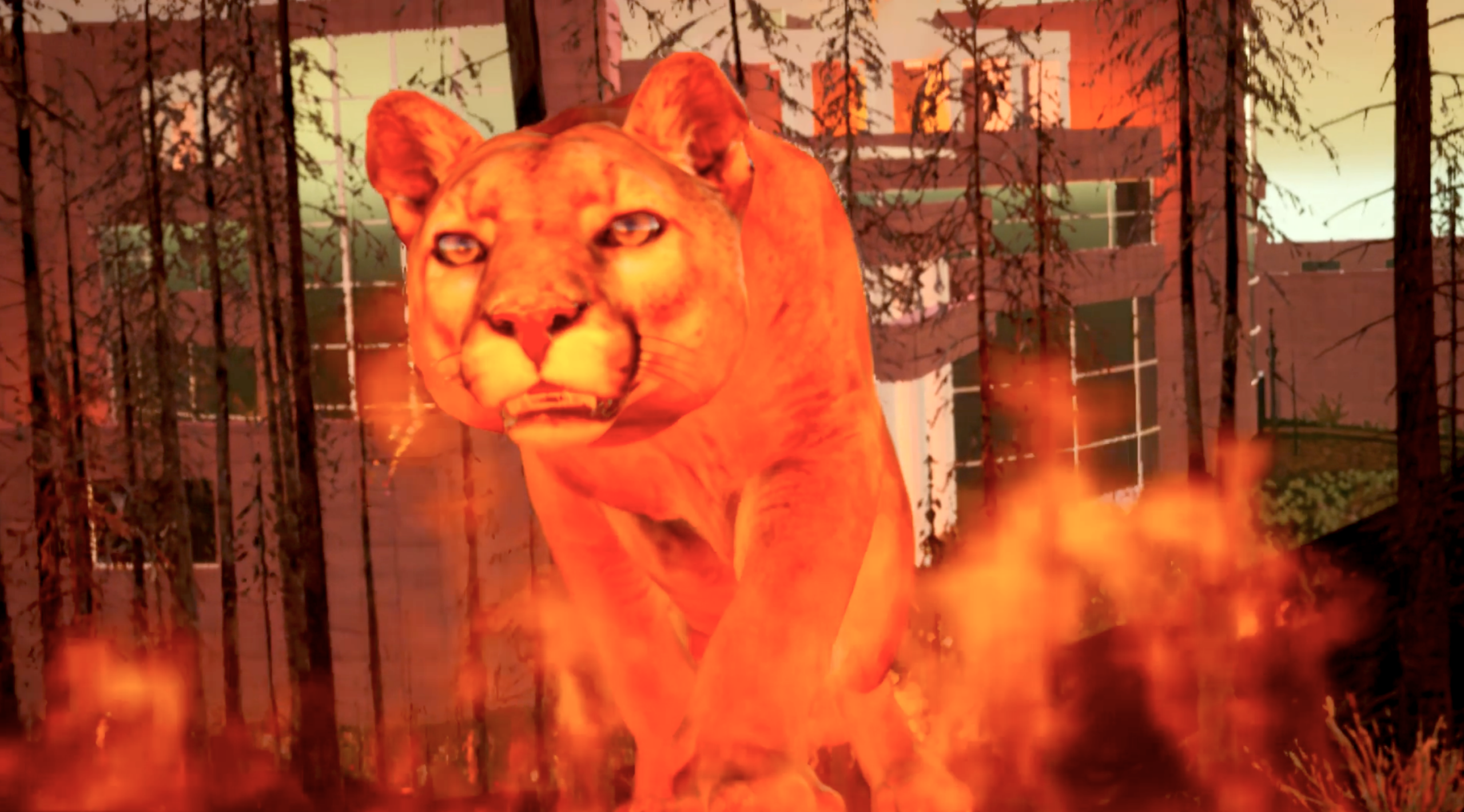
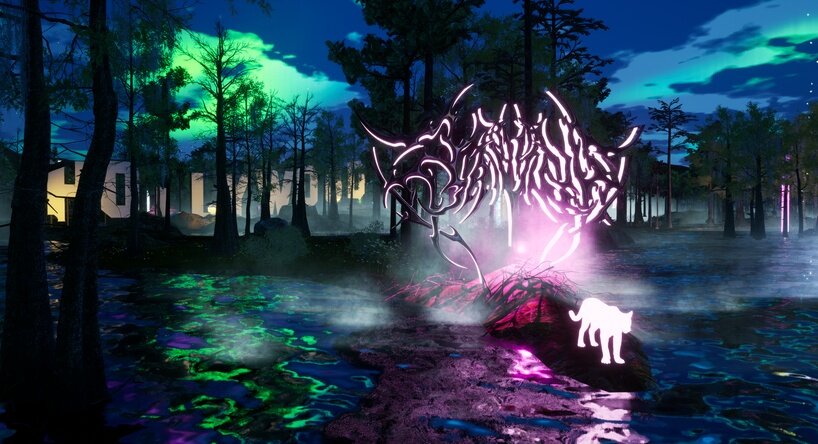
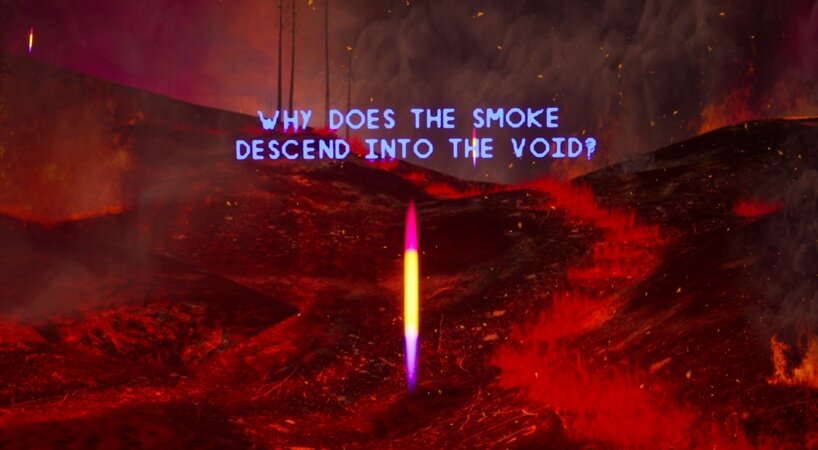
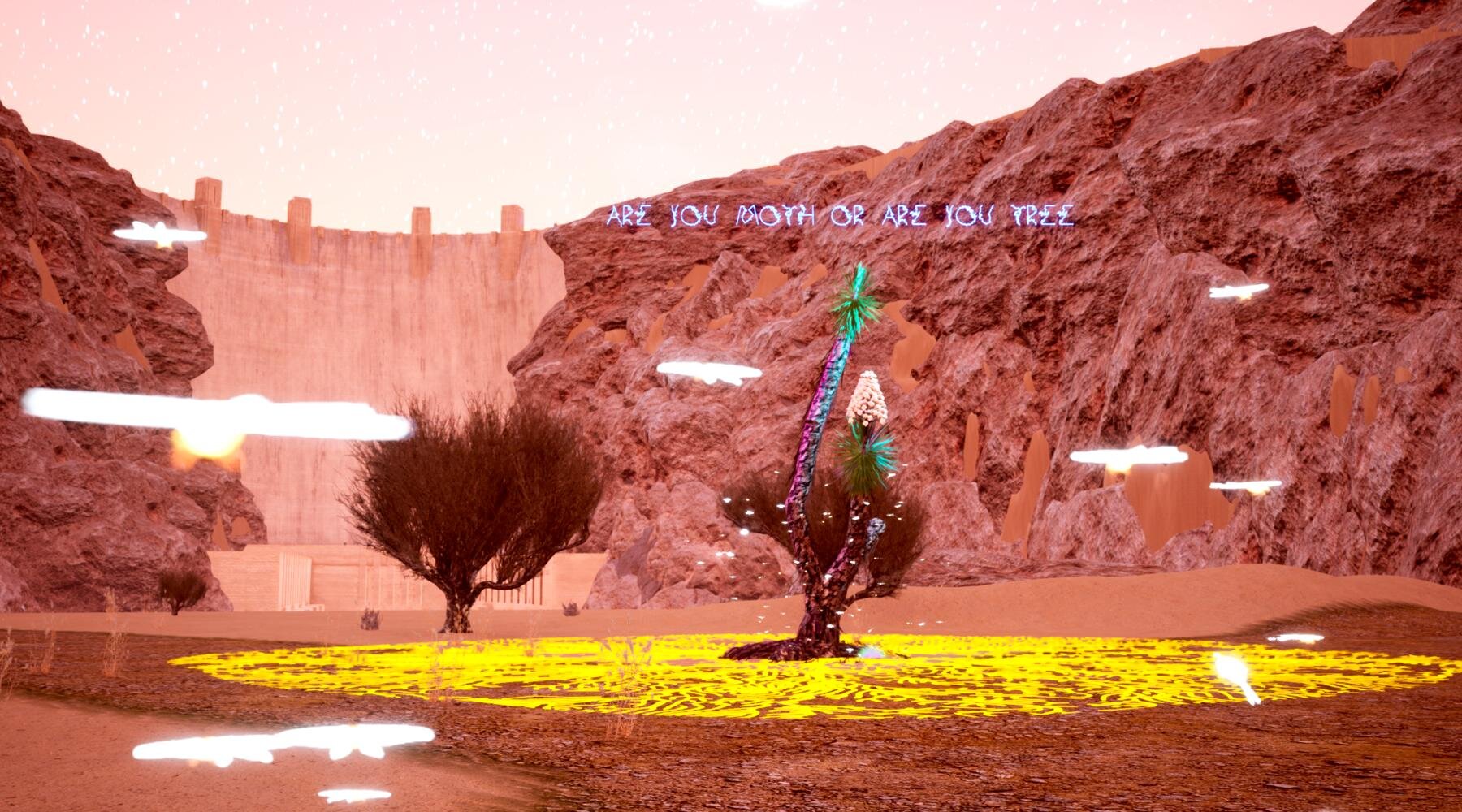
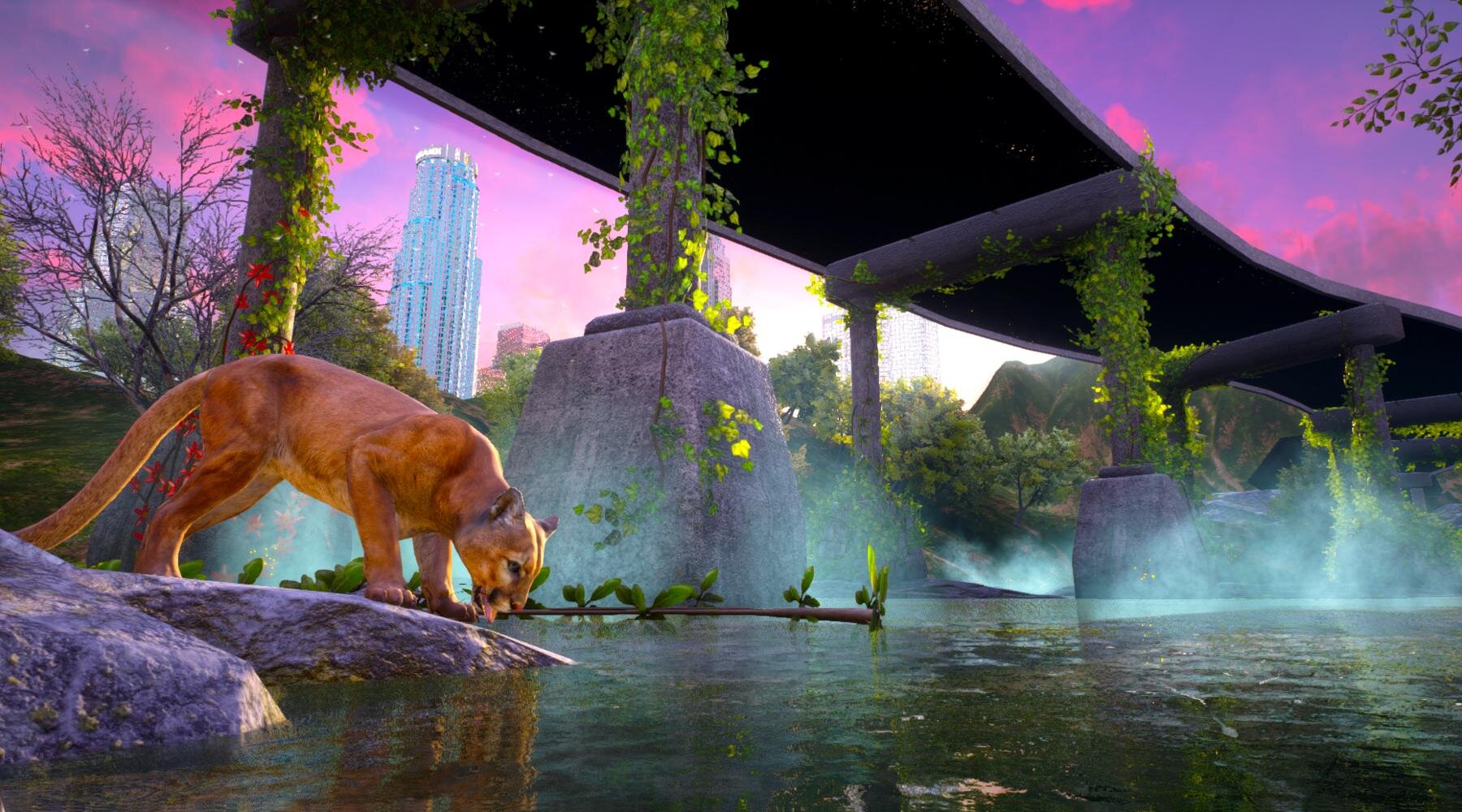
In one such level, Extinction Burst, the game opens with a bright red forest and a mountain lion sulking down a fuchsia path. The scene gives way to a dried-out basin filled with white particles. On closer inspection, these drifting flakes are revealed to be a form of moth. As you approach a desert tree growing near the center of the basin, a question in blue, hazy letters reveals itself in the sky: ‘ARE YOU MOTH OR ARE YOU TREE?’
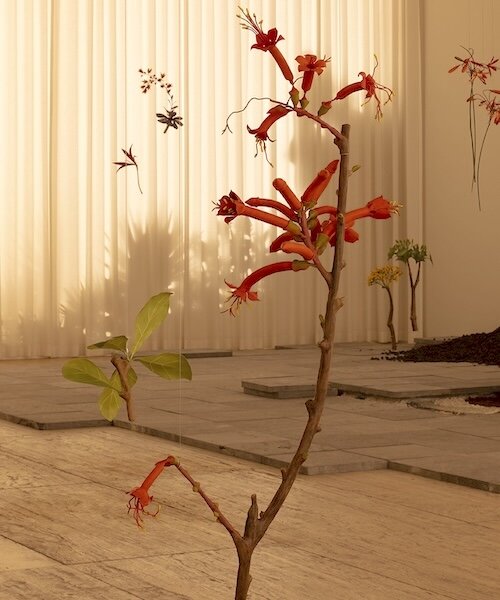
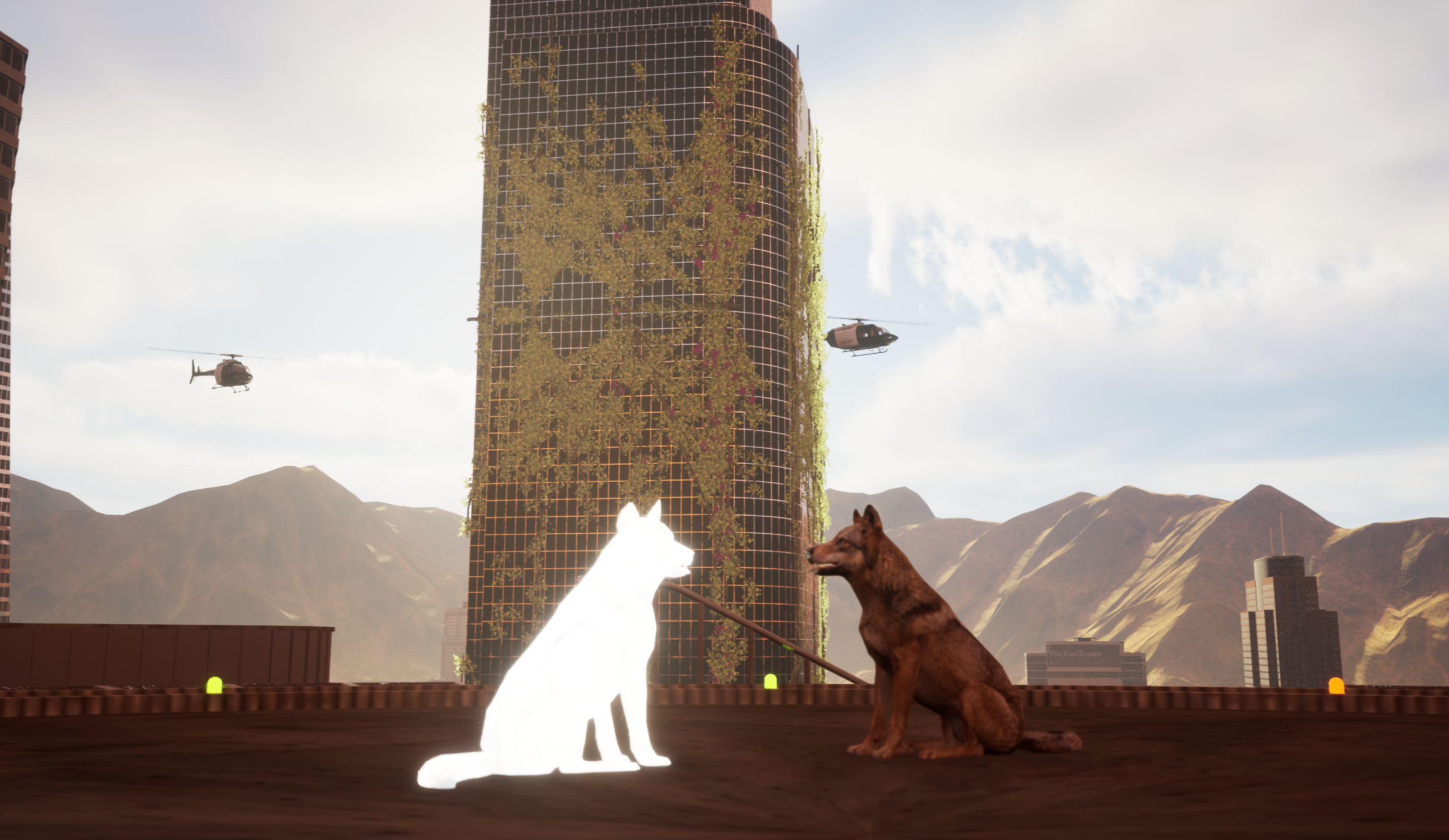
Depending on whether you choose the moth or the tree path, you encounter two different perspectives of the desert landscape. In other levels, you walk through a forest fire, become a wolf in a barren, sand-ridden Los Angeles, or pilot an airboat speeding through the Los Angeles River in the evening. By presenting these alternative points of view, the game not only challenges the agency of the player but also offers an embodied understanding of things humans may take for granted: the knowledge of a moth, a yucca plant, or a body of water.
Exhibition history
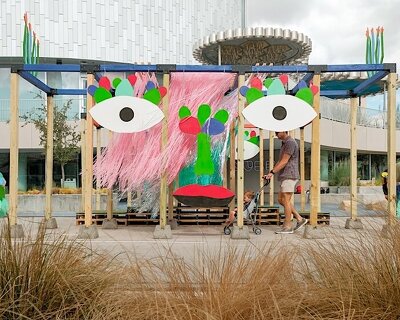
The Alluvials has been exhibited in both film and video game formats in spaces across the US, Europe, and Asia. In each space, Bucknell’s work has come to life in different forms. When the film was shown at LUMINEX in downtown Los Angeles as a four-channel work, scenes of the forest fire lit up the building, creating an uncanny reflection of both the real and fictional city. At HEK Other Intelligences 2025 in Basel, Switzerland, pink camo beanbags were set up on the floor, presenting the game as a two-channel video game that visitors could sit down and play in a space awash in fuchsia.
How to live in the world of The Alluvials
Within Bucknell’s work, the artist brings together a work of speculative fiction that speaks from an unknown future but carries the threatening tone of a parable lived many times over. True to the worlds they build in game engines, Bucknell makes real the promises, threats, and predictions that the CEOs and climate scientists of our time launch into the news cycle. Yet here, there is an opportunity to progress, level by level, through the very possible consequences of our present-day actions if left unchecked. Here, the posthuman utopia is one in which we leave humanity behind—one that discards the anthropocentric thinking that leads to artificial waters—and instead move forward with a future informed by the logic and processes of the natural world, before it is too late.
project info:
name: The Alluvials
date: video work (2023) and video game (2024)
artist: Alice Bucnkell | @alicebucknell
This article is part of designboom’s POSTHUMAN UTOPIAS chapter, exploring what happens when humans are no longer the measure of all things. These stories rethink our relationship with the planet through interspecies architecture, living materials, regenerative landscapes and emerging technologies – learn more here! The chapter is presented in partnership with INDX|GLOBAL – a global cultural platform placing Indian architecture, design, and creative intelligence in conversation with the world.
Each designboom editorial series explores one theme in depth through projects, interviews, features and news across architecture, design, art and technology. Discover more chapters here, and get in touch if you’d like to submit a story through our submissions portal or contact form.
shop
your own online design shop — no sales commission collected