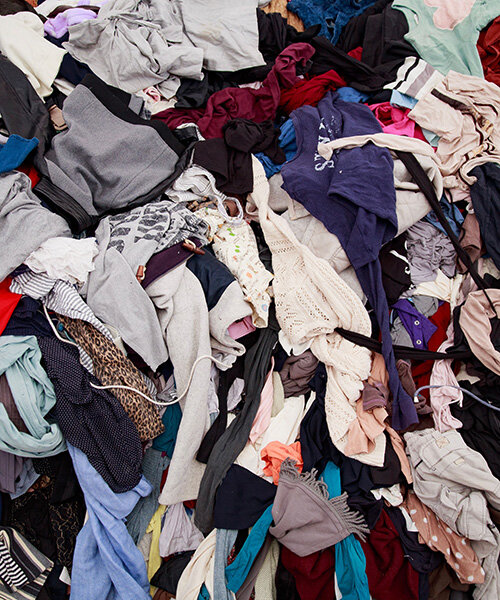
the EU bans the destruction of unsold fashion, but is it enough to stop luxury waste?
new european regulations challenge fashion’s take-make-waste model, but important exclusions leave questions about how far the industry is willing to change.
prefer designboom on google[FEATURED]
the EU takes aim at fashion’s culture of overproduction
The European Union is banning fashion companies from destroying unsold clothing, accessories, and footwear, introducing new restrictions on large businesses under its Ecodesign for Sustainable Products Regulation (ESPR). The rules, which came into application earlier this year, require companies to explore alternatives such as resale, donation, repair, and reuse instead of destroying surplus stock.
The measure targets a long-standing practice in the fashion industry, where perfectly usable products have sometimes been discarded to manage excess inventory and preserve brand exclusivity. While the ban marks an important step towards reducing textile waste, exclusions for certain luxury goods leave us wondering: how much can legislation change an industry whose business model continues to depend on producing more?
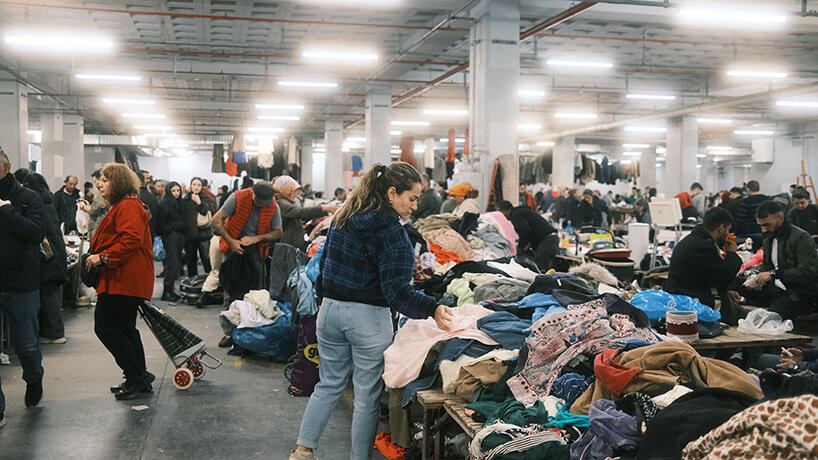
the environmental cost of making things that are never used
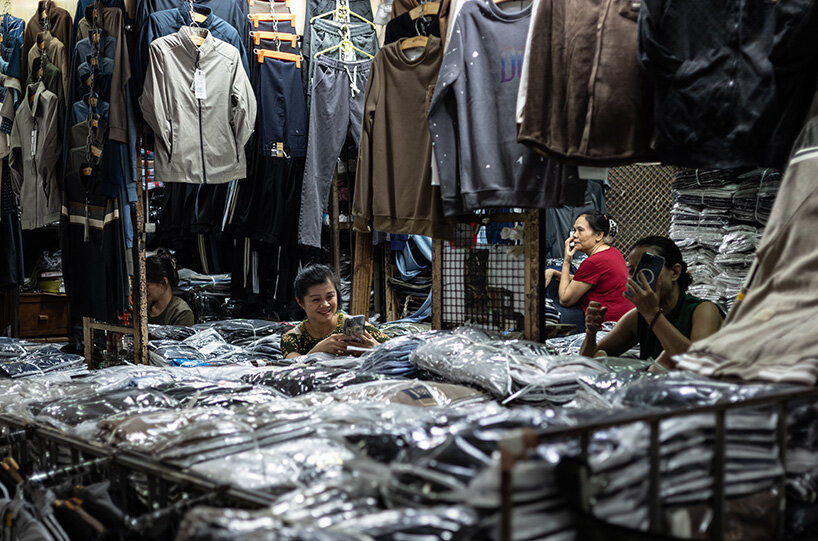
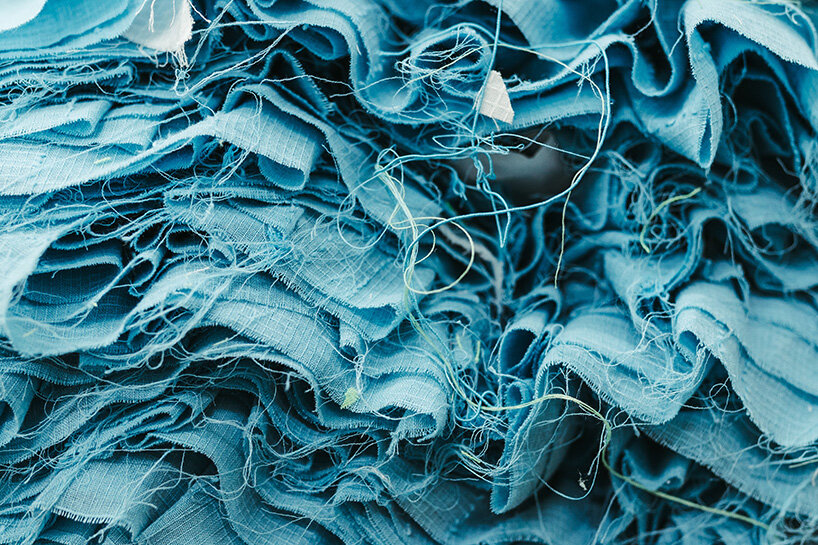
According to the European Environment Agency (EEA), an estimated 4 to 9 percent of all textile products placed on the European market are destroyed before they are even used. This amounts to between 264,000 and 594,000 tons of textiles every year. The figures include returned and unsold products, revealing the scale of resources invested in objects that never fulfill their intended purpose. Every garment carries the footprint of its production, from raw material extraction and processing to dyeing, manufacturing, packaging, and transportation. When a perfectly functional item is destroyed, the resources invested in making it are effectively wasted.
The problem is not limited to fast fashion. Luxury brands have also come under scrutiny for destroying unsold products, sometimes to protect their exclusivity and control where their goods are sold. This is particularly contradictory for an industry that places such value on craftsmanship, quality, and long-lasting products. According to the EEA, overproduction is a major problem in the textile industry. Brands often produce more than they expect to sell to ensure they have enough stock to meet demand. But when these products remain unsold, the environmental cost of making them does not simply disappear.
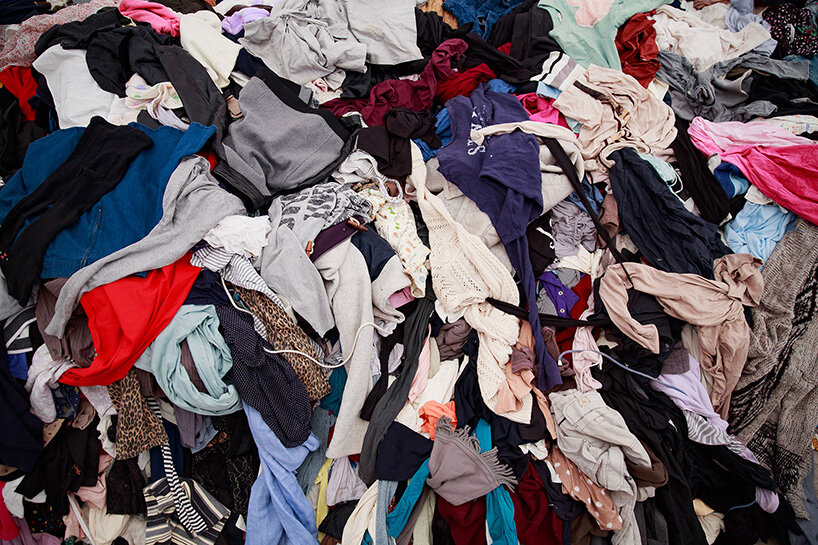
what the EU’s new rules actually prohibit
The ban forms part of the Ecodesign for Sustainable Products Regulation (ESPR), which came into force in 2024 as part of the EU’s broader strategy to make products more durable, repairable, recyclable, and resource-efficient. Since July 19, 2026, large companies operating in the EU have been prohibited from destroying unsold apparel, clothing accessories, and footwear covered by the regulation. Medium-sized companies will become subject to the same prohibition from July 2030, while micro and small enterprises are exempt.
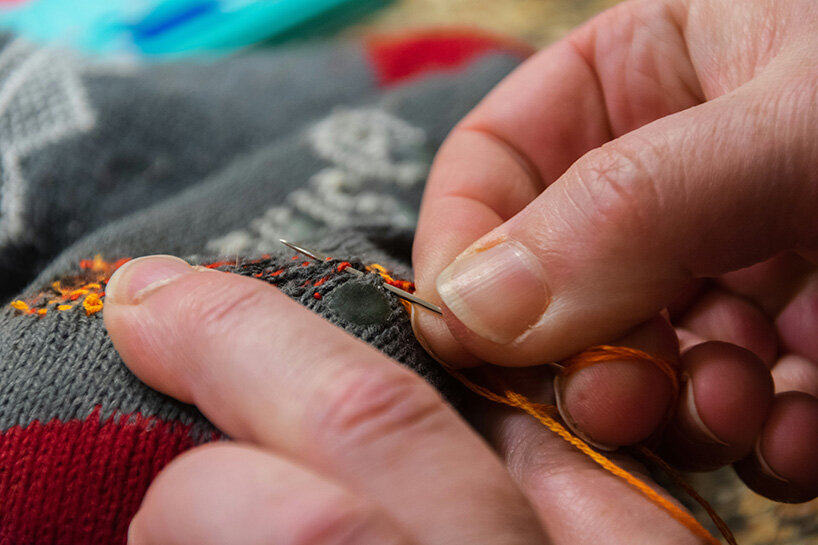
Businesses must come up with alternatives to destroying surplus stock that keep products in circulation. These include selling unsold items through discounted or alternative markets, donating them to charities and social enterprises, and preparing them for reuse through repair, refurbishment, or remanufacturing. The legislation also introduces greater accountability. Companies must disclose information about discarded unsold products, provide supporting documentation when relying on permitted exceptions, and retain records for five years so national authorities can monitor compliance. Destruction is not entirely prohibited, but it must fall within specific derogations and follow the applicable waste treatment hierarchy, which gives priority to recycling. The intention is to move away from a linear model in which products are manufactured, sold, and discarded, towards a system that recognizes their continued material and functional value.
the exceptions that leave luxury fashion in a gray area
Despite its ambitions, the regulation does not cover every product category, and this is where its limitations become particularly relevant to the luxury industry. One notable exclusion concerns leather handbags and other similar containers. Although leather clothing and clothing accessories are included in the ban, handbags fall under a separate category, which is not included in the list of products whose destruction is prohibited. An unsold leather jacket falls within the prohibition, but an unsold leather handbag does not. This is not a special exemption for luxury brands, but a consequence of how the legislation defines the product categories covered by the ban. Nevertheless, it leaves a substantial category of high-value fashion goods outside this particular restriction.
The regulation also allows destruction under specific circumstances. These include products that are dangerous, do not comply with applicable legislation, or are found to infringe intellectual property rights. Products that have suffered damage, deterioration, or contamination that makes them unsuitable for consumer use may also qualify when repair or refurbishment is not technically feasible or cost-effective.
Another particularly interesting provision concerns products that cannot be prepared for reuse or remanufacturing because it is technically impossible to remove or permanently conceal protected or otherwise inappropriate labels, logos, recognizable designs, or other characteristics.
For brands whose commercial value depends heavily on recognizable logos, signatures, and protected designs, this provision deserves attention. However, it is not a blanket exemption allowing companies to destroy unwanted merchandise simply to protect their image. The rules also permit destruction when products have been offered for donation to at least three suitable social economy organizations within the EU or through an accessible company website for at least eight weeks without being accepted. Even products already donated can eventually be destroyed if no recipient can be found.
banning destruction is not the same as stopping overproduction
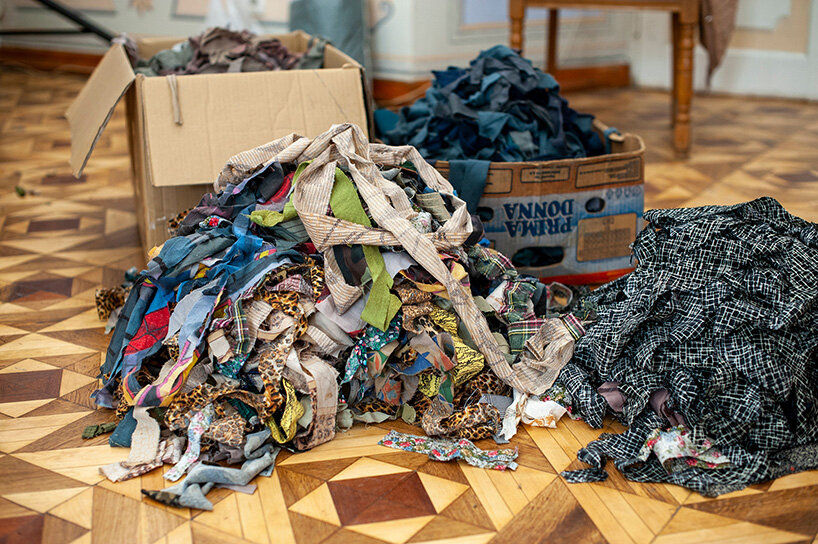
Perhaps the most important limitation is that the new legislation addresses what happens to unsold products rather than why so many are produced in the first place. A brand can comply with the ban while continuing to manufacture more garments than the market can absorb. It can discount, redistribute, donate, or redirect excess inventory towards alternative markets without fundamentally changing its production volumes.
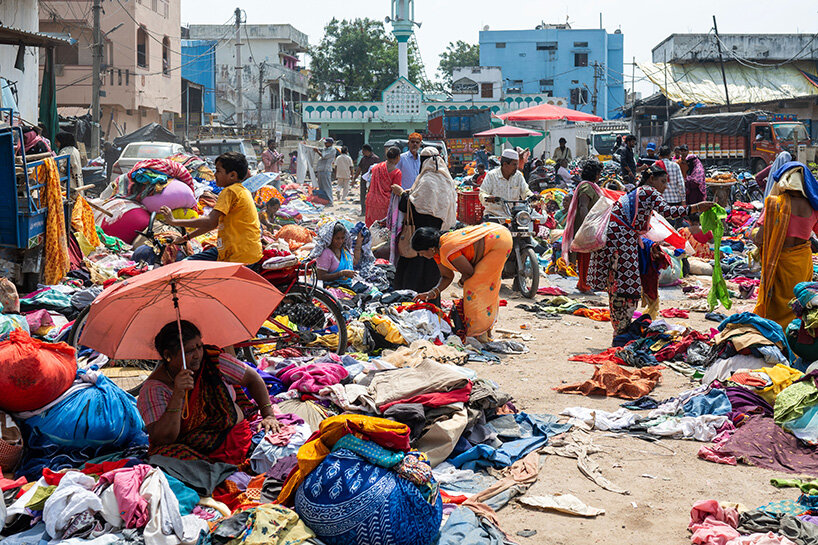
There is also a question about the effectiveness of reuse and donation as long-term solutions. Redirecting products does not automatically guarantee that they will be worn, repaired, or incorporated in a meaningful way into another market. Without careful management, surplus goods can simply move through additional distribution channels before eventually becoming waste elsewhere. The EEA has documented how surplus and used textiles exported from Europe enter complex international trade networks. While many are intended for reuse or recycling, some eventually end up in landfills, are burned, or are dumped in countries with inadequate waste management infrastructure.
Moving excess stock out of sight does not necessarily resolve its environmental impact. A circular approach would require more than alternative destinations for unwanted products. It would involve reconsidering production quantities, improving demand forecasting, designing garments for longer use, investing in repair infrastructure, and making the entire lifecycle of a product more transparent.
imagining a different relationship with material value
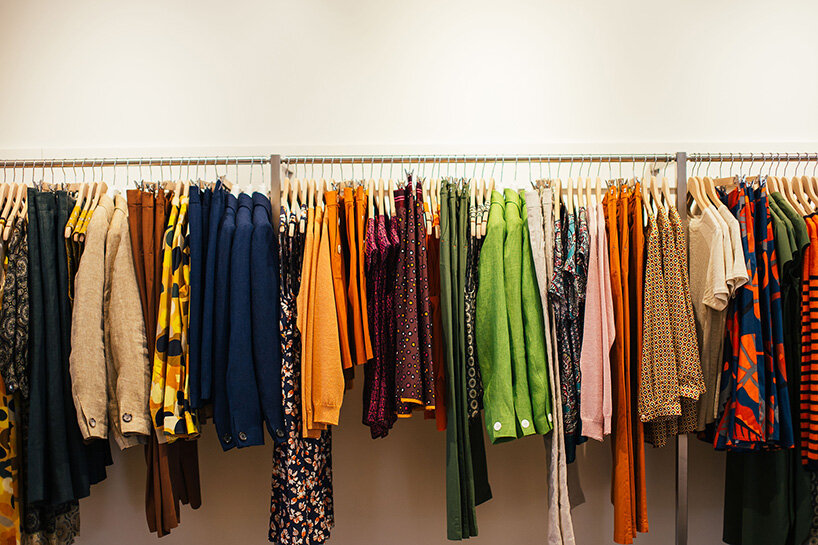
The EU’s ban is a step in the right direction, but it also raises a question about the way luxury fashion works. Some brands choose to destroy unsold clothes rather than sell them at a much lower price. The concern is that lower prices could damage the image of exclusivity they have built around their products. In other words, clothes that could still be worn are destroyed because selling them for less is seen as worse for the brand.
Still, the problem is not just what happens to unsold clothes but how many are made in the first place. The new rules may stop companies from destroying some of their surplus stock, but they do not address the pressure to keep producing more. Until that changes, the industry will keep finding itself with more clothes than it can sell.
This article is part of designboom’s POSTHUMAN UTOPIAS chapter, exploring what happens when humans are no longer the measure of all things. These stories rethink our relationship with the planet through interspecies architecture, living materials, regenerative landscapes and emerging technologies – learn more here! The chapter is presented in partnership with INDX|GLOBAL – a global cultural platform placing Indian architecture, design, and creative intelligence in conversation with the world.
Each designboom editorial series explores one theme in depth through projects, interviews, features and news across architecture, design, art and technology. Discover more chapters here, and get in touch if you’d like to submit a story through our submissions portal or contact form.
shop
your own online design shop — no sales commission collected