inside mikoü architecture and its search for meaning in craft and construction
from the intimacy of the traditional riad to the engineering of contemporary buildings, the french-moroccan twin architects explore how cultural memory, craftsmanship, and industrialization can inform a more holistic approach to architecture.
prefer designboom on google[FEATURED]
Mikoü sees architecture as a way of building identity
In We Are Building Ourselves, a film by Louisiana Channel, Salwa and Selma Mikoü describe architecture as a process that extends beyond the production of buildings. ‘As architects, we are building also our own personality, our own culture, our own way to see the world. And project after project, we push boundaries that could be also our own boundaries as women,’ the architects share. For the Paris-based twin sisters, every project is a way to establish their position in the world and negotiate the cultural, professional, and personal experiences that shape their work.
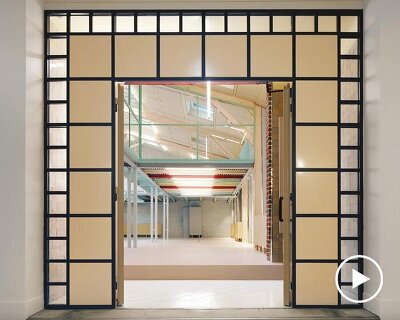
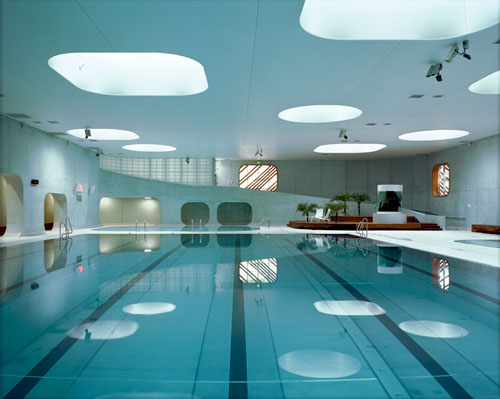
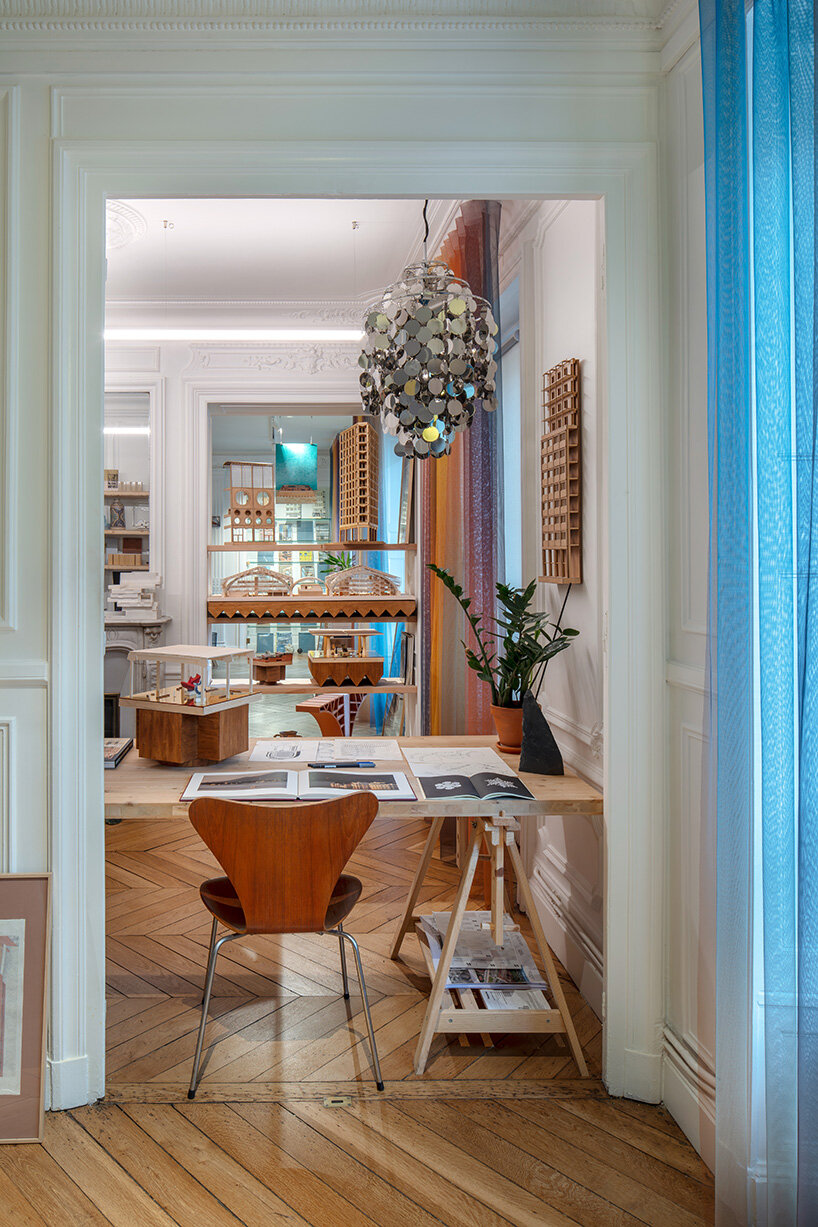
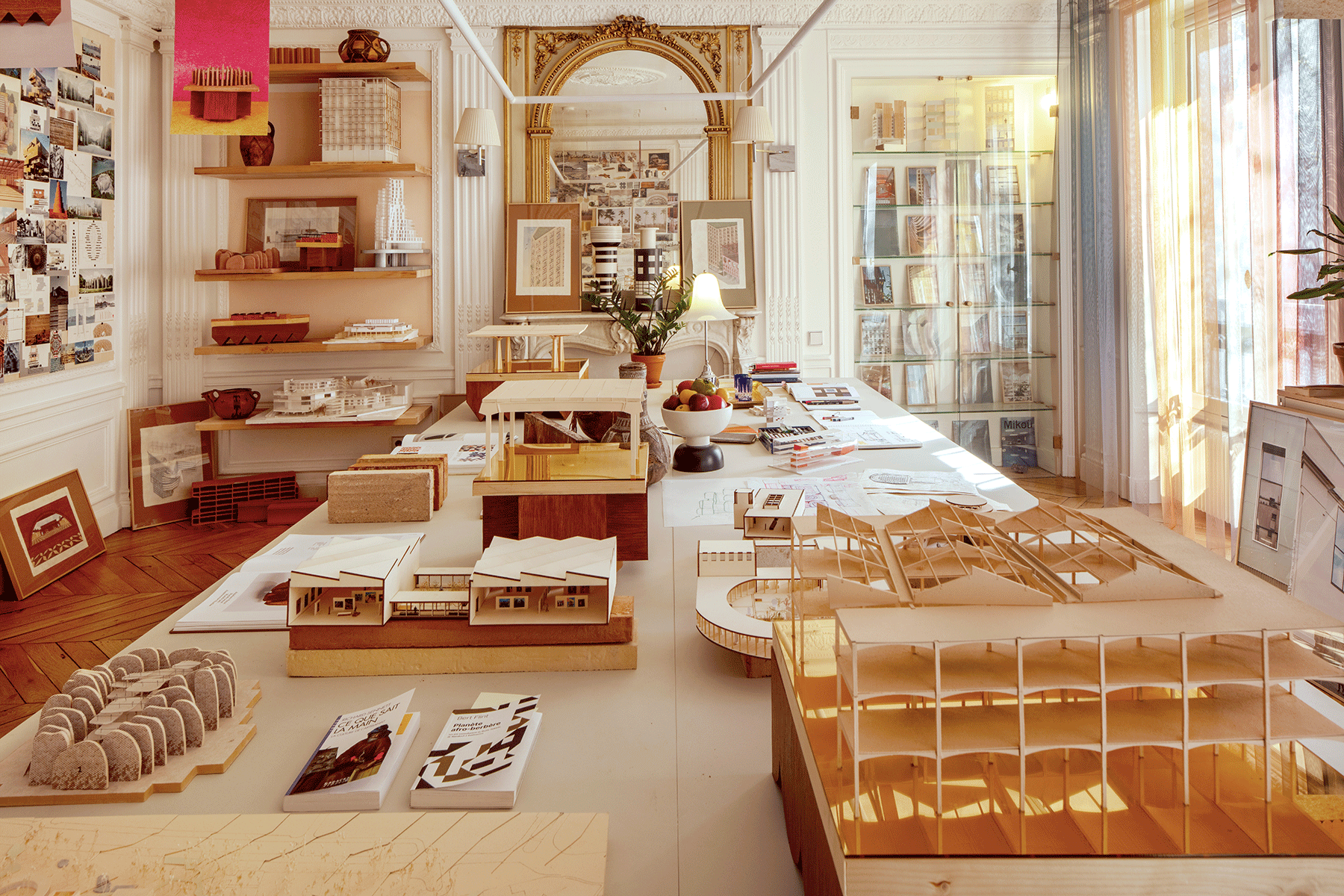
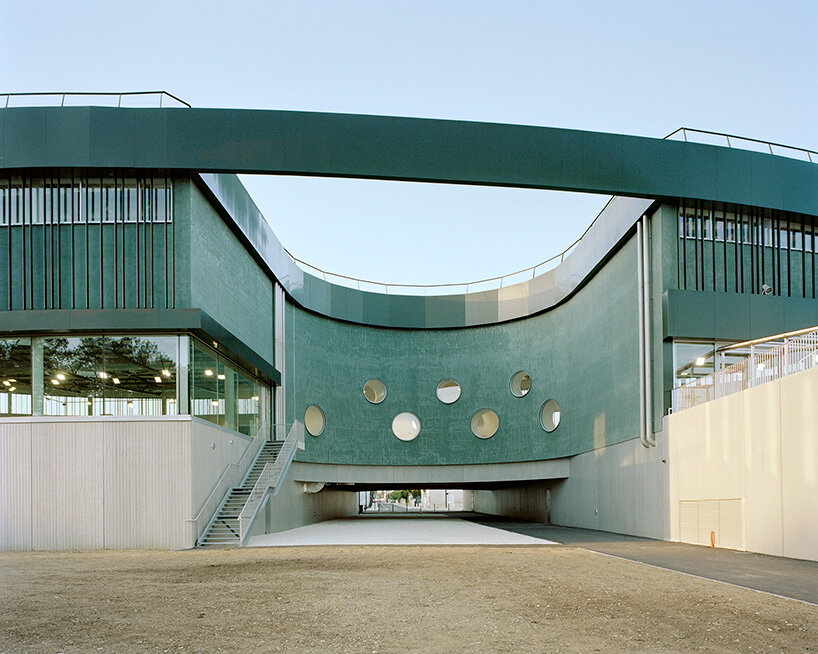
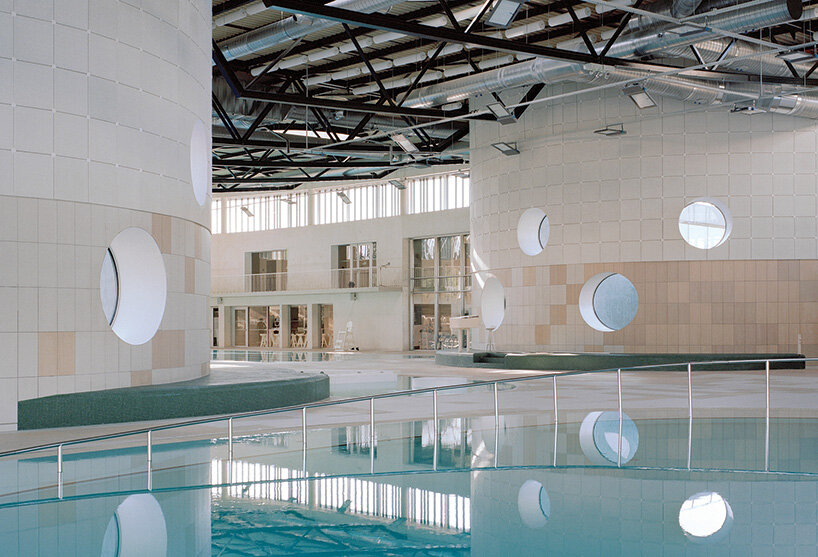
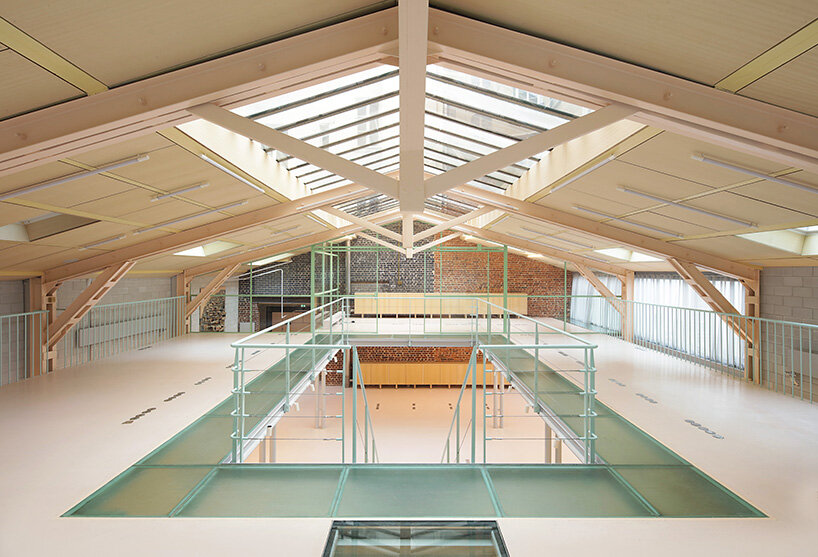
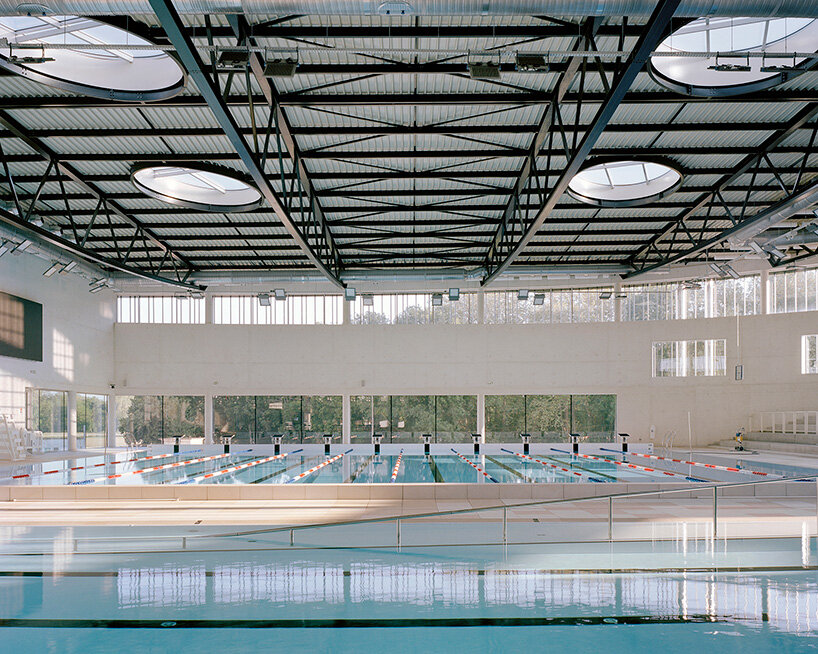
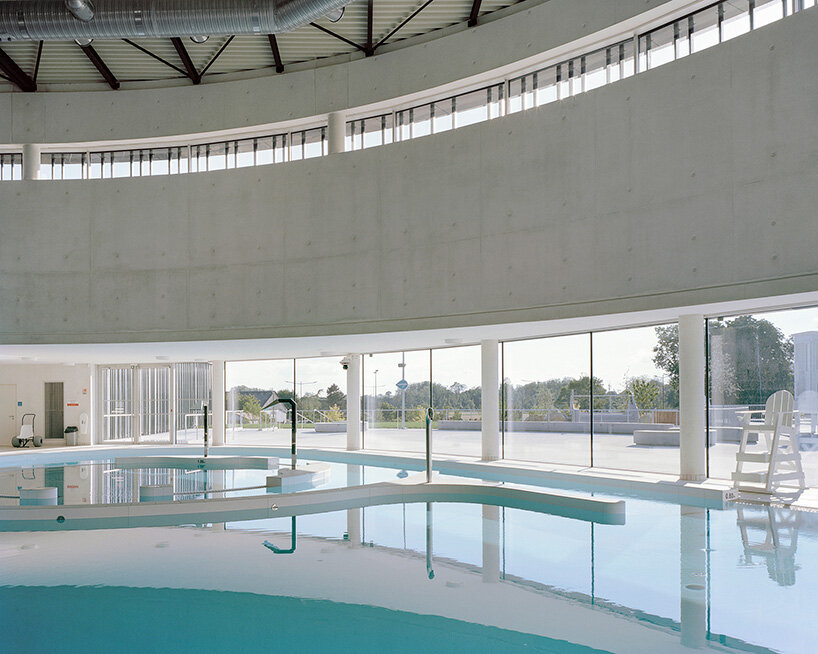
That idea is reflected in a practice that brings together seemingly opposing forms of knowledge. The founders of Mikoü Architecture draw on Moroccan traditions of craft and ornament while exploring prefabrication, industrialization, and the technical logic of construction. They are interested in how engineering can become part of architectural expression, how industrial processes can coexist with craftsmanship, and how cultural memory can inform buildings without becoming a superficial visual reference.
In the Louisiana Channel film, the sisters discuss architecture through the language of making: the assembly of materials, the relationship between structure and ornament, the social qualities of space, and the knowledge carried across generations. Their reflections suggest a practice concerned not with establishing a recognizable signature but with understanding how architecture is produced, what it inherits, and what it can change.
Between craft and industrial production
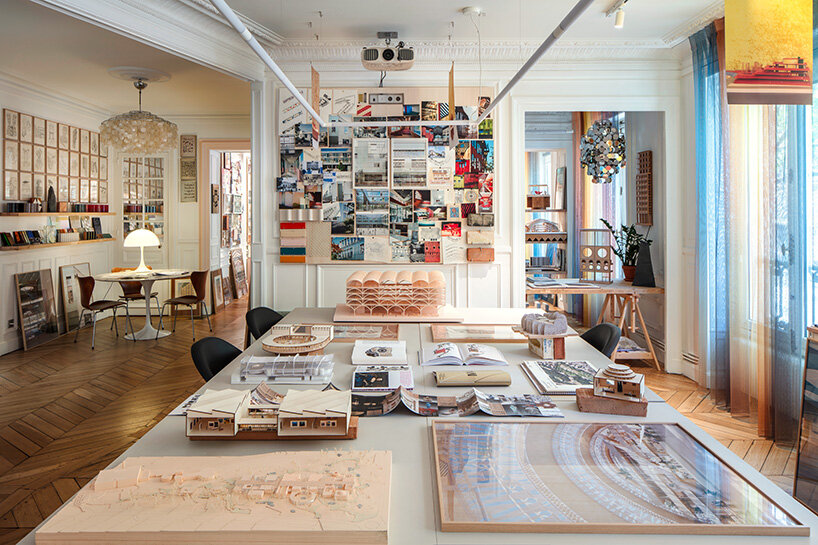
Before establishing Mikoü Architecture in Paris in 2008, the sisters each worked at Ateliers Jean Nouvel and Renzo Piano Building Workshop. These experiences exposed them to different approaches to architectural thinking and making, from the development of a strong conceptual position to the practical knowledge involved in realizing a building. For the sisters, engineering is the skeleton of a building, an underlying system that can inform its spatial and visual character. Their interest in prefabrication and industrialization comes from this understanding of construction as an integral part of design. They describe industrialization as a ‘progress gesture’, while acknowledging that these methods are ‘still not standard at all’.
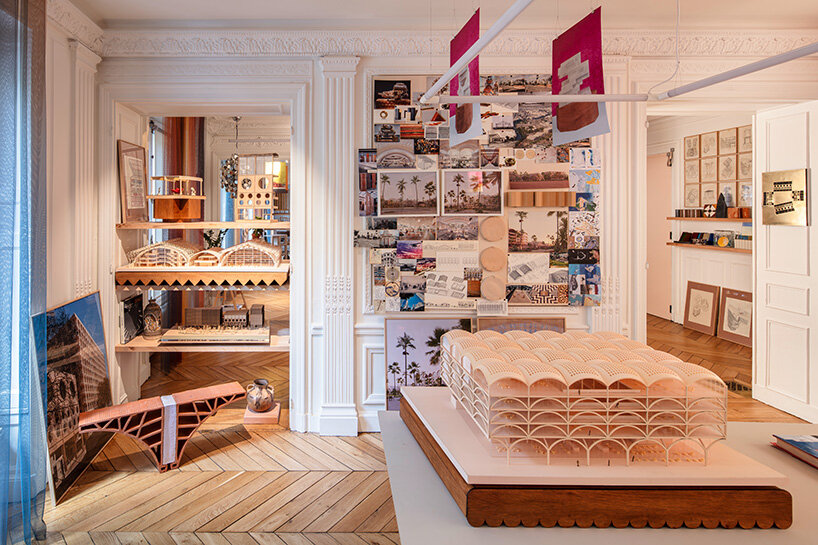
The architects bring traditional craftsmanship and industrial production into the same conversation. They are interested in prefabrication and what it makes possible, but also in the knowledge that comes from working with materials and understanding how things are made. One does not have to come at the expense of the other. They also speak about ornament in relation to structure. They also speak about ornament in relation to structure, and how it can emerge from the construction process itself. In the film, they discuss the tension between what is exposed and what is hidden, comparing it to archaeology and ruins, where the remains of a structure offer clues to what once existed.
Cultural memory as a way of reading space
Born in Fez, Morocco, Salwa and Selma Mikoü draw on their relationship with the country as part of their thinking. In the Louisiana Channel film, they speak about Marrakech as an ‘immersive city’ and about the strong impressions that places leave on them. These experiences shape how they think about space, particularly the relationship between private life and the outside world. They point to the traditional riad, with its terraces and inward-facing spaces, where neighbors can see and speak to one another. This way of living informs their thinking about contemporary housing.
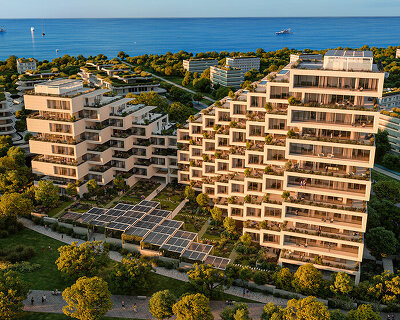
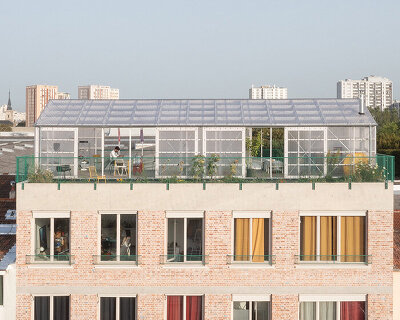
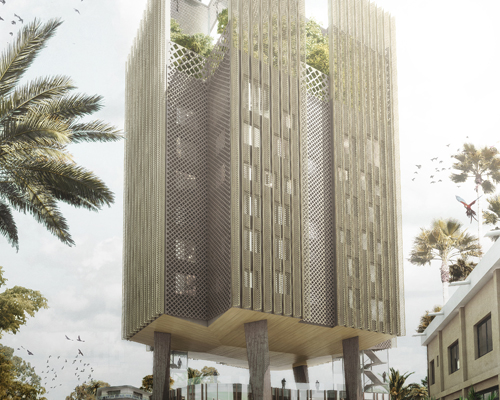
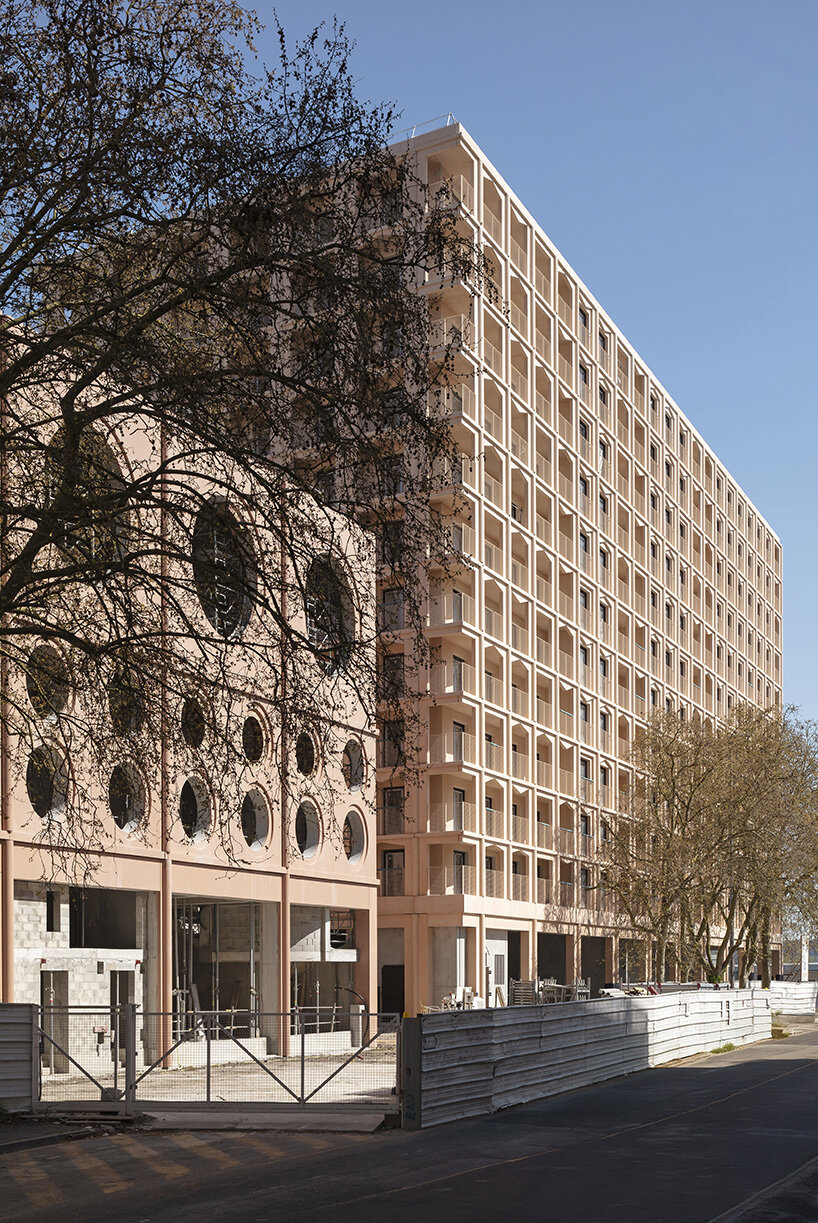
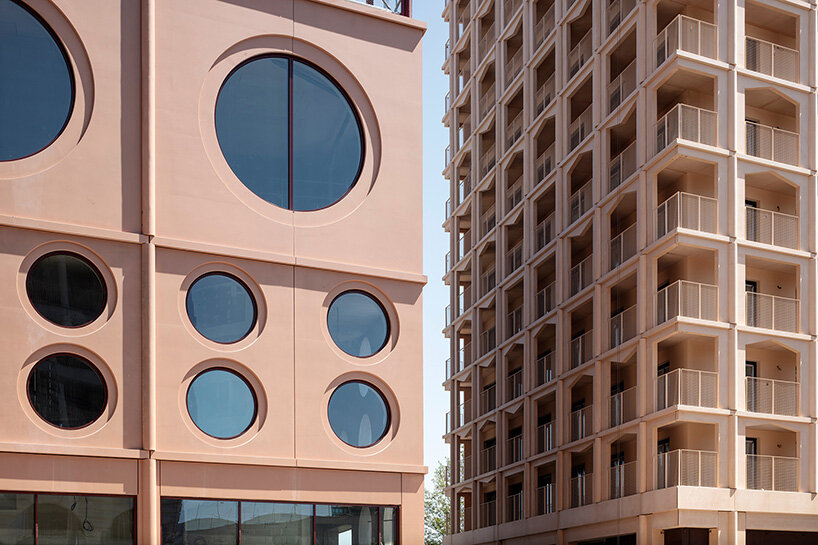
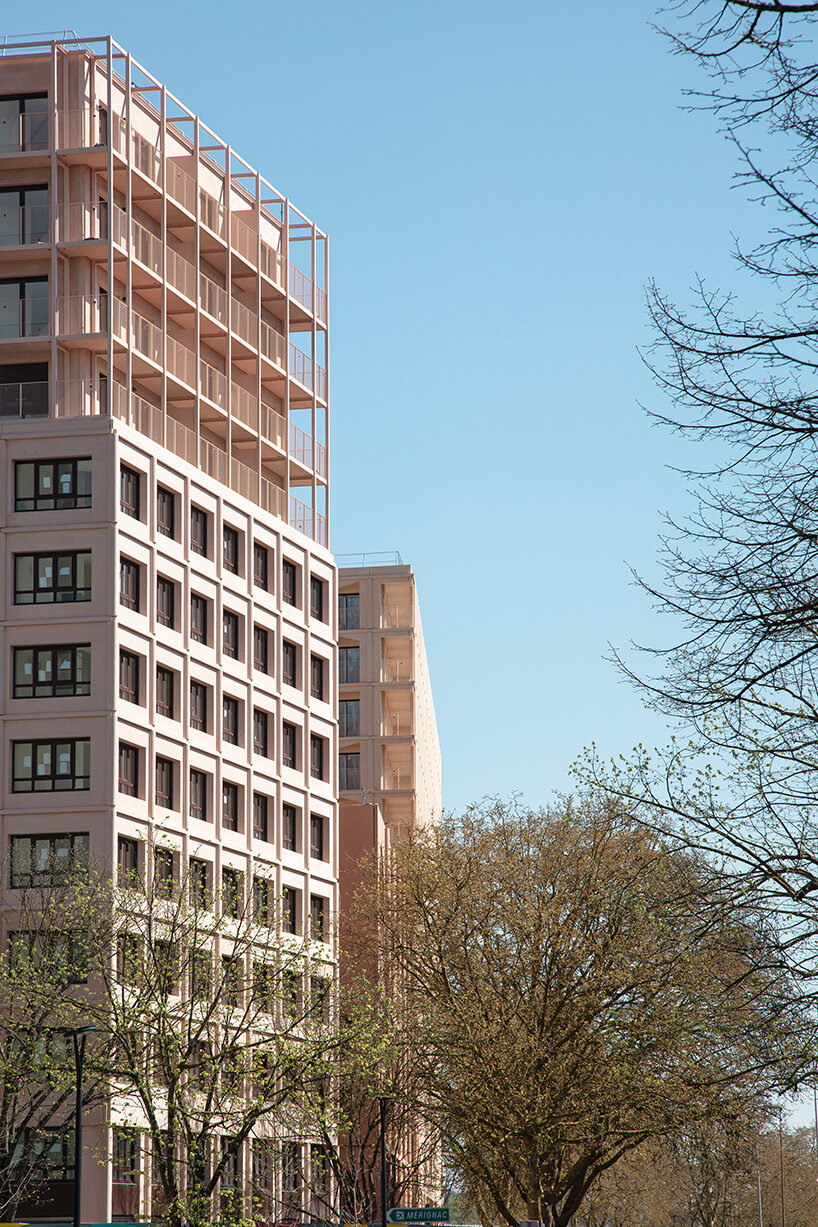
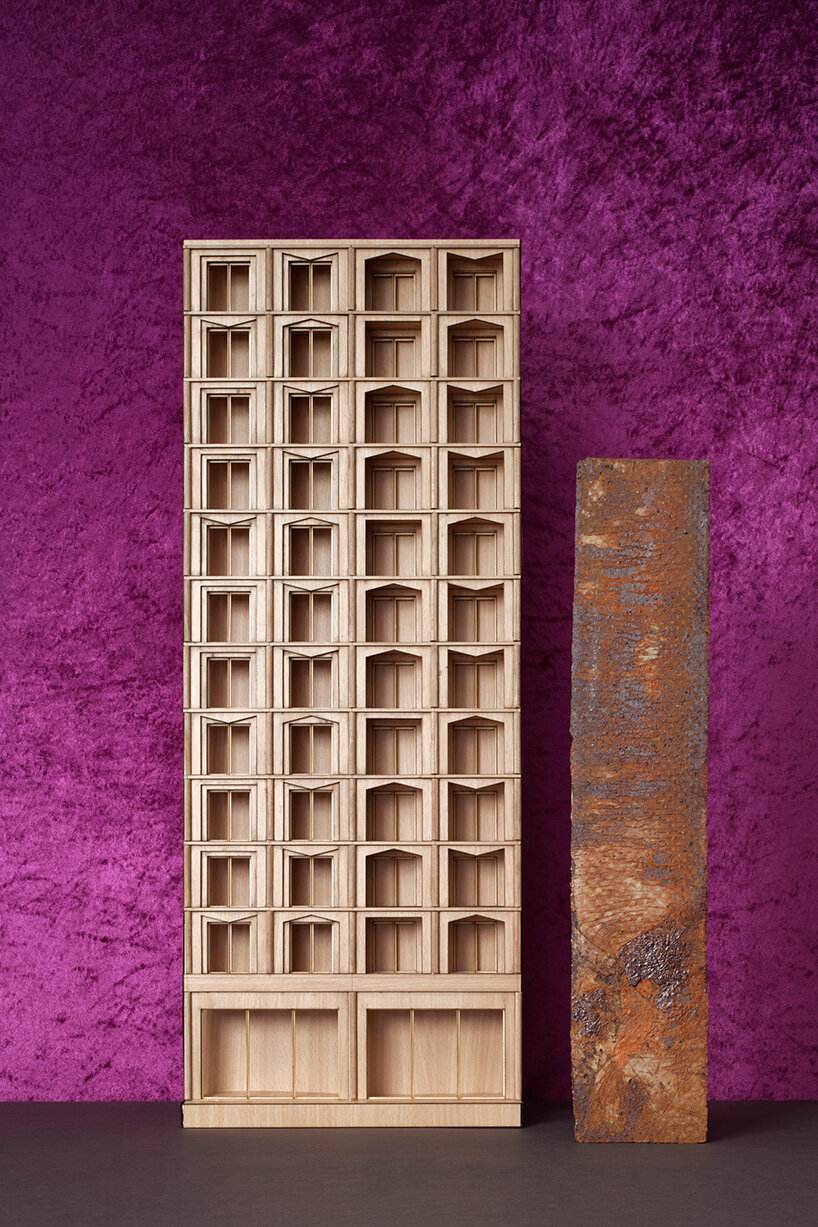
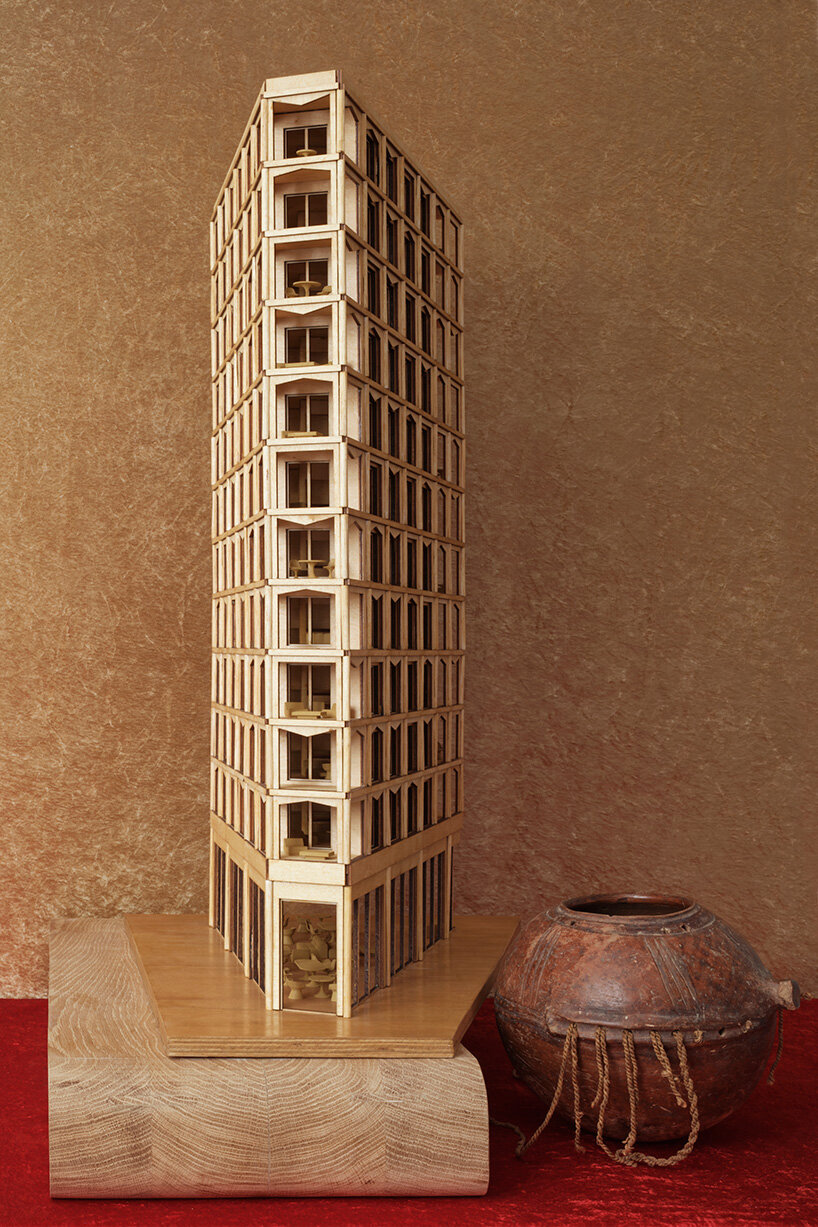
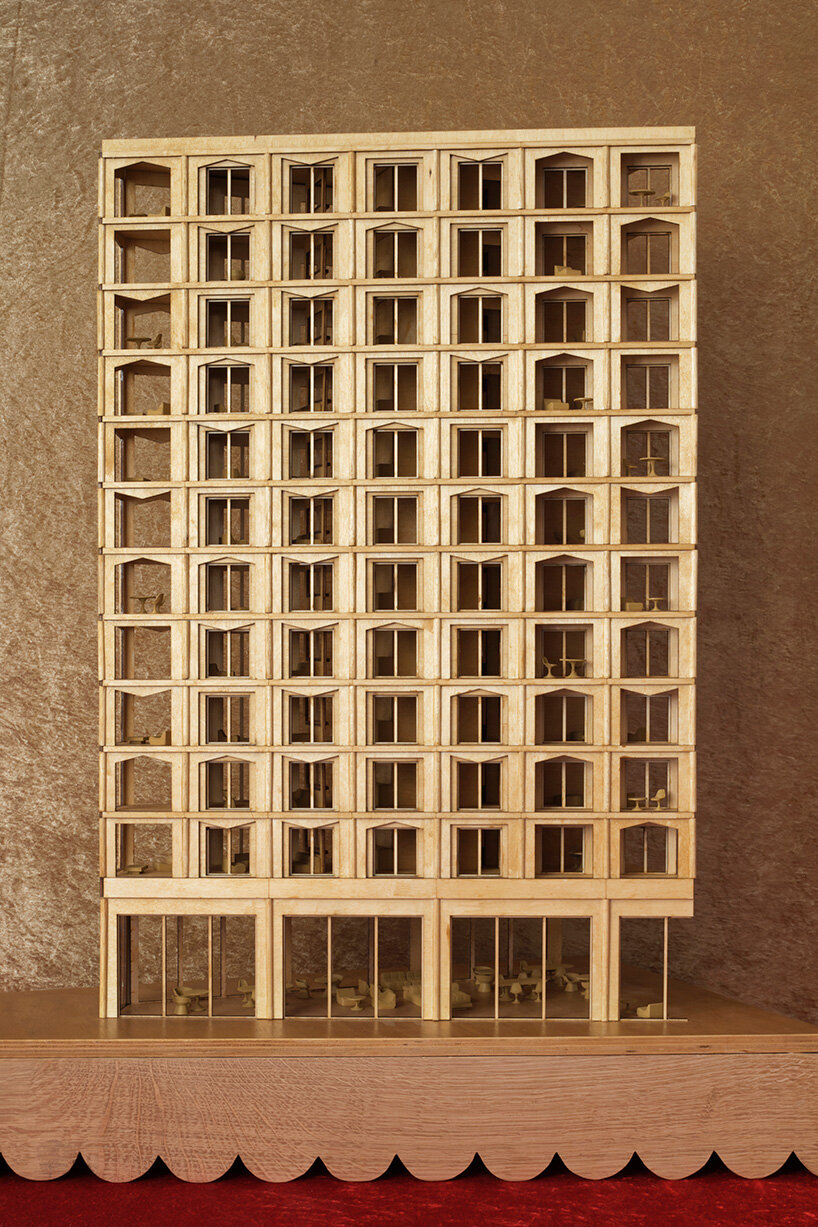
Speaking about their project in Bordeaux, they describe it as ‘a kind of urban millefeuille’, combining housing, artist residencies, and student accommodation. Its relationship with the Garonne is central to the project, which seeks to open the development toward the river and the surrounding city. The architects’ experience of growing up in Morocco and building their careers in France brings two different architectural cultures into their work. Moroccan craft traditions, particularly the use of ornament, remain an important reference, while their years working within the French architectural scene have shaped their understanding of contemporary practice.
A shared language of making
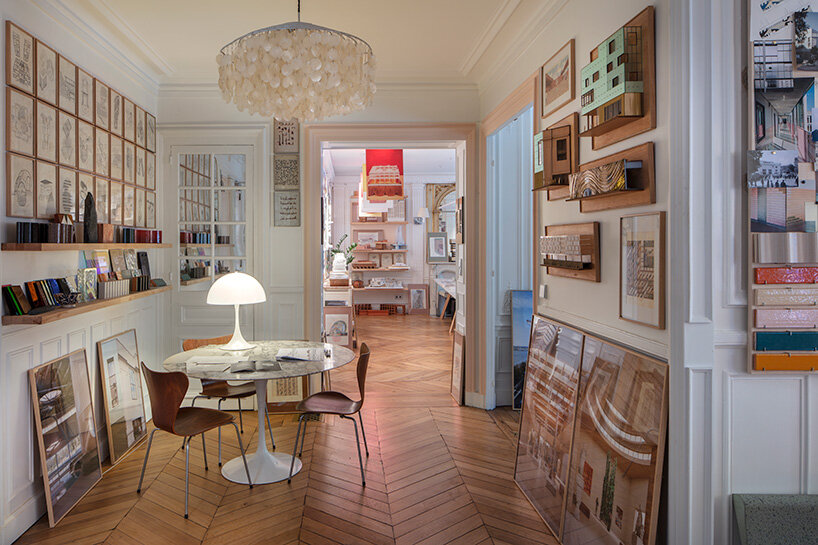
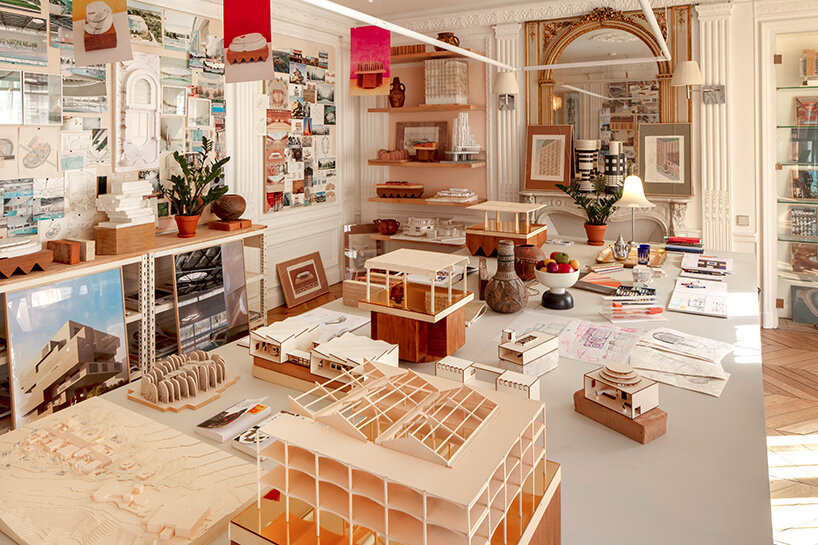
Working together has shaped the way Salwa and Selma Mikoü think and work. They describe a process that involves a lot of talking and drawing, with collage becoming one of the tools they return to when developing ideas. They call it part of their DNA. Being twins also means that their professional and personal lives are closely connected, something they reflect on in the film when discussing how people often see them as one person.
The sisters speak about architecture as a way of shaping who they are, not only as architects but as women finding their place in a profession that has its own expectations and established hierarchies. Every project gives them another opportunity to question those limits.
1/15
project info:
architects: Mikoü Architecture | @mikou_architectures
founders: Salwa Mikoü and Selma Mikoü
location: Paris, France
film: Salwa & Selma Mikoü: We Are Building Ourselves, Louisiana Channel, Louisiana Museum of Modern Art, 2026.
camera and editing: Simon Weyhe. Produced by Marc-Christoph Wagner
production: Louisiana Channel, Louisiana Museum of Modern Art, 2026
produced by: Marc-Christoph Wagner
shop
your own online design shop — no sales commission collected