podcast: indian architects ask who shapes homes: algorithms or occupants
the conversations trace how aesthetic ideals travel between public feeds and the private home, debating who determines an ideal environment: algorithms, designers, or the occupants themselves.
prefer designboom on google[FEATURED]
DESIGNBOOM X INDX|GLOBAL: ROOM FOR UTOPIAS
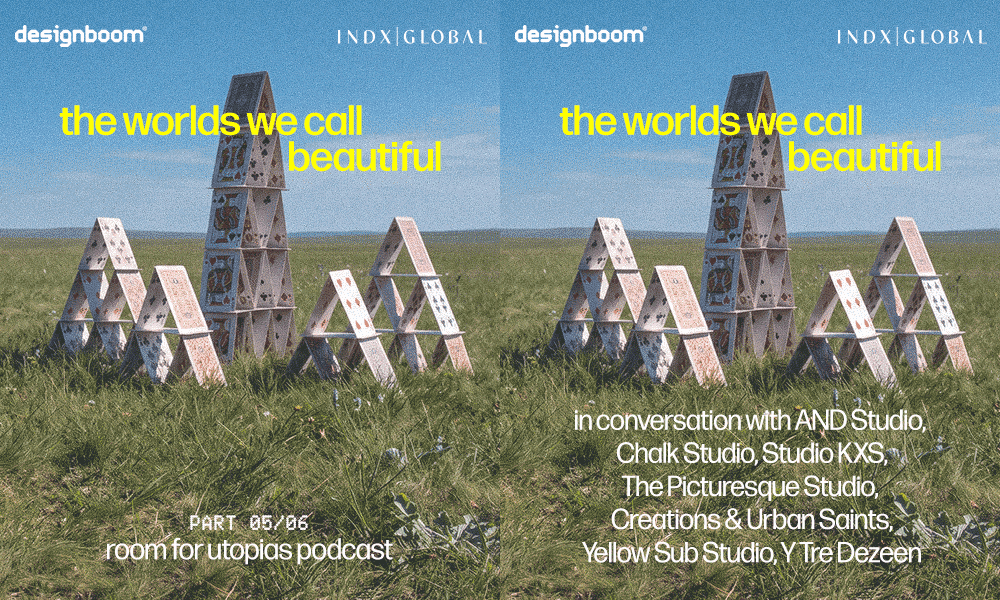
Continuing the Room for Utopias podcast series produced with INDX|GLOBAL, designboom presents its fifth feature. Following discussions in Paris that tackled site listening, dismantled signature styles, and turned outdated bylaws into habitable spaces, this installment investigates the criteria that shape our concept of beauty. Hosted by designboom managing Editor, Iñaki Laguardia, two panel conversations bring together seven Indian architects and interior designers to examine the fifth series theme, The Worlds We Call Beautiful. The conversations trace how aesthetic ideals travel between public feeds and the private home, debating who determines an ideal environment: algorithms, designers, or the occupants themselves.
architecture that embraces regional craft over weekly trends
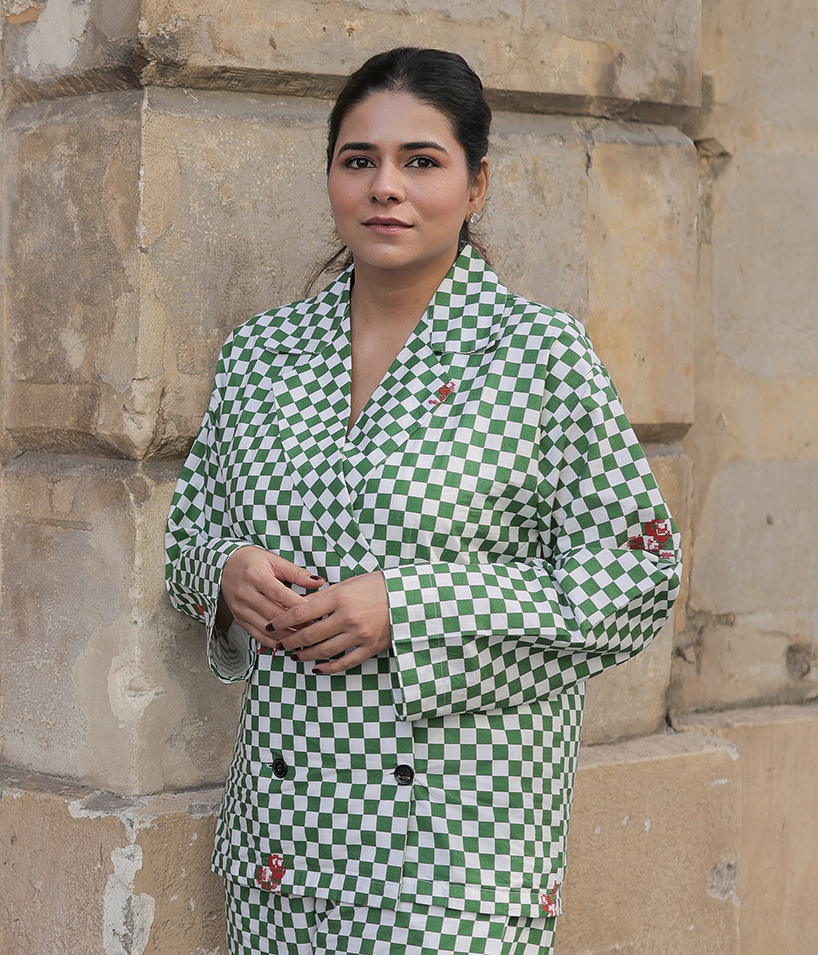
Satyadeep Sonar of Creations & Urban Saints opens the tenth episode by confronting the gap between online image consumption and regional thermal performance. While digital algorithms circulate smooth, stylized interiors internationally, they strip out environmental context. ‘I tell my clients: ‘You are seeing the picture, but you’re not seeing the temperature… so you better take a call on that aspect as well,’‘ Sonar explains. Sonar argues that while online aesthetic trends cycle weekly, buildings remain in place for decades. Gayatri Gunjal of Yellow Sub Studio positions the architect as a selective filter, noting that the most rigorous phase of a project involves stripping away superficial digital references to arrive at durable, context-driven layouts.
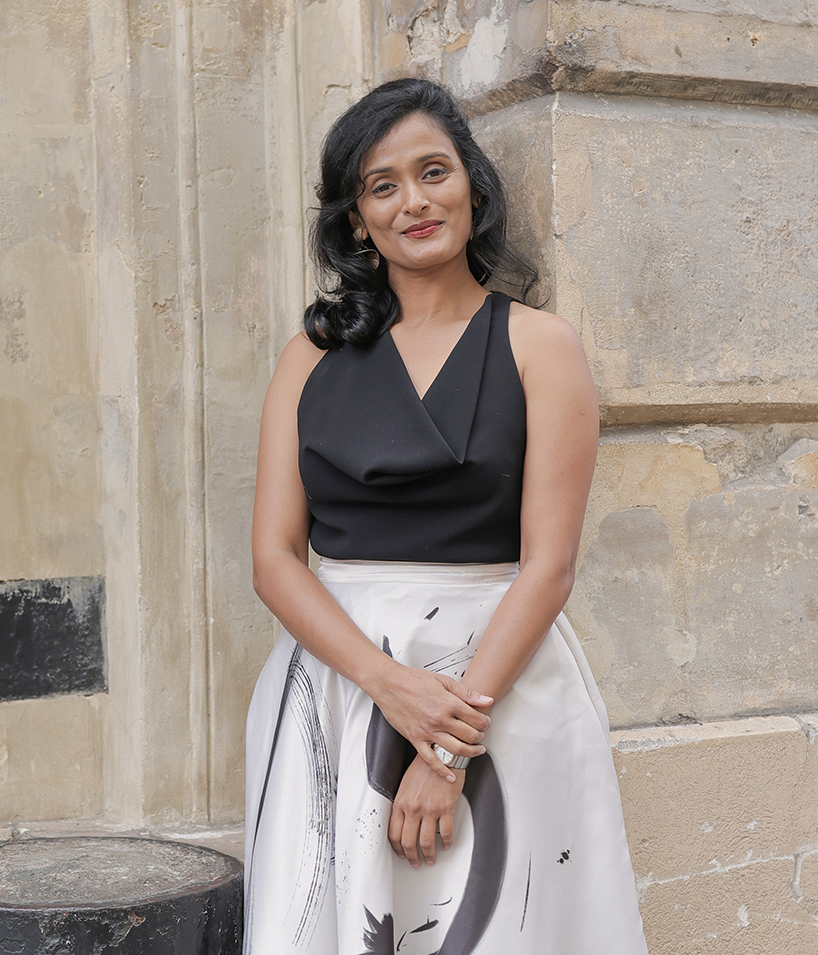
Priya Doon of The Picturesque Studio explains how residential commissions reconcile long-term construction with shifting domestic tastes. Doon argues that heavy building envelopes demand architectural permanence, whereas transient styling belongs in adaptable, movable layers. ‘The larger, massive buildings stay permanent, and infusing trends into something which is more… movable, like the art or the furniture or the rugs… that is something which is ever-evolving,‘ Doon notes. For Doon, the quality of a space rests on human emotion and daily sensation rather than abstract technical benchmarks.
Gunjal points out that Indian practices have access to extensive artisanal knowledge that is often overlooked when studios replicate Western imagery. Gunjal advocates for working directly with regional craft guilds and vernacular building systems, stating that spatial character develops through local material intelligence. Sonar reinforces this stance, observing that resilient design emerges when interior layouts adjust to changing climatic conditions across the year rather than relying on decorative surfaces.

1/3
staged drama in design versus everyday domestic routines
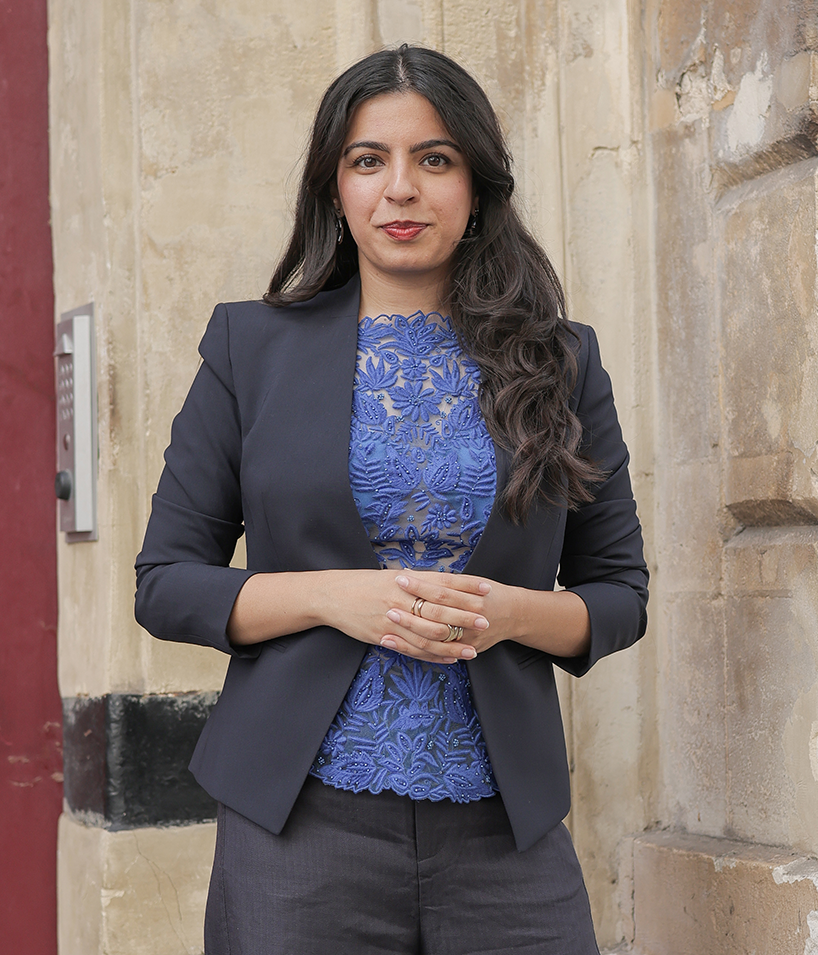
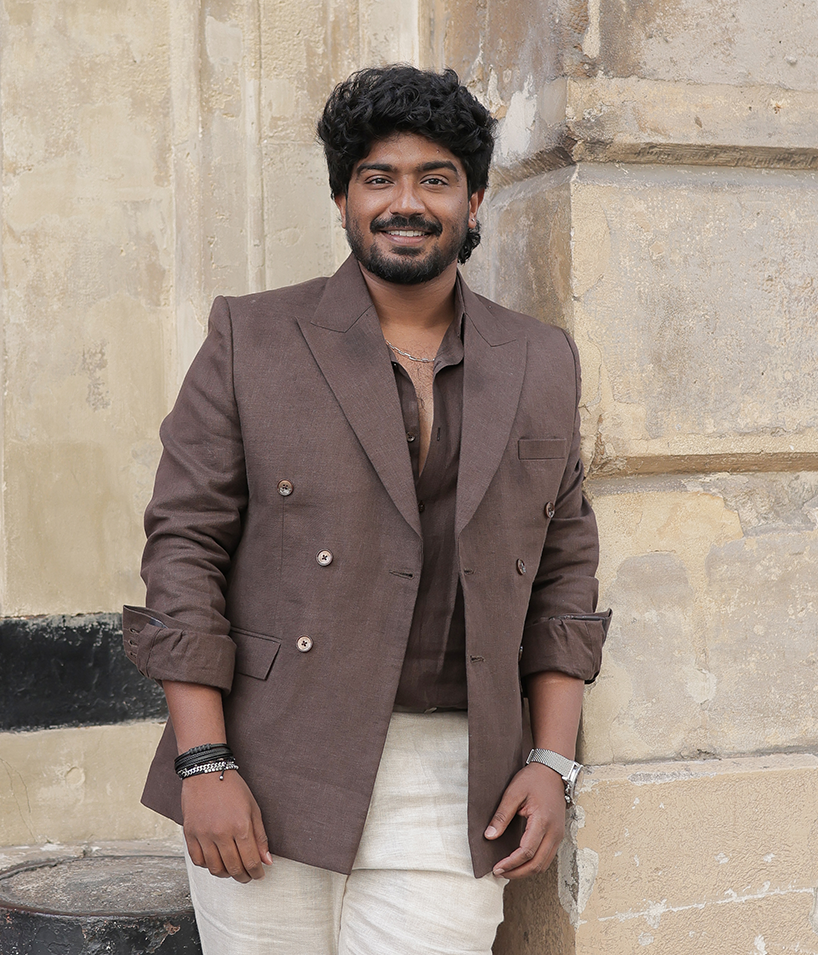
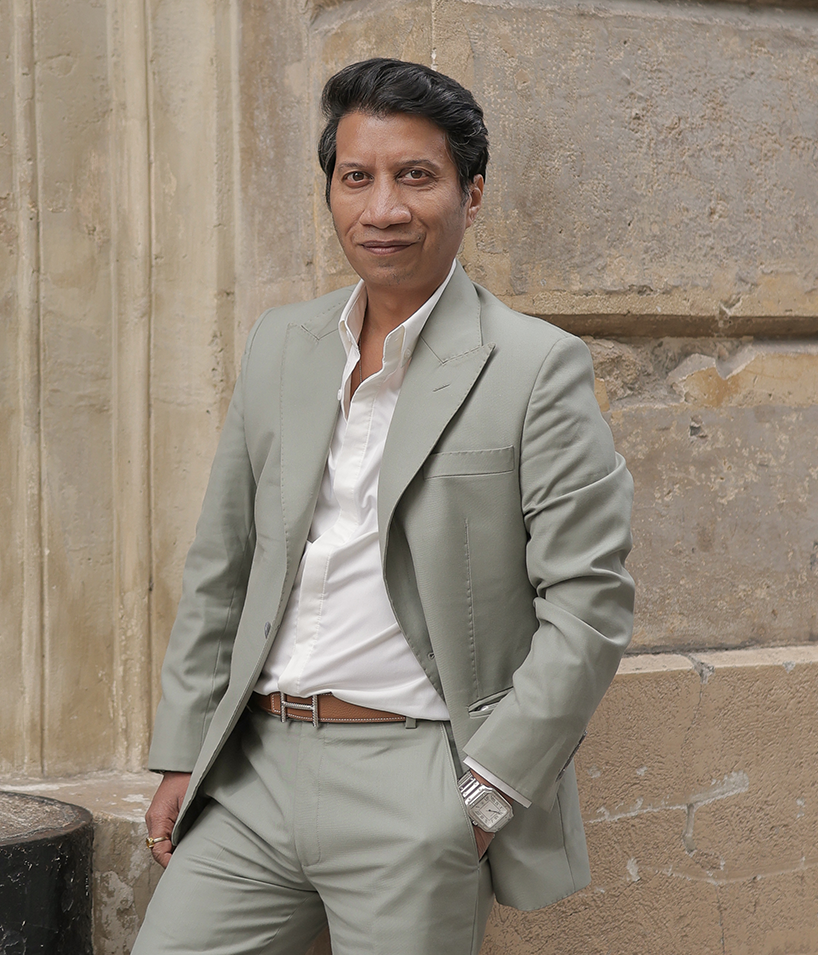
The eleventh episode turns toward the residence as a personal sanctuary. Love Choudhary of AND Studio questions domestic plans configured primarily for public performance or external photography. ‘We should be thinking of designing homes that are not for performance—they are to be lived in, they have to be felt…‘ Choudhary states, noting that architectural framing must step back to let household routines occupy the foreground. In contrast, Reettika Puri of Y Tre Dezeen observes that clients deliberately request expressive entertaining zones for hosting guests. Puri argues that while public reception rooms can support calculated visual drama, utilitarian discipline must govern how private quarters operate.
Kushal Gopanaboina of Studio KXS questions whether maximizing physical ease produces passive domestic environments. Gopanaboina suggests that introducing calculated spatial friction encourages conscious interaction between an inhabitant and the building. ‘Discomfort is the respect you give the design, and comfort is where you don’t put your mind,‘ Gopanaboina observes, describing bedrooms as neutral canvases that occupants alter through daily occupation. Priyanka Singh of Chalk Studio applies this principle to the drafting process, explaining that studios must push through moments of creative resistance to produce responsive, characterful spaces.
The discussion concludes with reflections on what future domestic architecture must protect. Singh urges designers to leave square footage unassigned, creating capacity for habits and milestones that have not yet occurred. ‘How about keeping some space in that home for life that is yet to happen?‘ Singh asks. Choudhary supports this position, noting that houses should offer occupants room to pause rather than dictating an unyielding program of activities. Puri concludes that stripping away rigid functional titles from rooms allows spaces to evolve over decades, keeping homes resilient through continuous daily use.

1/4
project info:
podcast: Room for Utopias
episodes: 10 and 11
theme: Architecture as a Relationship
host: Iñaki Laguardia
speakers: Priya Doon (The Picturesque Studio | @picturesque.studio.design), Gayatri Gunjal (Yellow Sub Studio | @yellowsubstudio), Satyadeep Sonar (Creations & Urban Saints | @creationsbyshilpisonar), Priyanka Singh (Chalk Studio | @chalkstudio.design), Love Choudhary (AND Studio | @andstudio274), Reettika Puri (Y Tre Dezeen | @ytre_dezeen), Kushal Gopanaboina (Studio KXS | @studio_kxs)
This article is part of designboom’s POSTHUMAN UTOPIAS chapter, exploring what happens when humans are no longer the measure of all things. These stories rethink our relationship with the planet through interspecies architecture, living materials, regenerative landscapes and emerging technologies – learn more here! The chapter is presented in partnership with INDX|GLOBAL – a global cultural platform placing Indian architecture, design, and creative intelligence in conversation with the world.
Each designboom editorial series explores one theme in depth through projects, interviews, features and news across architecture, design, art and technology. Discover more chapters here, and get in touch if you’d like to submit a story through our submissions portal or contact form.
shop
your own online design shop — no sales commission collected