doug aitken talks of utopia among oil fields, industrial waste, and decay
at NYC's 303 gallery, HOWL explores the future of an oil-dependent desert town through artworks made from industrial waste.
prefer designboom on google[FEATURED]
an oil town suspended in time
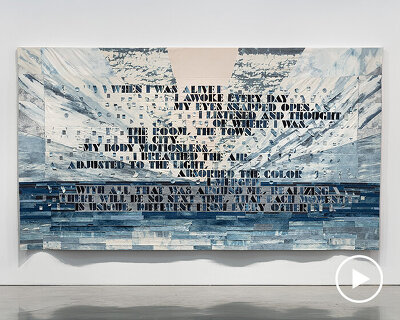
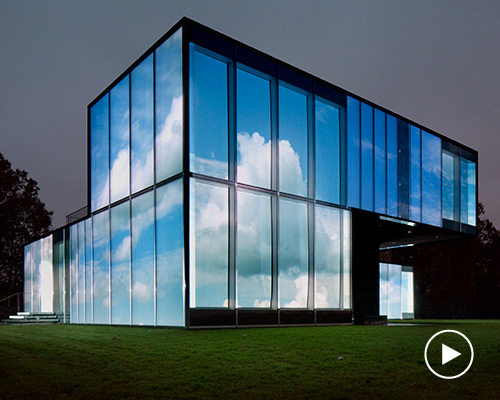
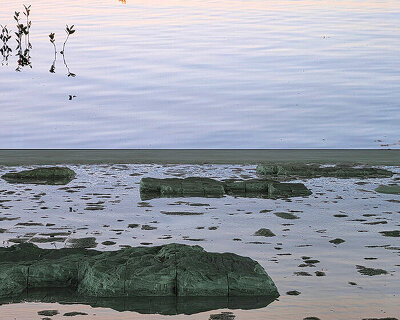
Doug Aitken‘s HOWL, now on view at 303 Gallery in New York, takes us into a remote desert town built around the extraction of oil. The community has depended on the industry for generations, though its future has grown increasingly uncertain. Boarded-up storefronts line the main street, while drilling machinery continues its repetitive work across the surrounding landscape.
Through a film installation and sculptures made with discarded materials, Aitken explores the relationship between the people who live here and the earth beneath their feet. During a walkthrough of the exhibition, the artist speaks with designboom about the conversations that shaped his work and the unexpected ideas of utopia he found along the way.
‘To me, HOWL is kind of a landscape. It’s kind of a liminal landscape,‘ Aitken tells us. He first encountered the town during the pandemic and found himself returning again and again, drawn to a place that seemed lost in time. ‘The architecture was like The Last Picture Show. It was like kind of 1920s Dust Bowl era Main Street, tumbleweed rolling down the street, boarded-up storefronts.‘ Beyond these seemingly deserted streets, he found a community of people who had spent their lives working in the oil fields, alongside others struggling to imagine what might come next.
conversations about survival
As Doug Aitken spent more time in the town, casual conversations with residents eventually became the foundation of the project. He began asking people about their lives and what they imagined for the future. Their responses stayed with him. ‘One of the things that came up again and again in these conversations was I found that I’d be asking some questions, and they’d say to me: ‘No one’s ever asked for my opinion before on this.”
When we ask what a better future looked like to the people he met, Aitken explains that their concerns were immediate. ‘They were about survival, you know, and it really transcended red or blue. It transcended political opinion.‘
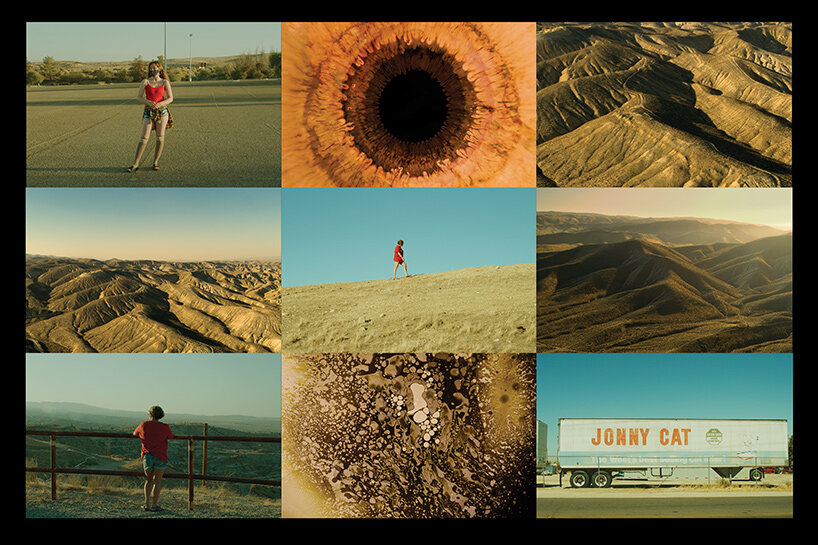
Aitken initially approached HOWL as a documentary, filming residents and their surroundings over several visits. The conventional format felt too rigid, so he set the project aside before returning with another idea. ‘Maybe I should approach this like a musical composition,‘ the artist recalls. Soon, short fragments of conversation became a shifting sequence of voices and landscapes.
a film composed of fragments
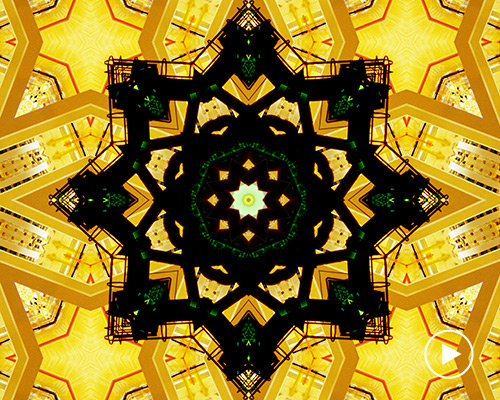
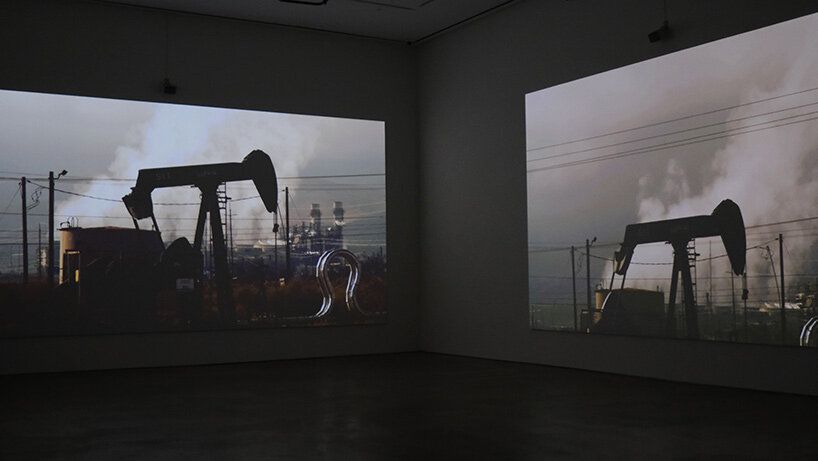
At 303 Gallery, visitors enter a darkened room where projected images move across screens mounted on skeletal wooden structures. Human voices mingle with the rhythms of drilling machinery, while an out-of-place bus stop stands as a place to sit within the installation.
The film moves between the people living in the town and the geological landscape around them. Aitken describes the resulting composition: ‘It’s this kind of stream of consciousness, like this river of different perspectives and voices that are kind of changing and shifting.‘
the materials have their own stories
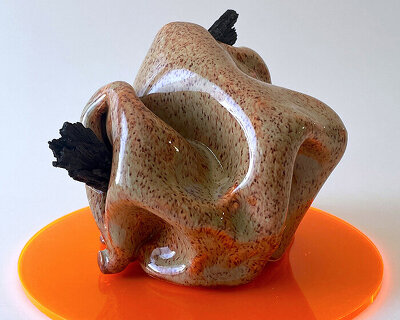
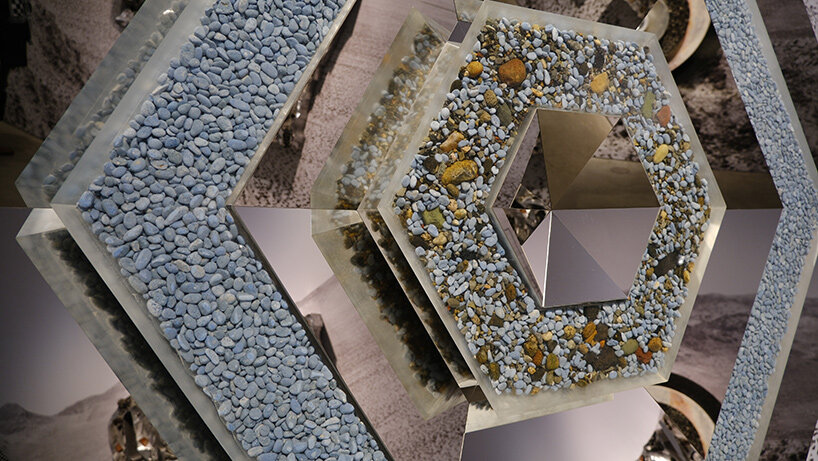
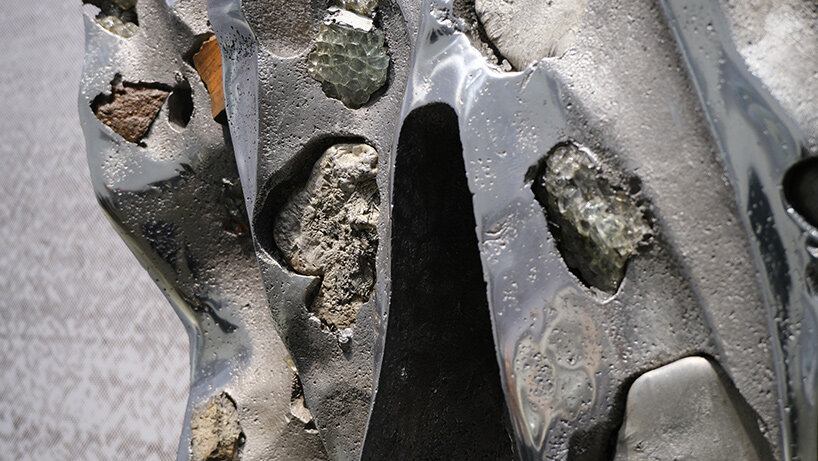
The connection between the landscape and its inhabitants extends into the sculptures surrounding the film. Aitken has gathered materials from urban environments, including microplastics washed onto coastlines and rubber discarded along highways.
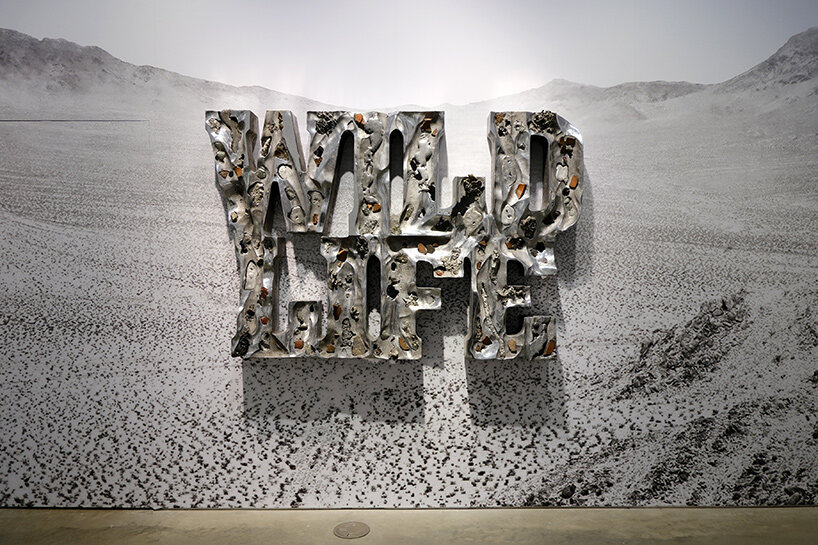
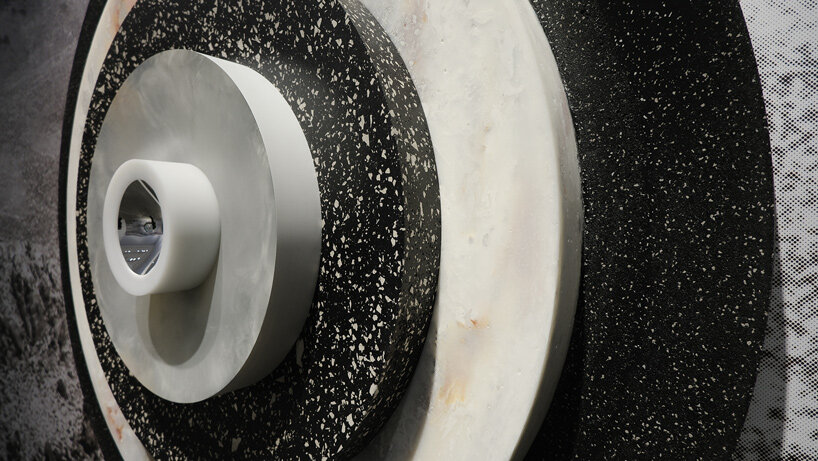
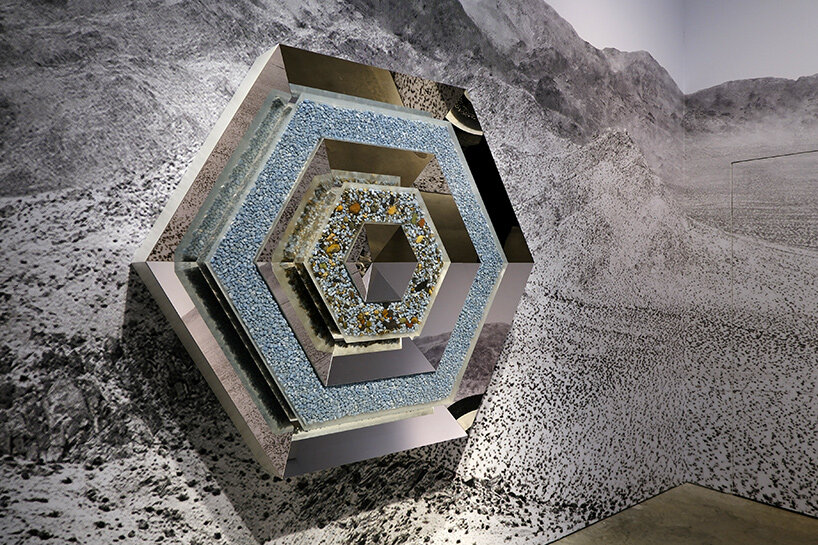
Circular wall works recall targets, with concentric bands of dark, granular material surrounding reflective centers. Elsewhere, polished metallic letters spell out WILD LIFE, their glossy surfaces interrupted by irregular fragments. These works bring the physical leftovers of industrial activity into the gallery, where their textures and origins become part of the experience.
‘I think spending time kind of working on this project, it made me very, very connected with the material history, the landscape, and the stories that kind of come out of it,‘ Aitken explains.
the history beneath the surface
He describes how rubber from shredded car tires became part of the target sculptures, working with an organization that employs formerly incarcerated people to process the material for highway use.
The collaboration introduced another human story into the artwork before its physical form had even taken shape. He says: ‘You have these kind of really interesting collaborations or crossovers, just almost at a DNA level of the artwork before it even becomes shaped and formed in the story.‘
designing for decay and change
Aitken’s interest in the history of materials has begun to influence what he imagines for future projects. He tells us about sculptural works currently in development at his studio, where the passing of time will become an active part of their construction. ‘We’re making sculptural works that have a kind of time cycle,‘ Aitken goes on. ‘Like, they’re meant to erode and transform into something else within a period of time, you know, or to grow.‘
Our conversation turns toward entropy, and the possibility that erosion can be generative as well as destructive. These are forces that architecture and design have traditionally sought to resist, though Aitken seems interested in what might happen if an artwork were allowed to change alongside them.
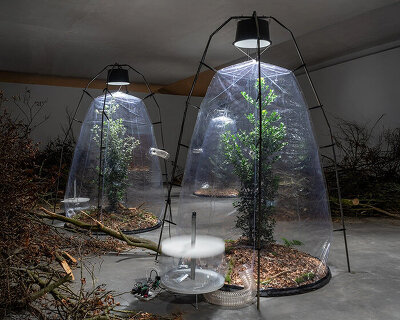
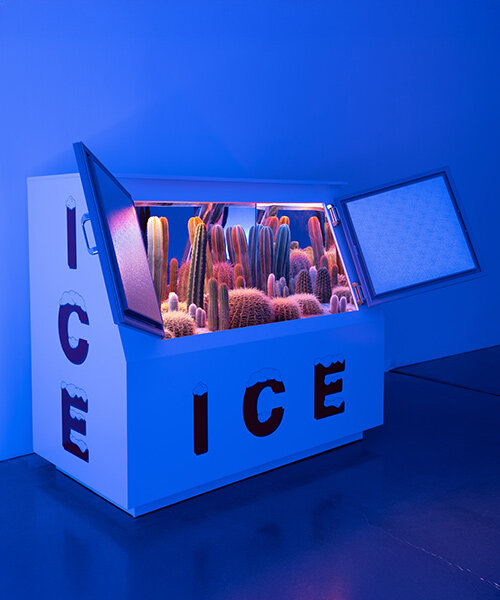
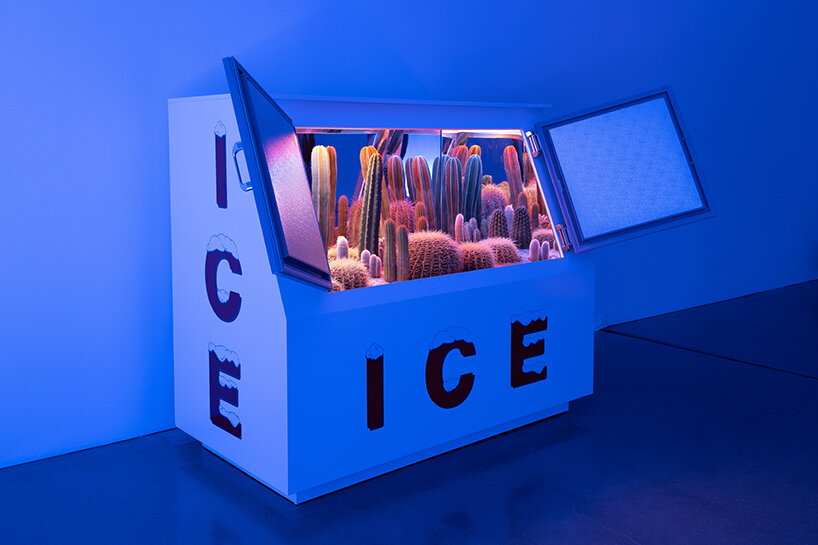
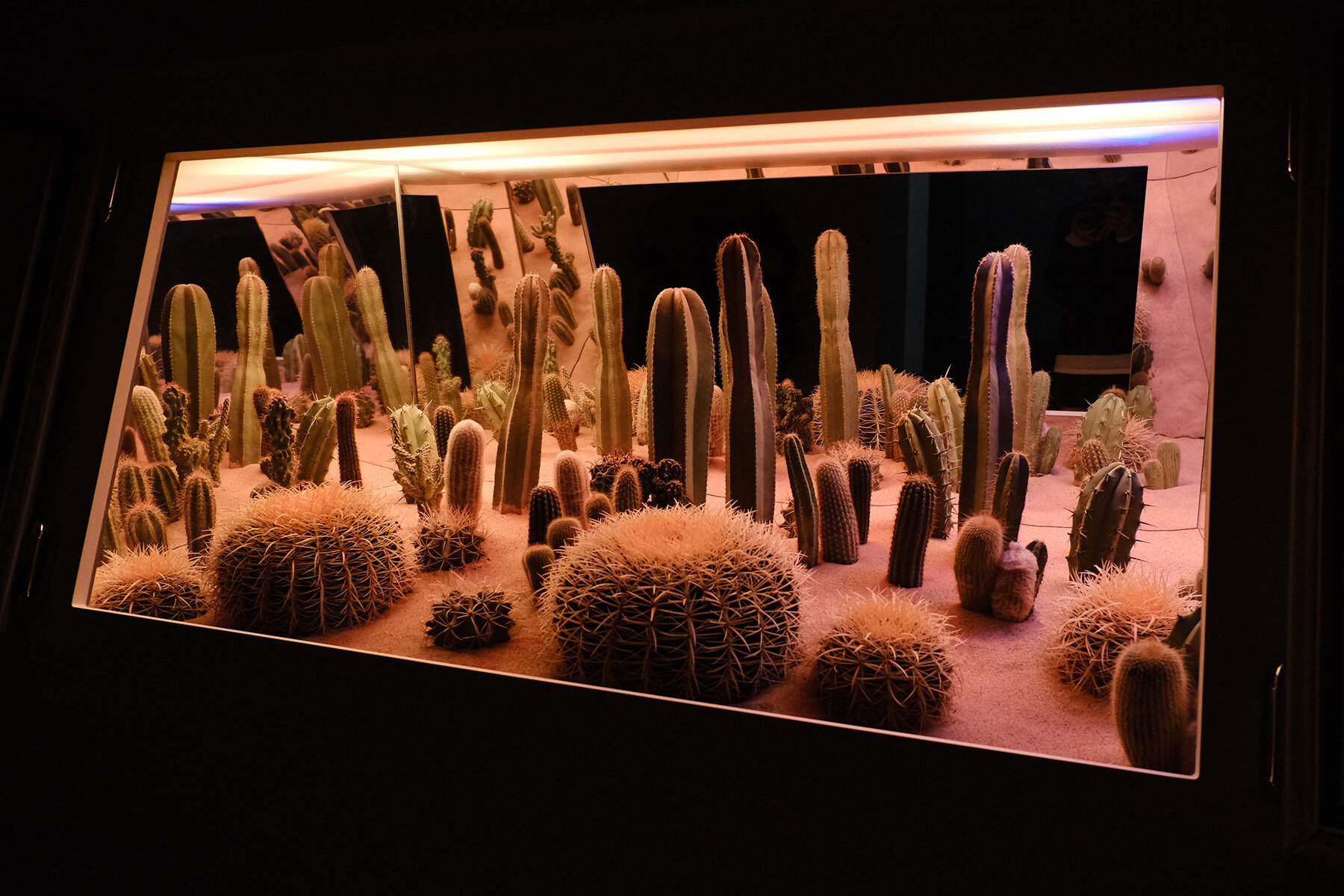
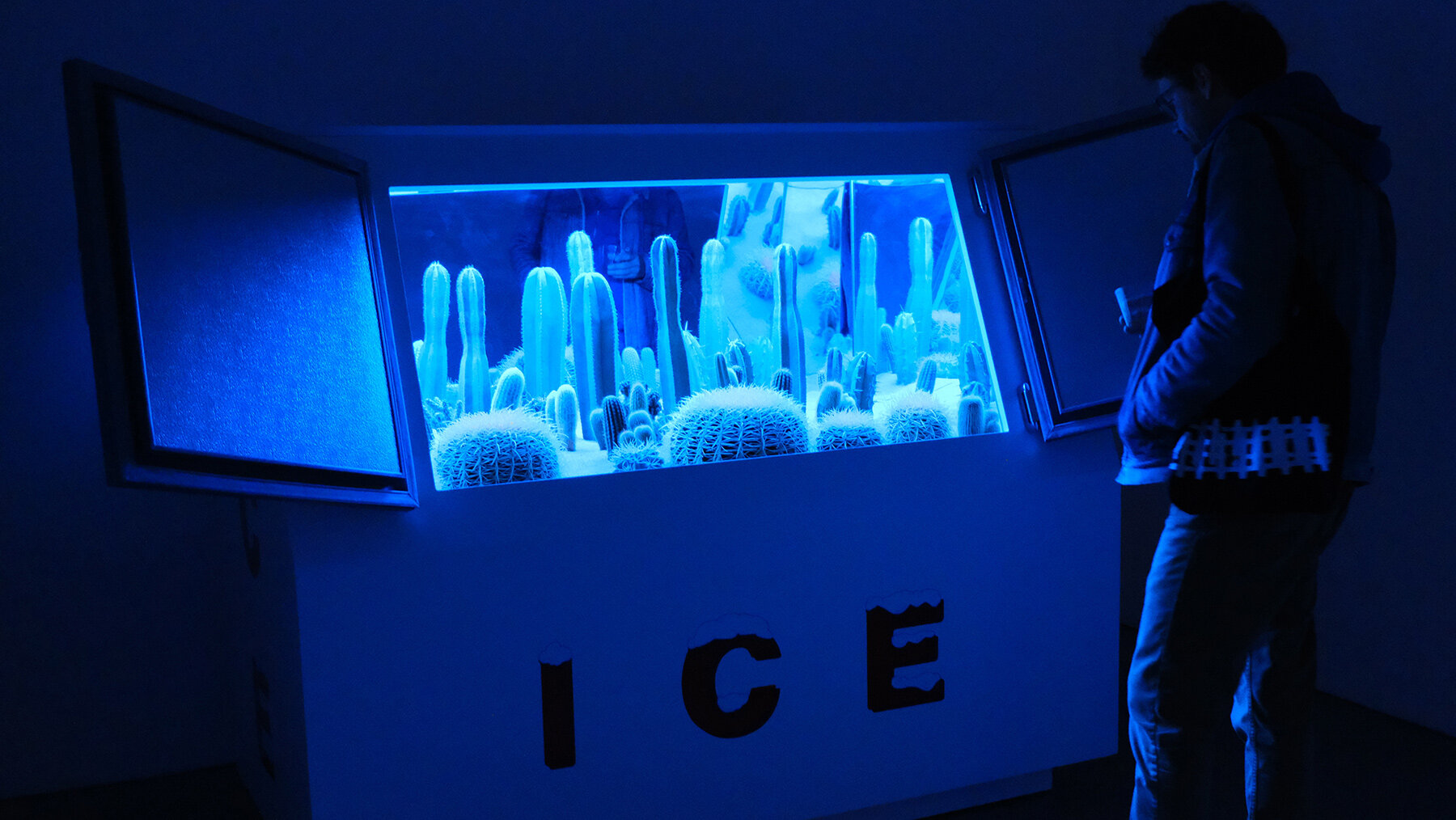
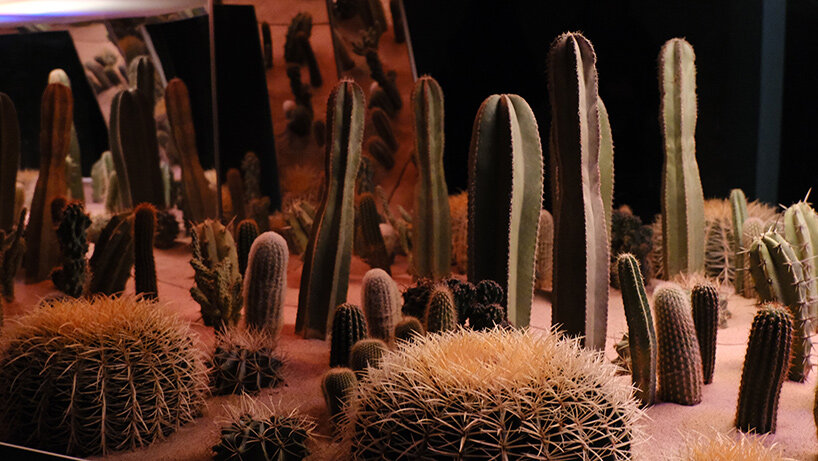
‘How do we take some of those ideas and push them further,‘ he wonders, ‘and make artworks or projects that are maybe intended to kind of embrace entropy and change and, like, decay or build or grow over time instead of just being static.‘ Within the exhibition, his Microcosmos (Ice Machine) offers an unusual image of this relationship: a commercial ice machine opens onto a brightly illuminated ecosystem of living cacti.
utopia as controlled chaos
Returning to the residents of the oil town, we ask Aitken whether he encountered any optimism in their conversations about the future. He remembers a young woman in her twenties, sitting in her car in a parking lot, who began speaking about utopia. ‘She says, ‘I don’t think there is any such thing as utopia. I think the best we’re going to get is controlled chaos. That’s what we’re going to get.”
The remark stayed with him, offering a revealing way to understand HOWL. The people in the film live with an uncertain future, surrounded by an industrial landscape whose own lifespan remains impossible to predict. As Aitken observes, the town may continue for another twenty years, or perhaps a hundred. ‘In the grand scheme of things, it’s also fleeting.‘
When we turn the question back to Aitken and ask what utopia means to him, he takes a moment. ‘I think utopia is kind of a construct. I think it’s kind of a very personal space that each and every one of us has, you know, kind of almost in our imagination.‘
a future discovered in fragments
He compares utopia to musical notes, some of which we hear at different moments in our lives, though rarely all at once. The thought brings us back to the shifting voices of HOWL, and to a landscape constantly altered by the people who occupy it.
‘We have desires and we have visions, and we kind of want to feel we’re moving towards something always,‘ he says. ‘So what we have really is we have a life of breadcrumbs, you know, and we kind of follow these breadcrumbs.‘
For Aitken, utopia exists along that journey, and can be discovered in fragments as the world around us continues to change.
1/4
project info:
artist: Doug Aitken | @dougaitkenworkshop
exhibition: HOWL
gallery: 303 Gallery
location: 555 West 21st Street, New York, NY, USA
dates: November 13th — December 19th, 2026
photography: courtesy Doug Aitken and 303 Gallery, © designboom
This article is part of designboom’s POSTHUMAN UTOPIAS chapter, exploring what happens when humans are no longer the measure of all things. These stories rethink our relationship with the planet through interspecies architecture, living materials, regenerative landscapes and emerging technologies – learn more here! The chapter is presented in partnership with INDX|GLOBAL – a global cultural platform placing Indian architecture, design, and creative intelligence in conversation with the world.
Each designboom editorial series explores one theme in depth through projects, interviews, features and news across architecture, design, art and technology. Discover more chapters here, and get in touch if you’d like to submit a story through our submissions portal or contact form.
shop
your own online design shop — no sales commission collected