interview: meeting the soft, breathing creatures of katrijn westland
through touch, movement, and unexpected gestures, the designer explores how textile creatures can change our relationship with everyday materials.
prefer designboom on google[FEATURED]
Westland makes textiles that move and respond
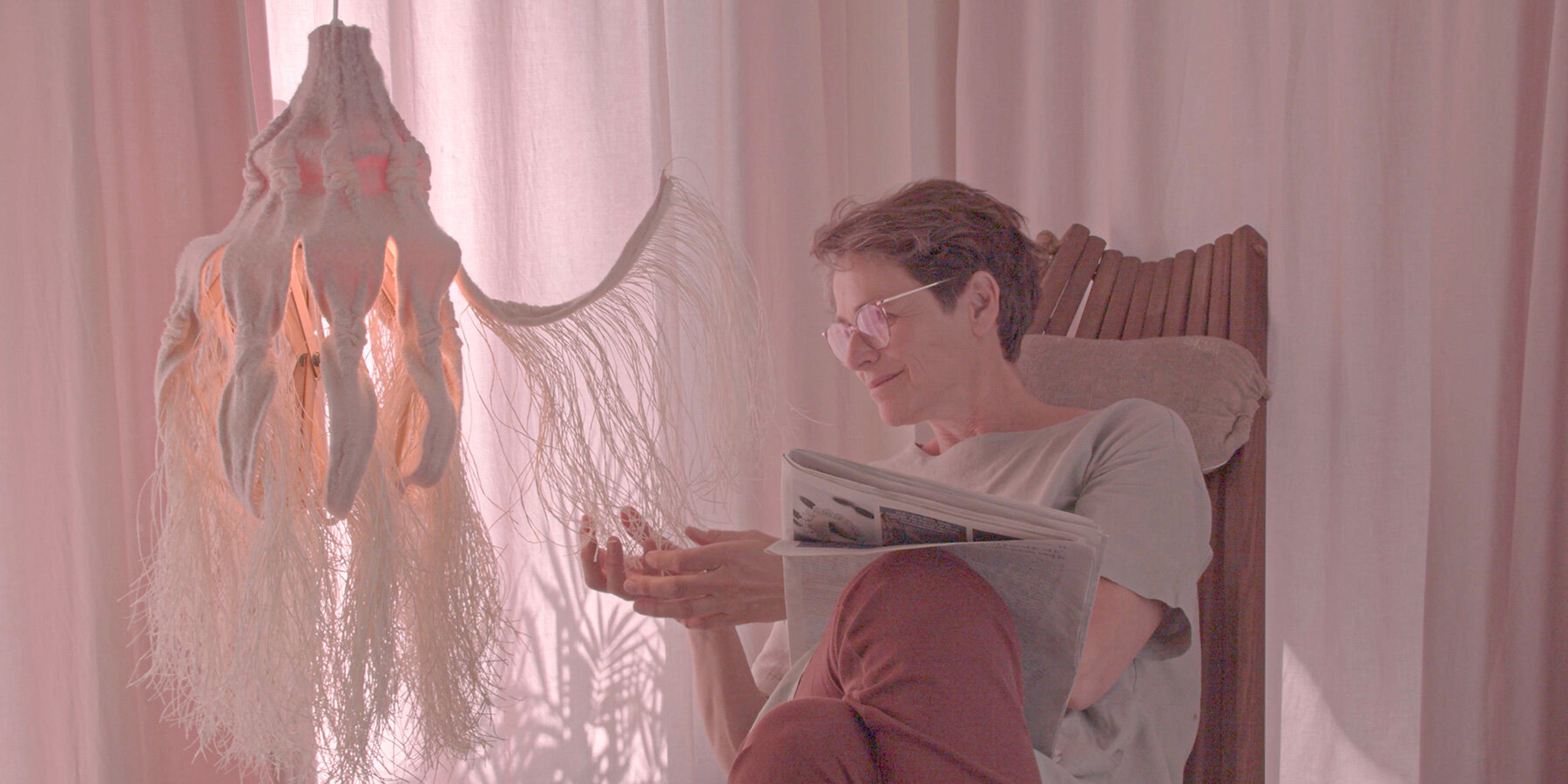
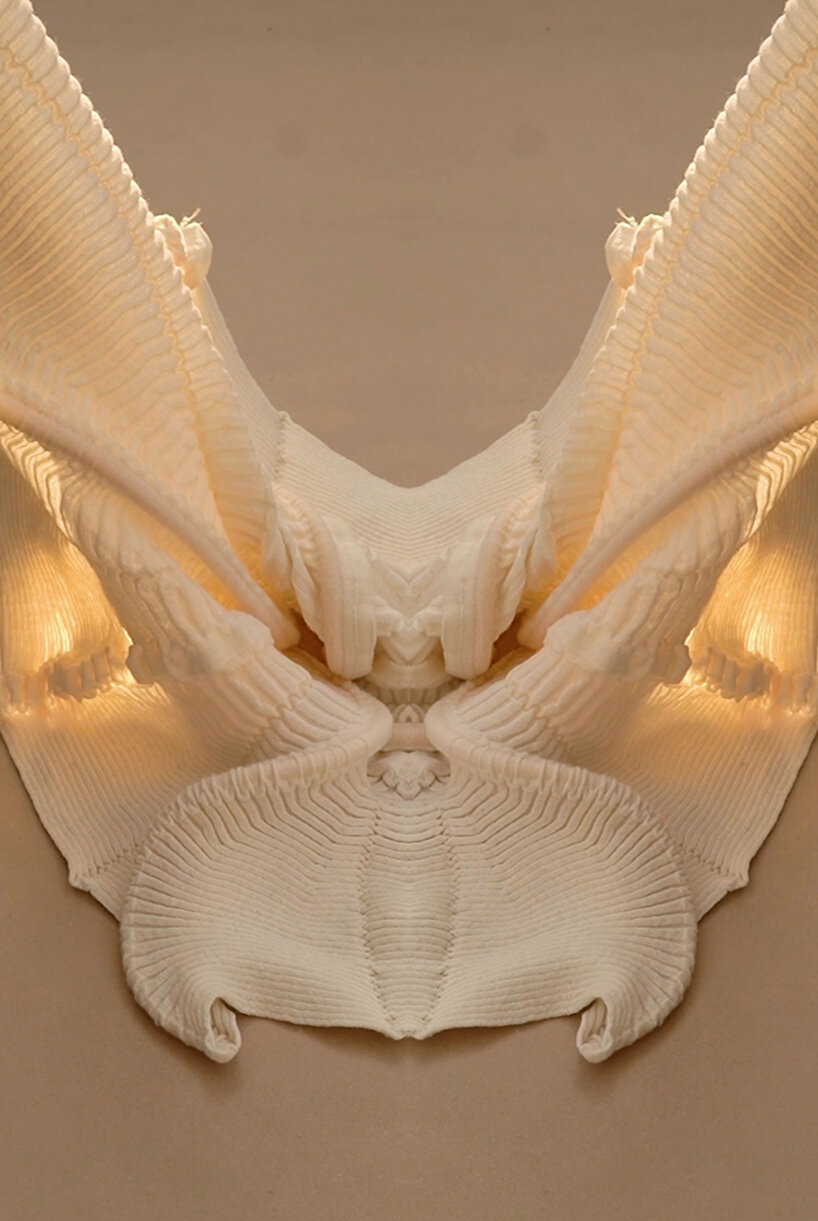
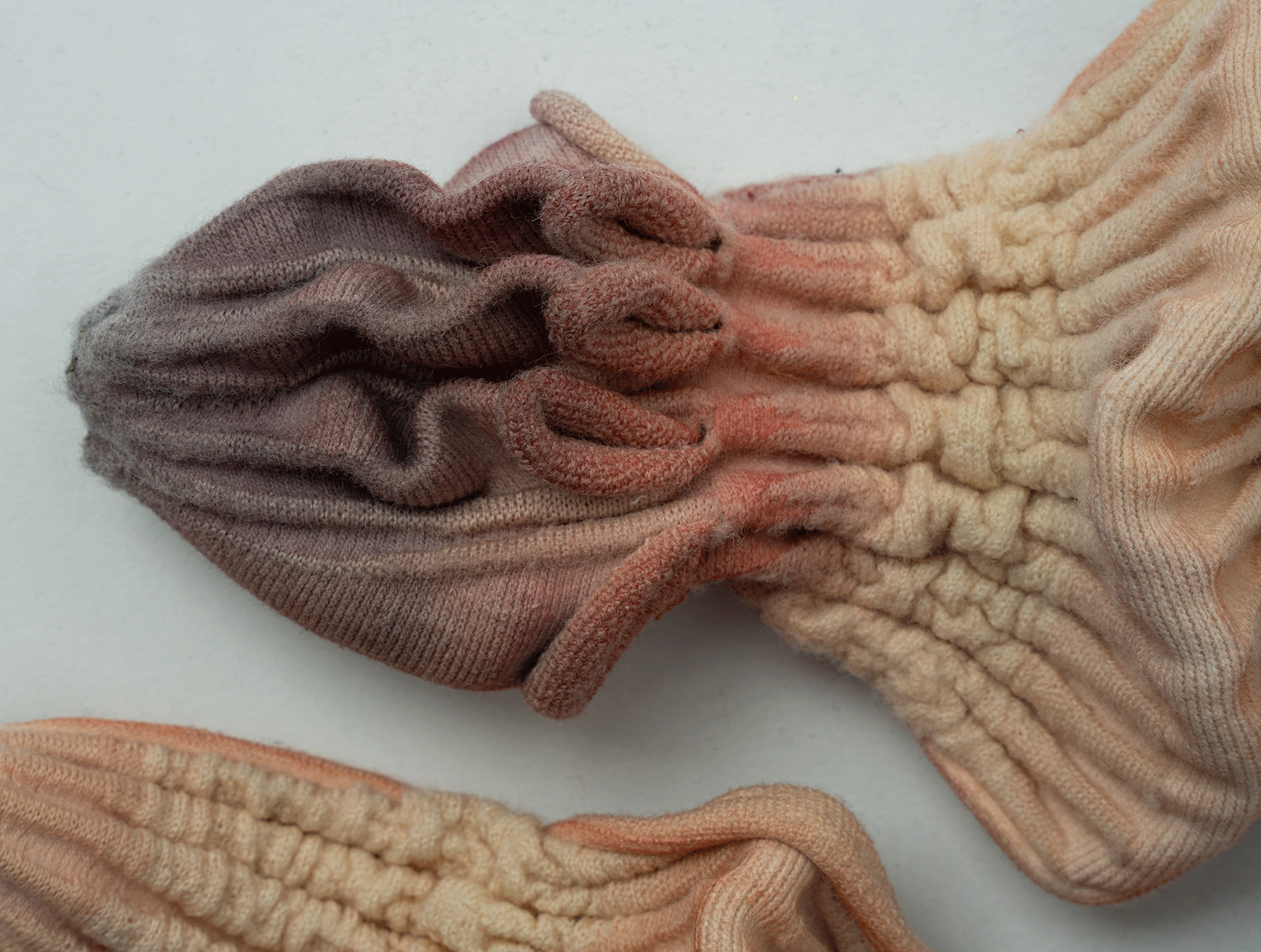
Katrijn Westland’s Soft Companions brings together knitted textiles, natural dyes, sensors, and pneumatic systems to create a collection of creature-like objects that breathe, move, emit warmth, and respond to touch. Developed through the Dutch designer’s background in scenography and interaction design, the project considers what happens when design stops looking at materials as passive objects and treats them as entities with behaviors that invite human attention and care.
Westland creates an ecology of sensory-responsive companions that invite us to reconsider how we relate to the material world. Her interest in this relationship starts with textiles. We are in constant contact with them, through the clothes we wear and the fabrics we touch every day, but she sees much more potential in the way they can respond to us. Her background in multisensory scenography, working with materials, textures, scent, flavor, and movement, made her curious about how a material’s behavior can shape an experience. This curiosity now informs her work with textiles that move, react to touch, and invite interaction. ‘Soft Companions emerged from bringing these interests together, exploring how knitted textiles could become something other than passive materials, inviting sensory interaction and acts of care,’ she tells designboom.
from maintenance to reciprocal care
Through Soft Companions, Westland questions why care is so often associated with living beings and whether it might also extend to the materials around us. Washing, repairing, brushing, and preserving them are understood as forms of maintenance, practical actions intended to extend the lifespan of an object. The textile and interaction designer proposes looking at these gestures differently, particularly in a culture where material relationships are many times organized around consumption and replacement. ‘What interests me about the notion of reciprocity is that it asks us to pay attention,’ she explains. ‘Rather than expecting a material to simply fulfill our needs, we might start noticing its qualities, responding to its behavior, and adjusting our own actions accordingly.’
Westland gives her textiles seemingly lifelike behaviors to investigate whether people might develop a sense of responsibility towards something they would ordinarily consider an inanimate material. Could we become attached to a textile creature, feel protective of it, or even become frustrated with it? She draws an interesting parallel with Gary Dahl’s Pet Rock (1975), which presented an ordinary stone as a pet, complete with instructions for its care. By assigning an unexpected role to something seemingly inanimate, the project exposed how easily human behavior can change when the context surrounding an object changes.
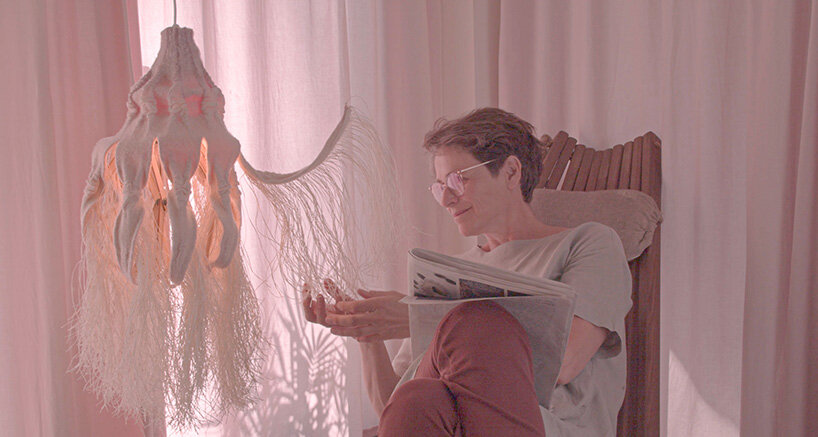
giving textiles a sensory language
The companions communicate through a vocabulary of movement and sensation. Some breathe, purr, vibrate, or warm the body, while others respond to touch or environmental conditions. The designer is interested in understanding how combinations of familiar characteristics can evoke a sense of liveliness. ‘A question that often comes up is, “Why isn’t it a cat?”’ Katrijn Westland shares. ‘But giving something the appearance of a cat also creates expectations about how it should behave and how we should interact with it.’ These creatures suggest something living without defining what they are or how people should approach them. Their behaviors become a kind of sensory language. Purring, for instance, is commonly associated with comfort and contentment, while changes in breathing rhythms can indicate calmness, restlessness, or anxiety. The absence of familiar facial expressions leaves these interpretations open.
Westland’s approach also draws on research into how people attribute intentions and emotions to non-human forms. In An Experimental Study of Apparent Behavior (1944), psychologists Fritz Heider and Marianne Simmel demonstrated how viewers assign intentions and emotions to simple moving geometric shapes. More recently, Kensho Miyoshi’s Designing Objects in Motion: Exploring Kinaesthetic Empathy (2020) examines how people experience the movement of non-human objects through their bodies. Textiles introduce another dimension to this relationship. Their softness and flexibility mean that movement is not only something to observe but something that can also be experienced through physical contact.
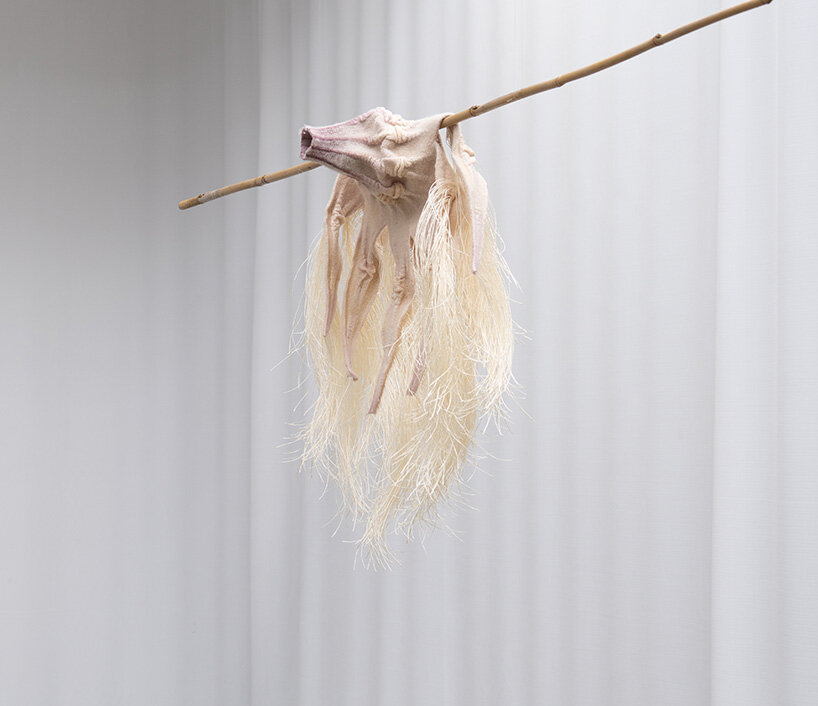
An unexpected discovery during prototyping was that imperfection could make an object feel more alive. Early works were technically clumsy, but their awkward movements made them more endearing. In one experiment, Westland attached very long textile hairs to a Roomba, which gradually became entangled in them as it moved around. ‘As it moved around, it slowly became entangled in its own hair, almost as though it were eating itself,’ she recalls. ‘Peers immediately wanted to intervene and help it get unstuck.’
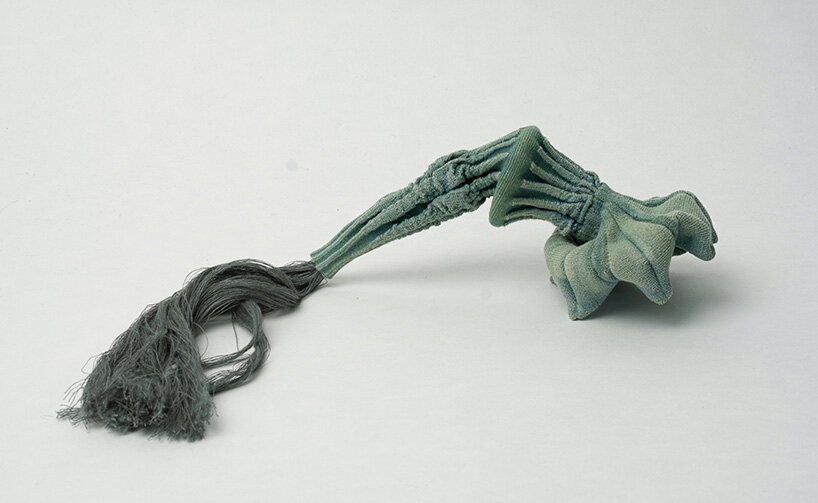
designing with materials rather than controlling them
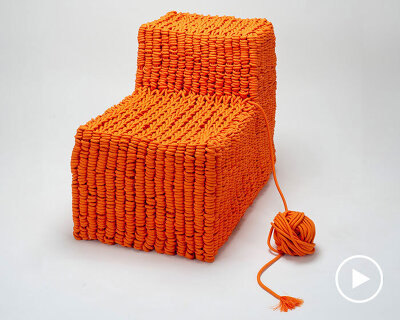
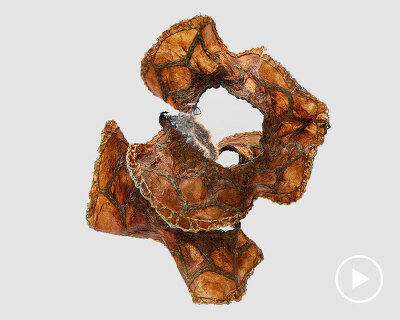
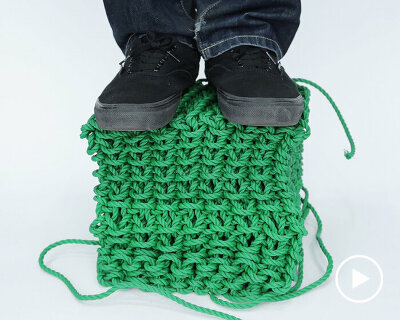
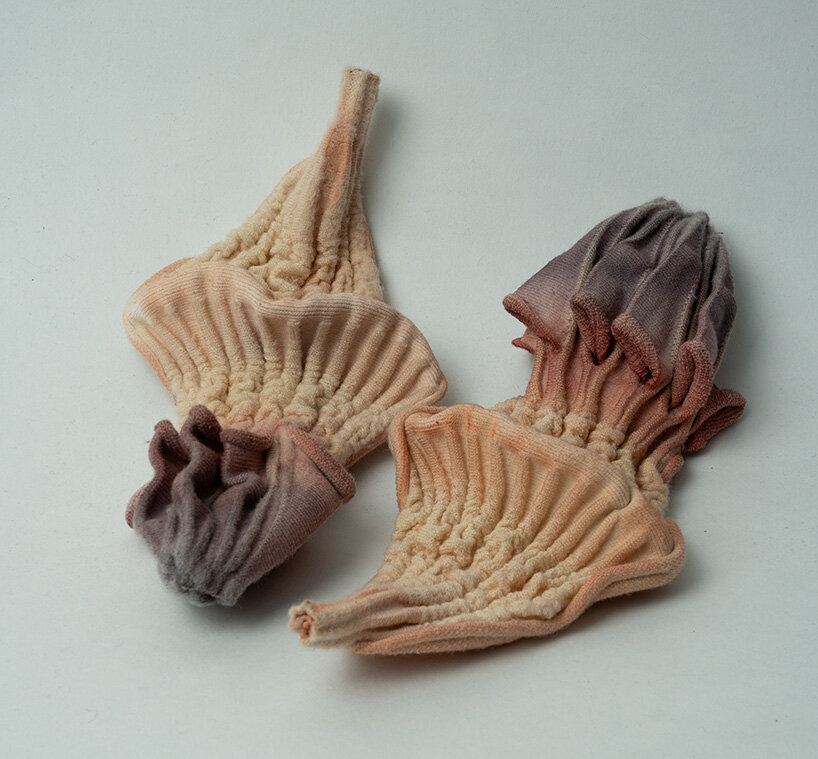
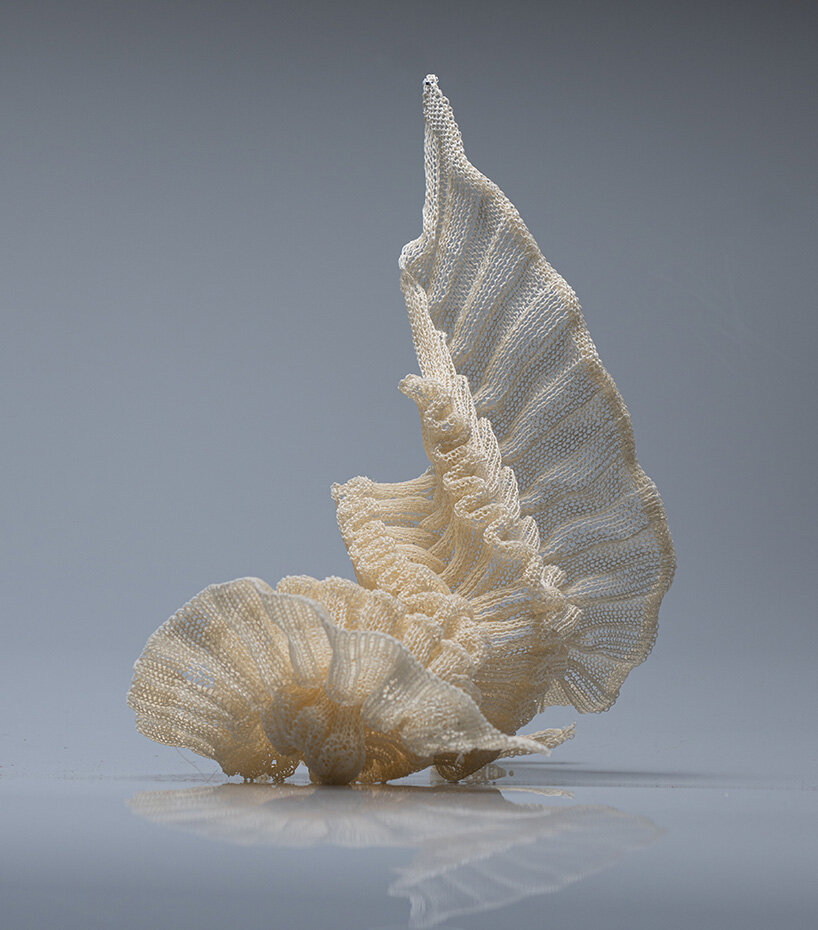
With Soft Companions, Katrijn Westland considers the qualities, limitations, and behaviors of materials as active contributors to the design process. Knitted structures, for instance, can stretch, curl, fold, or resist in unexpected ways. The designer uses these characteristics as starting points for experimentation. A particular knitted structure might suggest a new movement, while a pneumatic mechanism might require a lighter or more flexible textile. The creatures are developed around three interconnected elements: their skin and muscles, bones, and heart. Their skins consist of knitted structures made from different yarn combinations, natural dyes, and textile treatments. Pneumatic or mechanical structures form their bones, enabling movement and transformation, while a small printed circuit board connects sensors and actuators to activate their behaviors.
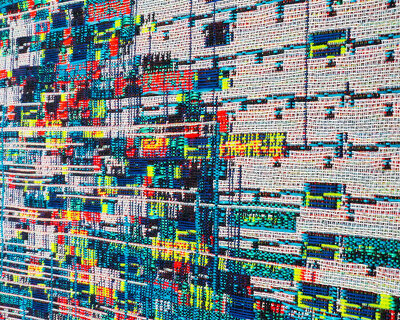
In our conversation, Westland points to the historical connections between textile production and computing, from the punched-card system of the Jacquard loom, which influenced early computer programming, to the core rope memory of the Apollo Guidance Computer, whose software instructions were physically woven into memory modules. With Soft Companions, she brings these histories together through a contemporary application of e-textiles, combining traditional material knowledge with responsive systems. ‘Rather than letting the technology overpower the material, I’m interested in how the two can enhance one another, creating new possibilities for movement, sensory expression, and interaction while retaining the textile’s own character,’ she explains.
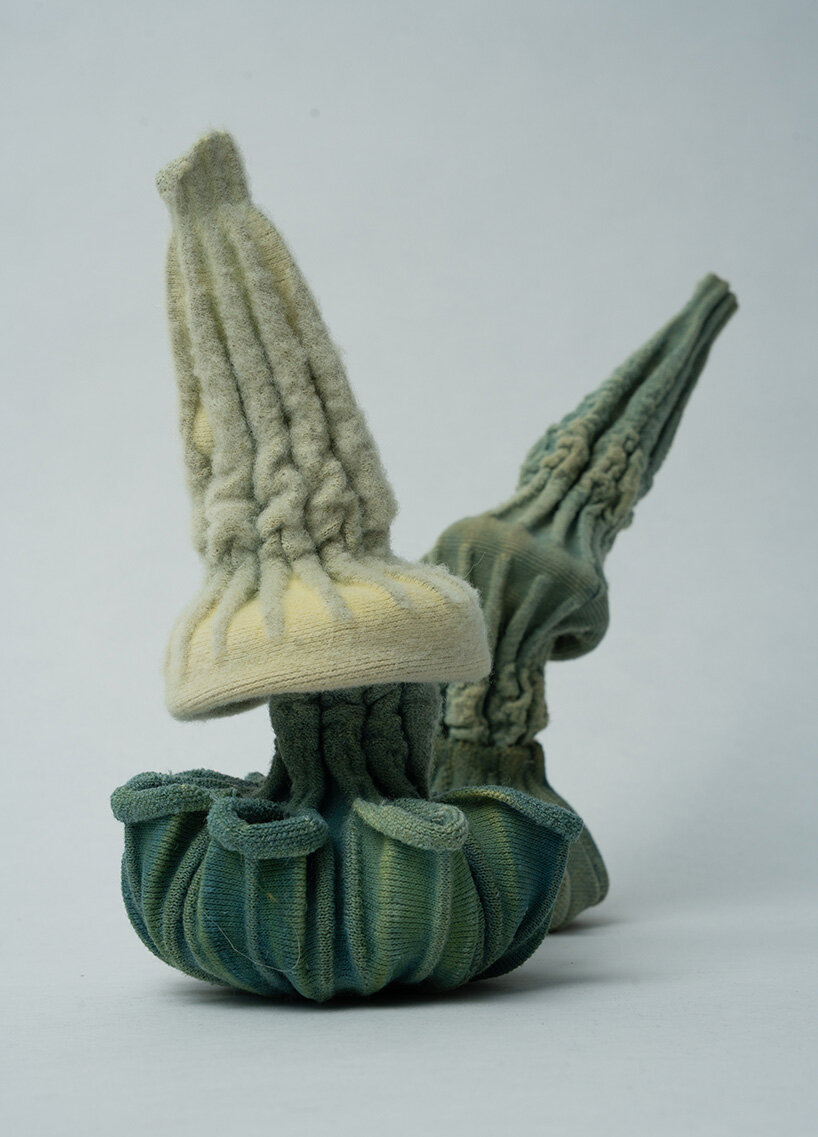
the physical experience of companionship
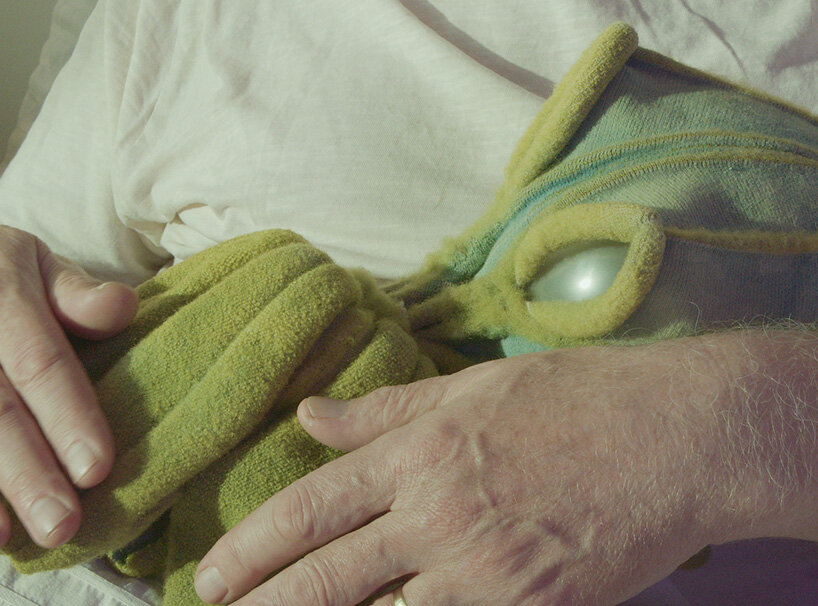
While their movements can suggest a sense of autonomy, much of the companions’ character becomes apparent through physical interaction.‘There is a big difference between seeing something breathe and actually holding it while it expands and contracts against your body,’ Katrijn Westland highlights. Touch is particularly important because it is inherently reciprocal. When we touch a material, we are simultaneously being touched by it. Its texture, temperature, resistance, and movement influence our physical responses, shaping how we approach and interact with it.
During testing, certain textures encouraged people to stroke or groom the creatures, while their movements prompted users to adjust their actions. Westland also discovered that the context of an encounter could significantly influence how people responded. The way a creature was introduced, the language used to describe it, and the environment in which it was placed all contributed to the interaction. When the companions were put up for adoption, people began developing individual relationships with them. Their sensory responses were far from universal. What one person experienced as comforting or calming could feel unpleasant or overstimulating to someone else.
‘This has made me curious about how textile qualities and behaviors could be tailored to different sensory preferences and needs,’ she tells us. Many participants even gave their creatures names, showing they had formed a personal connection with them.
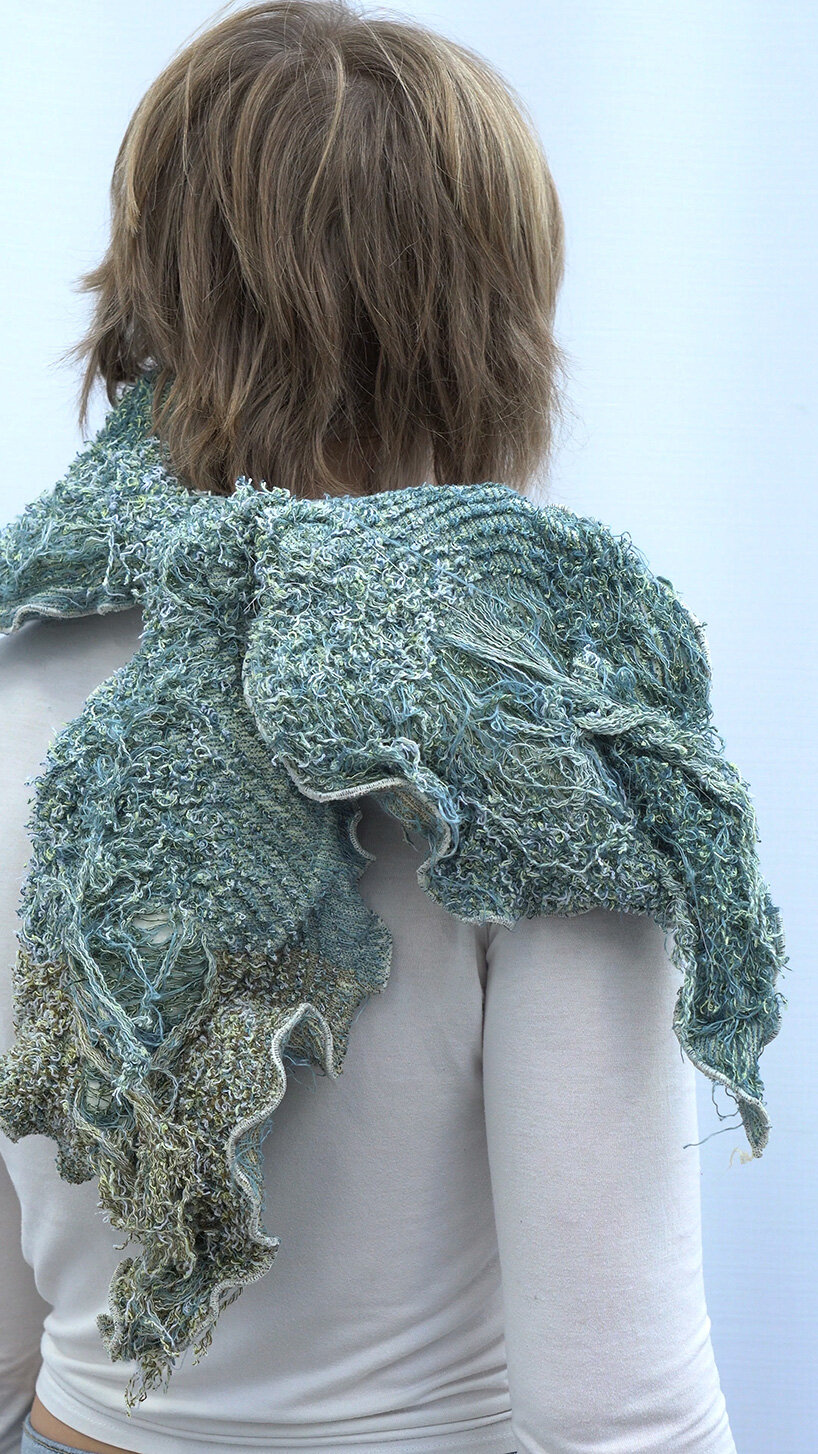
imagining new forms of coexistence
Katrijn Westland sees Soft Companions as a way to explore how humans might live alongside and care for materials that are not alive. The idea is connected to a broader interest in our relationship with the non-human world, but it also comes from familiar experiences, such as looking after plants, becoming attached to everyday objects, or developing small habits around the things we use and live with. The project brings together different families of textile creatures, each with their own behaviors and preferences. Some are designed to stay close to the body, while others can become part of shared spaces at home or elsewhere. Not all of them need regular attention. Some simply remain in the background, occasionally inviting people to touch or interact with them.
For Westland, companionship does not have to be about what something can do for us. It can also grow through spending time with it, paying attention to it, and getting used to the way it behaves. She now wants to explore how people with different sensory preferences and care needs respond to the creatures. So far, the project has been developed through material experiments and tests with her peers. Her next step is to involve a wider range of people and understand how they experience the creatures in different ways. She is also preparing to begin a new research position focused on temporal and biofabricated textile experiences, opening another direction for the questions raised by Soft Companions. ‘Where the current companions evoke a sense of liveliness through their movements and responses, I’m curious about what happens when the material itself can grow, change, age or require care in more direct ways,’ she reflects.
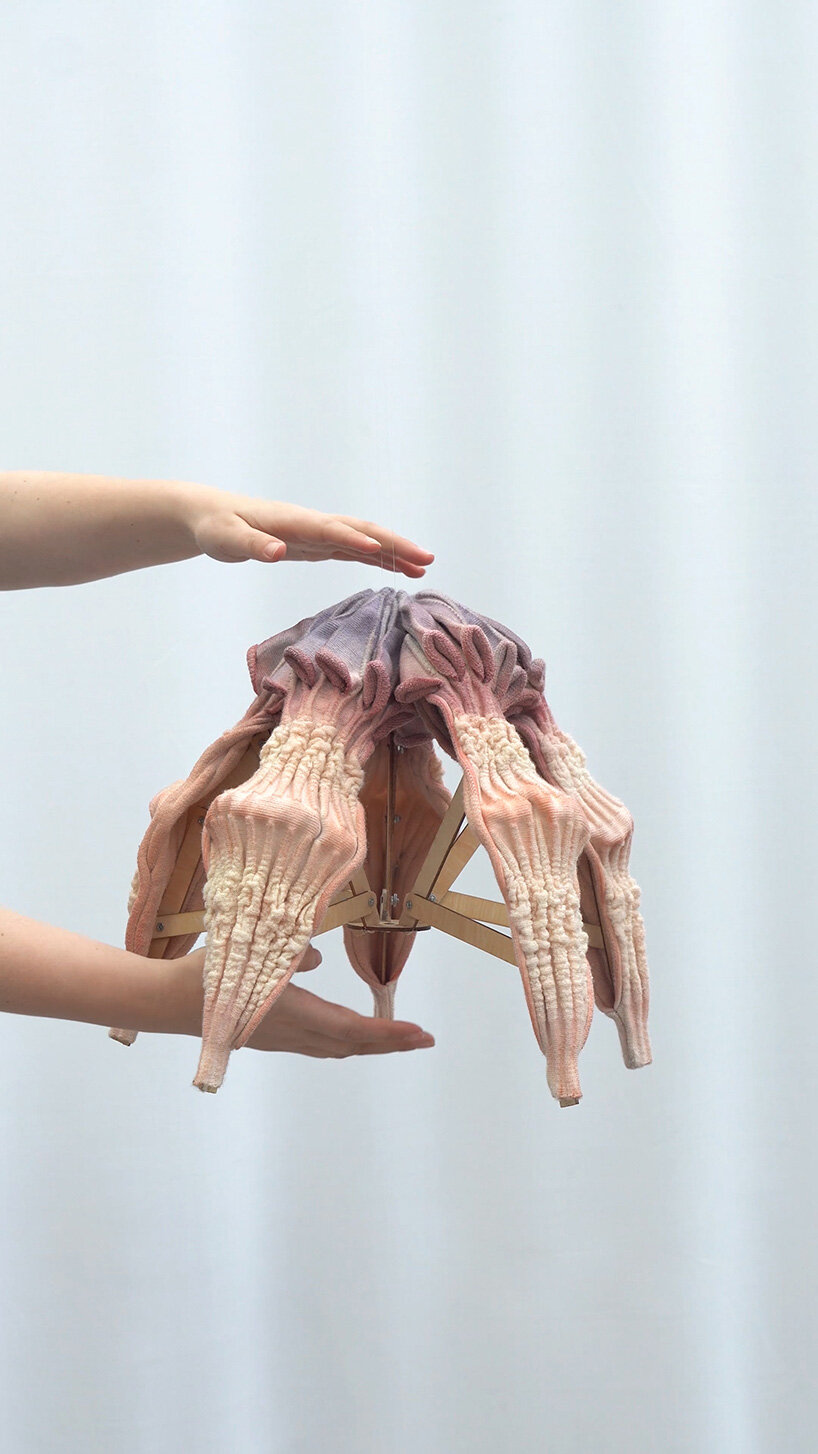
Rather than letting the technology overpower the material, I’m interested in how the two can enhance one another, creating new possibilities for movement, sensory expression and interaction while retaining the textile’s own character.
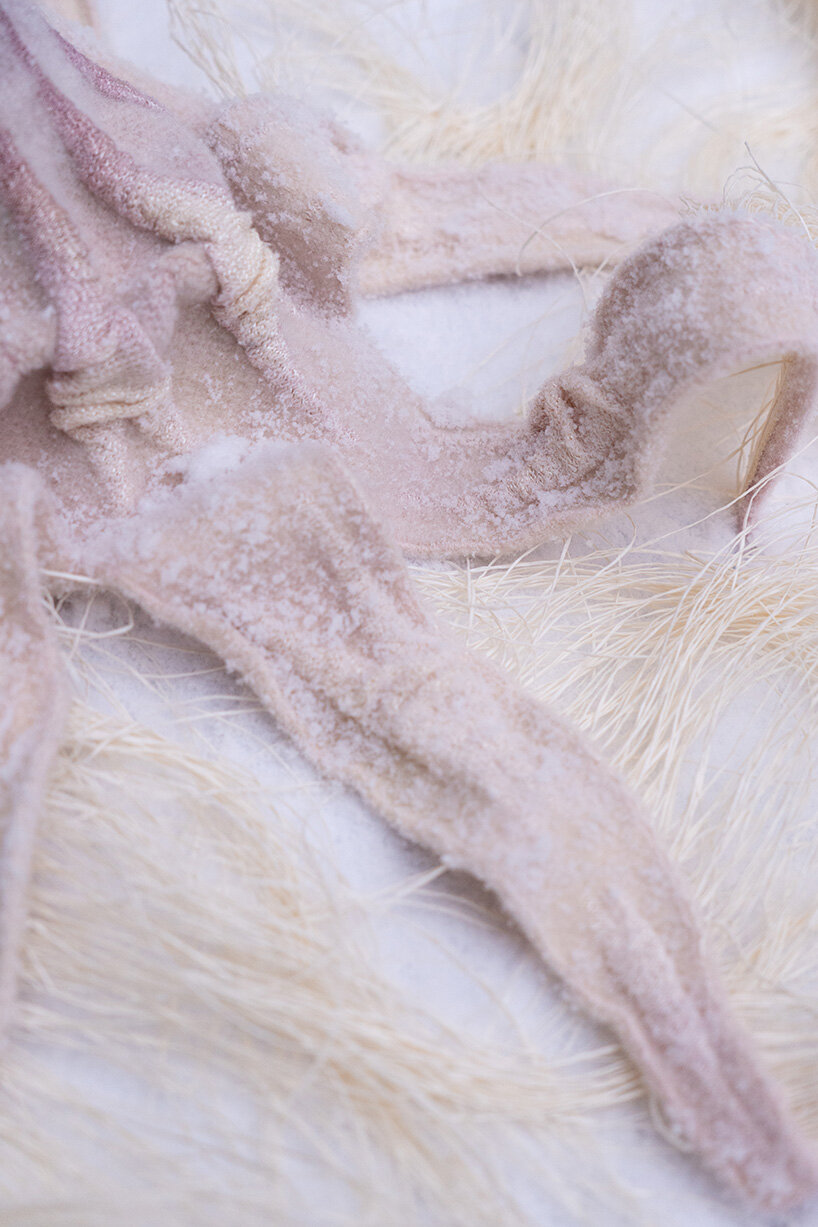
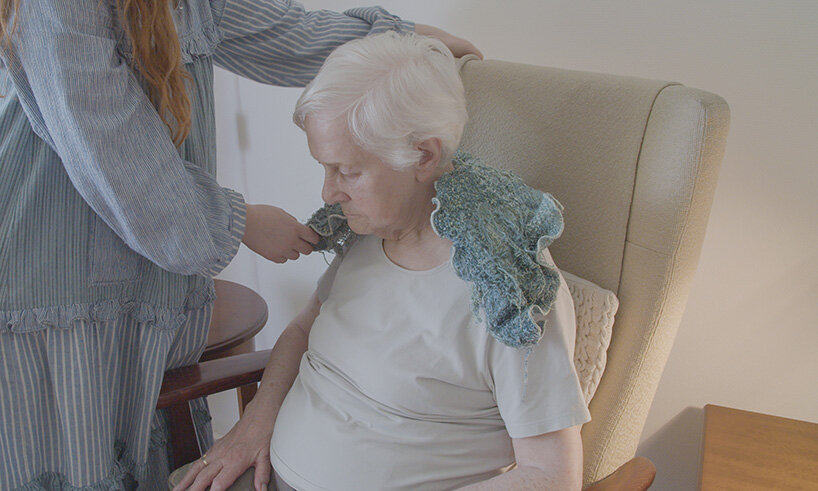
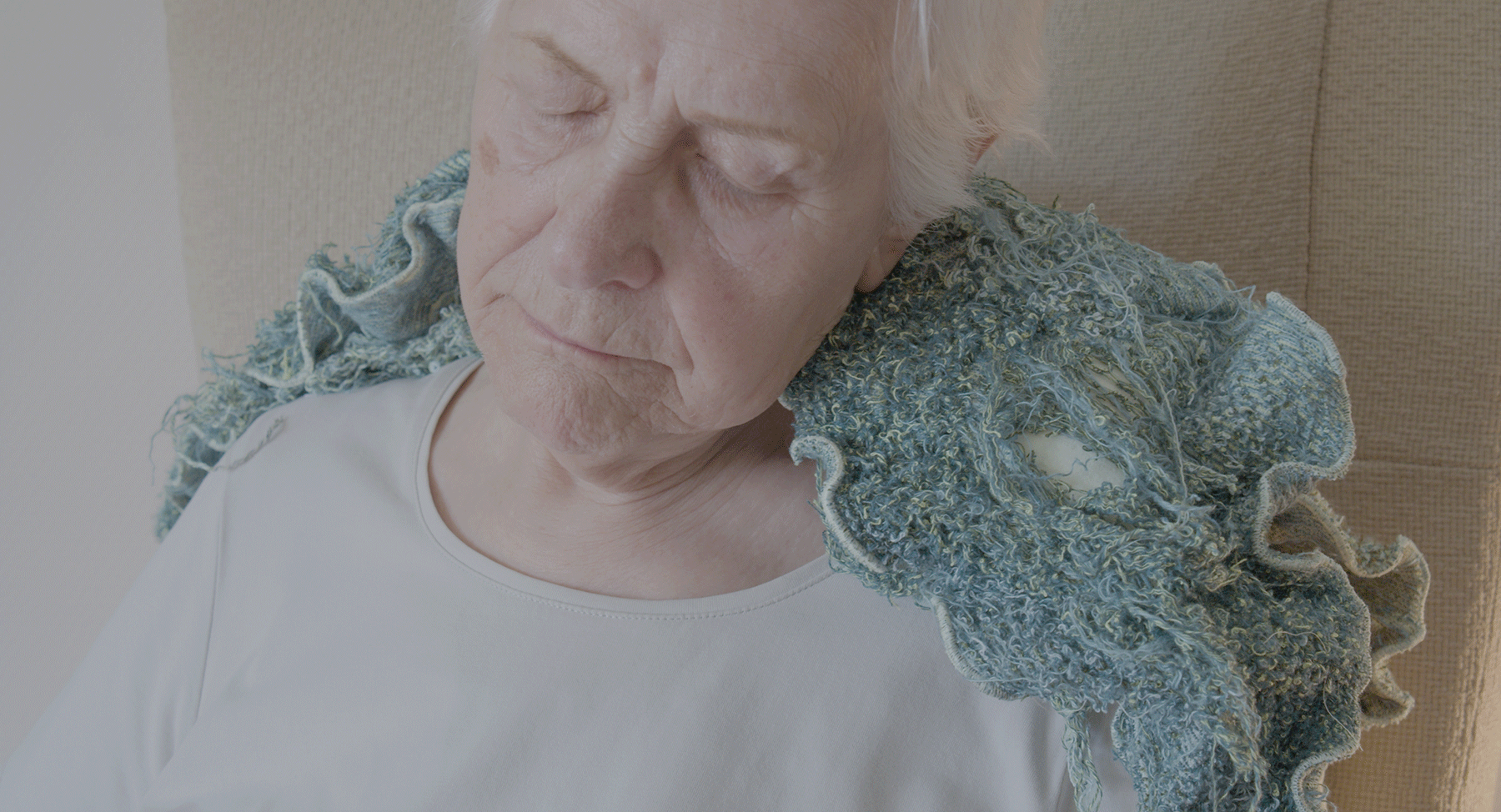
There is a big difference between seeing something breathe and actually holding it while it expands and contracts against your body.
project info:
name: Soft Companions
designer: Katrijn Westland | @katrijnwestland
This article is part of designboom’s POSTHUMAN UTOPIAS chapter, exploring what happens when humans are no longer the measure of all things. These stories rethink our relationship with the planet through interspecies architecture, living materials, regenerative landscapes and emerging technologies – learn more here! The chapter is presented in partnership with INDX|GLOBAL – a global cultural platform placing Indian architecture, design, and creative intelligence in conversation with the world.
Each designboom editorial series explores one theme in depth through projects, interviews, features and news across architecture, design, art and technology. Discover more chapters here, and get in touch if you’d like to submit a story through our submissions portal or contact form.
shop
your own online design shop — no sales commission collected