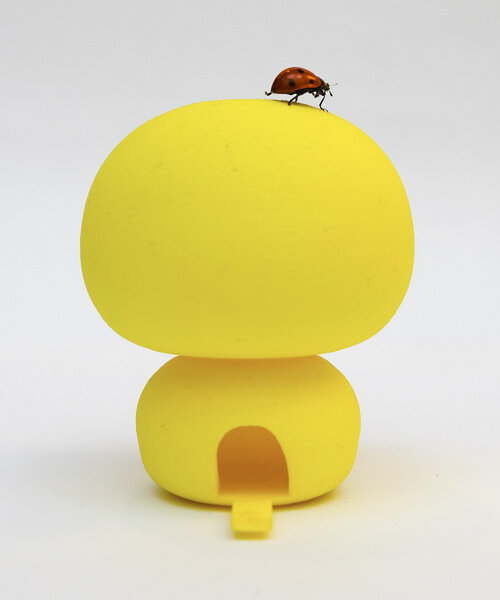
angelo renna’s eight principles for welcoming non-human life back into our cities
challenging decades of sanitized, anthropocentric urbanism, angelo renna proposes a shift from development to co-evolution, offering strategies to welcome plants, insects, birds, and wildlife back into everyday city life.
prefer designboom on google[FEATURED]
Practising Multispecies
Normally, animals live in parts of our cities that are underused or ignored. They are often an unseen presence, almost like ghosts, as we tend to avoid one another in everyday life. Over the last fifty years, human activities have caused the loss of more than two-thirds of the world’s wildlife population, according to a new report from the World Wildlife Fund, stating that their “findings are clear” and “our relationship with nature is broken”. More and more non-human species are forced to adapt to live in urban environments in order to survive. Cities have become extreme habitats: polluted and noisy, dominated by artificial light and concrete. In these unfamiliar conditions, some species disappear, while others adapt to their new surroundings.
Can we preserve nature by looking forward? What kind of world do we need to build for another kind of world to emerge? How should we balance different, potentially conflicting values, such as nature protection, individual animal welfare and human safety? Here is a set of guidelines on how urban design may harness the power to create an environment for other species to thrive.
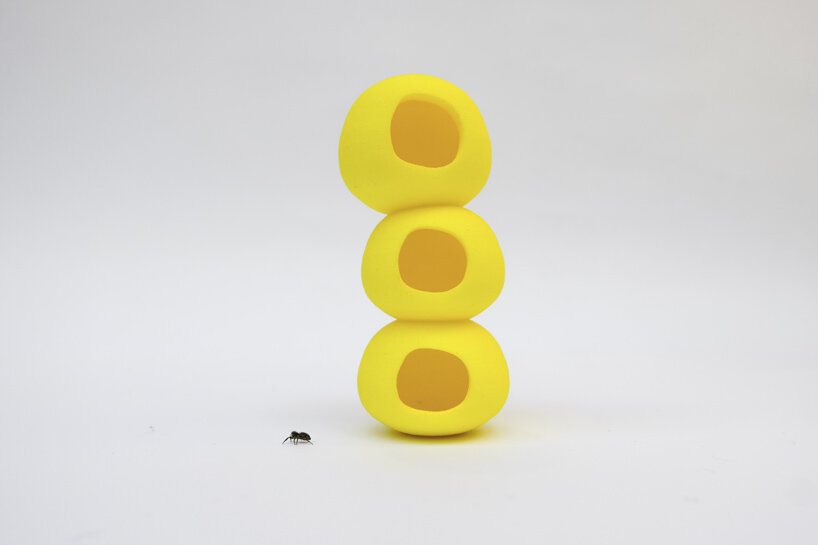
Welcome the non-human
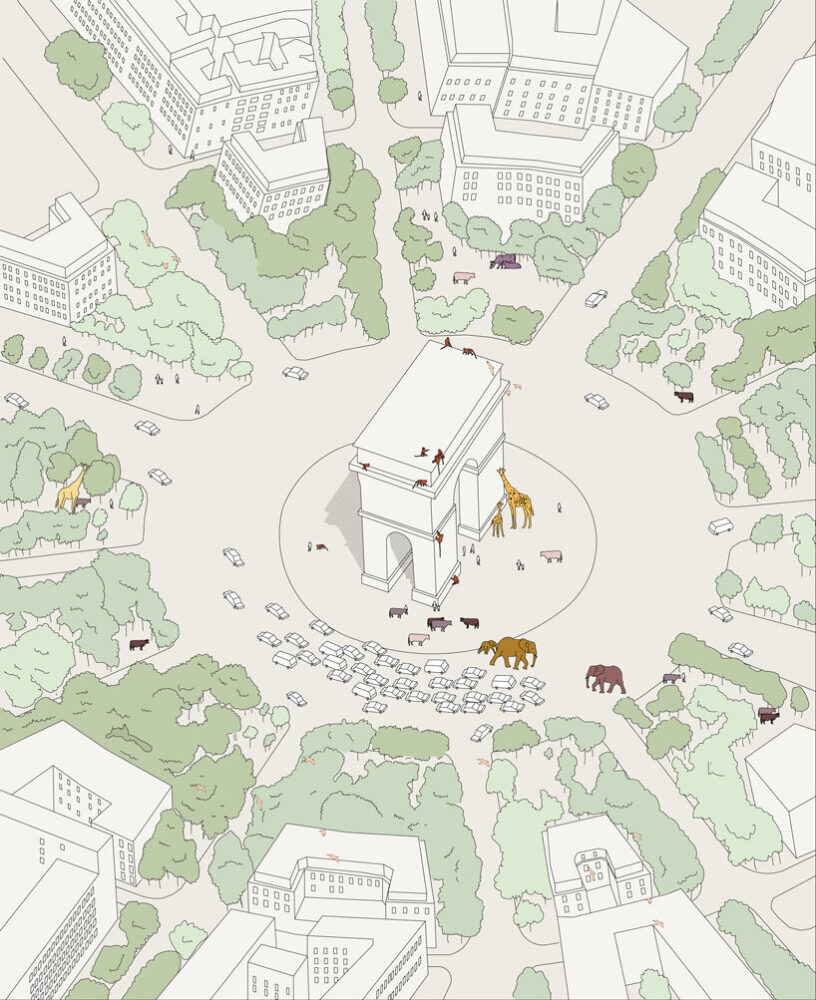
Creatures inhabited the land long before we built cities on it. Today, some have adapted to live alongside humans in urban environments. Being more generous with them is the first step towards encouraging more non-human urban life. Wildlife-vehicle collisions, property damage, zoonotic disease transmission and physical attacks to people or their pets have negative consequences for both people and wildlife. To help people recognize the value and benefits of wildlife and better understand animal behavior, it is important to promote specific community management programmes that encourage shared responsibilities amongst citizens.
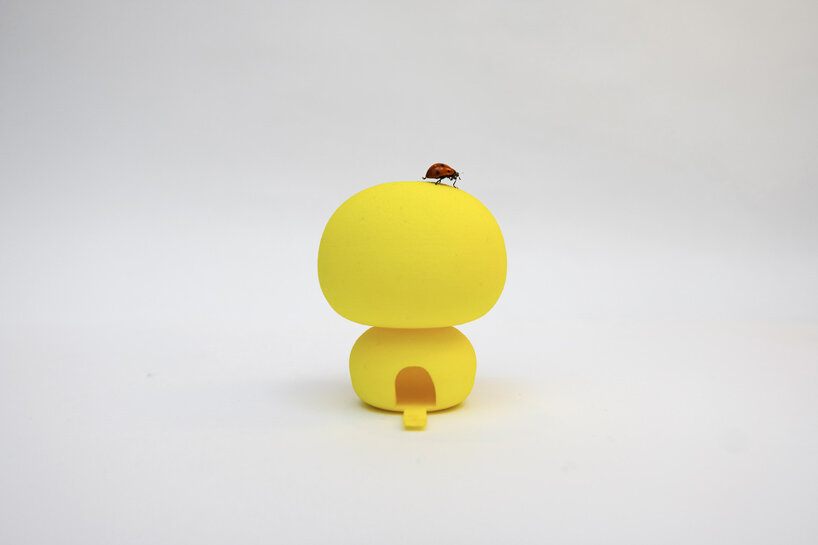
It’s coexistence or no existence’ – Bertrand Russell
Let it grow
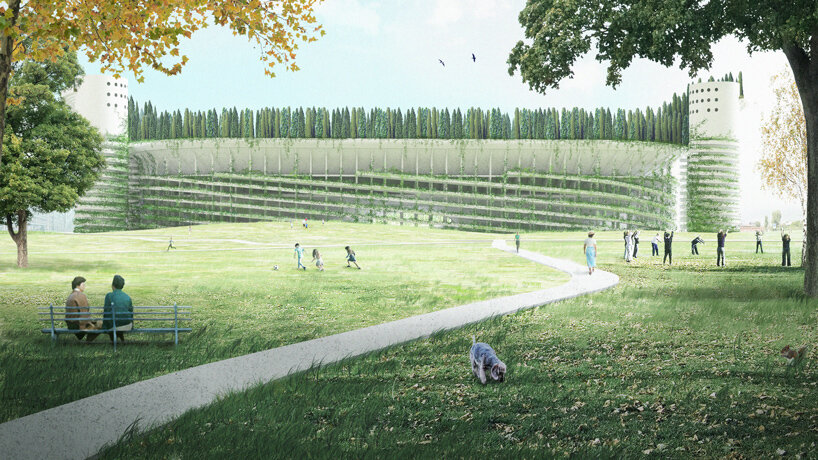
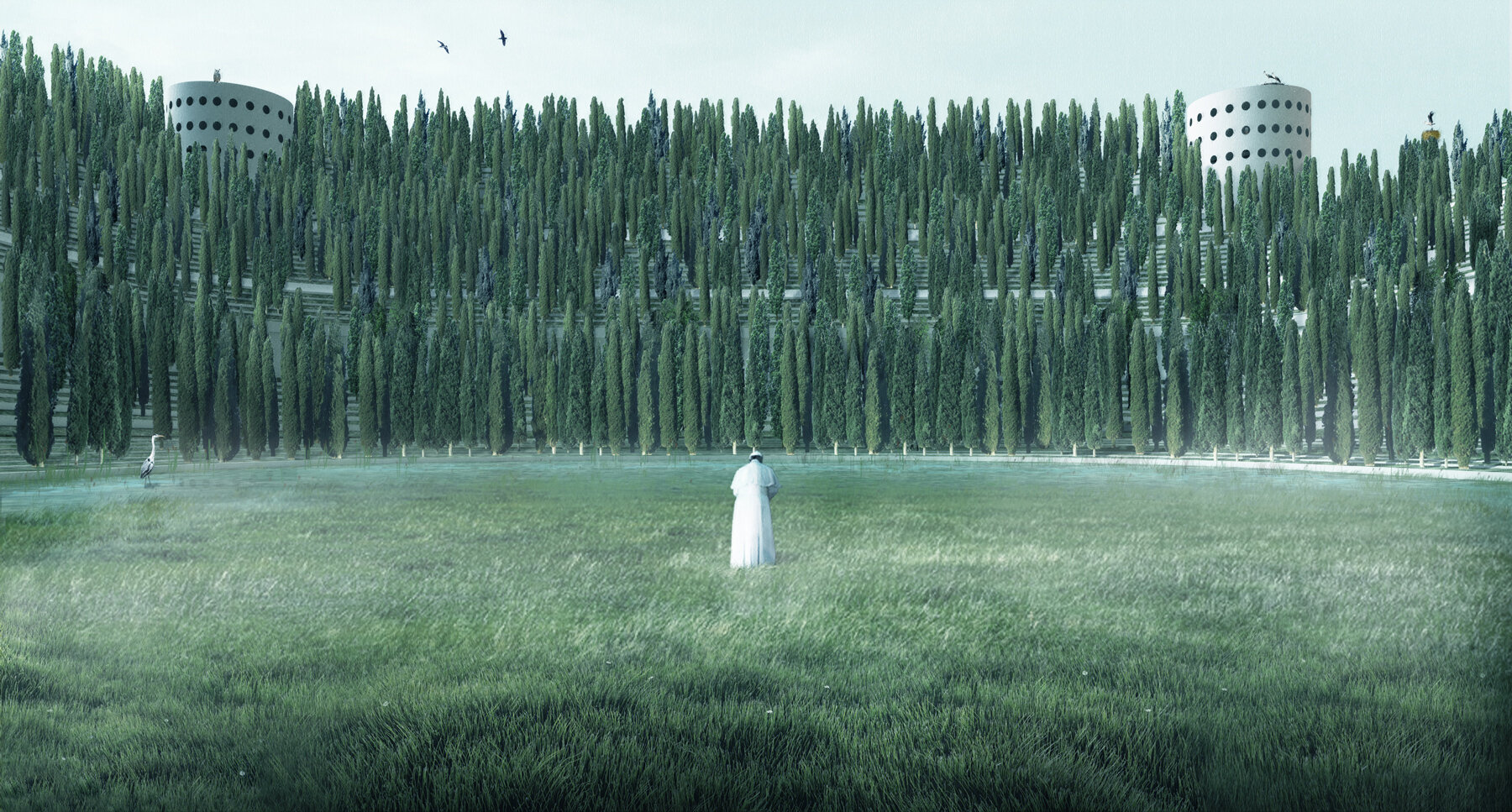
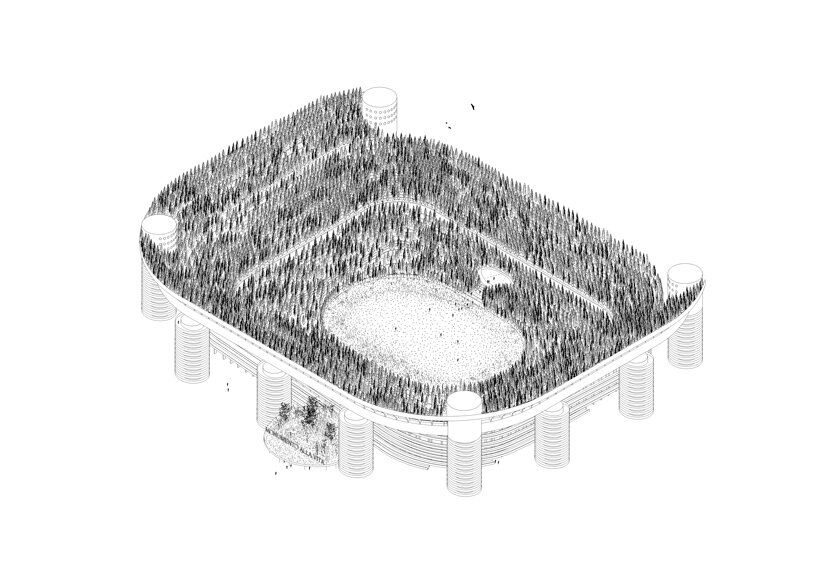
Green infrastructure in cities, including green roofs, wetlands, and tree-lined streets, provides valuable passages, stepping-stones, low-speed areas, and refuges where wildlife can find shelter. Rather than always introducing and controlling vegetation, we should allow these green spaces to emerge naturally from species already growing elsewhere in the city. This would entail not planting anything, perhaps not even adding soil, rather leaving any available spot empty and letting the urban ecosystem colonize it.
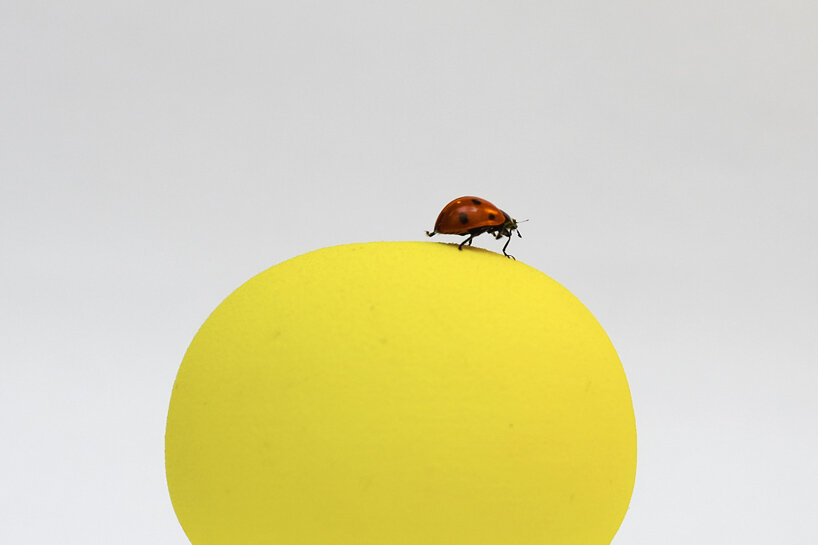
Design for ecological niches
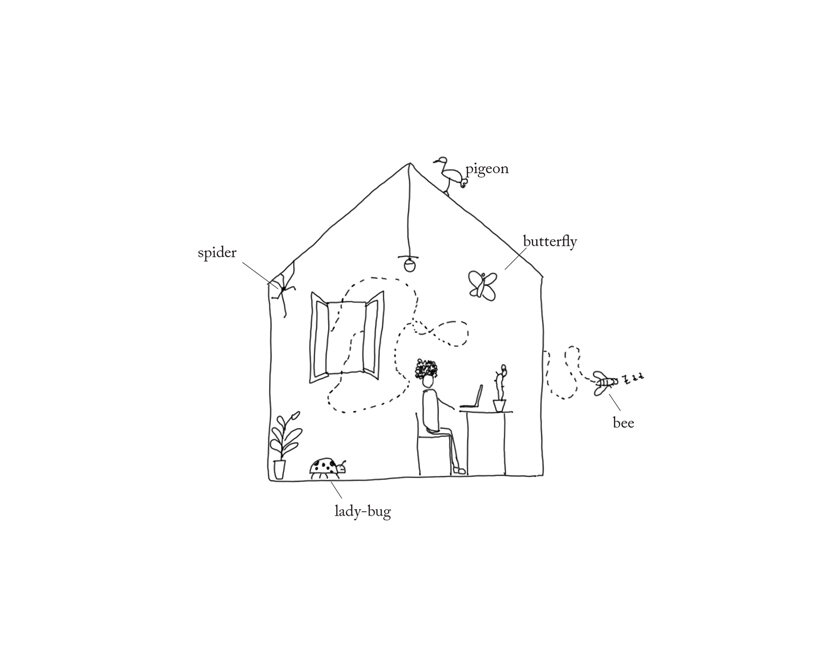
Located everywhere in the city, in gutters, roadside and in abandoned areas, plants communities coexist and evolve alongside microorganisms in the soil and air. These communities interact with specific urban conditions, including the heat island effect, fragmented soils and heavy metal pollution. Even the smallest plant can attract other organisms and create a unique ecosystem if left undisturbed during the early stages of the design process.
Minimize over-maintained areas
Research based on fifteen years of data collected in North America and Europe has found strong evidence linking intensive mowing of urban lawns, including parks, roundabouts and roadsides, with reduced plant and invertebrate diversity. Reducing lawn mowing frequency can boost wildlife, increase pollinator populations and encourage more diverse plant communities.
Incorporate snags and felled wood
Snags, large felled logs, and big decaying trunks provide food and shelter to more than 40% of wildlife species. They offer important structures for cavity-dependent birds and small mammals, food sources for woodpeckers and other foragers, and gradually release nutrients into the ecosystem through decomposition. Decaying trees can be cut and relocated near parks or green areas, helping sustain new ecosystems.
Provide water for wildlife beyond drinking
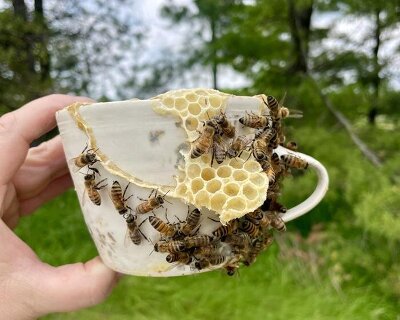
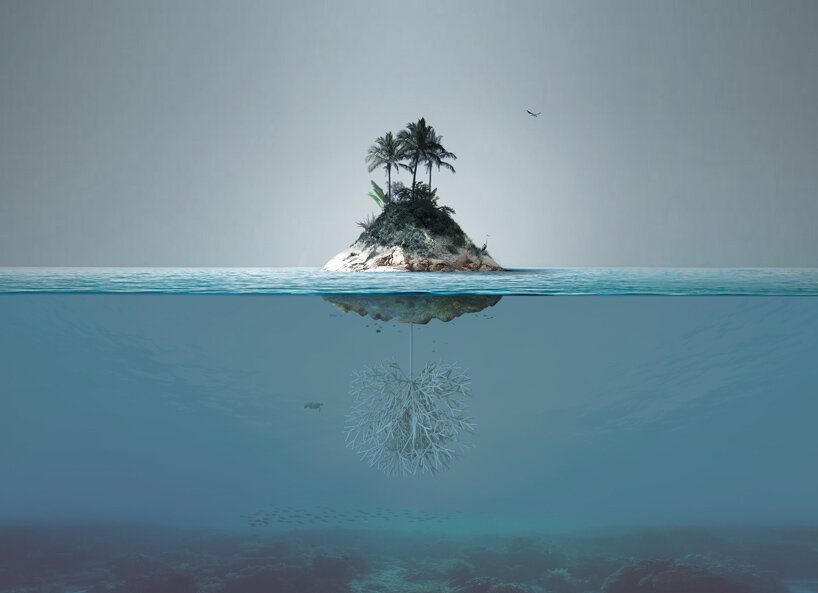
Fountains and artificial ponds help amphibians, such as frogs and toads, with shelter and breeding grounds. Butterflies get valuable minerals and salts from slightly muddy water, while birds use water for bathing and removing parasites from their feathers.
Work with porosity, cracks and cavities
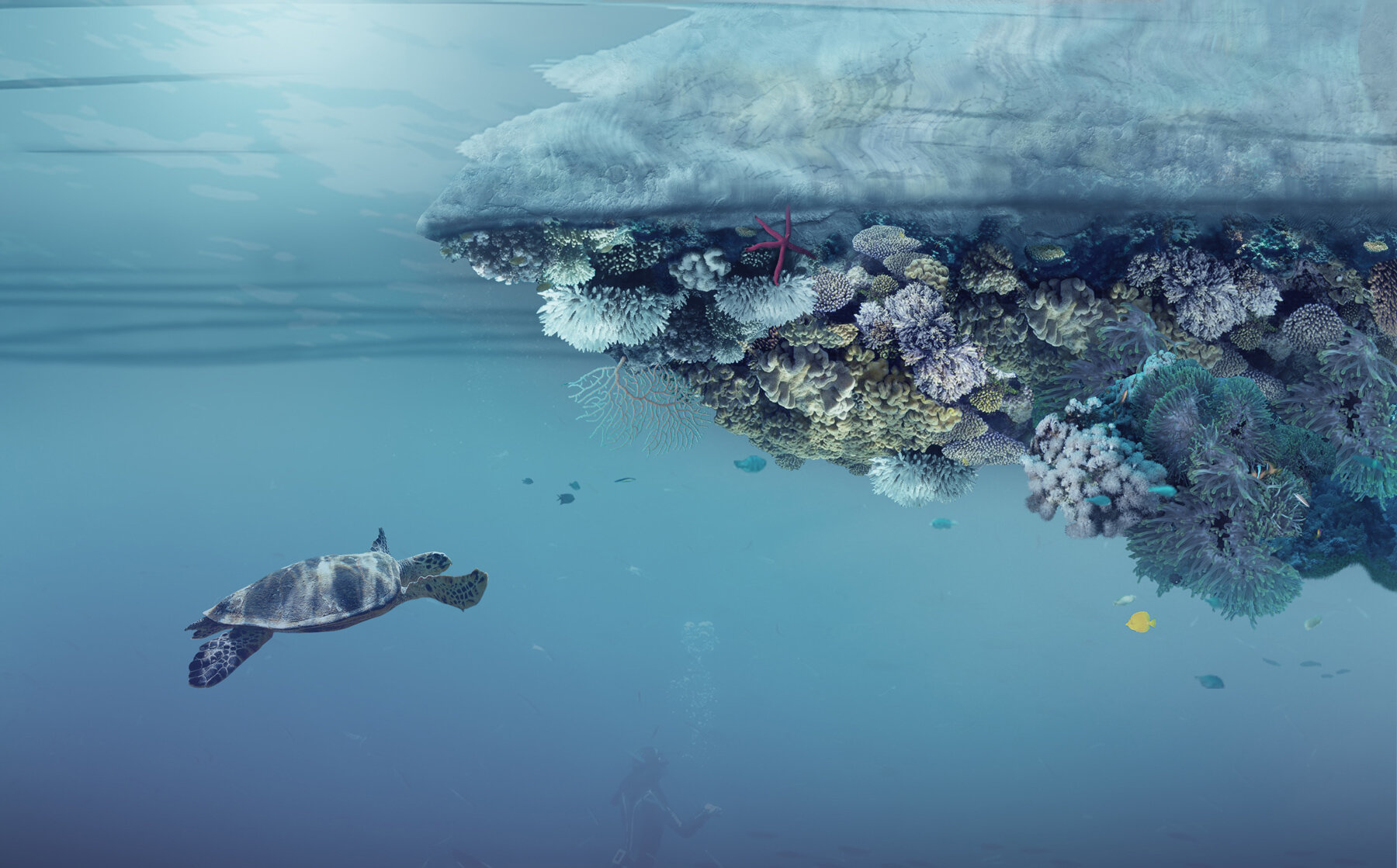
Insects and small organisms occupy gaps and openings that can become microhabitats. The Écokathedrale of Louis Le Roy in the Netherlands offers an inspiring example. Built from discarded bricks, paving stones and construction materials assembled without mortar, it creates irregular surfaces, cavities and passages where vegetation and animals can establish themselves. What might traditionally be considered construction imperfections becomes an opportunity for ecological occupation.
What might traditionally be considered construction imperfections becomes an opportunity for ecological occupation.
Choose diversity
Prefer multispecies communities over monocultures when designing with vegetation. A varied composition of trees, shrubs and herbaceous plants increases ecosystem resilience to pests, diseases and environmental stress. It also creates a wider range of habitats, food sources and shelter, supporting greater biodiversity and stronger ecological relationships. Starting from these assumptions, I believe we should envision the city of the future not merely as an urban development process, but as a process of co-evolution among different species within a shared living habitat. This vision suggests an interspecific space in which different forms of life mutually contribute to the construction of a shared environment. It moves beyond the conventional notion of urban development, embracing a broader approach that integrates non-human species into our urban structures and promotes coexistence between humans and other forms of life.
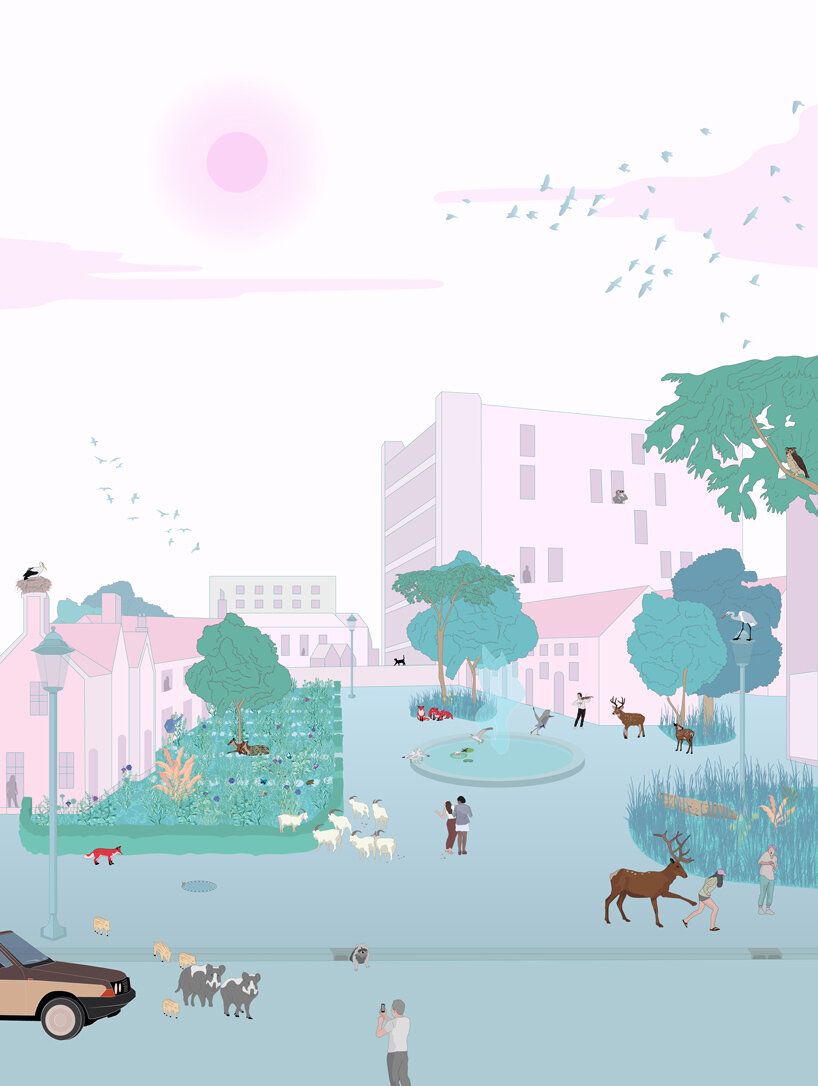
We should envision the city of the future not merely as an urban development process, but as a process of co-evolution among different species within a shared living habitat.
Angelo Renna
November 2026
This article is part of designboom’s POSTHUMAN UTOPIAS chapter, exploring what happens when humans are no longer the measure of all things. These stories rethink our relationship with the planet through interspecies architecture, living materials, regenerative landscapes and emerging technologies – learn more here! The chapter is presented in partnership with INDX|GLOBAL – a global cultural platform placing Indian architecture, design, and creative intelligence in conversation with the world.
Each designboom editorial series explores one theme in depth through projects, interviews, features and news across architecture, design, art and technology. Discover more chapters here, and get in touch if you’d like to submit a story through our submissions portal or contact form.
shop
your own online design shop — no sales commission collected