the aaltosiilo transforms itself again at oulu’s lumo light festival 2026
artists use light, projection and sound to activate alvar and aino aalto's former pulp mill during the region’s european capital of culture year.
prefer designboom on google[FEATURED]
The AaltoSiilo, site for 2026 Lumo Art Festival
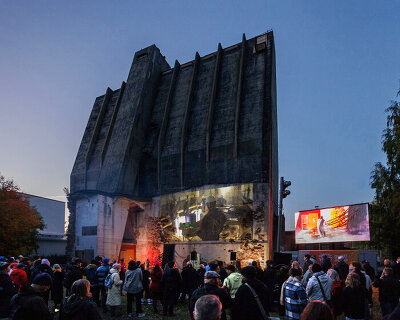
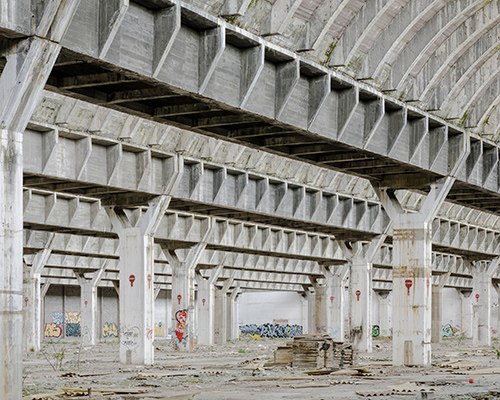
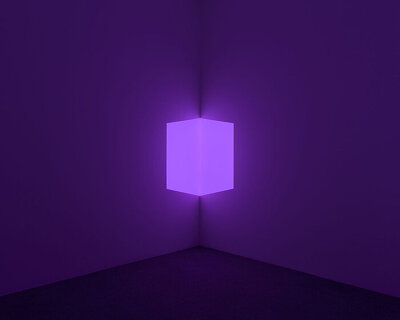
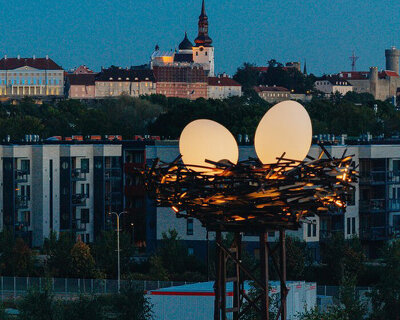
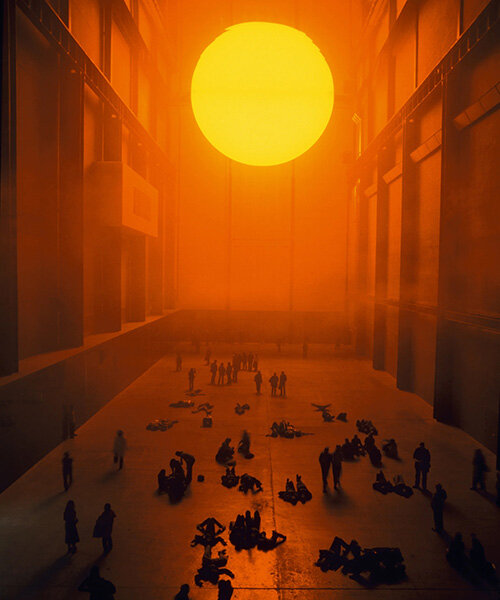
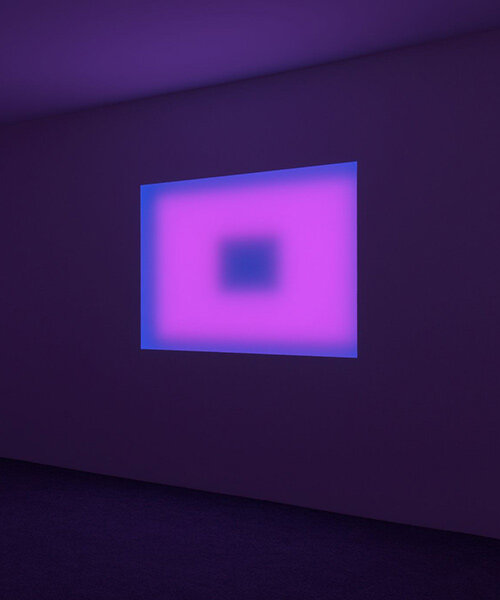
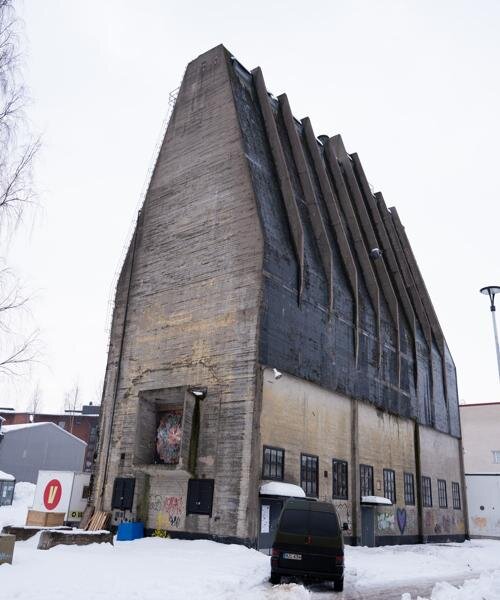
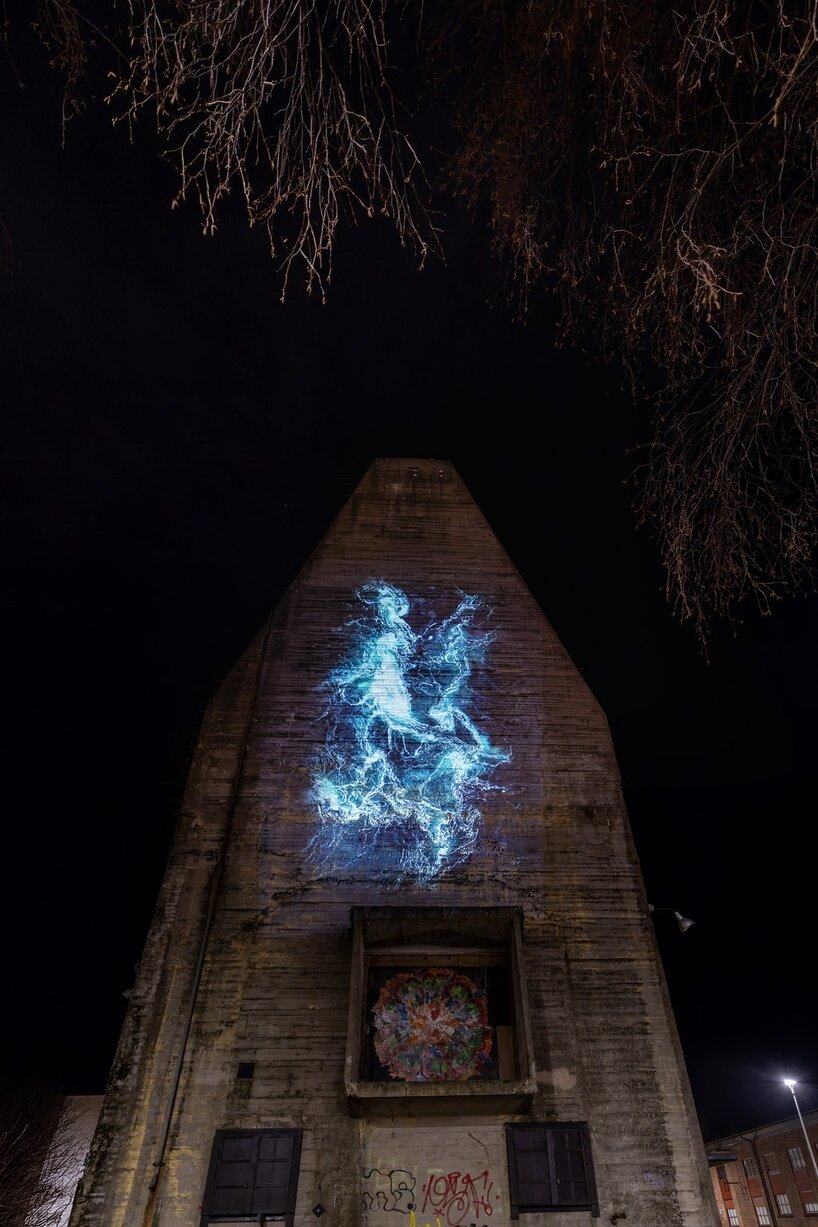
As the nights begin to consume the day in Oulu, Finland, the city’s annual media-art festival, Lumo, illuminates the night. This year, the iconic AaltoSiilo, created by Finnish architects Alvar and Aino Aalto, is home to several light-based works created by artists from the region. The tall ceiling of the former pulp factory becomes transformed by pulsating lasers, glowing eyes, and radiant sculptures. Here, as the works bend the iconic concrete forms, the building undergoes yet another transformation in its long history.
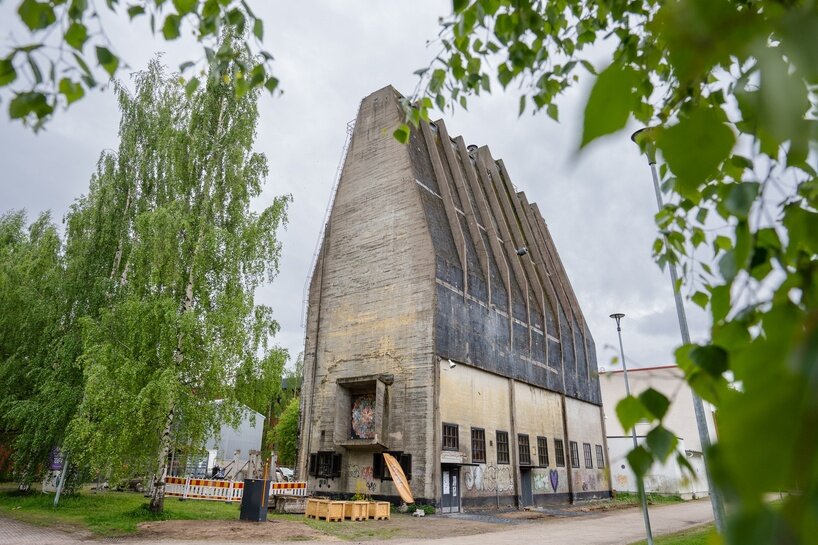
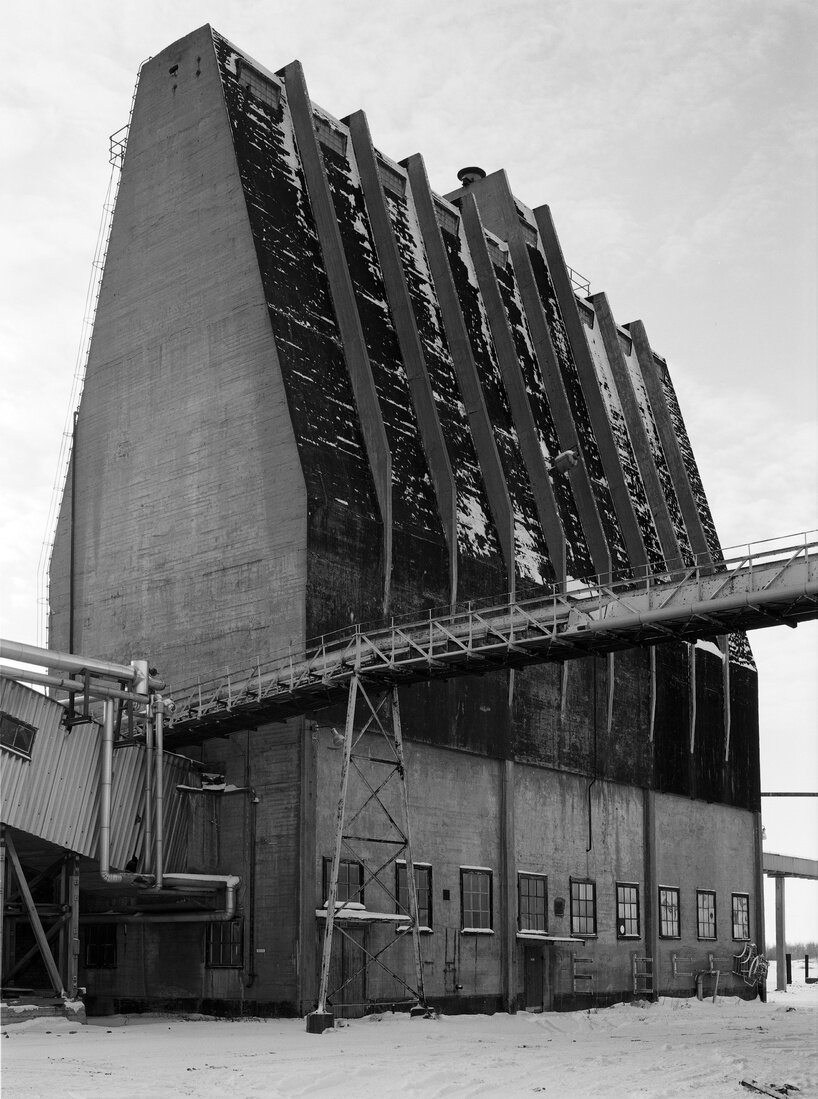
Opened in the early 1930s, the factory was an industrial commission by English paper manufacturer Peter Dixon. The entrepreneur embarked on the creation of the sulphite pulp mill in Oulu in the late 1920s, with a facility that consisted of a collection of buildings: there was the wood chip silo, a drying room, a power station, and more. Today, only a few of the spaces remain, yet the area still includes an Alvar Aalto Street and Alvar Aalto Park. On a windy evening, Pia Krogius, an architect for the City of Oulu and a contributor to a book on Aalto’s local works published by his namesake foundation, reveals the peculiarities of his works in the city and the many lives the former pulp mill has lived.
Lumo, Oulu, and the European Capital of Culture
The works in the AaltoSiilo come partly as a collaboration with the Finnish Light Art Society’s FLASH Biennial, Veiled Light. The organization, which supports Finnish media artists, contributes thirteen works created by artists from the region. As the 2026 European Capital of Culture, Oulu comes together to celebrate Finnish heritage, past and present, from the smoky tar that flows from the trees to the high-tech Nokia research and development facilities.
To understand Lumo, it’s crucial to understand the position of the country. Finland is near the Arctic Circle, which means the region experiences extreme shifts in the length of daylight. Because of this, they get the infamous midnight sun in the summer. On the other hand, as November inches nearer, the Finns prepare for weeks of near-complete darkness. Nevertheless, as one of the happiest countries in the world, they have found respite in their warm saunas, twenty-four-hour Pentulive (Puppy Live) streams, and the Lumo Art Festival, which brings people out of their homes and into the streets. With glögi in hand—a local spiced juice similar to mulled wine—families and friends shuffle through a delicate dusting of snow on a night of -1 degree Celsius (30 degrees Fahrenheit) to see how lasers, projections, and sound have transformed their most iconic facades.
Aalto’s nearly century-old building
The AaltoSiilo, when entered, is not a particularly large building. When approaching the site of the former pulp mill, Krogius points out locations that are signatures of Oulu—the hydropower plant and the long bridges that, at night, reflect off the water that borders the city. The silo, although a bit farther out from the city center, is a kind of infamous part of the city. When thinking of Aalto, what may come to mind is his curving vase and curving wood seating. As the silo is approached, it’s a bit difficult to place this hulking cement structure within his oeuvre. Nevertheless, Krogius points out that the silo is just one of three major projects that the architect designed in Oulu. AaltoSiilo, then part of the Toppila sulphite pulp mill, was accompanied by the Typpi Oy nitrogen fertilizer plant and the plans for Koskikeskus, the urban development scheme for the Merikoski power plant area. While Aalto designed the area’s master plan, the power station itself was executed by a different architect.
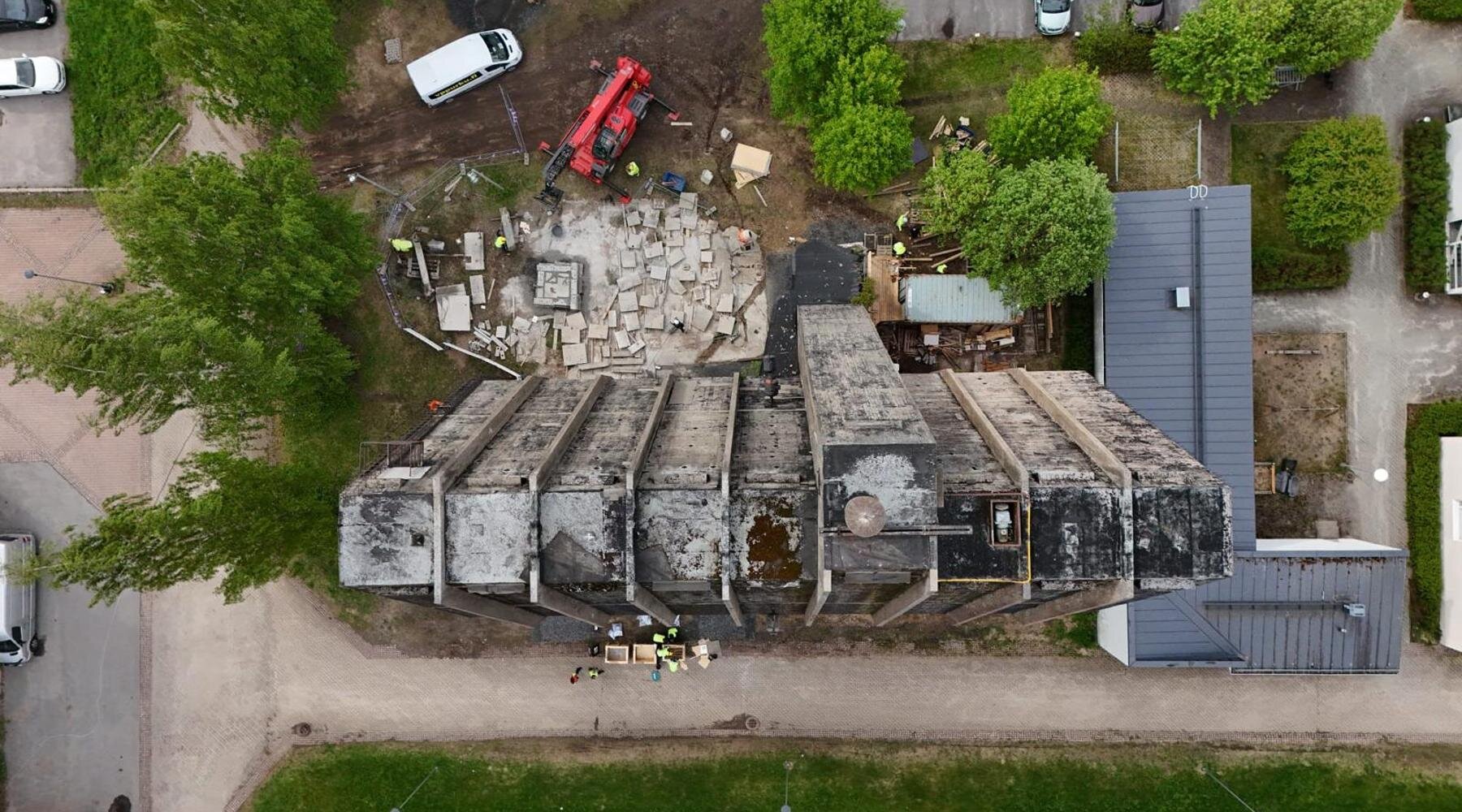
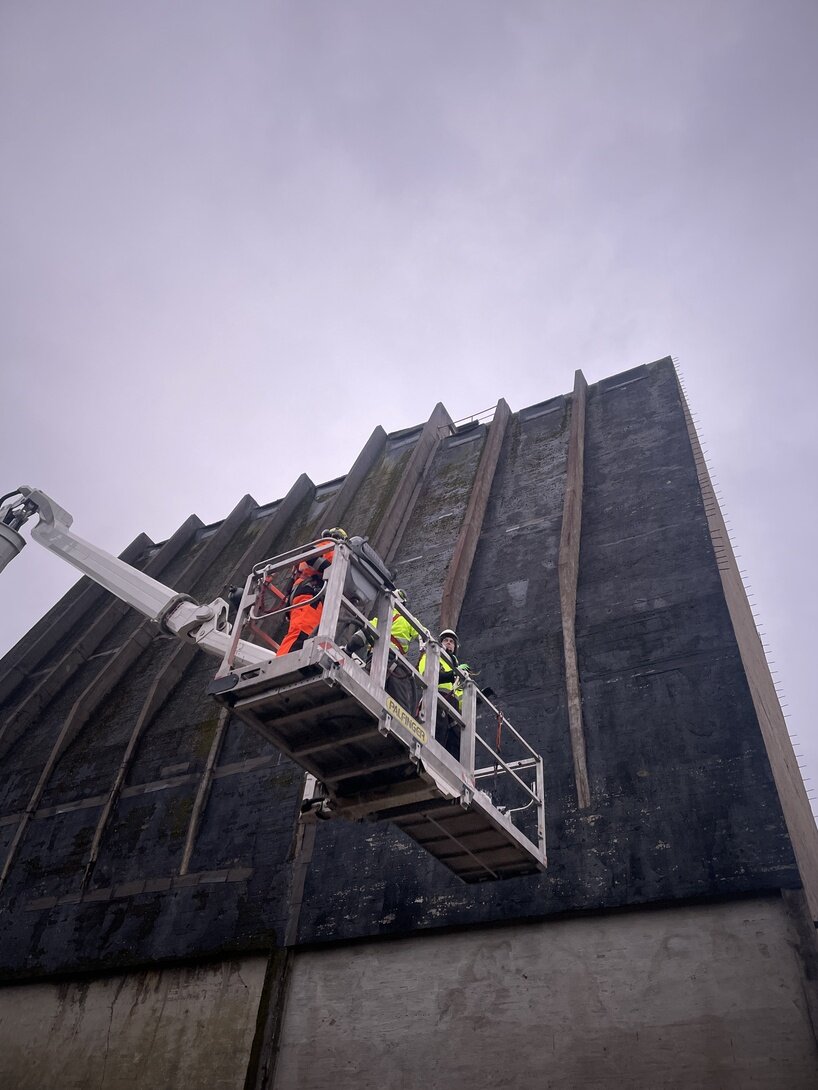
Although such an esteemed designer, it has to be confirmed with Krogius that the silo was in fact sold for just about 6,000 euros just a few years prior. She reveals that it was, pointing to the efforts of Skene Catling de la Peña and Factum Foundation for Digital Technology in Preservation, who took on the transformation of the landmark with the intention of turning it into a cultural space. Since then, the silo has held the announcement of the EU Mies Awards winners and exhibitions by artists including Marina Abramović, Elina Brotherus, and Bernd Nicolaisen.
Light and architecture collide
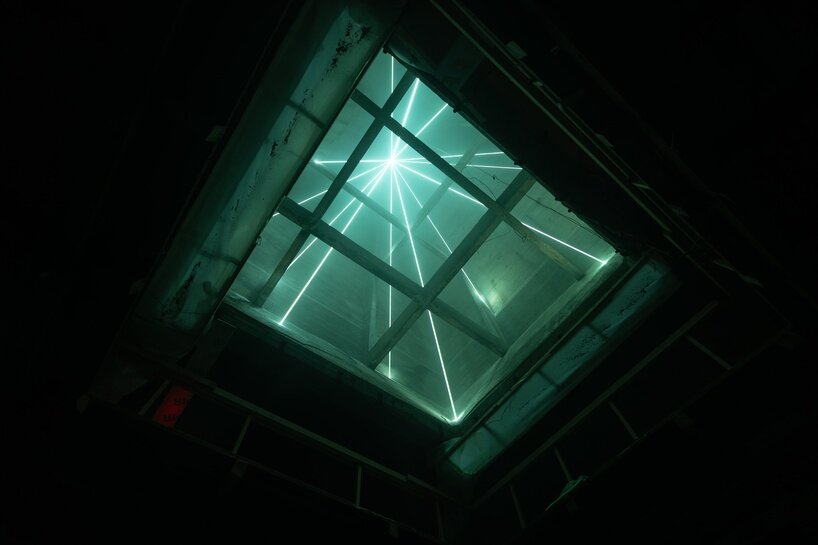
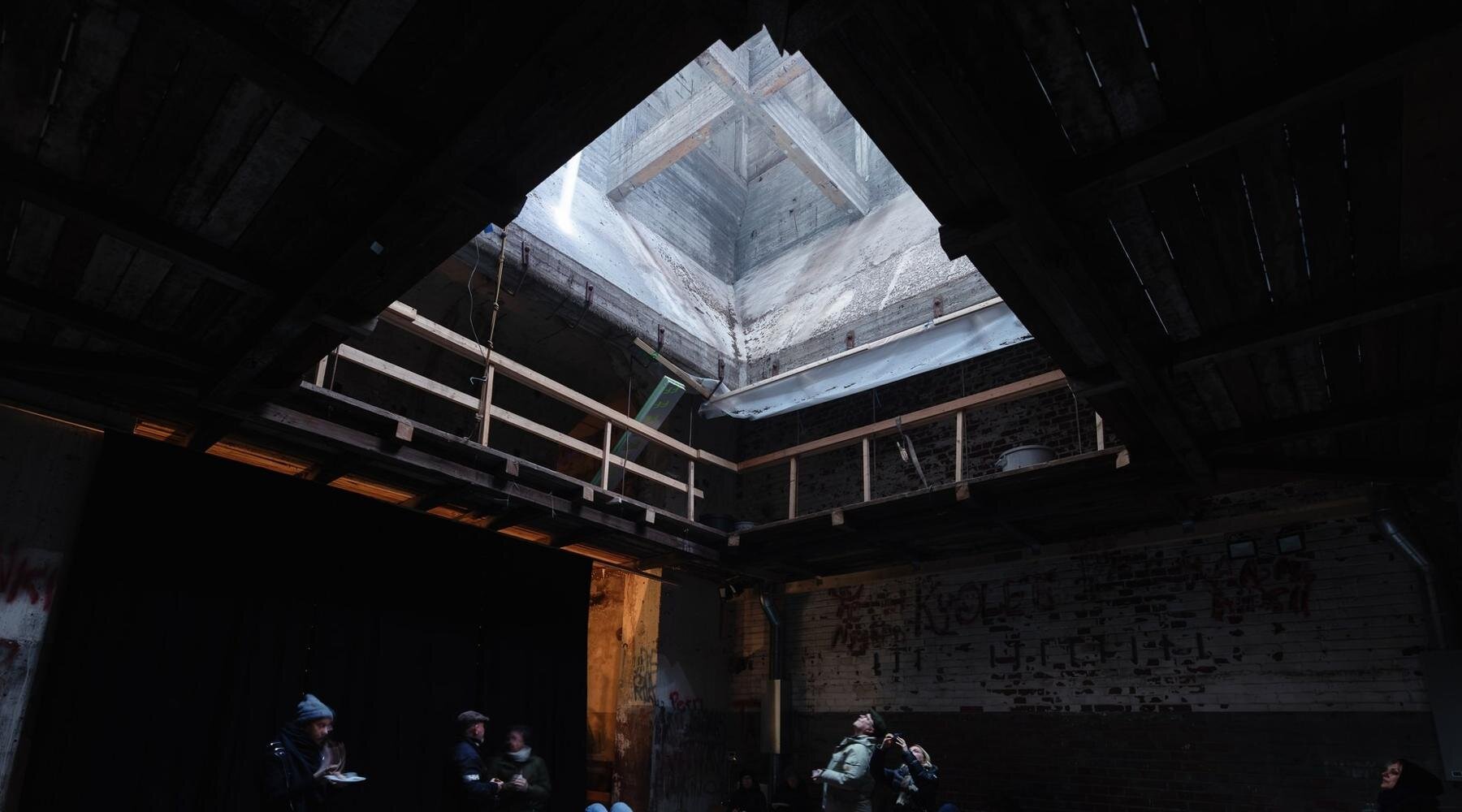
Within the three chambers of the silo, works by Arttu Nieminen, Timo Kokko, Ilkka Paloniemi, Kari Alonen, Alexander Reichstein, and Johanna Häiväoja cast the concrete walls in a new light. There are plans for the foremost chamber to become a multi-story space for visitors to sip coffee and discover new cultural works. It’s a bit difficult to conceive of how huge this interior space is until Paloniemi’s installation, Grey Noise (2025), is encountered. Using laser light, sound, and a foggy haze, he uses the individual beams to slice and illuminate the interior space, warping and manipulating the perception of how towering the space really is.
The AaltoSiilo is, in many ways, a building defined by movement. Once a site for the processing and movement of raw materials, it has since shifted from industrial infrastructure to a space for cultural exchange, exhibitions, and artistic experimentation. During Lumo, this transformation becomes visible once again. Light travels through its chambers, tracing the concrete surfaces, revealing the scale of its interior, and giving the structure an entirely new character. There is something compelling about a building that continues to find new purpose nearly a century after its construction. Rather than preserving it as a relic of its industrial past, each new use allows the silo to remain part of the city’s present. At Lumo, its architecture becomes both the setting and the material for the works themselves, demonstrating how buildings, much like the people and things that pass through them, are never entirely static.
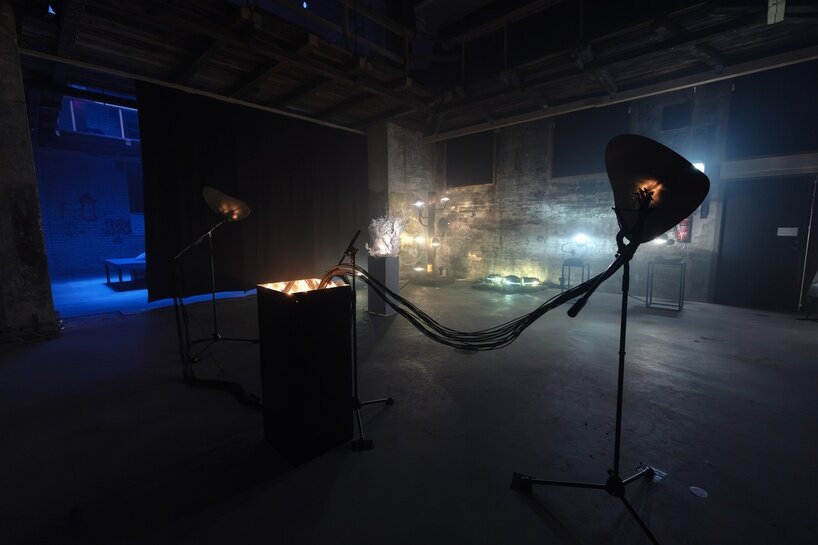
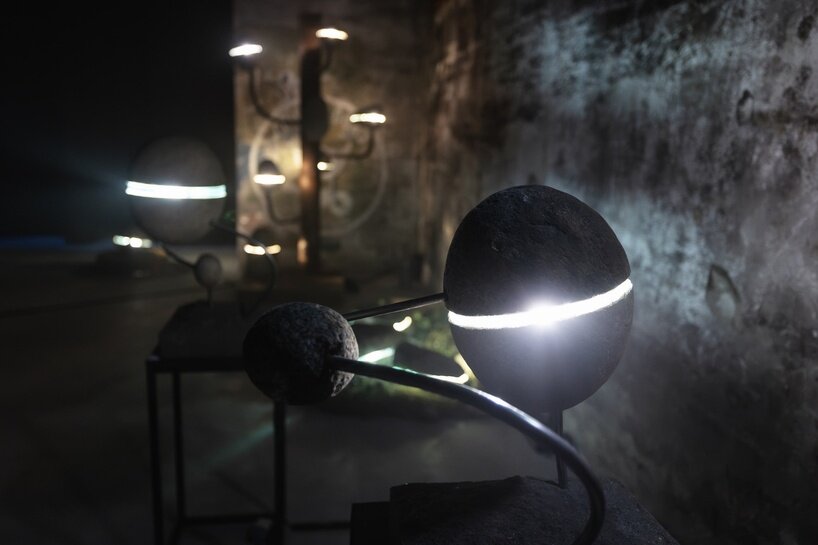
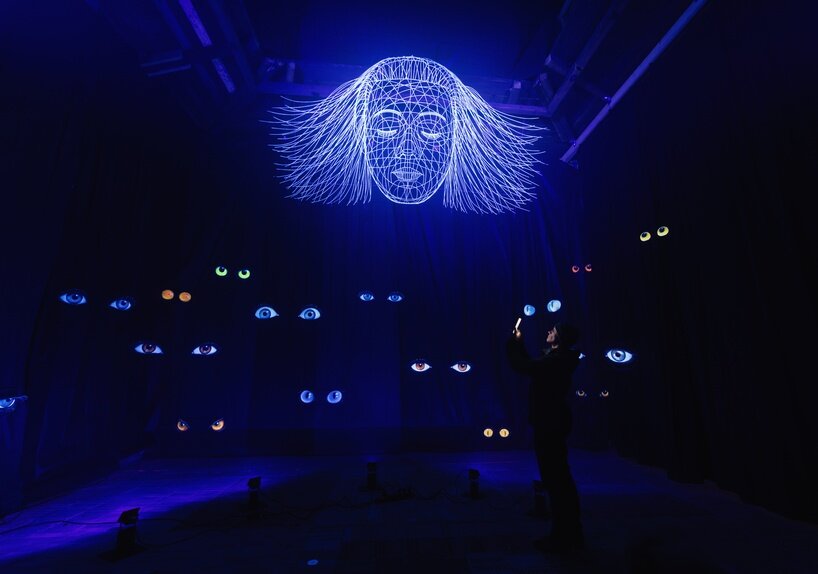
1/4
project info:
name: Lumo Light Festival
dates: November 13–22, 2026
name: FLASH Light Art Biennale
dates: November 7–22, 2026
location: AaltoSiilo, Oulu, Finland
book: Alvar Aalto Oulu
publisher: Alvar Aalto Säätiö / Alvar Aalto Foundation
contributor: Pia Krogius
This article is part of designboom’s STATES OF MOTION chapter, exploring how architecture, design and art are transforming the way we move. These stories rethink the experience of movement through evolving transit spaces, mobile habitats, inclusive infrastructure, slower journeys and kinetic art – learn more here! Each designboom editorial series explores one theme in depth through projects, interviews, features and news across architecture, design, art and technology. Discover more chapters here, and get in touch if you’d like to submit a story through our submissions portal or contact form.
shop
your own online design shop — no sales commission collected