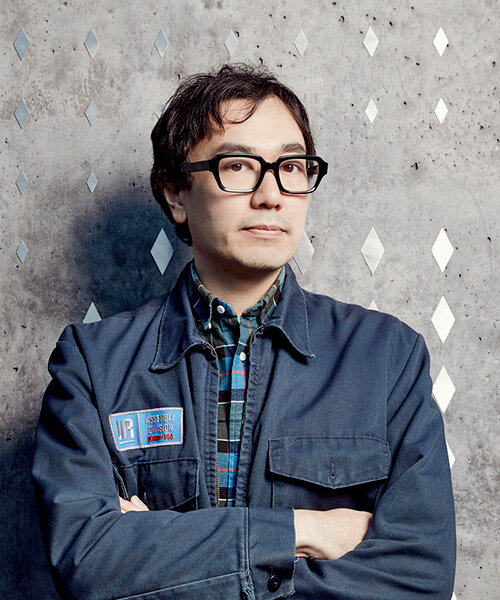
designboom listens: yuri suzuki explores the many dimensions of sound
from childhood memories of watching mtv on betamax to punk records that clear his head, the london- and margate-based artist and designer shares the music behind a practice that turns listening into a physical and collective experience.
prefer designboom on google[FEATURED]
yuri suzuki makes sound something to see, touch, and share
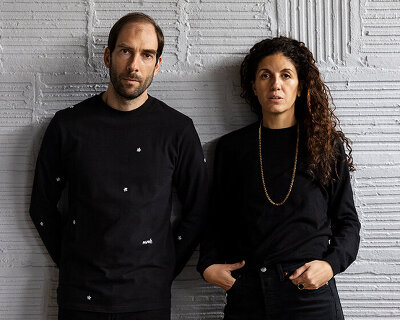
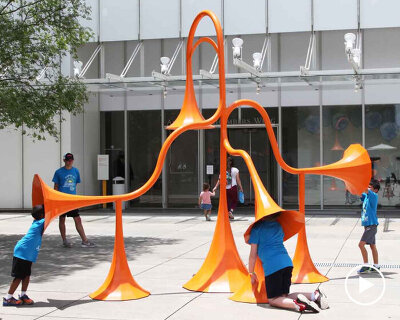
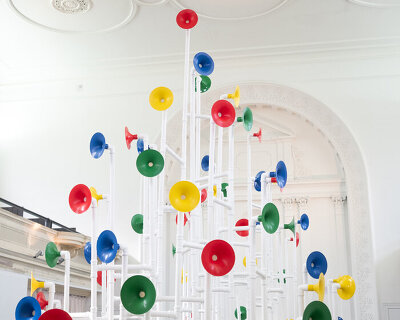
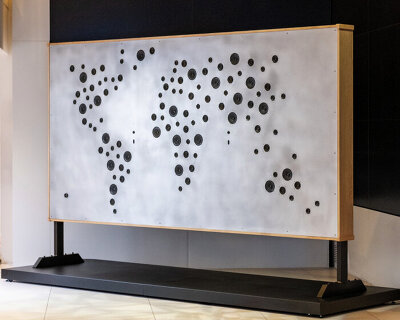
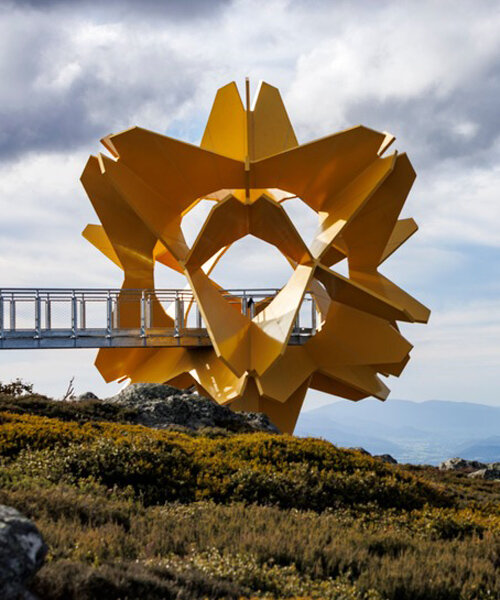
Yuri Suzuki uses sound as a material for shaping spaces, creating encounters, and bringing people together. His practice moves between sound, technology, sculpture, and graphic design, often inviting audiences to participate. Recent public commissions explore how artificial intelligence and machine learning can generate evolving sound environments, allowing each visitor to experience and contribute to a work in a different way. Accessibility is central to this approach: as Suzuki puts it, his projects aim to be ‘accessible to the many.’
Music follows a similarly open-ended logic in his own creative life. Asked which track best captures his practice, the Tokyo-born artist and designer, based between London and Margate, chooses Cornelius’ The Micro Disneycal World Tour, describing it as ‘a wonderful mixture of different musical elements, almost like a melting pot of sounds and ideas.’ He is drawn to its optimism and the way its complexity remains accessible, qualities he also tries to bring into his projects. Yuri Suzuki’s listening habits move between punk, electronic music, Japanese pop, and experimental sounds. Teengenerate and Melt-Banana help him clear his head when starting a project or working through a creative block, while Donald Fagen’s New Frontier takes him back to watching MTV recordings on Betamax as a child in Tokyo. His selections also reveal a longstanding interest in the relationship between music and objects, from the playful packaging of Mark Mothersbaugh’s limited-edition cassette to Peter Saville’s iconic sleeve design for New Order’s Blue Monday.
For designboom listens, Suzuki shares the tracks that accompany his creative process, the memories attached to particular songs, and the sounds he imagines alongside his own work. Read on for his selections and listen to the full playlist below.

music as a melting pot of ideas
What song best captures your creative practice?
Yuri Suzuki (YS): Cornelius — The Micro Disneycal World Tour. I think this track represents my creative practice quite well. It’s a wonderful mixture of different musical elements, almost like a melting pot of sounds and ideas. There’s a sense of optimism running through it, and despite its complexity, it feels very accessible and universal. I think these are qualities I also try to bring into my own projects.
What is the very first track you play to clear the air and get inspired when starting a new project?
YS: Teengenerate — My GTO. This is a difficult one, but I often find punk music is the best way to clear my head. Something loud, fast and direct helps wash away whatever I’ve been thinking about and gives me a fresh start. Teengenerate’s My GTO is perfect for that.
Is there a song that instantly takes you back to a specific memory or place from your past?
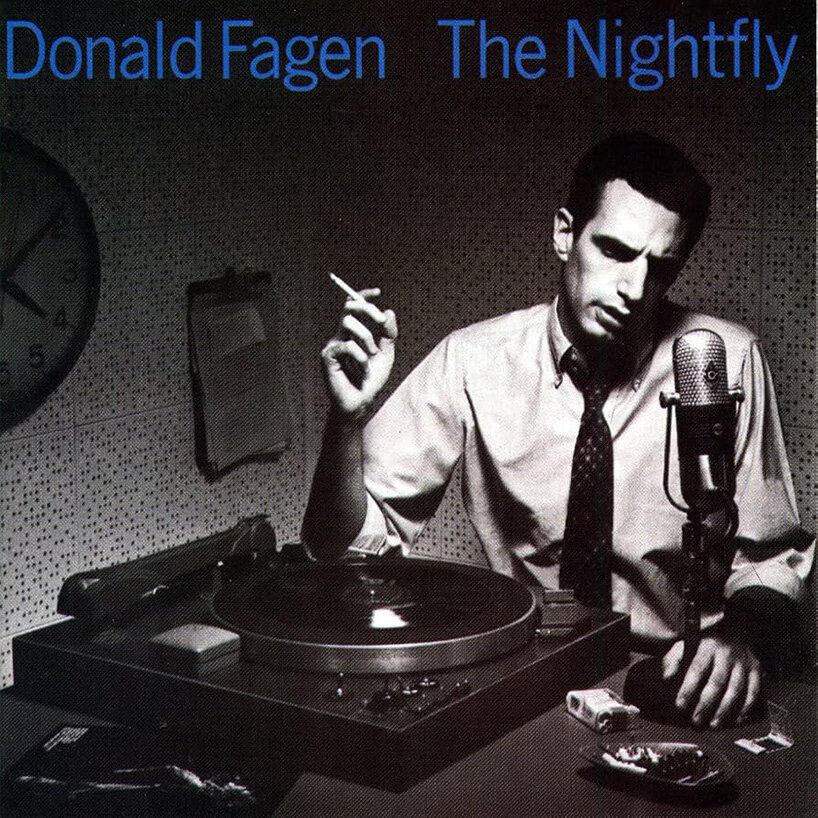
YS: Donald Fagen — New Frontier. My father had a Betamax videotape of MTV recordings, and this music video was on it. I remember watching it at night when I was in kindergarten. Even now, whenever I hear the song, I can immediately picture those evenings and the atmosphere of watching that video as a small child. I still listen to it quite often.
What song is stuck in your head right now?
YS: Happy End — Kaze wo Atsumete. When I was in Tokyo in August, I had the chance to meet Haruomi Hosono and have a lovely conversation with him. Perhaps because of that, I’ve found myself humming Kaze wo Atsumete by Happy End, the band he was part of in the early 1970s, quite a lot recently.
What is your ultimate 2 AM studio track, the one you secretly know every word to?
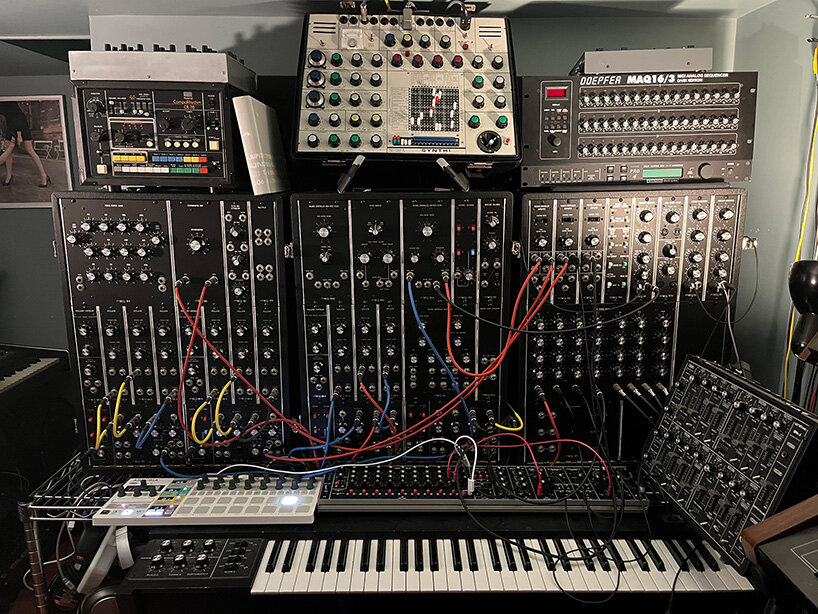
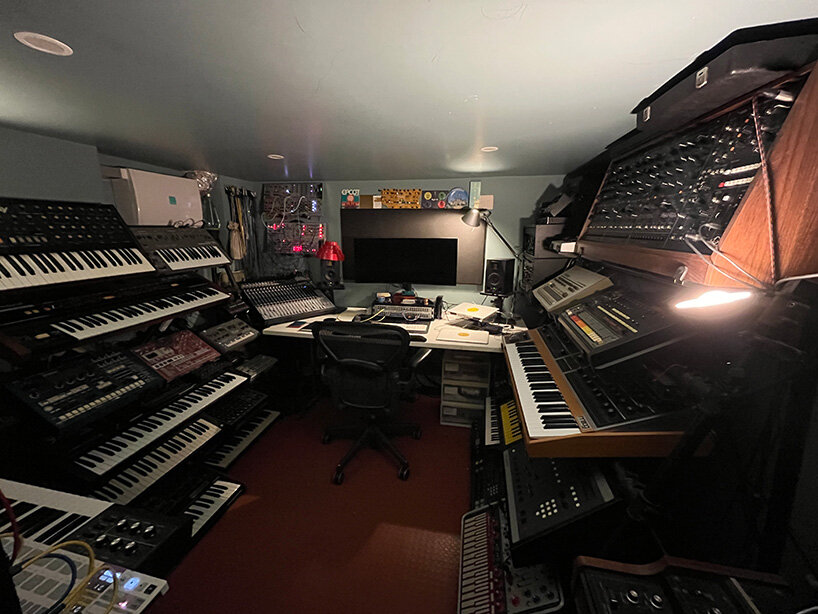
YS: Jeff Mills — Gamma Player / Mark Mothersbaugh — Musik for Insomniaks. Jeff Mills’ Gamma Player is one of my favorite things to listen to late at night. There’s something about hearing it in the middle of the night that feels absolutely wonderful.
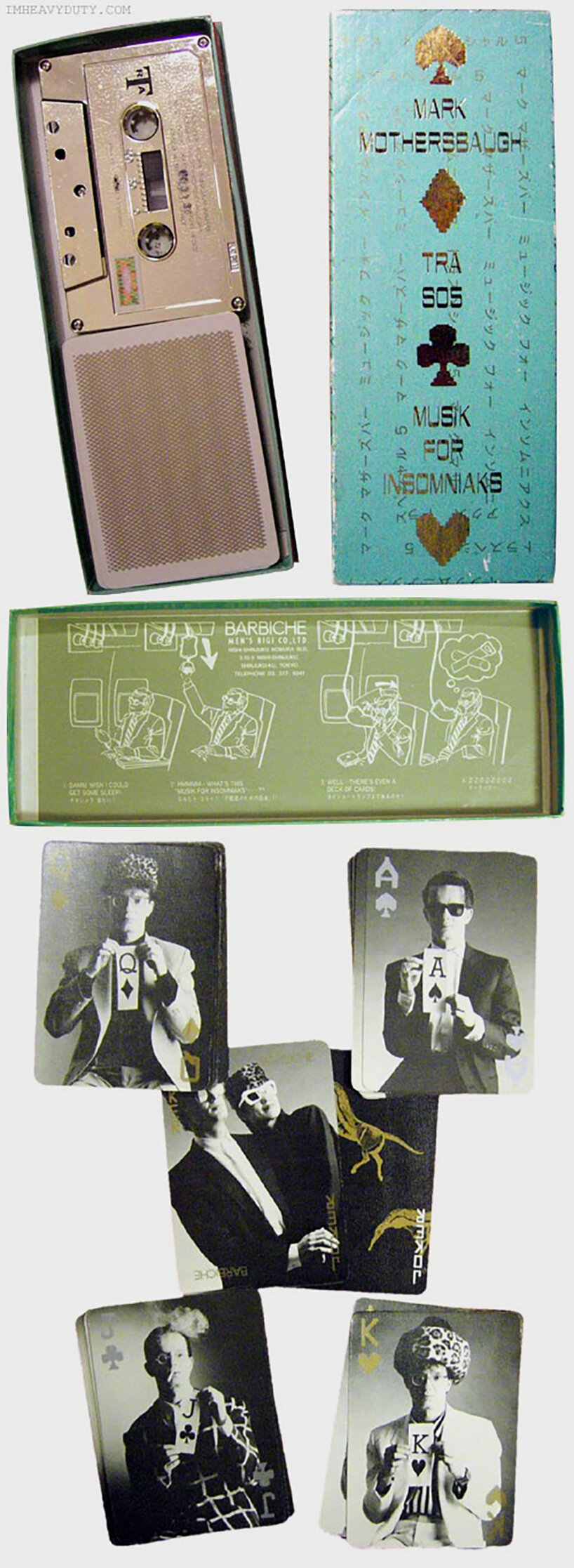
Another favorite is Mark Mothersbaugh’s Musik for Insomniaks. As the title suggests, it’s a wonderful soundtrack for listening to in the middle of the night. It was also released on CD, but the limited-edition cassette version sold in Japan was particularly special. Not only did it have different content, but it also came with playing cards inside the package. I love the whole concept, both musically and as a physical object.

What song do you put on when you are stuck and need a breakthrough?
YS: Melt-Banana — Free the Bee. When I’m stuck, I tend to listen to punk or thrash metal. I like music with enough energy to completely blow away whatever is going on in my head. I often listen to Melt-Banana, and if I had to choose one track, it would be Free the Bee.
What track is dominating your speakers this week, and is it influencing what you are making right now?
YS: Buffalo Daughter — あ (AH). My friends in Buffalo Daughter released a new track called あ this week, so I’ve been listening to it a lot. It’s incredibly catchy and keeps playing in my head. I don’t know yet whether it’s influencing my work, but it’s certainly staying with me.
What song helps you slow down and focus on the tiny, quiet details?
YS: Róisín Murphy — Through Time. I love this track by Róisín Murphy, produced by my friend Matthew Herbert. It has such a beautiful melody and wonderful sonic textures. There’s something very calming about it, and it helps me slow down and pay attention to the smaller details in sound.
If people were to wear headphones while experiencing your latest work, what one song should be playing?
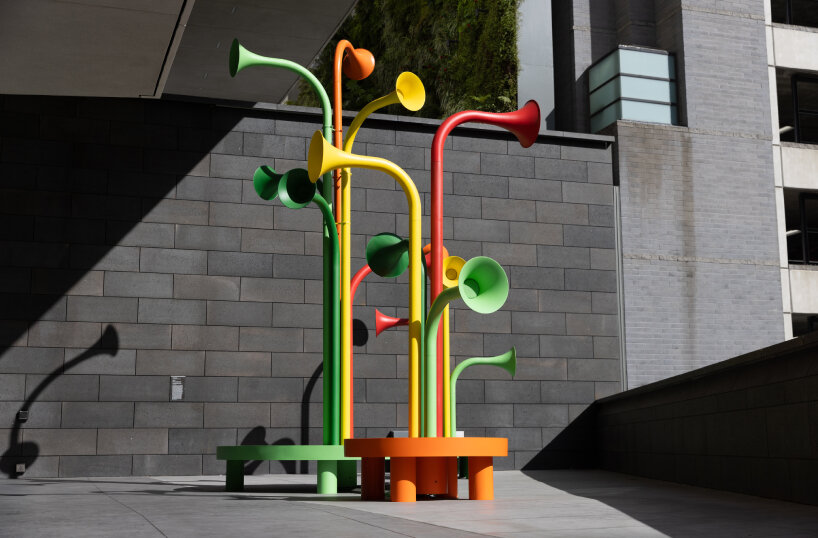
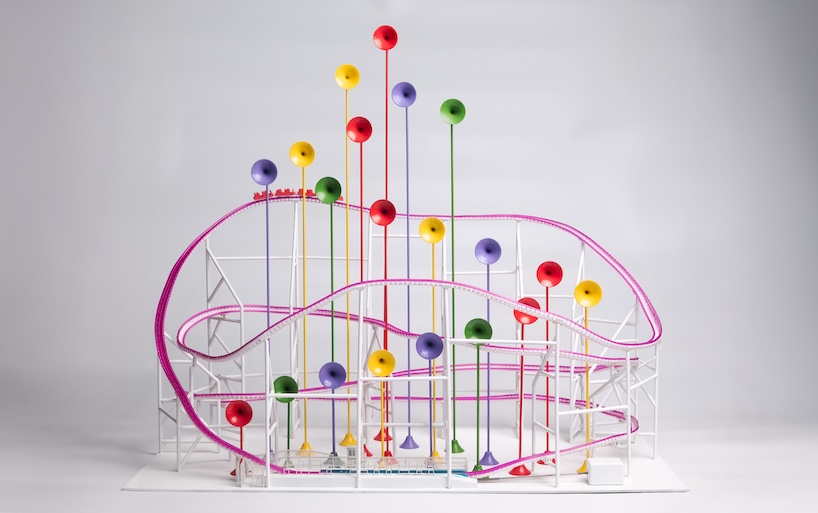
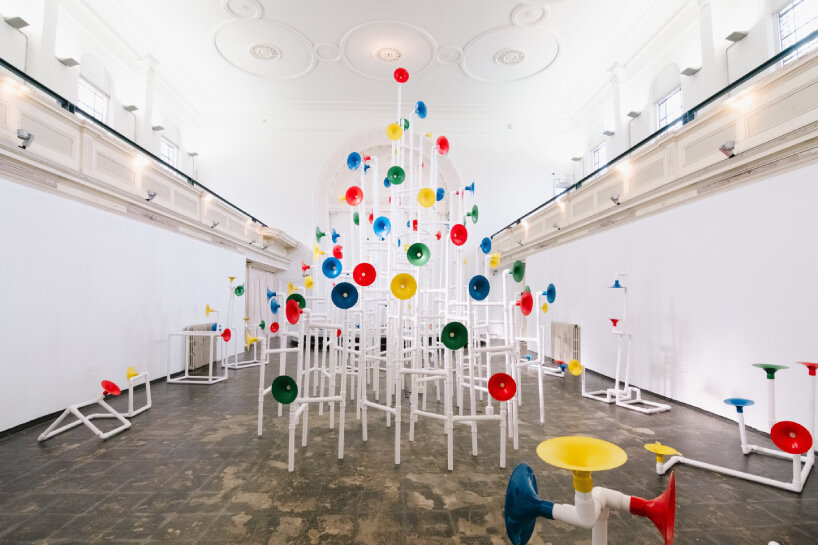
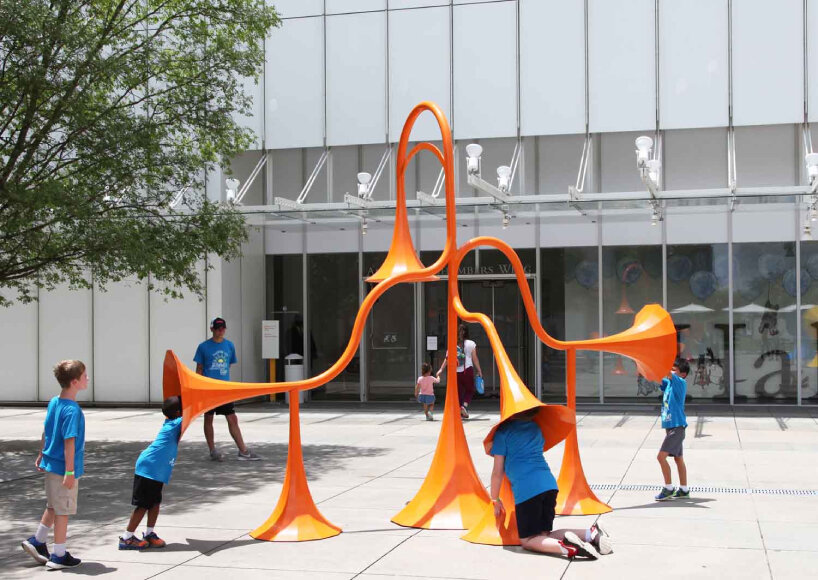
YS: Raymond Scott — Portfolio 2. I think Raymond Scott’s Portfolio 2 would be a wonderful accompaniment to Onomatopia. His sound world feels very close to the kind of imaginary sonic environments suggested by the sculptures and their visual language. Although I have also composed my own soundtrack for the project, I think this would be a lovely alternative way to experience it.
What is your favourite album cover art?
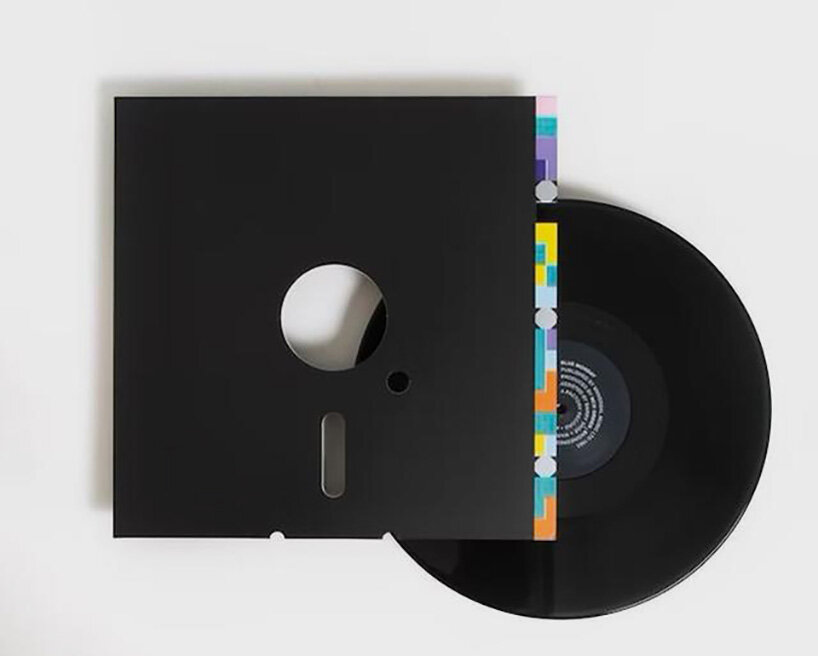
YS: New Order — Blue Monday, designed by Peter Saville. I’ve always loved Peter Saville’s sleeve design for New Order’s Blue Monday. Inspired by an old floppy disk, the sleeve uses actual die-cut openings to recreate its appearance. Even the typography is replaced by a clever colour-coded system, adding another playful layer to the design. I love how it combines these little surprises with such a striking, minimal aesthetic. It’s playful, beautifully considered, and still looks incredibly cool.
What is a track that best describes your favourite project you have worked on so far?
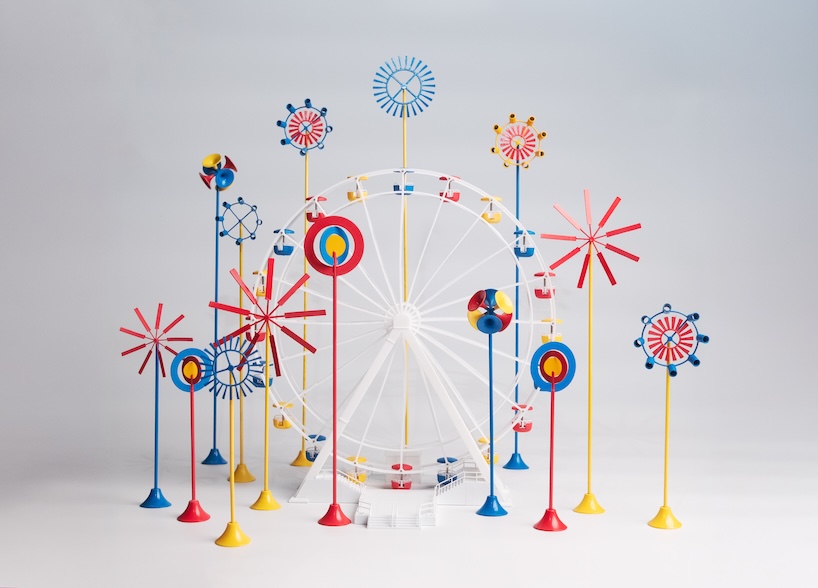
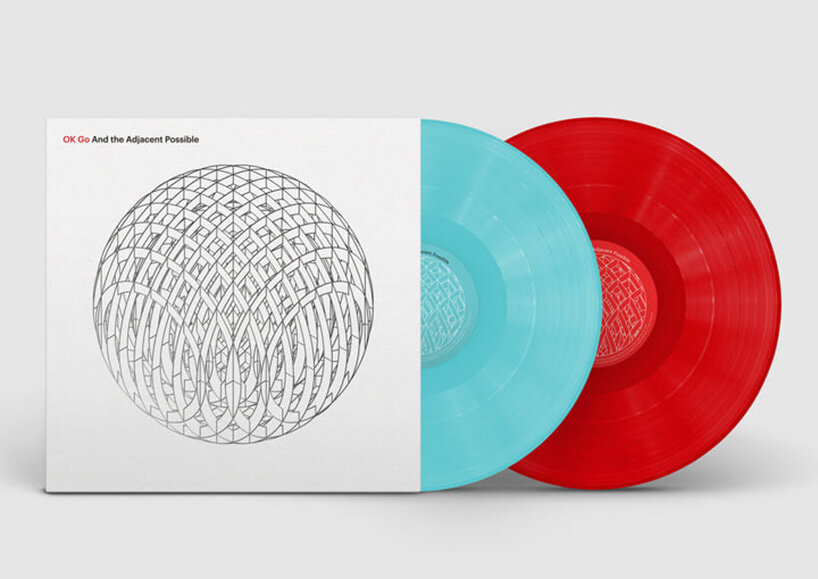
YS: OK Go — Television, Television. I love all the projects I’ve worked on, so it’s difficult to choose just one. But one project that was particularly special was designing the record sleeve for OK Go’s album And the Adjacent Possible in 2025.
The sleeve opens to reveal an intricate three-dimensional pop-up sculpture, and the project received a Grammy nomination for Best Recording Package in 2026. The track I’ve chosen isn’t actually from that album. It’s Television, Television from their earlier record Oh No. I wanted to choose something by OK Go because I really enjoy their playful and experimental approach to music and visual ideas.

shop
your own online design shop — no sales commission collected