the spectacle of entry: how concept car designers set entire bodies in motion
In the golden age of experimental concept car design, the many ways a car could open turned the act of entering into a theatrical event.
prefer designboom on google[FEATURED]
the moving architecture of the concept car
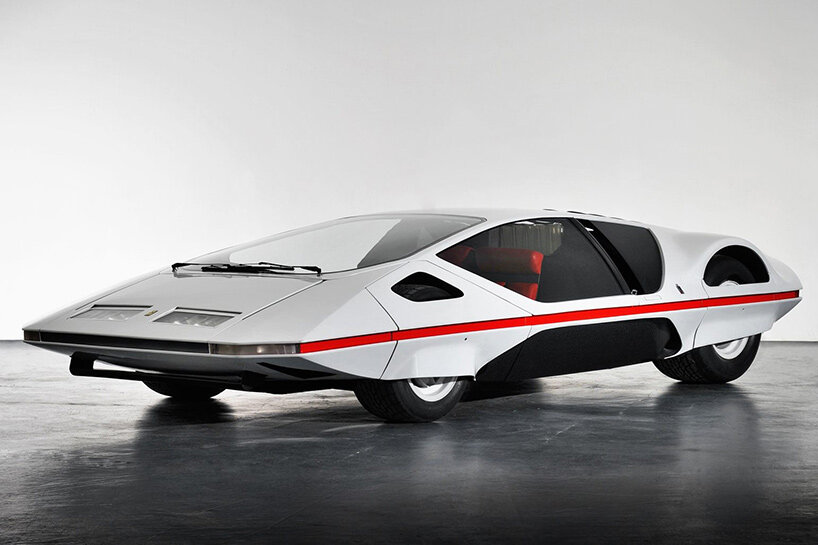
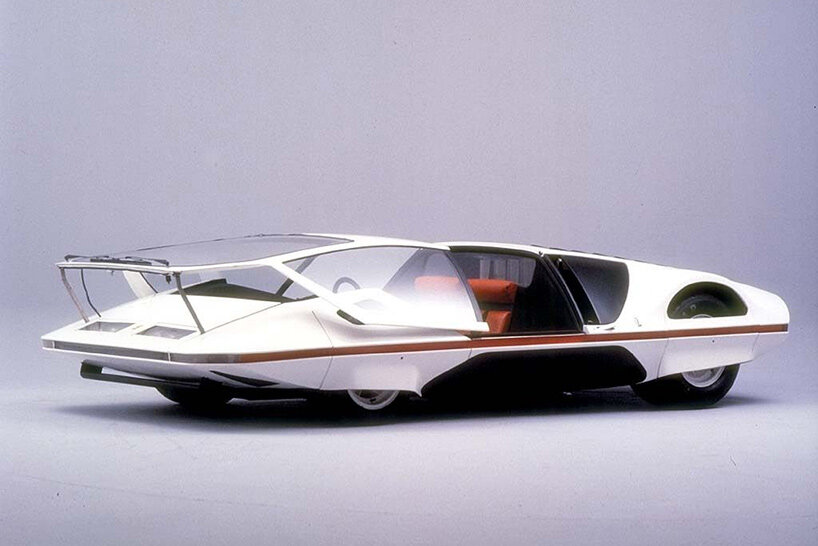
When Pininfarina presented its Ferrari 512S Modulo at the 1970 Geneva Motor Show, the Italian design team brought a vision of the automobile with almost all its familiar elements erased. The wheels were partially hidden beneath a white body, the roof barely rose above the hood, and the continuous black band of glazing gave little indication of how someone might get inside. To enter Paolo Martin’s futuristic concept car, the entire canopy had to slide forward.
The Modulo belongs to a radical period in automotive design when coachbuilders began to rethink the simple act of entering a car. With the freedom afforded by experimental prototypes, designers could do away with typical doors and set in motion much larger portions of the body. A windshield could become an entrance, and a roof could lift away to expose the entire cabin.
Read on as we revisit a series of these experiments from the 1960s through the end of the century. While much of the discussion around automotive design concerns the appearance of speed, these cars reveal some of their most dynamic qualities while standing perfectly still.
car designers made the door disappear
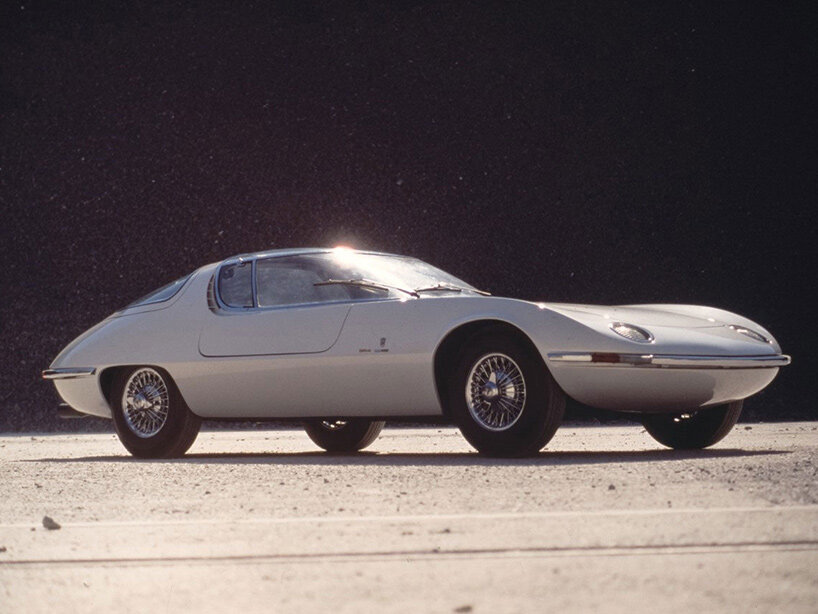
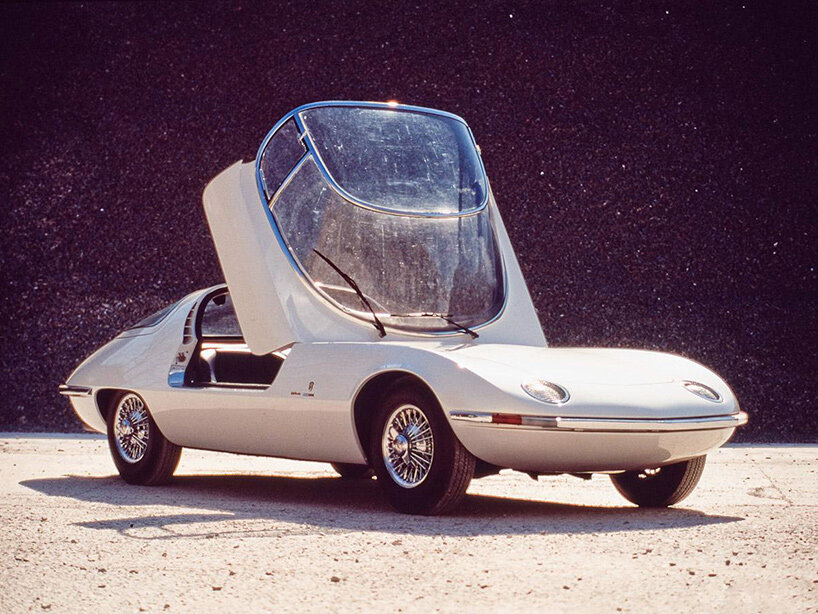
Seven years before the Modulo made its debut, a young Giorgetto Giugiaro had explored the possibilities of a continuous automotive shell with the Chevrolet Corvair Testudo. Designed at Bertone and presented in Geneva in 1963, the car had a distinctly organic profile. Its name, the Latin word for tortoise, alluded to the rounded body beneath which much of the mechanical equipment was concealed. The glass windshield and roof formed part of a single assembly that pivoted forward to expose the two seats.
The Testudo emerged at a time when the futuristic imagery of aviation and space exploration had entered the vocabulary of industrial design. The aircraft canopy offered an alternative to the upright door inherited from the horse-drawn carriage, and its application to the automobile gave designers greater freedom over the shape of the passenger compartment. The legendary designer could draw an uninterrupted line along the flank of his car because the point of entry had been moved elsewhere.
Paolo Martin took Giugiaro’s idea to an extreme with the Ferrari Modulo in 1970. Built on the chassis of a Ferrari 512S racing car, the concept was composed of two broad, almost horizontal volumes separated by a fine red line. The glazed upper enclosure sat within this geometry like the retractable roof of a building. In photographs of the Modulo with its canopy open, the familiar proportions of the car give way to an unexpected arrangement of overlapping planes.
marcello gandini and the theater of arrival
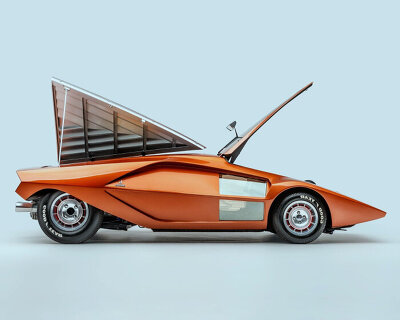
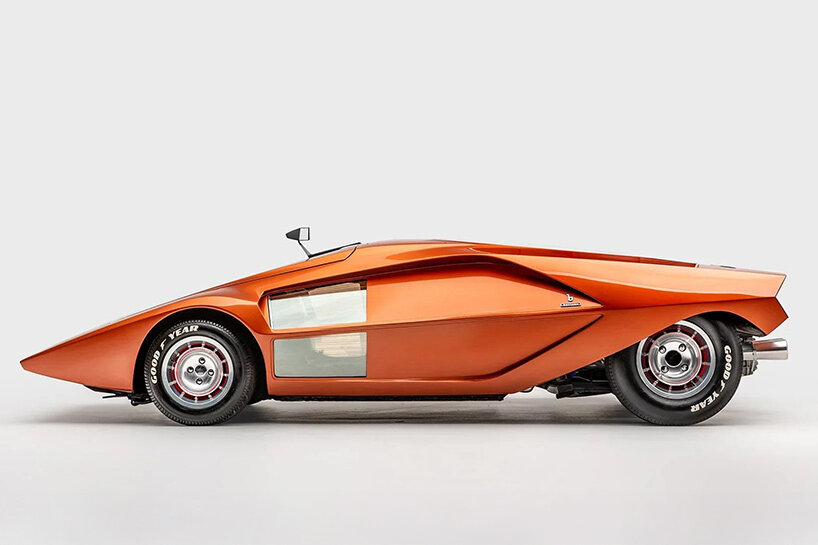
At Bertone, Marcello Gandini approached the question of entry from an entirely different direction. His copper-colored Lancia Stratos Zero, unveiled at the 1970 Turin Motor Show, stood just 84 centimeters (33 inches) tall. Its sharply angled profile was partly the product of an exercise within the design studio to see how low a car could possibly be built.
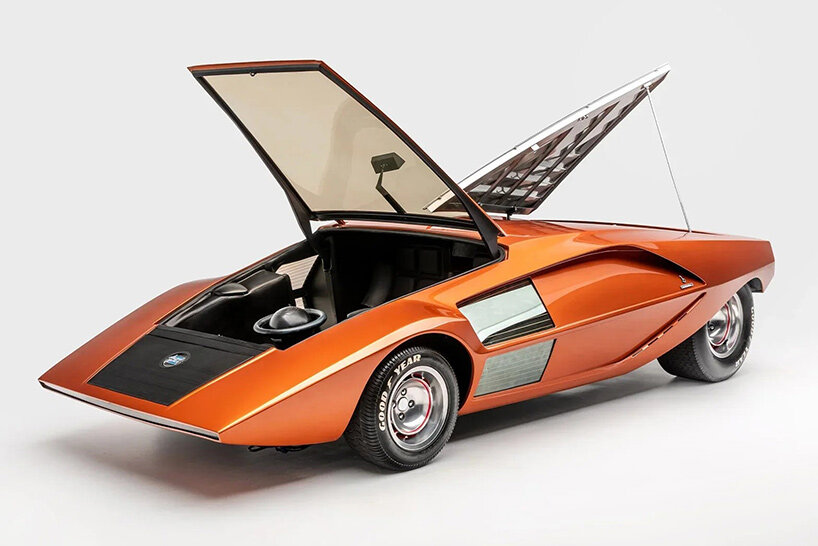
There is a small black rectangle at the base of the Stratos Zero’s windshield, which could easily be mistaken for a decorative detail. It is actually a rubber mat designed to accommodate the feet of someone stepping onto the bodywork. Beneath the Lancia badge is a concealed handle that releases the hinged windshield, while a hydraulic linkage connects the movement of the glass to that of the steering column.
Where most cars are approached from the side, the Stratos Zero asks its occupants to walk directly toward its nose, step onto its sloping surface, and lower themselves into the reclining seats. Gandini effectively designed a sequence of arrival around the geometry of the wedge. The exterior bodywork takes on some of the functions of a building’s entrance, right down to its little doorstep.
when the car moved to receive the human body
While Italian coachbuilders experimented with increasingly extreme proportions, designers at General Motors were developing cars whose interiors could physically accommodate the movements of their occupants.
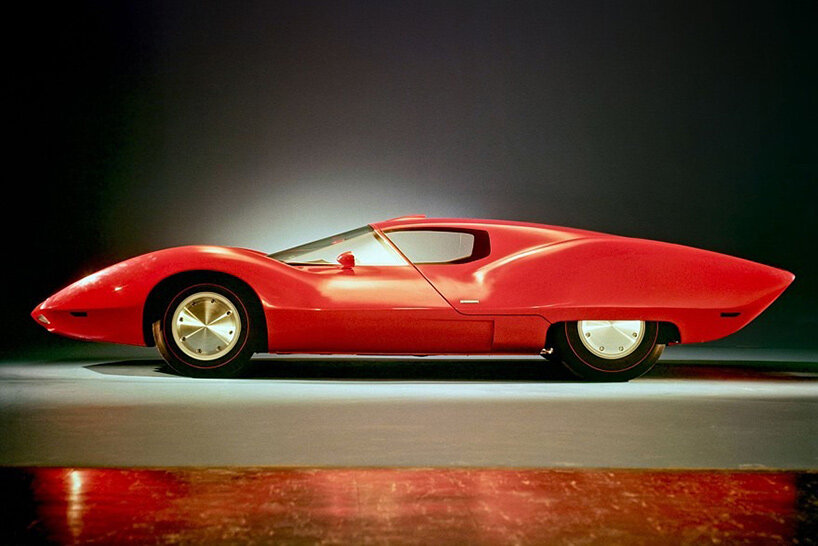
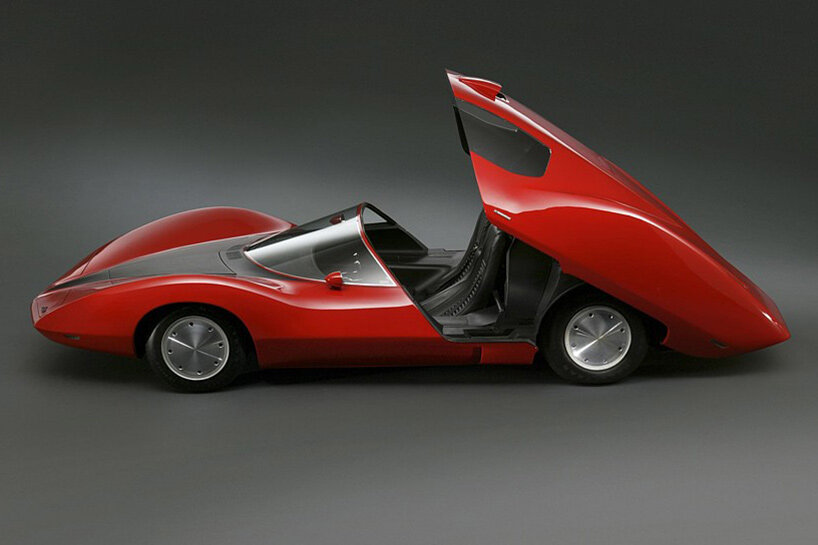
At the 1967 New York Auto Show, Chevrolet introduced its Astro I, an aerodynamic research vehicle designed by Larry Shinoda under the direction of Bill Mitchell. The red fiberglass body stood only 90 centimeters (35.5 inches) high, and a large section of its upper body hinged upward from the rear. Inside, the seats rose with the canopy.
a dynamic and responsive interior
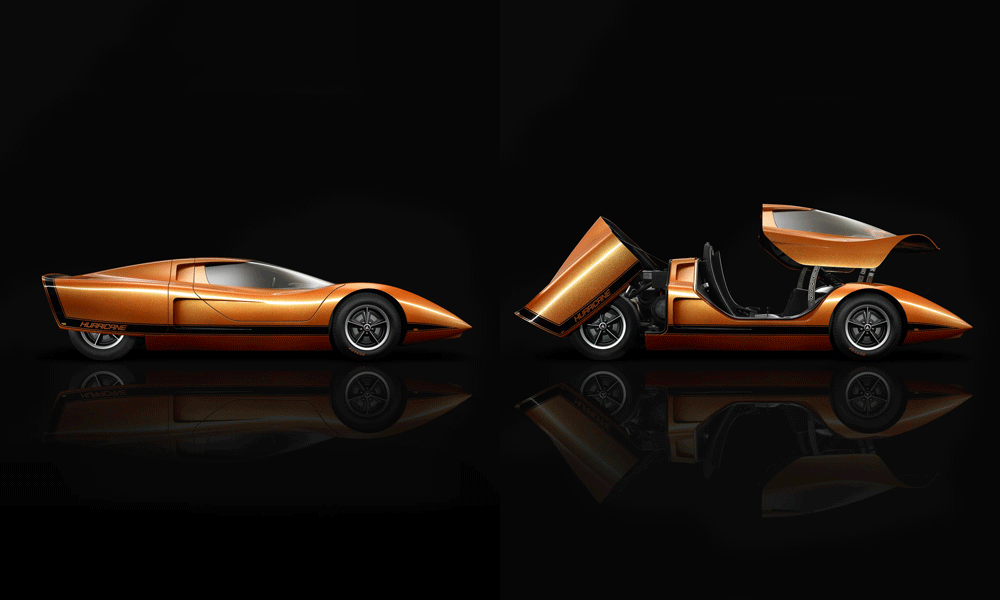
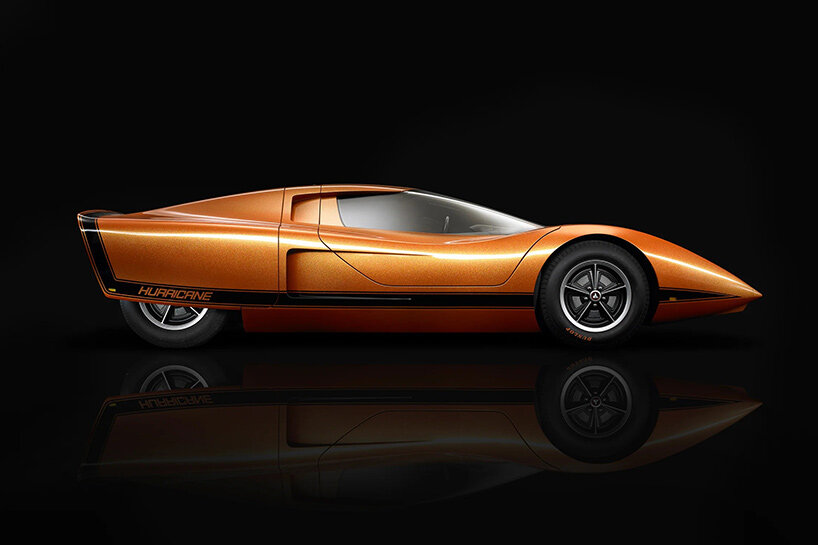
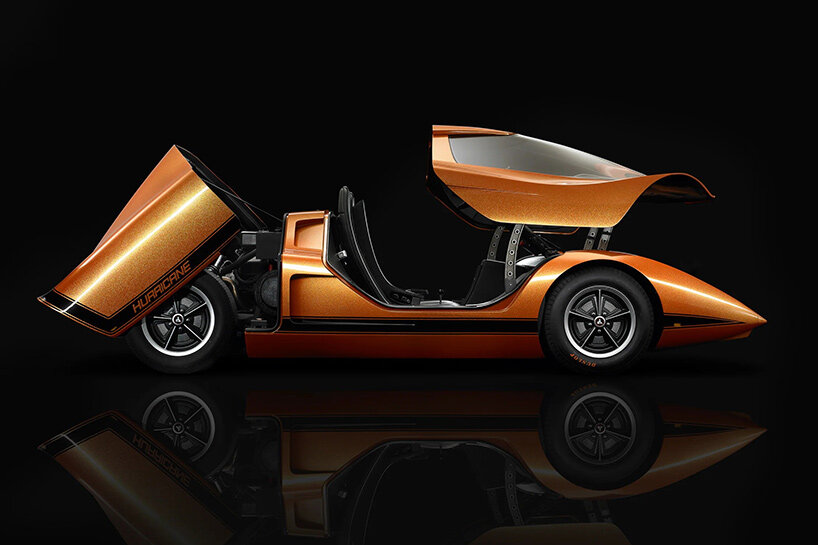
Two years later, on the other side of the world, General Motors’ Australian division introduced the metallic orange Holden Hurricane. Its hydraulically operated canopy pivoted forward over the front wheels, while the two seats rose and tilted toward the opening. The steering column moved out of the way. Once the occupants had climbed aboard, the seats descended into a reclining driving position and the roof closed above them.
The Hurricane is particularly interesting from an architectural standpoint because the interior arrangement changes according to how the space is being used. There is one position for entering the car and another for traveling in it. At a time when much of the automotive industry’s experimentation with aerodynamics called for increasingly low bodies, Holden considered how a mechanical interior might reconcile those proportions with the human form.
the automobile as a glass pavilion
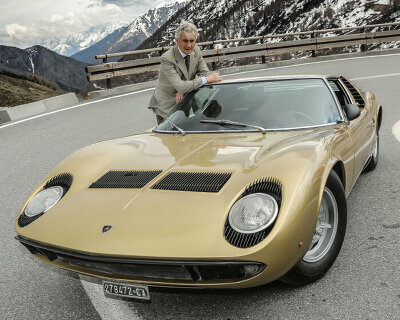
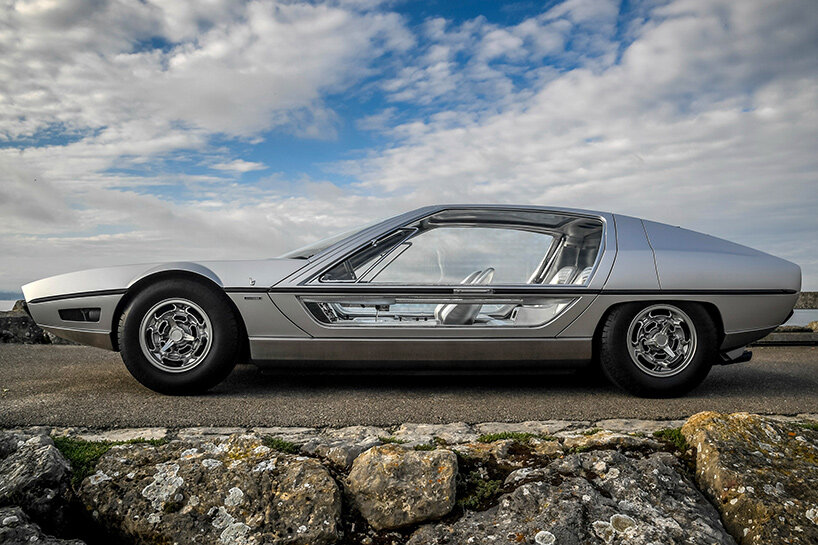
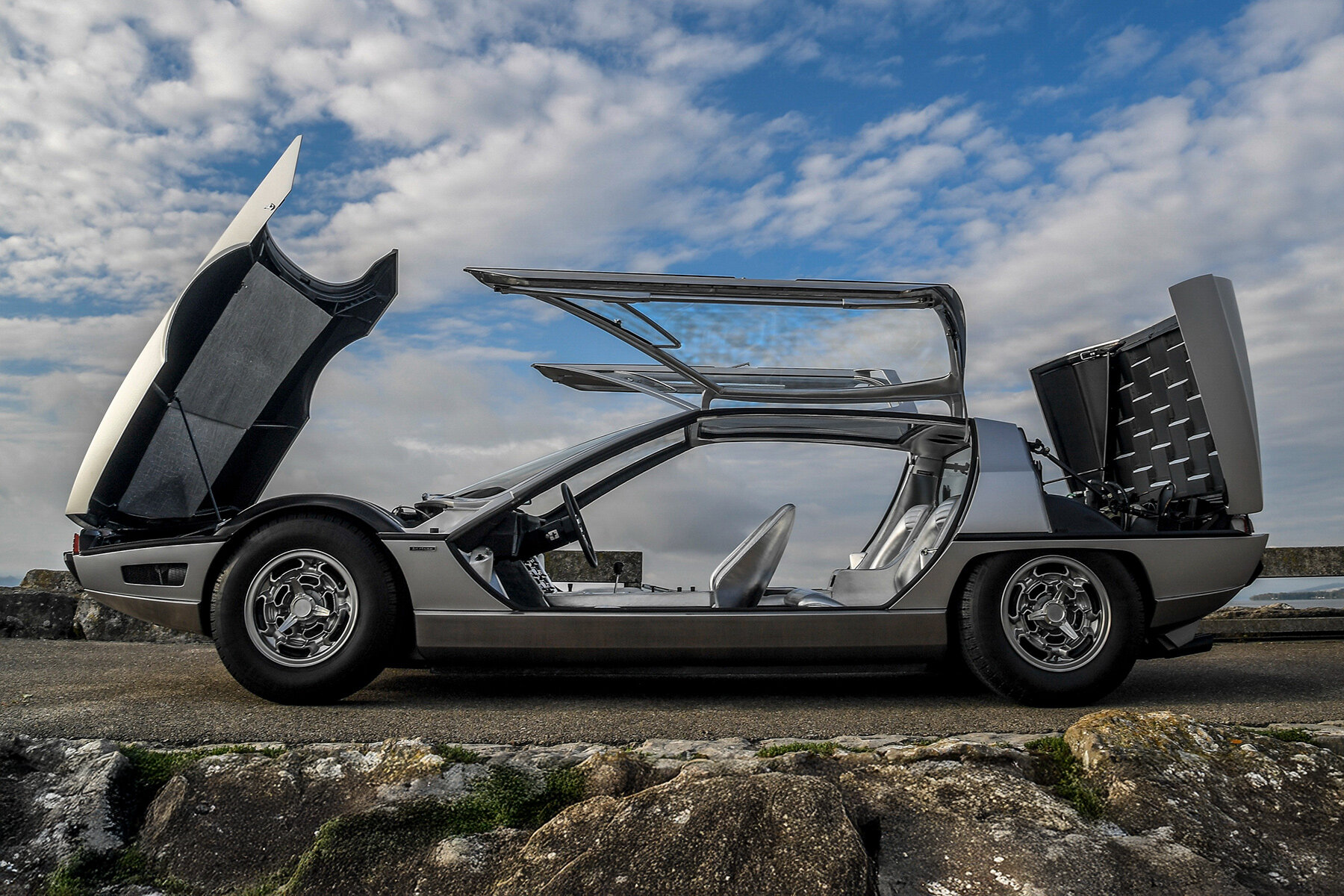
Another line of experimentation emerged through the extensive use of glass. In 1967, Marcello Gandini designed the four-seat Lamborghini Marzal at Bertone, with enormous gullwing doors whose glazing extended well below the occupants’ shoulders. Silver leather covered the seats, and hexagonal geometric motifs appeared throughout the interior. With the doors raised, nearly the entire side of the passenger compartment was exposed.
The Marzal’s approximately 4.5 square meters (48 square feet) of glass gave it an unusual degree of transparency for an automobile. Ferruccio Lamborghini himself expressed reservations about the privacy afforded by the doors. It was a familiar question in modern architecture, too, where increasingly transparent building envelopes had prompted discussions about the exposure of their inhabitants. In the Marzal, even with the doors closed, much of the interior remained visible from the street.
beneath an inhabitable glass dome
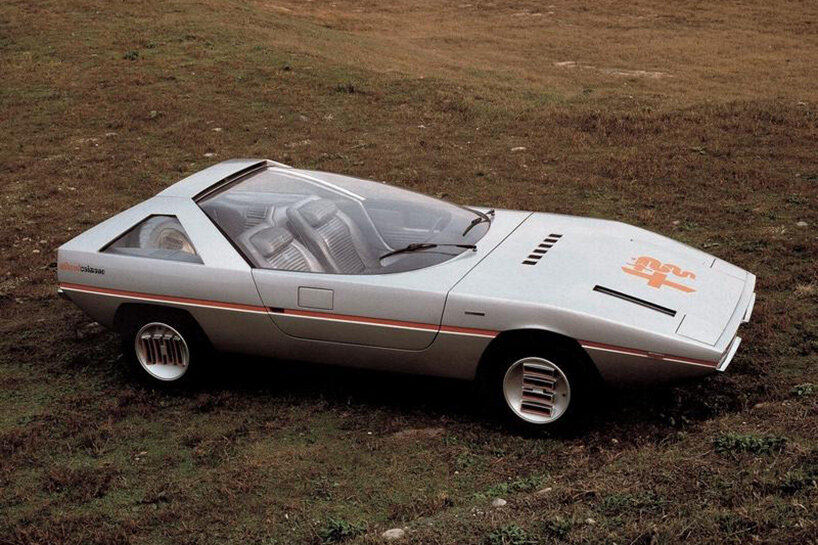
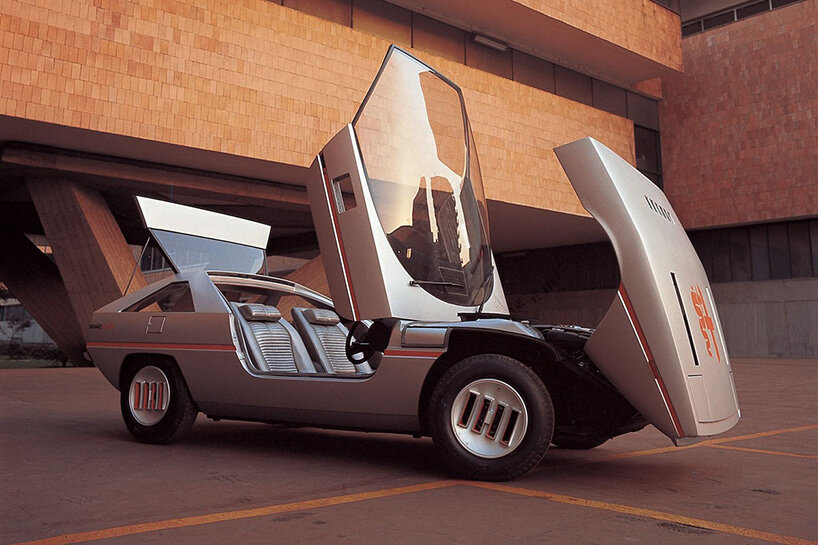
Giorgetto Giugiaro pursued the idea of the glazed enclosure further at Italdesign with his 1971 Alfa Romeo Caimano, based on the mechanics of the Alfasud. Its low, green body was topped by a bulbous transparent dome, the whole of which hinged forward. With the canopy raised, the two-seat interior was almost entirely exposed. The uninterrupted expanse of glass also afforded the occupants an unusually panoramic view of their surroundings.
One sweet detail of the Caimano is the pair of small windows integrated into the sides of the canopy. In eliminating conventional doors, Giugiaro had to devise another way for the occupants to bring fresh air into the cabin or reach out to pay at a toll booth. A subtle reminder that even the most futuristic visions of the automobile had to accommodate such everyday encounters with the world outside.
italdesign reconsiders the automotive floor plan
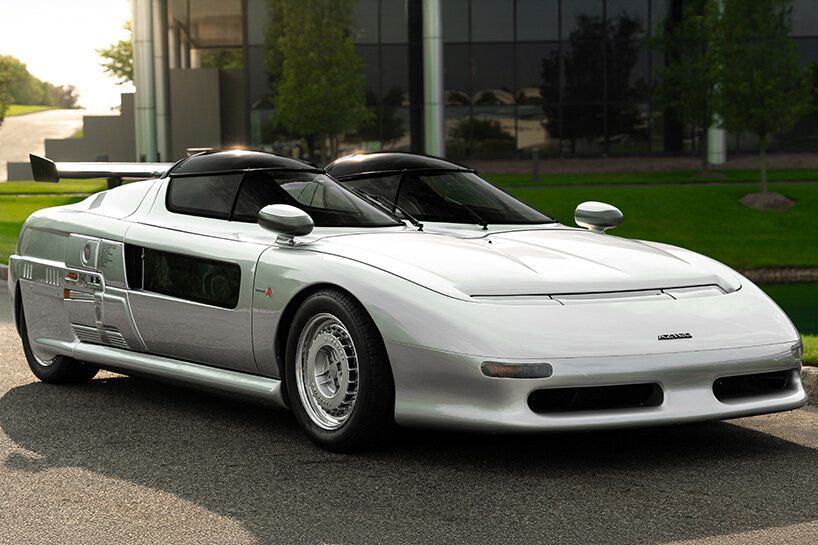
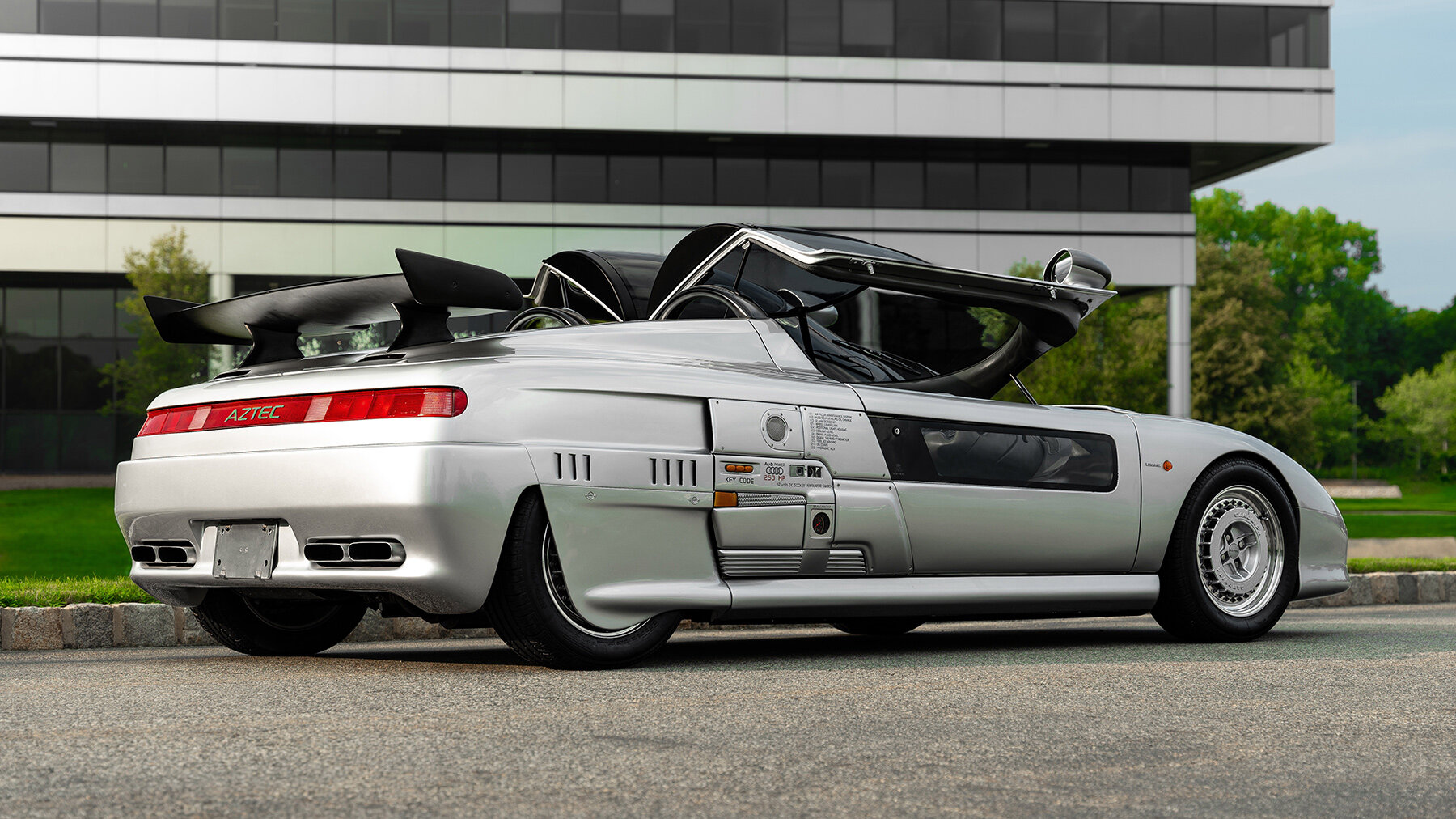
By the late 1980s, the possibilities of moving bodywork had extended to experiments with the very organization of the passenger compartment. Giorgetto Giugiaro’s silver Aztec, introduced at the 1988 Turin Motor Show to celebrate twenty years of Italdesign, divided its interior into two symmetrical cockpits. Each had its own windshield and instruments, and the two occupants were separated by a substantial portion of the body.
The process of opening the Aztec reveals this unusual floor plan. Sections of the cockpit lift upward, while smaller doors swing outward beneath them. Even the symmetry of the interior is unconventional: the passenger sits in front of what appears to be a second steering wheel, which is actually a control console. Giugiaro had effectively conceived the sports car as a pair of individual inhabitable capsules.
a carbon-fiber body that opens as one
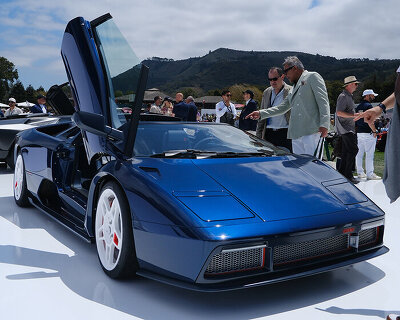
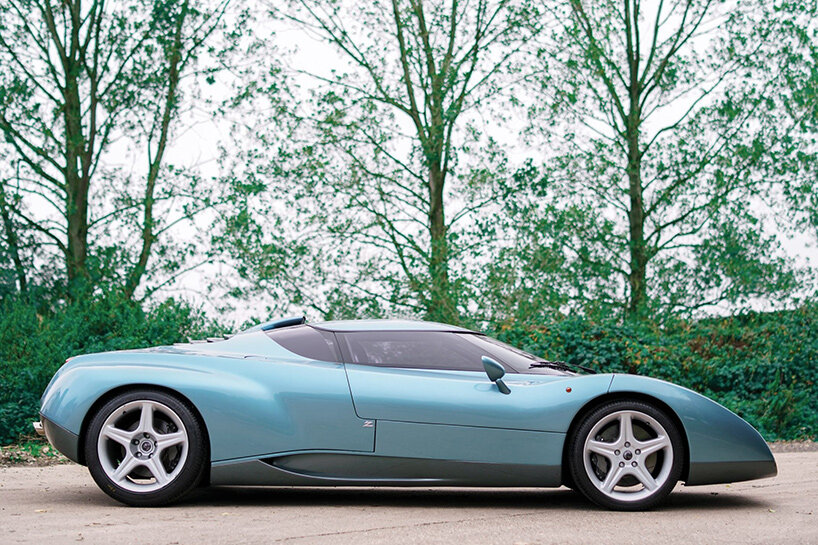
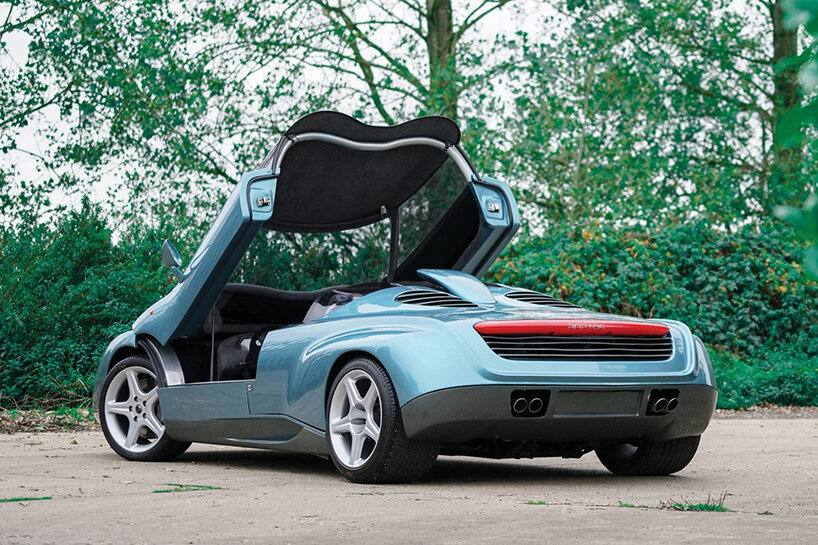
At the 1996 Geneva Motor Show, Zagato presented another interpretation of the doorless automobile with its Lamborghini Diablo-based Raptor. The characteristic double-bubble roof of this Zagato Raptor concept formed part of an enormous hinged section of carbon-fiber bodywork. The central portion of the car pivoted forward in a single movement, with the roof and sides of the cabin lifted away from the chassis.
With the canopy raised, the underlying construction of the car was exposed. The lightweight carbon-fiber shell gave Zagato the freedom to work with unusually large moving surfaces, while the double-bubble roof could itself be removed to convert the coupe into an open-air roadster. The Italian coachbuilder had developed a body with several possible configurations around the same passenger compartment.
the afterlife of the doorless car
The fascination with moving automotive architecture persists among designers working outside the constraints of mass production. When Renault developed its electric Trezor concept for the 2016 Paris Motor Show (read here), images of the Ferrari Modulo appeared on the design studio’s mood boards. The Trezor’s silver hood and red-tinted canopy lift together to expose a red interior.

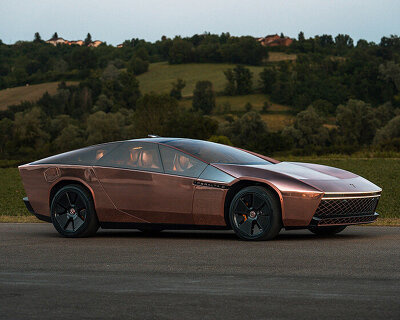
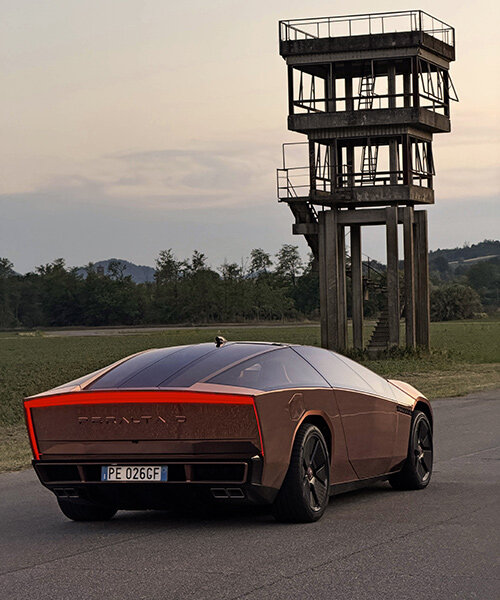
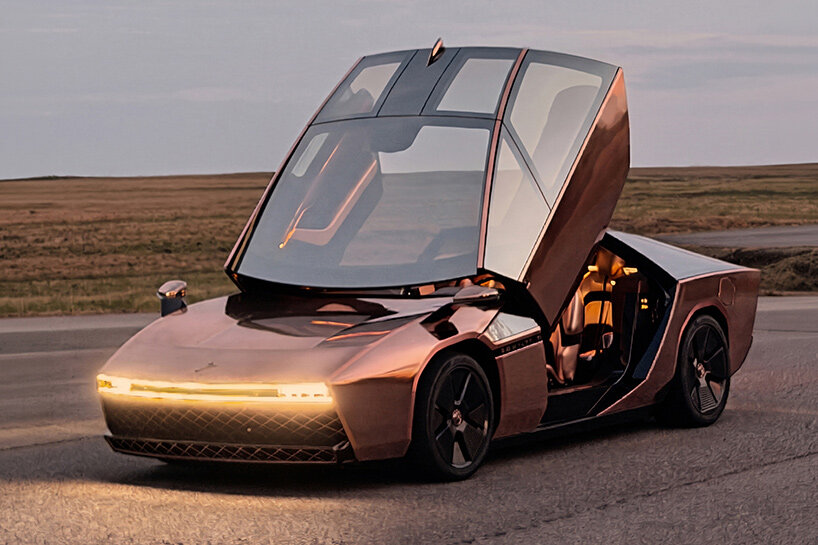
More recently, Fabrizio Giugiaro revisited the idea with GFG Style’s copper-bodied Peralta D, unveiled in October 2026 (read here). The car’s geometry changes dramatically when the entire canopy rises upward and forward, and smaller sections of the body pivot outward. More than six decades after Giorgetto Giugiaro experimented with the moving shell of the Testudo, his son is still reconsidering the act of entering a car.
It’s sweet to watch archival footage of the earlier prototypes. The slow, mechanical movements show a completely different experience of the cars from the high-speed image often associated with automotive design. The car briefly becomes a small and sculptural piece of architecture, and its dynamic shape is determined by the arrival of a person.
This article is part of designboom’s STATES OF MOTION chapter, exploring how architecture, design and art are transforming the way we move. These stories rethink the experience of movement through evolving transit spaces, mobile habitats, inclusive infrastructure, slower journeys and kinetic art – learn more here! Each designboom editorial series explores one theme in depth through projects, interviews, features and news across architecture, design, art and technology. Discover more chapters here, and get in touch if you’d like to submit a story through our submissions portal or contact form.
shop
your own online design shop — no sales commission collected