ceramiche refin brings industrial, elegant versatility into interiors
designboom was invited to see how the italian company fabricates its high-quality tiles in their factory located on the outskirts of modena.
refin brings industrial, elegant versatility into interiors with plant and deck collection
images courtesy of ghenos communication / ceramiche refin
ceramiche refin has released two new, and unique collections to add to their diverse and characteristic floor tiles. named ‘plant’ and ‘deck’, they are both influenced by different contexts, evoking a different mood while aiming for the interiors to be reminiscent of specific setting. meanwhile, designboom was recently invited to see first hand how the italian company fabricates their high-quality tiles in their factory located on the outskirts of modena.
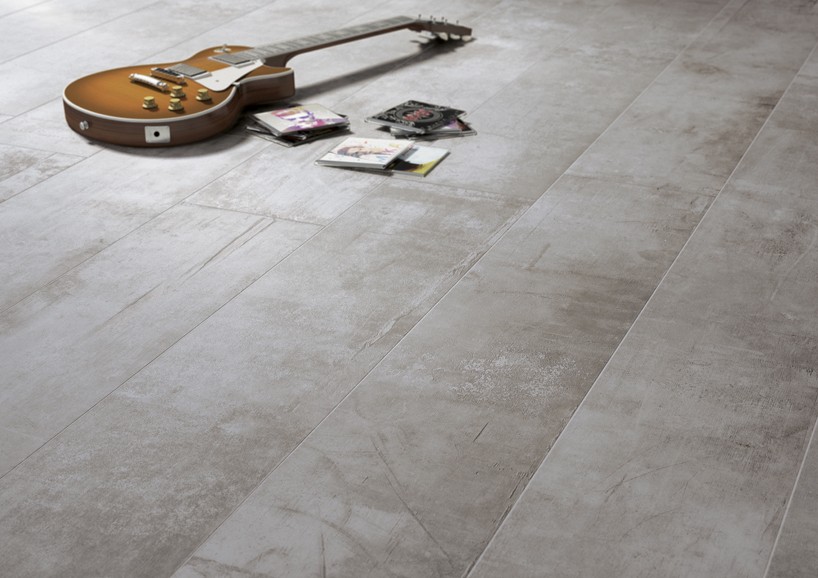
each tile is complemented with scratches and texture- giving the interiors a contemporary and aged look
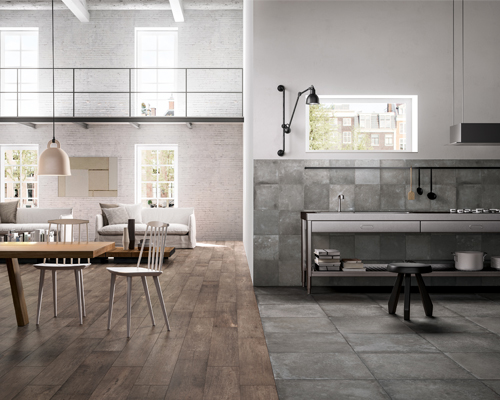
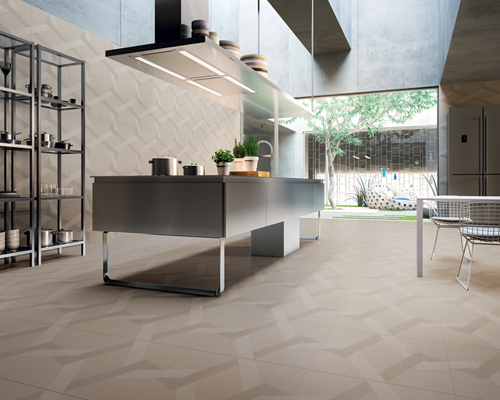
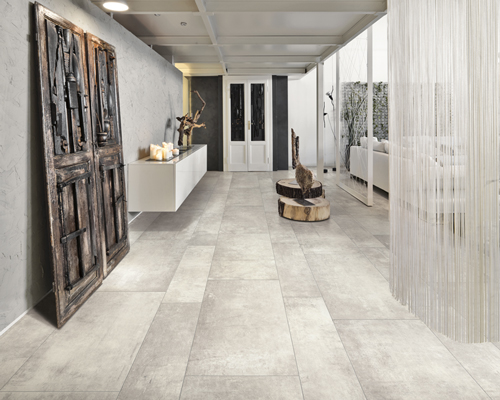
the ‘plant’ collection takes on an industrial and aged look, where each tile is complemented with scratches and texture- giving the interiors a sense of history and place. suitable for residential or commercial uses on floors and walls, the tiles are a versatile expression of an urban lifestyle, made to subtle communicate a vintage yet contemporary ambiance.
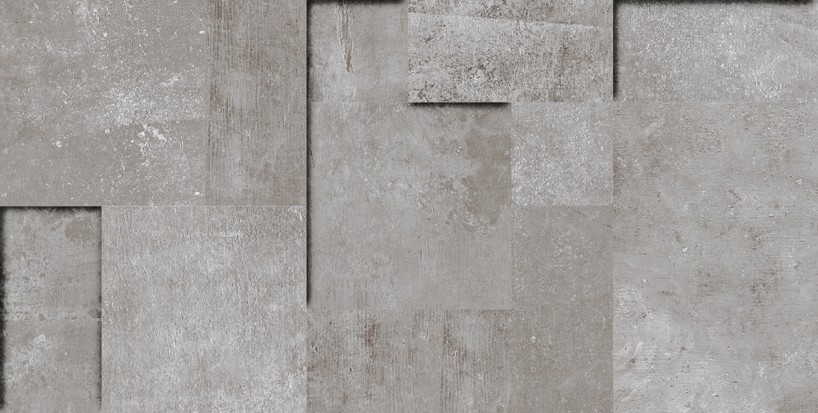
plant in ‘ash muretto’
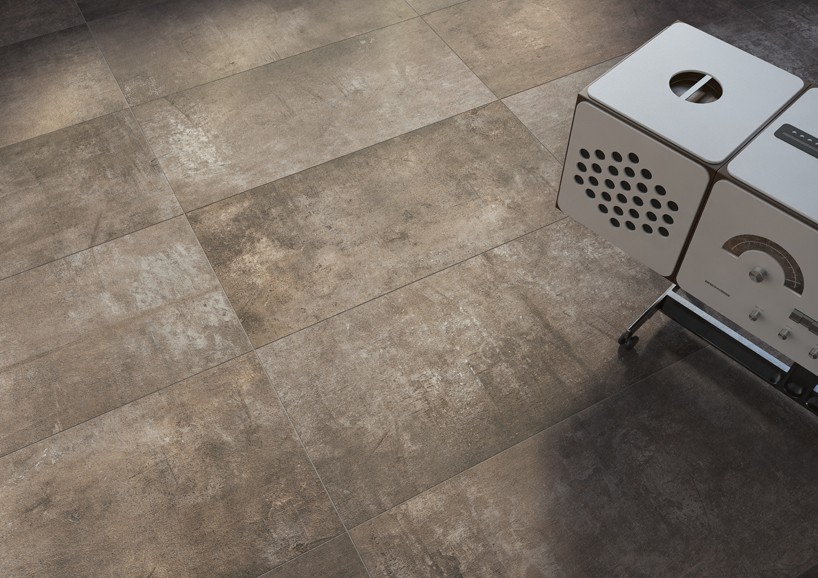
the tile gives space a sense of ruggedness and an industrial mood
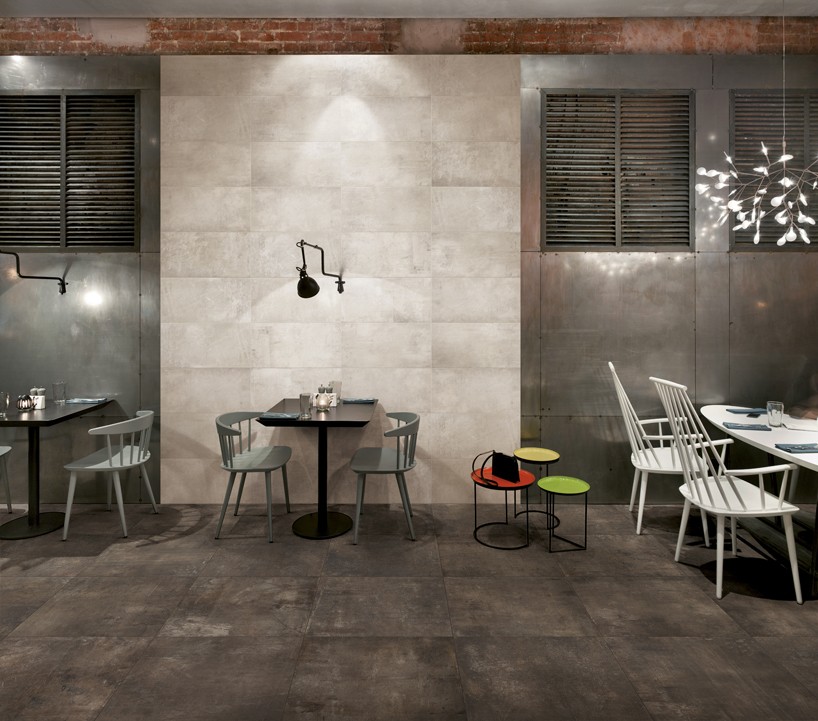
the collection can be juxtaposed on floor and wall surfaces
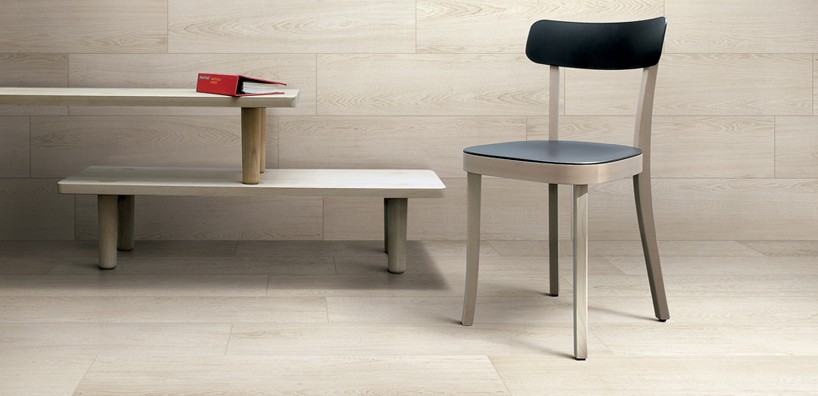
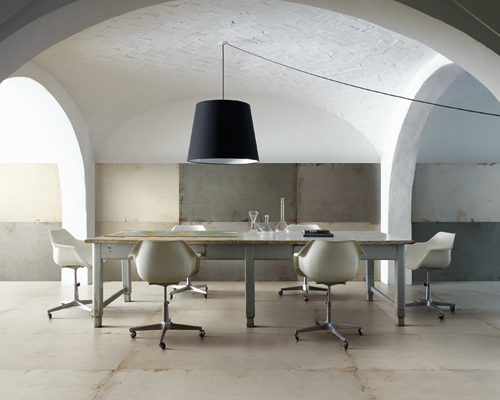
the ‘deck’ collection
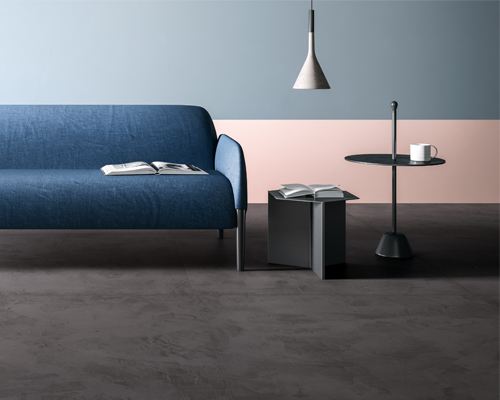
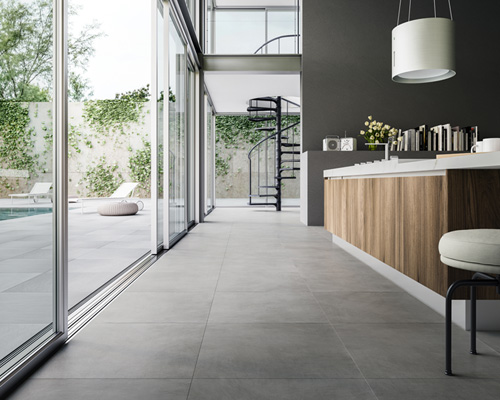
drawing influence from the colors and atmosphere of central europe, ‘deck’ is a study of classical history. using minimal graphics and detail, the collection utilizes varying color tones of natural hues to emphasize the effect of reflection on the surface. depending on the light, different palettes of color are brought out- accentuating vitality within the interiors.
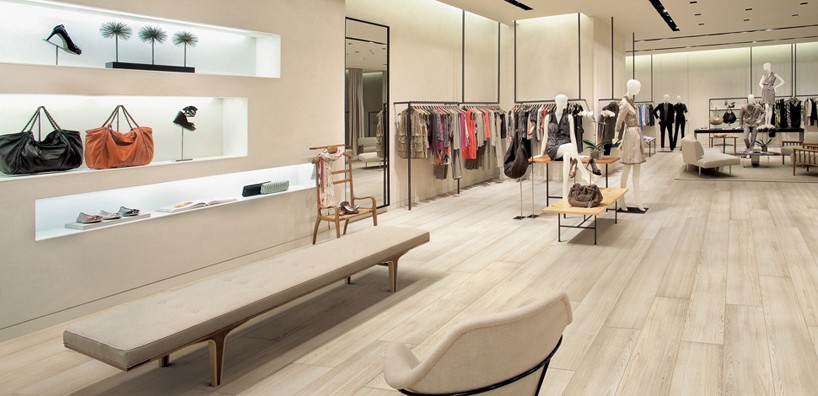
the tiles used in a high-retail store
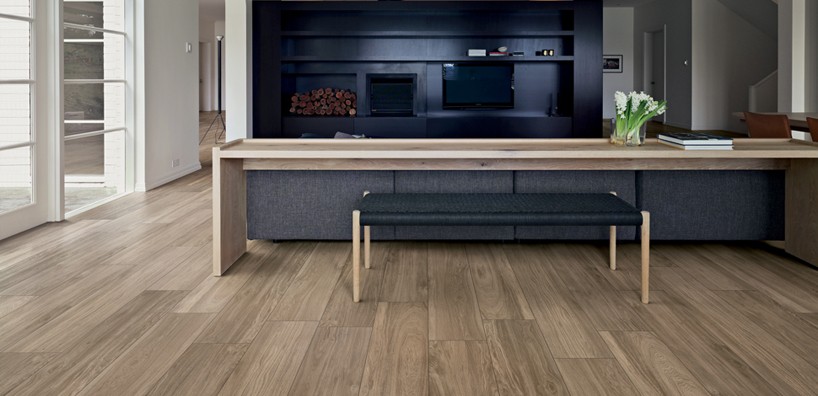
the darker shade used within the kitchen
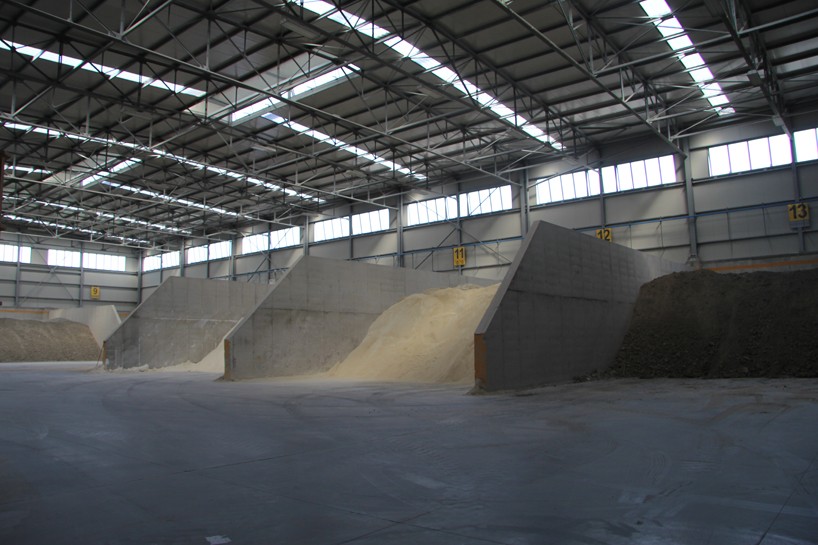
the vast warehouse where the sands and clays are stored
image © designboom
designboom was recently invited to take a exclusive look into the factories of one of italy’s biggest ceramic tile producers. the distinguished tile company, part of the larger concorde group, has over the years established itself among a competitive market due to its innovative technologies and italian design. an array of designers, architects and artists have collaborated with refin to produce unique and distinctive collections which have been used in commercial, retail and residential projects over the world.
one of their main goals during the fabricating process is its eco-sustainability: recycling of water during all the phases of productions, recovery of waste, directing hot air coming from the kiln to the burners and having a photovoltaic system on the roof to generate electricity used in the offices.
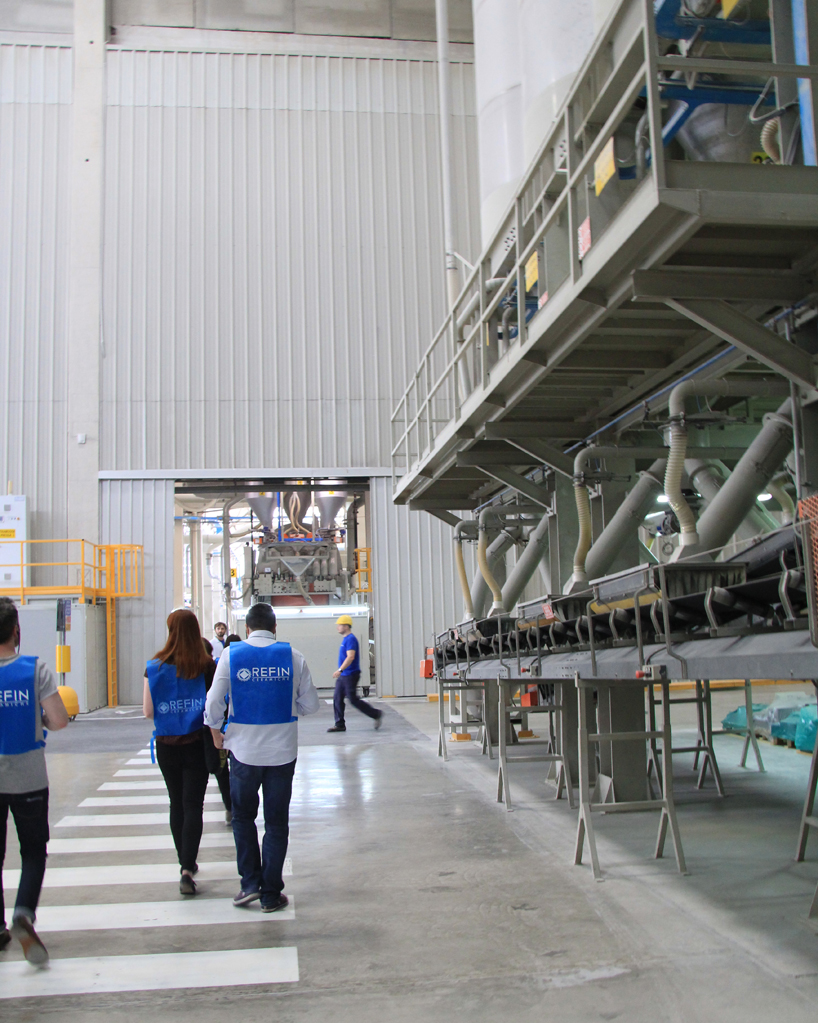
the expansive space where hundreds of tonnes of raw material are processed in the mill
image © designboom
producing porcelain tiles includes a careful technical approach to enable a high level of resistances, straightness and low water absorption to be achieved. simultaneously, the creative research laboratory, who work in partnership with designers, are constantly seeking out innovative techniques to deliver alternative and original applications for porcelain stoneware tiles. the raw materials composed in a tile are clays, feldspar, sands, inks and pigments. the depending on the specific collection, the graphics, texture and decoration are done during the finishing stages where each tile is digitally printed on.
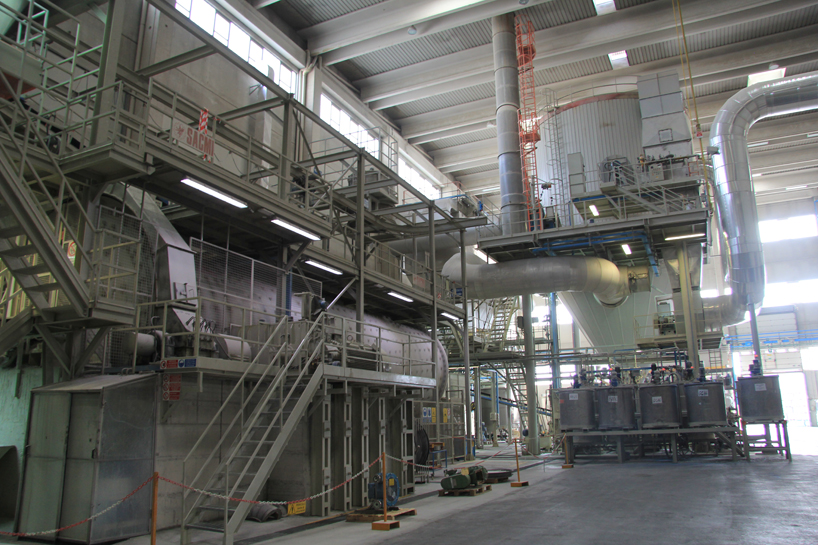
the second stage
image © designboom
the raw material, in its natural form is inserted into the mill where water is added and then converted into fine powder to be able to be perfectly pressed. porcelain stoneware is a ceramic that is compact, strong with a non-porous body. therefore, the lean clay-body of each tile is achieved when it is fired in the kiln (at 1,200–1,400 degrees celsius) until it reaches a non-porous vitrification and complete waterproofing. within the factory, mobile robots and technology has been integrated into the process where they are charged with subsequent phases of transportation and application. due to new technologies, hundreds of unique patterns with no repetitions can be achieved just through digital printing with CMYK color mixing.
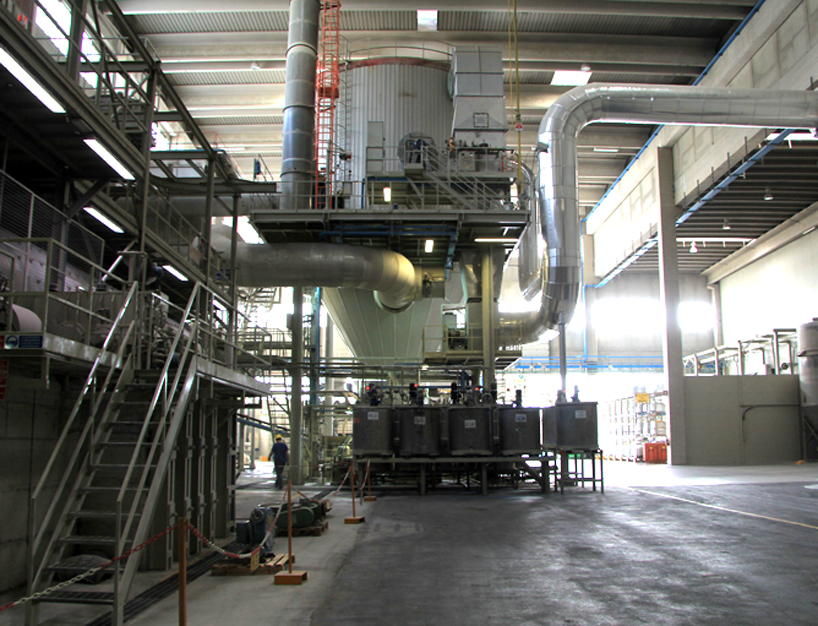
the spray dryer
image © designboom
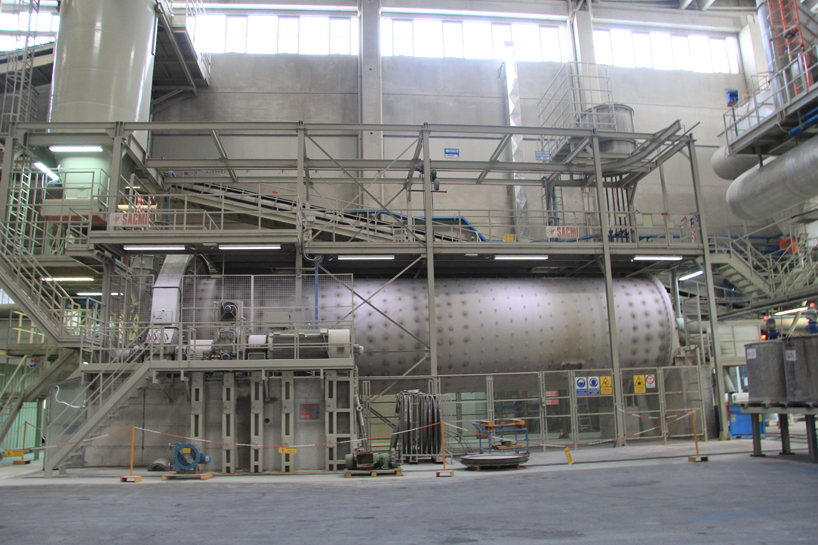
the mill
image © designboom
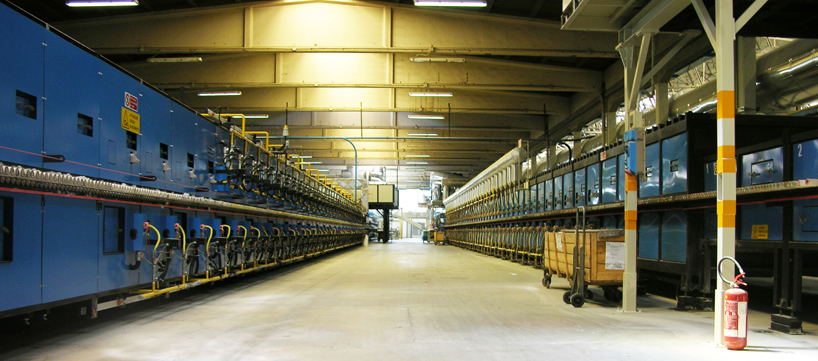
once all water is removed, the tiles are fired in the kiln
image © designboom
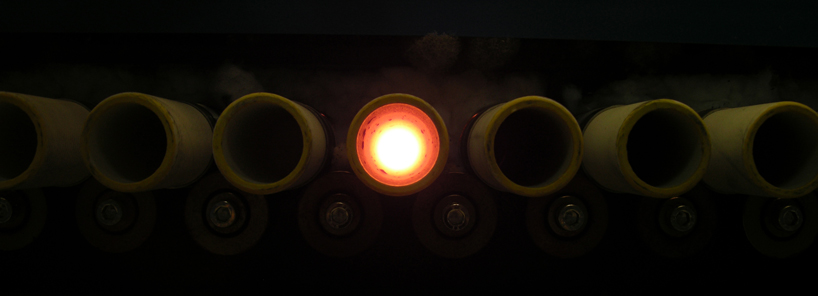
fired at 1,200–1,400 degrees celsius, until it reaches a non-porous vitrification and complete waterproofing
image © designboom
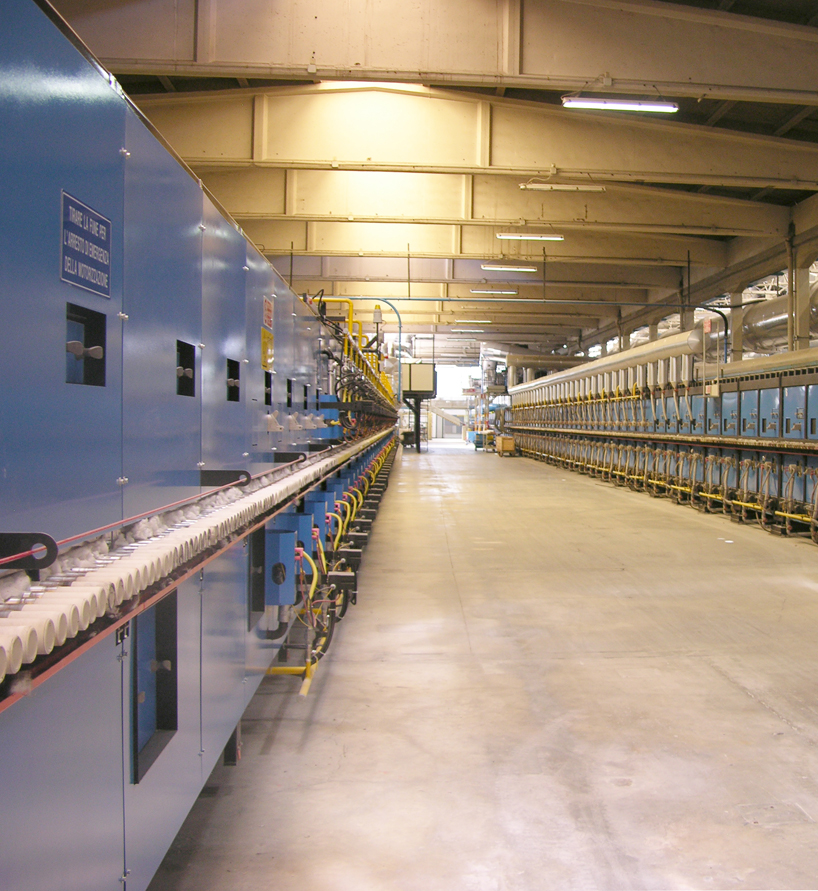
the kiln section
image © designboom
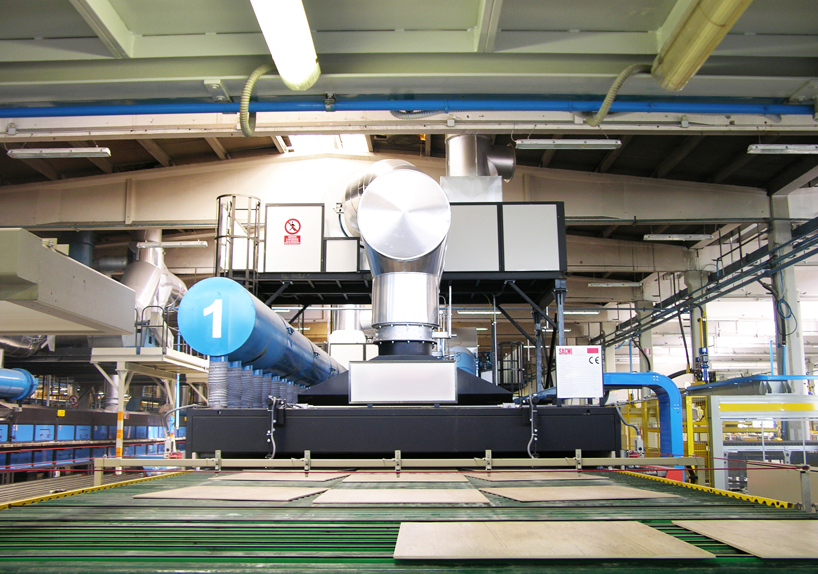
image © designboom
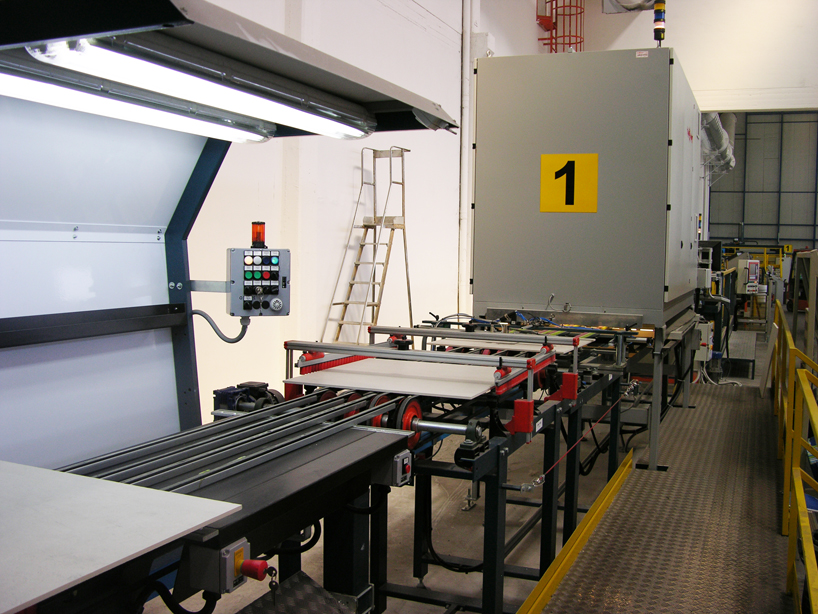
each tile is pressed and scanned to make sure their edges are at exactly 90 degrees
image © designboom
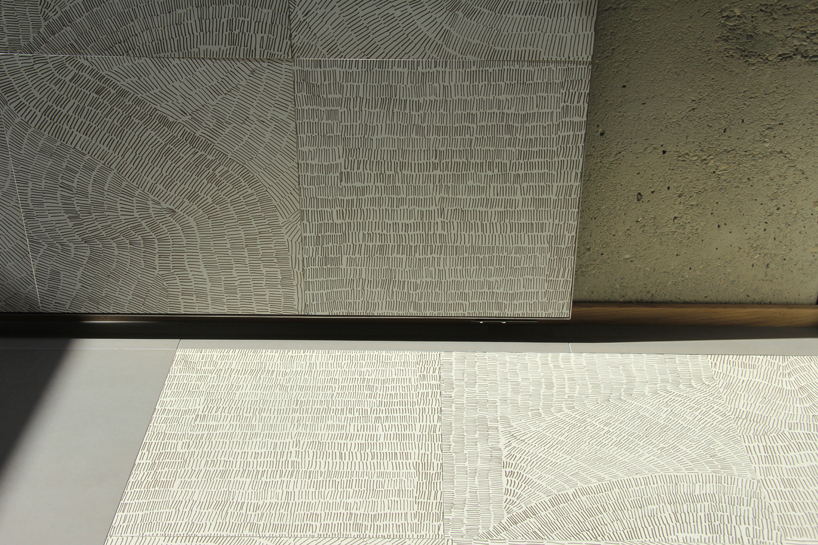
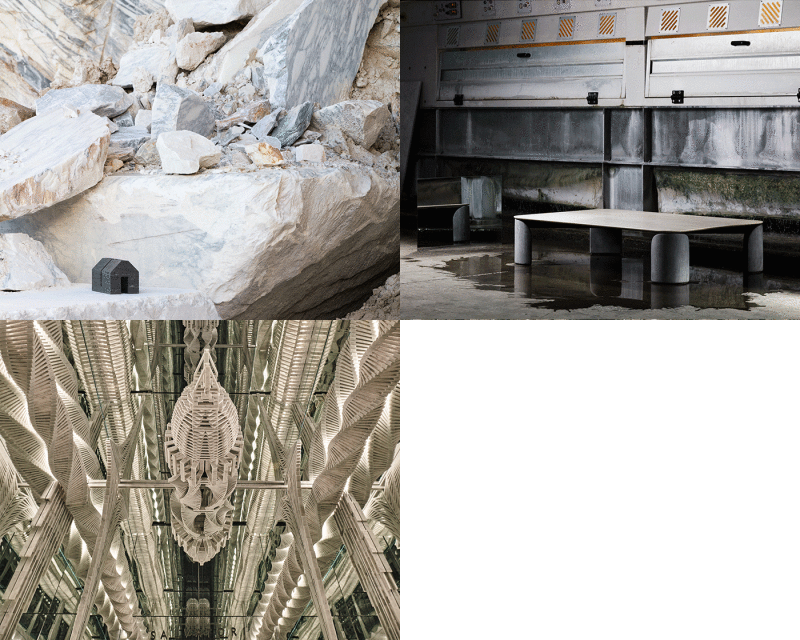
the ‘fossil collection’, influenced by prehistorical imprints left by plants and animals in rock formations
image © designboom
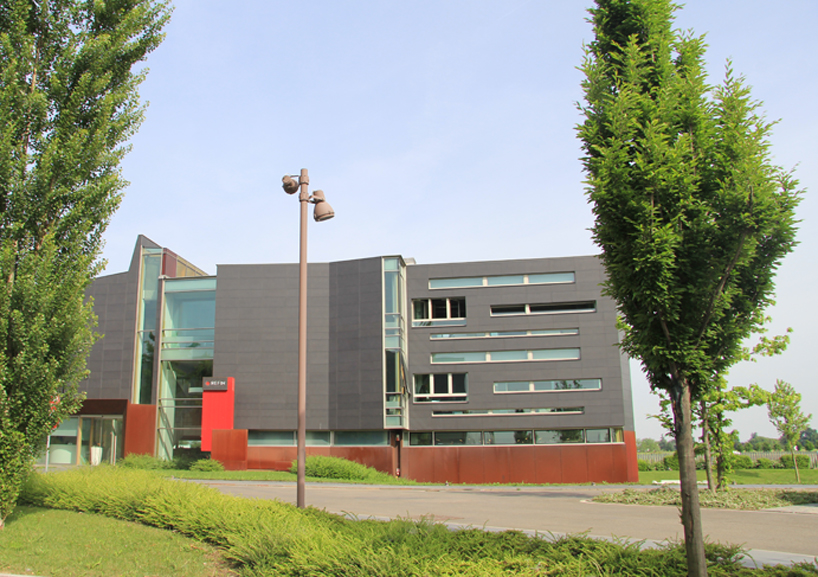
the ceramiche refin headquarters located on the outskirts of modena, italy
image © designboom
shop
your own online design shop — no sales commission collected