glitches in everyday objects reintroduces human error to design
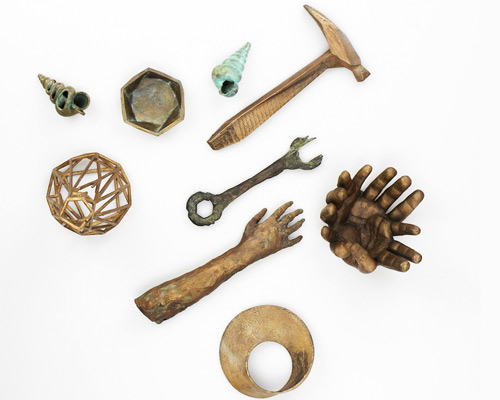
through deliberate misuse of various 3D modeling and scanning softwares, the workshop explores what happens when mistakes are simply disregarded.
glitches in everyday objects reintroduces human error to design
all images courtesy of vincent brinkmann, jan sengstake
with exceptions, a mass majority of objects are brought from concept to reality by digital means. they’re drawn on a tablet, built in the three-dimensional void of CAD, optimized for production, then finally constructed and sold — via advertisements and packaging also digitally created. while working this way is very efficient, it leaves little to no room for human error.
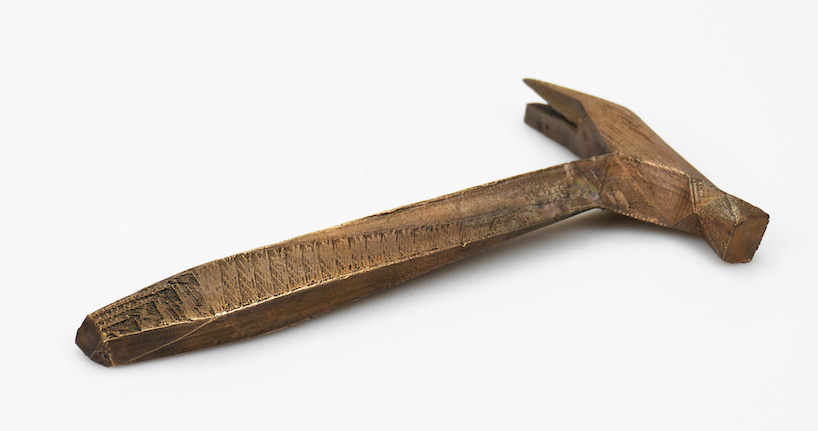
3D printed and cast hammer
one way to bring human mistakes back into the process, is through the deliberate misuse and experimentation with various 3D modeling and scanning softwares. ‘glitches in everyday objects’ is an investigational workshop led by designers vincent brinkmann and jan sengstake. working with various computer technologies, brinkmann, sengstake, and class participants recreate artifacts in the digital world. however, rather than meticulously retouching and fixing every detail, inaccuracies are simply disregarded.
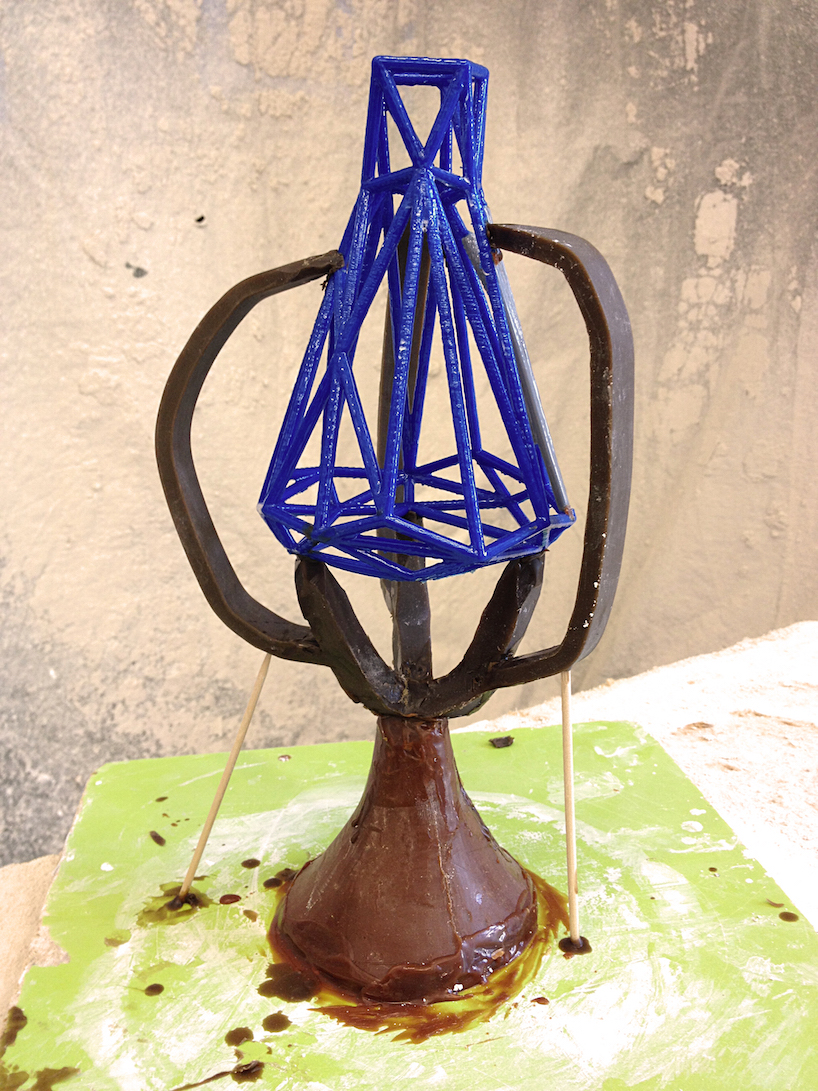
creating sprue and runner structure for casting (pre-mold)
semi-complete designs are then 3D-printed in ABS plastic. complementary to the nature of the concept, the prints are prepared to be cast in metal using somewhat unpredictable investment casting methods. oil based ABS easily burns out, making it the opportune material to create negative molds ready for pouring.
video courtesy of etcetera.PP
the permanent finished objects are immortal representations of human error. shapes, voids, and lines are all clearly visible in both bronze and aluminum renditions. ‘glitches in everyday objects’ combines both analogue and digital to create experimental artifacts that showcase what happens when the system goes awry.
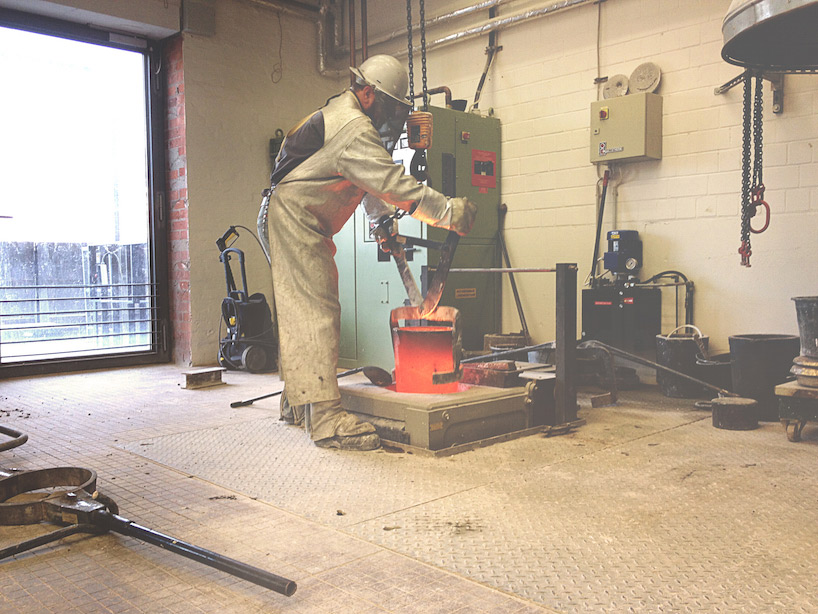
molten bronze in furnace
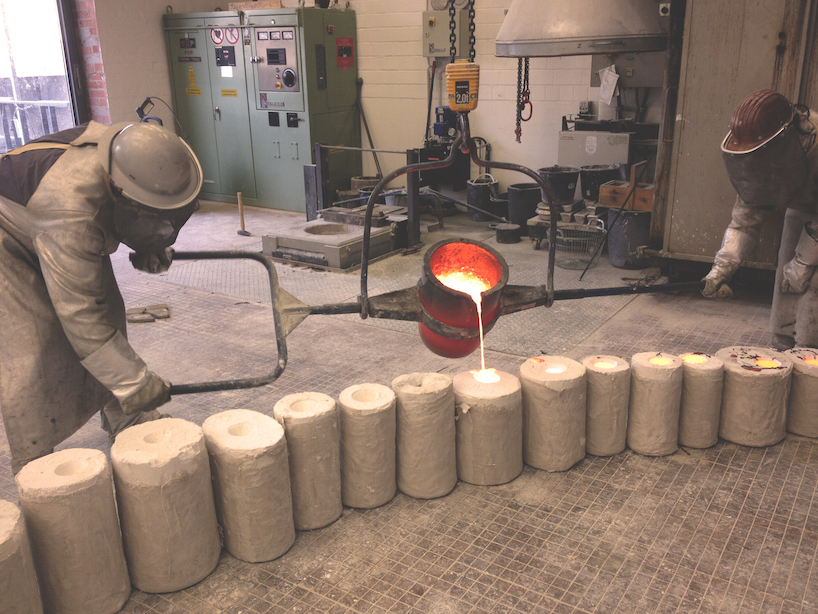
pouring into molds
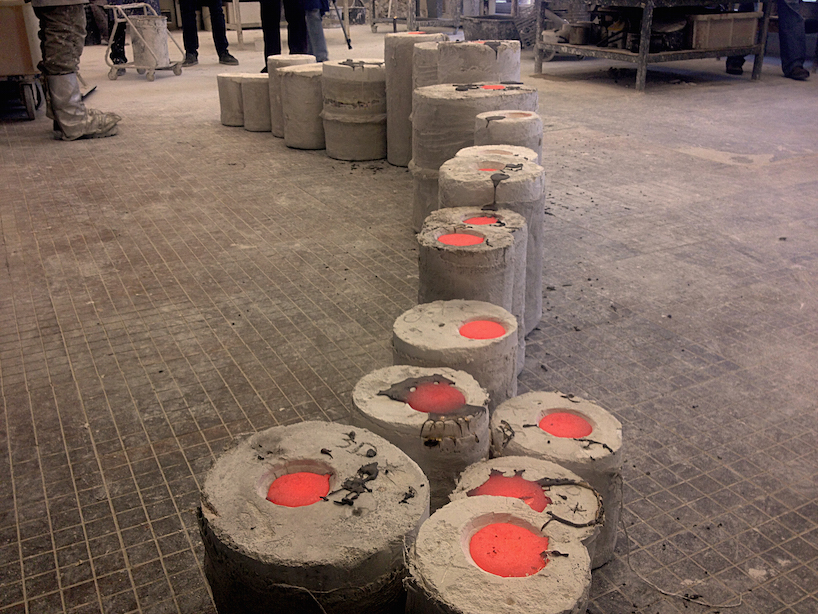
once poured, the molds need substantial time to cool
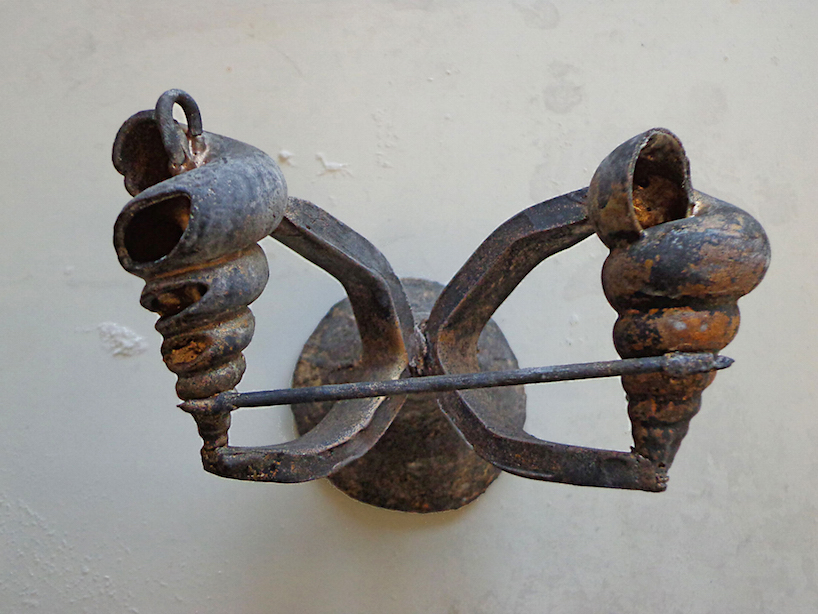
shells with casting structure still attached
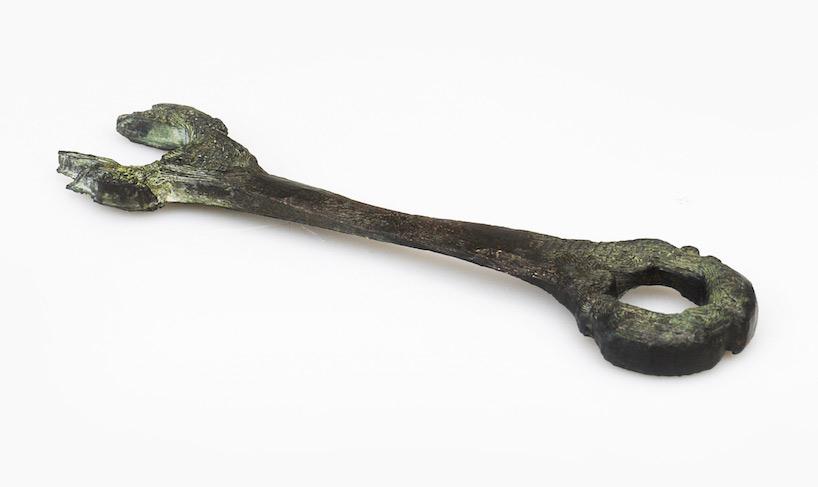
wrench
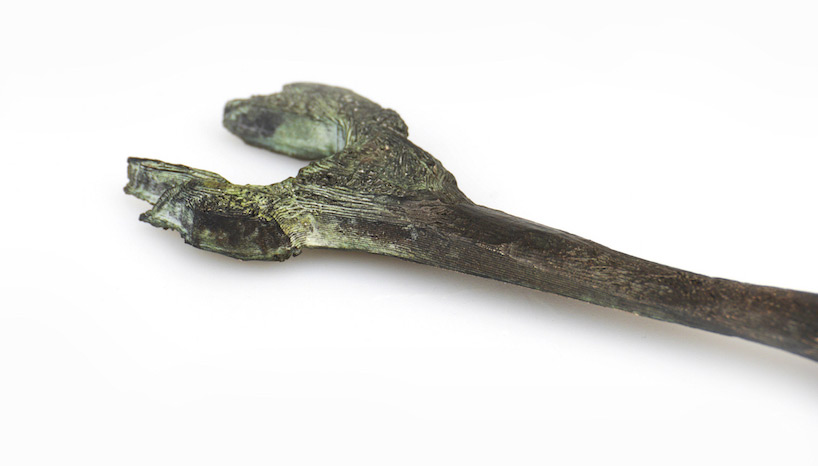
isolines in surface
workshop led by: vincent brinkmann, jan sengstake
participants: christine brovkina, dustin sherman, eran amir, felix fisgus, joris holte, jonas holst, lennard ulrich, marcel vesga, sven rose, thomas hoheisel
designboom has received this project from our ‘DIY submissions‘ feature, where we welcome our readers to submit their own work for publication. see more project submissions from our readers here.
shop
your own online design shop — no sales commission collected