alexander balchin addresses urban density with communities in the sky
the concept, subdivides hong kong into residential and commercial blocks that span sky-bridges hundreds of feet in the air.
alexander balchin addresses urban density with communities in the sky
all visuals courtesy of alexander balchin
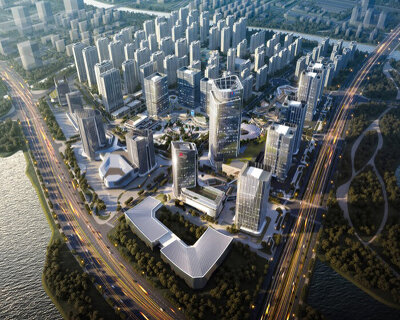
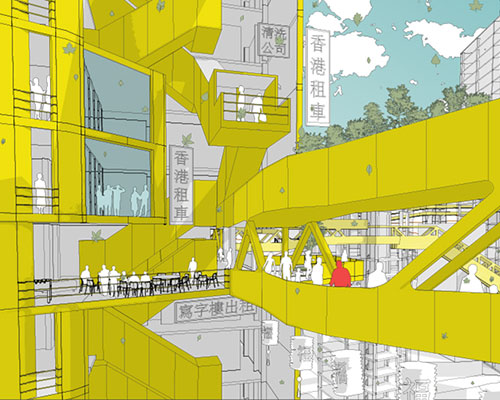
hong kong has more tall buildings than any other city in the world, and its increasing density has forced new structures into micro-plots that result in sky-high façades with little-to-no distinction between one and another. in the current era, which will only continue, cities such as hong kong can no longer be designed as merely vertical environments. british architect alexander balchin’s concept, ‘communities in the sky’ subdivides the urban metropolis into residential and commercial blocks that span sky-bridges hundreds of feet in the air.

public amenities at a raised ground level
the idea may seem farfetched, but similar infrastructure is already implemented in hong kong’s low level areas, creating a critical mass of users and diversifying connections between in-and-outside across the city. continuing this trend, ‘communities in the sky’ allows existing towers to become vertical villages, each with their own access from outdoors. sky-bridges connect various nodes together, as well as non-utilized rooftops, and to the ground — thanks to hong kong’s steep terrain.
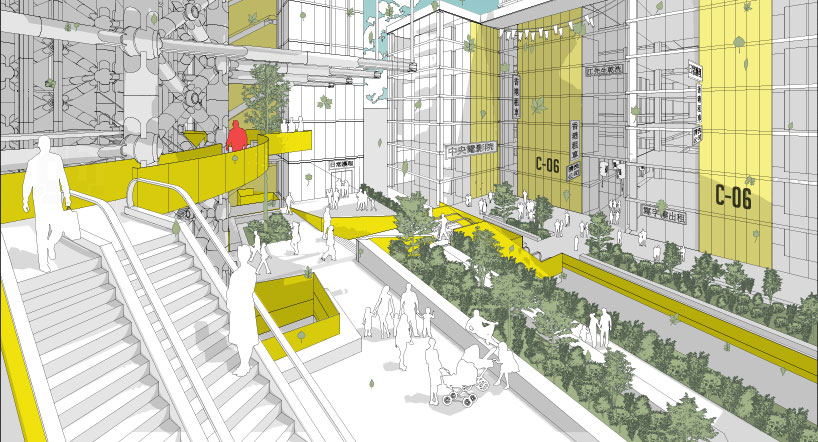
skyparks reclaiming hong kong’s unused rooftops
in addition to the concept, blachin created a circulation tower prototype to be placed within the urban area. having multiple structures created specifically for the three dimension city allows ground-level amenities and street vibrancy to be brought to any level, no matter how high.
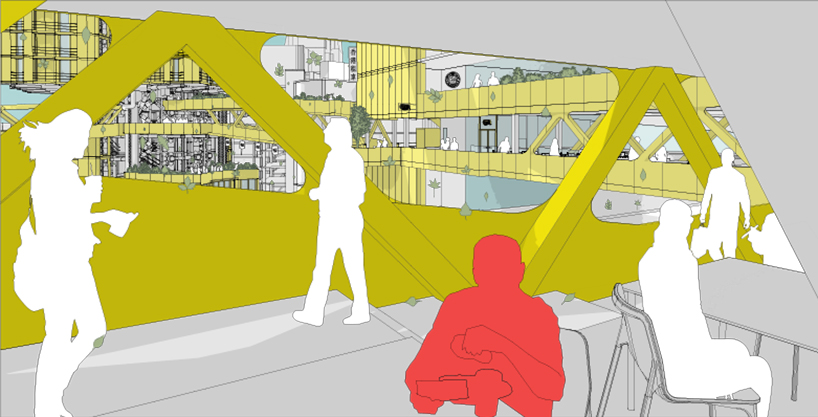
lunchtime at public levels
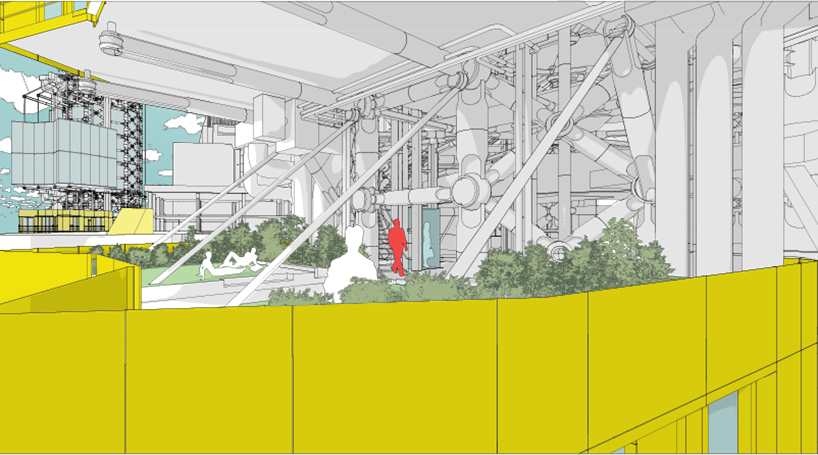
skygarden of the intervention tower
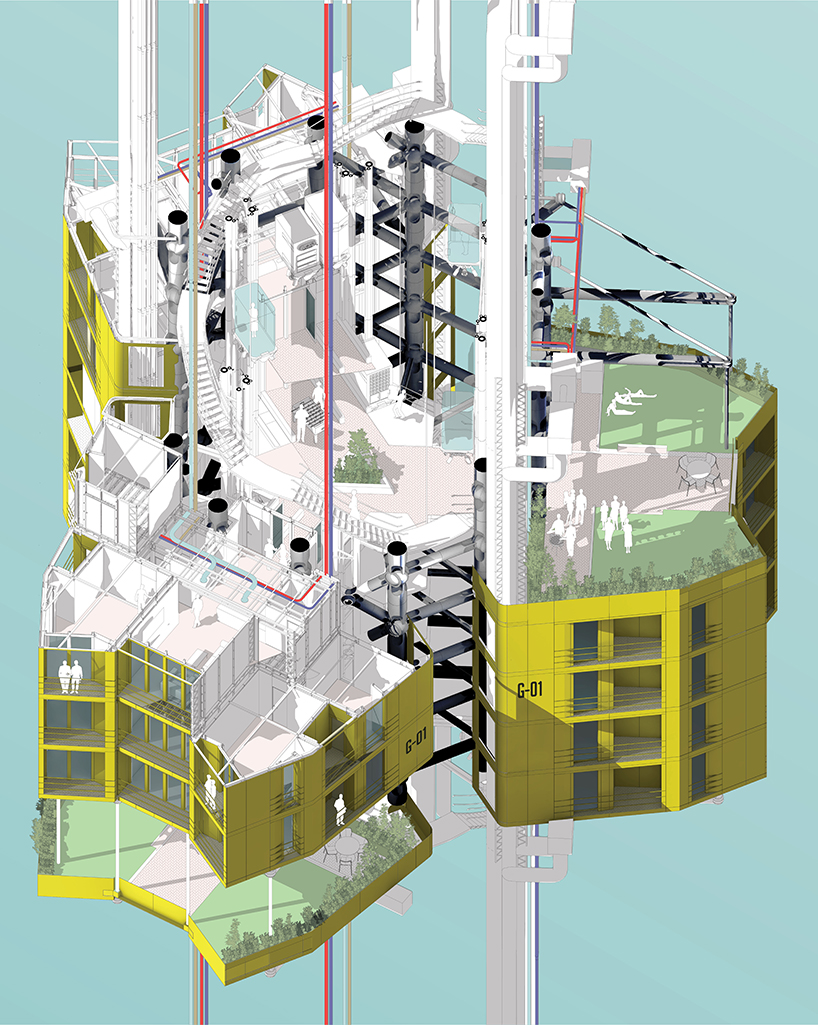
one module of the intervention tower

skybridge interface with office tower
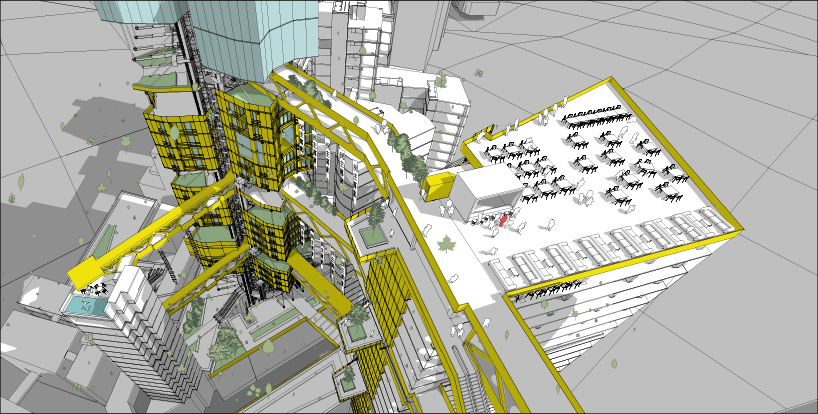
a view of interconnected rooftop levels
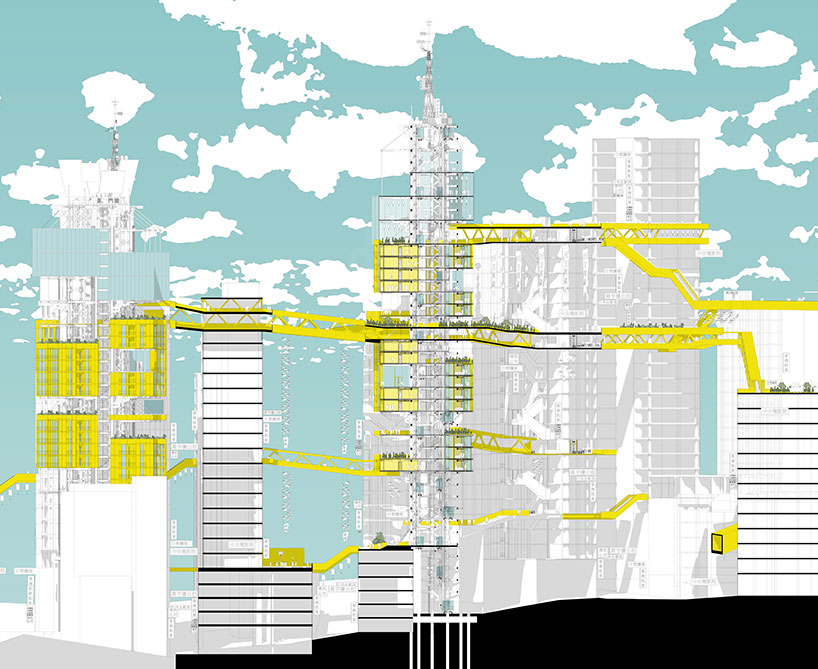
section of hong kong
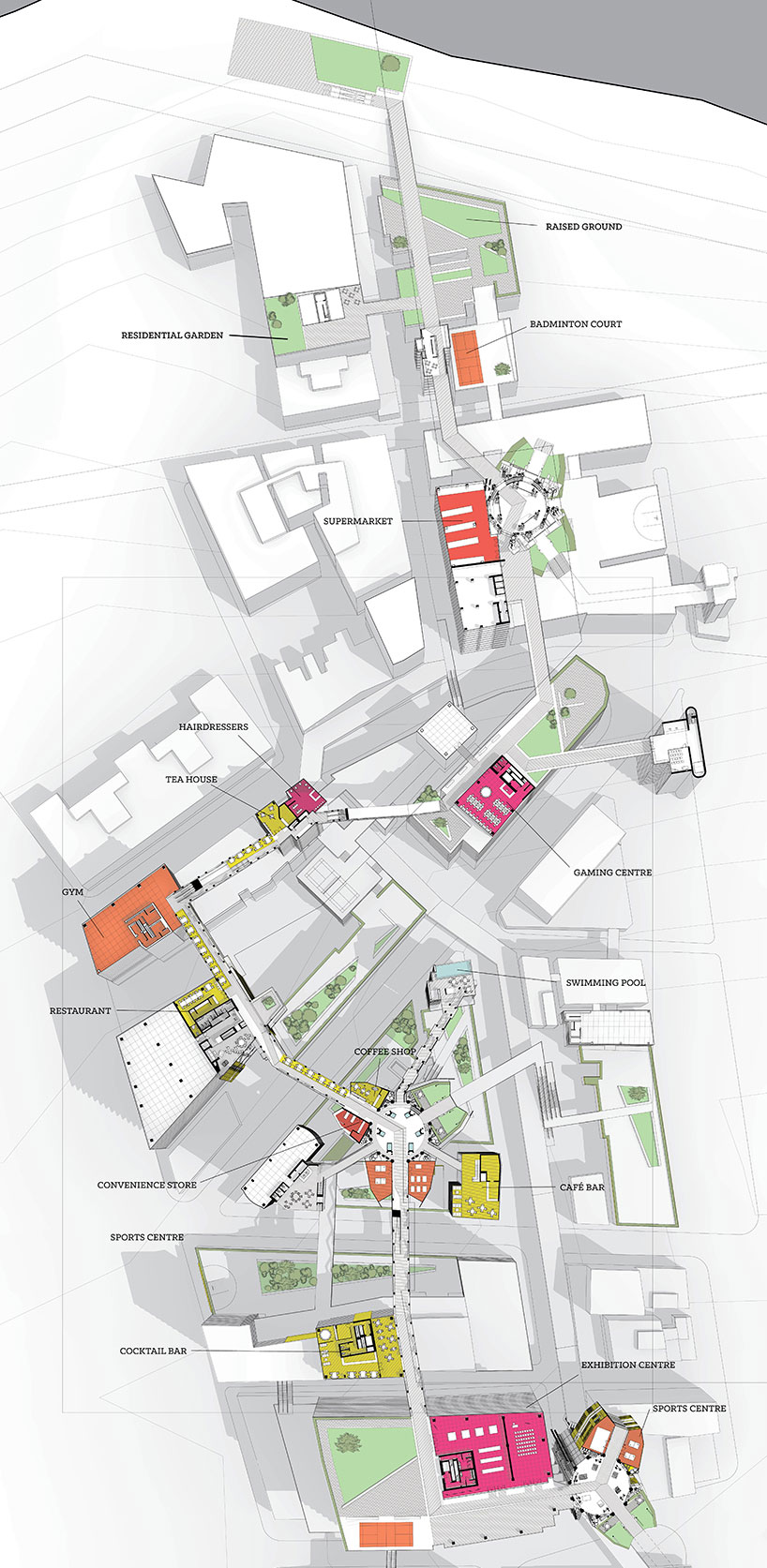
plan
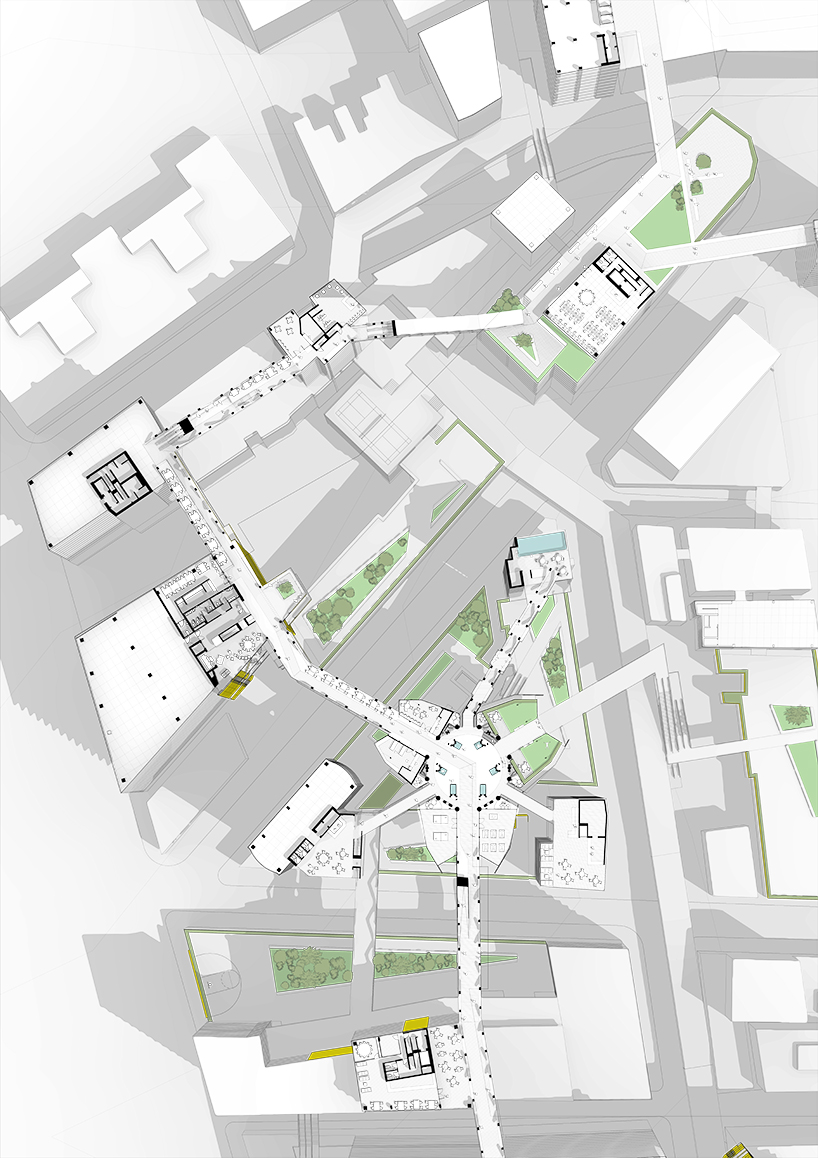
low-level rooftop sky park
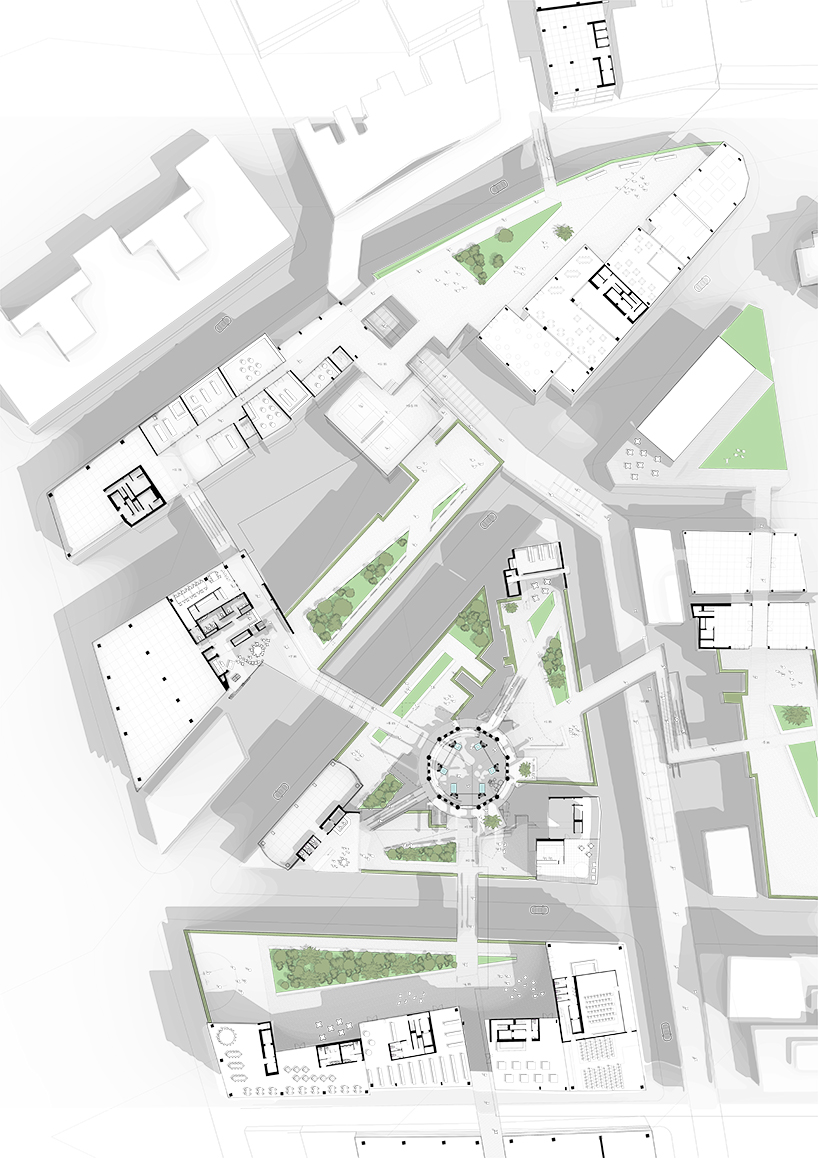 mid-level raised public network
designboom has received this project from our DIY submissions feature, where we welcome our readers to submit their own work for publication. see more project submissions from our readers here.
shop
your own online design shop — no sales commission collected