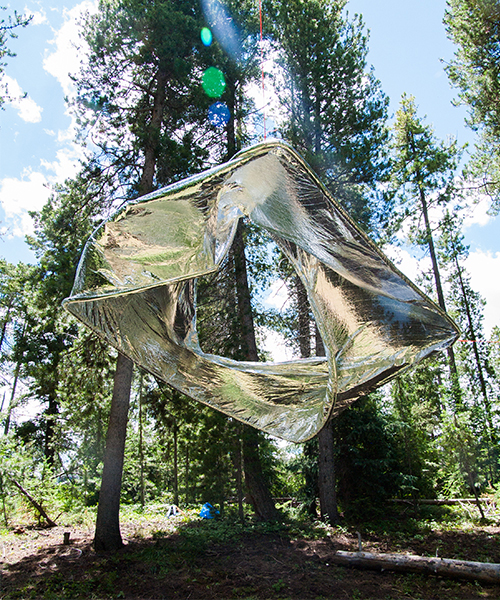
office ca suspends strip of NASA’s MPET to reflect light into the dense colorado woods
'reflector' is the first installment in a series of NASA-created material explorations and their architectonic applications.
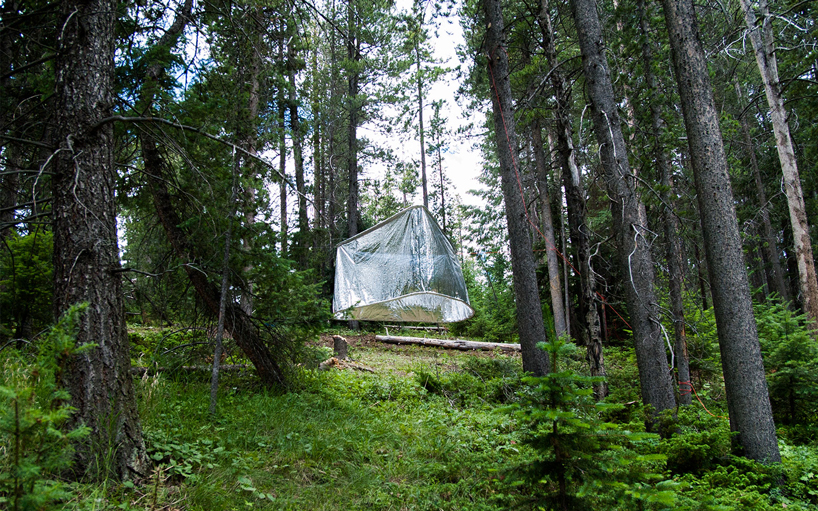
office ca suspends strip of NASA’s MPET to reflect light into the dense colorado woods
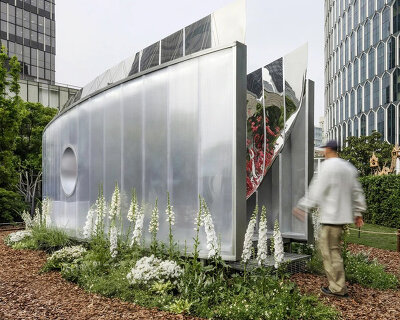
(above) the hyper-lightweight pavilion repurposes the space blanket
the space blanket was first developed by NASA in 1964 for the apollo missions at the marshall space flight center. officially classified as metallized polyethylene terephthalate, it is lightweight, durable, and most importantly, reflective. because MPET reflects ~95% of ultraviolet light, it has become one of the most widely used industrial materials for packaging, insulation, decoration, and emergency supplies. in response to a call for a temporary installation in the woods, office ca proposed a hyper-lightweight pavilion that repurposes the space blanket, simultaneously emphasizing its aesthetic qualities and material properties, called ‘reflector’.
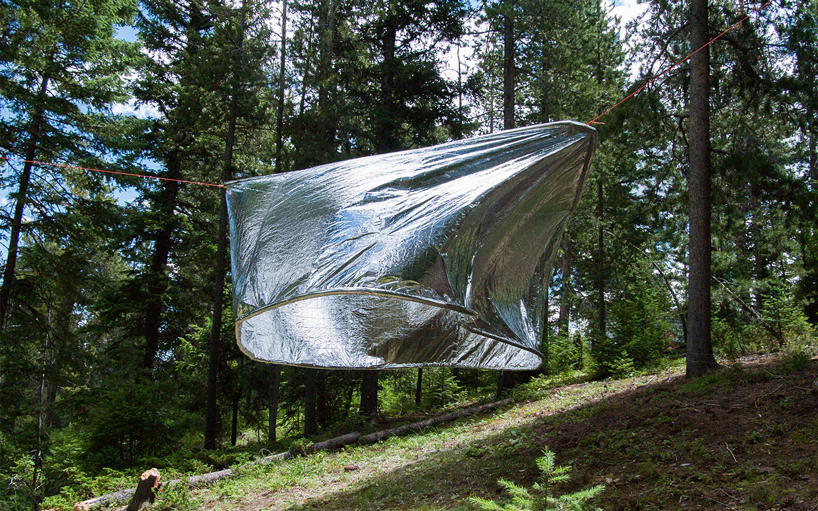
called ‘reflector’, the pavilion emphasizes its aesthetic qualities and material properties
‘reflector’ by office ca is a continuous, suspended strip of MPET, supported by a top and bottom ring, designed to reflect light into a densely wooded area in conifer, colorado. it relies on a minimal three-point structure, which gives it a soft triangular geometry in plan, but is detached below, leaving it to be deformed by external forces. the tension between above (which wants to be a triangle) and below (which wants to be a circle) creates a deformed three-dimensional primitive: a real-life “loft.” it is a non-volumetric inflatable that expands, contracts, and dances in the wind. like a deformed or cracked mirror, it imperfectly reflects its surroundings, existing as a fractured, camouflaged object within a natural landscape.
video courtesy of galo canizares
the goal from the outset was to achieve the lightest possible structure with the strongest wind resistance. sheets of MPET were seamed together using another favorite NASA material, metalized duct tape, and folded in on itself at the top and bottom to create two hems. the rings, made of extruded pipe insulation, were inserted around the hems. finally, three one-foot pieces of PVC tubing were inserted to provide anchors for support.
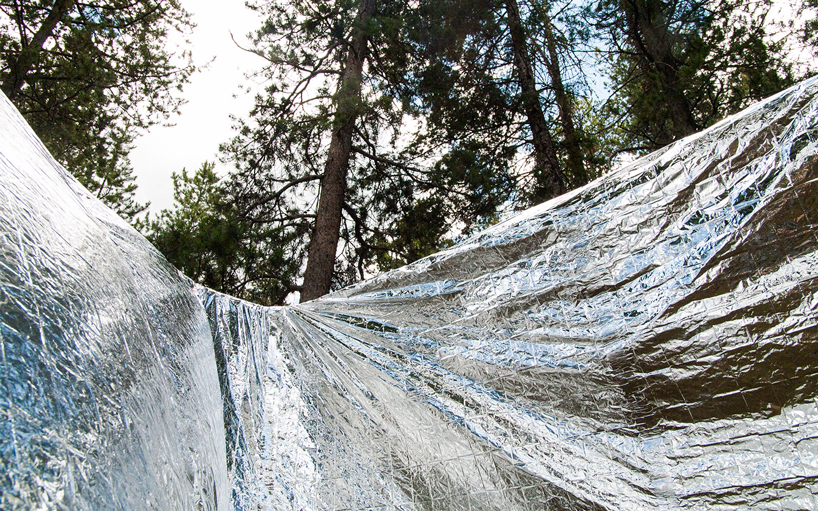
‘reflector’ is supported by a top and bottom ring
‘reflector’ is the first installment in a series of NASA-created material explorations and their architectonic applications. since the beginning of the “space race” in the 1960s, the national aeronautics and space administration has invented and patented a number of material technologies that have since become ubiquitous in daily life. from multi-density foams to fire-resistant composites, to dehydrated food, the spread of these materials encompasses an incredibly wide range of domestic applications. MPET, for example, is often used in both hydroponic farming (because of its reflectivity) and electronics packaging (because of its low static conductivity). our investigations seek to combine efficient uses with aesthetic concerns, ultimately unearthing new formal/spatial/graphic potentials of these extraordinary, extraplanetary materials.
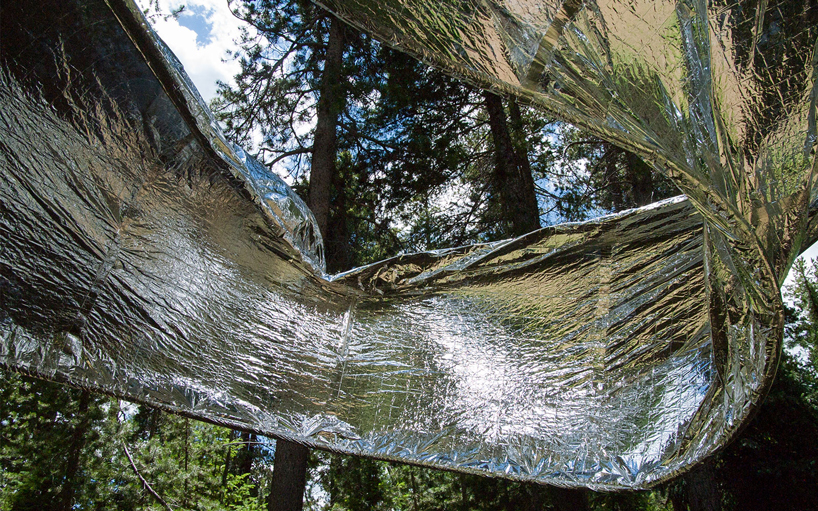
the goal from the outset was to achieve the lightest possible structure with the strongest wind resistance
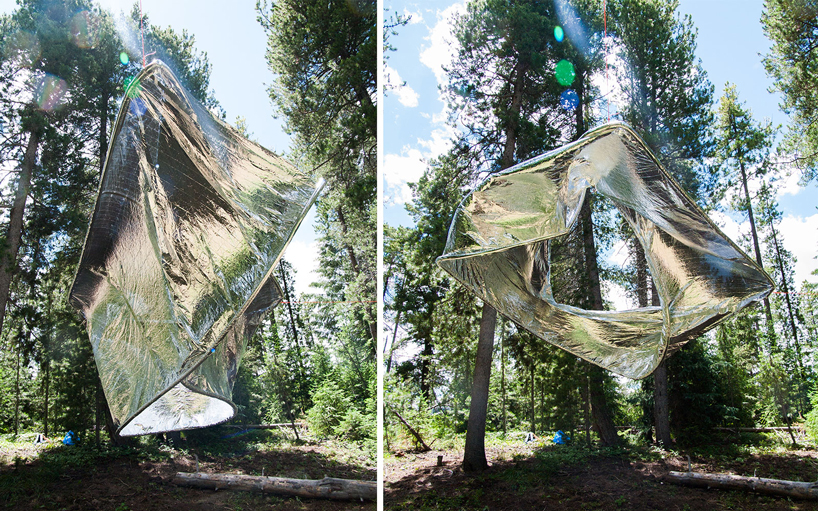
sheets of MPET were seamed together using another favorite NASA material, metalized duct tape

‘reflector’ is the first installment in a series of NASA-created material explorations

three one-foot pieces of PVC tubing were inserted to provide anchors for support
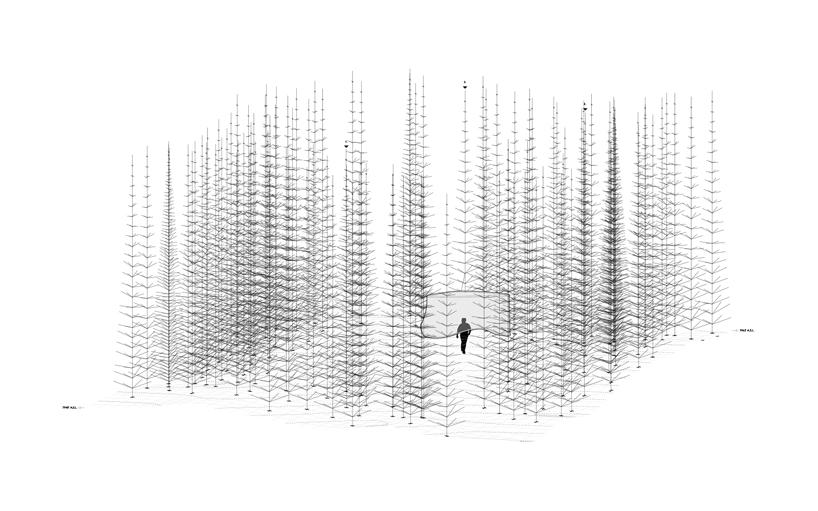
isometric
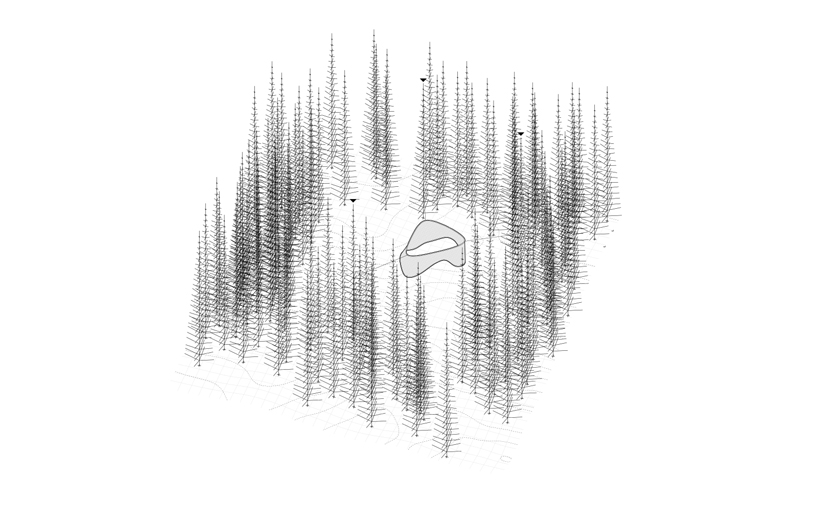
isometric
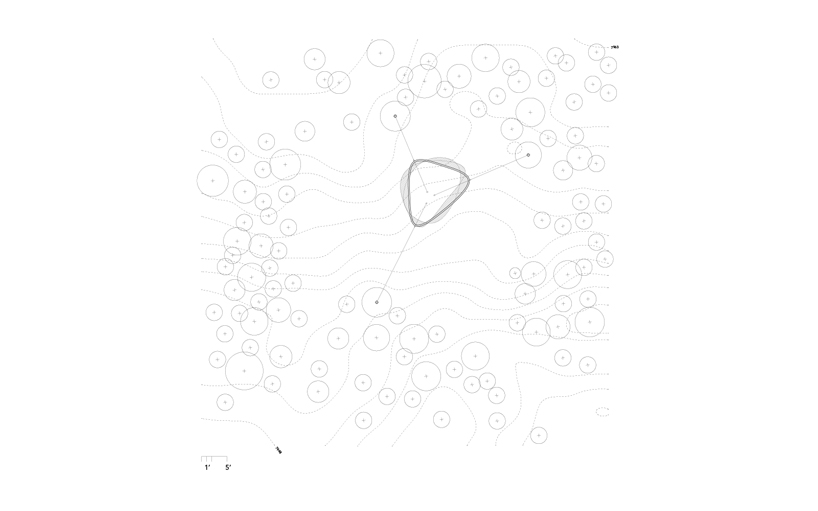
plan
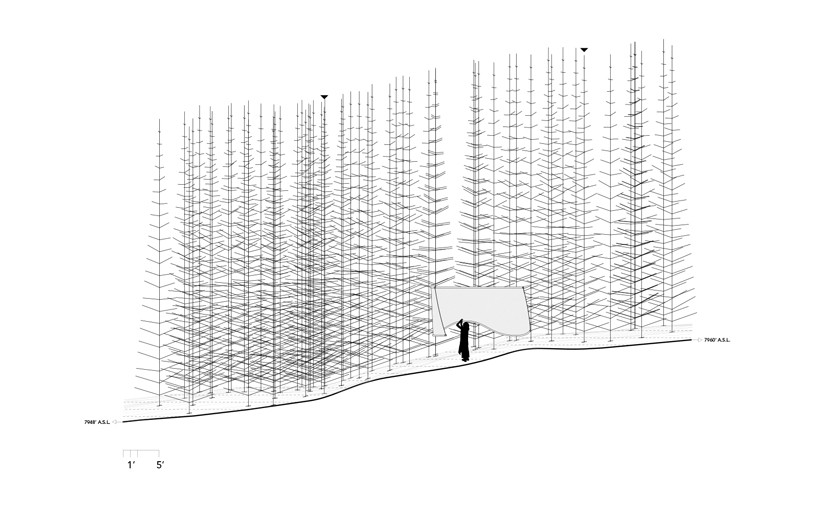
section
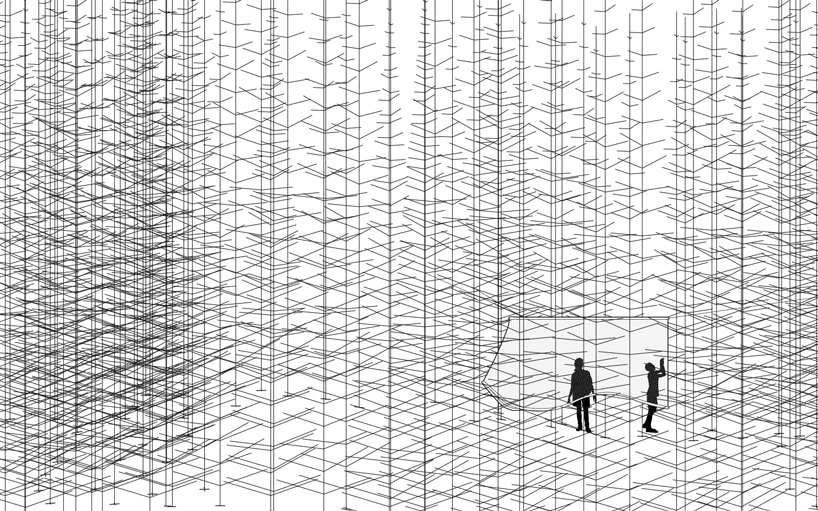
elevation
designboom has received this project from our ‘DIY submissions‘ feature, where we welcome our readers to submit their own work for publication. see more project submissions from our readers here.